Mom's Best Recipes
Recipe

Pickled Beets

Tender beets in a sweet-tangy vinegar brine with warm spices, perfect for salads, sandwiches, and snack plates.

Author By Matt Campbell
4.8
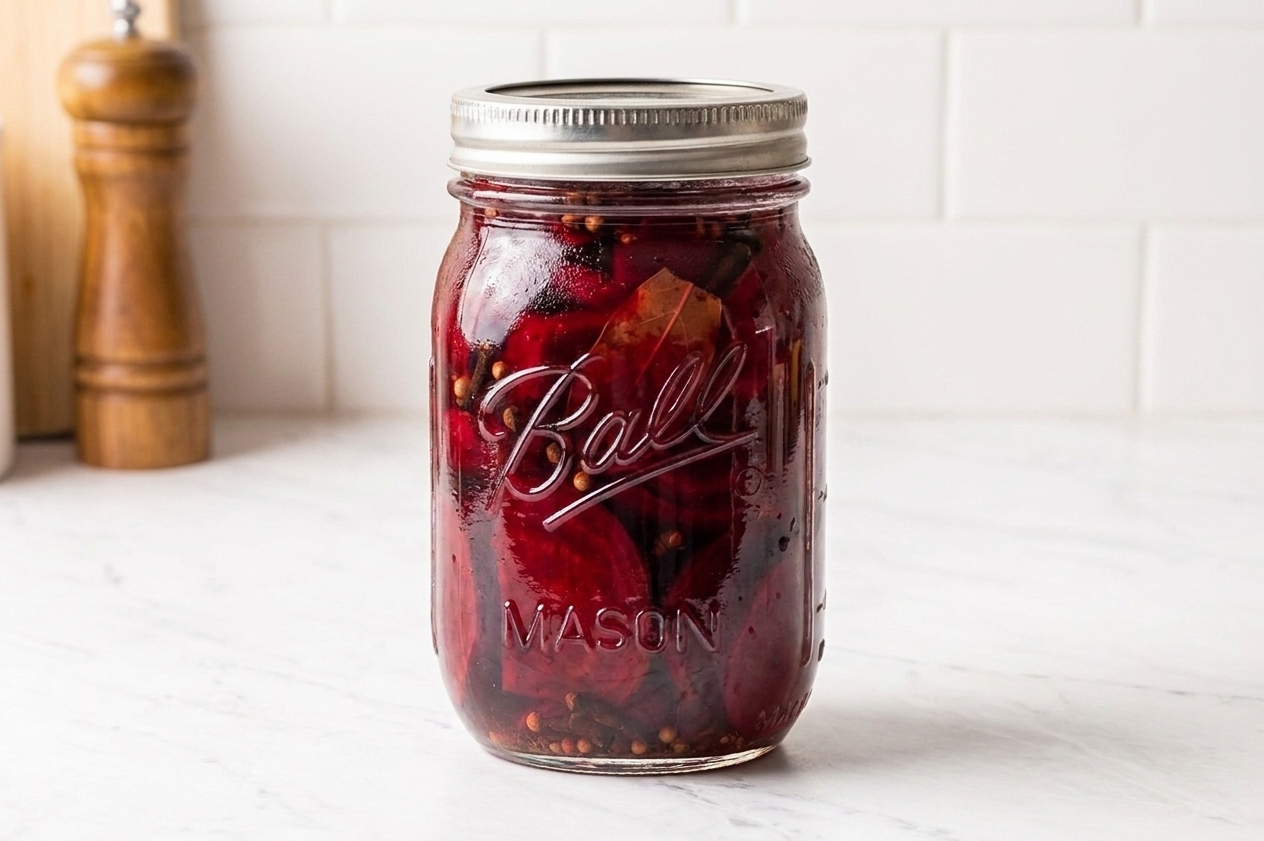
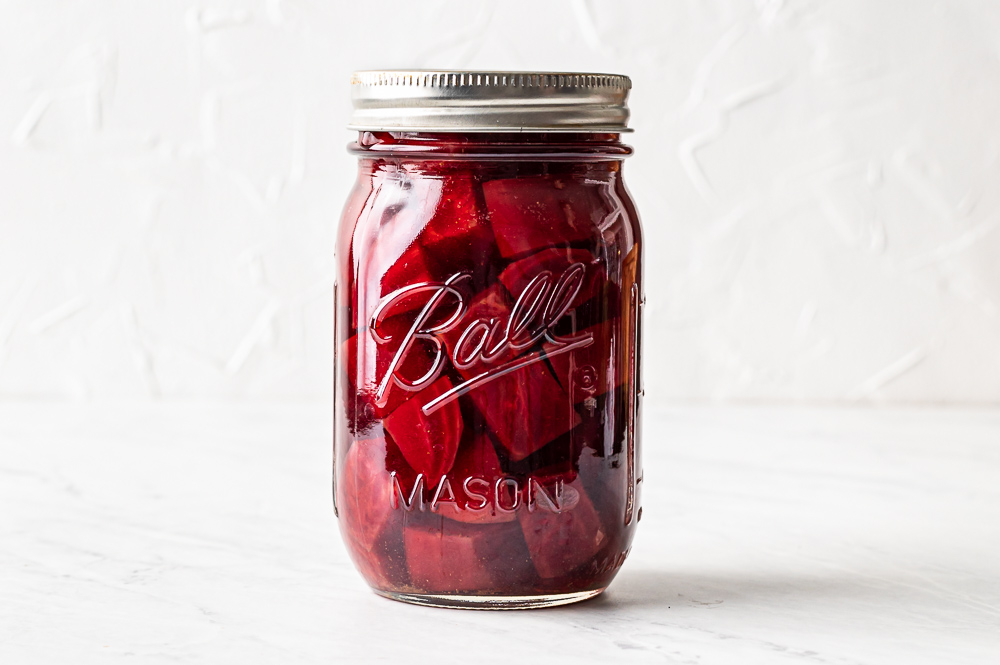
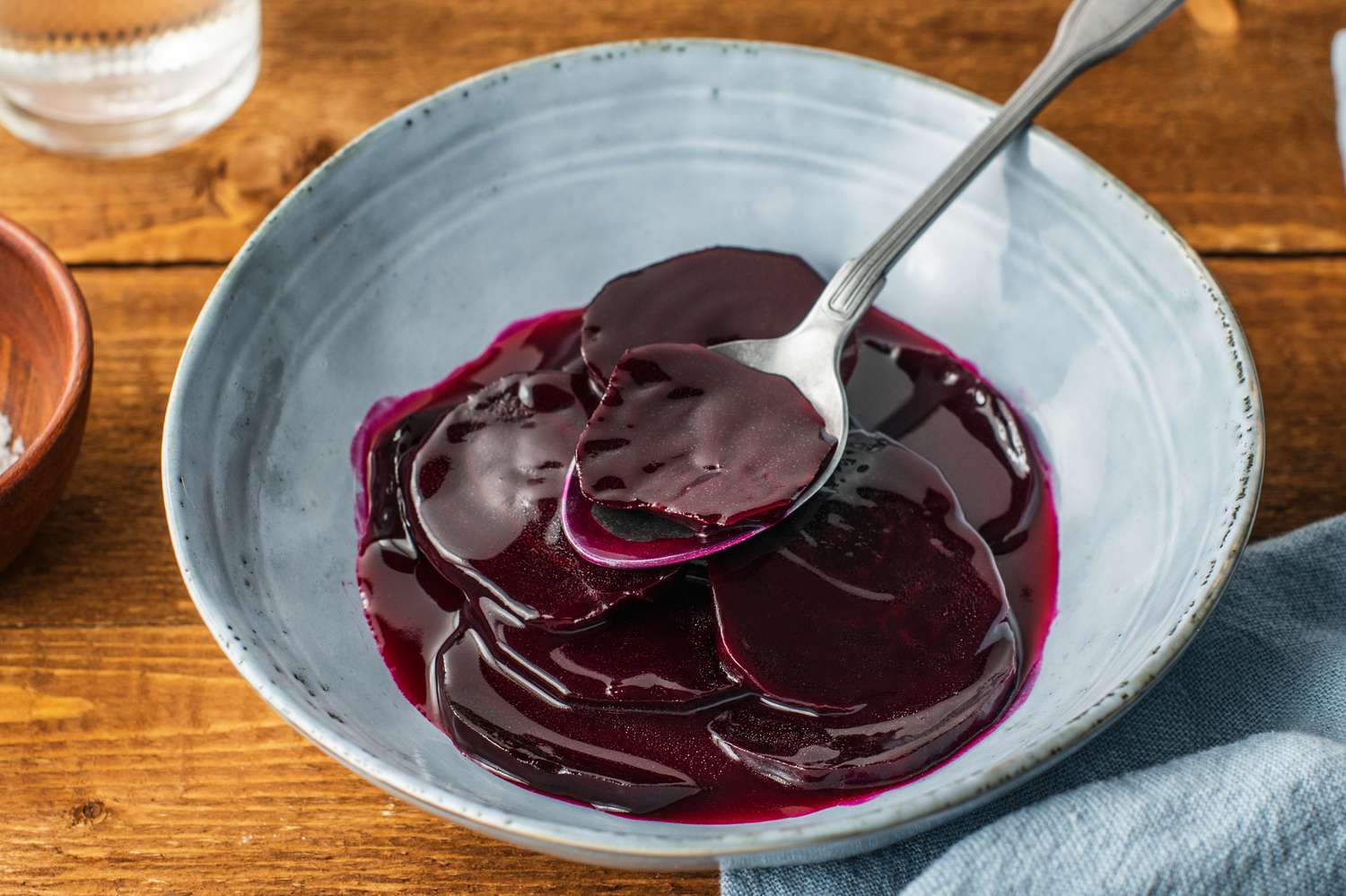
A glass jar filled with deep ruby pickled beet slices in brine on a light kitchen counter, with a few peppercorns and bay leaf visible

Pickled beets are one of those tiny kitchen wins that make everything else taste more exciting. Salads get brighter, sandwiches get a tangy snap, and even a boring bowl of cottage cheese starts acting brand new. This is my home-cook-friendly method for pickled beets, with a bold, balanced brine that tastes sweet, tangy, and just a little warm from spices.

You can keep it easy with refrigerator pickles, which is what this recipe is designed for. If you want shelf-stable canned beets, do not use this exact recipe. Use a tested canning recipe and follow proper processing times for your jars and altitude.
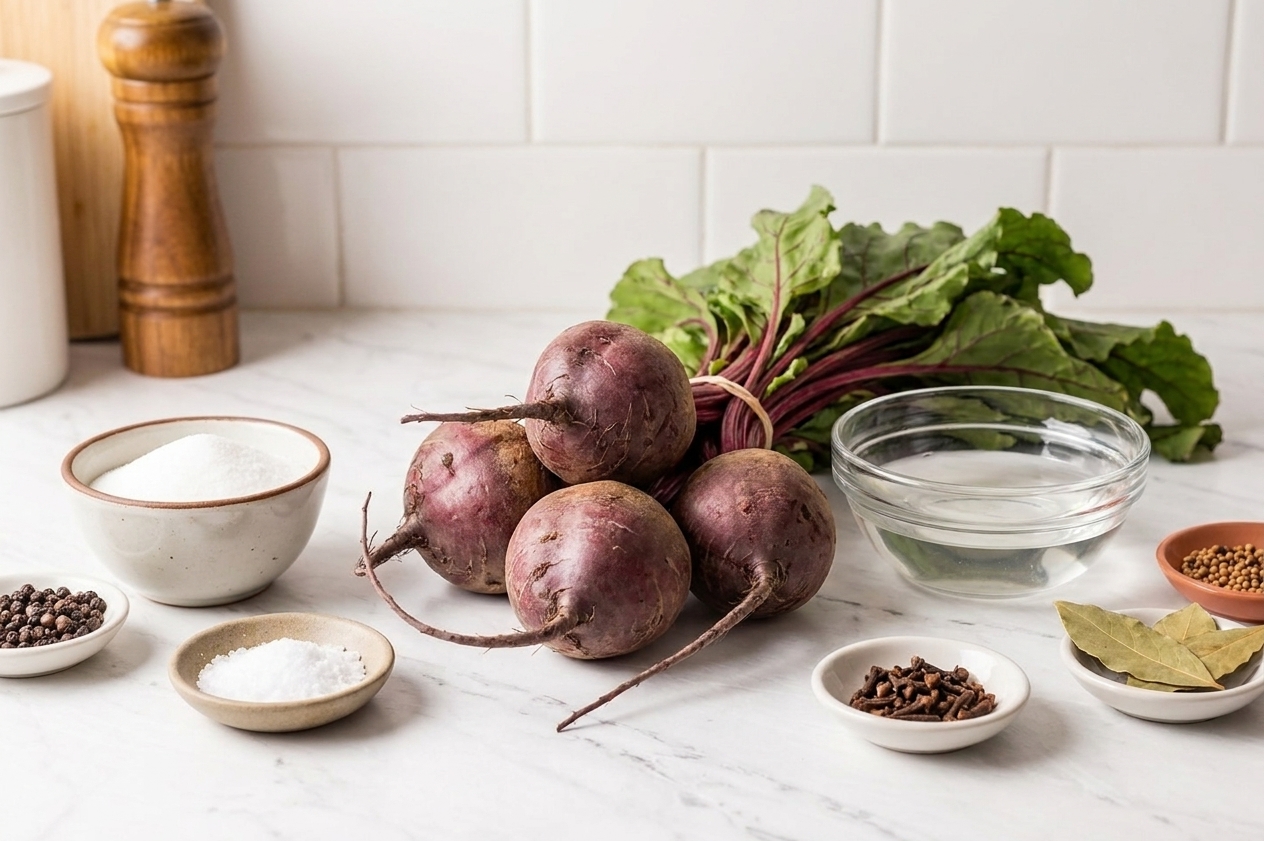
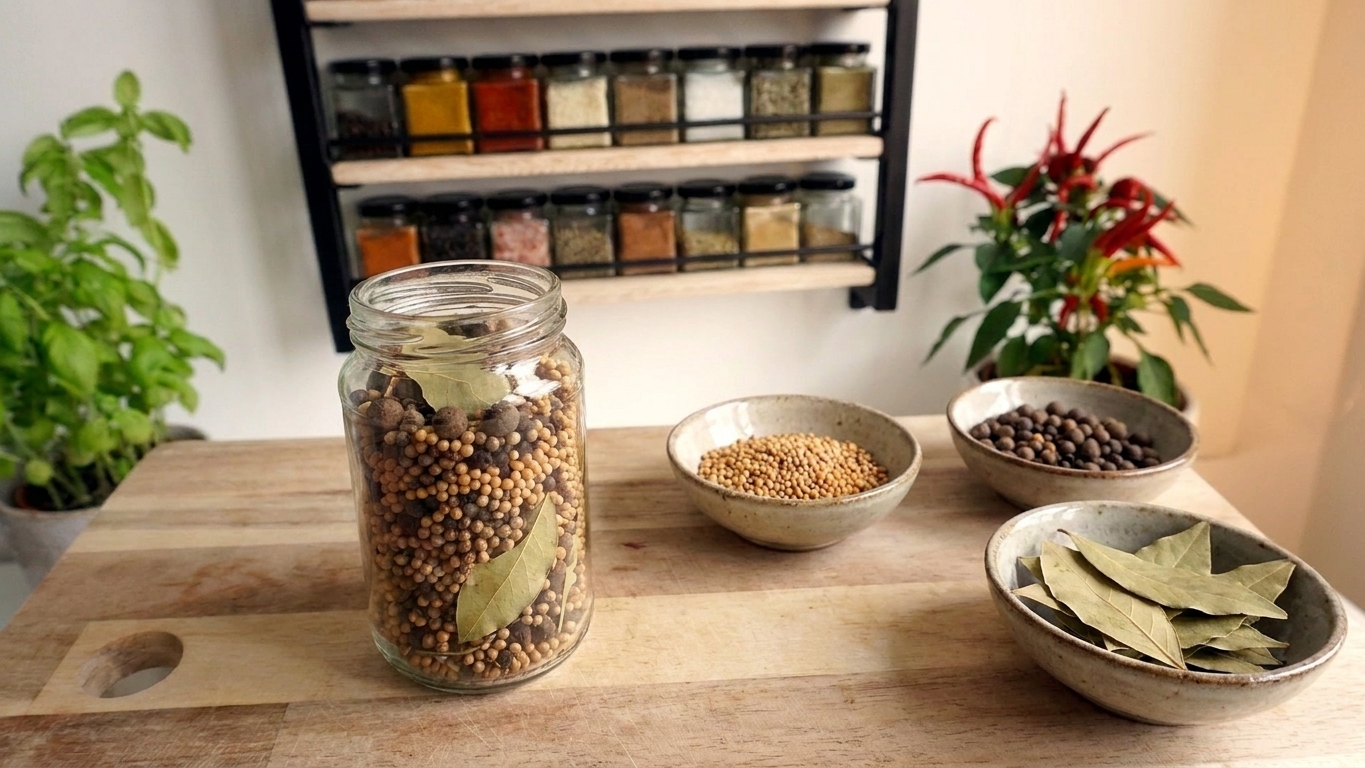
Whole fresh beets, a bowl of vinegar, sugar, salt, and small dishes of pickling spices arranged on a clean kitchen counter

Why It Works

  • Reliable texture: roasting or simmering cooks beets until tender but not mushy, so they stay sliceable in the jar.
  • Balanced brine: vinegar for tang, sugar for roundness, salt for pop. It hits that classic pickled beet vibe without tasting flat.
  • Flexible flavor: keep it old-school with cloves and allspice, or go modern with citrus, ginger, or a spicy kick.
  • Meal-friendly: they get better after a night in the fridge and stay ready for quick lunches all week.

Pairs Well With

Storage Tips

Refrigerator pickled beets: Cool, cover tightly, and refrigerate. They are best after 24 hours and typically keep well for about 2 to 3 weeks, depending on freshness, fridge temperature, and how cleanly you serve them.

Always use clean utensils when grabbing beets so the brine stays fresh. If you see mold, a slimy texture, bubbling, or an “off” smell, toss the jar. (A harmless-looking film can happen sometimes, but I still stick with the rule: when in doubt, throw it out.)

Brine bonus: Do not pour that brine out. Splash a spoonful into salad dressing, stir into hummus, or use it to quick-pickle sliced onions.

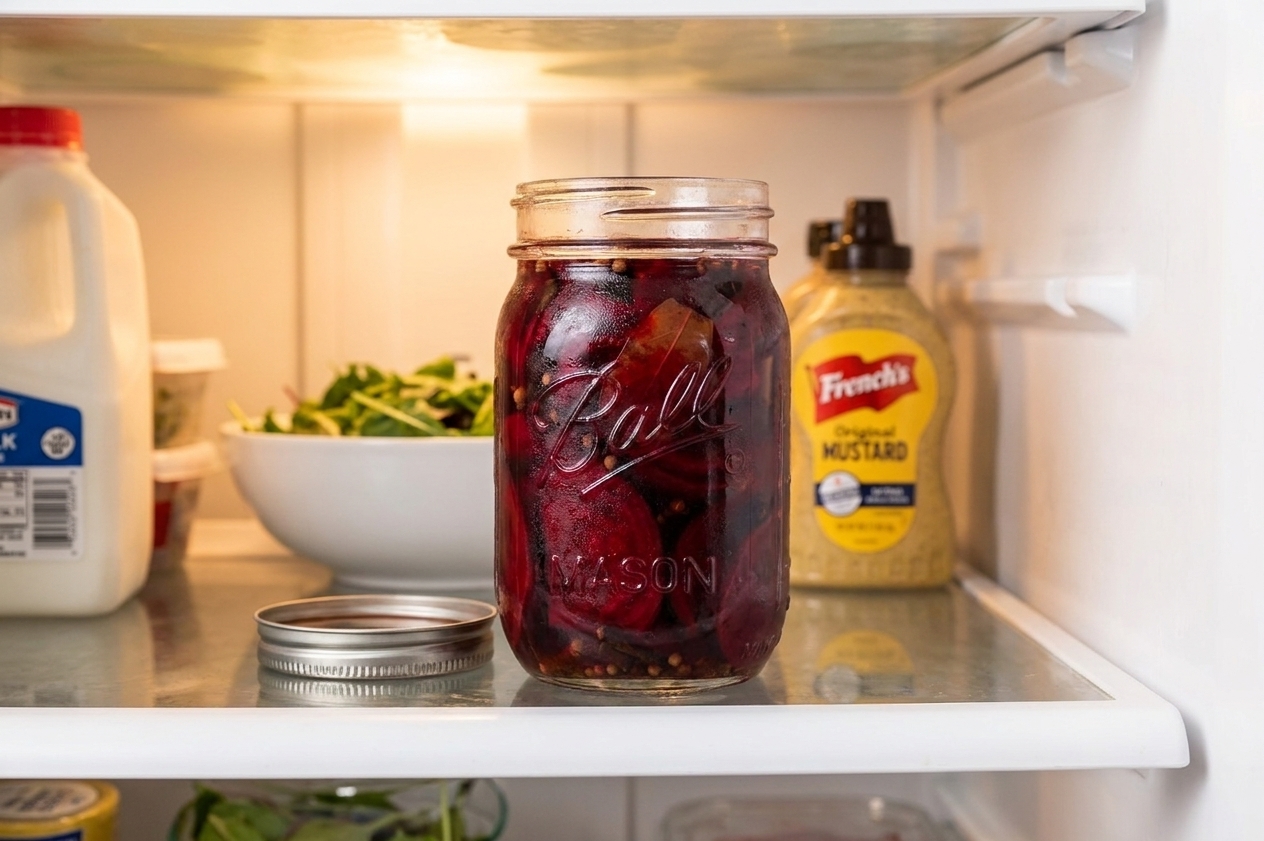
An open jar of pickled beets on a refrigerator shelf with the lid set beside it, showing beet slices submerged in brine

Common Questions

Do I have to cook the beets first?

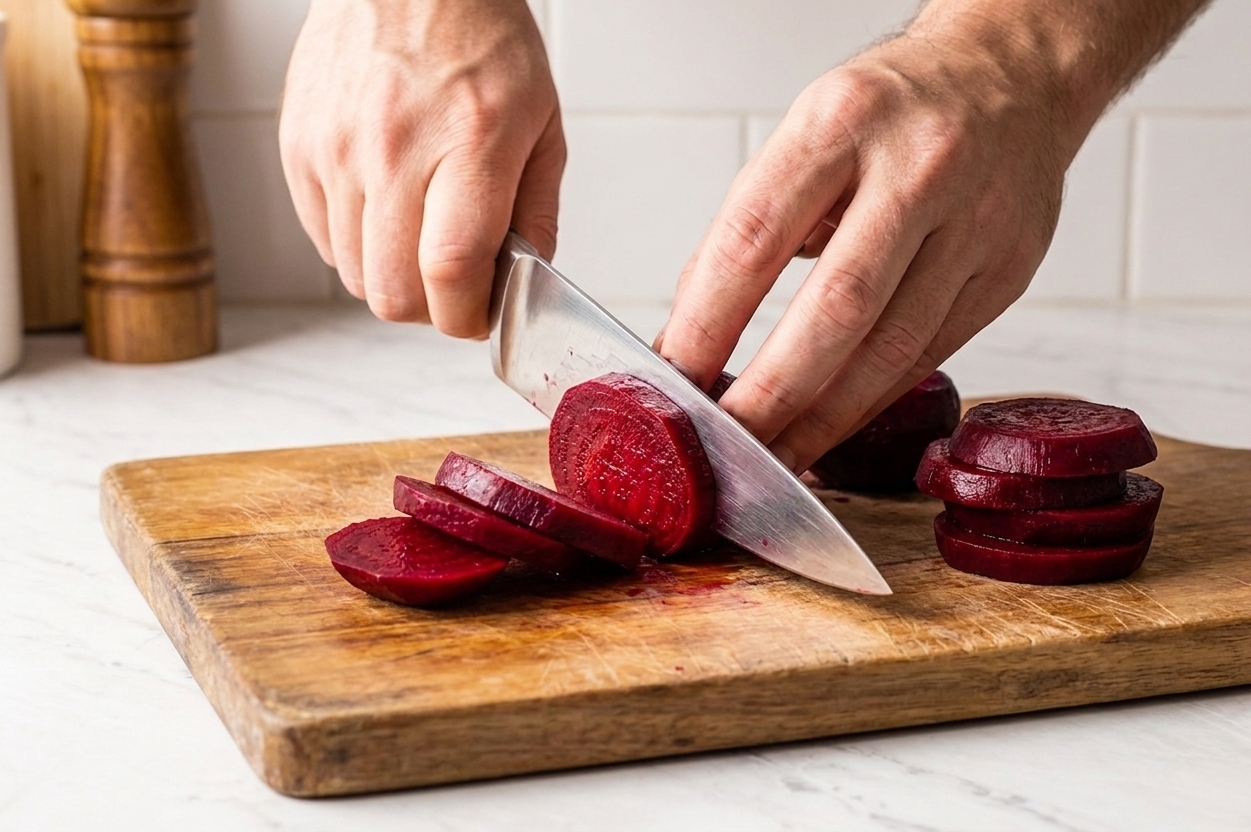
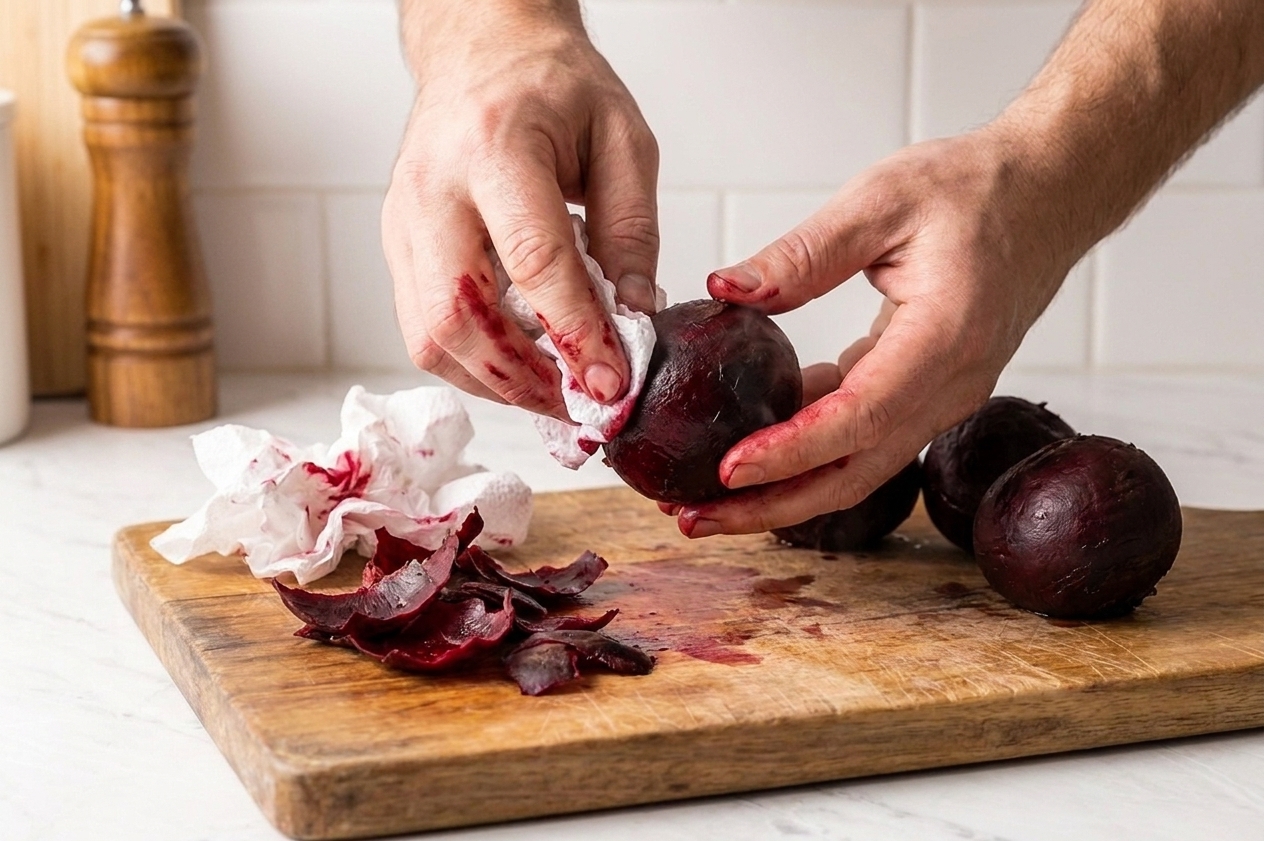
Yes. Raw beets are too firm and do not absorb the brine well. Cook them until a knife slides in easily, then peel and slice.

Roast or boil, which is better?

Roasting gives slightly deeper, sweeter flavor and less watery beets. Boiling is faster and simpler. Both work great here.

How long until they taste pickled?

You will taste the brine in a few hours, but they are best after overnight. For full flavor, give them 2 to 3 days.

Do I need to sterilize jars for refrigerator pickles?

No special sterilizing is required for fridge pickles, but your jars and lids should be very clean. Wash well in hot, soapy water (or run through the dishwasher), then dry before using.

Can I can these for shelf-stable storage?

This recipe is written for refrigerator pickles. For shelf-stable canned beets, use a tested canning recipe and follow safe water-bath processing times for your jar size and altitude. Brine strength and processing rules matter for safety.

Why did my brine turn cloudy?

A little haze can happen from spices or garlic. If it smells normal and there is no bubbling or mold, it is usually fine for fridge pickles. When in doubt, toss it.

I started making pickled beets when I realized I was buying them for every salad bar craving and then immediately forgetting they existed once they hit my fridge. Homemade fixed that. The jar is right there, the beets are actually bright and snappy, and the brine tastes like something you want to sneak a spoonful of while no one is looking. It is low drama, high payoff, and it makes weeknight food feel a little more put together.