Mom's Best Recipes
Recipe

Pico de Gallo

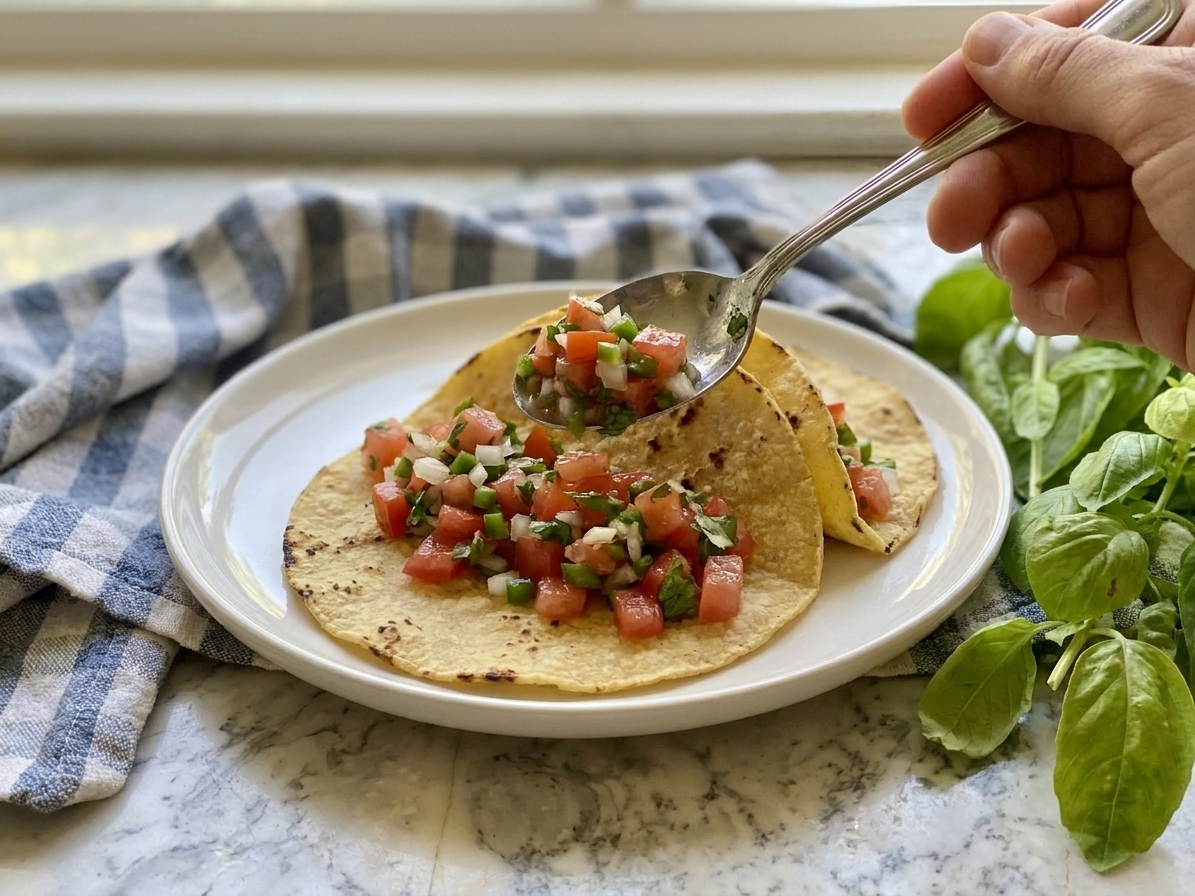
A bright, chunky, no-cook salsa with tomatoes, onion, cilantro, jalapeño, and lime that wakes up tacos, bowls, grilled meats, and chips.

Author By Matt Campbell
4.8
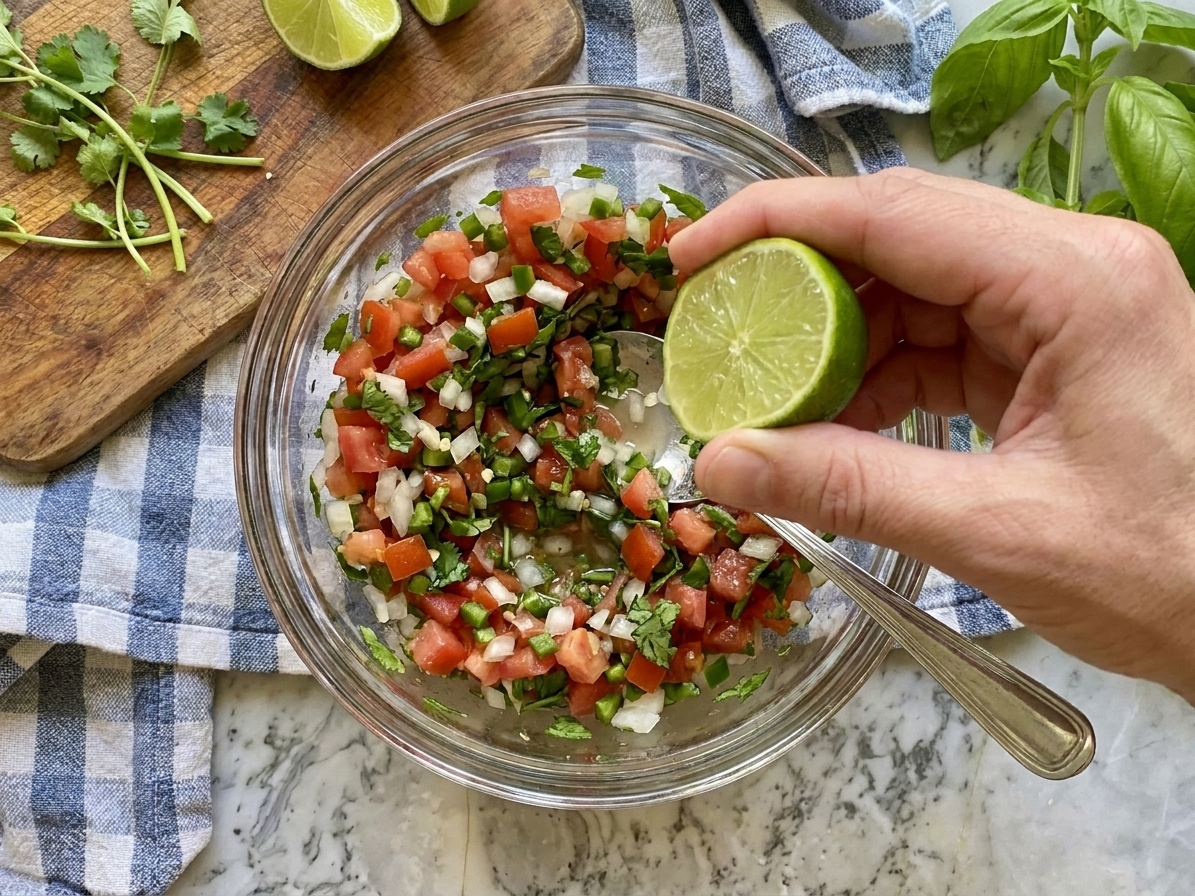
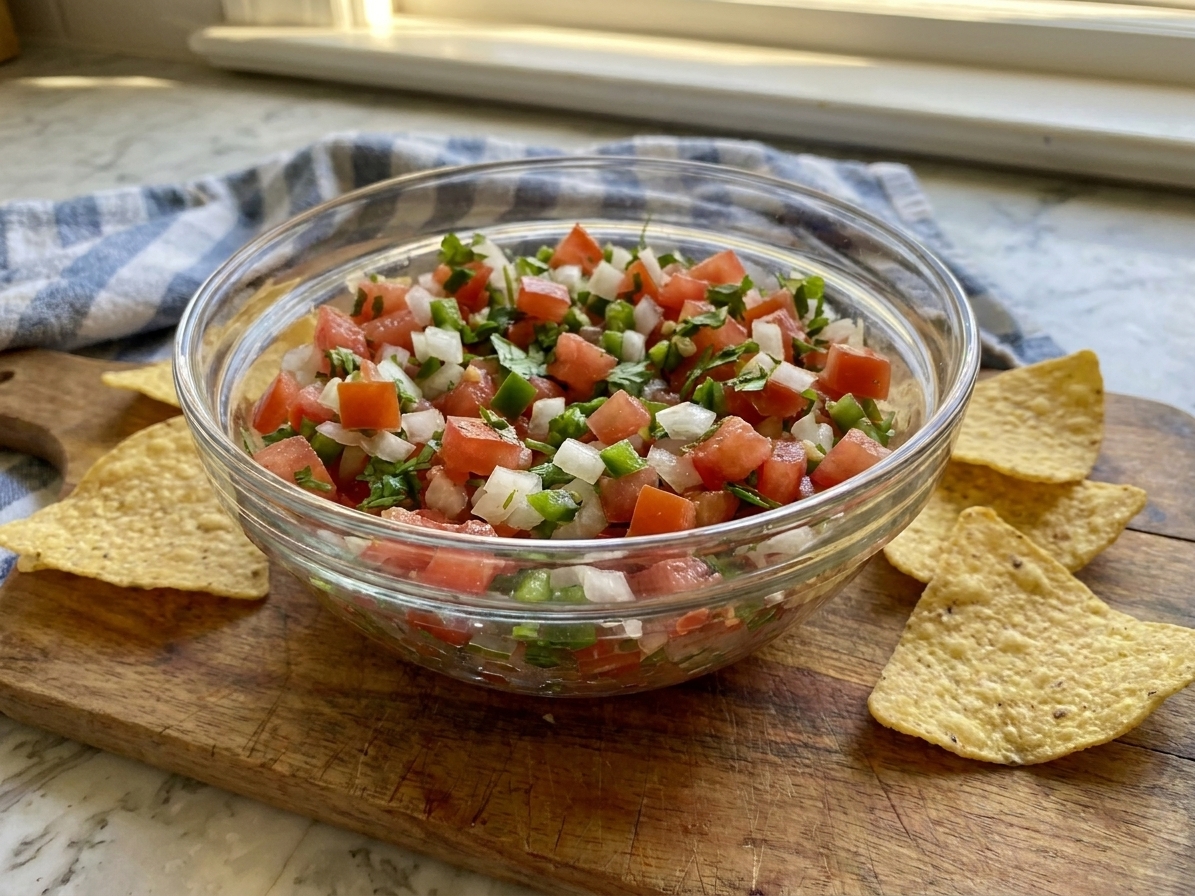
A bowl of fresh pico de gallo with diced tomatoes, onion, cilantro, and jalapeño on a wooden table with tortilla chips nearby, warm natural kitchen light

Pico de gallo is the salsa I make when the meal feels a little too beige. It’s bright, crunchy, and unapologetically fresh. You chop a few things, squeeze a lime, add salt, and suddenly tacos taste like tacos again.

This version is the one I keep coming back to because it’s dependable. It’s chunky, not watery (at least not in a sad, soupy way). It has heat you can control. And it gets better after a short rest, which is code for: you can make it first, then cook everything else without stressing.

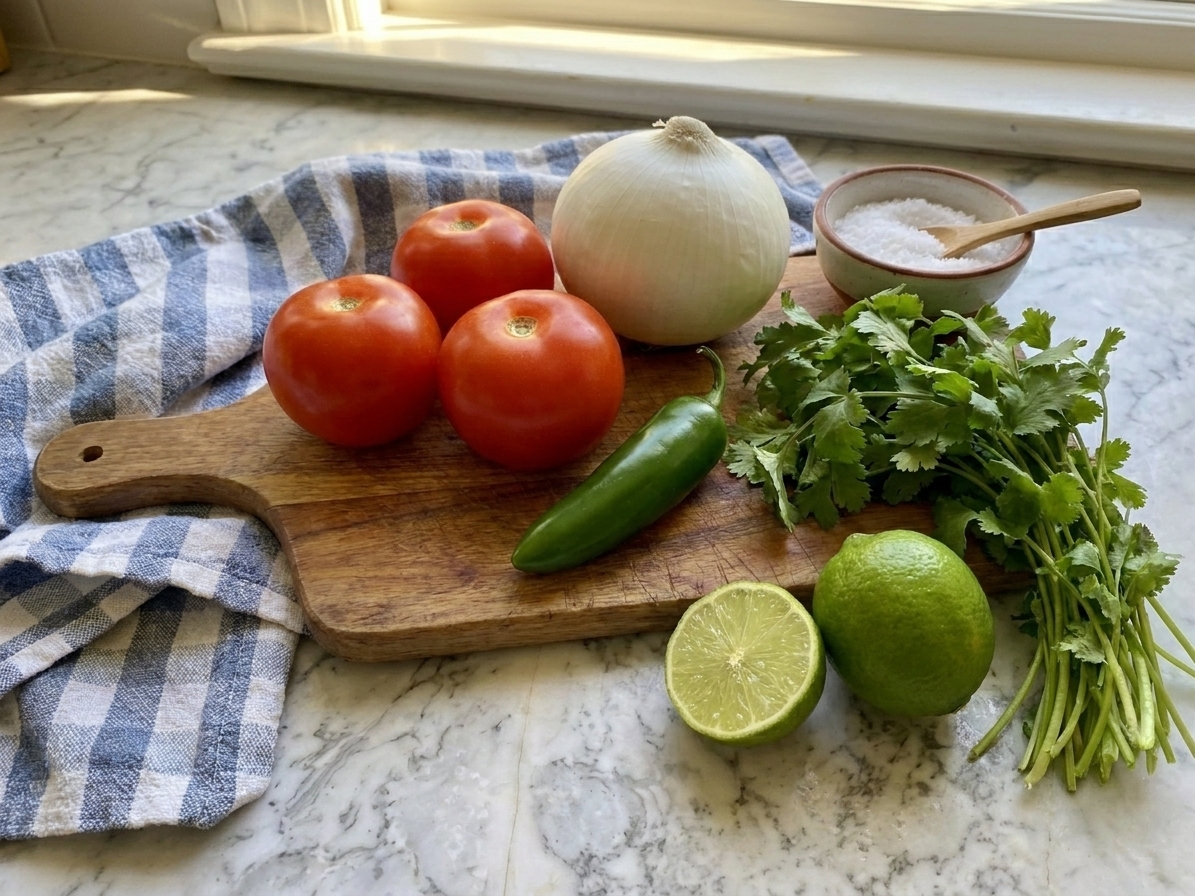
Whole tomatoes, white onion, jalapeño, cilantro, limes, and a small bowl of salt arranged on a kitchen counter next to a cutting board

Why It Works

  • It’s high flavor, low effort. Lime and salt do most of the heavy lifting, while the tomatoes and onion bring texture.
  • A quick rest makes it pop. Ten minutes lets the onion mellow and the tomato juices turn into a naturally seasoned dressing.
  • Easy to customize. Make it mild, make it spicy, swap onions, add garlic, or fold in diced avocado right before serving.
  • Less watery pico. De-seeding the tomatoes helps, and if it still pools, you can drain and re-season.

Pairs Well With

Storage Tips

Refrigerate: Store in an airtight container for up to 3 to 4 days. It’s best on day 1 and day 2. After that it’s still tasty, just softer and juicier. As always, how long it keeps depends on how fresh your produce is and how clean your prep is.

Drain if needed: If it gets watery, pour off a little liquid or stir it into rice, beans, or a taco meat pan instead of tossing it.

Freezing: Not recommended. It’s safe, but tomatoes and onion turn mushy after thawing and the fresh flavor fades.

Make-ahead tip: Chop everything except the tomatoes up to 1 day ahead. Keep tomatoes separate, then mix with lime and salt 10 to 30 minutes before serving.

Common Questions

What is pico de gallo?

Pico de gallo is a fresh Mexican salsa (also called salsa fresca) made from chopped tomatoes, onion, cilantro, chile, lime juice, and salt. It’s chunky and raw, not blended or cooked.

Why is my pico de gallo watery?

Usually it’s super juicy tomatoes plus salt pulling out moisture. Use ripe but firm tomatoes and remove some seeds and watery centers. After you salt and rest it for 10 minutes, give it a stir, then drain off a little liquid if needed and re-salt to taste.

How do I make it less spicy?

Use half a jalapeño and remove the ribs and seeds, or swap in a mild pepper. You can also add extra tomato and a little more lime to balance the heat.

Can I use canned tomatoes?

Technically yes, but it’ll taste more like a quick tomato relish than pico. Fresh tomatoes are the whole point here.

What tomatoes are best?

Roma tomatoes are my go-to because they’re meatier and less watery. Vine-ripened also work. If your tomatoes are extra juicy, de-seed them and you’re back in business.

Do I have to use cilantro?

No. If cilantro tastes soapy to you, swap in flat-leaf parsley or a mix of parsley and thinly sliced scallions. Different vibe, still delicious.

Any tips for sharp onion?

If your onion tastes aggressive, rinse the diced onion under cold water and shake it dry, or soak it in cold water for 5 minutes, then drain well. It takes the edge off without killing the crunch.

I started making pico de gallo when I was chasing “real” kitchen skills instead of just collecting fancy ingredients. It’s one of those deceptively simple recipes that teaches you a ton: how to dice evenly, how salt changes texture, how lime can rescue a bland bite, and why tasting as you go is basically the whole job. Also, it’s the fastest way I know to make a random weeknight dinner feel like you planned it.