Can I use Pillsbury puff pastry instead of pie crust?
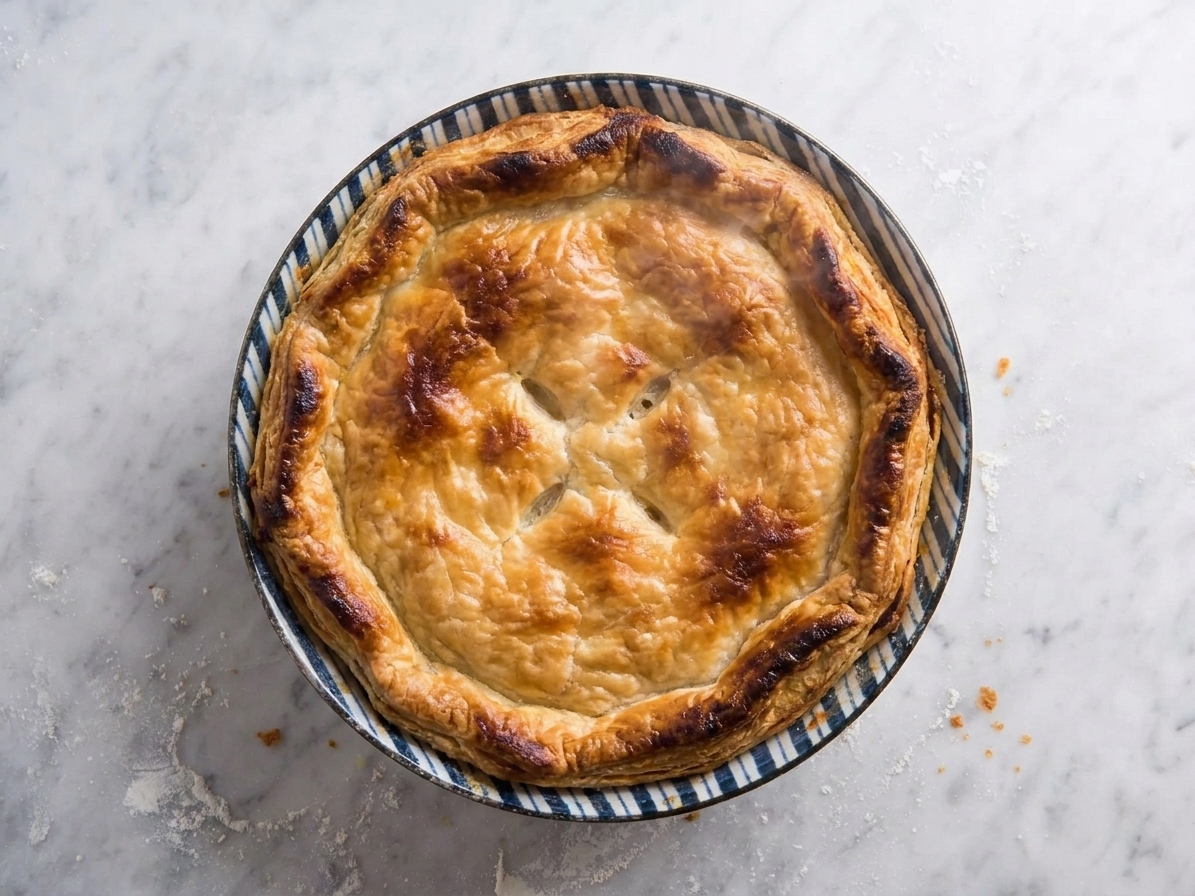
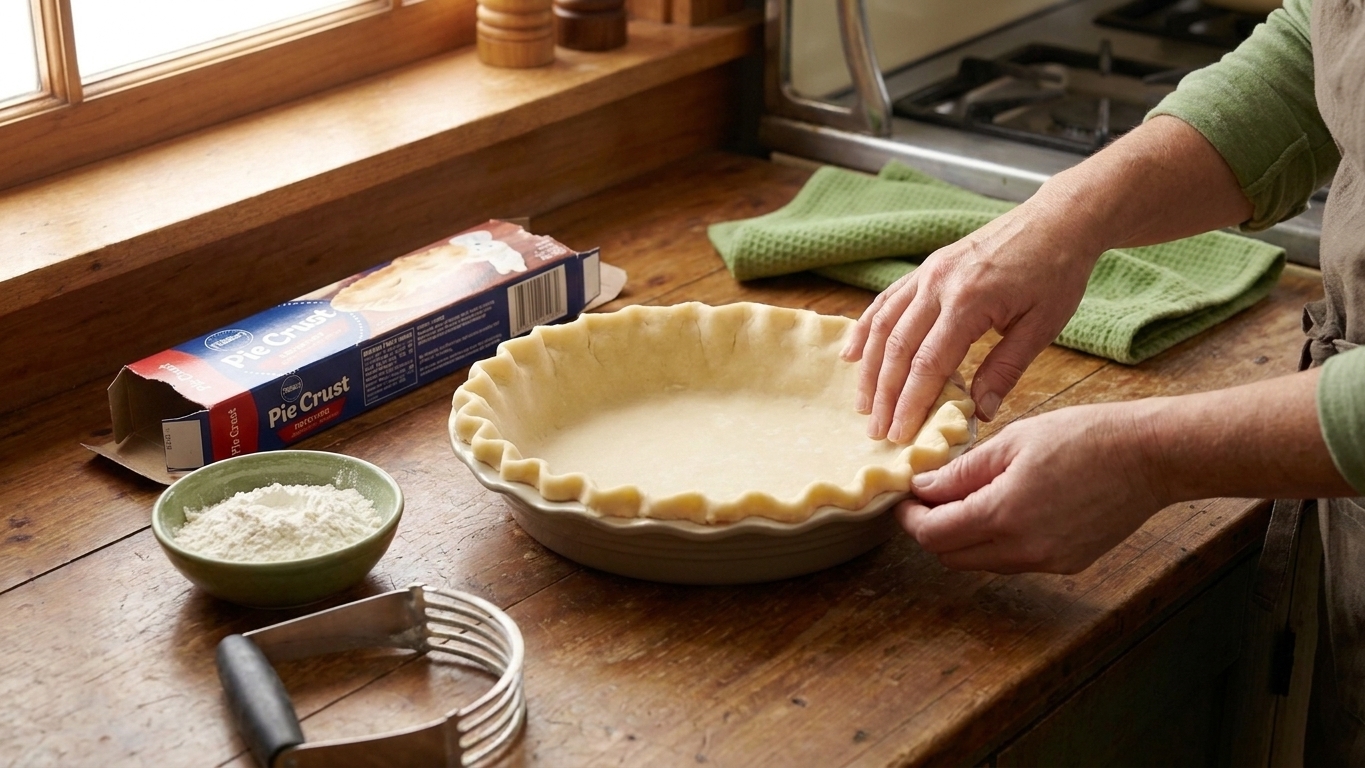
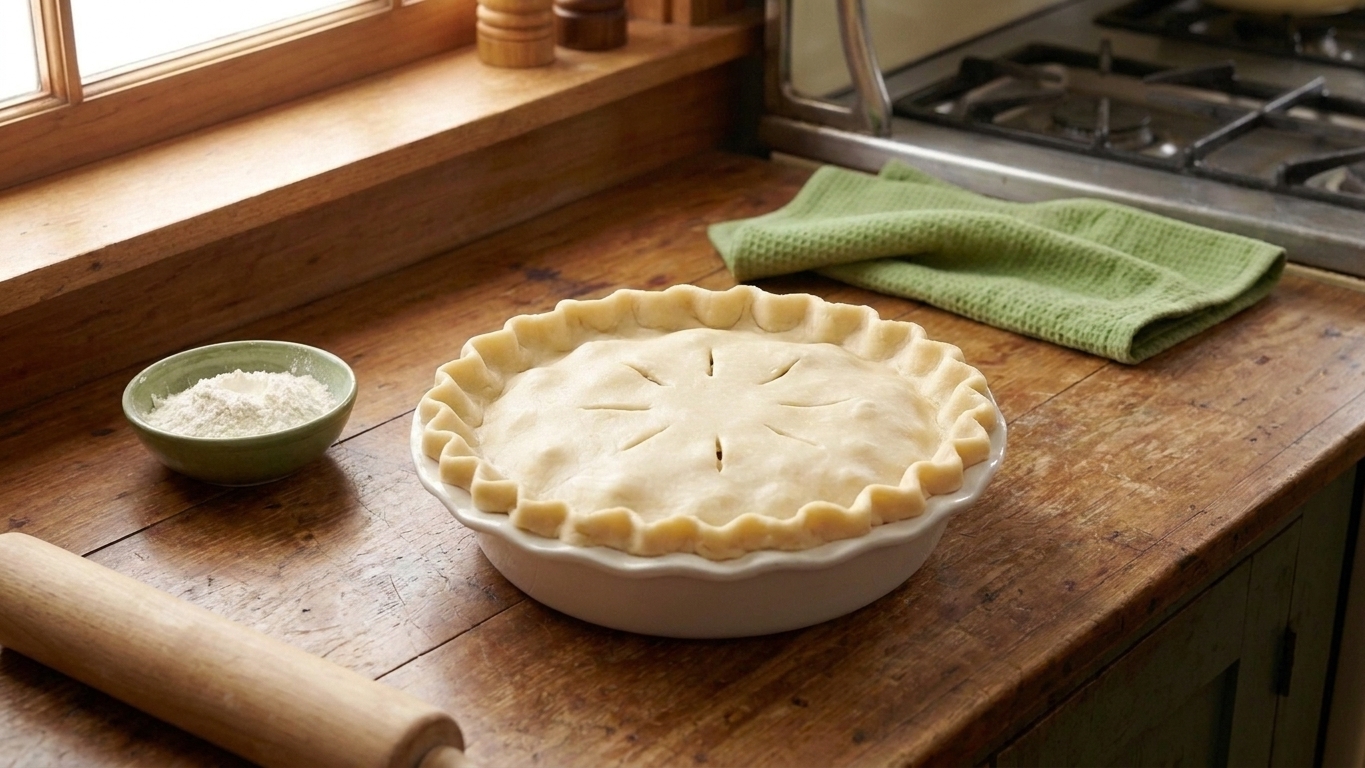
You can, but treat it differently. Puff pastry loves heat and space. Use it as a top crust only, keep the filling thick (not watery), vent it, and bake until deeply golden. The bottom will not stay crisp with puff pastry.
How do I keep the bottom crust from getting soggy?
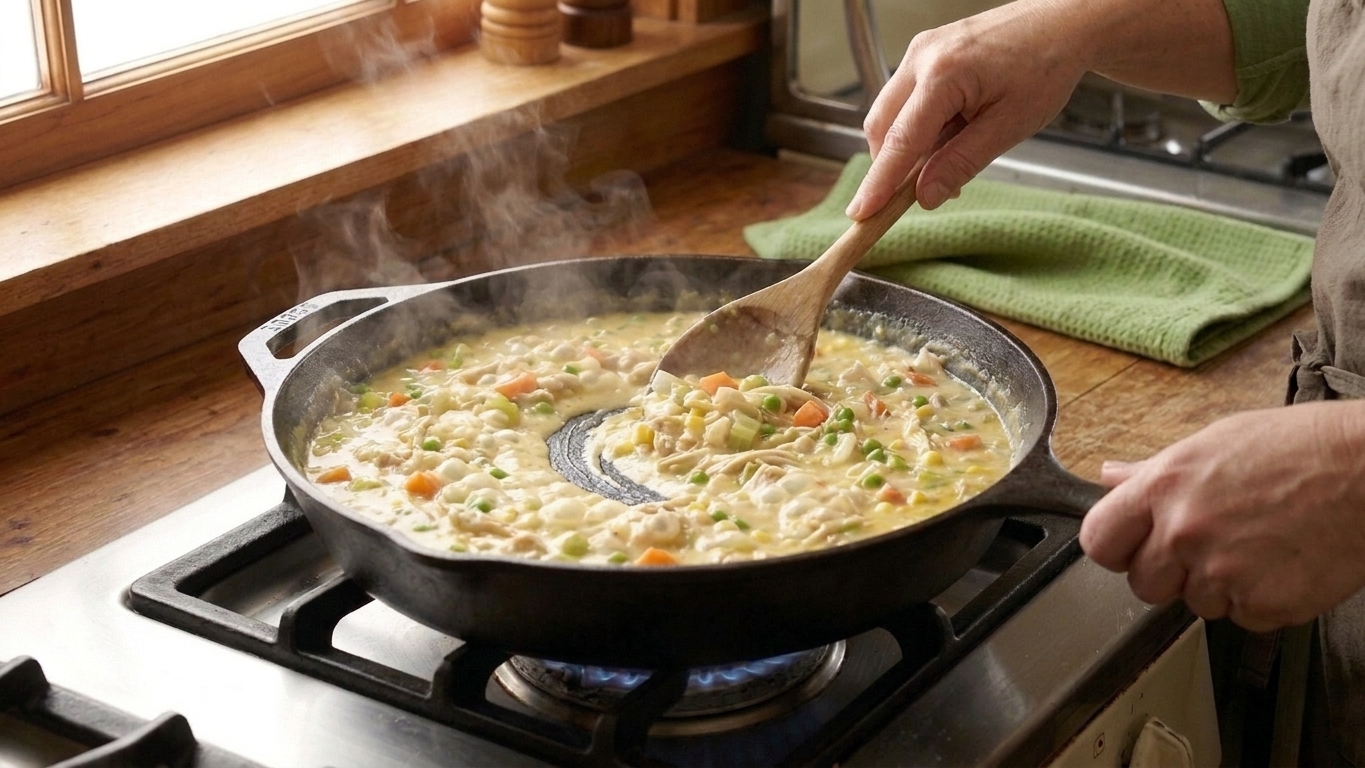
Two easy moves: use a thick filling (simmer until it coats a spoon) and bake on the lower third rack so the bottom gets more direct heat. If you want to go extra, preheat a sheet pan in the oven and set the pie dish on it. Also, letting the filling cool for a few minutes before assembling helps cut down on steam.
Do I have to blind bake the crust?
Not for this recipe. Blind baking can help, but it adds time and fuss. The lower rack and thick filling give you most of the benefit with none of the extra steps.
Can I make this ahead?
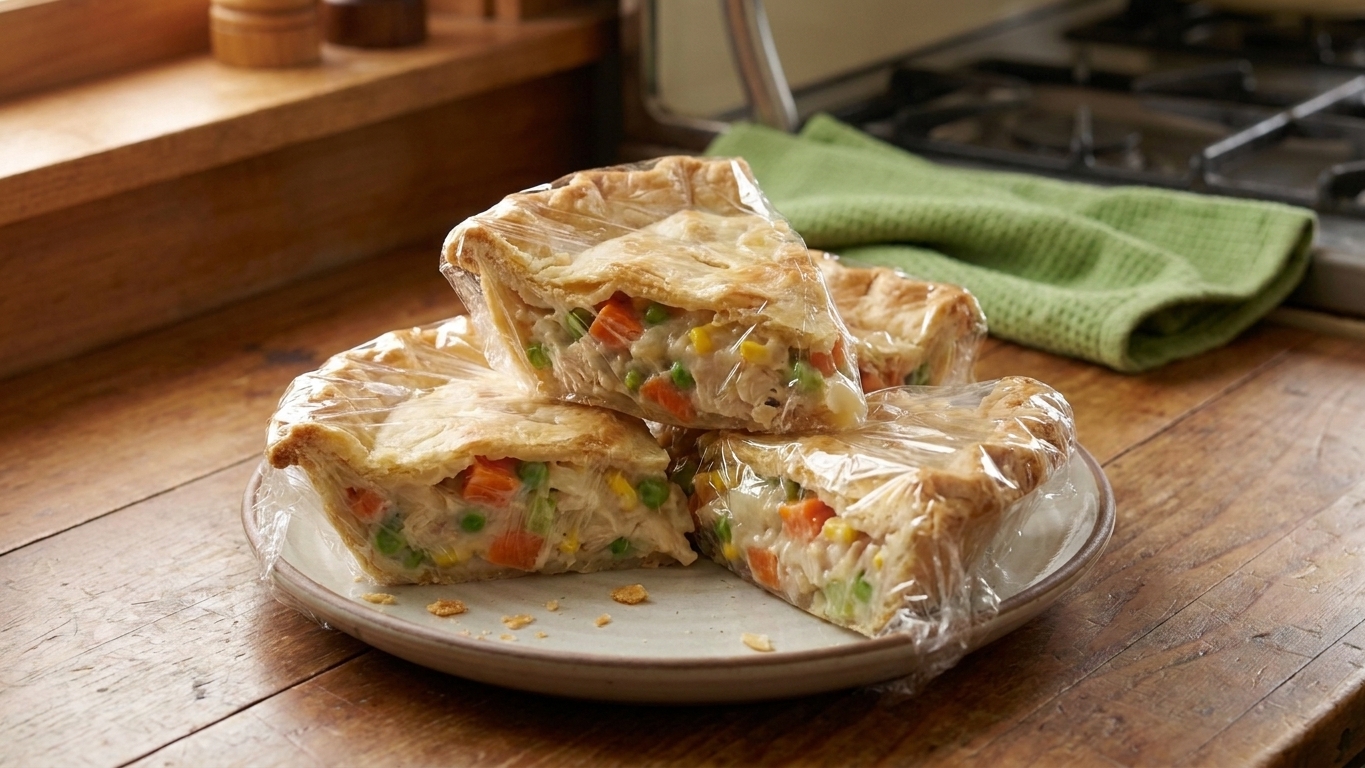
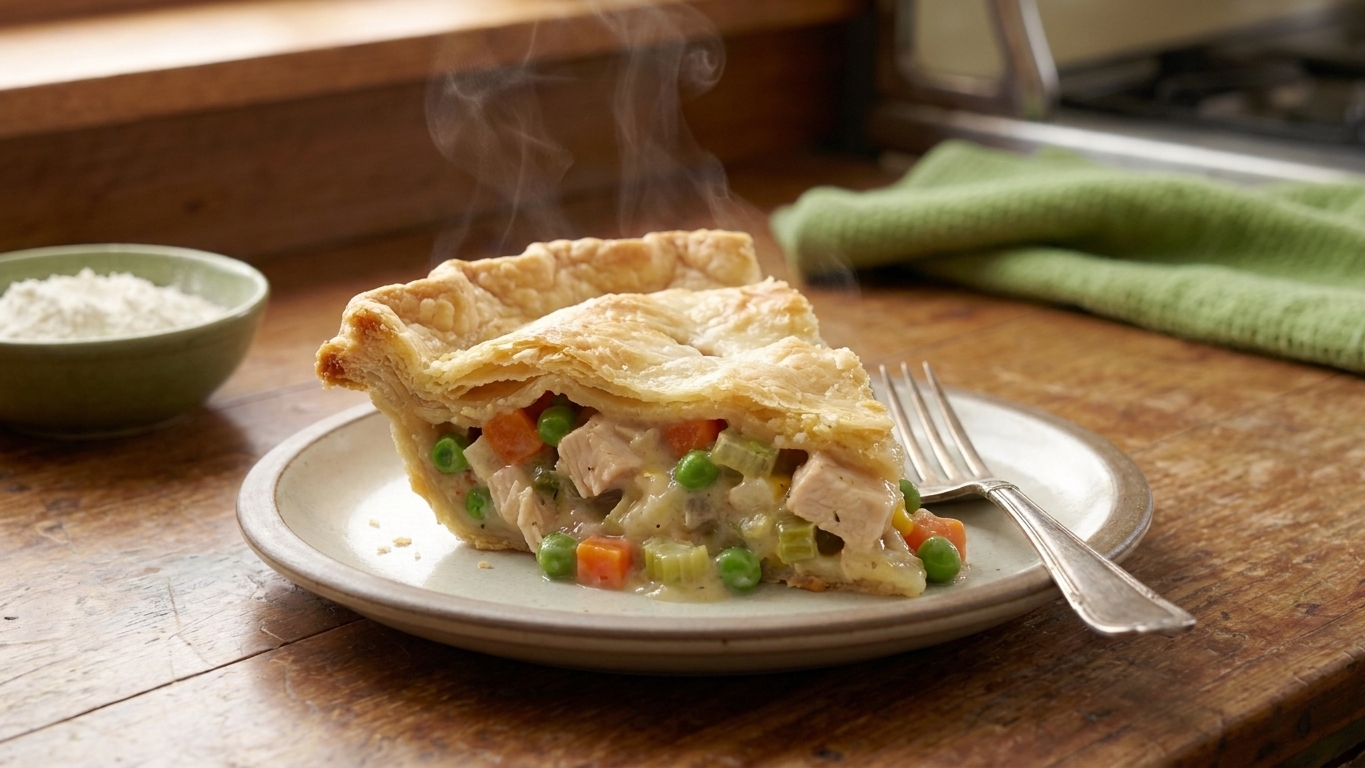
Yes. Make the filling up to 2 days ahead and refrigerate. Assemble with the crust right before baking. Cold filling is fine, just expect a few extra minutes in the oven. Bake until it is bubbling in the center, not just at the edges.
What vegetables work best?
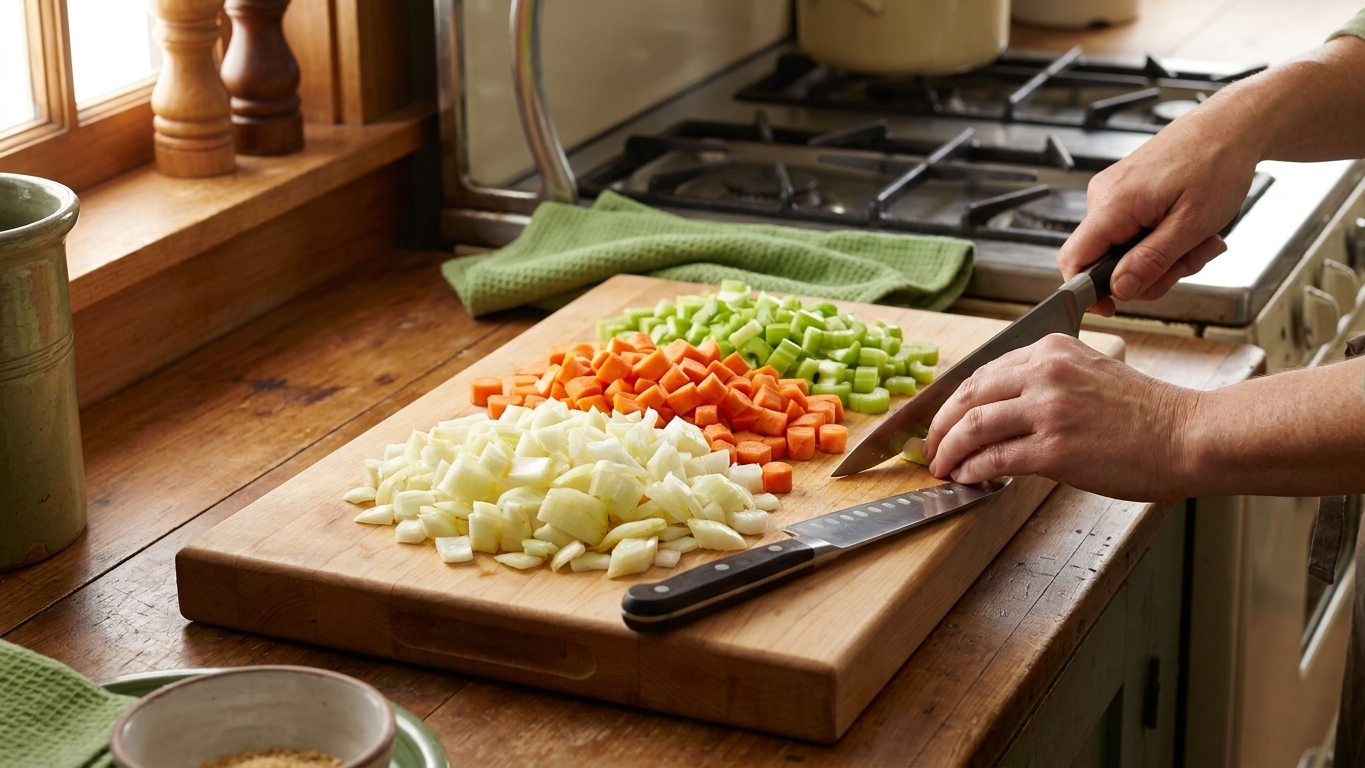
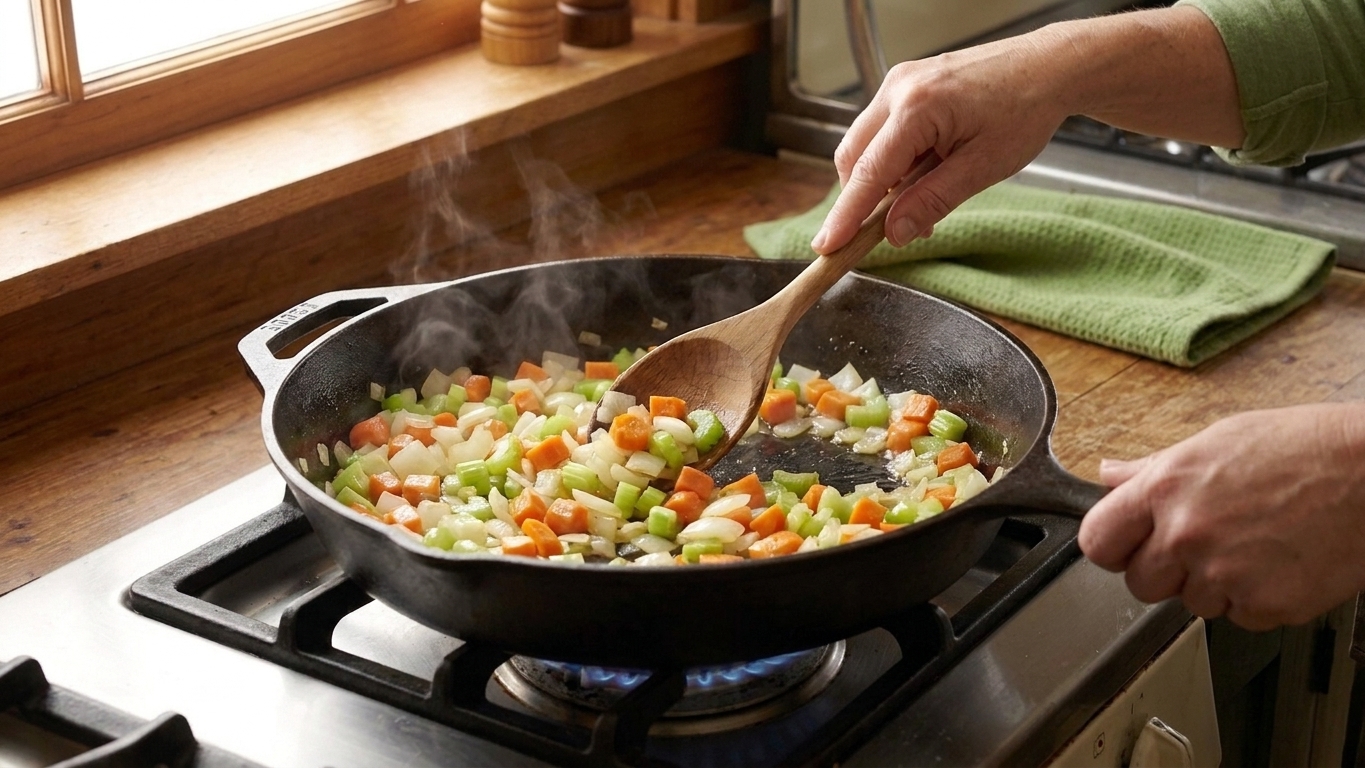
Classic is carrots, celery, peas. You can also do corn, green beans, mushrooms, or diced potatoes (par-cook first so they are tender by bake time).
Can I use cream of chicken soup?
You can replace the sauce with one 10.5-ounce can plus a splash of broth or milk to loosen it, but the homemade roux version tastes fresher and lets you control the salt.
Does the pie dish material matter?
A little. Glass can brown faster and hold heat longer, so start checking a few minutes early and tent the edges with foil if they are getting too dark. Ceramic is a bit more forgiving.