Mom's Best Recipes
Recipe

Flaky Pot Pie Crust

Buttery, tender, and built to stay crisp over a cozy filling, with make-ahead and freezer-friendly options.

Author By Matt Campbell
4.8
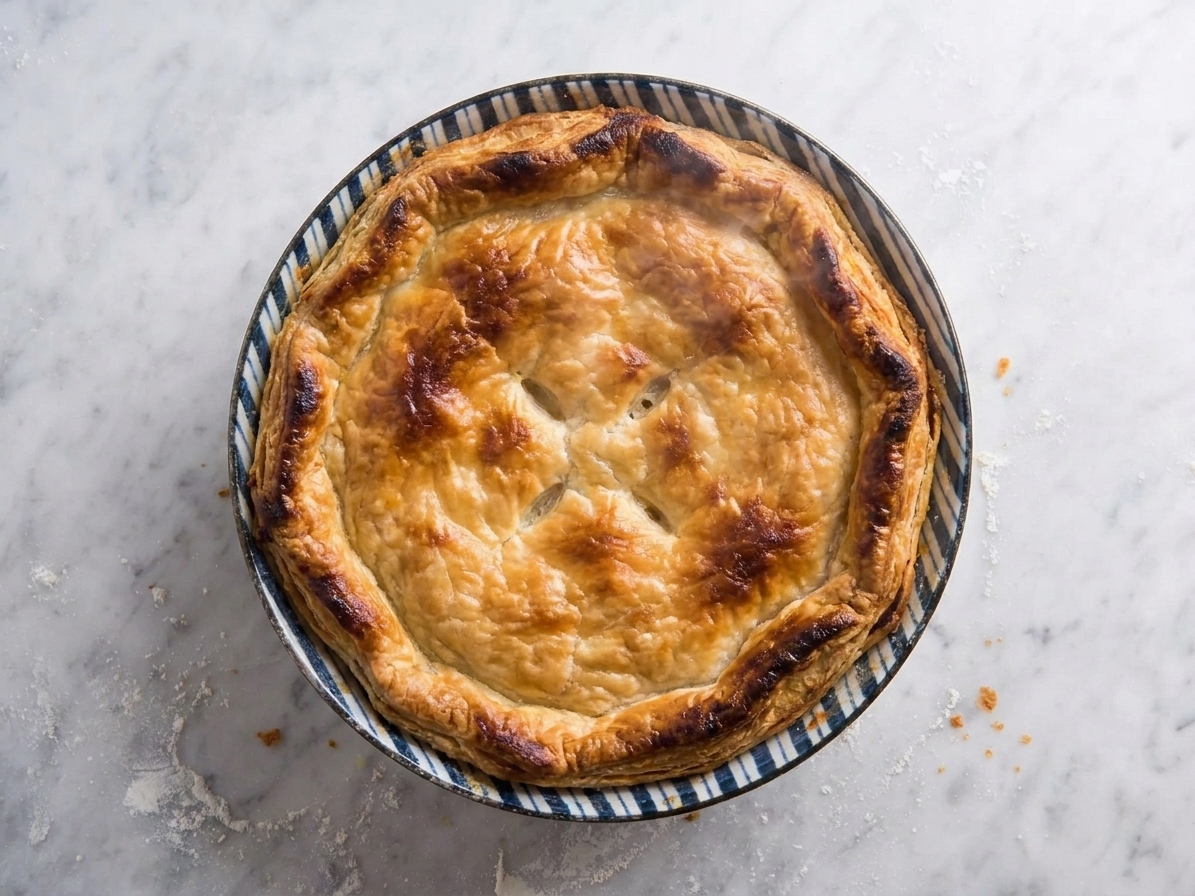
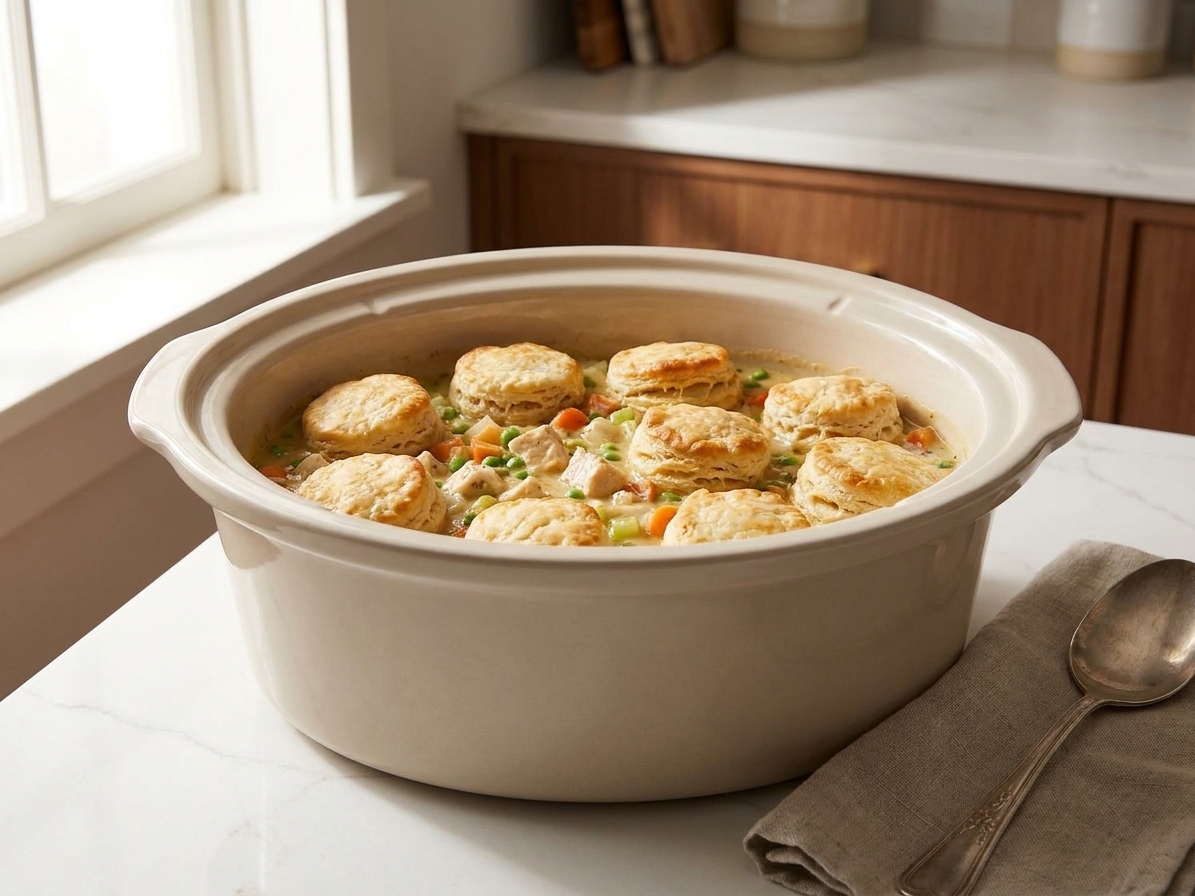
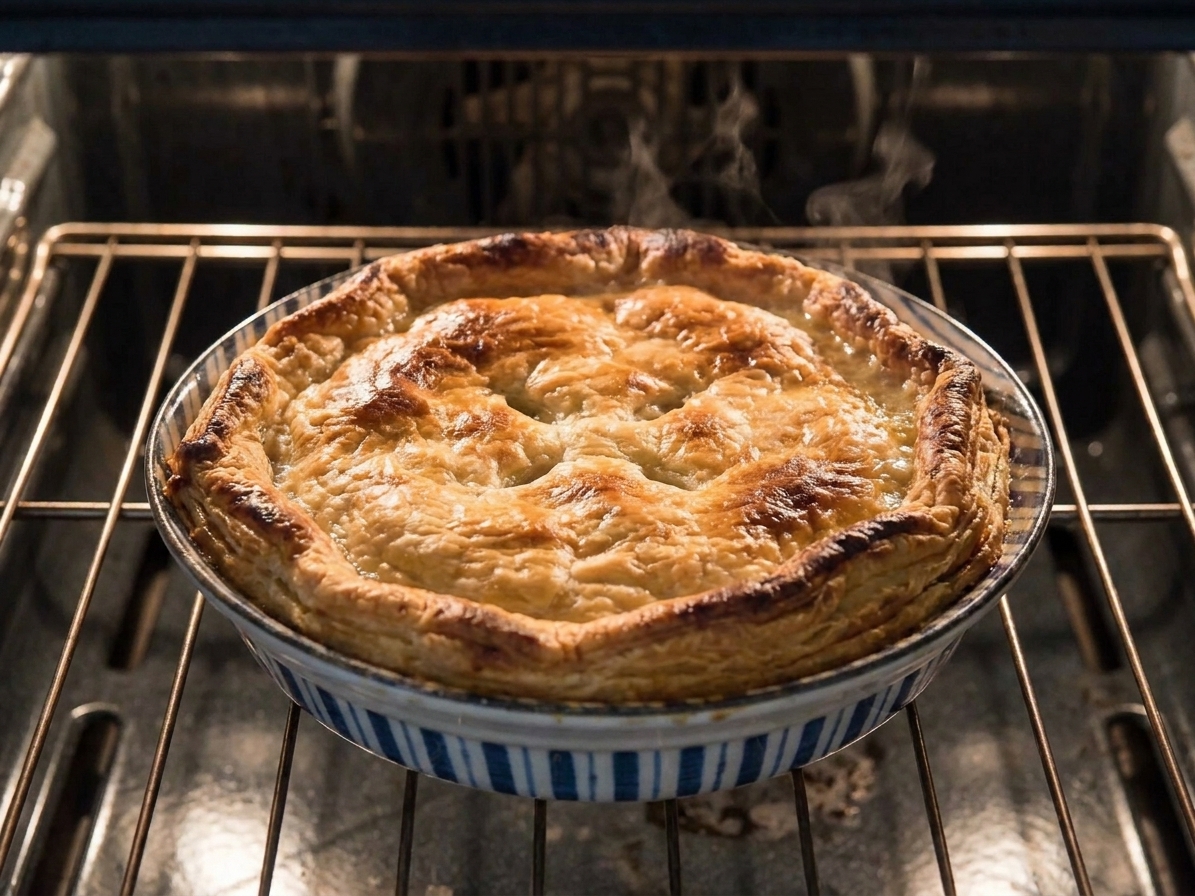
A freshly baked pot pie in a ceramic dish with a deeply golden, flaky top crust and crisp edges on a neutral kitchen counter in warm natural light

Pot pie is basically comfort with a lid. And that lid matters. A good pot pie crust should be flaky on top, crisp at the edges, and sturdy enough to handle a creamy filling without turning into a sad, damp blanket.

This is my everyday, no-drama crust. It uses standard pantry ingredients, comes together fast, and gives you that shatter-y, butter-forward bite that makes people think you did something complicated. You did not. You just kept the butter cold and didn't overwork it. That is the whole secret.

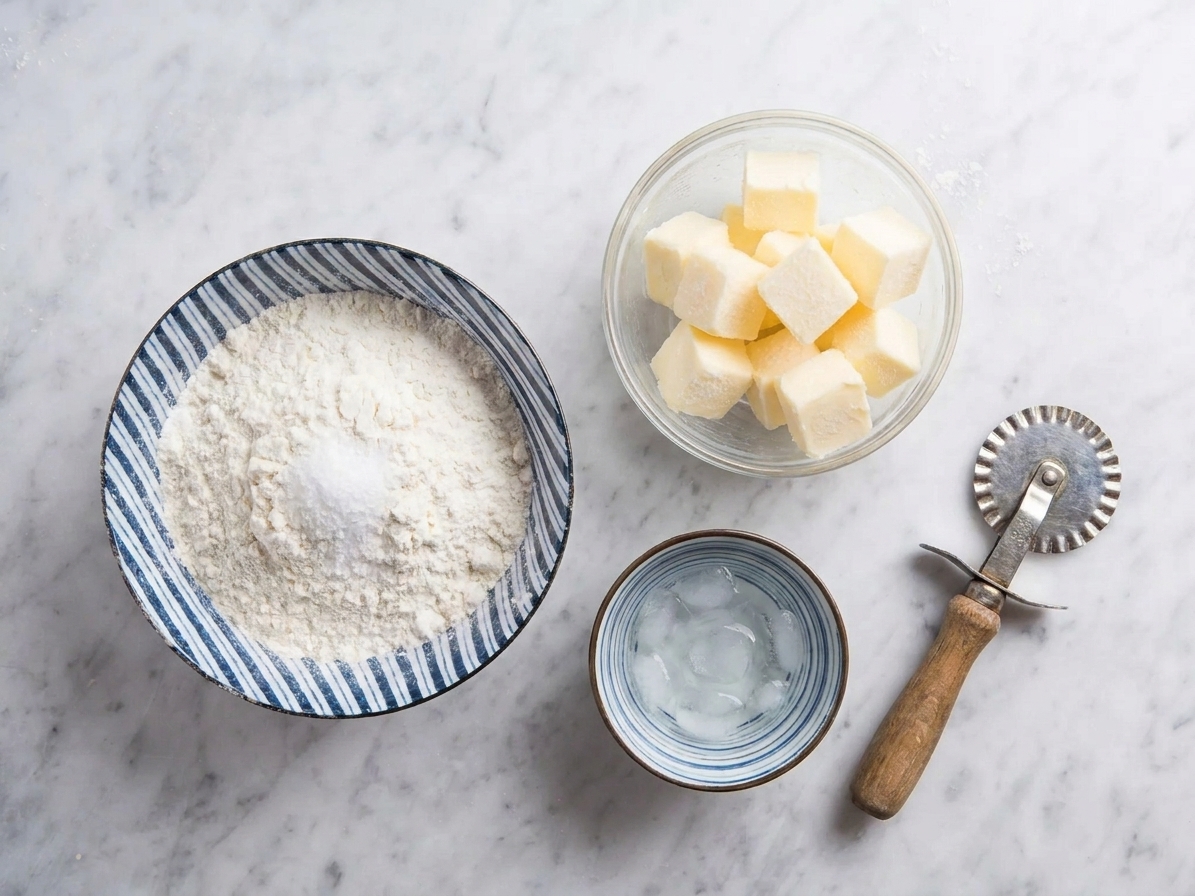
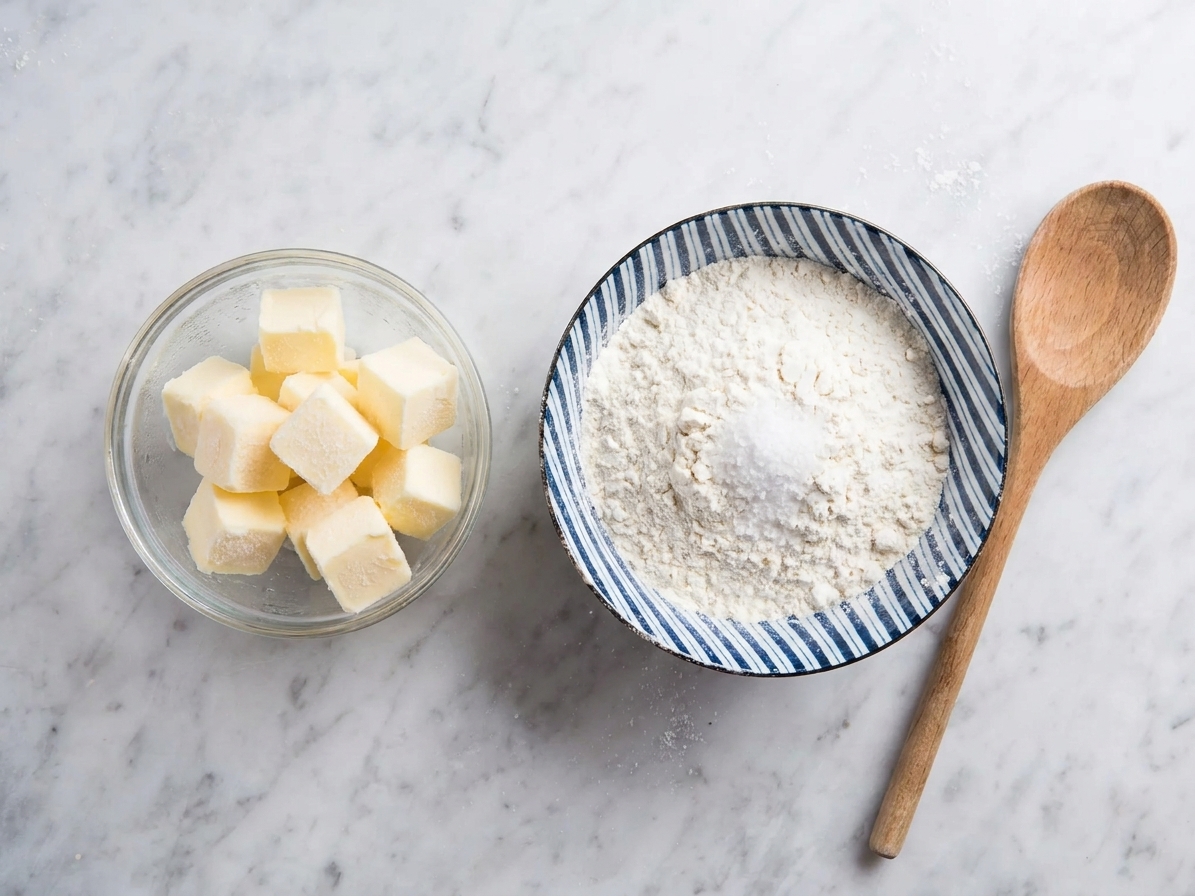
Flour, salt, sugar, cold cubed butter, and a small bowl of ice water arranged on a clean kitchen counter with a pastry cutter nearby

Why It Works

  • Cold butter equals flakes: those butter pieces melt in the oven and create airy layers.
  • A touch of vinegar (or lemon) can help tenderness: it can slightly limit gluten development and lets you add enough water for a workable dough without turning tough.
  • Chill time helps prevent shrinkage: resting relaxes the dough and keeps your edges from slumping.
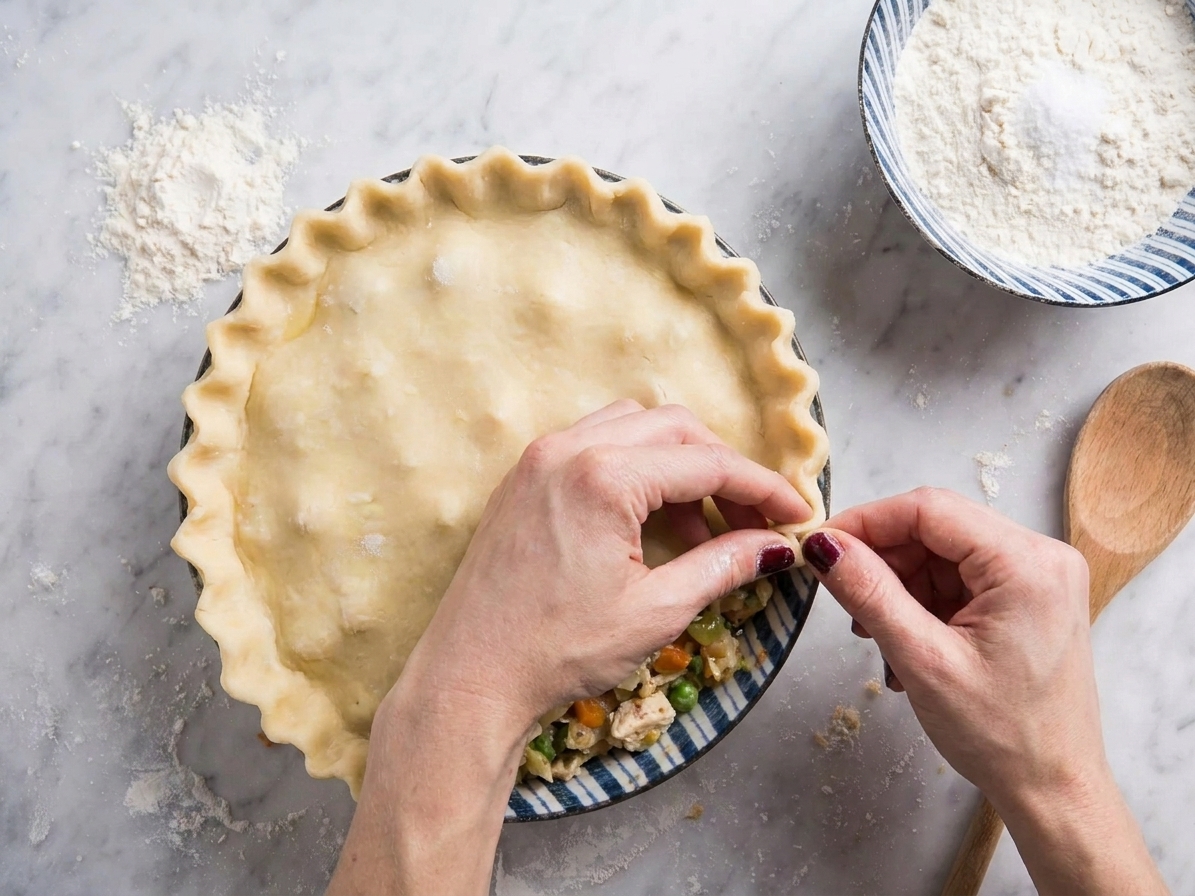
  • Optional venting and egg wash: steam escapes, the top stays crisp, and you get that bakery-level golden finish.
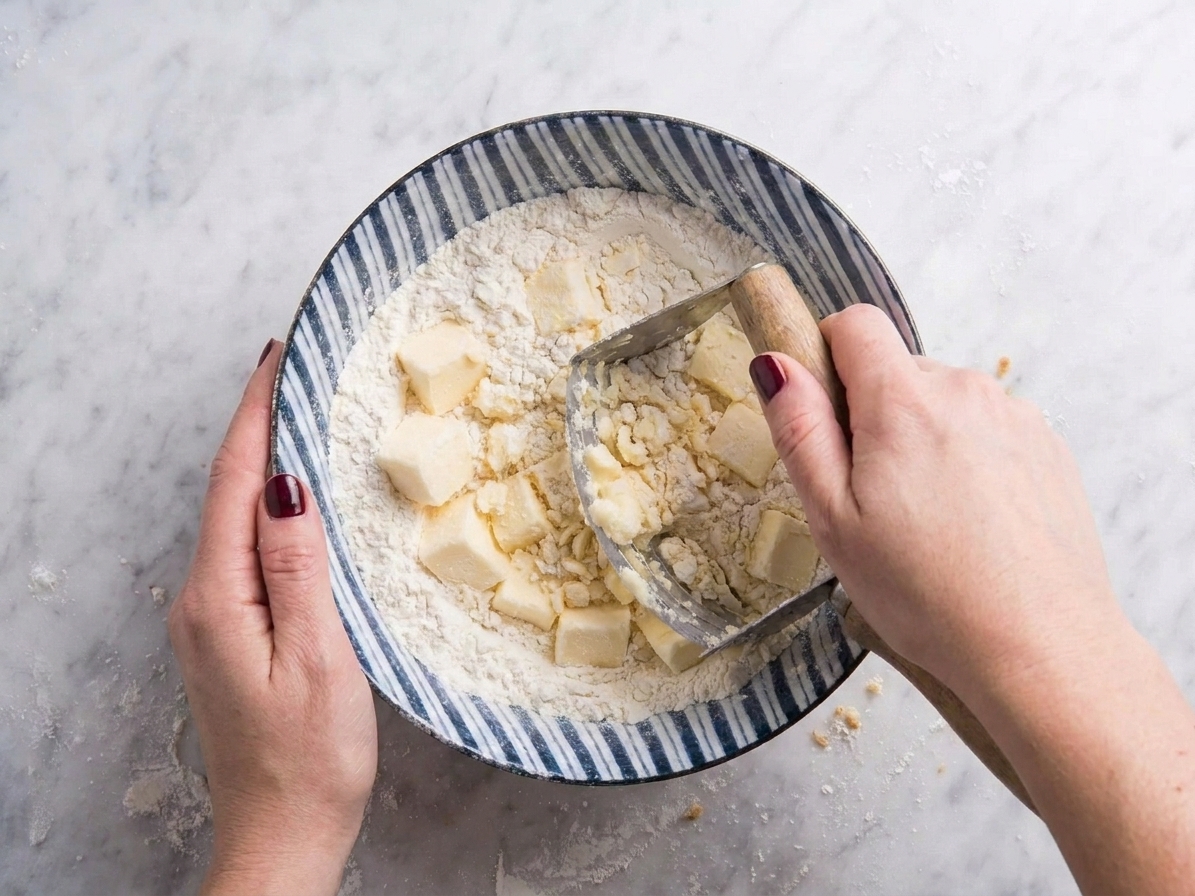
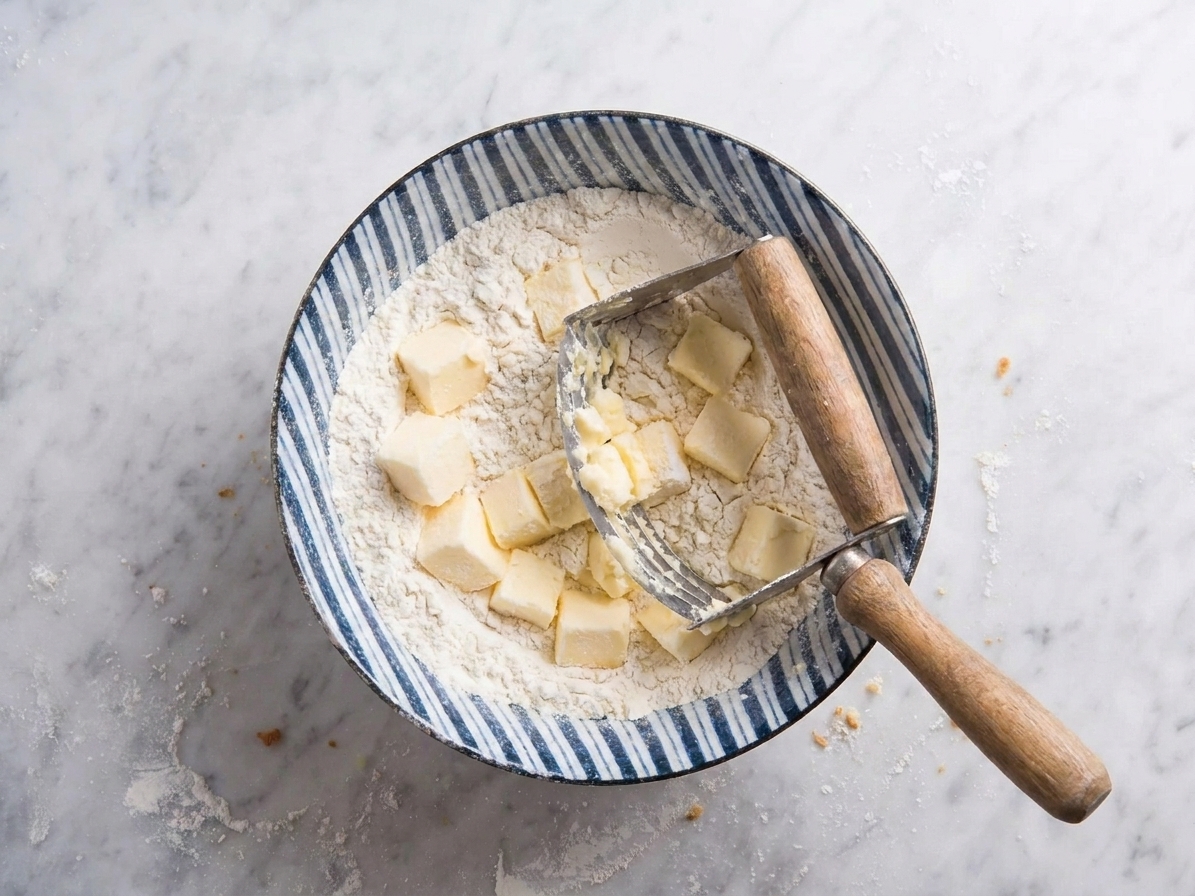
Hands using a pastry cutter to cut cold butter into flour in a large mixing bowl on a light-colored countertop

Pairs Well With

Storage Tips

Storage Tips

Unbaked dough: Wrap tightly and refrigerate up to 3 days. If it feels too firm to roll, let it sit at room temp for 10 to 15 minutes.

Freeze the dough: Form into a disk, wrap in plastic, then slide into a freezer bag. Freeze up to 3 months. Thaw overnight in the fridge.

Freeze rolled crust: Roll between two sheets of parchment, lay flat on a sheet pan, freeze until firm, then wrap and store. This is perfect when you want pot pie on a weekday.

Baked crust leftovers: If you baked extra cutouts or a top crust on its own, store airtight at room temp for 1 day, or refrigerate up to 3 days. Re-crisp in a 350°F oven for 5 to 8 minutes.

Common Questions

Common Questions

Do I need a bottom crust for pot pie?

Nope. Top-only pot pie is underrated: more crisp crust, less chance of sogginess. If you love a bottom crust, you can do it, just give it a fighting chance with a quick par-bake.

How do I keep pot pie crust from getting soggy?

  • Cool the filling a bit: piping hot filling melts the butter before the crust sets.
  • Thicken the filling: it should be creamy, not soupy.
  • Vent the top: cut a few slits so steam can escape.
  • Use a hot sheet pan: set your pie dish on a preheated baking sheet to help the bottom cook through.
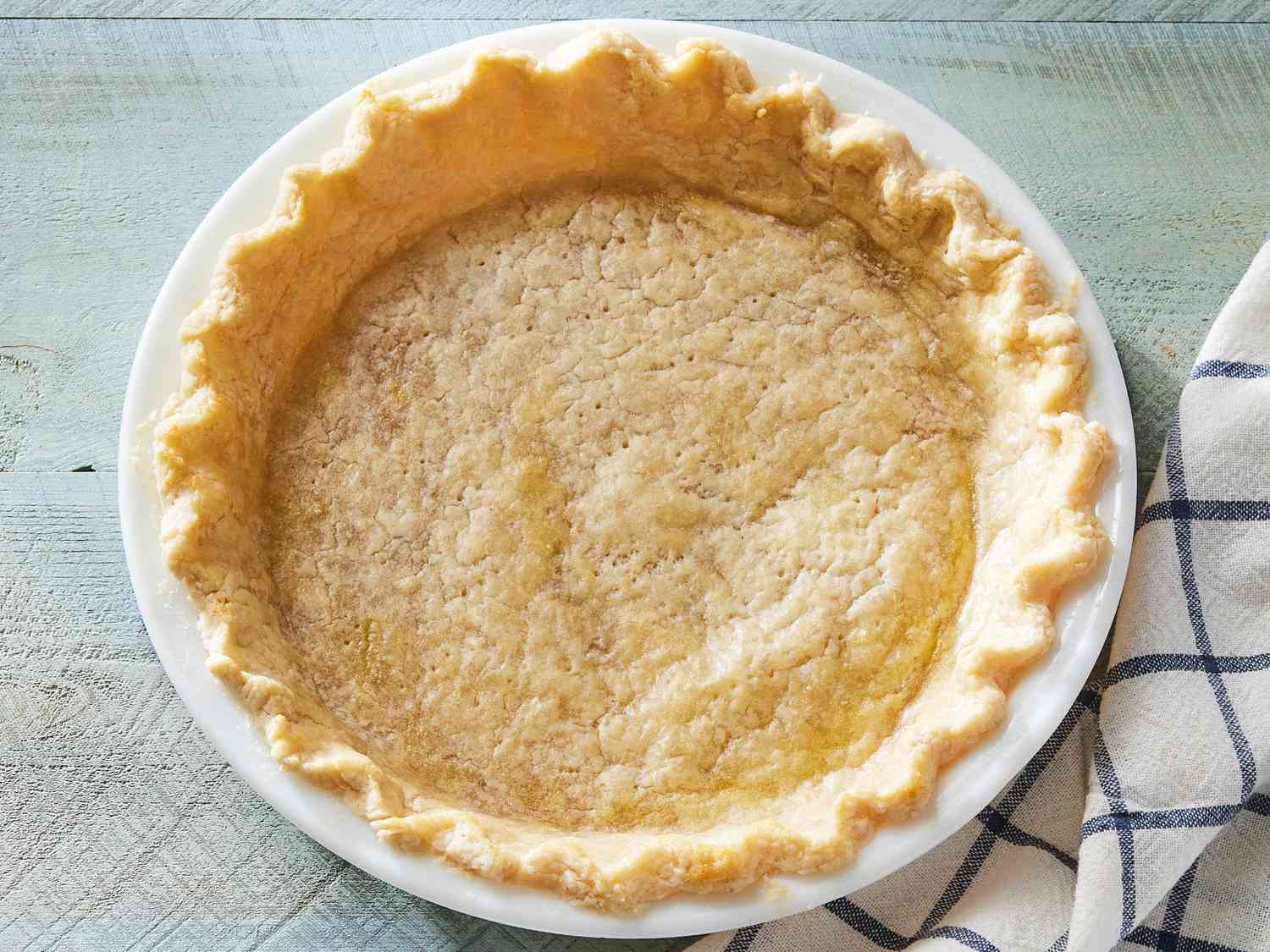
  • For bottom crust: dock the crust (or use pie weights) and par-bake 10 to 12 minutes at 400°F before filling. Optional, but helpful for a crisp base.

Can I use all butter instead of shortening?

This recipe is all butter. You get great flavor and solid flake. If you want an even more set-it-and-forget-it dough, you can swap up to 2 tablespoons of butter for shortening, but it is optional.

Why is my crust shrinking?

Usually one of two things: the dough was stretched when placed in the dish, or it did not rest long enough. Let it chill after rolling, and lift and settle it into the dish rather than tugging it tight.

Can I make this crust without a food processor?

Absolutely. A pastry cutter works great, and two forks get the job done too. The goal is pea-sized butter pieces with a few larger flakes.

What size dish does this fit?

One batch makes enough for one 9-inch pie (top and bottom) or a generous top crust for a 9x13-inch casserole-style pot pie, depending on how thin you roll. For a guaranteed 9x13 top plus a little extra for cutouts, make 1.5 batches.

My dough feels too dry or too sticky. What now?

If it is dry and dusty: sprinkle in more ice water 1 teaspoon at a time, tossing gently, just until it holds together when you squeeze it.

If it is sticky: chill it 20 to 30 minutes, then use a light dusting of flour when rolling. Sticky dough is usually just warm butter.
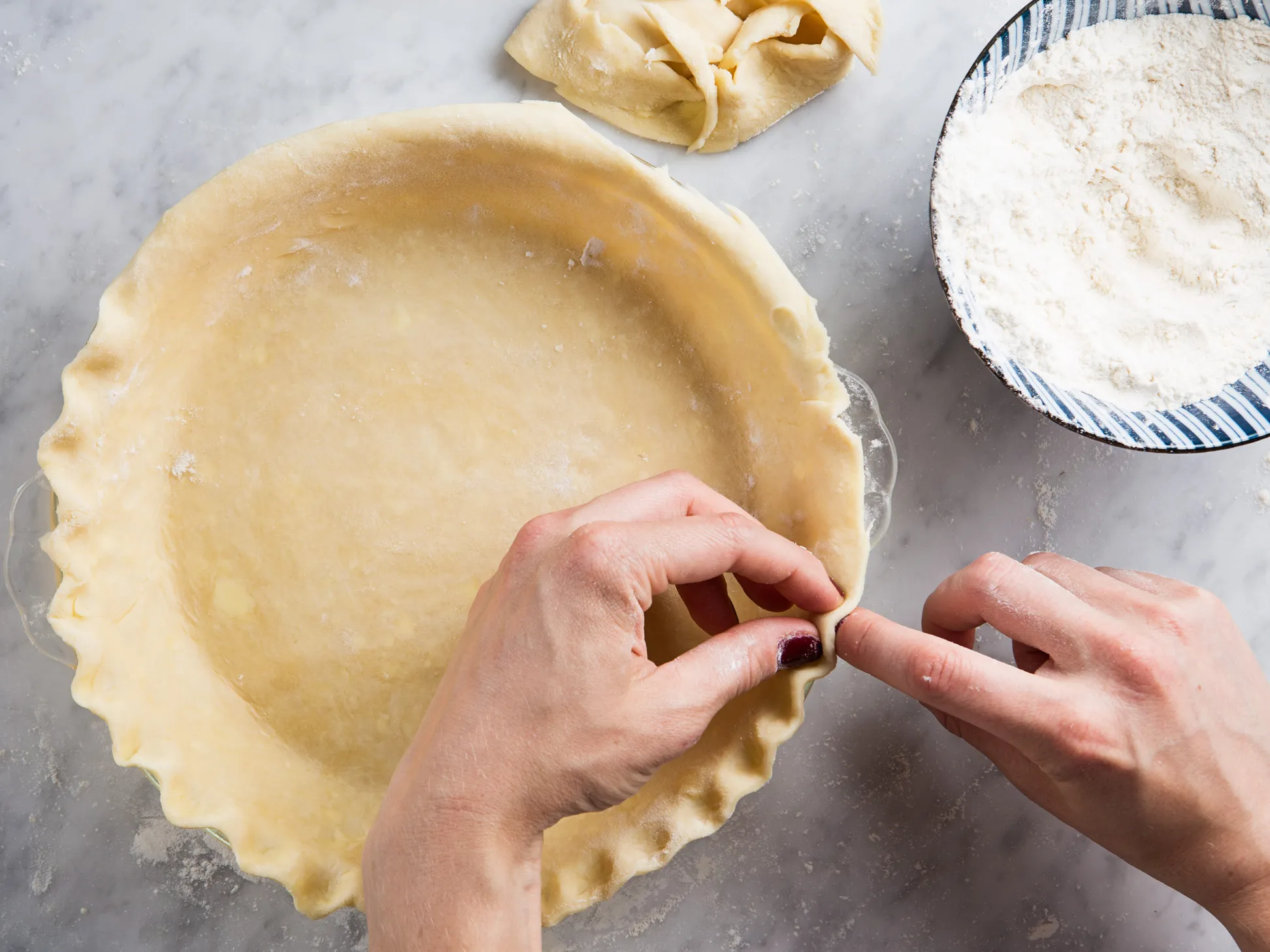

A hand rolling chilled pie dough with a wooden rolling pin on a lightly floured surface with a dusting of flour

I used to think pot pie crust was either a full Sunday project or a just-buy-the-box situation. Then I started chasing that perfect combo: crisp edges, flaky layers, and a top that actually tastes like something. Turns out the vibe is simple: cold butter, minimal mixing, and enough chill time to let the dough calm down. Now this is the crust I keep in my back pocket, especially when I have leftover chicken and a fridge drawer full of carrots that need a purpose.