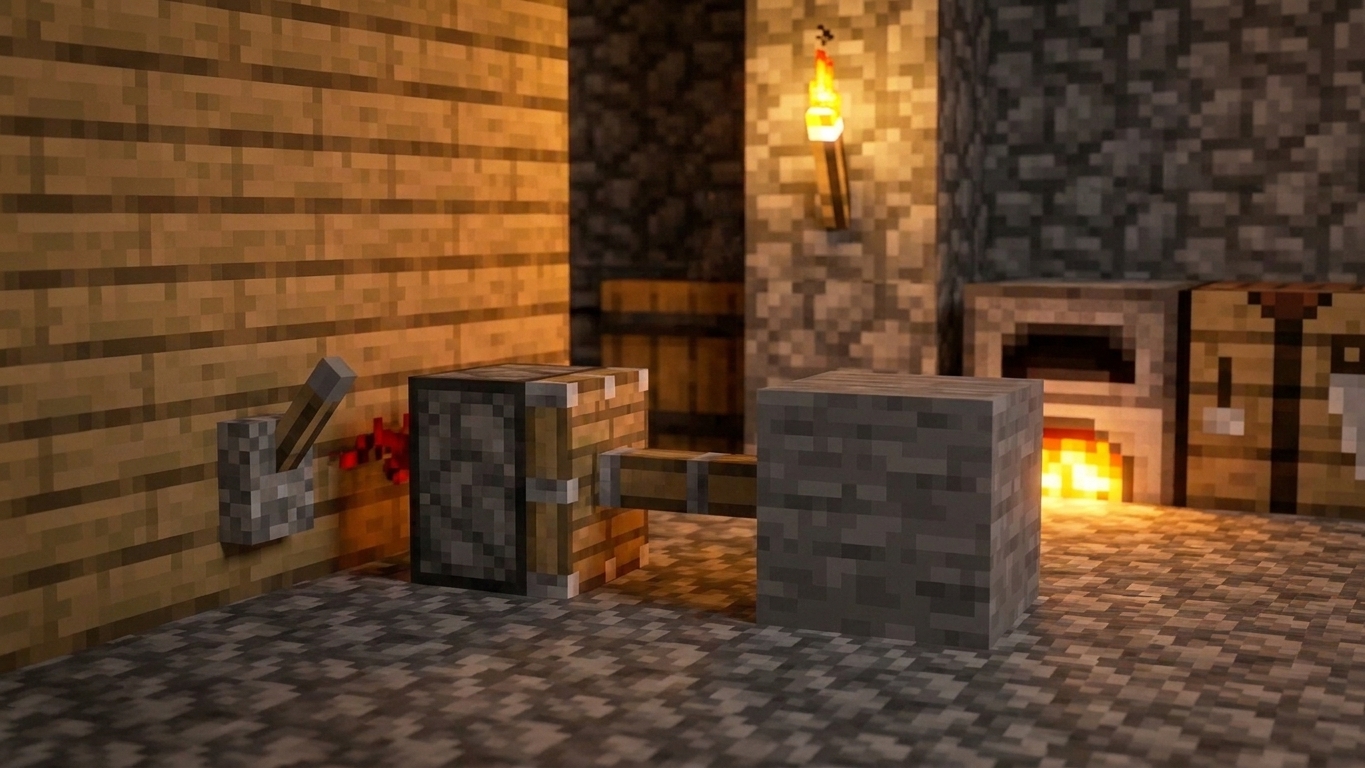
What is the difference between a piston and a sticky piston?
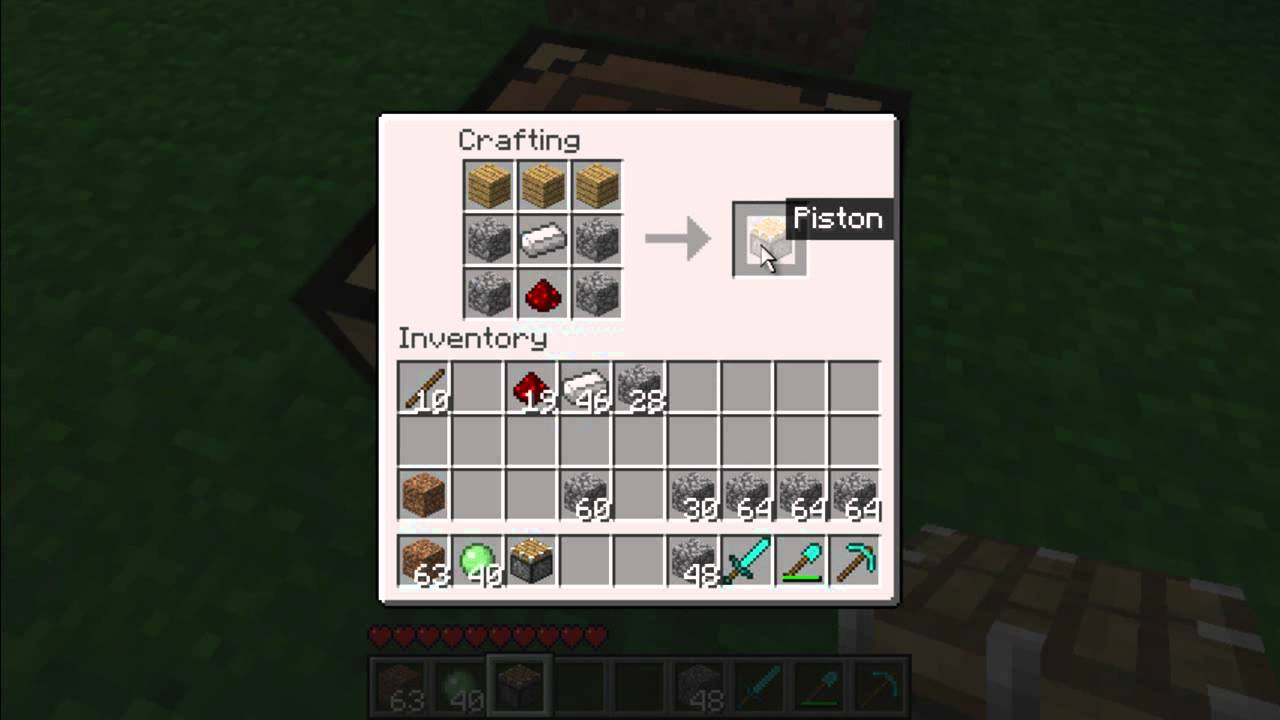
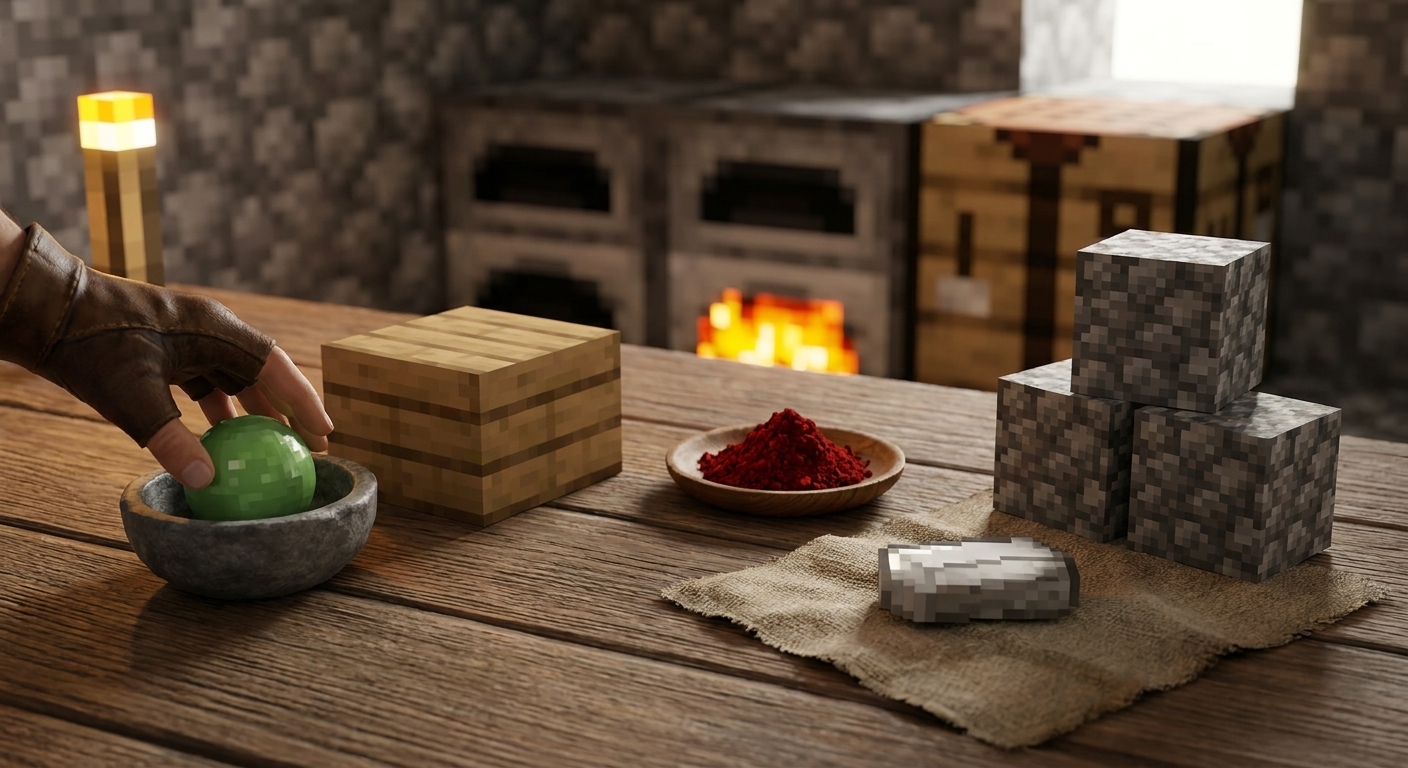
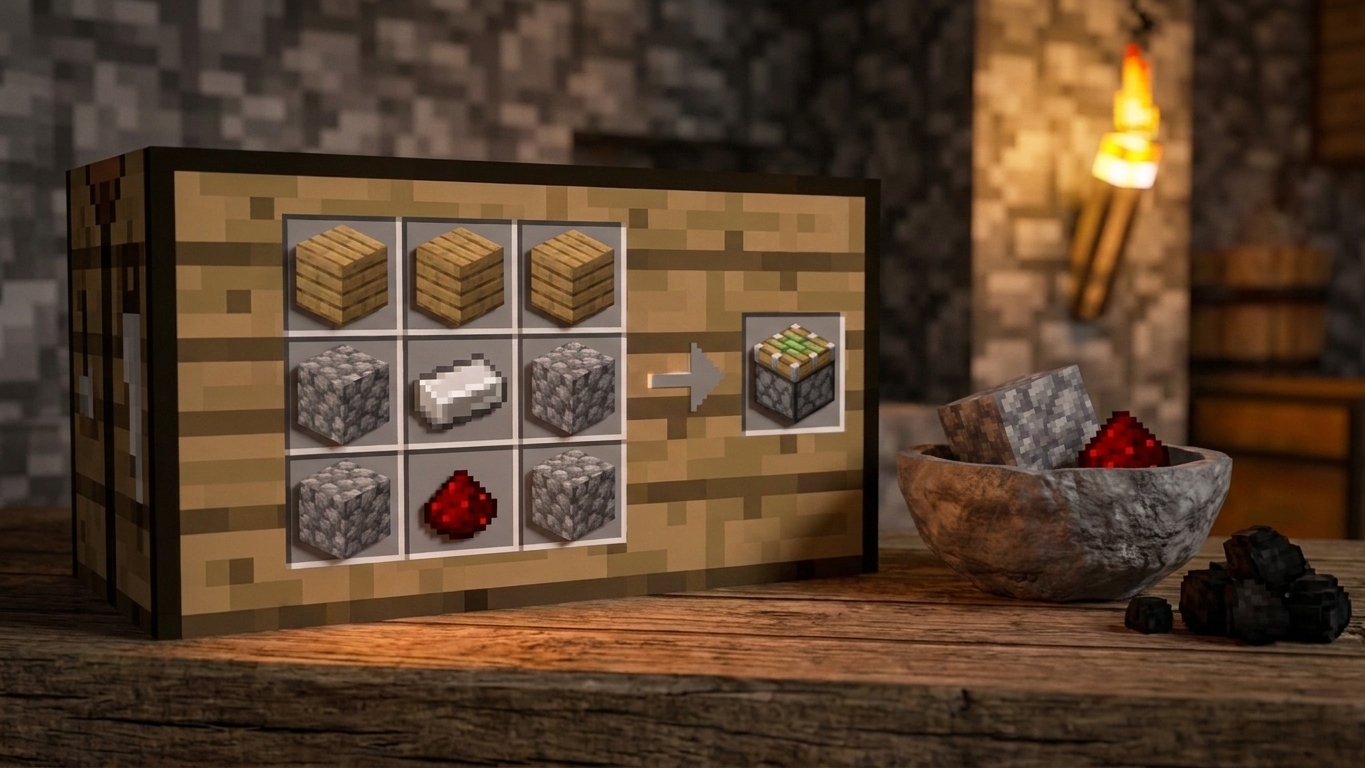
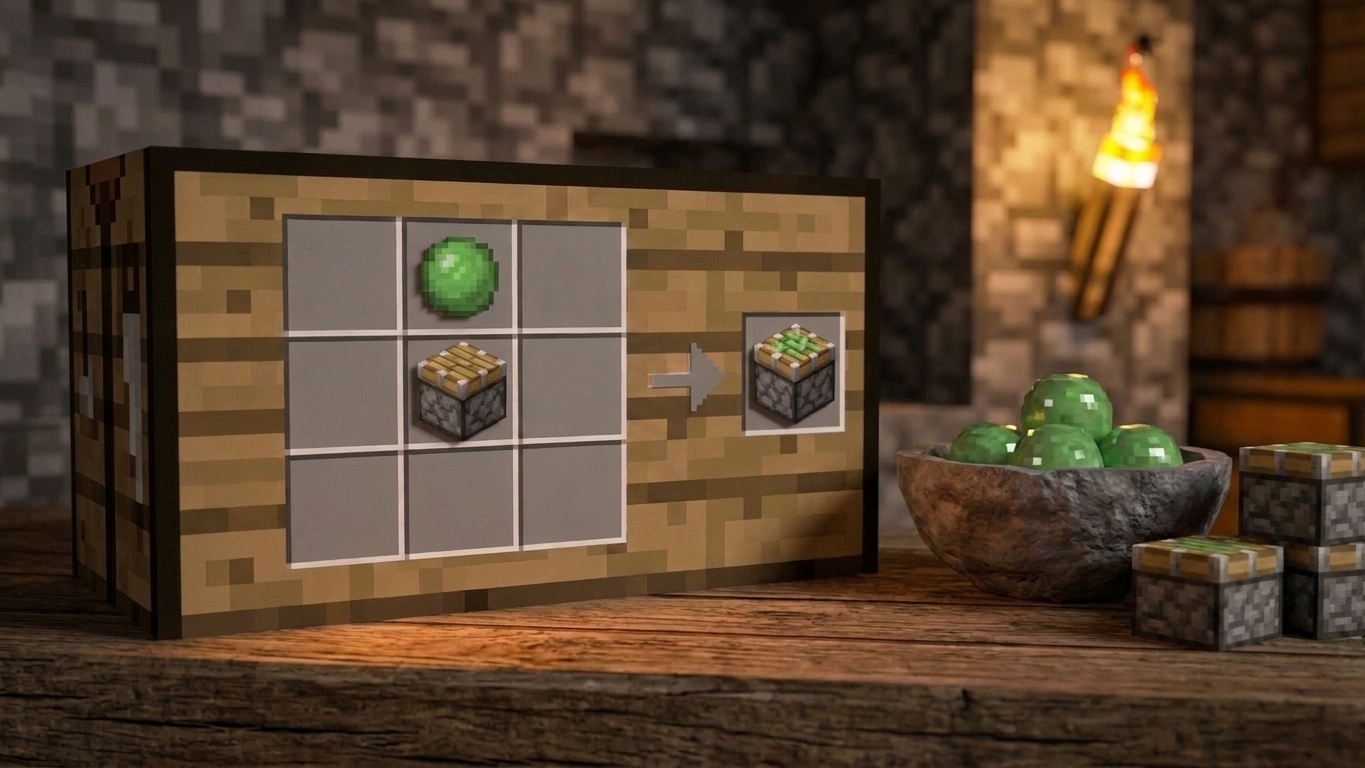
A piston pushes blocks away when powered by redstone. A sticky piston pushes a block and then pulls it back when the power turns off. Sticky pistons are made by combining a piston with a slimeball.
How many blocks can a piston push?
A piston can push up to 12 blocks in a line. The 13th block stops the whole push, like a shopping cart wheel that suddenly decides it is done participating.
What blocks can pistons not move?
Pistons cannot push or pull certain blocks (often called “immovable”), including obsidian, bedrock, and enchanting tables.
For containers and other block entities (chests, furnaces, hoppers, droppers, dispensers, and friends), behavior can vary by edition and version. In many modern versions, lots of these blocks can be moved and their contents often move with them, but quirks exist. If your build depends on it, treat it as “test first” instead of “guaranteed.”
Also worth remembering: some special cases either will not move (like certain piston states) or may break instead of moving depending on the block and version. When in doubt, test it in a creative world.
Do sticky pistons always pull the block back?
Usually, yes, but there are common exceptions: sticky pistons will not pull immovable blocks, and they can fail to pull if the target block changes or breaks during the same tick (for example, it gets updated, replaced, or pops off right as the piston retracts). Timing builds can get weird fast, so if you are building something precise, test it first.
Can pistons move players or mobs?
Pistons can push entities in many situations, which is why they show up in traps and funny doorways. They shove rather than “carry” like a moving block. Timing and positioning matter, so for anything important, do a quick test run.
Do pistons need redstone dust to work?
They need a redstone power source. That can be redstone dust, a lever, button, pressure plate, redstone block, repeater, comparator output, and more. Dust is common, but not required.