Mom's Best Recipes
Recipe

Preserved Lemons

A simple jar method for punchy, salty citrus you can use to supercharge sauces, chicken, dips, and grains.

Author By Matt Campbell
4.9 (184)
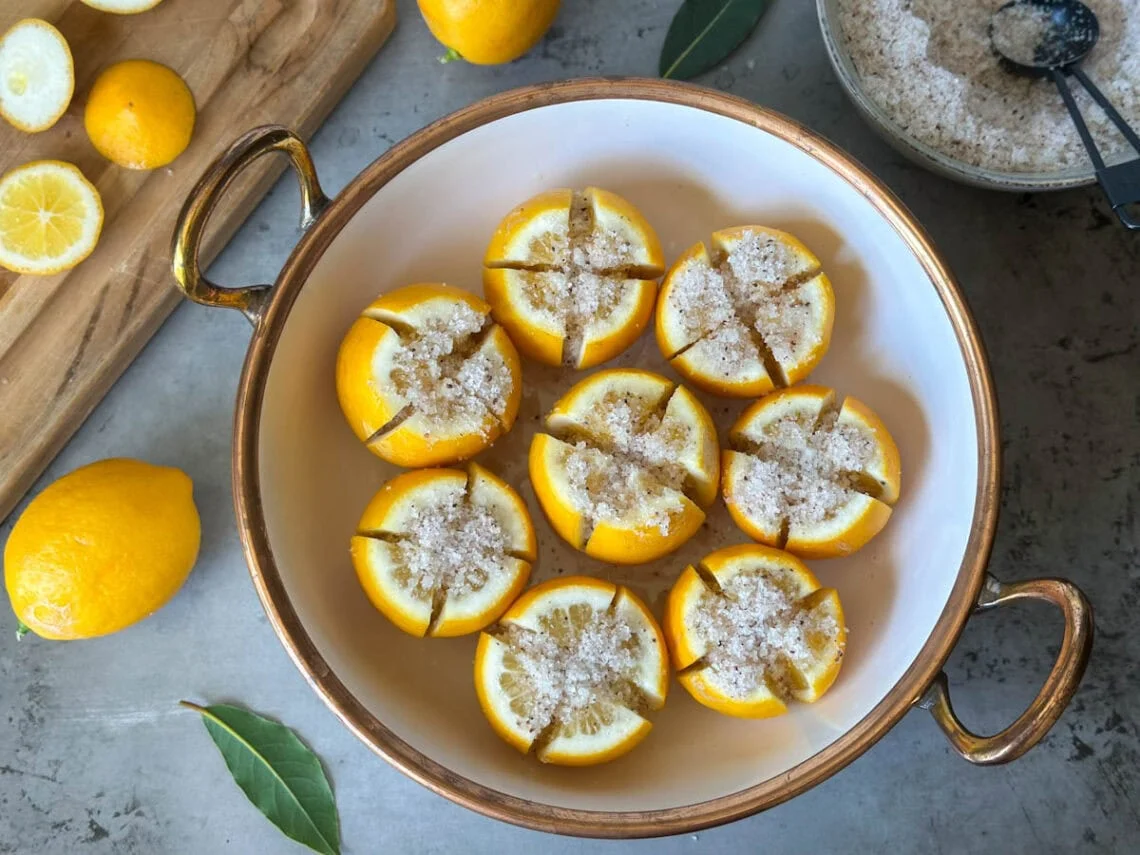
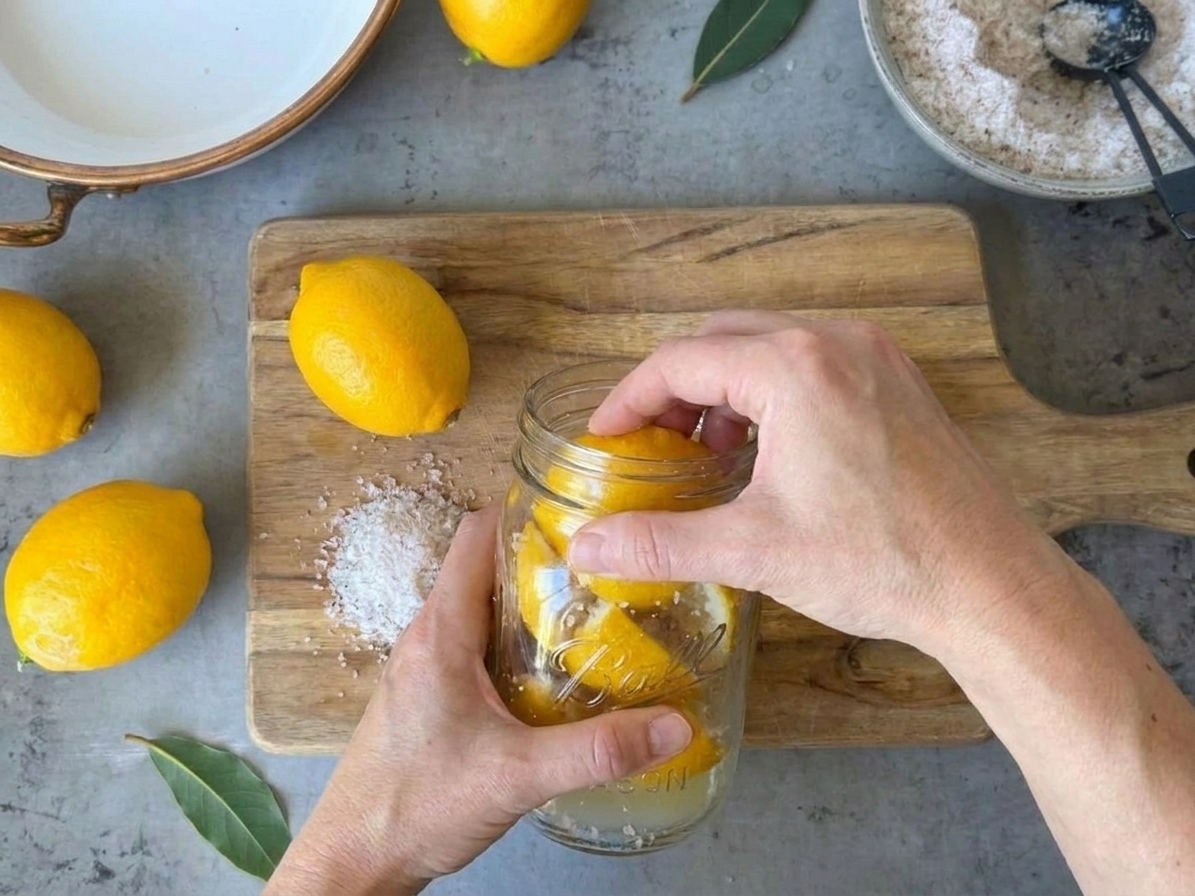
A glass mason jar filled with quartered preserved lemons packed in their own juice, sitting on a light kitchen counter with a small pile of kosher salt nearby

Preserved lemons are one of those ingredients that feels like cheating in the best way. You do almost nothing, you wait, and then suddenly you have this salty, floral, deeply lemony condiment that makes plain food taste like you meant to do that.

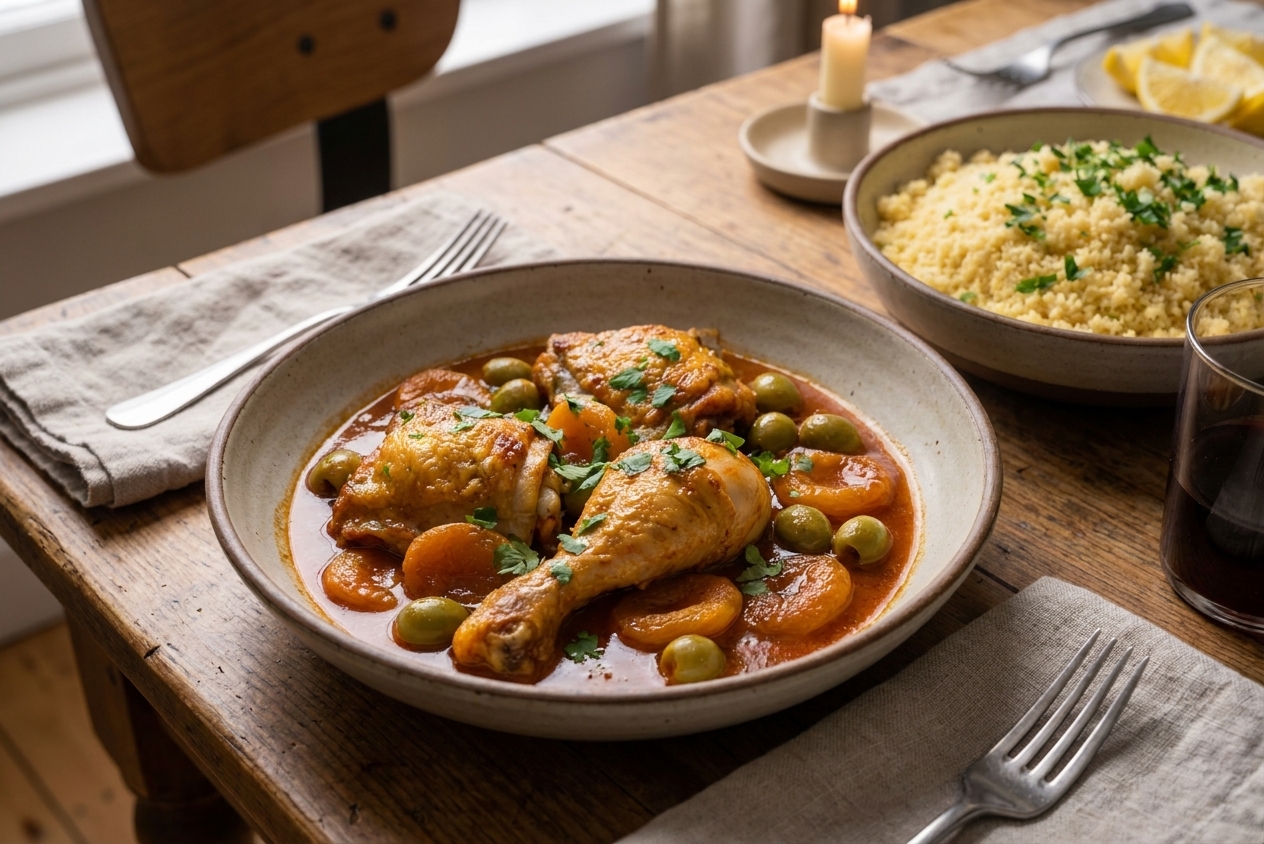
If you have ever had a Moroccan tagine and wondered why the chicken tastes brighter and rounder than normal lemon, this is usually the move. The peel turns soft and edible, the sharpness mellows, and the whole thing becomes a flavor shortcut you can spoon into sauces, salad dressings, soups, and cozy carbs.

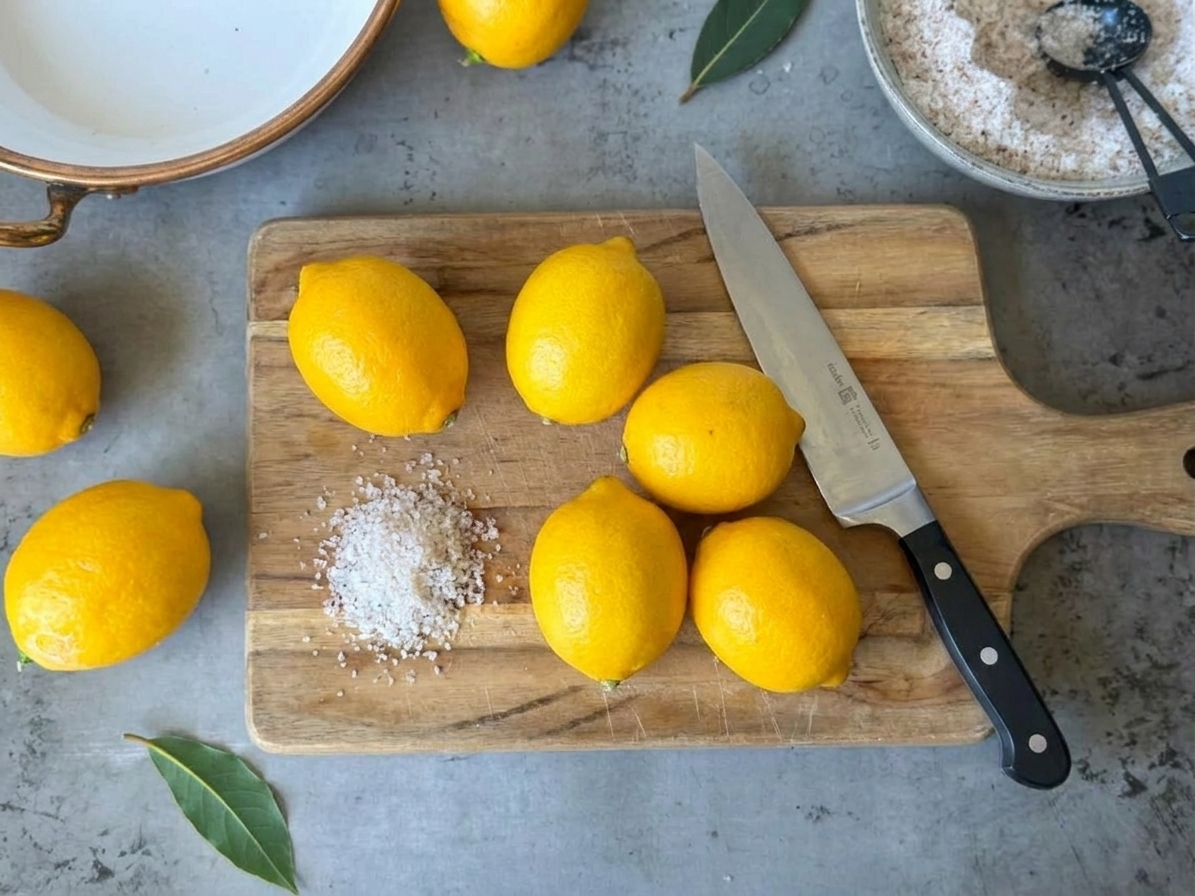
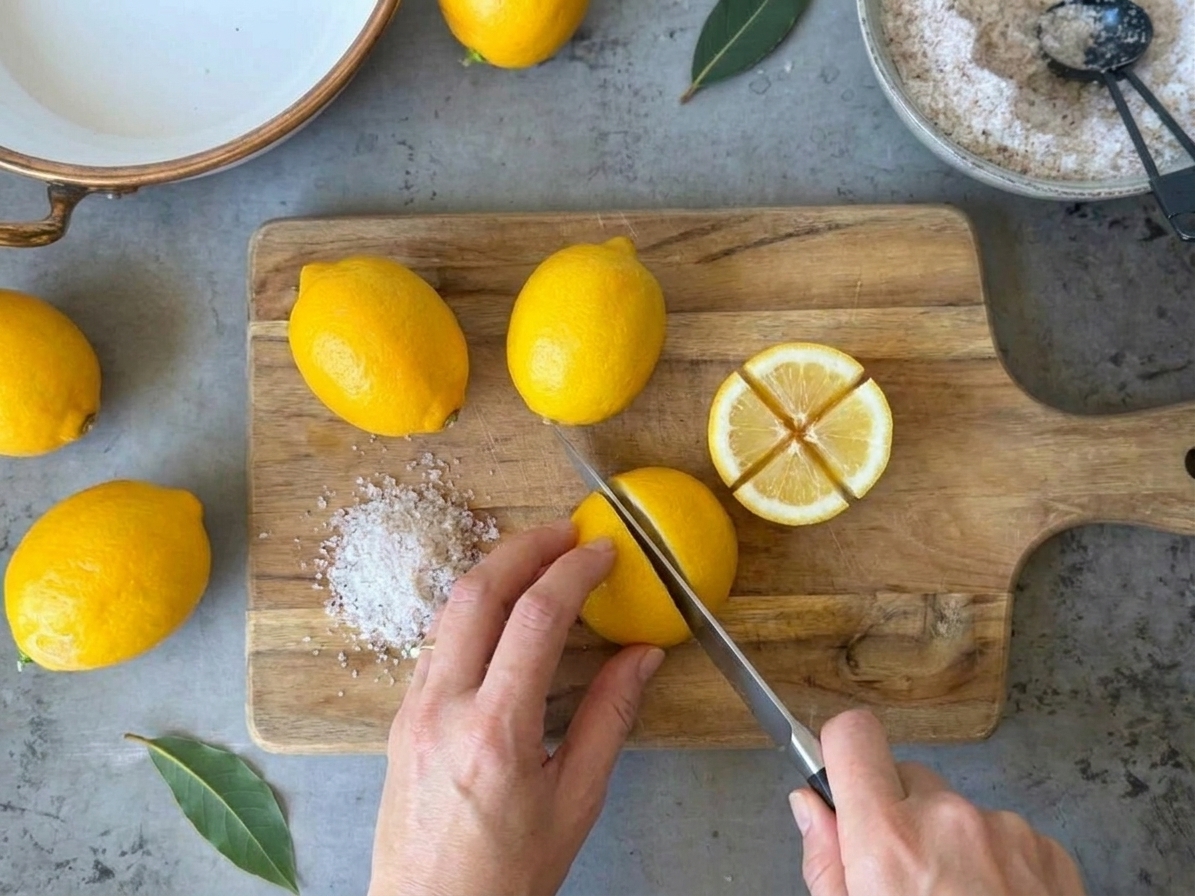
Whole lemons, a pile of kosher salt, and a chef's knife on a wooden cutting board in a home kitchen

Why It Works

  • Big flavor for tiny effort: just lemons, salt, and time, no fancy tools.
  • Soft, usable peel: the rind becomes tender and is the best part for cooking.
  • Flexible: keep it classic with only salt, or add spices if you want a warmer, aromatic vibe.
  • Long-lasting: once they are ready, they hang out in the fridge for many months, ready to rescue weeknight meals.

Pairs Well With

Storage Tips

Once opened: Keep preserved lemons submerged in their brine in the refrigerator. If any pieces float up, press them back down and top with a little fresh lemon juice if needed.

How long they last: They are at their best for at least 6 months, and often 6 to 12 months (or longer) if kept cold, submerged, and handled with clean utensils. Always use a clean fork or spoon, not fingers.

Signs to toss: Fuzzy mold, pink or orange growth, a rotten smell, or anything that looks like it is growing hair. Cloudy brine is normal. A thin white film on the surface is often kahm yeast. You can skim it off, but if anything smells off, looks fuzzy, or you feel unsure, discard the jar and start fresh.

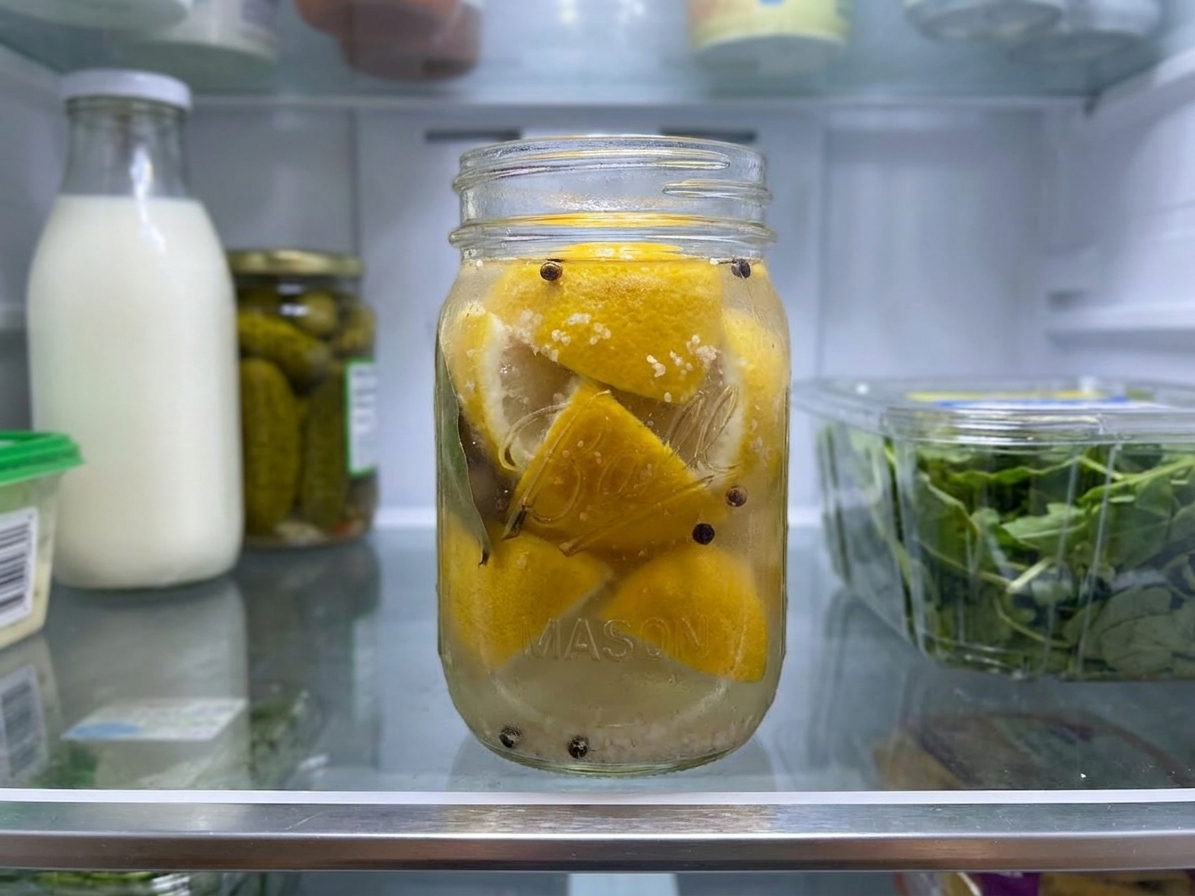
An open jar of preserved lemons on a refrigerator shelf with the lemons submerged in brine

Common Questions

Do I need to ferment preserved lemons?

Not in the kombucha-science sense. This is primarily a salt cure that creates a very unfriendly environment for bad microbes while softening the peel. Some natural fermentation can happen, which is totally normal, but you are mainly aiming for tender peel and salty lemony brine.

How long until preserved lemons are ready?

Usually 3 to 4 weeks at cool room temperature. If your kitchen is cold, it can take closer to 5 weeks. They are ready when the peel is soft and you can easily cut through a quarter with a spoon.

Do I have to use organic lemons?

I strongly prefer organic here because you eat the peel. If you cannot, scrub the lemons very well with hot water and a brush, then dry thoroughly.

What salt should I use?

Kosher salt is the easiest and most reliable. Avoid iodized salt if you can because it can taste a little harsh. Fine sea salt works, but measure by weight if possible since it packs more densely than kosher.

Do I rinse preserved lemons before using?

Most of the time, yes. Rinse the piece you are using under cool water, then use mostly the peel. You can keep a bit of the pulp if you want extra punch, but it is salty. Taste as you go.

What part do I cook with?

The best part is the peel. For many dishes, scrape out the pulpy interior (it can be very salty and a little bitter), then finely chop the peel.

Can I add spices?

Absolutely. Bay leaf, peppercorns, coriander seed, cinnamon stick, and a pinch of chile flakes all play nicely. Just keep it simple so lemon stays the star.

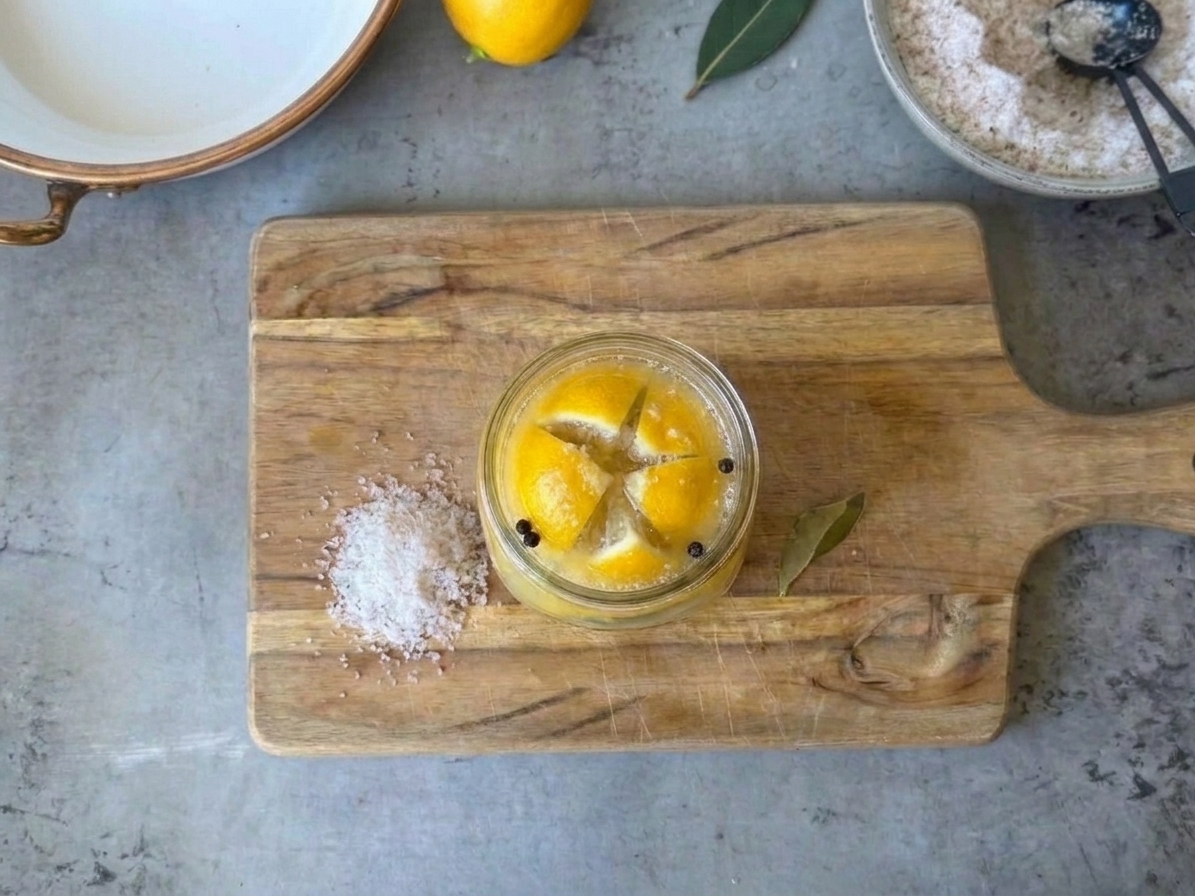
The first time I made preserved lemons, I felt like I was getting away with something. I cut up a few lemons, packed them into a jar like I was playing kitchen Tetris, and then I just waited. Weeks later, I chopped a little peel into a quick pan sauce and it was like turning the lights on in the room. Ever since, I keep a jar in the fridge as my low-effort, high-reward flavor button for chicken, pasta, and anything that needs a bright little wake-up call.