Mom's Best Recipes
Recipe

Pumpkin Dog Treats

Crispy, cutout pumpkin dog biscuits made with simple pantry ingredients and baked until they have that satisfying crunch.

Author By Matt Campbell
4.8
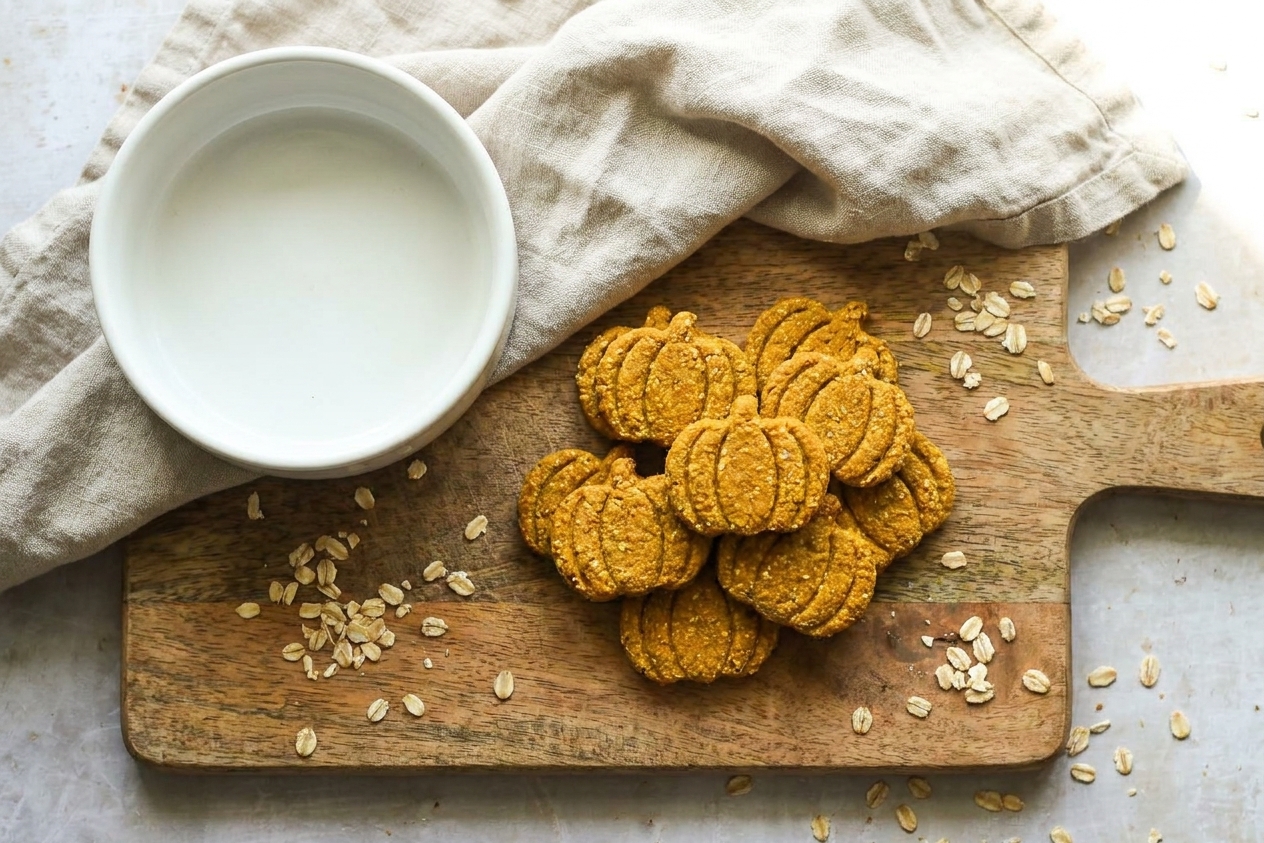
A small pile of pumpkin-shaped homemade dog treats on a wooden board with a neutral linen towel and a simple ceramic bowl nearby

Pumpkin dog treats are one of those wholesome kitchen projects that feel a little ridiculous in the best way. Like, yes, I am baking biscuits for a creature who would happily eat a sock. But hear me out. These come together with everyday ingredients, they make your kitchen smell like cozy fall toast, and you end up with a crunchy little stash of treats you actually recognize.

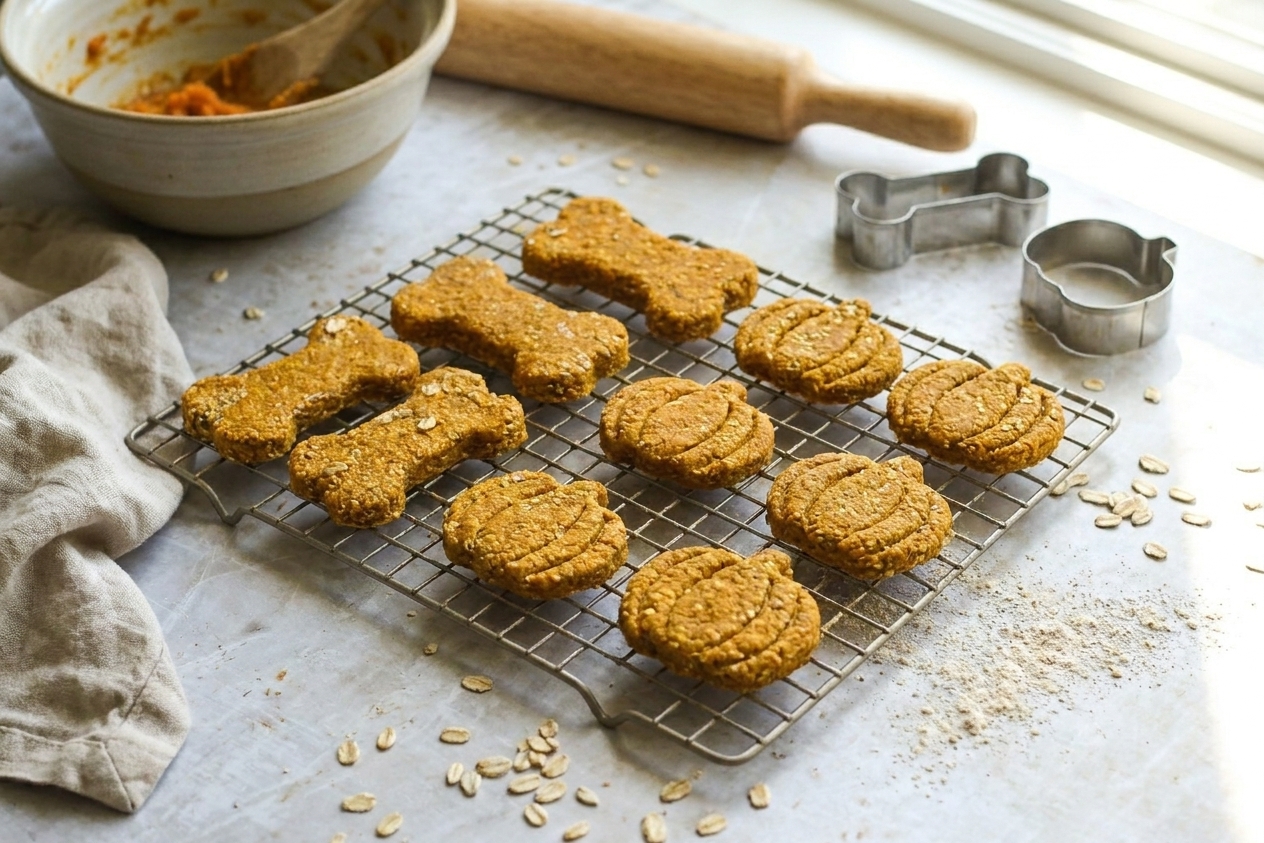
These are baked treats, not dehydrated, and they land in the sweet spot: firm enough to snap, but not so rock-hard you worry about older pups. If your dog prefers softer treats, I have an easy tweak for that too.

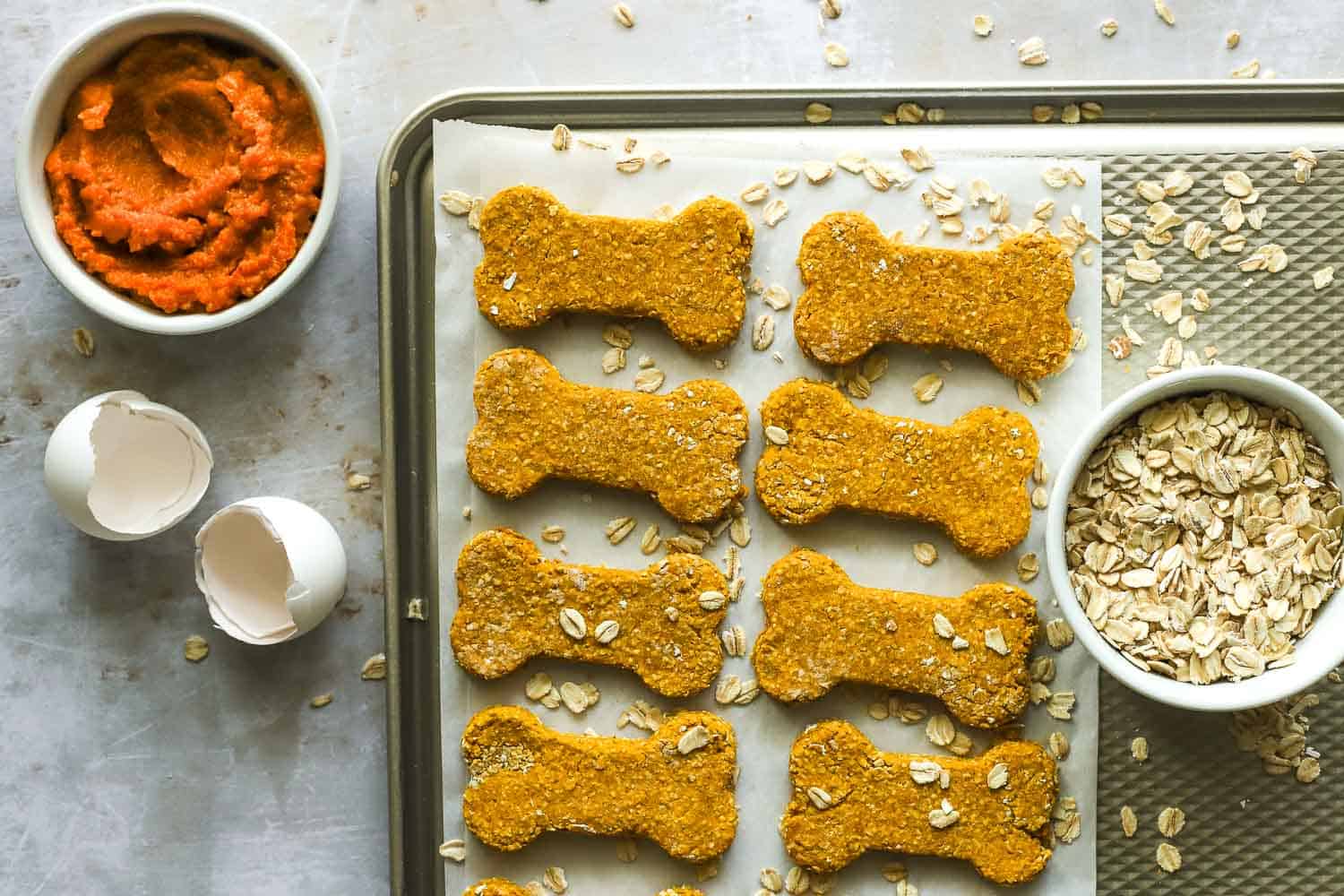
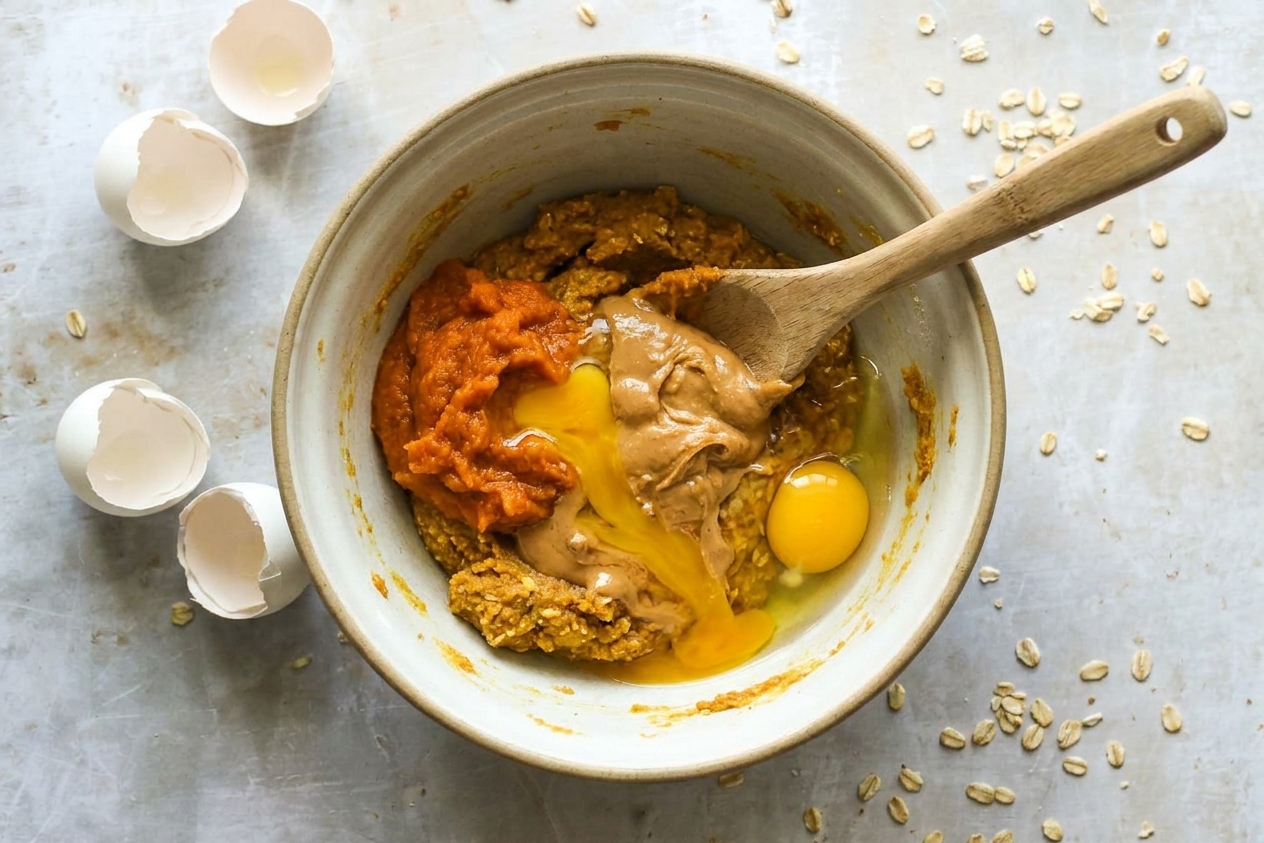
Pumpkin puree, natural peanut butter, eggs, oats, and whole wheat flour measured out for making dog treats

Why It Works

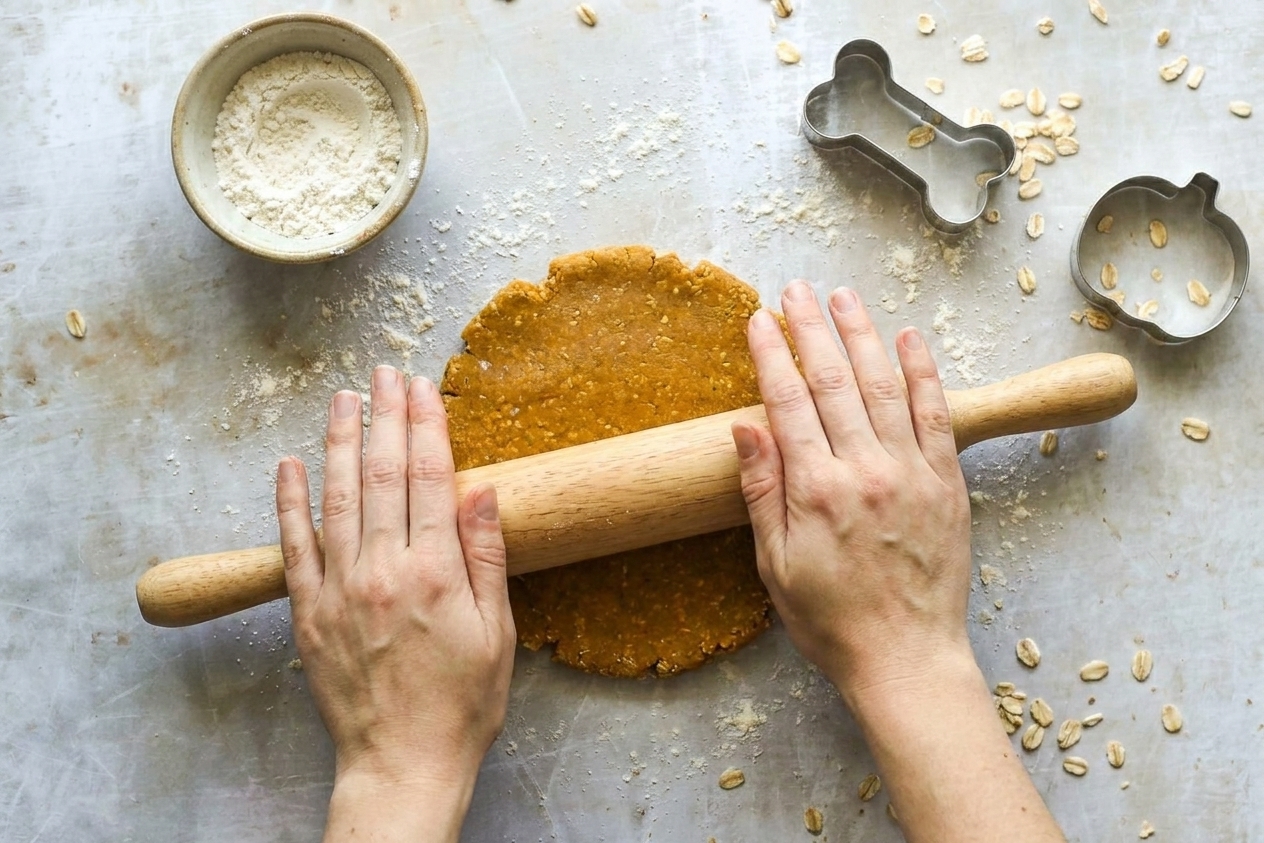
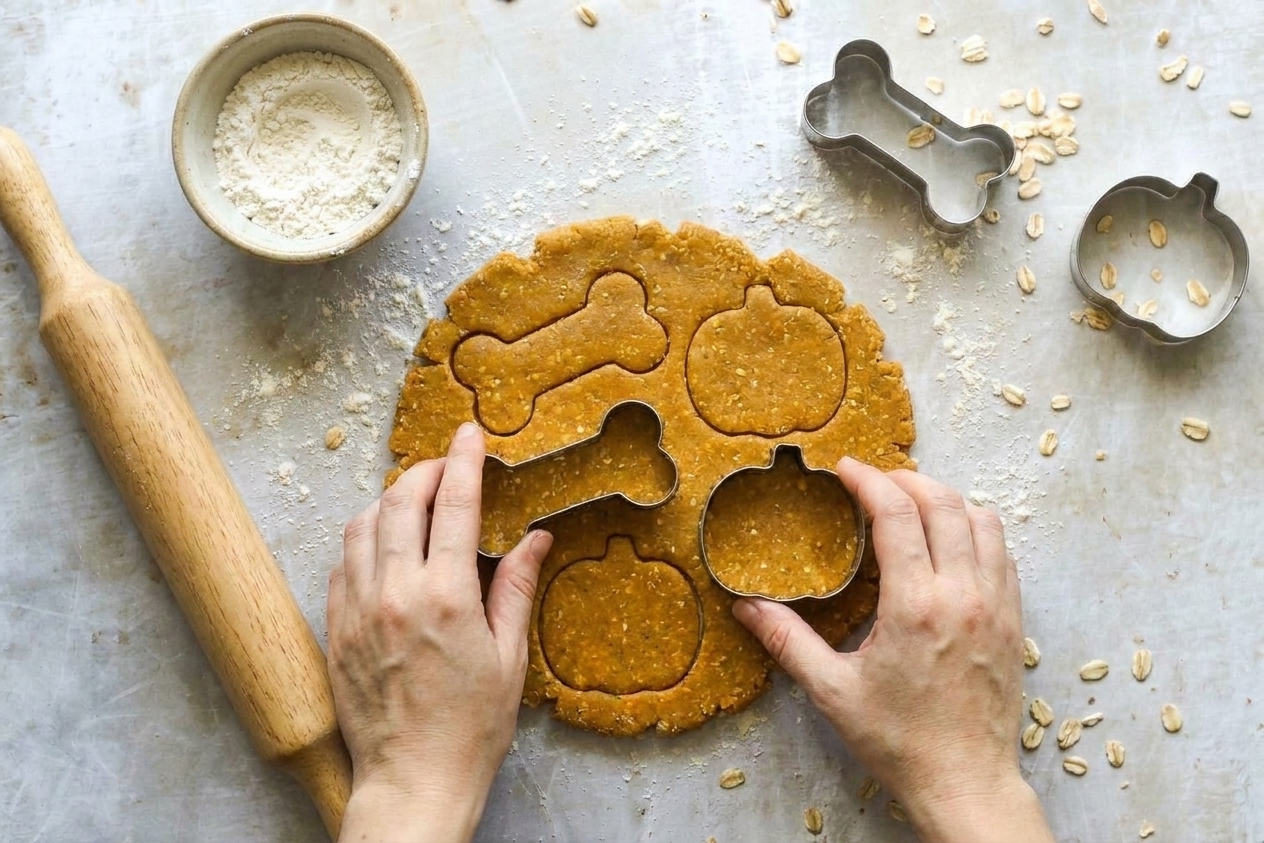
  • Simple dough: Mix, roll, cut, bake. No stand mixer required.
  • Crunchy edges: Baking at 325°F helps them dry out without browning too fast.
  • Dog-safe ingredients: Pumpkin and peanut butter bring flavor without added sugar.
  • Flexible: Swap flours, cut them tiny for training treats, or make bigger “reward” bones.

Pairs Well With

Storage Tips

Before you store: These keep best when they are baked until dry and crisp all the way through. If they feel at all soft in the center, treat them like a fresh baked good and refrigerate or freeze.

Room temperature: Once fully cooled and fully dry, store in an airtight container for up to 3 to 5 days. If your kitchen is warm or humid, lean toward the shorter end.

Refrigerator: Refrigerate in a sealed container for up to 7 to 10 days. If you made the softer version, keep them refrigerated and use sooner.

Freezer: Freeze in a zip-top bag (squeeze out air) for up to 3 months. Thaw at room temp.

Crunch insurance: If the treats soften, spread them on a baking sheet and bake at 300°F for 8 to 12 minutes to crisp them back up. Cool completely before storing again.

Safety note: Discard any treats that develop an off smell, visible moisture, or any sign of mold. When in doubt, toss them.

Common Questions

Is pumpkin good for dogs?

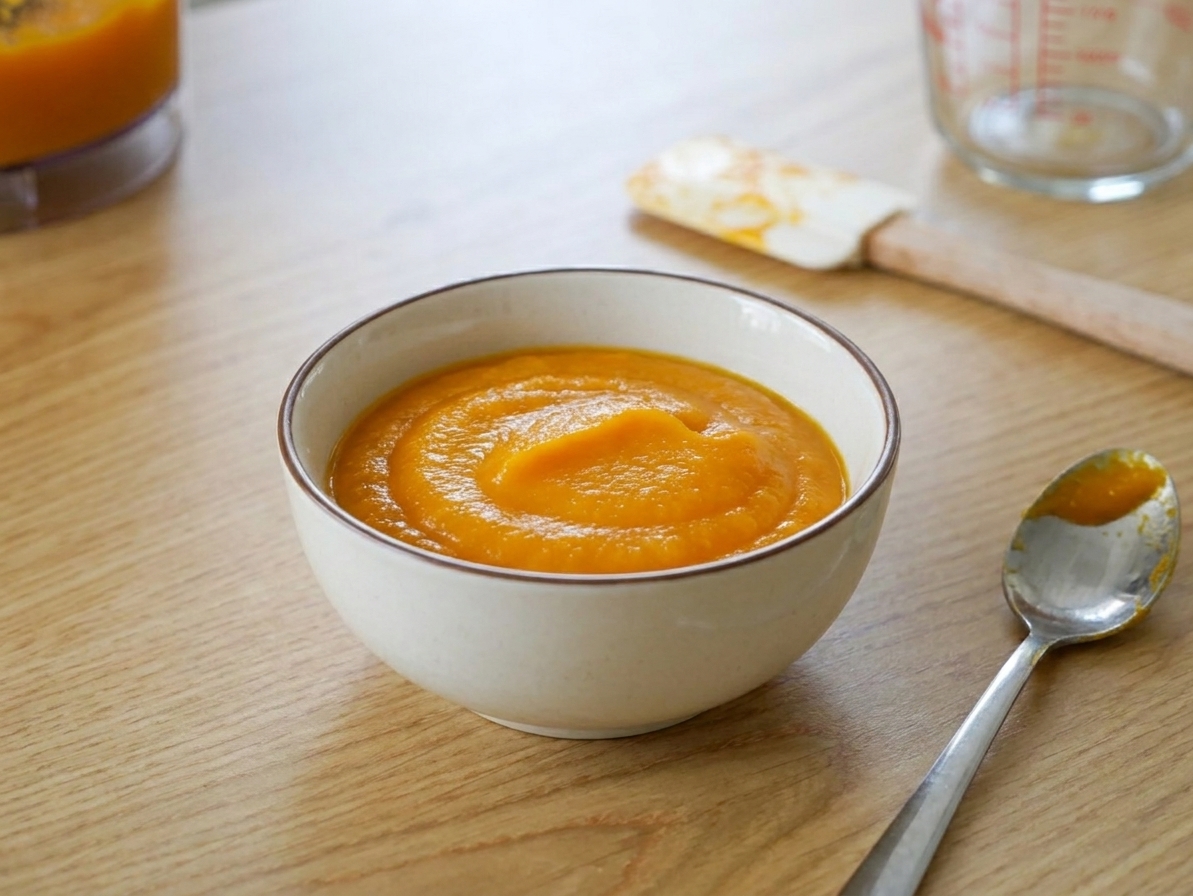
In small amounts, plain pumpkin puree can be a helpful source of fiber for many dogs. The key words are plain and small amounts. Use 100% pumpkin puree, not pumpkin pie filling.

Pumpkin puree or pumpkin pie filling?

Use 100% pure pumpkin. Pumpkin pie filling has added sugar and spices, and it is not what you want for dog treats.

What kind of peanut butter is safe for dogs?

Use a natural peanut butter with no xylitol (sometimes labeled as birch sugar). Xylitol is toxic to dogs. Always check the ingredient label.

Can I use oat flour instead of wheat flour?

Yes. Oat flour works well here, but the dough can be a bit more delicate. If it feels crumbly, add 1 to 2 teaspoons of water at a time until it rolls cleanly.

How do I make them softer?

Bake them for less time, about 18 to 22 minutes. They will be more cake-like than crunchy, so refrigerate promptly and use within a few days, or freeze for longer storage.

My dough is sticky. What did I do wrong?

Nothing dramatic. Pumpkin brands vary in moisture. Dust with flour as you roll, or knead in 1 tablespoon flour at a time until the dough is workable.

How many can my dog have?

A common guideline is to keep treats under about 10% of your dog’s daily calories. Since dog sizes and diets vary a lot, use these as occasional treats and check with your vet if your pup has medical or dietary restrictions.

Are cinnamon or spices okay for dogs?

A tiny pinch of cinnamon is commonly used, but it is optional. Larger amounts can upset some dogs’ stomachs, so keep it minimal and skip it entirely for sensitive pups. Avoid mixed “pumpkin spice” blends, and avoid nutmeg, which can be harmful.

Are these treats a complete food?

Nope. These are supplemental treats, not a balanced diet. Keep them in the “fun bonus” category.

What if my dog is allergic to peanut butter or wheat?

Some dogs do not tolerate peanuts or wheat well. If your dog has known allergies or you are unsure, ask your vet. You can often swap in a dog-safe seed butter (like sunflower seed butter, xylitol-free) and try oat flour, but introduce new ingredients slowly.

The first time I made homemade dog treats, I expected my dog to act like a refined food critic. You know, sniff, pause, thoughtful nod. Instead: immediate inhale, then a look that said, “Cool. Make fifty more.” So I did what any reasonable kitchen gremlin would do. I started treating dog biscuits like a real recipe project, testing bake times for crispness, swapping flours, and learning the one rule that matters most: if the dough feels too wet, it is not a failure, it is just pumpkin being pumpkin.