Mom's Best Recipes
Recipe

Quaker Oats Meatloaf

A tender, old-school meatloaf made with Quaker Oats for the perfect slice and a sticky-sweet glaze on top.

Author By Matt Campbell
4.8
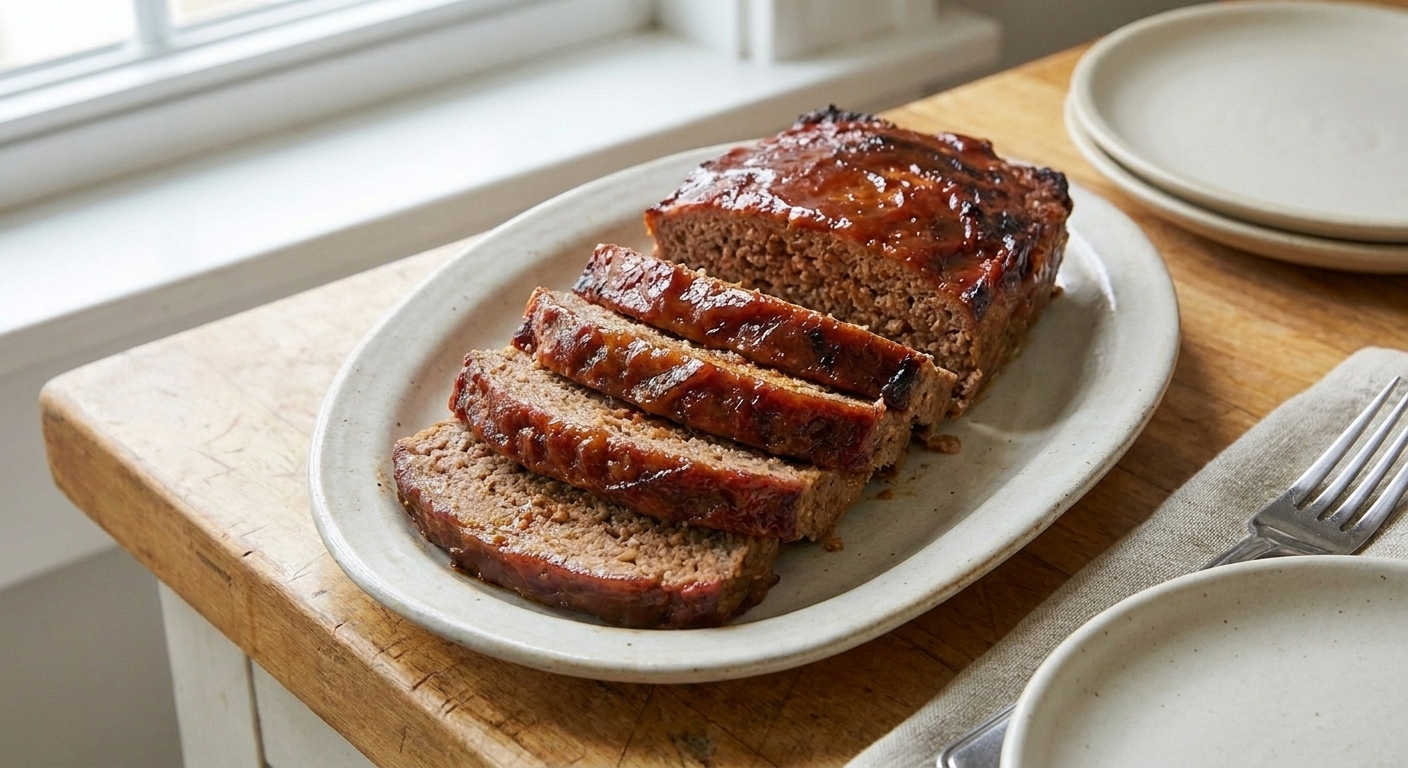
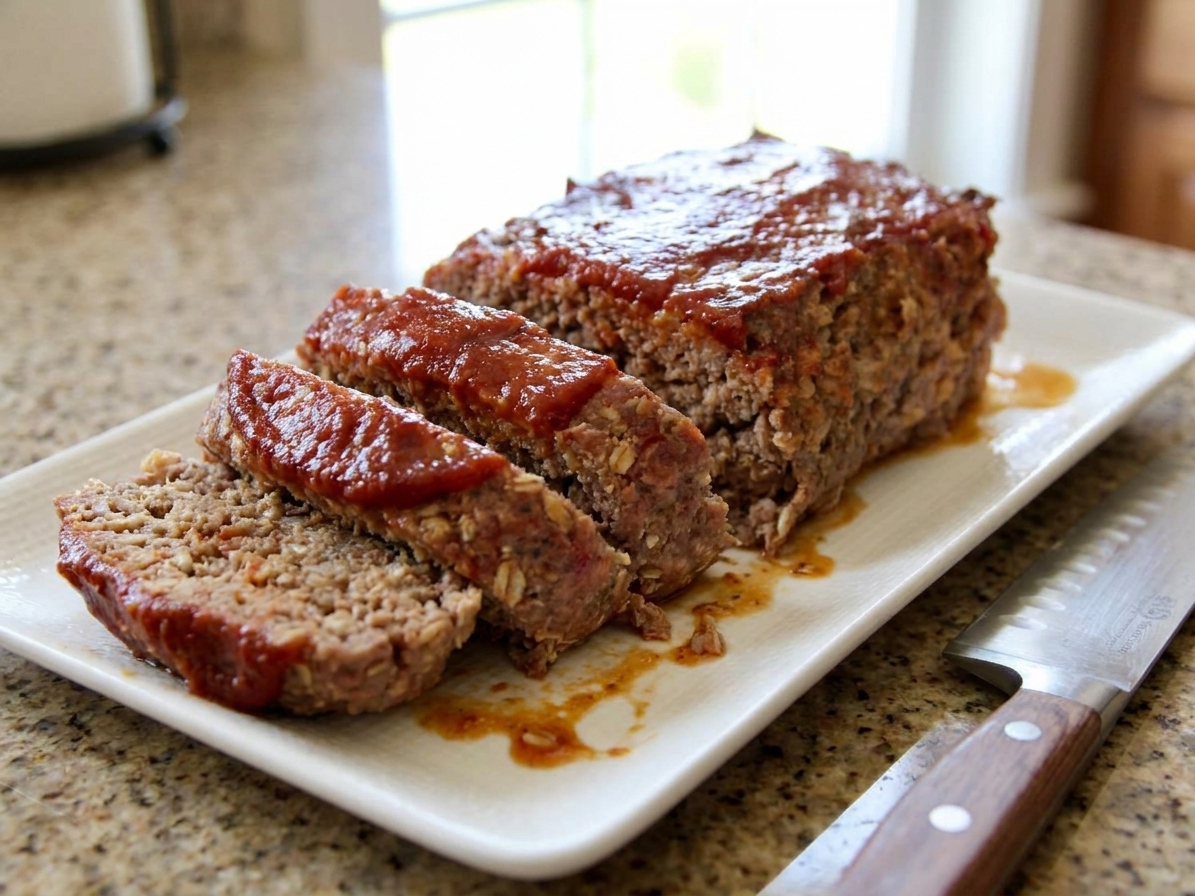
A sliced meatloaf made with oats, topped with a glossy ketchup glaze, on a platter with a knife and a few slices fanned out on a wooden table

Meatloaf has two jobs: be comforting enough to feel like a hug, and slice cleanly enough that you do not end up serving “rustic crumbles” with a spoon. This Quaker Oats meatloaf does both. The oats soak up juices, keep the inside tender, and help the loaf hold together without feeling bready.

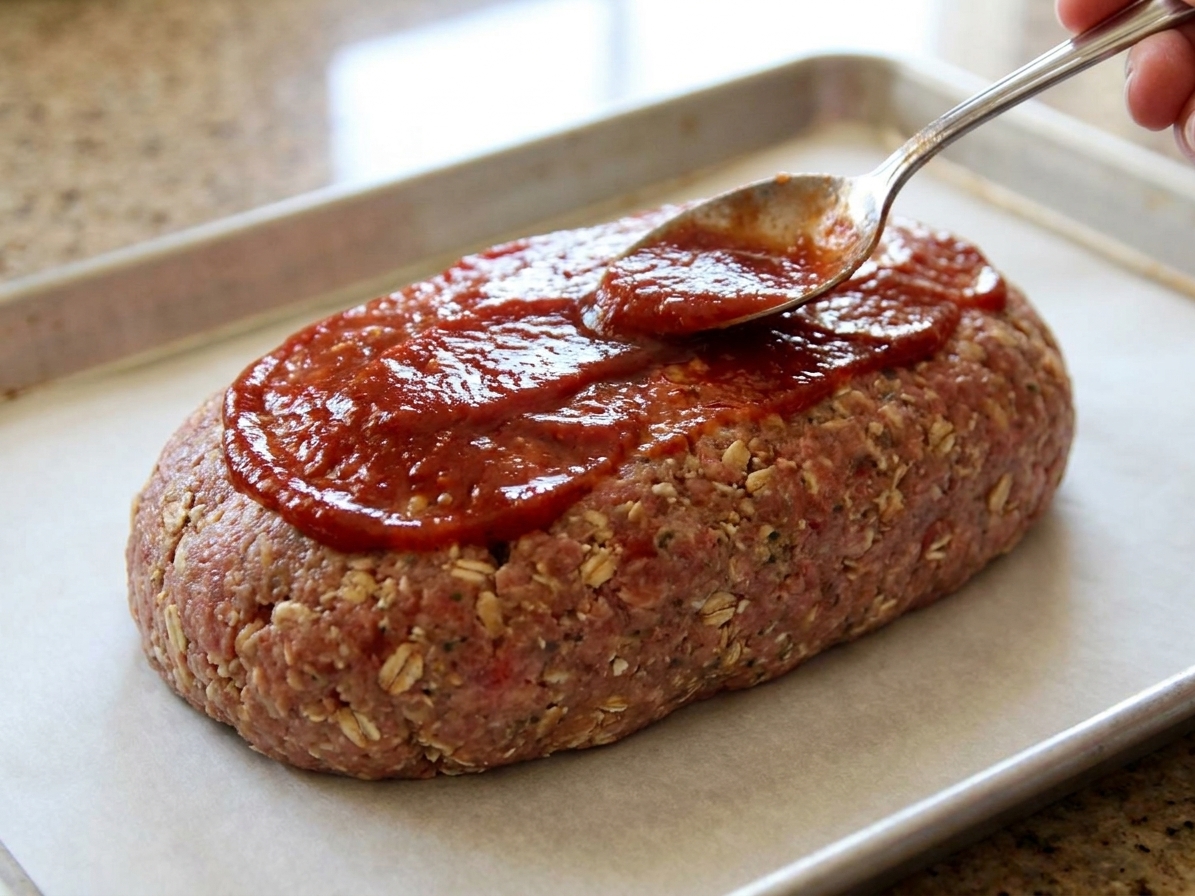
And yes, we are doing a glaze. Not a polite little smear. A real, tangy-sweet topcoat that caramelizes just enough to give you those crispy edges that make you hover around the pan “checking doneness” with a fork.

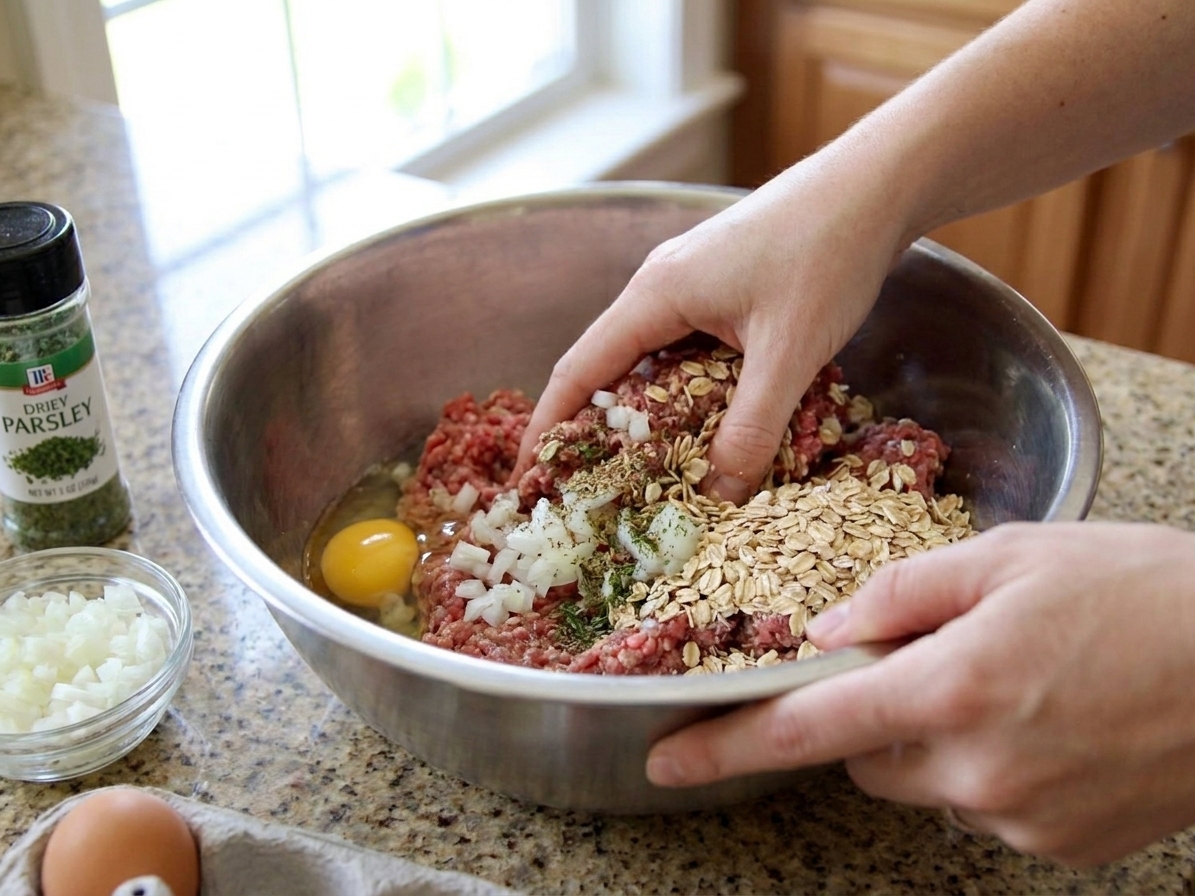
A kitchen counter with rolled oats, ground beef, diced onion, eggs, milk, ketchup, and spices arranged in small bowls, ready for meatloaf prep

Why It Works

  • Moist, tender texture: Quaker Oats act like tiny sponges, holding onto moisture so the loaf stays juicy even after reheating.
  • Better slices: Oats plus egg create structure, so you get clean slices instead of a pile of tasty rubble.
  • Accessible ingredients: Pantry oats, ketchup, and basic seasonings. No specialty breadcrumbs needed.
  • Flavor you actually notice: Onion, Worcestershire, and garlic build that savory backbone, and the glaze brings the sweet tang on top.

Pairs Well With

Storage Tips

Storage Tips That Keep It Juicy

Meatloaf leftovers are elite if you treat them right. Here is how to keep the slices tender, not dry.

Refrigerate

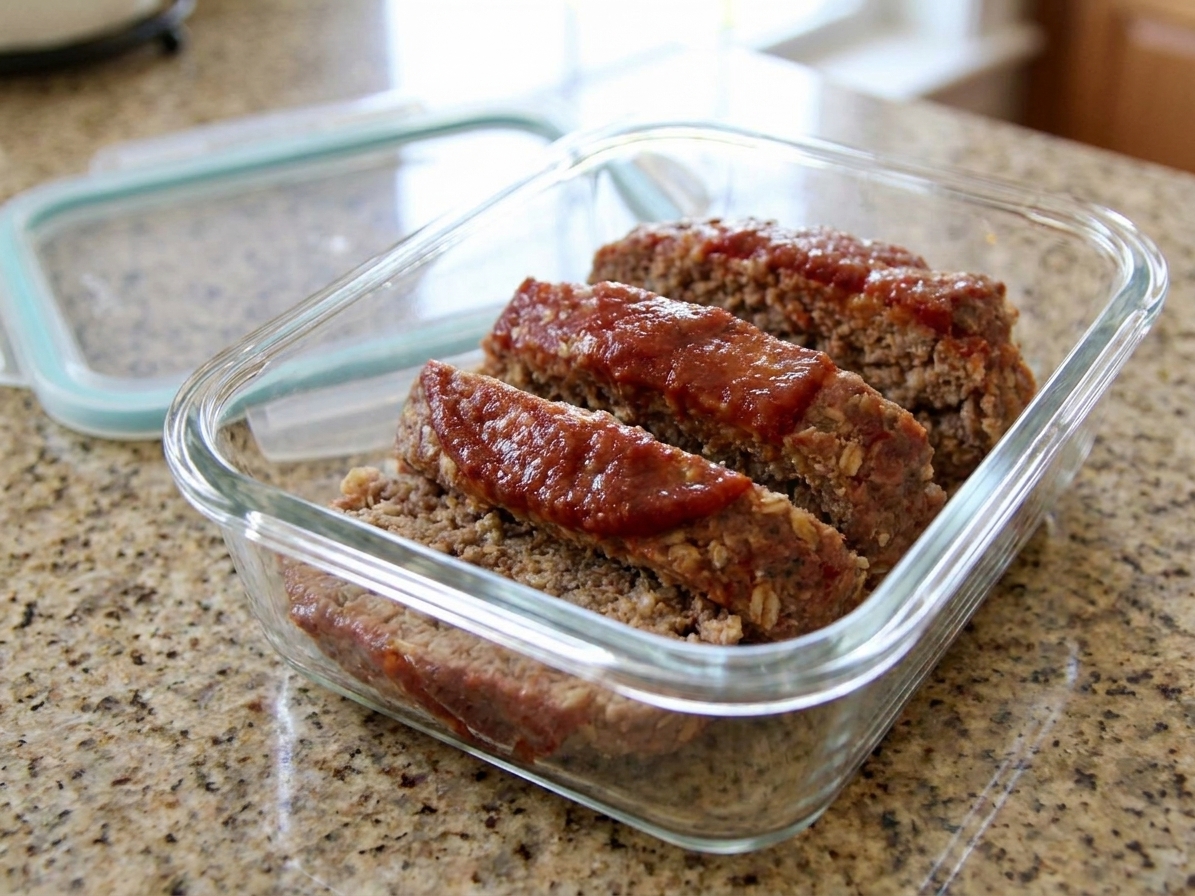
  • Cool leftover meatloaf, then store in an airtight container.
  • Refrigerate up to 4 days.
  • For best results, store as slices so it reheats faster and more evenly.

Freeze

  • Wrap the whole loaf or individual slices tightly in plastic wrap, then add a freezer bag or foil layer.
  • Freeze up to 3 months.
  • Thaw overnight in the fridge before reheating.

Reheat (no dry meatloaf allowed)

  • Microwave: Place a slice on a plate, add a few drops of water or broth, cover loosely, and heat in 30-second bursts.
  • Oven: Put slices in a baking dish, add a splash of broth, cover with foil, and warm at 325°F until hot.
Sliced meatloaf with glaze stacked in a glass storage container on a kitchen counter with a fitted lid nearby

Common Questions

Common Questions

Do I have to use quick oats, or can I use old-fashioned?

Either works. Quick oats melt into the mixture a bit more and give a smoother slice. Old-fashioned oats add a slightly heartier texture. If using old-fashioned, let the mixed meatloaf sit for 5 minutes before shaping so the oats can hydrate.

Why oats instead of breadcrumbs?

Oats bind like breadcrumbs, but they also hold moisture really well. That helps prevent a dry loaf, especially if your ground beef is on the leaner side.

Should I cook meatloaf covered or uncovered?

Uncovered. You want the glaze to set and caramelize a bit. If the top is browning too fast, loosely tent with foil for the last 10 to 15 minutes.

What internal temperature should meatloaf reach?

Cook until the center hits 160°F on an instant-read thermometer. Then let it rest 10 minutes so the juices settle and the slices hold together. That rest also gives you a little carryover heat, which keeps it safe and juicy.

My meatloaf juices look a little pink. Is it done?

Color is not the best judge here. Seasonings (and even the glaze) can tint juices. If the thickest part reads 160°F, you are good.

Can I make this in a loaf pan?

Yes, but a freeform loaf on a sheet pan usually gives better edges and less “steaming in its own juices.” If you do use a loaf pan, consider draining off excess grease halfway through cooking.

How do I keep meatloaf from falling apart?

Make sure you have enough binder and rest time. This recipe uses eggs + oats for structure. Also, do not skip the 10-minute rest after baking.

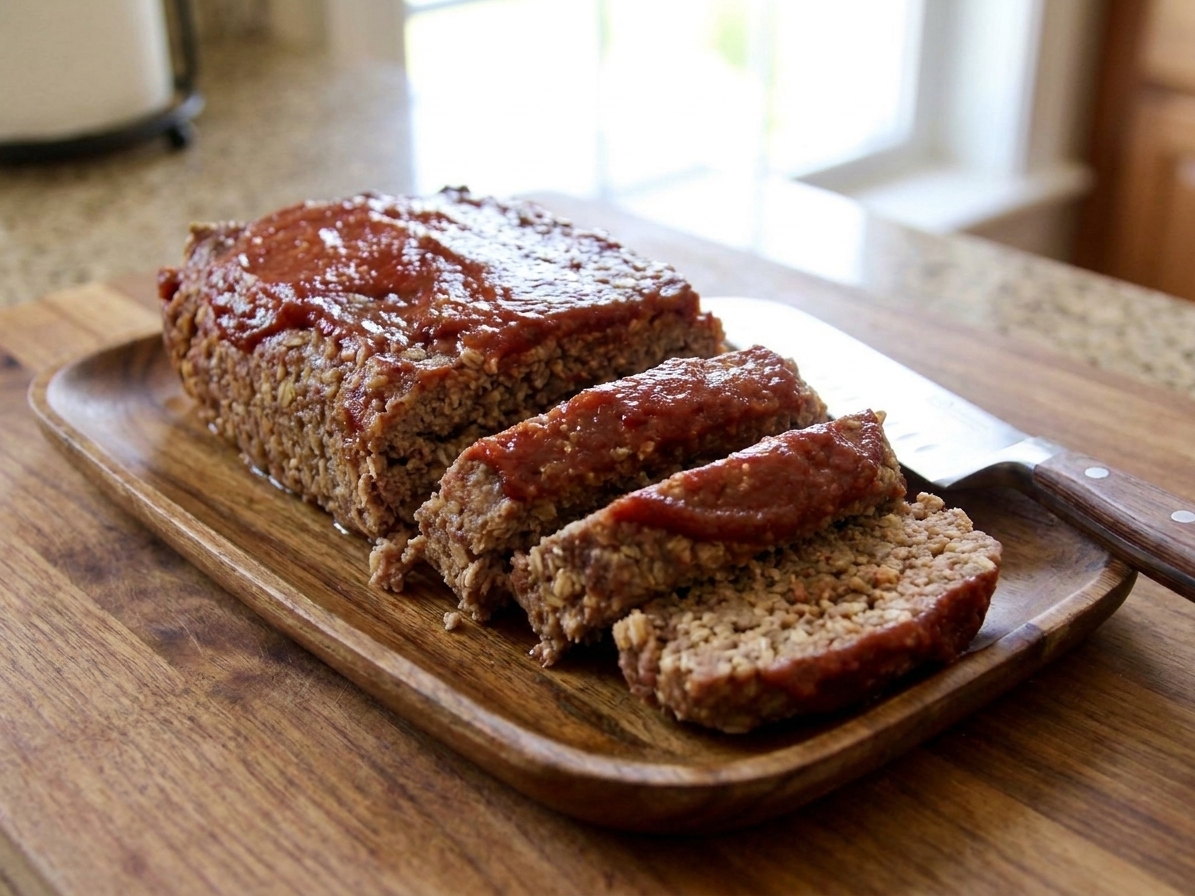
I used to think meatloaf was just one of those dinners you survived as a kid, like it was legally required to show up on a Tuesday. Then I started paying attention to the details: the glaze that turns sticky at the edges, the way a good loaf slices clean, and the sneaky little binders that keep it tender. Quaker Oats was the first “oh, that is why this works” moment for me. It is humble, it is pantry-friendly, and it makes meatloaf feel like something you chose to cook, not something you settled for.