Mom's Best Recipes
Recipe

Quick Pickled Beets

Sweet-tangy, crisp-edged beets in a simple vinegar brine. No canning, no drama, just a jar that makes everything taste brighter.

Author By Matt Campbell
4.8
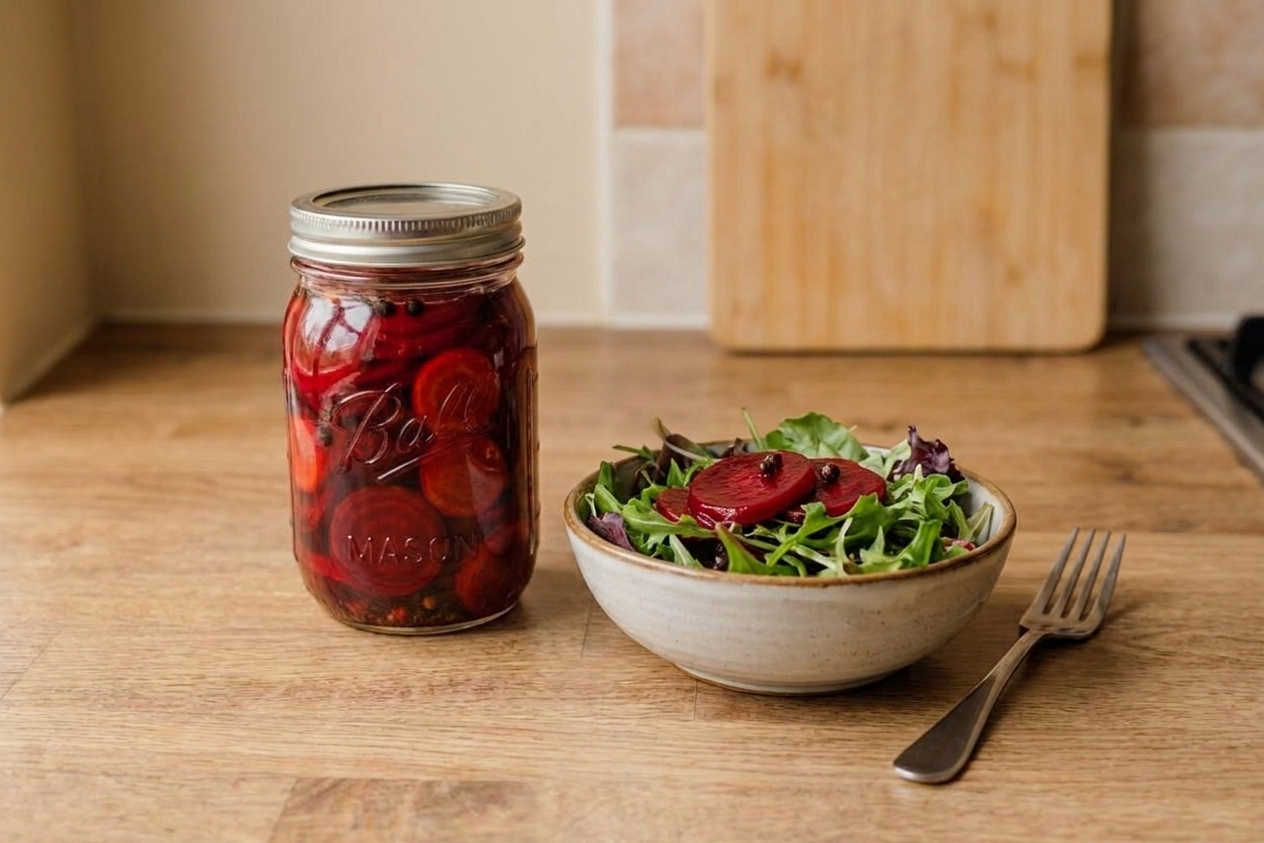
A glass jar filled with ruby-red quick pickled beet slices in brine on a light kitchen counter, with a small bowl of salad greens and a fork nearby

If your fridge could keep one “instant upgrade” on standby, I vote for pickled beets. They are sweet, tangy, and earthy in the best way, like the condiment version of turning the lights on in a room. Toss them into salads, layer them on sandwiches, chop them into grain bowls, or just eat them straight from the jar while pretending you are only “tasting.”

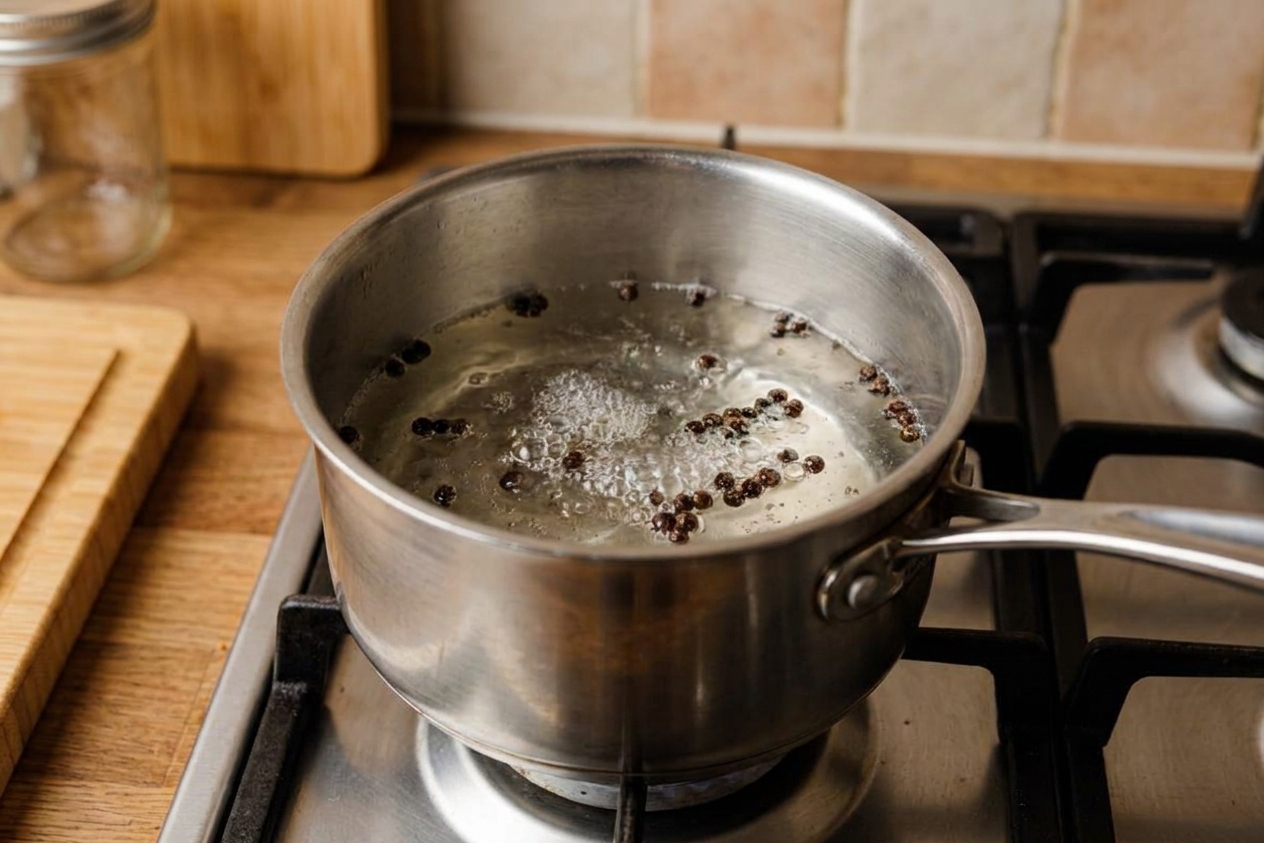
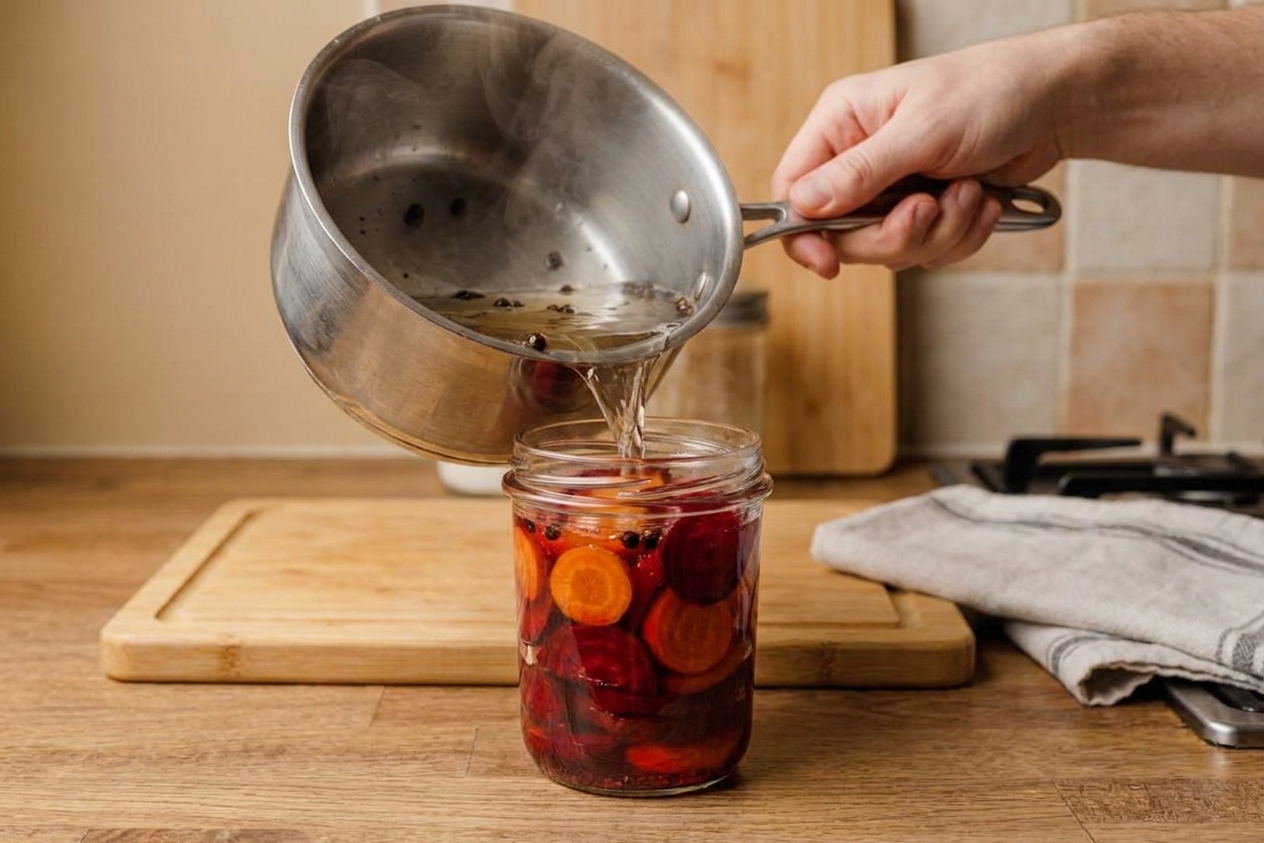
This is a quick pickle, which means no water bath canning and no pantry storage. We are making a hot brine, pouring it over cooked beets, and letting the fridge do the rest. You get bold flavor with minimal effort, and the color alone is worth the mess you will absolutely make.

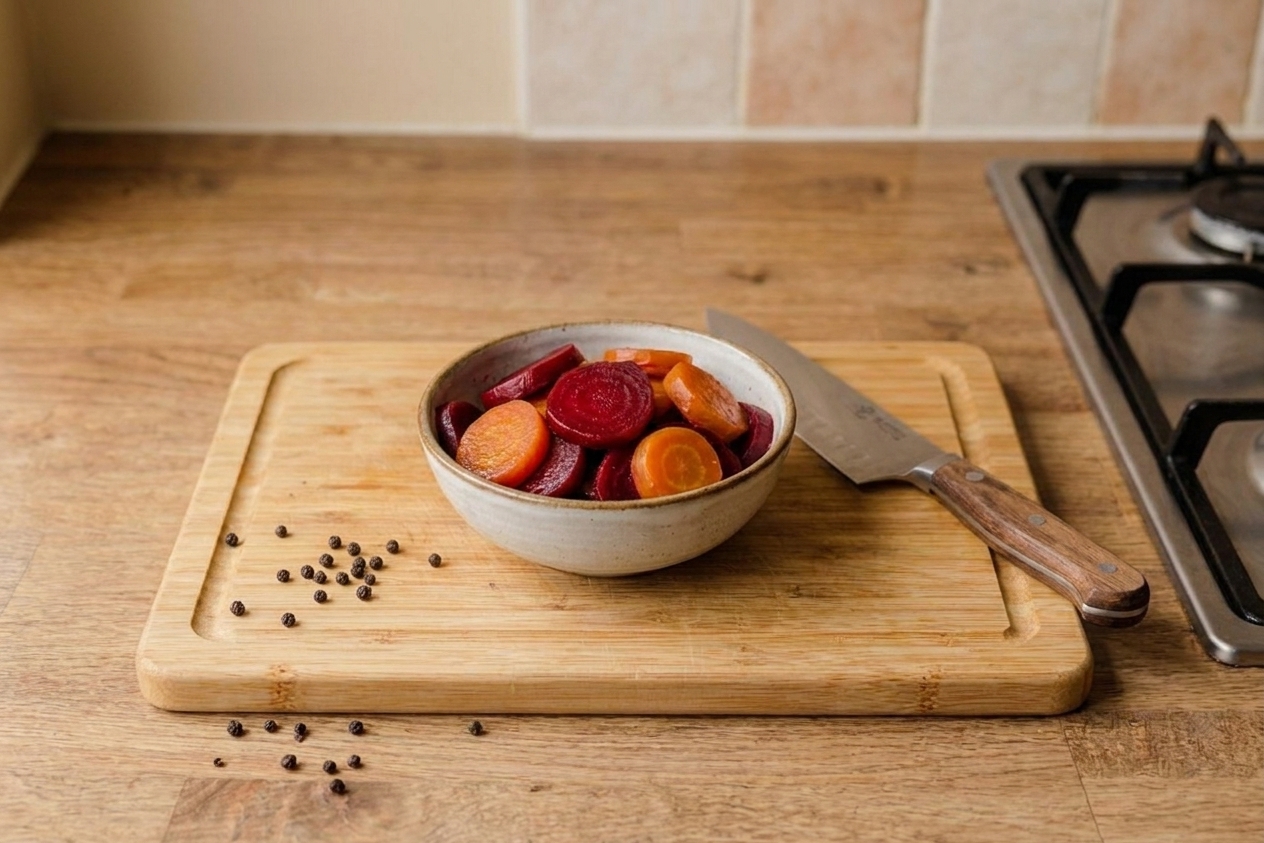
One practical note: beets stain like it is their job. If you care about your cutting board or your fingertips, use gloves and do your slicing on a surface you do not mind turning fuchsia for a minute.
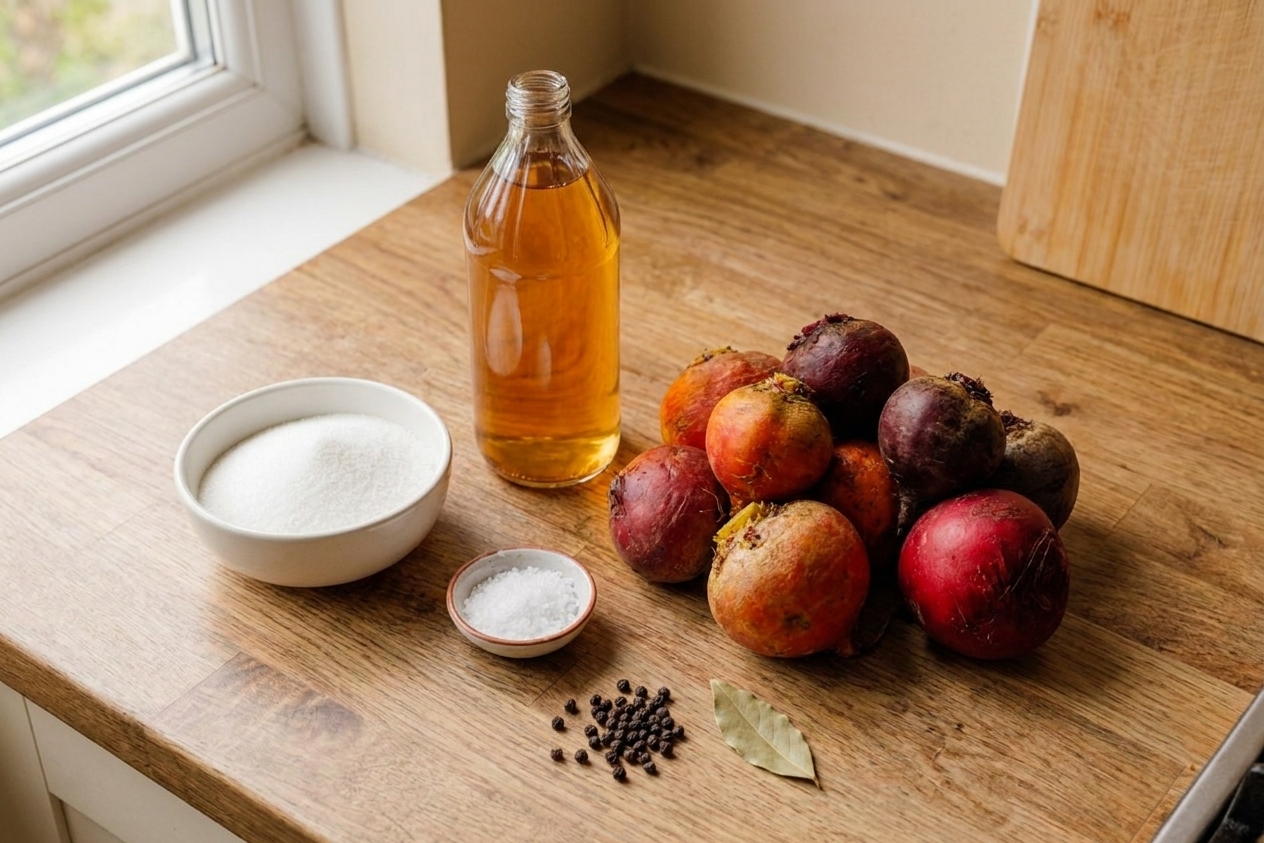
Whole raw beets, a bottle of apple cider vinegar, a bowl of sugar, salt, peppercorns, and a bay leaf arranged on a clean kitchen counter in natural light

Why It Works

  • Bright, balanced brine: A mix of vinegar and water keeps it tangy without being harsh, and a little sugar rounds everything out.
  • Better texture: Cooking the beets until just tender helps them stay pleasantly firm once pickled instead of turning soft and sad.
  • Flavor that builds: They taste good after a few hours, but after 24 hours they hit that “pause mid-bite” level of good.
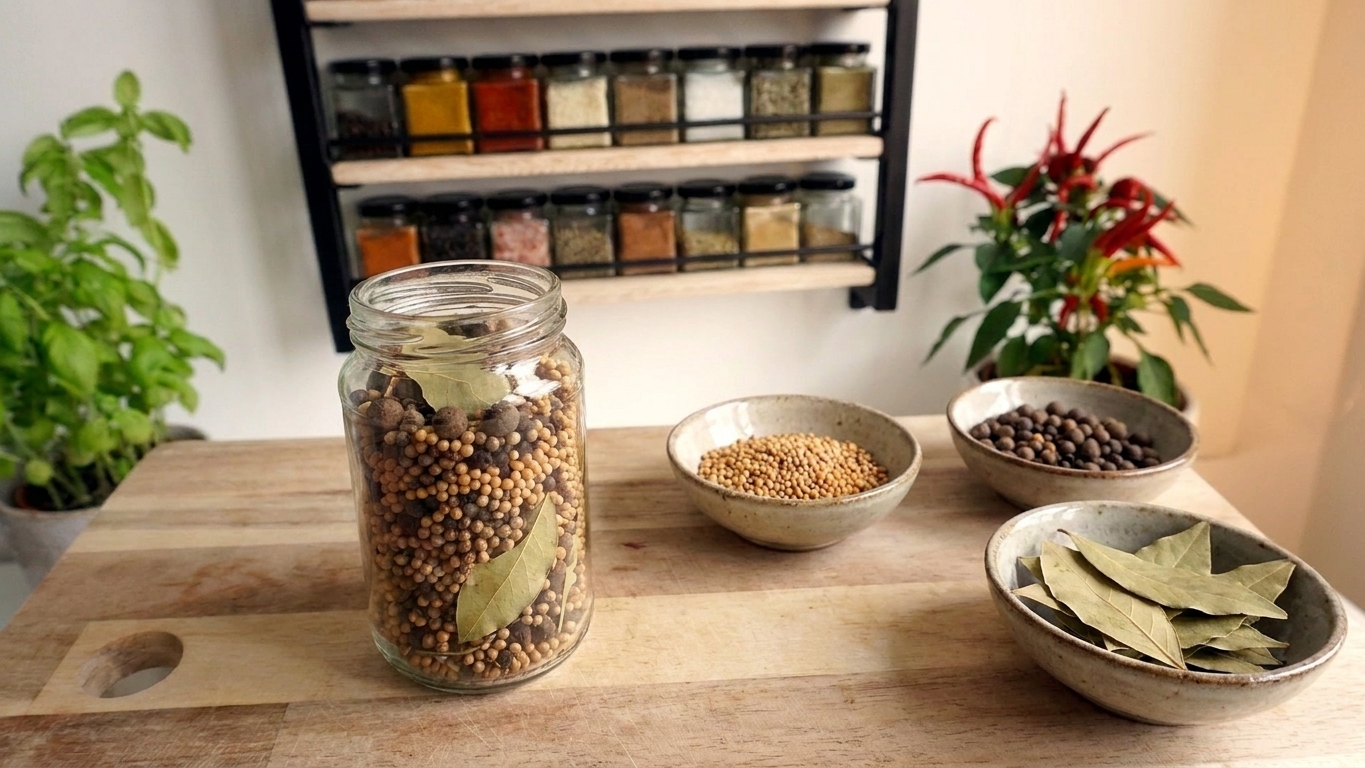
  • Flexible spices: You can keep it classic with peppercorns and bay, or go bolder with cloves, orange peel, or mustard seeds.

Pairs Well With

Storage Tips

Refrigerate: Keep pickled beets in a tightly sealed jar in the fridge for about 2 to 4 weeks. Colder fridge, cleaner jar, and fully submerged beets all help them last longer.

Use clean utensils: This is the easiest way to keep the jar fresh longer. No fingers, no “just a quick grab,” no judgment, just facts.

Keep them submerged: The beets should stay under the brine for best quality and to reduce spoilage risk.

When in doubt, throw it out: If you see mold, smell anything funky, notice fizzing, or the texture turns slimy, toss the jar.

Do not shelf store: This recipe is not tested for canning. It is designed for refrigerator storage.

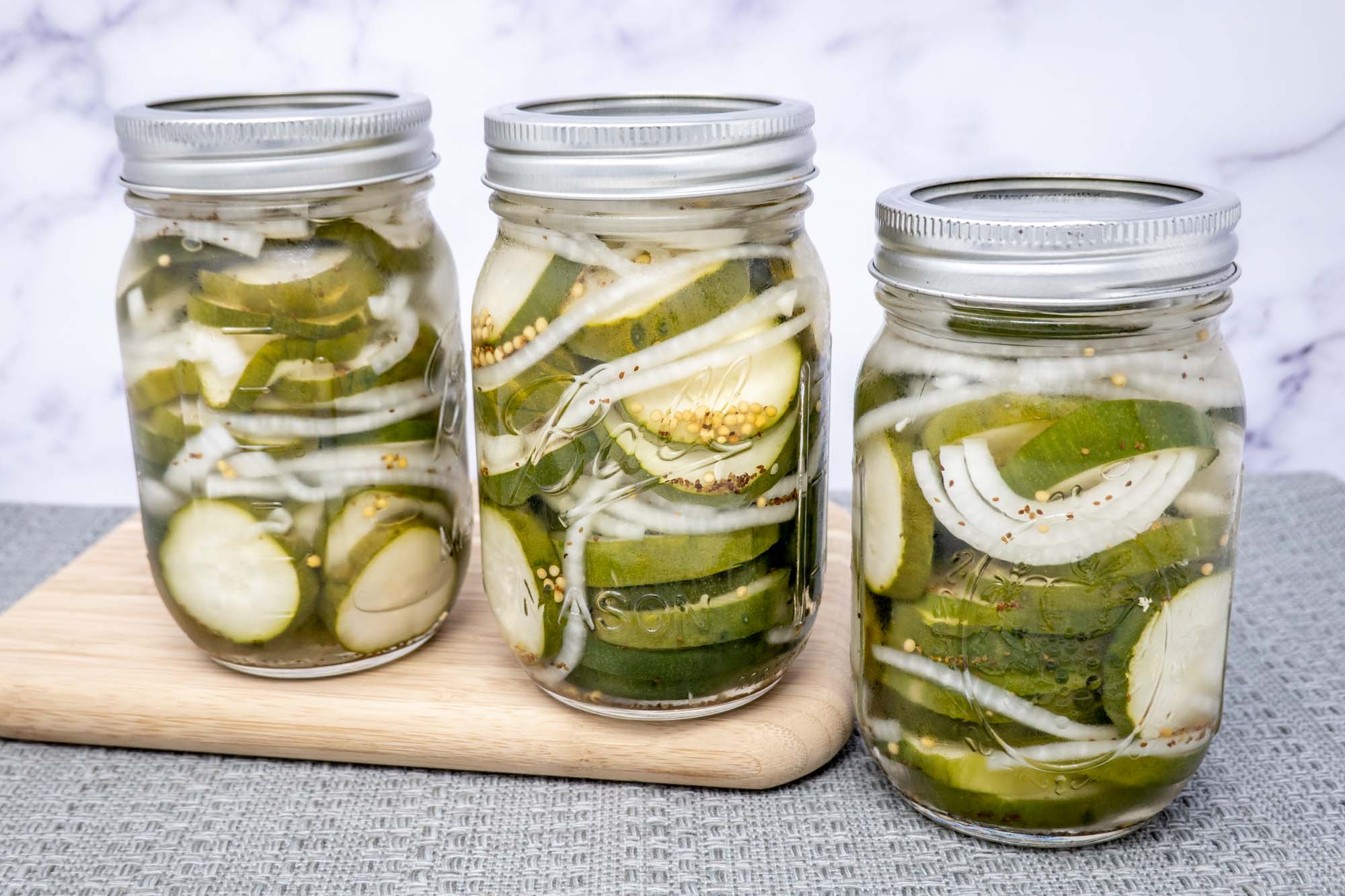
Extra brine tip: The leftover brine is gold. Whisk it into vinaigrettes, splash it into hummus, or use it to quick pickle onions or thin-sliced cucumbers.

Common Questions

Do I have to cook the beets first?

For this recipe, yes. Raw beets are too firm for a quick pickle timeline. Cooking gets you that tender bite that still holds its shape once chilled.

What is the best way to cook beets for pickling?

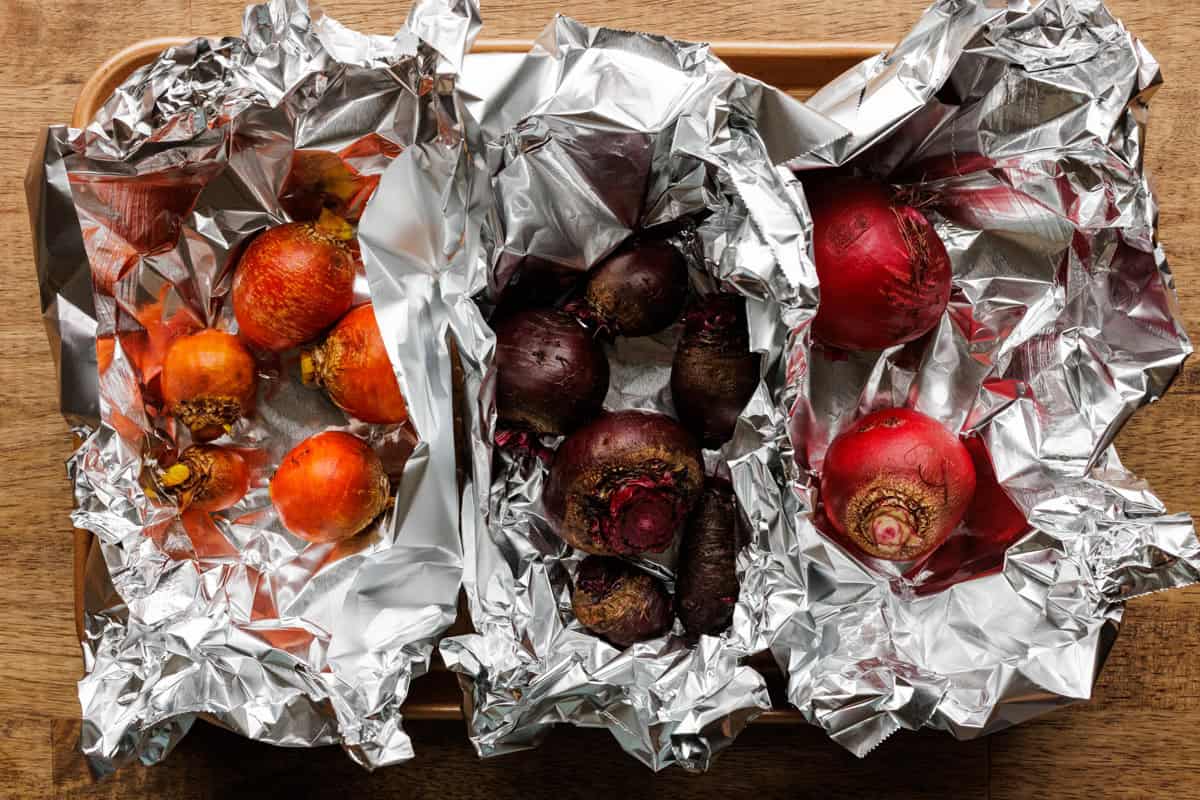
My go-to is roasting for deeper flavor and less waterlogging. Simmering works too and is faster to set up. I included both options in the instructions so you can pick your vibe.

Can I use canned beets?

You can, and it is a totally valid shortcut. Drain them well, then pour the hot brine over. The texture will be softer than fresh-cooked, but the flavor still pops.

How long until quick pickled beets are ready?

They are tasty after about 4 hours in the fridge, but they are best after 24 hours.

Why did my brine turn cloudy?

Usually it is from spices, garlic, or a little beet starch. Cloudy is not automatically bad. If it smells off, looks moldy, or the jar was left at room temperature for too long, toss it.

How do I know when to toss them?

If you see mold, notice an off odor, get unexpected fizzing, or the beets turn slimy, do not try to salvage it. Toss the whole jar.

Can I reduce the sugar?

Yes. Sugar balances the vinegar and beet earthiness, but you can cut it down. Start by reducing to 1 tablespoon and adjust next batch based on taste.

Are these the same as canned pickled beets?

Similar flavor profile, different storage. Canned versions are processed for shelf stability. These are refrigerator pickles, meant to be kept cold and eaten within a few weeks.

Will this fit in one quart jar?

Usually, but it depends on how you slice and how big your beets are. If it looks tight, use two pint jars or a larger jar so everything stays comfortably submerged.

The first time I made pickled beets at home, I treated them like a fussy project. Gloves, timers, the whole production. Now I make them like a friend cooking in your kitchen should: roast a bunch of beets, throw together a brine, and accept that my cutting board will look like a crime scene for five minutes. The payoff is immediate. Suddenly your leftovers feel intentional, your salad tastes like it came from a place with real forks, and your sandwich has that tangy snap that makes you go back for a second bite.