Mom's Best Recipes
Recipe

Quick Pickled Vegetables

A flexible, fridge-friendly quick pickle recipe with a bright, balanced brine and serious crunch.

Author By Matt Campbell
4.8
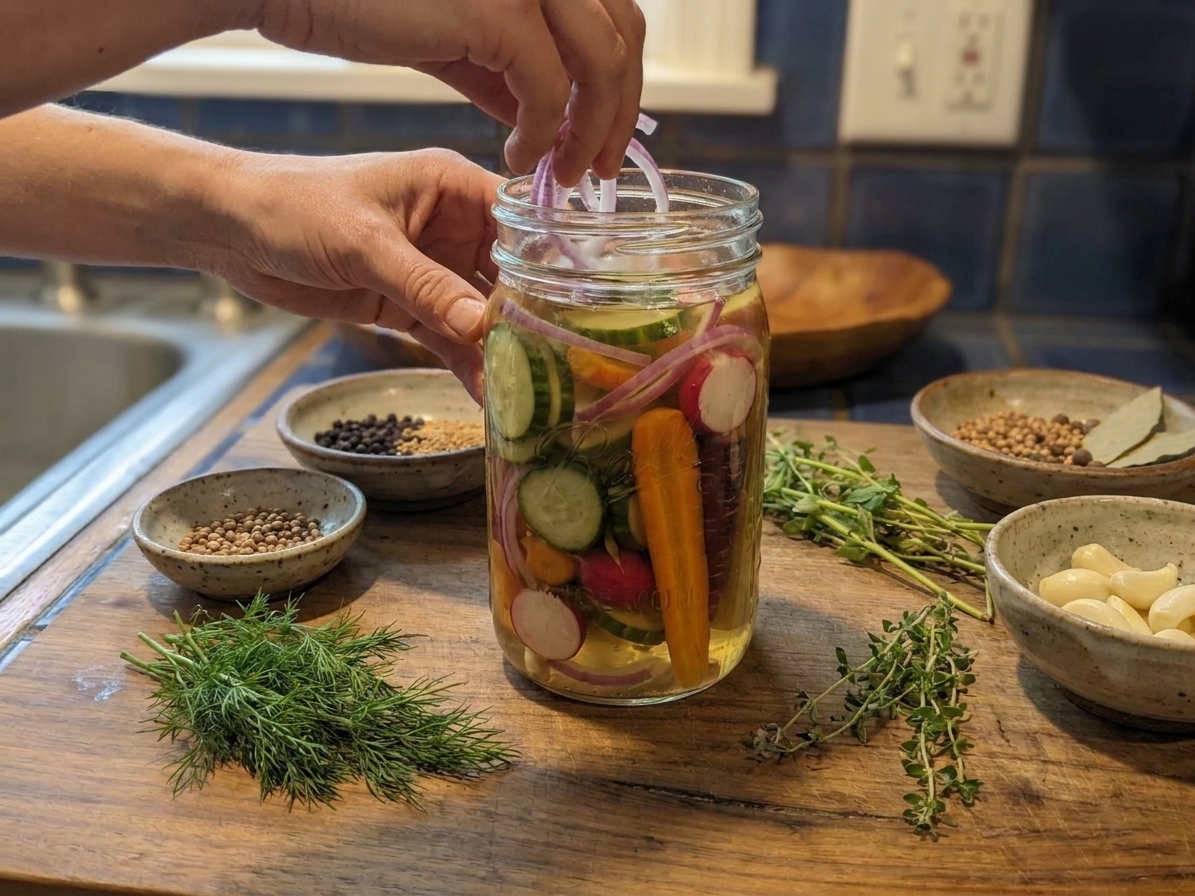
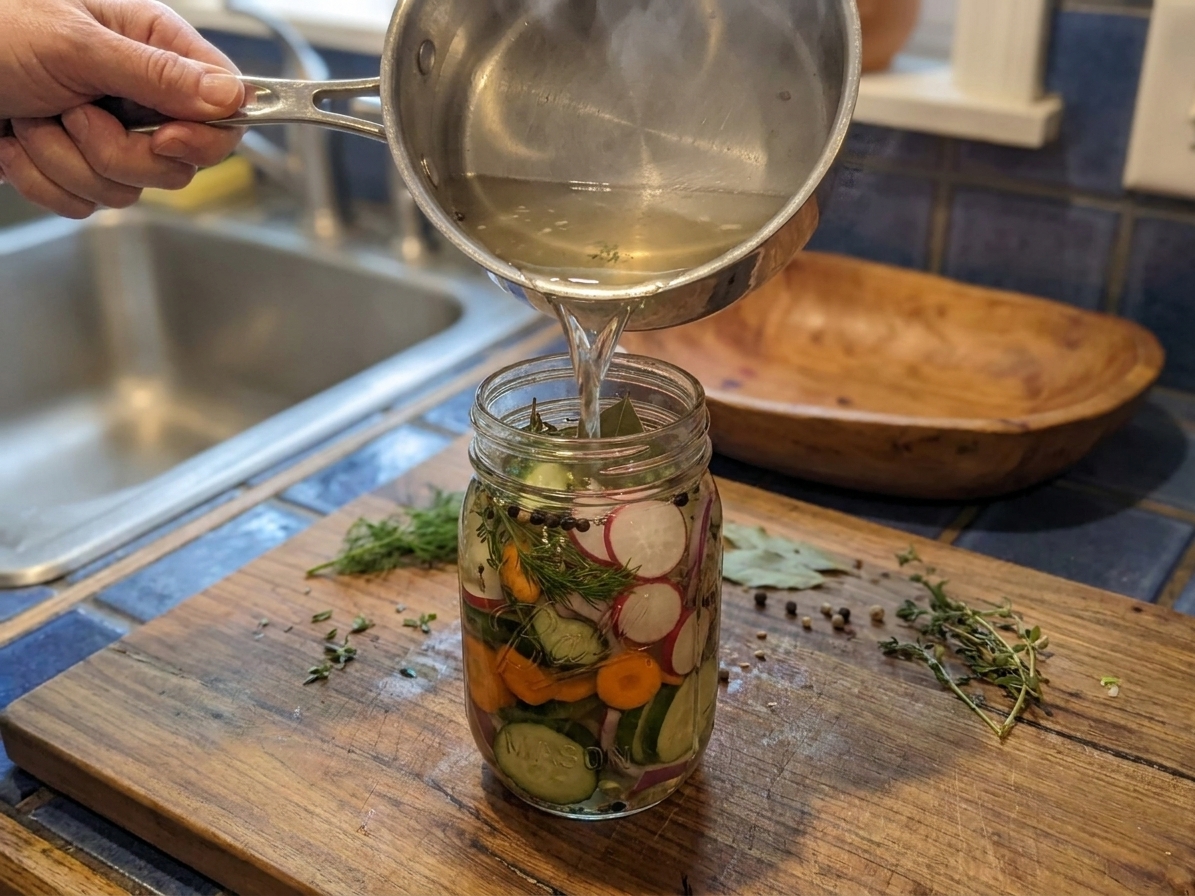
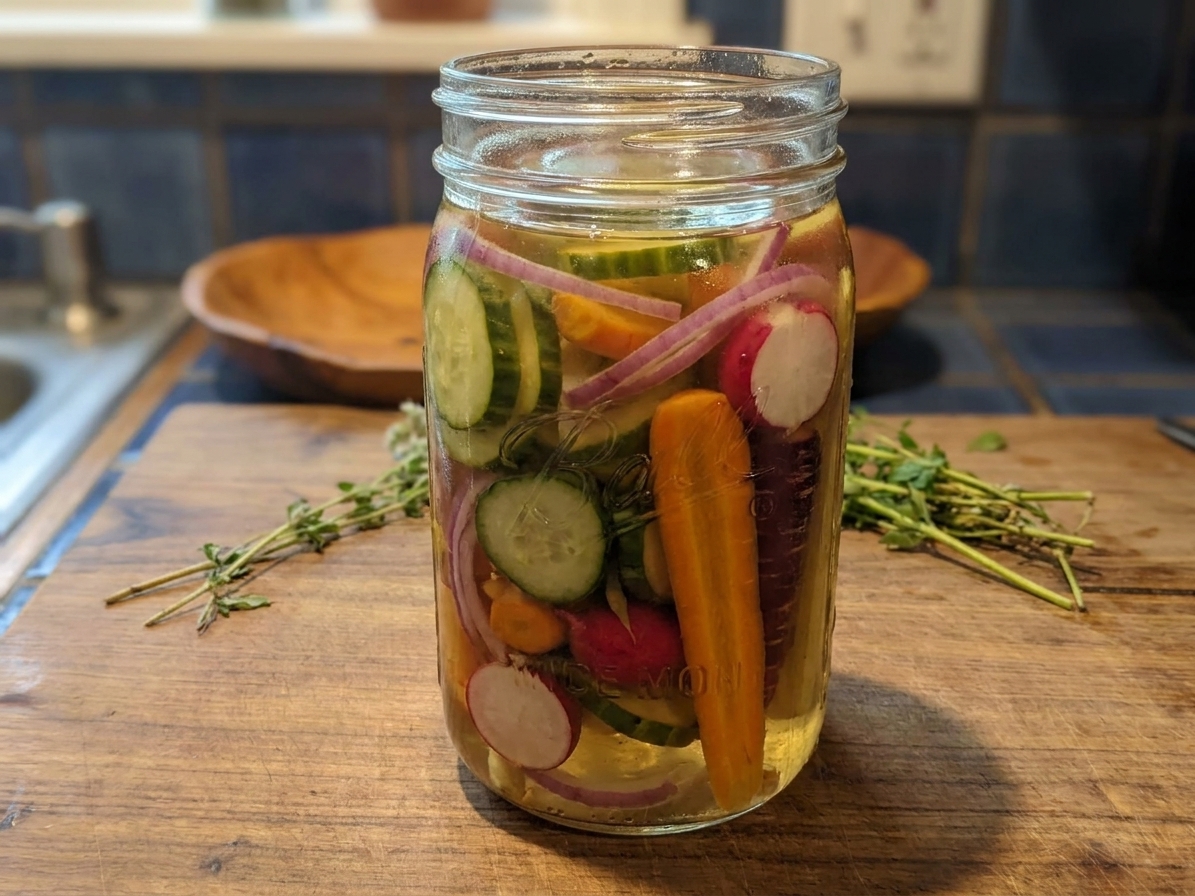
A clear glass mason jar packed with colorful quick pickled vegetables like cucumbers, carrots, red onion, and radishes in a light golden brine on a kitchen counter

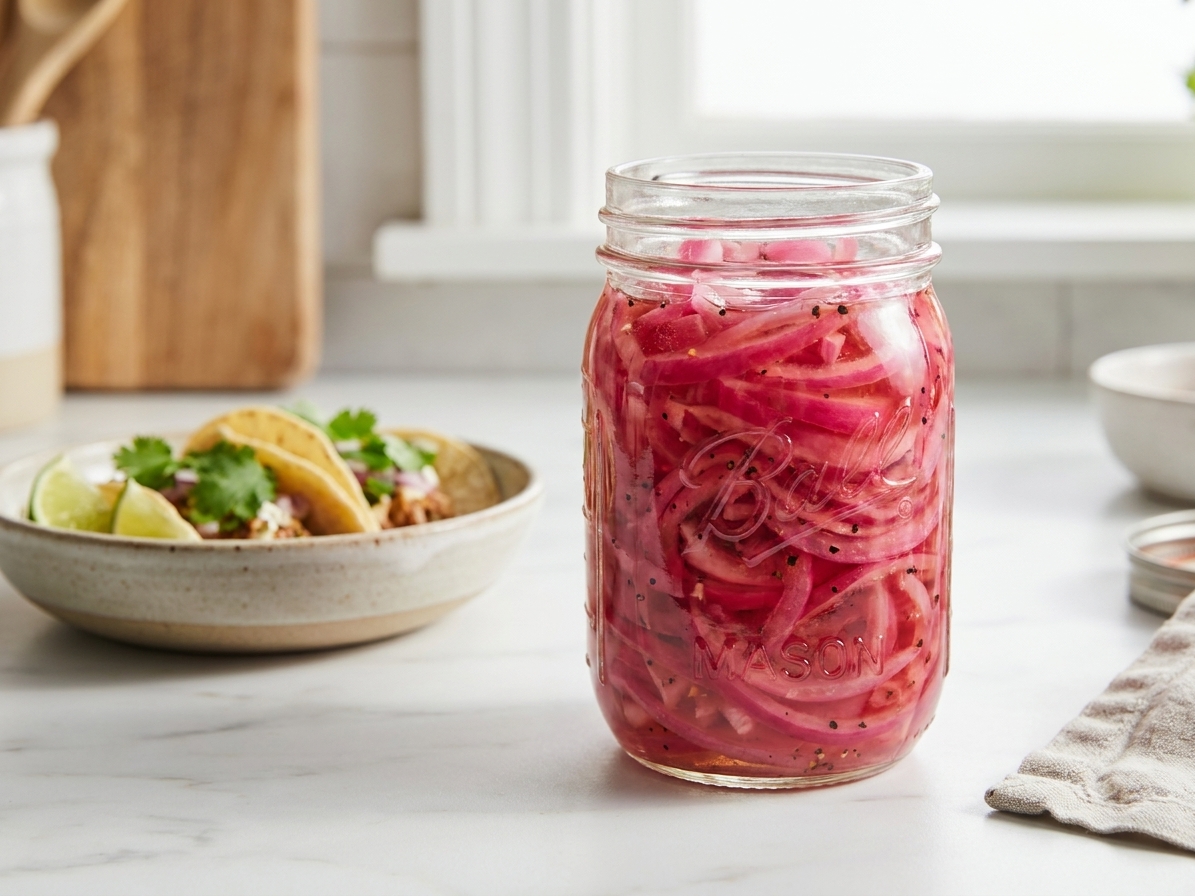
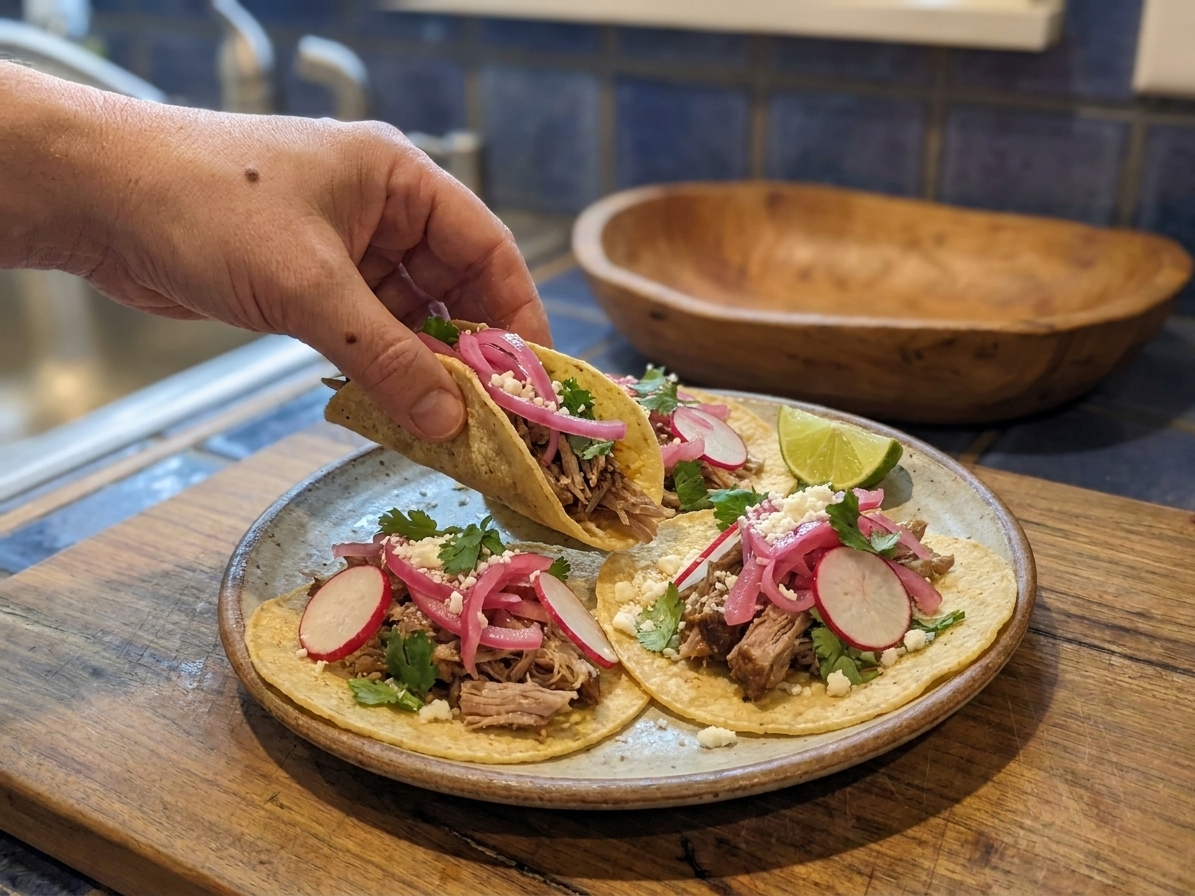
Pickled vegetables are the weeknight cheat code you did not know you needed. They make tacos pop, grain bowls feel finished, sandwiches taste like you tried harder than you did, and they rescue any plate that is leaning a little beige.

This is my go-to quick pickle method, meaning no canning and no long wait. You heat a simple vinegar brine, pour it over sliced veggies, and let the fridge do the rest. You will get bold tang, a little sweetness, and that clean crunch that makes you keep “just tasting one more.”

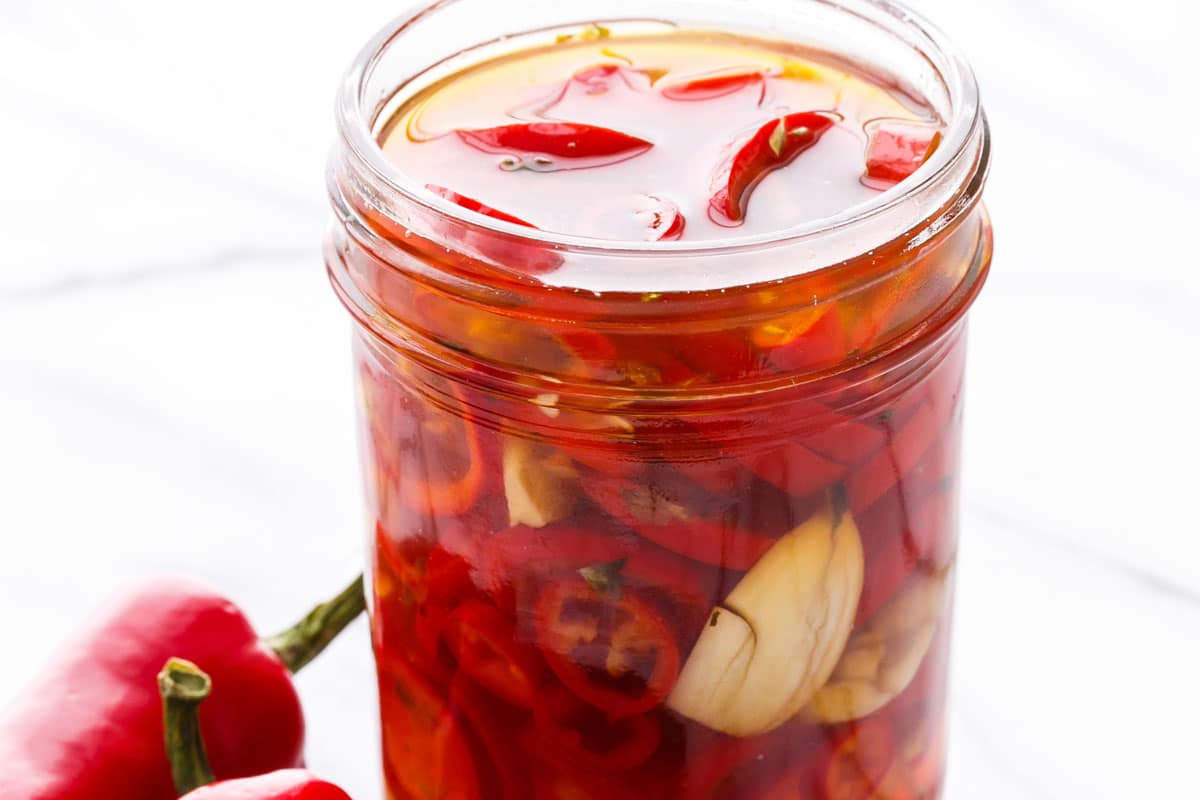
Use what you have. Cucumbers, carrots, red onion, radishes, jalapeños, even green beans all work. The only real rule is this: slice things evenly so they pickle evenly.
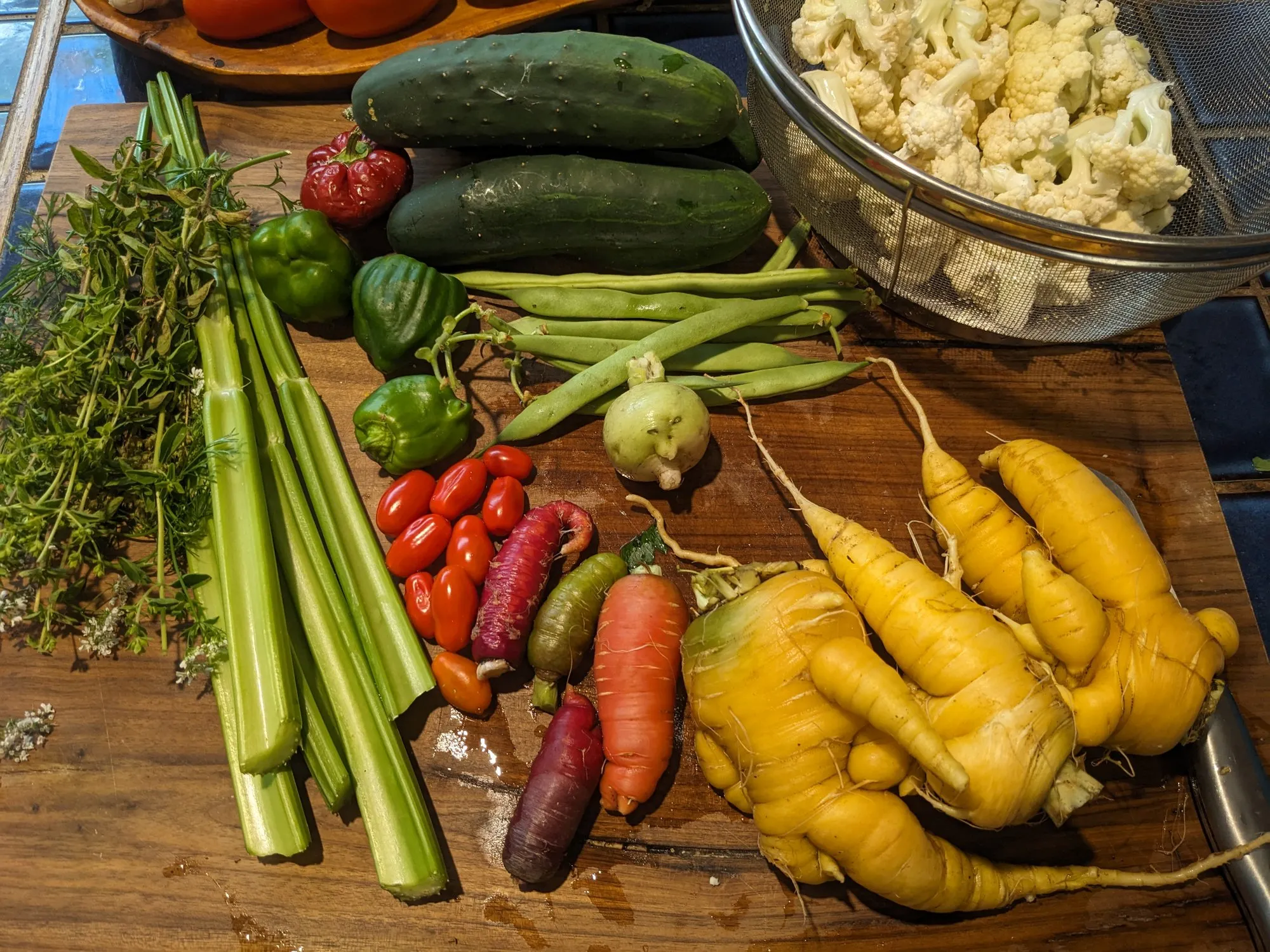
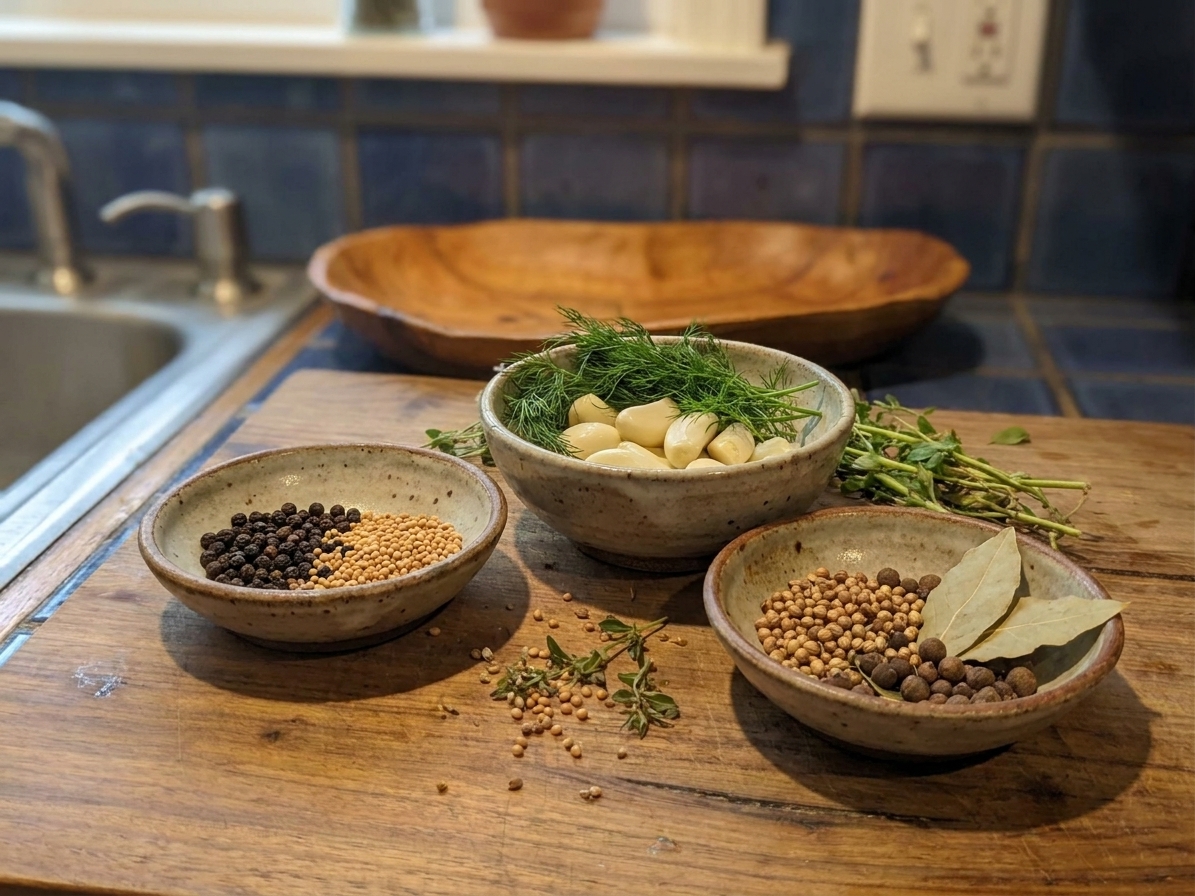
Fresh vegetables like cucumbers, carrots, radishes, and red onion sliced on a wooden cutting board with a chef's knife on a home kitchen counter

Why It Works

  • Fast flavor: A warm, steamy brine jump starts the pickling so you can snack in about 30 minutes.
  • Balanced bite: Enough salt and sugar to round out the vinegar without turning it candy sweet.
  • Flexible: Swap veggies and spices depending on what you are cooking that week.
  • Crunch-friendly: Keeping the brine hot but not boiling helps the vegetables stay crisp, not floppy.

Pairs Well With

Storage Tips

Refrigerate: Keep quick pickled vegetables in a clean, lidded jar in the fridge.

Best timeline: They are great after 30 minutes, better after 8 to 24 hours, and best for texture within 2 weeks. They can often last 3 to 4 weeks refrigerated, but always use your senses and discard anything that smells off, gets slimy, or tastes strange.

Keep them submerged: Push veggies under the brine so they pickle evenly and stay fresh.

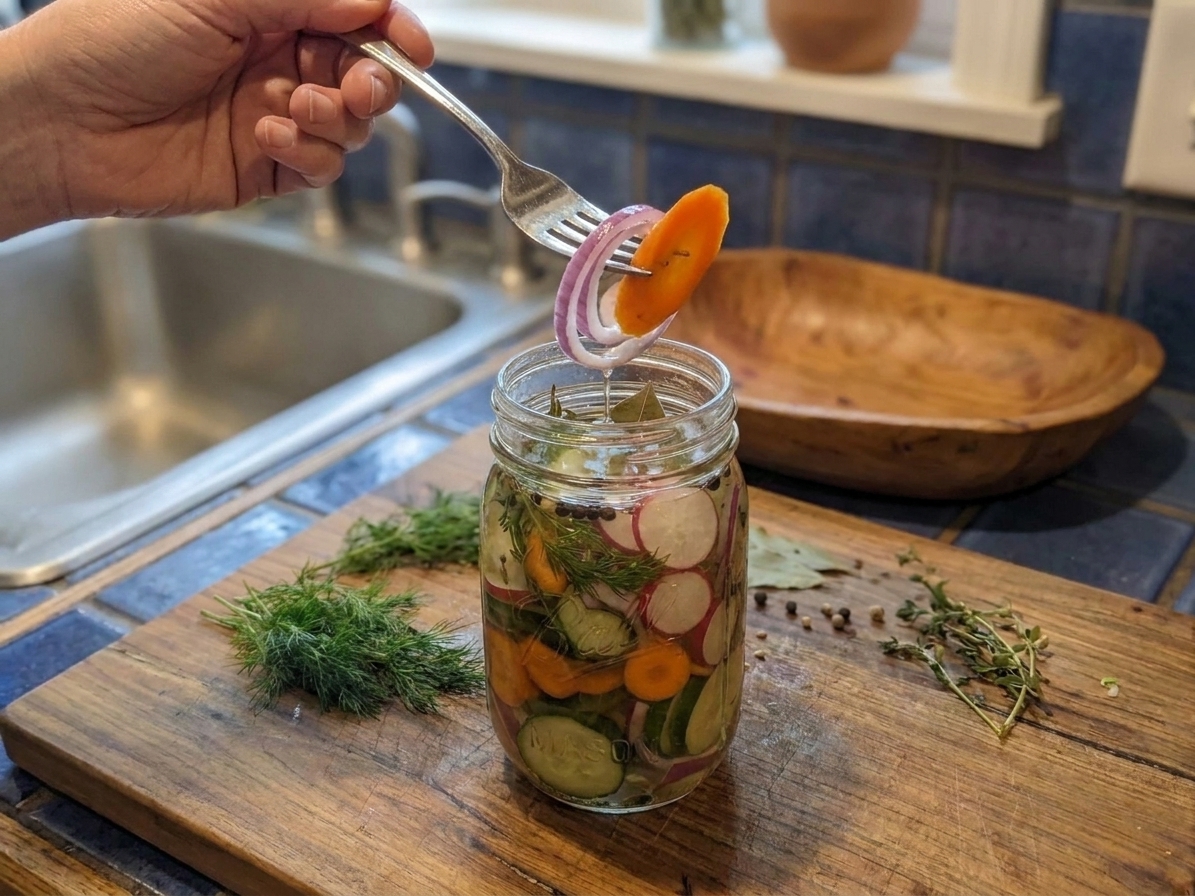
Use clean utensils: Grab pickles with a clean fork or tongs so the brine stays bright.

Not shelf stable: This is a refrigerator pickle recipe, not a canning recipe.

Common Questions

What vegetables are best for pickling?

Crunchy ones. Cucumbers, carrots, red onion, radishes, cauliflower, green beans, jalapeños, and bell peppers are all excellent. Softer veggies like tomatoes can work, but they get tender fast.

How long before I can eat them?

You can start eating at about 30 minutes for a light pickle. For a deeper tang, give them overnight.

Do I have to boil the brine?

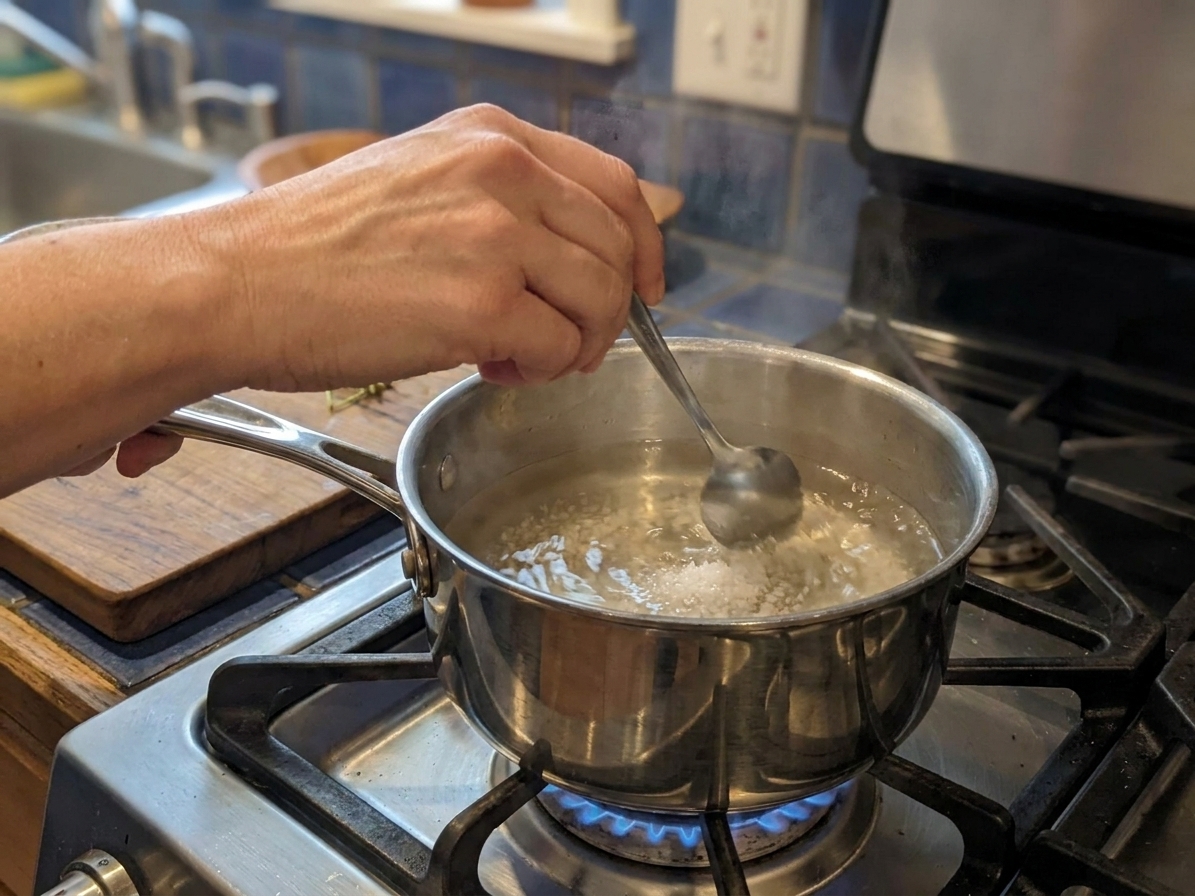
Nope. Heat just until the salt and sugar dissolve and the brine is steaming, not boiling. Hot but not boiling brine speeds up flavor without turning delicate veggies like cucumbers and radishes soft.

Can I reuse the brine?

You can, but it is best to make fresh for the cleanest flavor and best crunch. If you do reuse it, only do it once, do it promptly, keep it refrigerated, and discard it if it turns cloudy, smells off, or you introduced crumbs with a fork.

Why are my pickles not crunchy?

Usually it is one of three things: the veggies were old, they were sliced too thin, or they sat too long. Use fresh produce, cut thicker slices, and aim for best texture within 2 weeks. Also, do not pour boiling brine over delicate veggies.

Can I make these without sugar?

Yes. They will taste sharper and more vinegary. If you want balance without sugar, try adding a few slices of sweet onion or a pinch of grated carrot for natural sweetness.

I started making quick pickles because I wanted restaurant-style zing without a restaurant schedule. You know that moment when a dish tastes good, but it needs one more thing? For me, that “one more thing” is almost always something pickled. The first time I tossed carrots and red onion into a jar with warm brine, I ate half of them straight out of the fridge like a gremlin with a fork. Zero regrets. Now I keep a jar going most weeks because it makes even the most average Tuesday dinner feel like it has a plan.