Mom's Best Recipes
Recipe

Rice Porridge

A creamy, comforting bowl of rice porridge you can take savory or sweet, made with easy pantry ingredients.

Author By Matt Campbell
4.8
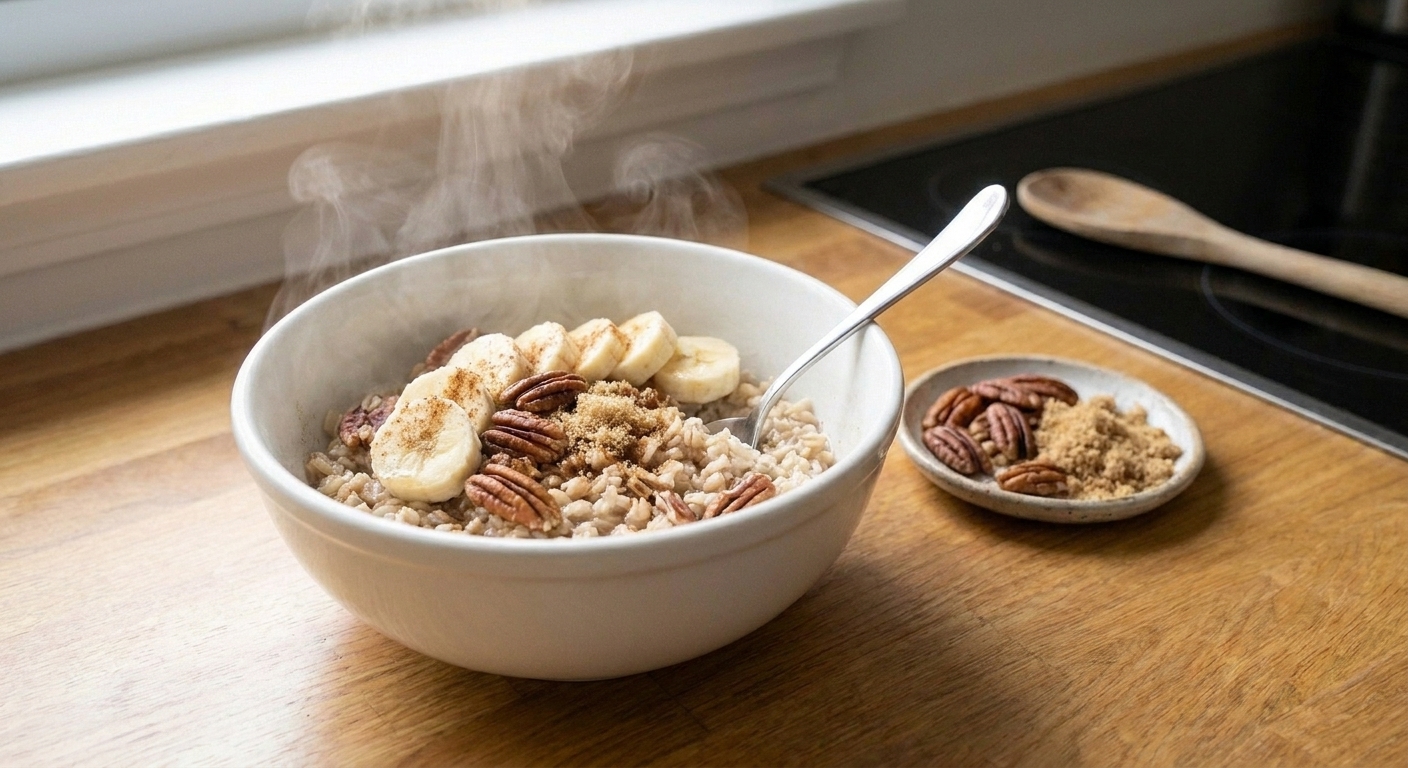
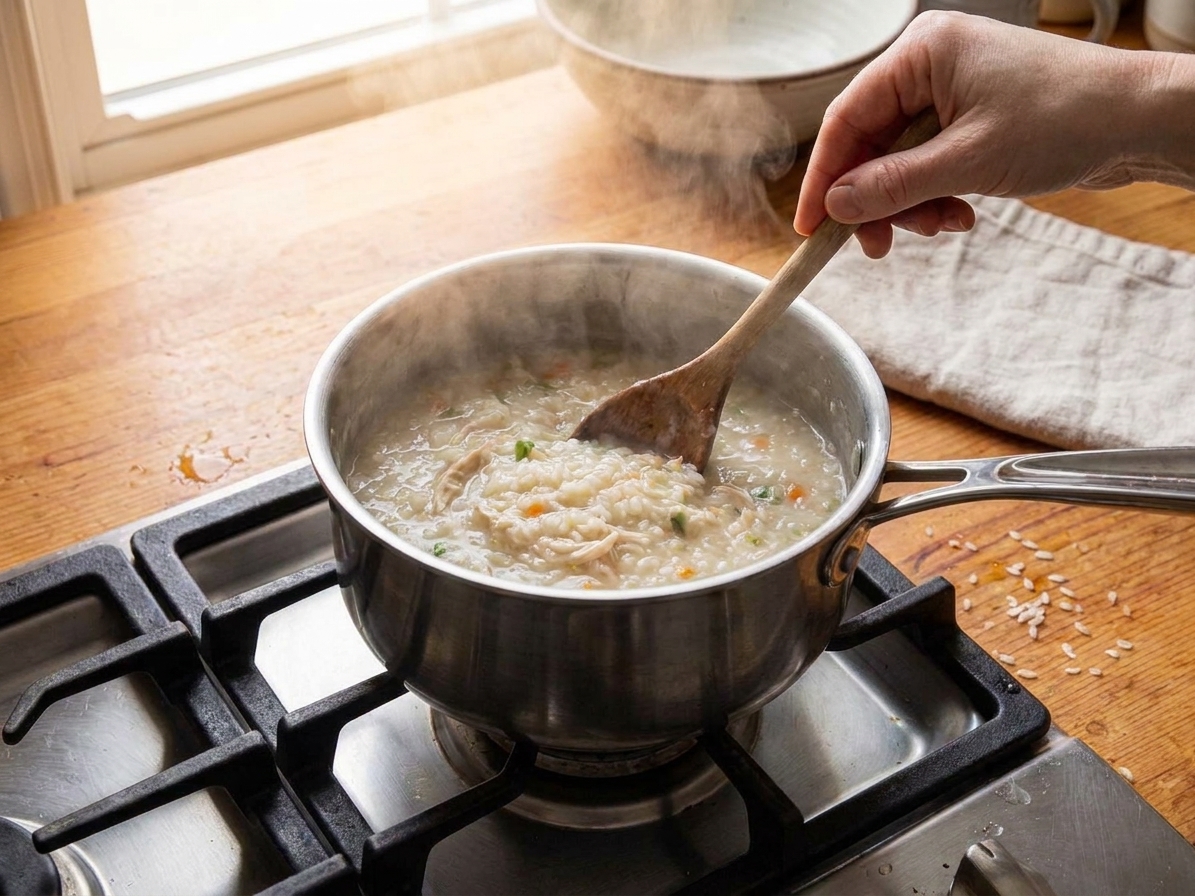
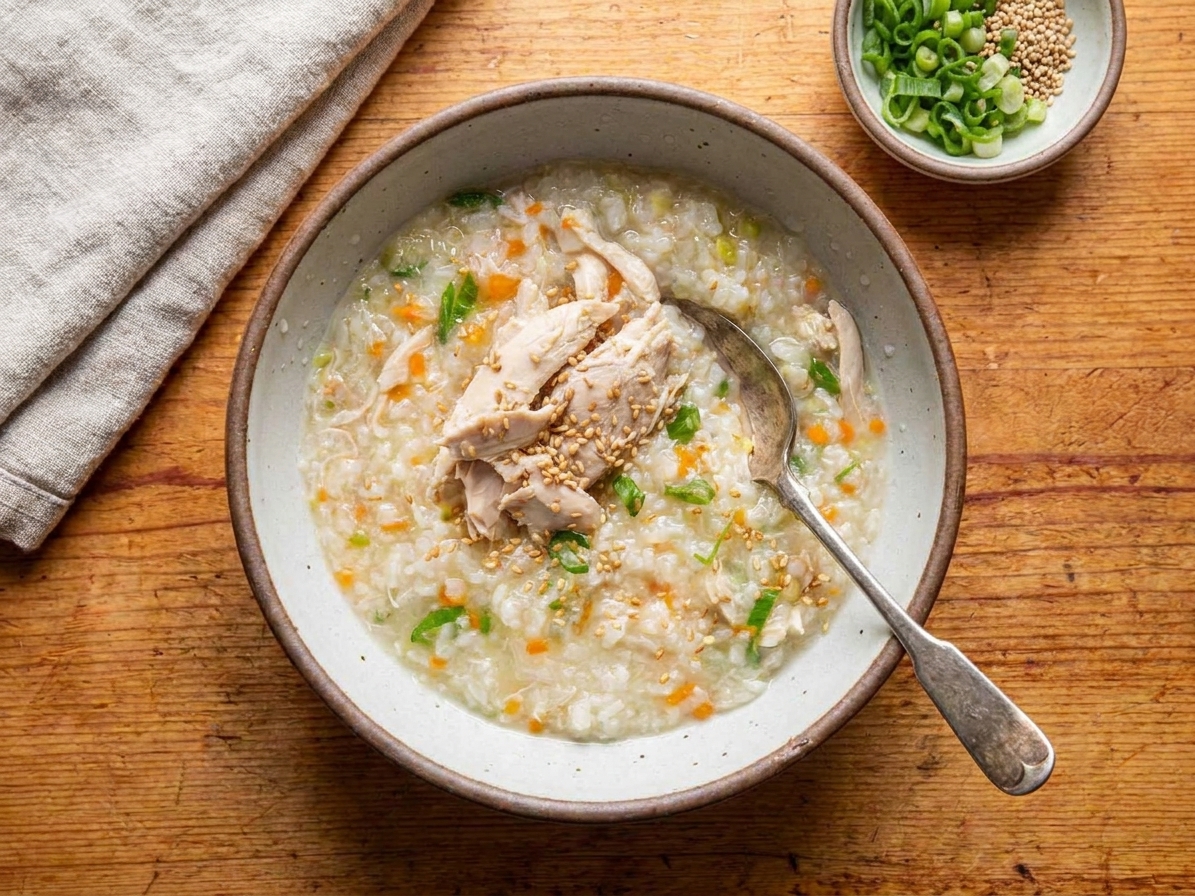
A steaming bowl of creamy rice porridge on a wooden table, topped with sliced scallions, sesame oil, and a soft egg, with a spoon beside it in warm natural light

Rice porridge is one of those magic dishes that feels like a reset button. It is warm, gentle, and weirdly satisfying even when your fridge looks like a ghost town. The best part is you can keep it simple for picky eaters or build it into something bold and savory with a couple of fast toppings.

This version is my go-to: creamy texture, clear instructions, and a choose-your-own-adventure finish. If you have cooked rice, you are minutes away from comfort. If you do not, you are still only one pot away.

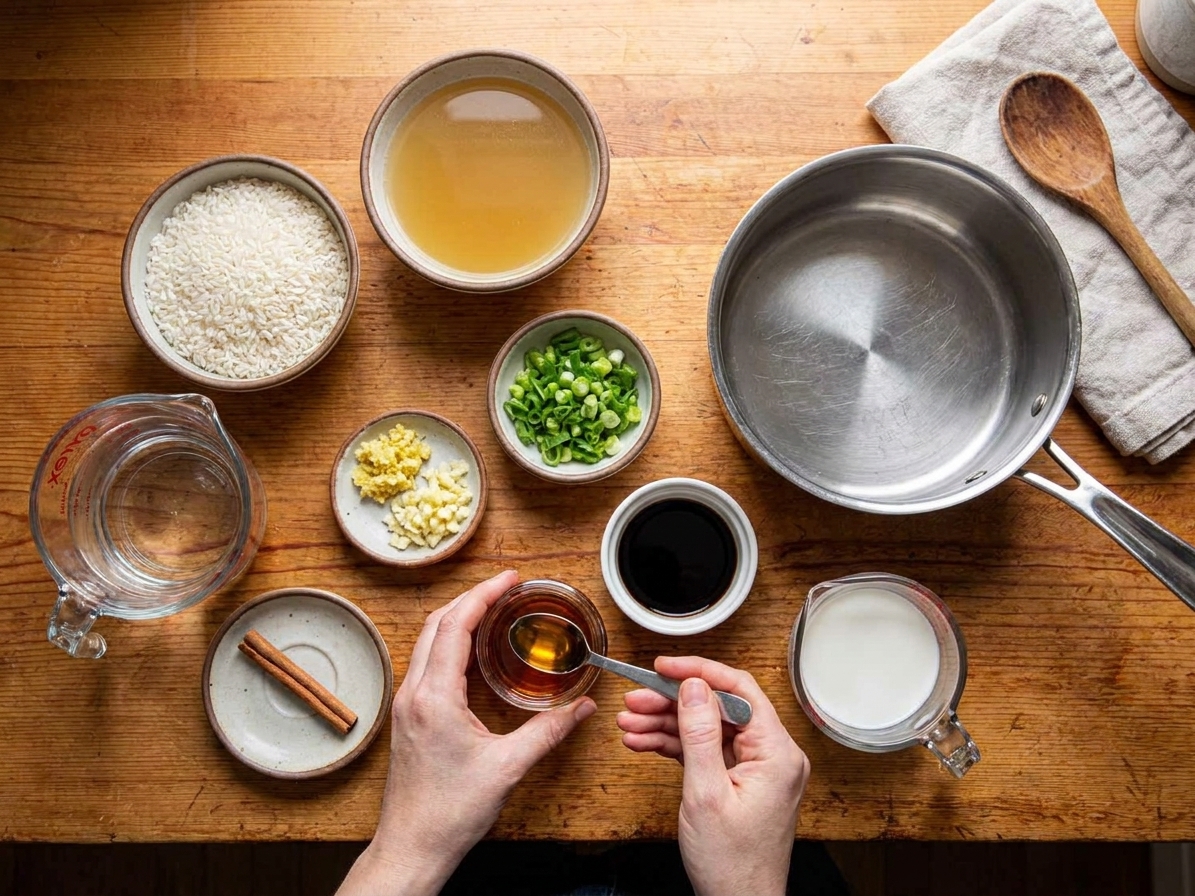
Measured rice, broth, water, ginger, garlic, scallions, soy sauce, sesame oil, milk, and cinnamon arranged on a kitchen counter next to a saucepan

Why It Works

  • Ultra creamy texture from a high liquid-to-rice ratio and a gentle simmer.
  • Works with cooked or uncooked rice, so it fits weeknights and meal prep.
  • Easy to customize for savory or sweet bowls without changing the base method.
  • Budget friendly and great for using up leftover rice and odds-and-ends toppings.

Pairs Well With

Storage Tips

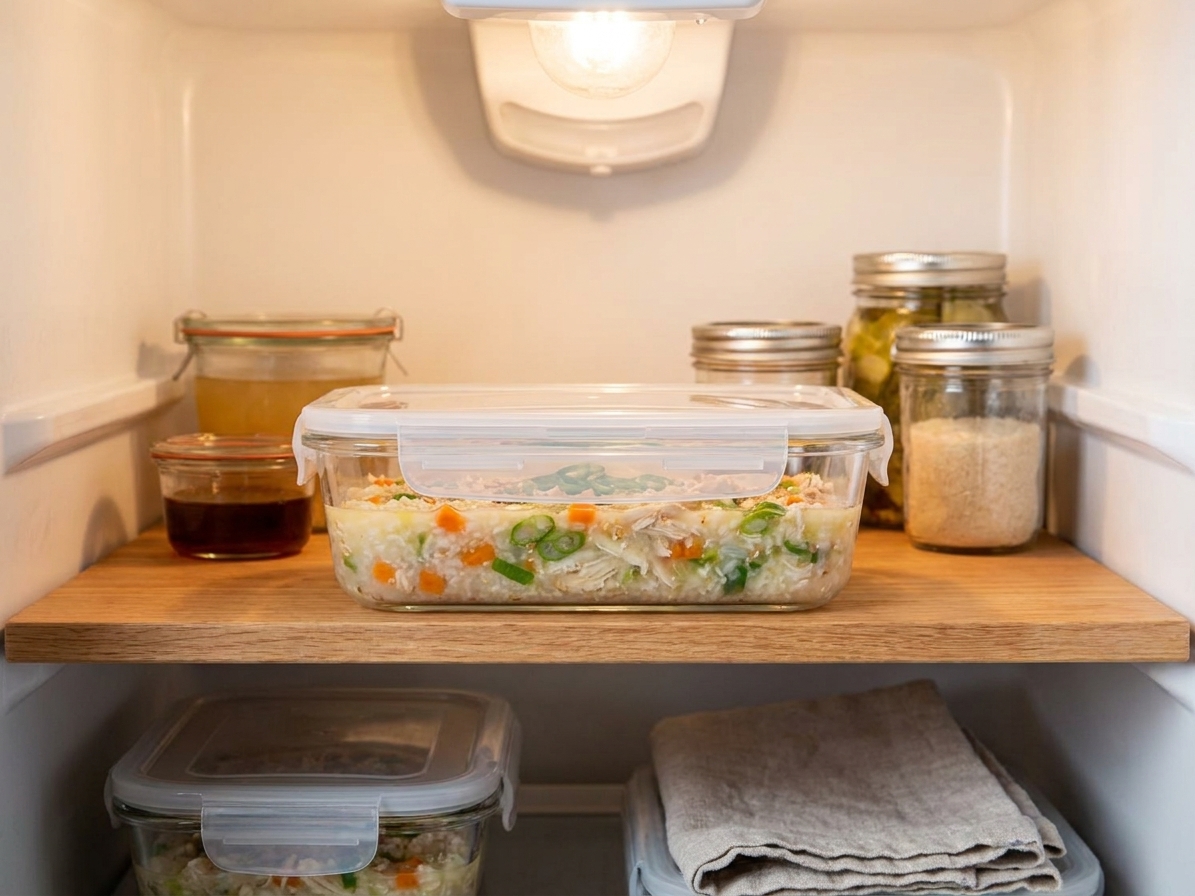
Refrigerate: Cool completely, then store in an airtight container for up to 4 days. Rice porridge thickens a lot as it sits, and that is normal.

Reheat: Warm on the stove over medium-low heat, adding a splash of water, broth, or milk (depending on the version) a little at a time until it loosens back up. Stir often so it stays smooth.

Freeze: You can freeze it for up to 2 months, but the texture can get slightly grainy. If you freeze it, thaw overnight in the fridge and reheat with extra liquid, stirring well.

A glass meal prep container filled with rice porridge, covered with a lid, sitting on a refrigerator shelf

Common Questions

Common Questions

Is rice porridge the same as congee?

They are close cousins. Congee is a style of rice porridge common across many Asian cuisines, typically cooked until the grains break down into a silky, spoonable texture. This recipe uses the same idea, with an easy pantry approach and flexible toppings.

Can I make rice porridge with leftover rice?

Yes, and it is my favorite way. Leftover rice gets you to creamy porridge faster because the grains are already hydrated. You will just simmer with broth or water until it breaks down to the texture you like.

What rice is best for rice porridge?

Any rice works. Jasmine and short-grain rice turn extra creamy. Long-grain rice makes a lighter porridge with a little more separation in the grains. Brown rice works too, but it takes longer to soften.

Why did my porridge turn gluey?

Usually it is from very aggressive stirring early on or using too little liquid. Keep it at a gentle simmer, stir occasionally (more toward the end), and do not be shy with adding liquid to loosen it.

How do I make it more flavorful?

For savory bowls, start with broth instead of water, add a few slices of ginger while it simmers, and finish with something punchy like soy sauce, sesame oil, chili crisp, or a squeeze of lime. Toppings do a lot of heavy lifting here.

Can I make a sweet version without it tasting savory?

Yes. For sweet porridge, cook the rice in water (not broth) and skip the garlic, pepper, and ginger. Keep the salt very light, or leave it out entirely, then add milk and sweet toppings at the end.

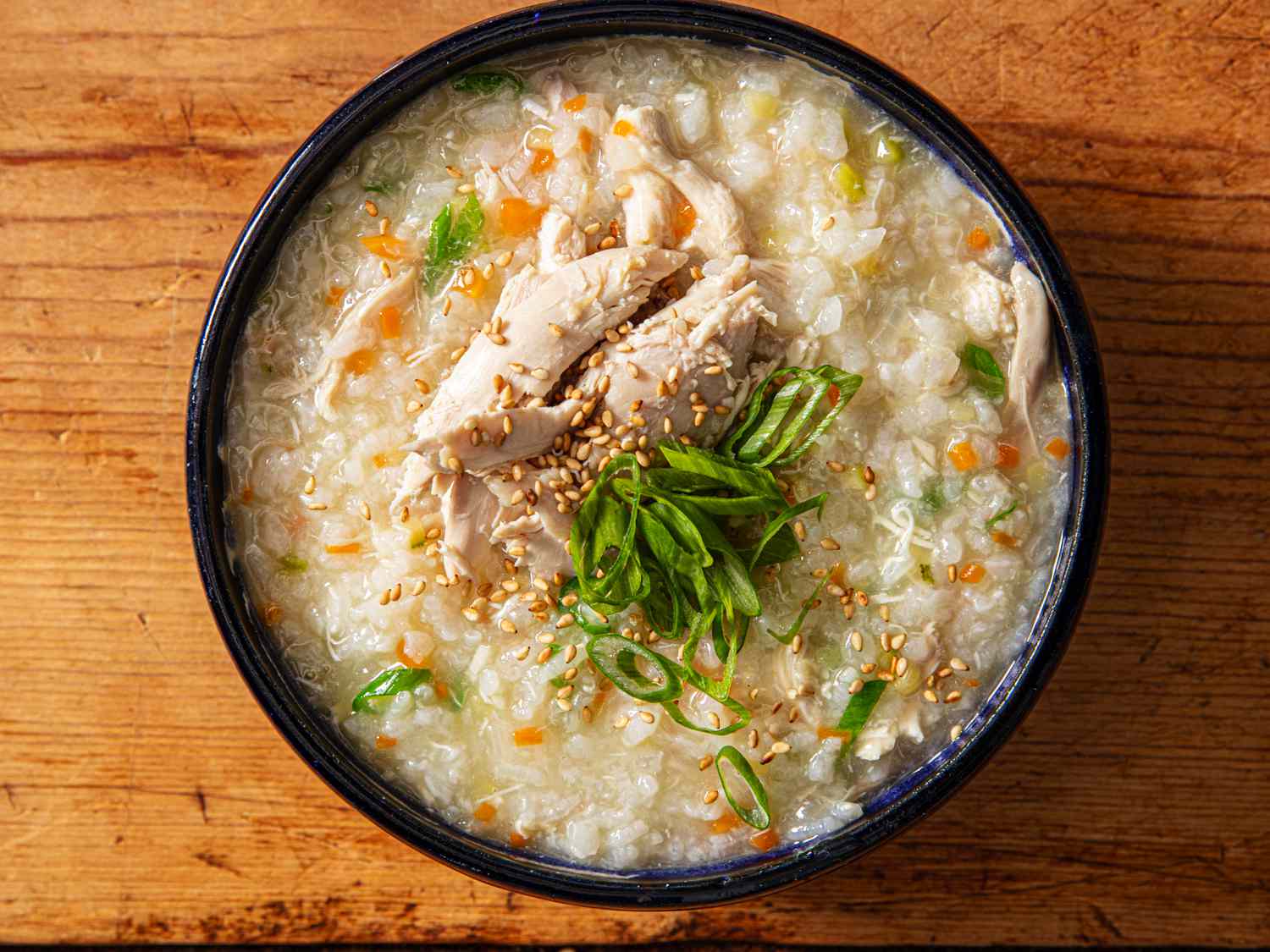
Rice porridge is the dish I make when I want dinner to feel like someone is taking care of me, even if I am the one doing the cooking. It is also my favorite way to turn a lonely container of leftover rice into something that tastes intentional. I usually start calm and measured, then five minutes later I am tossing toppings on like a kitchen raccoon, tasting as I go, and somehow it always works out.