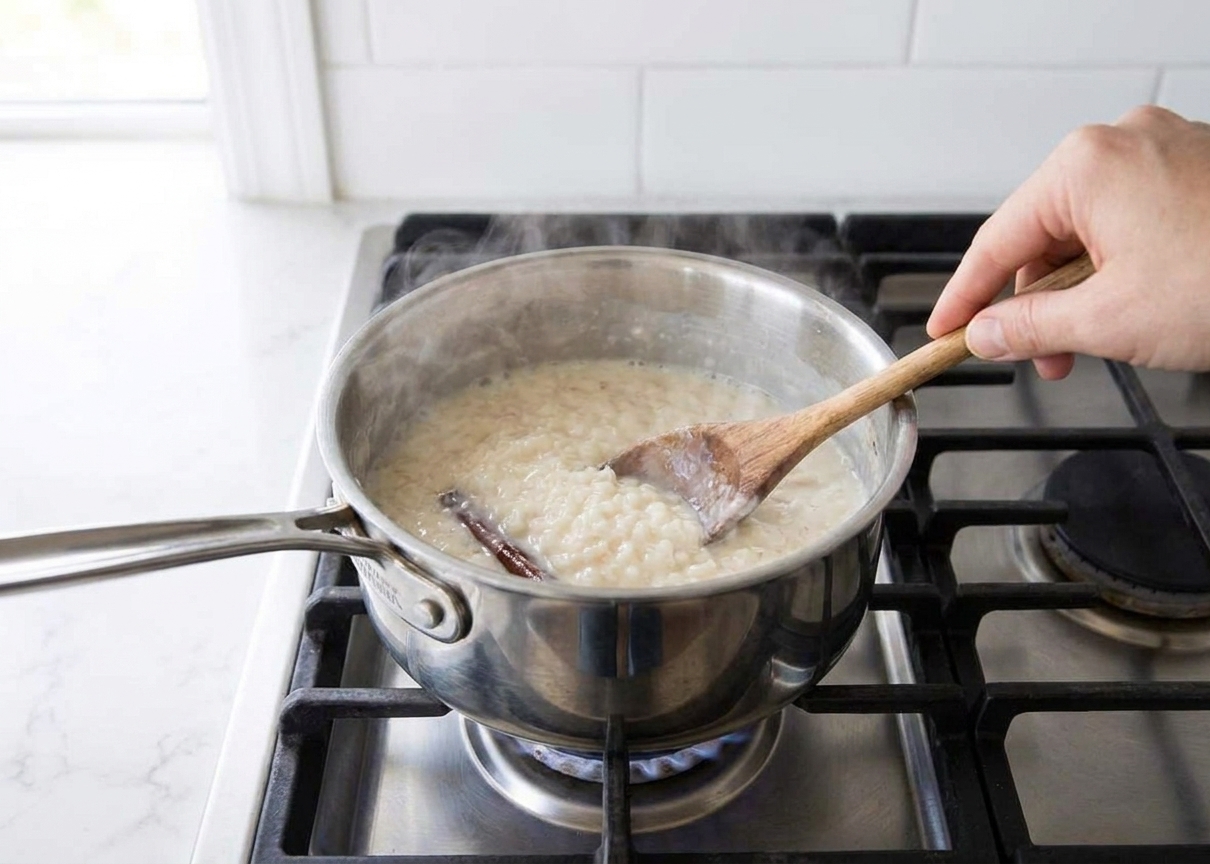
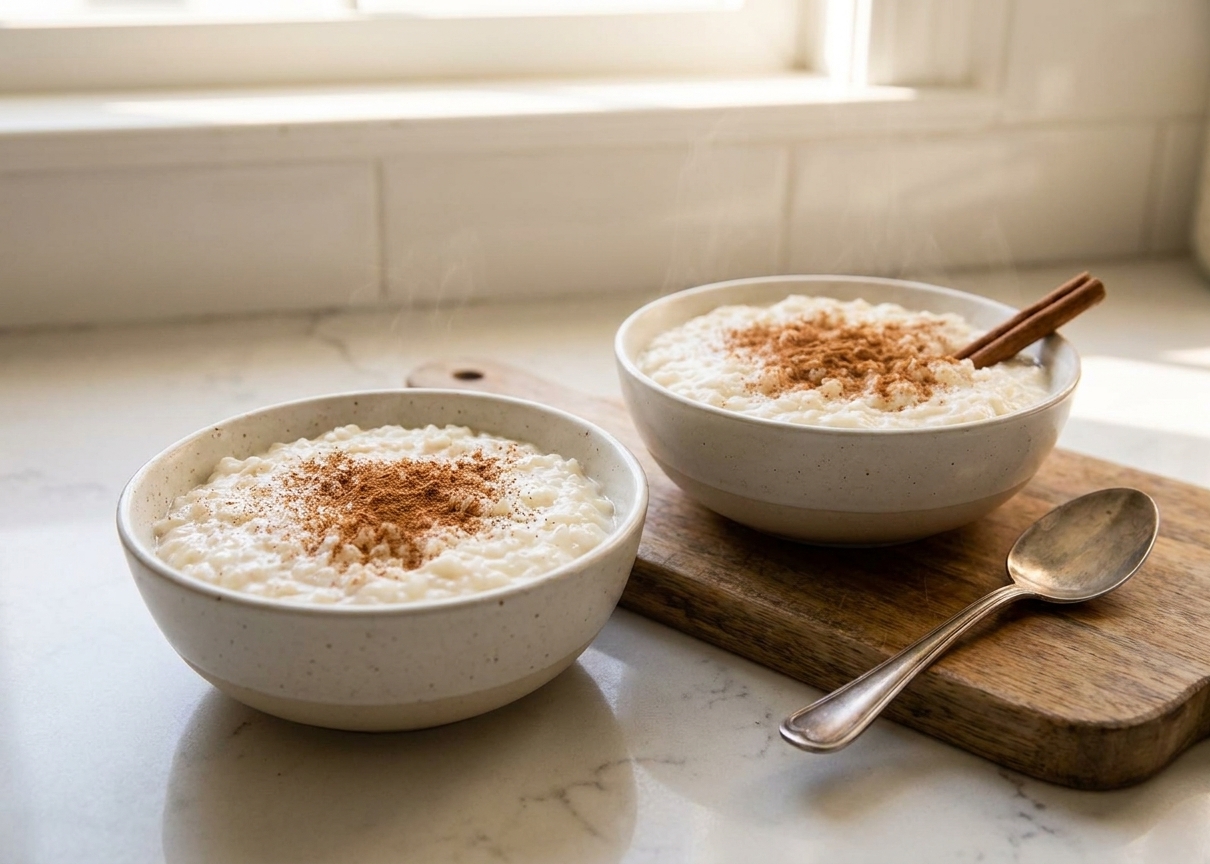
Can I use any kind of cooked rice?
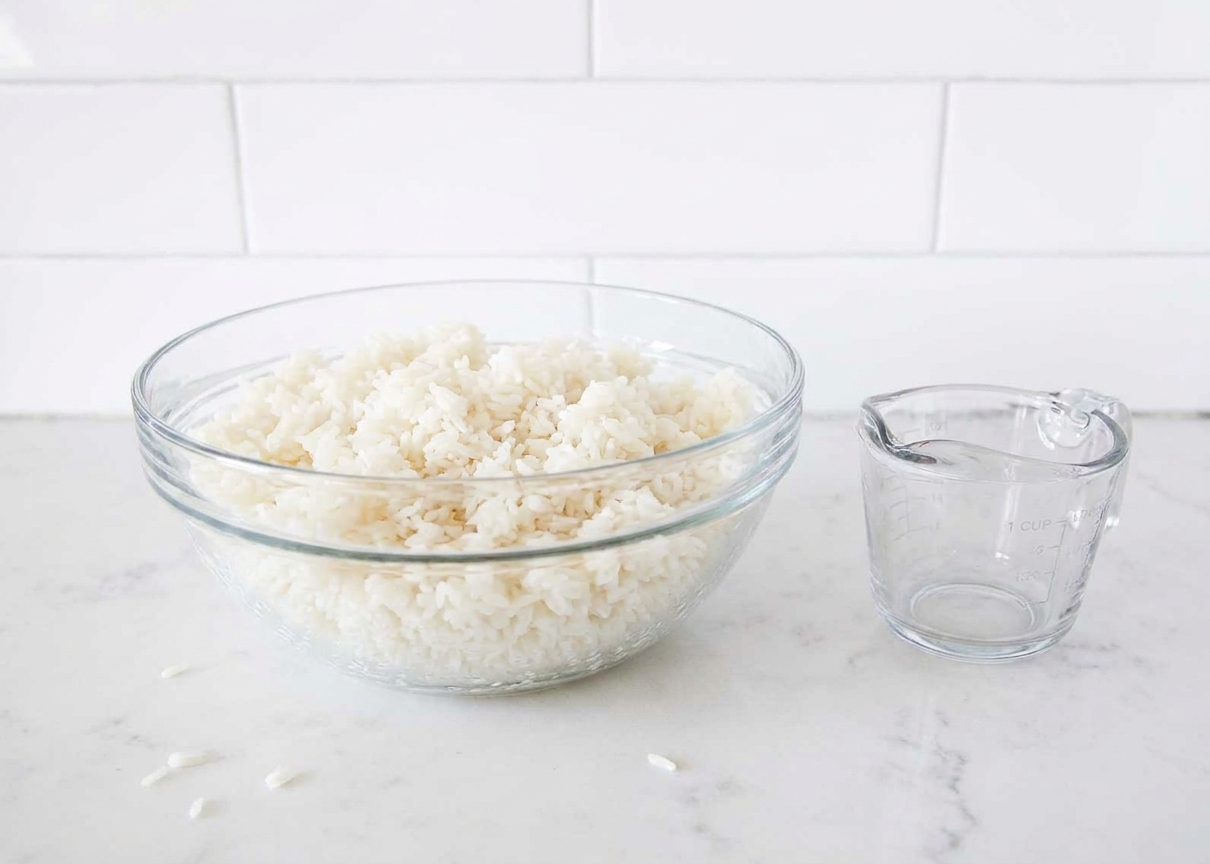
Yes. Cooked white rice gives you the classic soft, creamy pudding. Brown rice works too; it is a little chewier and tastes slightly nuttier. If your rice is very dry from the fridge, add an extra splash of milk early on and give it a few more minutes.
Texture note: Short-grain rice tends to turn extra creamy, while jasmine or basmati stays a bit more defined. All are good, just slightly different vibes.
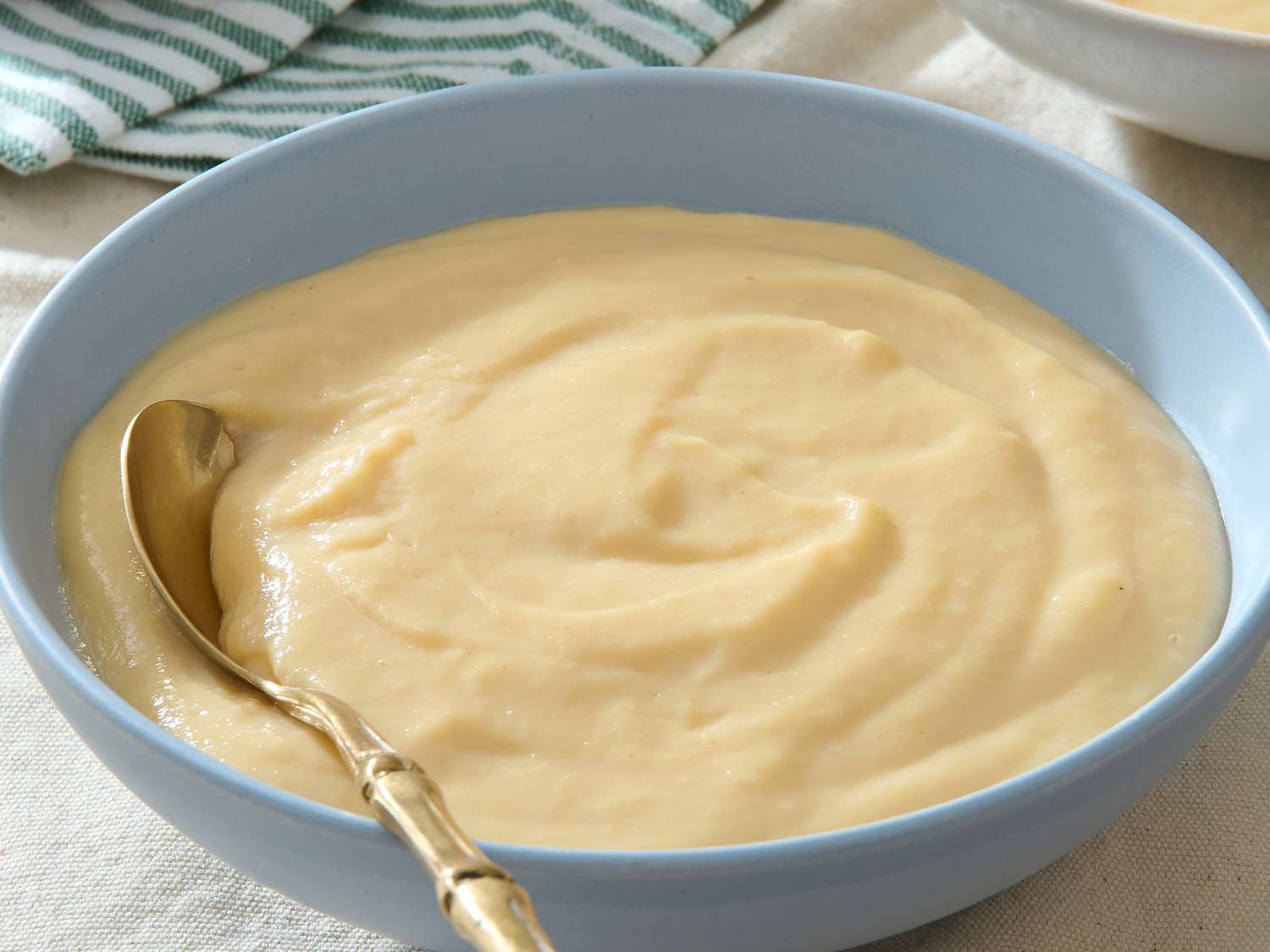
Why is my rice pudding too thick?
Rice pudding thickens as it cools, and some rice absorbs more liquid than others. Fix it the easy way: stir in milk a tablespoon or two at a time over low heat until it is creamy again.
Why is my rice pudding watery?
It just needs a little more time. Keep it at a gentle simmer and stir often. If it still will not thicken, mix 1 teaspoon cornstarch with 1 tablespoon cold milk and stir that slurry in, then simmer 1 to 2 minutes. Still loose? Add a second teaspoon the same way. (This is the quick fix, not the goal.)
Do I need eggs?
Nope. This recipe is egg-free on purpose for a simpler, weeknight-friendly pudding. If you love an eggy custard-style version, you can temper in an egg yolk at the end, but it is optional.
Can I make it dairy-free?
Yes. Use oat milk, almond milk, or coconut milk beverage. For extra richness, add a spoonful of coconut cream or a little vegan butter at the end.
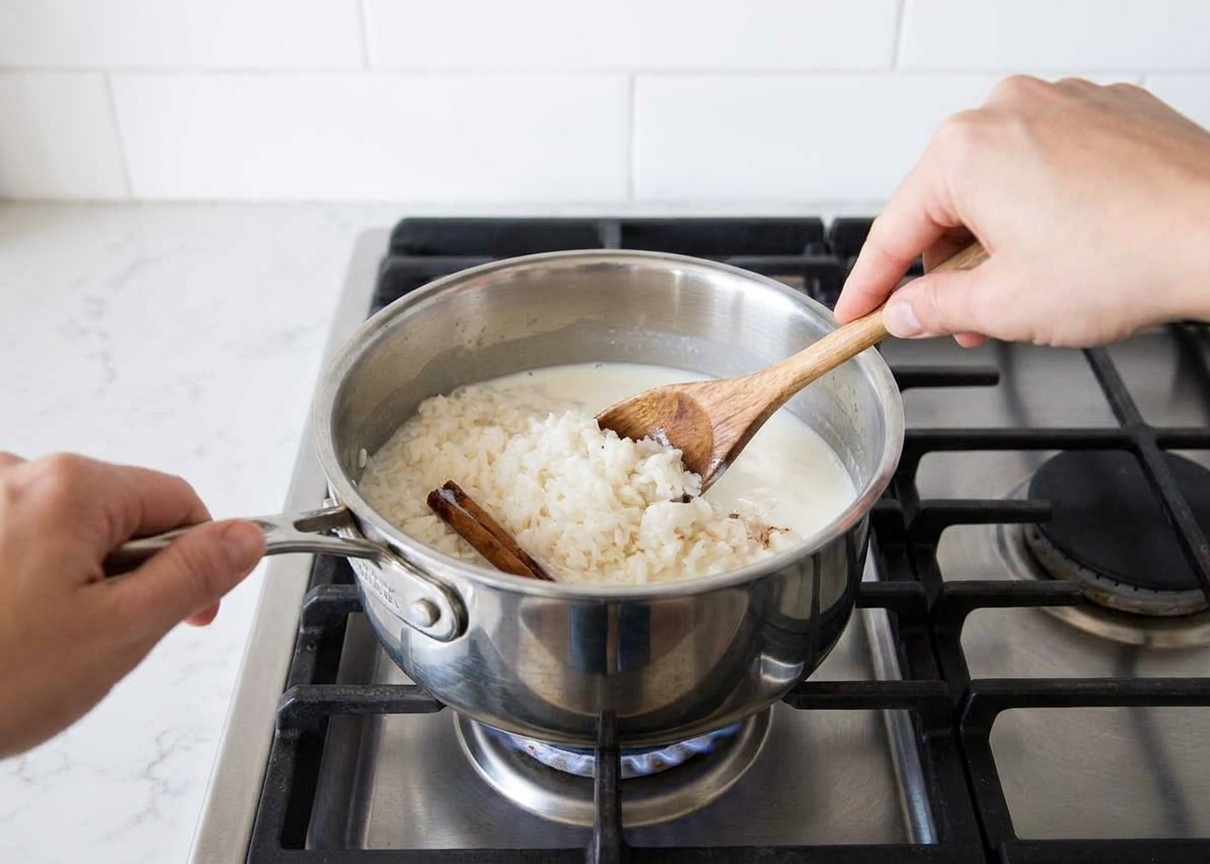
How do I keep it from scorching?
Use a heavy-bottomed saucepan, keep the heat on low to medium-low, and stir often, especially around the edges where milk likes to stick.