Mom's Best Recipes
Recipe

Ricotta Cheesecake

Creamy, lightly sweet ricotta cheesecake with lemon and vanilla on a crisp cookie crust.

Author By Matt Campbell
4.8
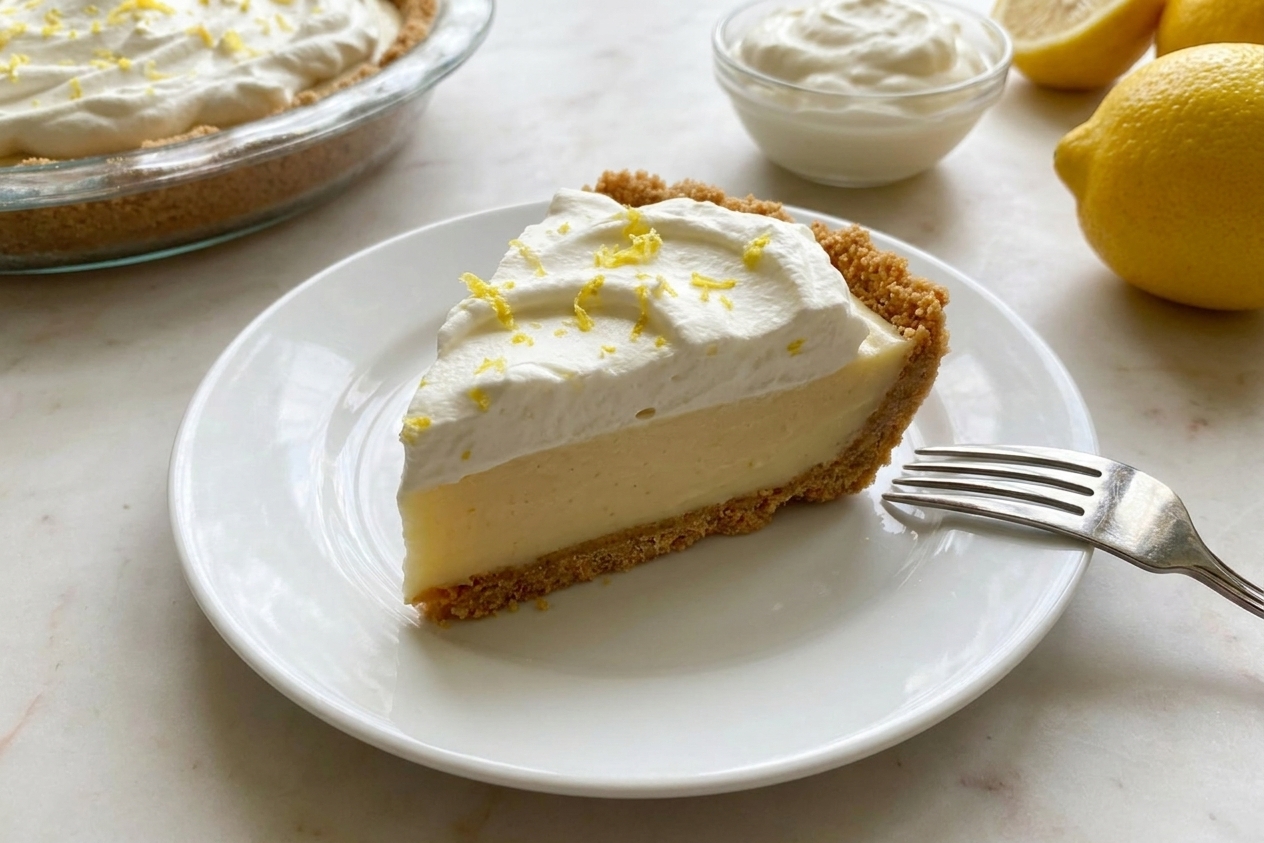
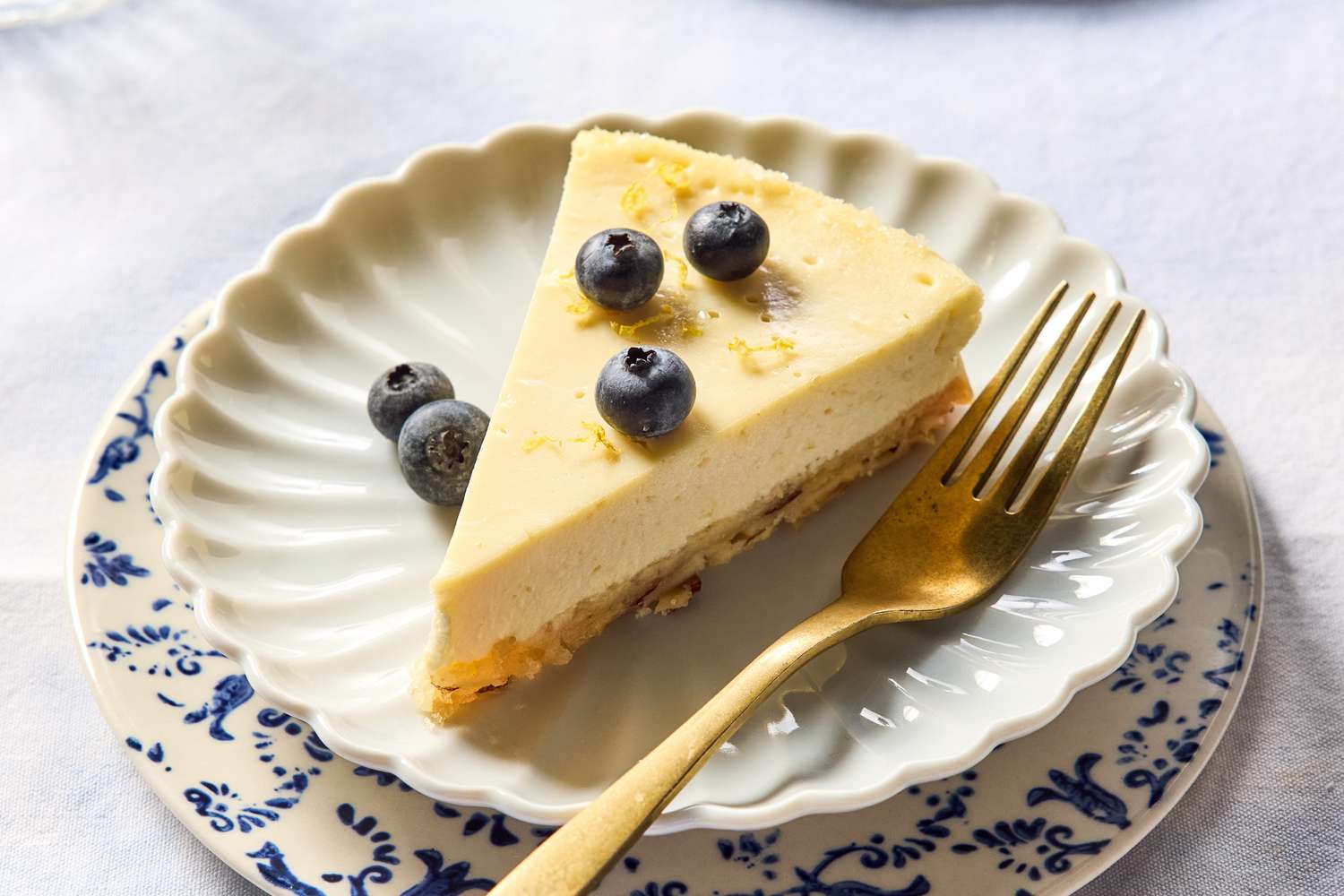
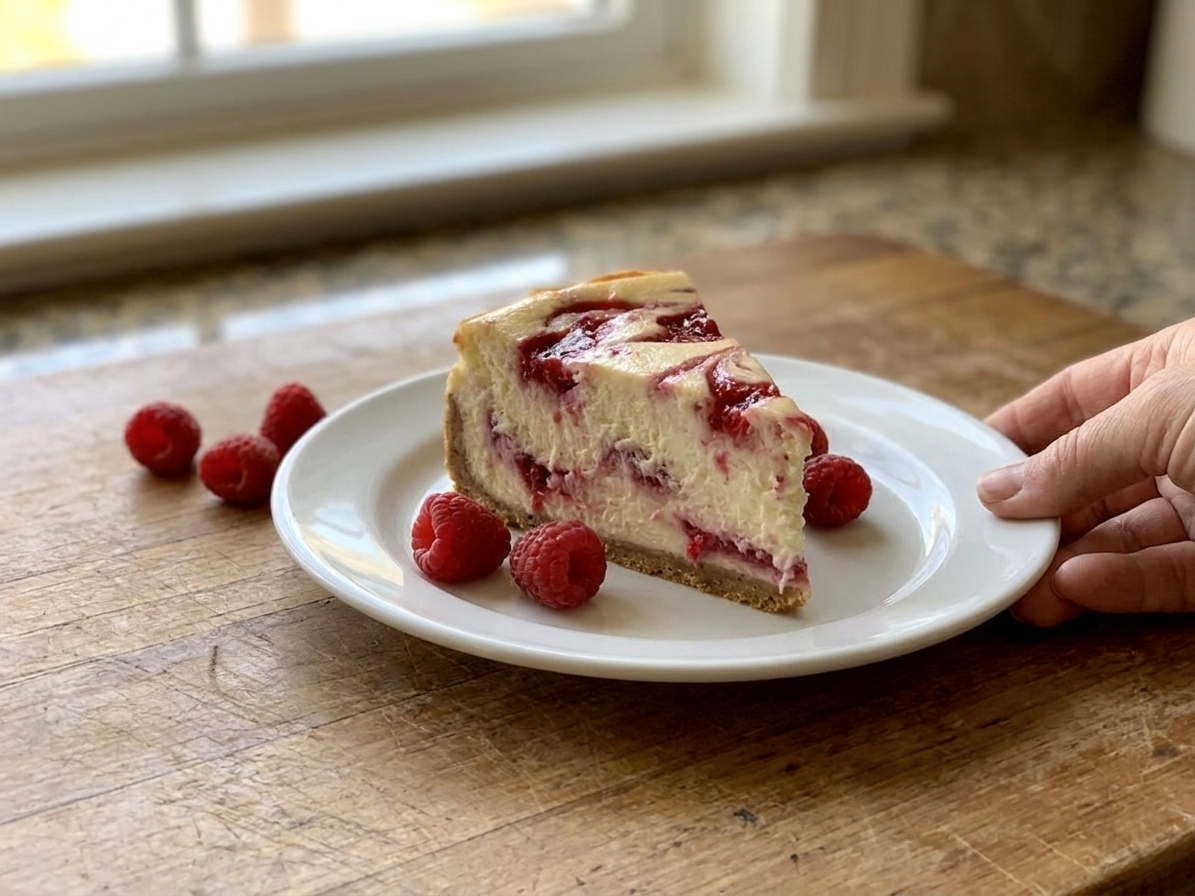
A single slice of ricotta cheesecake on a small ceramic plate with a pale golden top, a crisp cookie crust, and a few lemon zest curls on the side, set on a light stone kitchen counter in soft natural window light

Ricotta cheesecake is the cheesecake I make when I want something that feels a little lighter, a little brighter, and still absolutely counts as dessert. It is creamy but not heavy, softly set instead of super dense, and it loves a little lemon the way a cozy sweater loves a cold day.

This version keeps the ingredient list friendly and the instructions low drama. You can do the full water bath if you are feeling extra, but you do not have to. The goal here is a cheesecake that bakes evenly, slices clean, and makes you pause mid-bite like, okay wow.
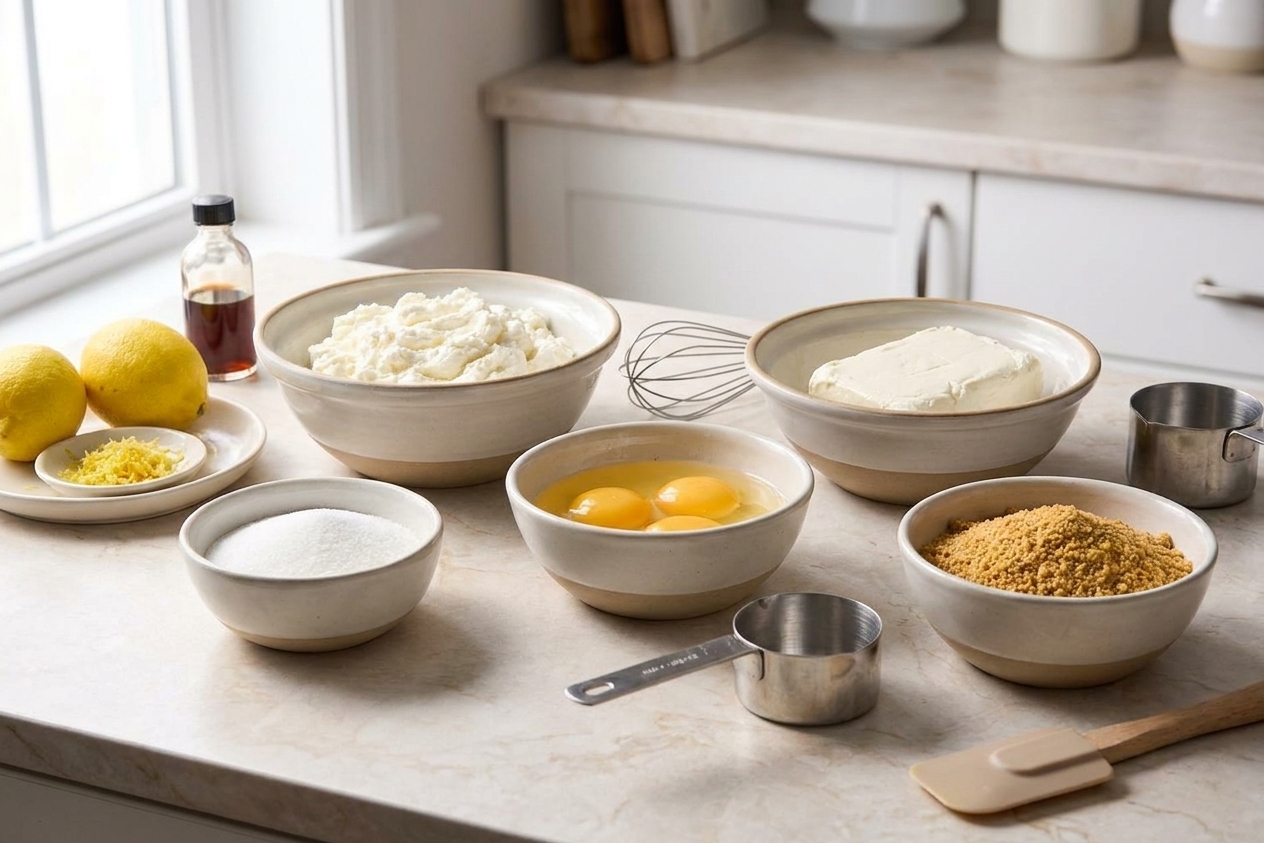
A kitchen counter with bowls of ricotta, cream cheese, sugar, eggs, lemons, vanilla, and cookie crumbs measured out and ready for baking in a calm, home kitchen setup

Why It Works

  • Ricotta makes it tender and lightly airy: You still get that classic cheesecake creaminess, but with a softer, more delicate bite.
  • Cream cheese brings structure: A little cream cheese keeps the filling stable so it slices nicely after chilling.
  • Lemon + vanilla taste clean and bright: Ricotta can read a touch “milky” if it is under-seasoned. Lemon zest and a pinch of salt fix that fast.
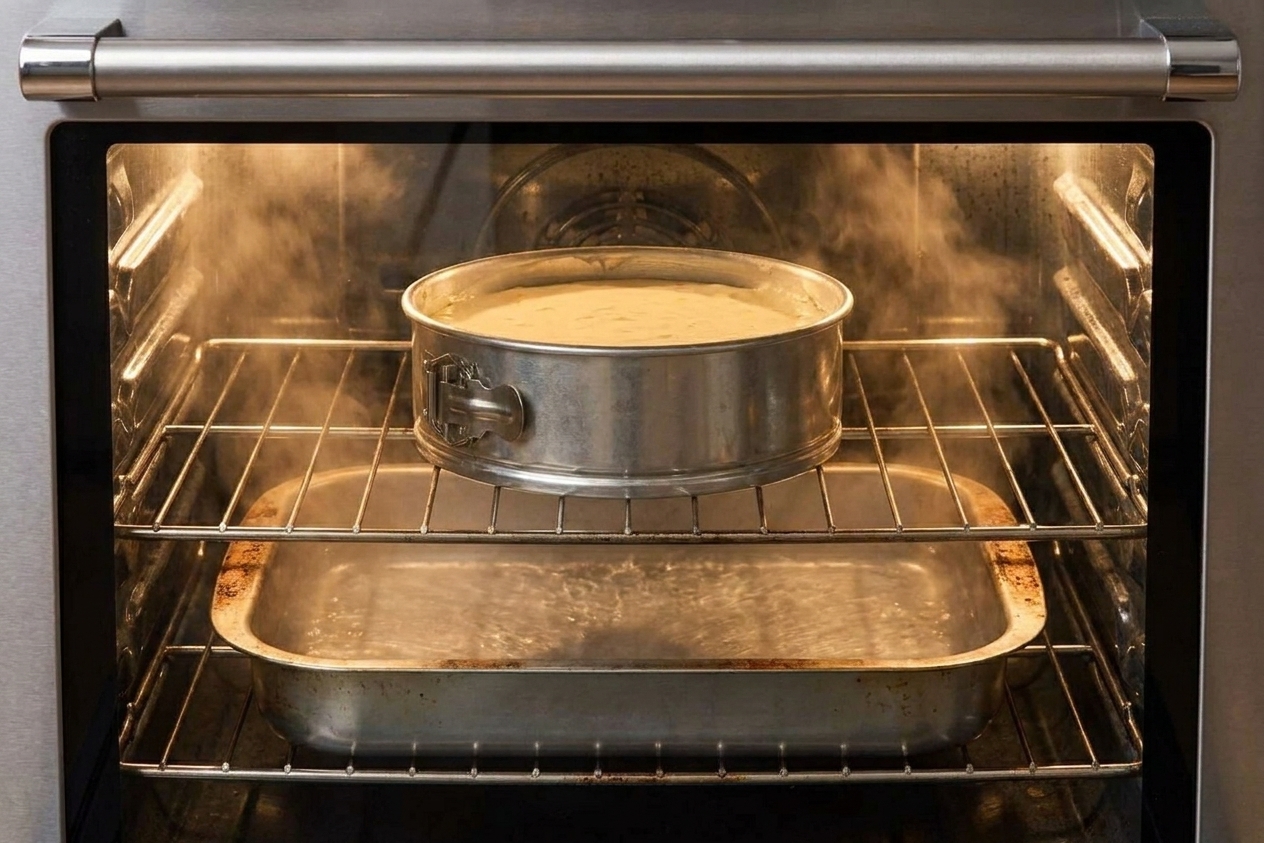
  • Gentle baking prevents cracks: Lower heat, a pan of hot water on the rack below, and a slow cool keep the top smooth.

Pairs Well With

Storage Tips

How to Store Ricotta Cheesecake

Refrigerator: Cover the cheesecake (or individual slices) and refrigerate up to 5 days. I like to chill it uncovered for the first hour so the surface stays clean, then wrap.

Freezer: Freeze slices for up to 2 months. Wrap each slice in plastic wrap, then foil, then tuck into a freezer bag. Thaw overnight in the fridge.

Serving after chilling: For the creamiest texture, let slices sit at room temp for 10 to 15 minutes before serving.

Common Questions

Common Questions

Does ricotta cheesecake taste different than regular cheesecake?

Yes, in a good way. Ricotta cheesecake is typically a little lighter and more delicate, with a subtle dairy sweetness. It is less dense than a classic New York style cheesecake.

Do I have to drain ricotta?

If your ricotta looks wet or has liquid pooling, drain it. Scoop it into a fine-mesh strainer lined with cheesecloth or paper towels and let it sit 30 to 60 minutes. Drier ricotta equals a firmer, less weepy cheesecake.

Can I skip the water bath?

You can. This recipe uses a gentler method: a pan of hot water on the lower rack to add humidity, plus a slow cool in the oven. If you want the most insurance against cracks, do the full water bath.

Why did my cheesecake crack?

Usually one of three things: too much air from overmixing, baking too hot, or cooling too quickly. Mix on low, bake gently, and let it cool in the turned-off oven with the door cracked.

How do I know it is done?

The edges should look set and slightly puffed, and the center should still have a 2 to 3 inch gentle jiggle. If you are using a thermometer, you are aiming for about 150°F in the center. It will finish setting as it cools and chills.

Can I make it ahead?

Yes, and you should. Cheesecake is better after a full chill. Make it the day before, refrigerate overnight, then slice and serve. For peak texture, it is best within 24 to 48 hours.

I love big, bold flavors, but cheesecake is where I get weirdly protective of “simple done right.” Ricotta cheesecake feels like that sweet spot between cozy and bright. The first time I made one, I expected it to be heavy and dense, and it came out almost cloudlike after a night in the fridge. Now it is my go-to when I want dessert that feels special without acting like a full weekend project.