Do I need to drain the ricotta?
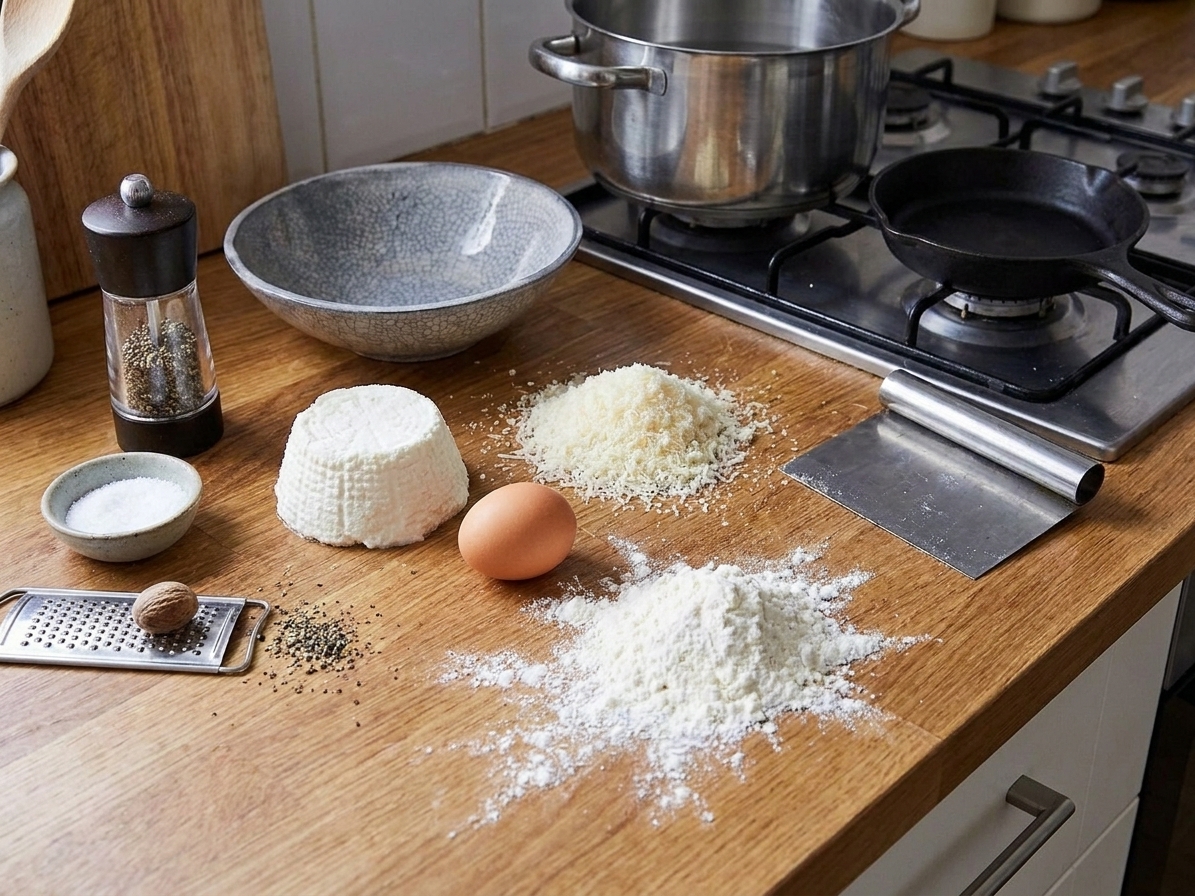
If your ricotta looks wet (visible whey or liquid pooling), yes. Line a fine-mesh strainer with cheesecloth or paper towels, add the ricotta, and let it drain 15 to 30 minutes. If it is very wet, you can even drain longer in the fridge. Dry ricotta means you can use less flour, which means lighter gnocchi.
What kind of ricotta works best?
Whole-milk ricotta that is thick and scoopable. Avoid whipped ricotta. If you can find basket-style or well-drained ricotta, that is basically the VIP lane for this recipe.
Why is my dough sticky?
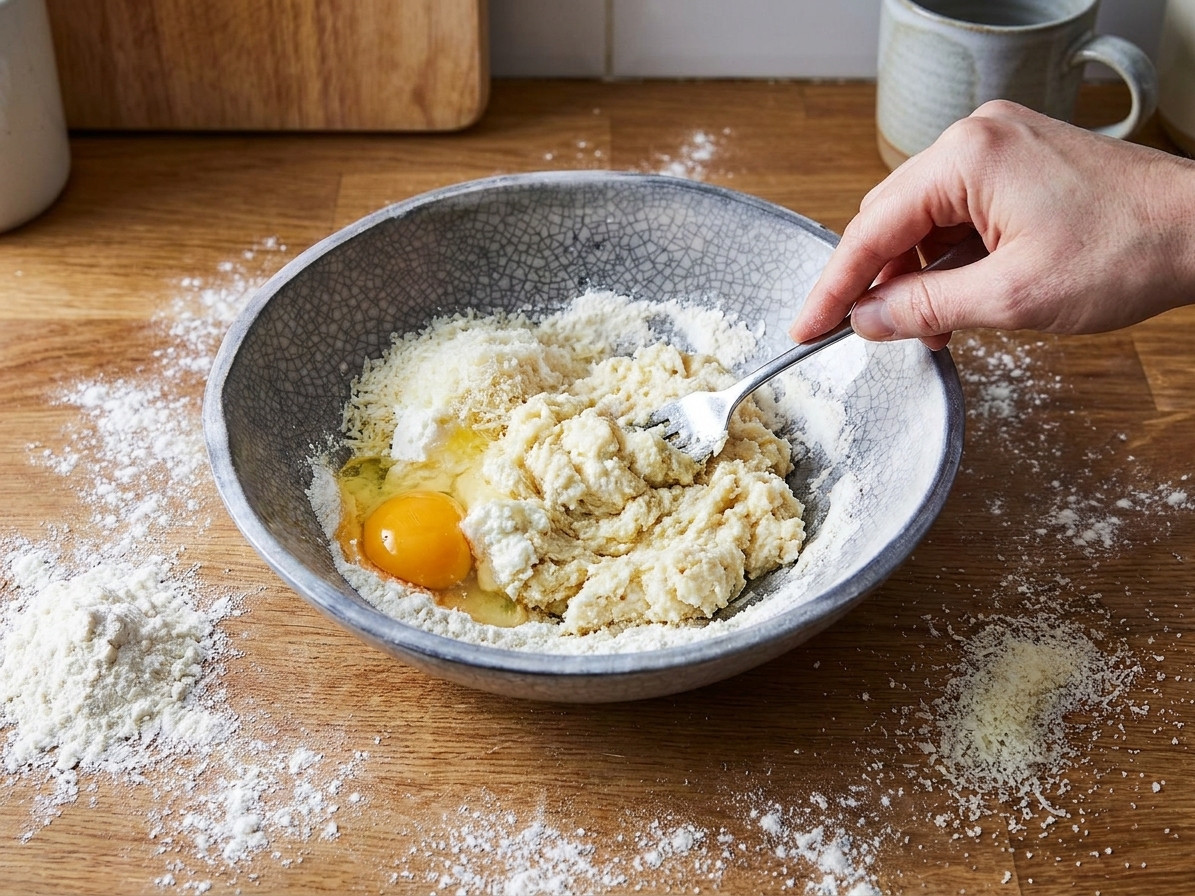
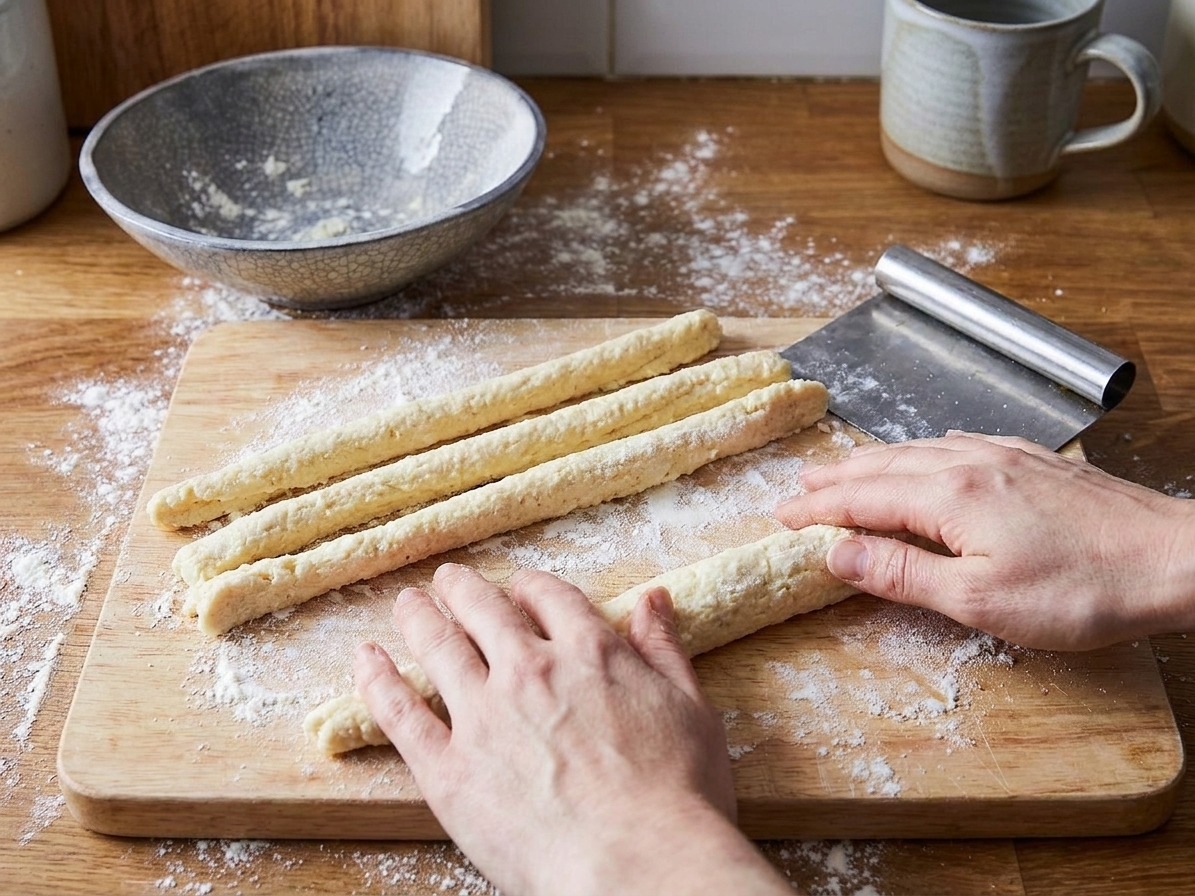
Usually it is moisture. Two fixes: drain the ricotta next time, and for now flour your hands and the counter instead of adding lots of extra flour to the dough. Add flour 1 tablespoon at a time only if the dough is truly unworkable.
Can I make the dough ahead?
You can mix the dough and refrigerate it for up to 24 hours, tightly covered. It may weep a little and it may firm up, both are normal. When you go to shape, you might need a light dusting of flour or a tablespoon folded in if it feels overly soft.
How do I know when gnocchi are done?
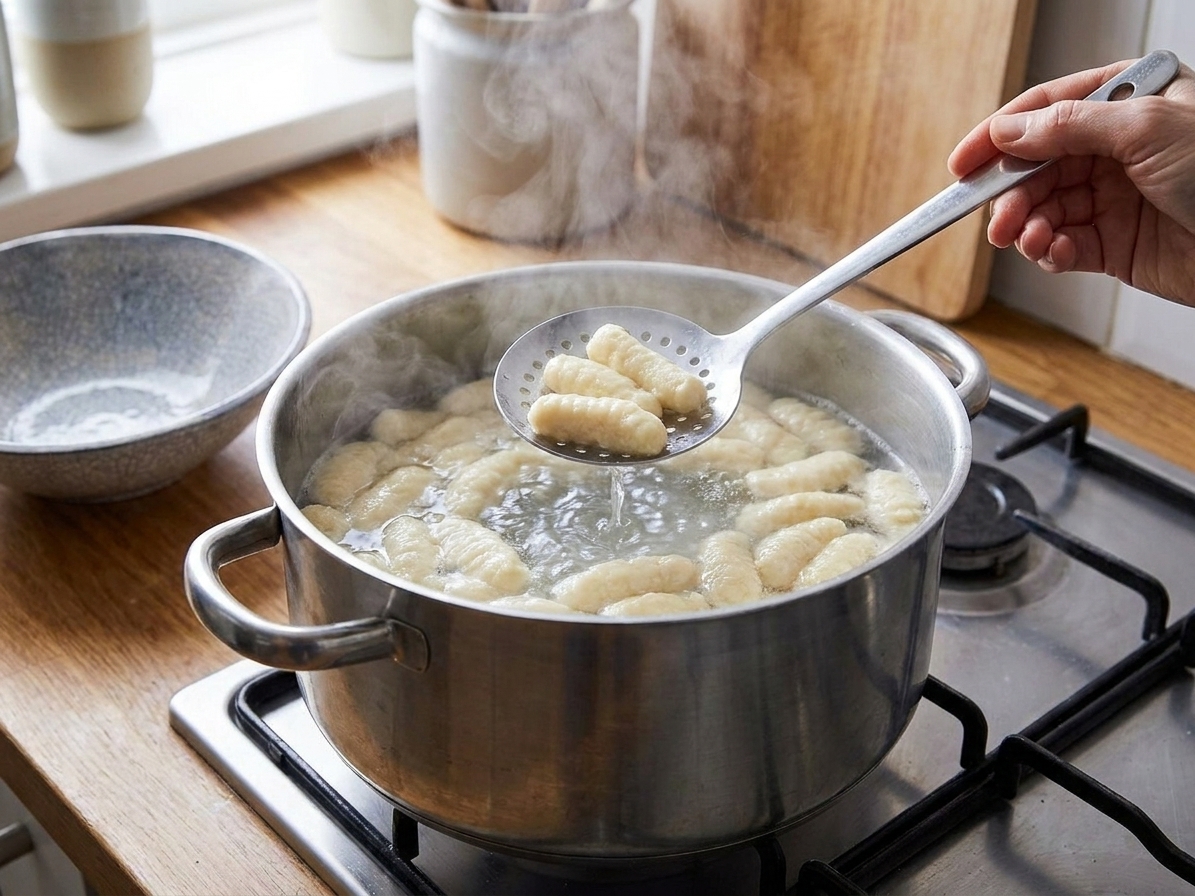
They float. Once they rise to the surface, give them about 30 to 60 seconds more depending on size, then scoop them out with a slotted spoon. If you want total certainty, cut one open. It should look set and feel tender, not wet in the center.
Can I skip the egg?
The egg helps bind. You can reduce it by using just the yolk for a richer dough, but skipping it entirely makes the gnocchi more fragile, especially if your ricotta is not very dry.
What sauce is best with ricotta gnocchi?
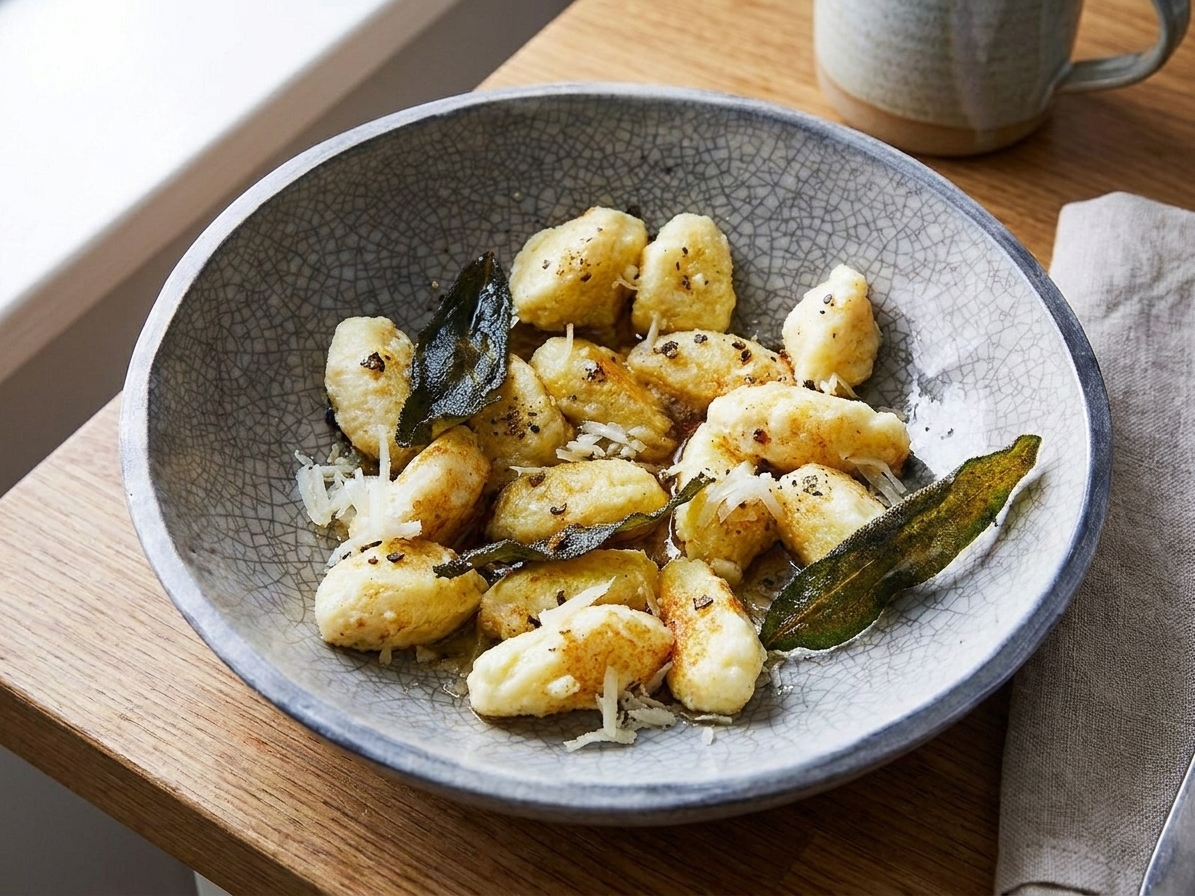
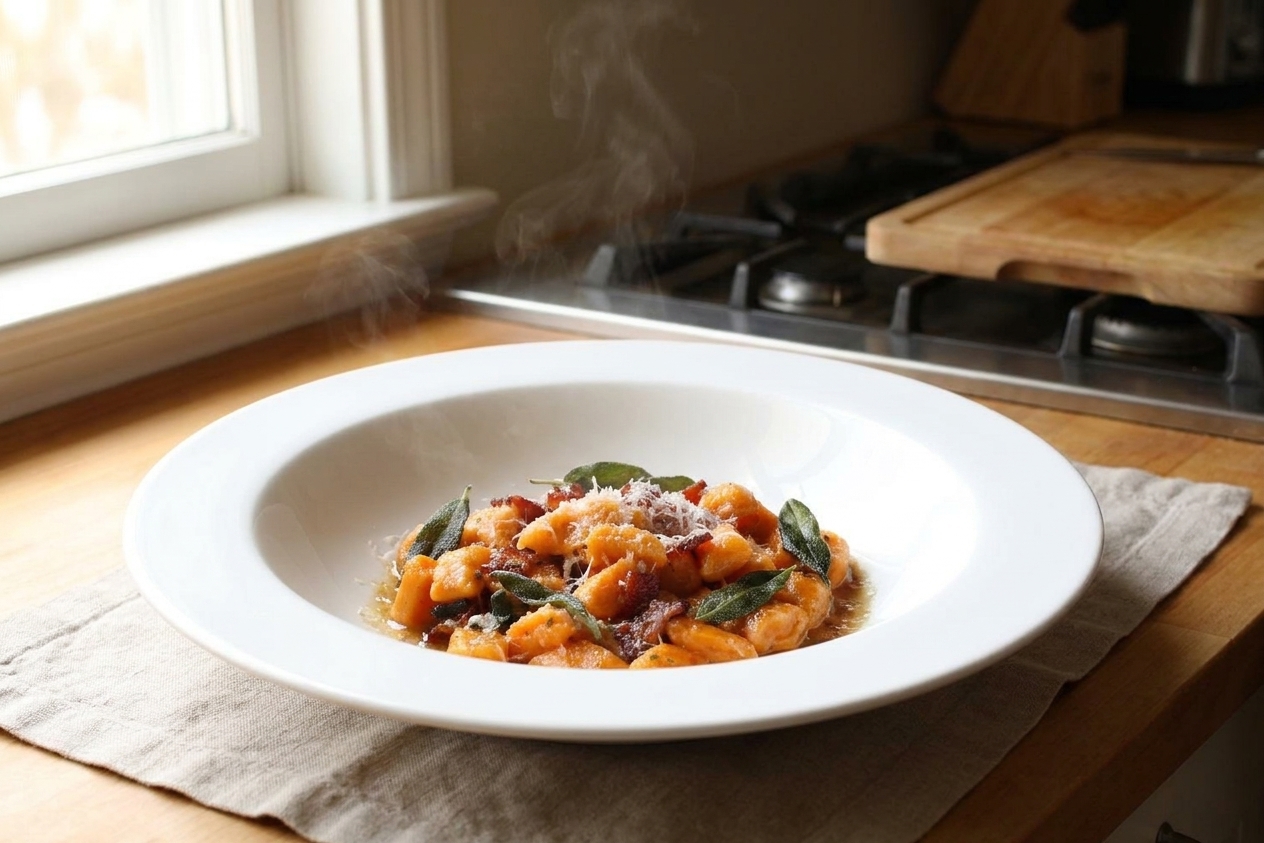
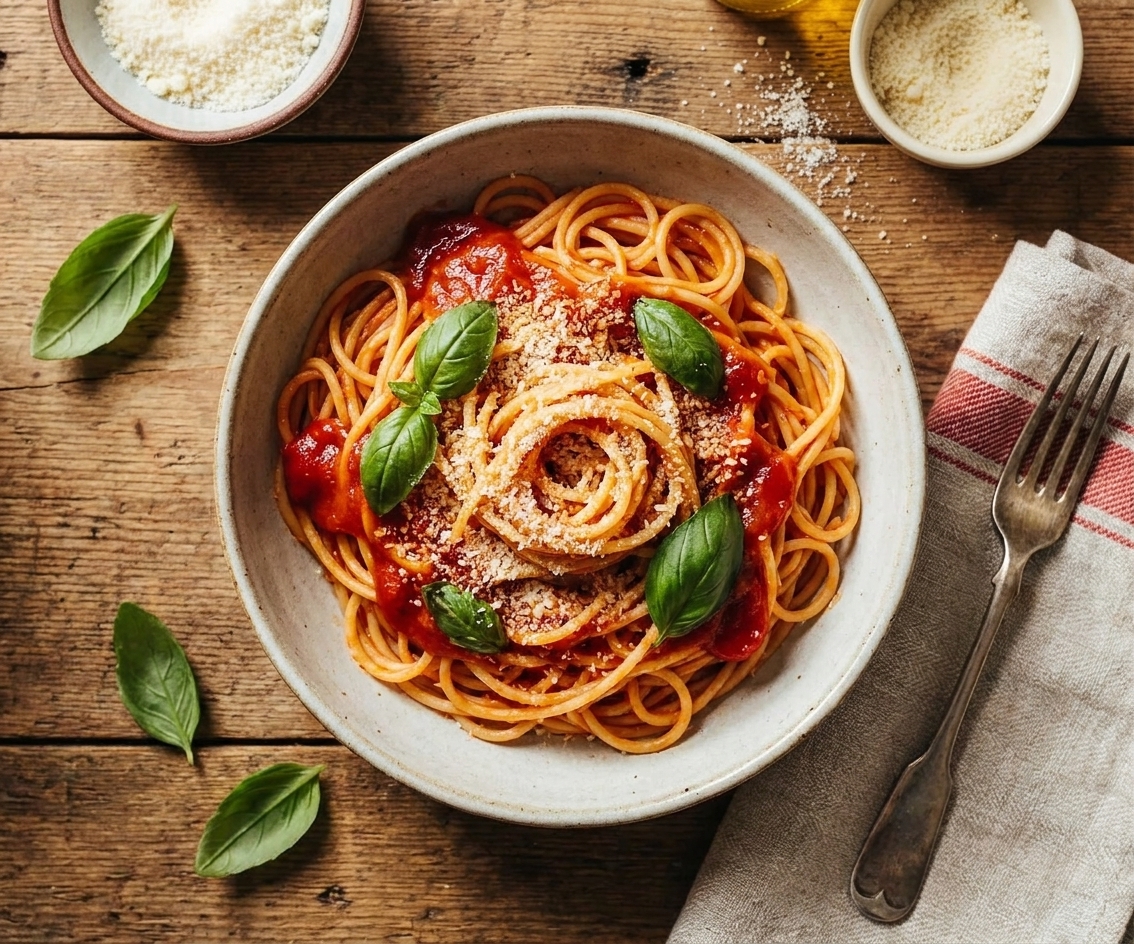
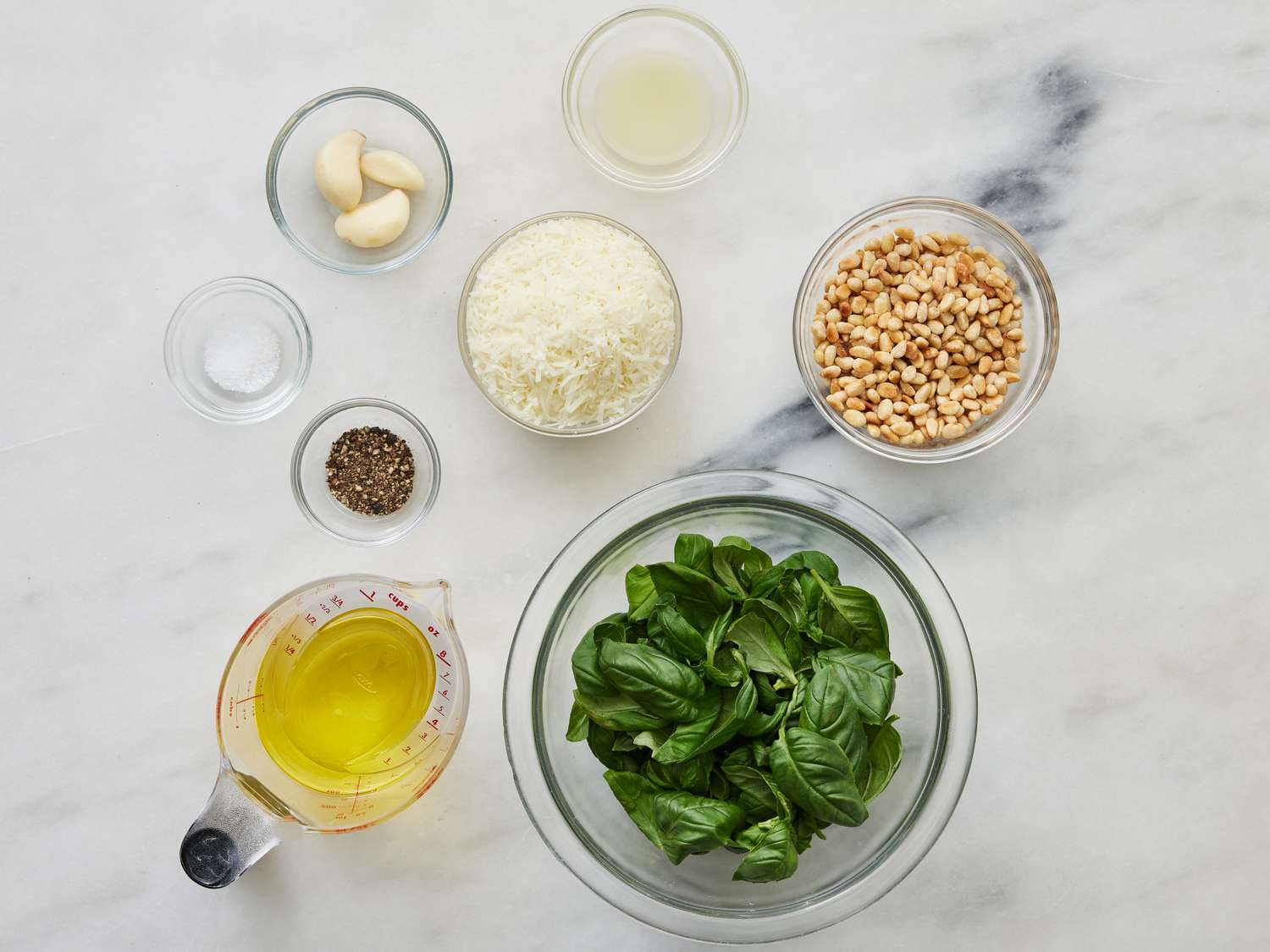
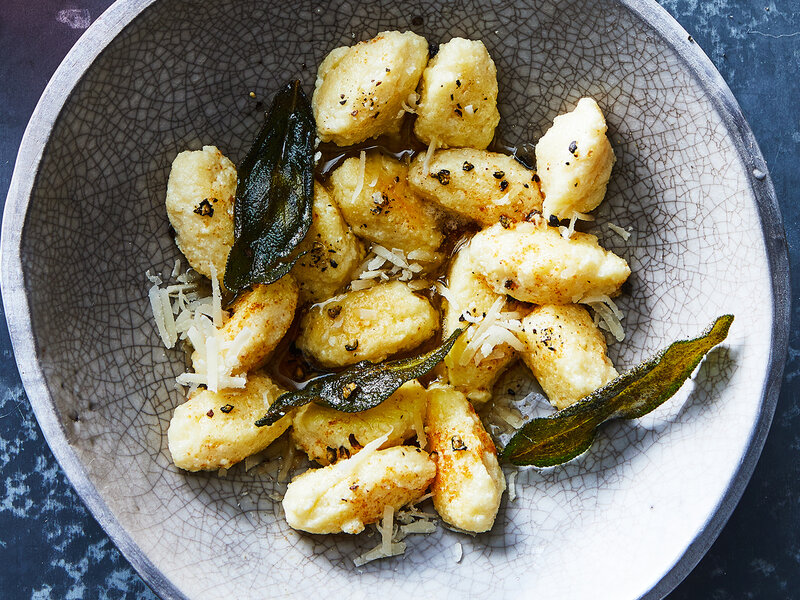
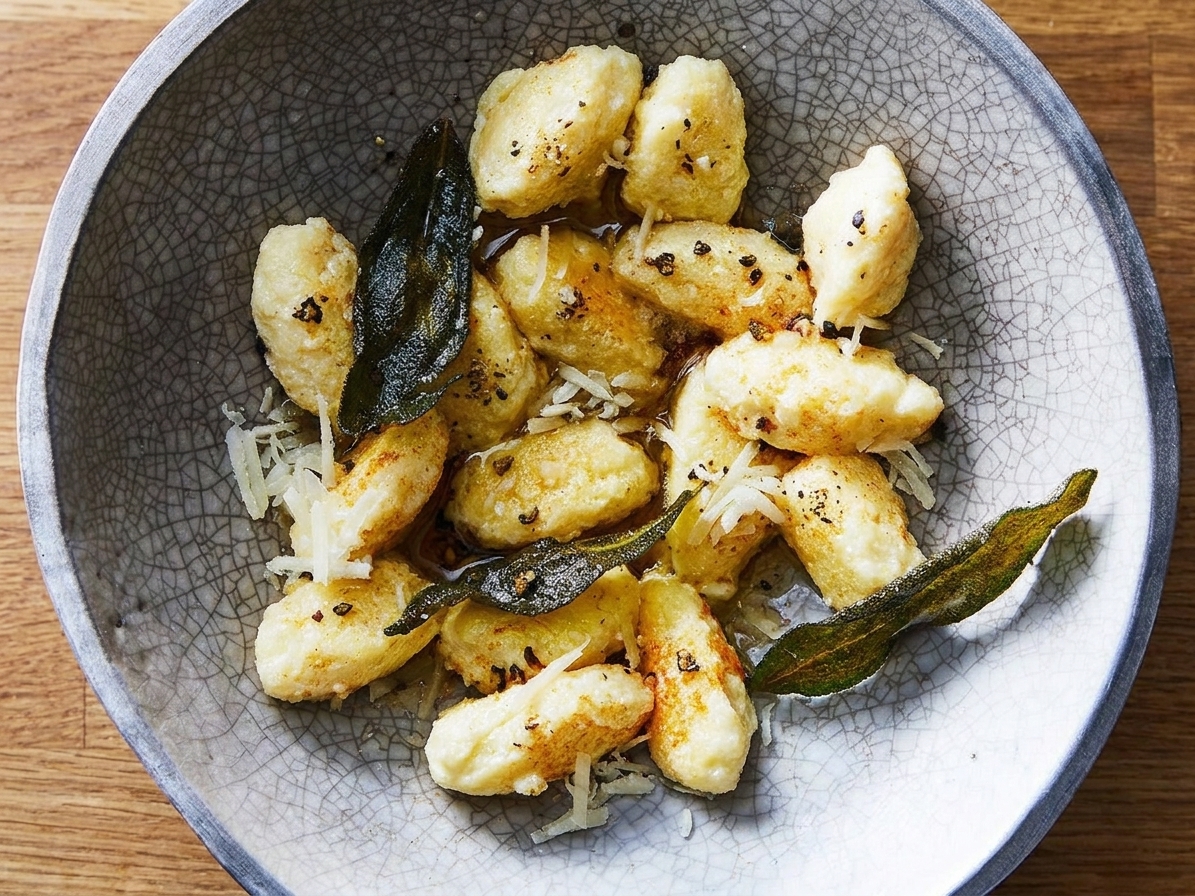
Brown butter sage is the classic for a reason, but marinara, pesto, or a lemony cream sauce all work. Keep the sauce fairly light so the gnocchi stay the star.