Mom's Best Recipes
Recipe

Classic Pomodoro Sauce

A bright, garlicky tomato sauce that goes silky in under 30 minutes, then clings to pasta like it means it.

Author By Matt Campbell
4.8
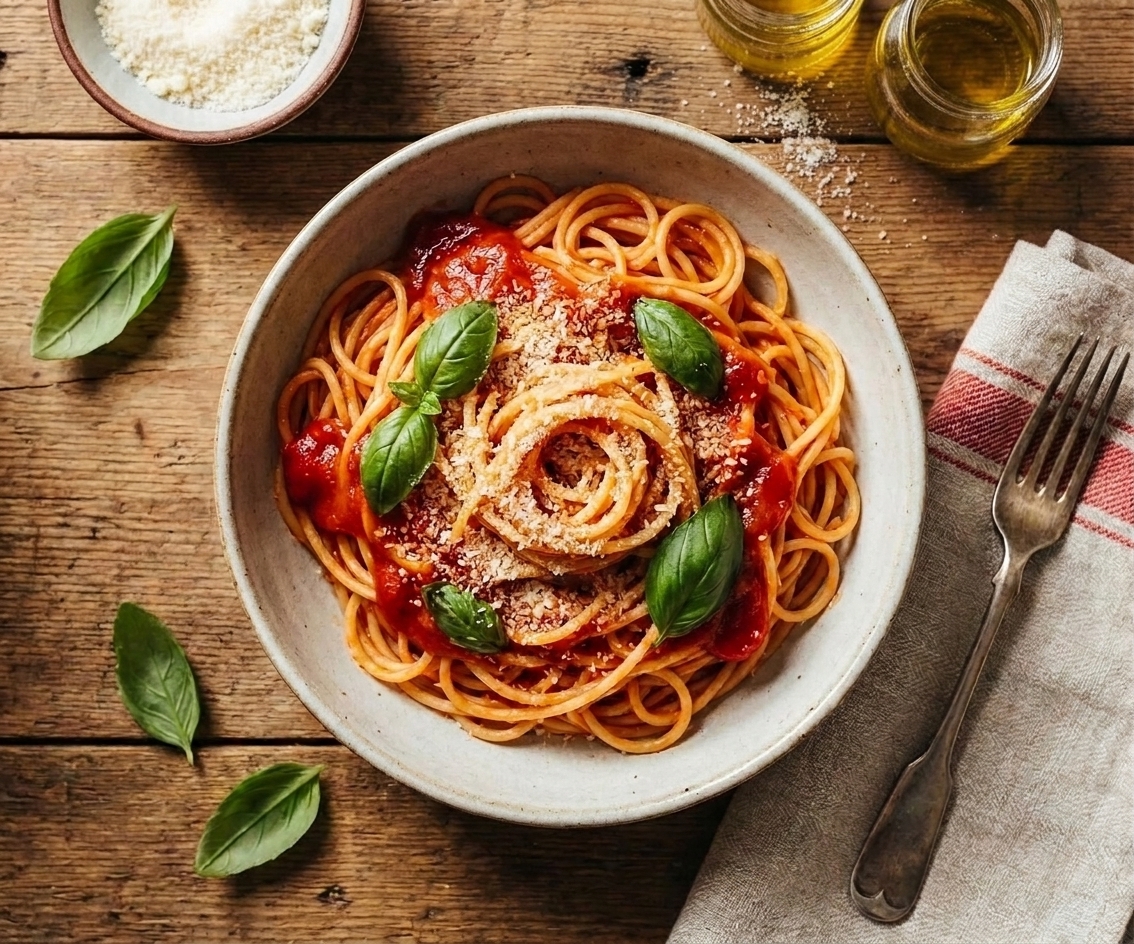
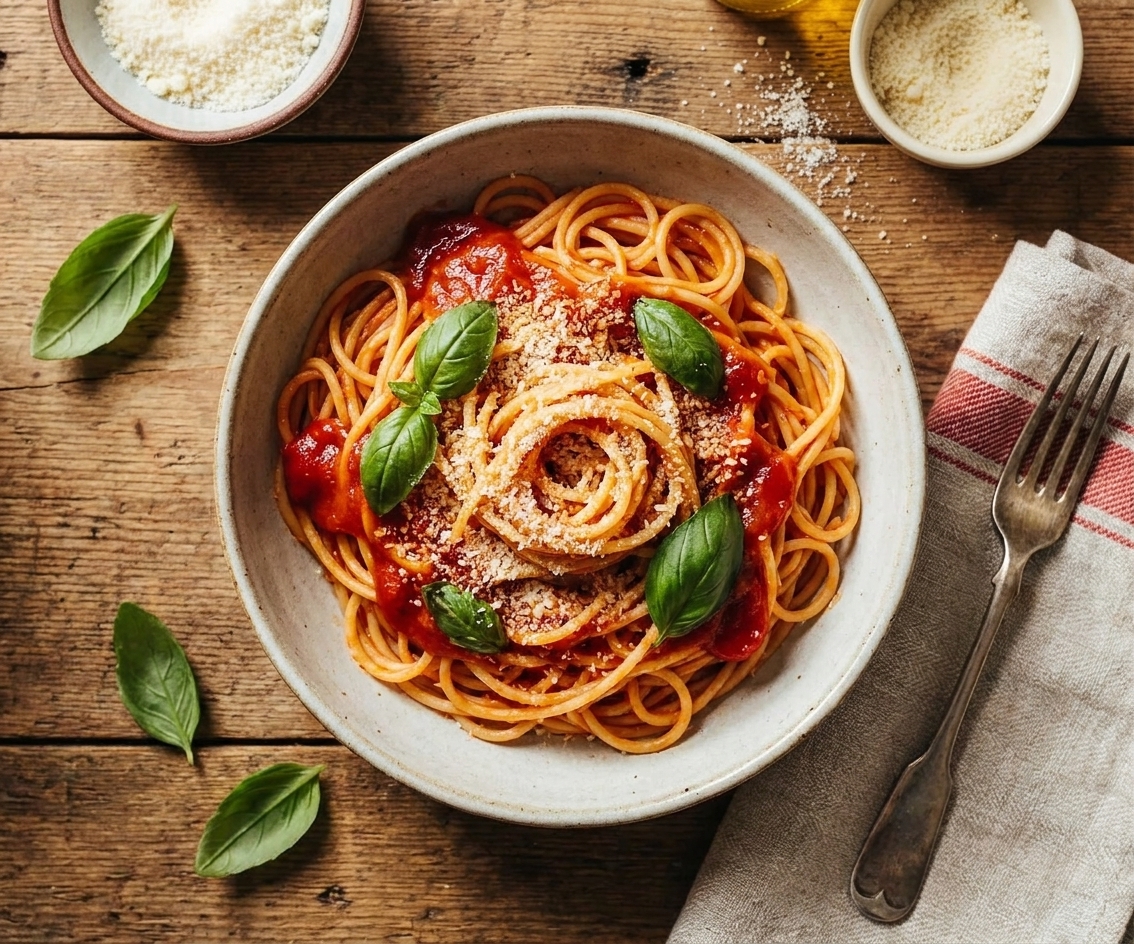
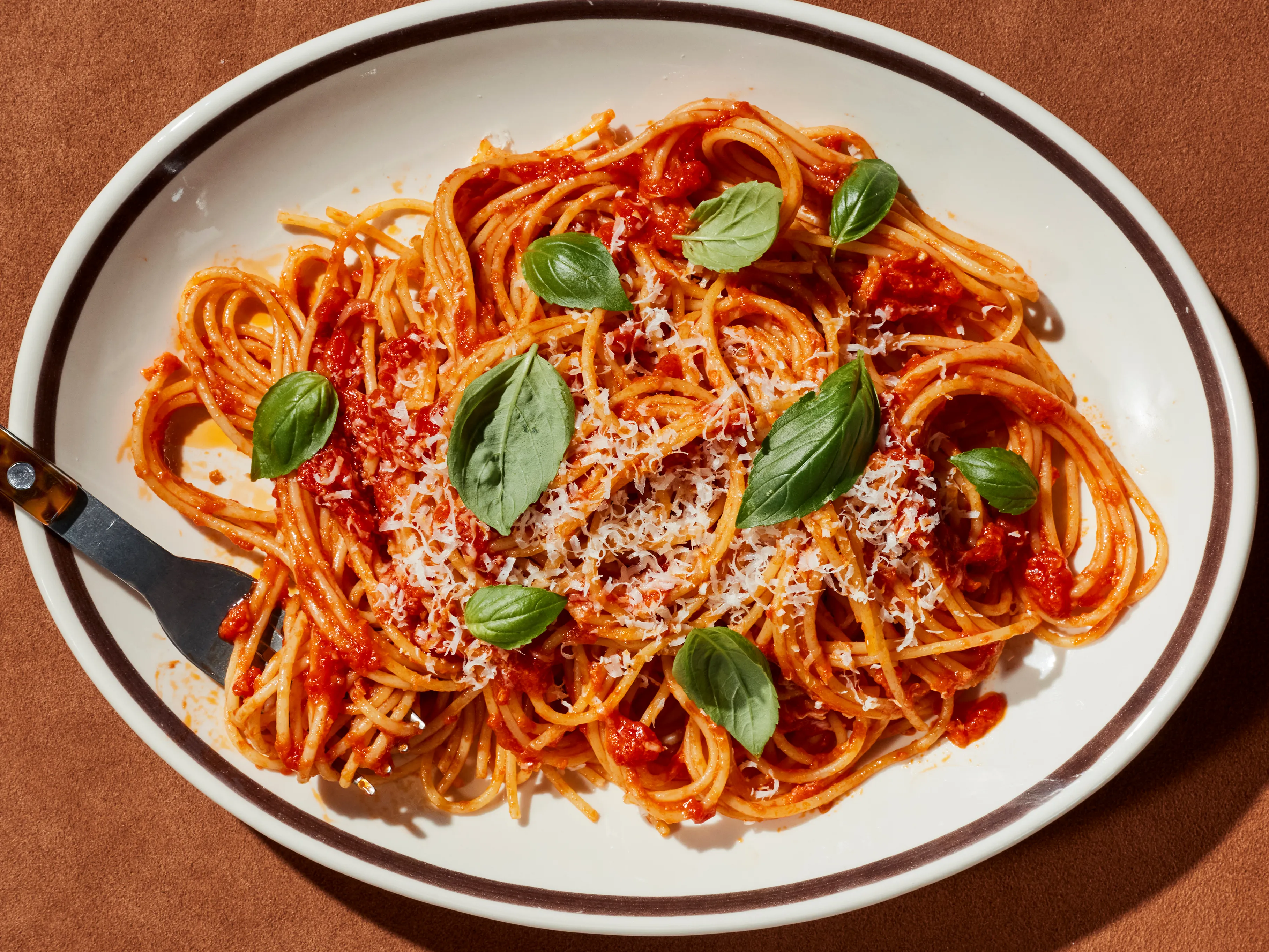
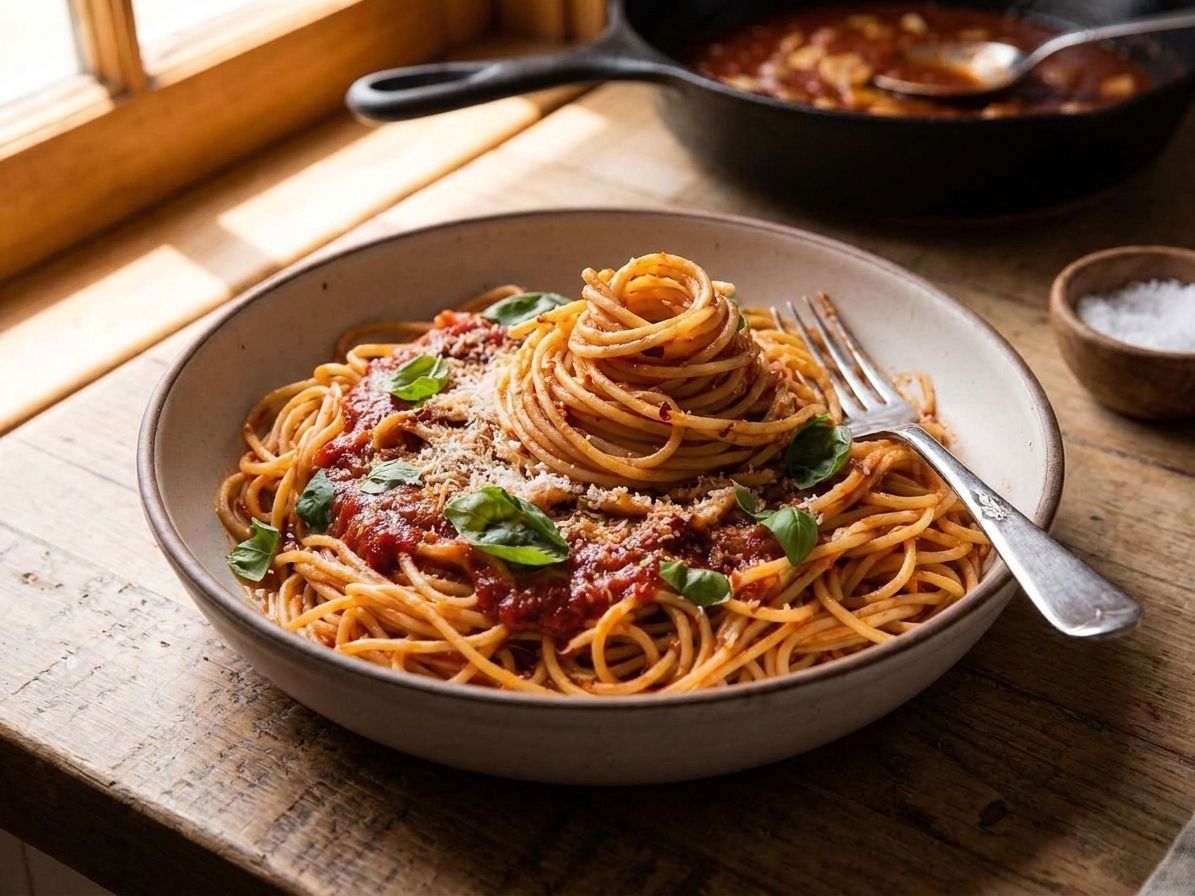
A bowl of spaghetti tossed in glossy pomodoro sauce topped with fresh basil and grated Parmesan on a simple wooden table setting with warm natural light

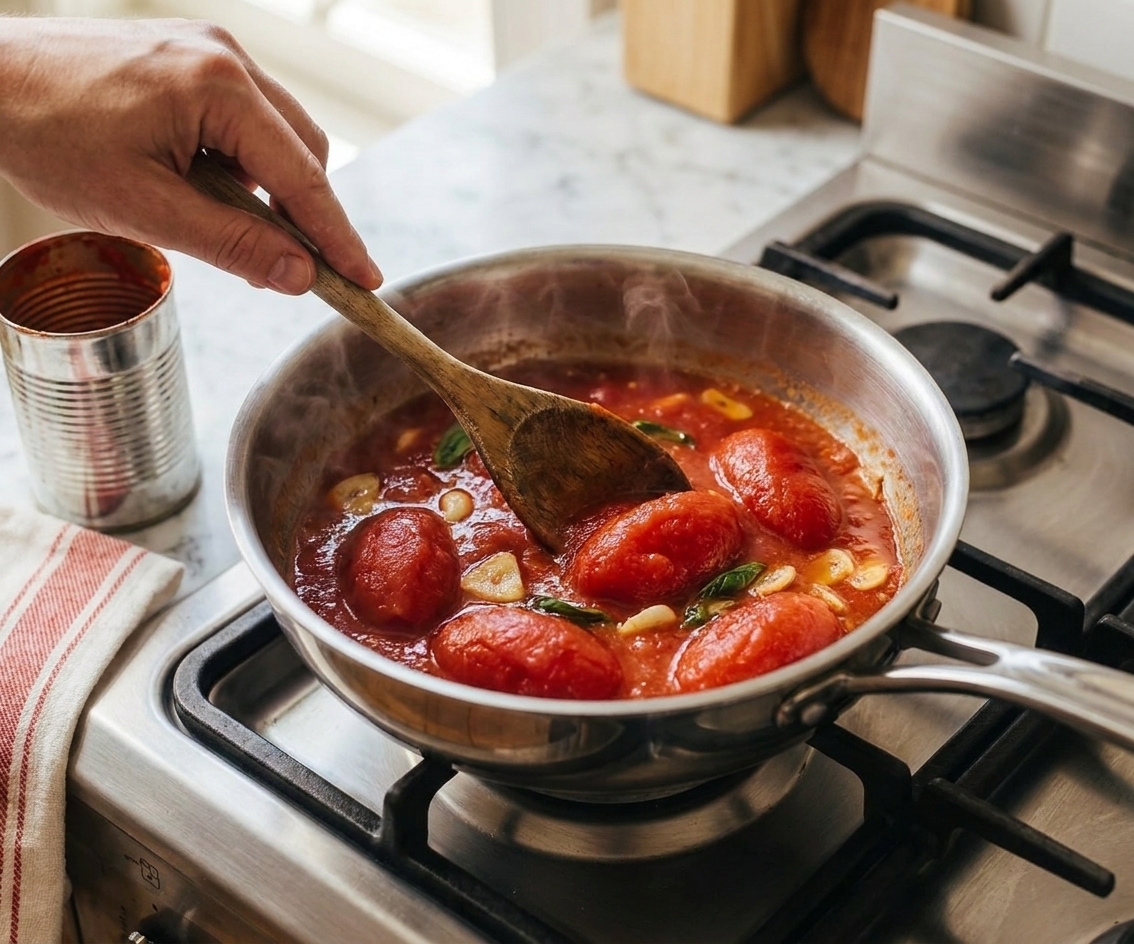
Pomodoro is one of those sauces that looks almost too simple, then you take a bite and suddenly you are standing at the stove, eating noodles straight from the tongs like a little kitchen gremlin. That is the magic. When tomatoes are treated gently, garlic is toasted just enough to smell incredible, and the sauce gets a little help from starchy pasta water, you end up with something bright, cozy, and weirdly fancy for how low-effort it is.

This is my go-to pomodoro sauce. It is accessible, it is weeknight-friendly, and it still has those restaurant-y details like a slick of olive oil and a finish of basil that wakes the whole thing up. If you can open a can and stir, you can make this.
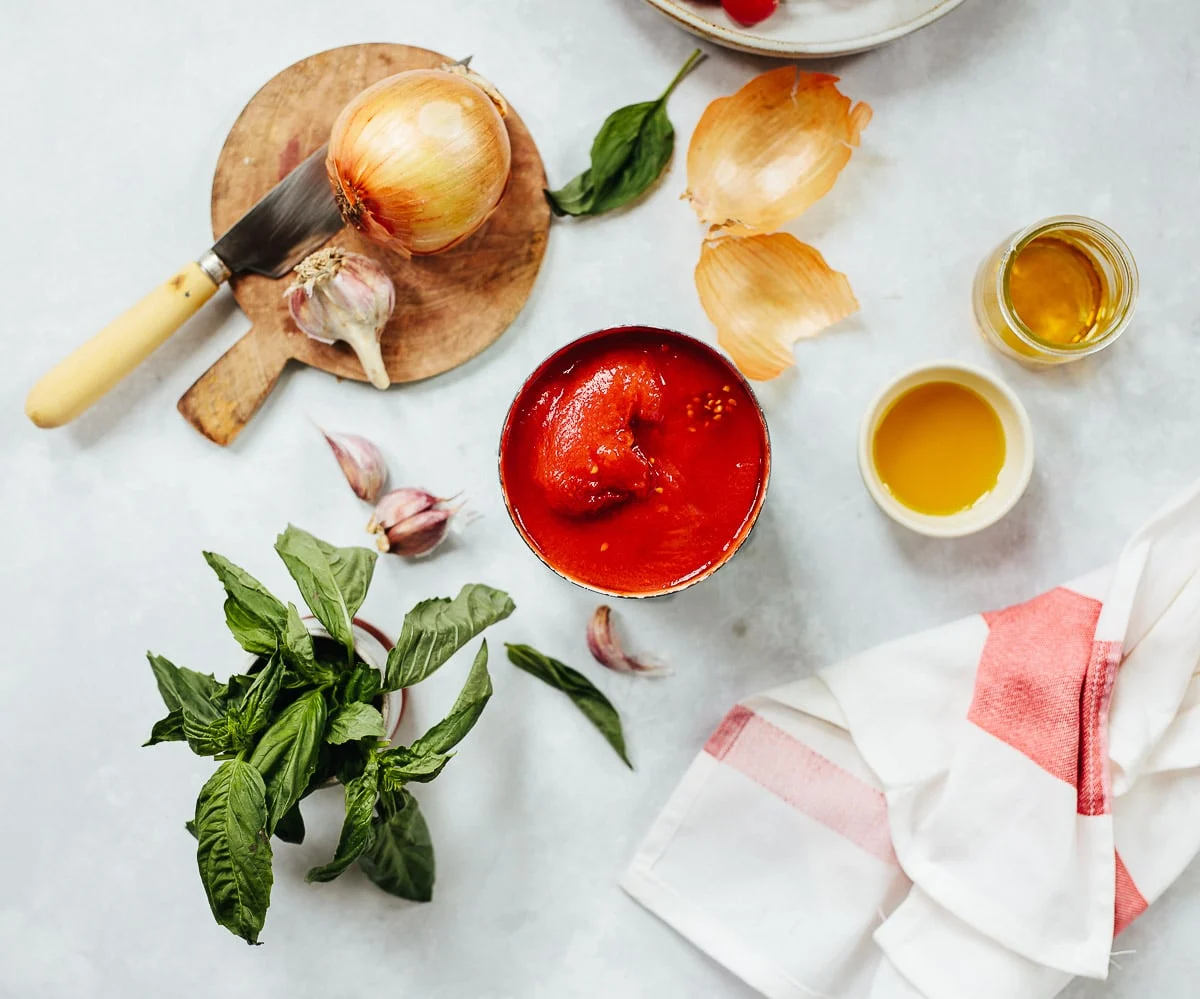
Canned San Marzano tomatoes, garlic, olive oil, basil, salt, and a small bowl of grated Parmesan arranged on a clean kitchen counter in soft daylight

Why It Works

  • Clean, bold tomato flavor because we keep the ingredient list tight and let the tomatoes do the talking.
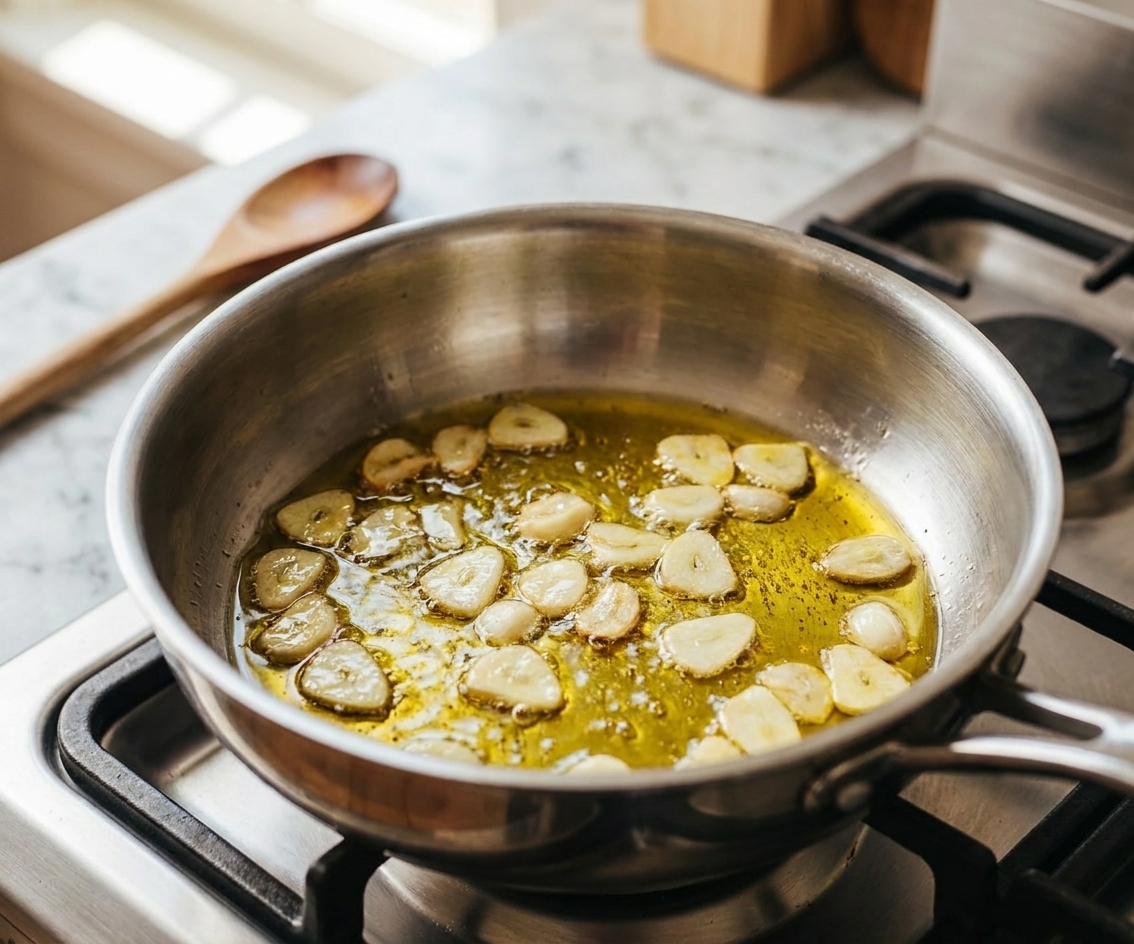
  • Helps avoid bitterness thanks to gently toasting the garlic instead of scorching it.
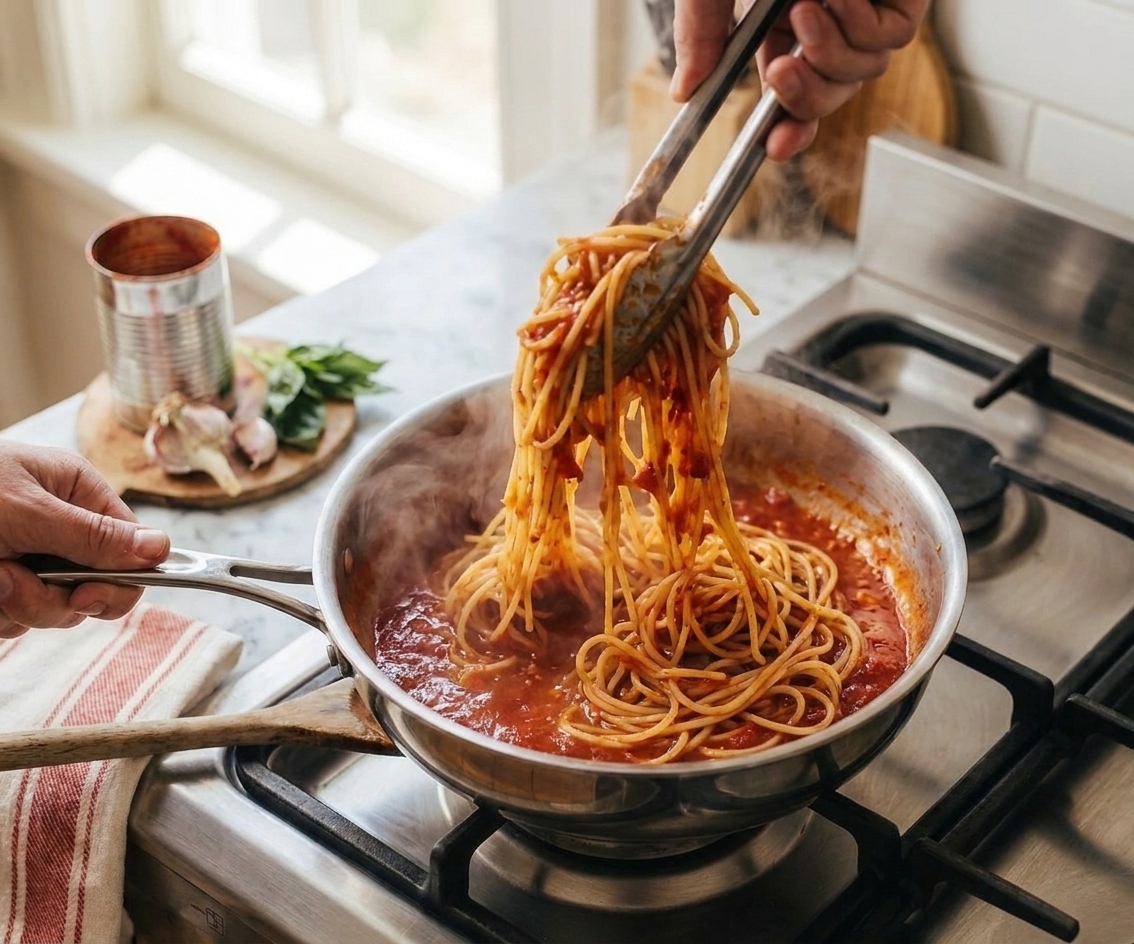
  • Sauce that actually clings by finishing with a splash of pasta water and a quick toss.
  • Flexible texture from rustic and chunky to smooth, depending on how you crush the tomatoes.

Pairs Well With

Storage Tips

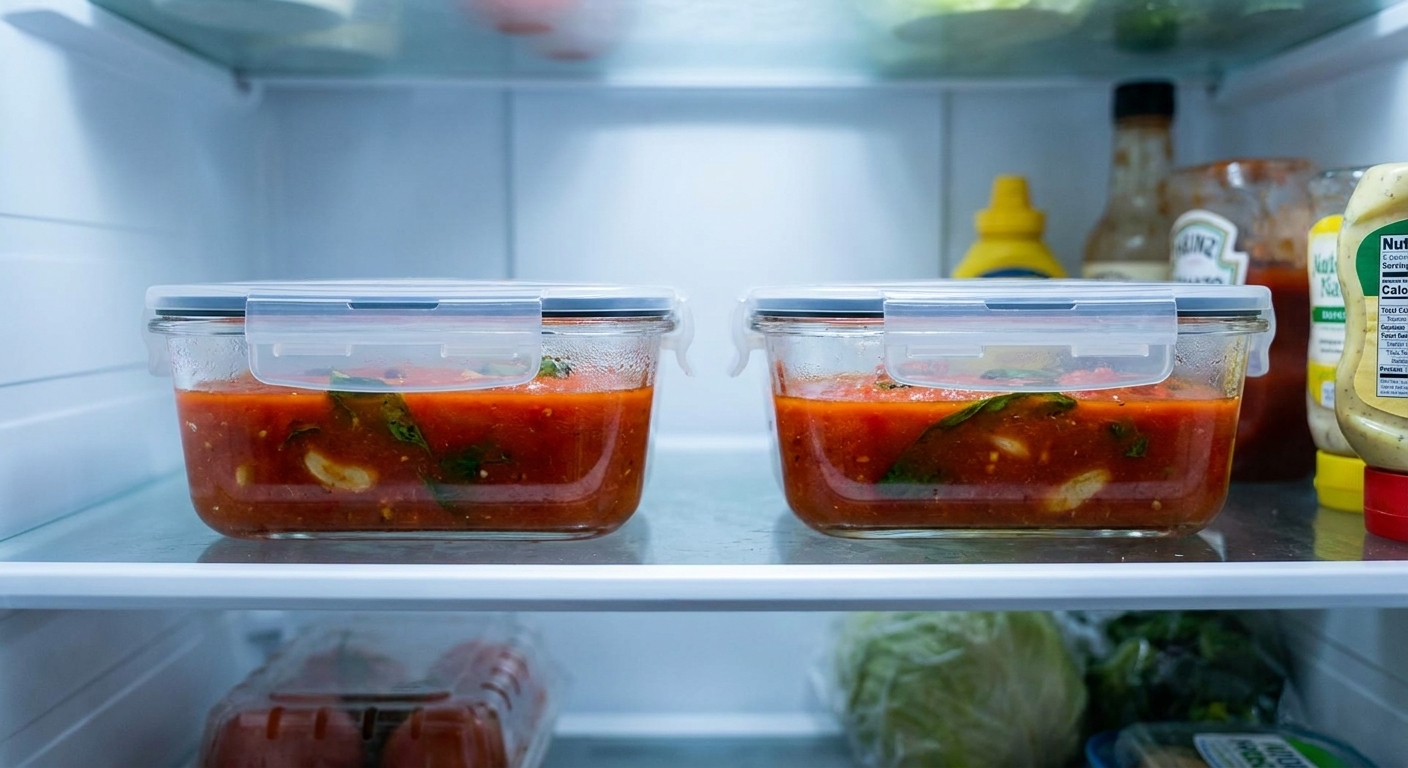
Refrigerator: Cool the sauce completely, then store in an airtight container for up to 4 to 5 days.

Freezer: Freeze in a zip-top bag laid flat or a freezer-safe container for up to 3 months. Leave a little space for expansion.

Reheating: Warm gently in a saucepan over medium-low heat. If it looks thick, add a splash of water or broth. If you are reheating for pasta, add a little pasta water again and stir like you mean it.

Two glass meal prep containers filled with red tomato sauce on a refrigerator shelf with simple kitchen lighting

Common Questions

What does “pomodoro” mean?

Pomodoro means “tomato” in Italian. In cooking, sugo al pomodoro is a straightforward tomato sauce, usually with garlic or onion, olive oil, and herbs like basil.

Do I need San Marzano tomatoes?

No, but good canned whole tomatoes make a noticeable difference. If you do not have San Marzano, grab the best whole peeled tomatoes you can find. Whole tomatoes often taste better than pre-crushed.

Should I use onion or garlic?

You can use either. This version leans garlicky and bright. If you want a sweeter, rounder sauce, add a small grated onion and cook it in the olive oil for 5 minutes before the garlic.

How do I make it less acidic?

First, simmer a bit longer. Second, add a small knob of butter. Third, add a tiny pinch of sugar only if you truly need it. Also, make sure you are using enough salt. Under-salted tomato sauce tastes sharper than it is.

Can I make pomodoro without basil?

Yes. Use parsley, a small pinch of dried oregano, or skip herbs entirely and finish with good olive oil and Parmesan. It will still be great.

Why add pasta water?

Pasta water is salty and starchy. It helps the sauce emulsify so it turns glossy and coats noodles instead of sliding off like tomato soup.

My sauce tastes raw or a little tinny. Now what?

Give it time. Simmer it 5 to 10 minutes longer and taste again. Tomato sauce often needs a little extra heat time to mellow and round out.

Pomodoro was one of the first sauces I learned to trust. When I stopped trying to “fix” it with a dozen extras and just focused on garlic, good tomatoes, and a steady simmer, it clicked. Now it is my default dinner when I want something comforting but not heavy, and it is the sauce I make when friends are hovering in my kitchen asking, “Wait, that is it?” Yep. That is it. Taste as you go, keep it relaxed, and let the tomatoes do their little red magic trick.