What are sunflower chokes, exactly?
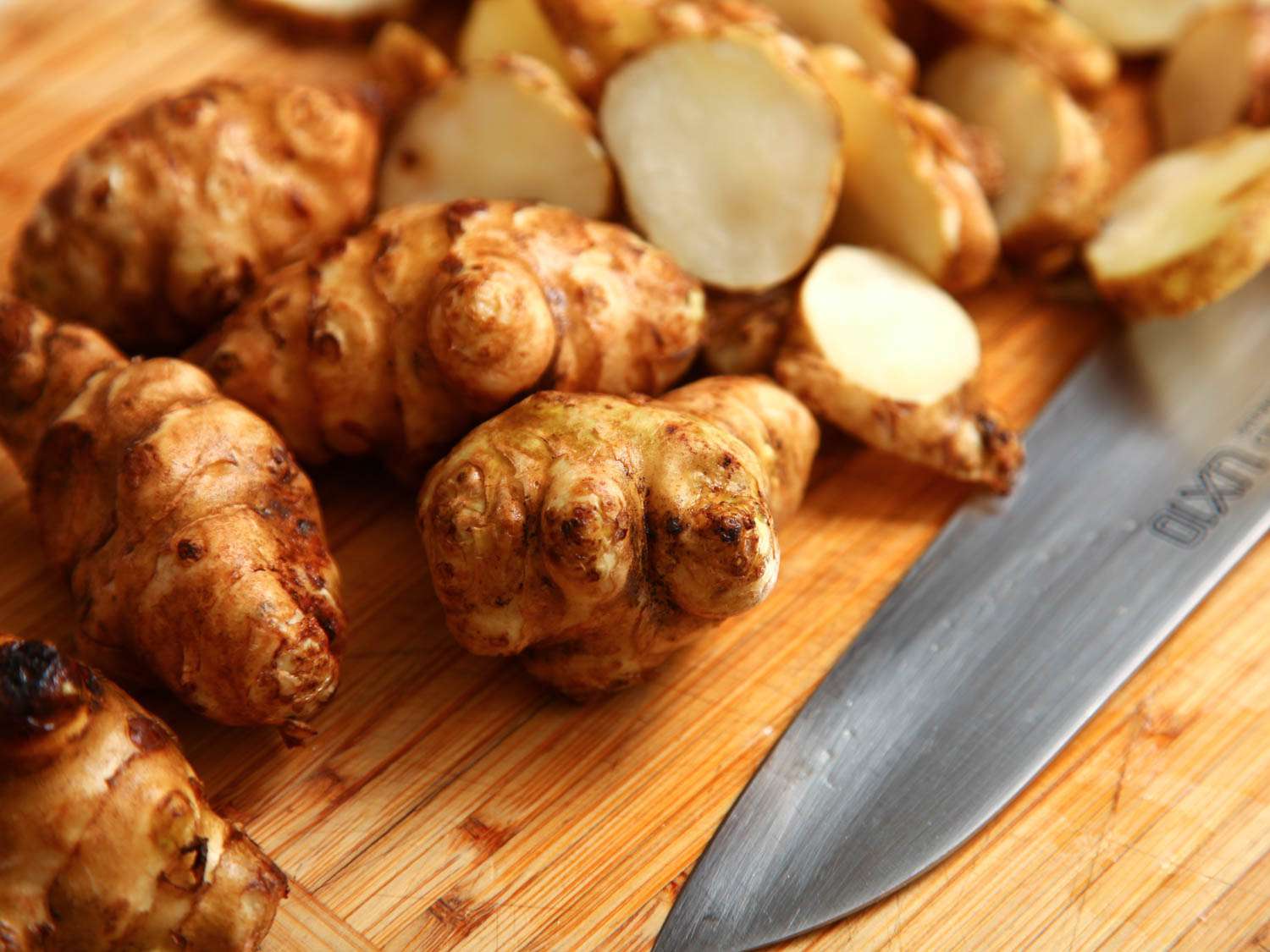
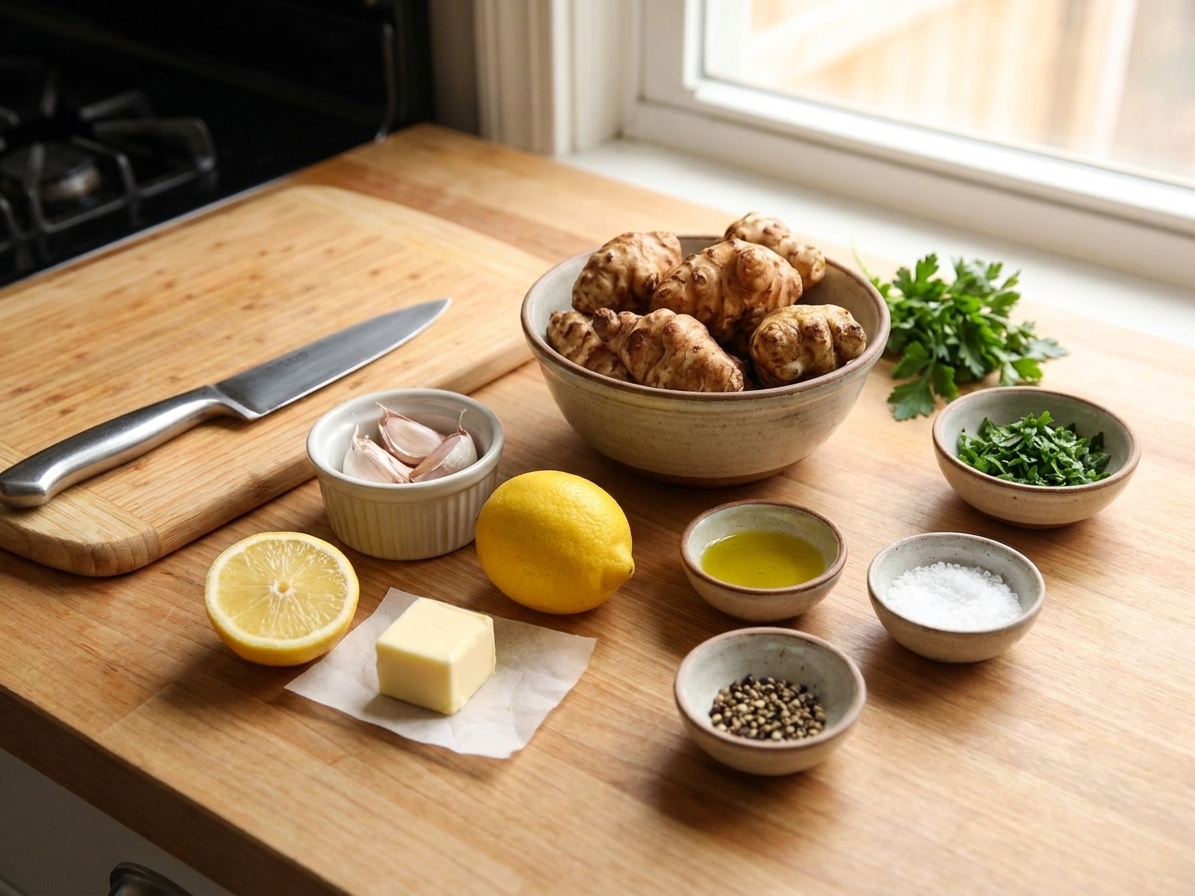
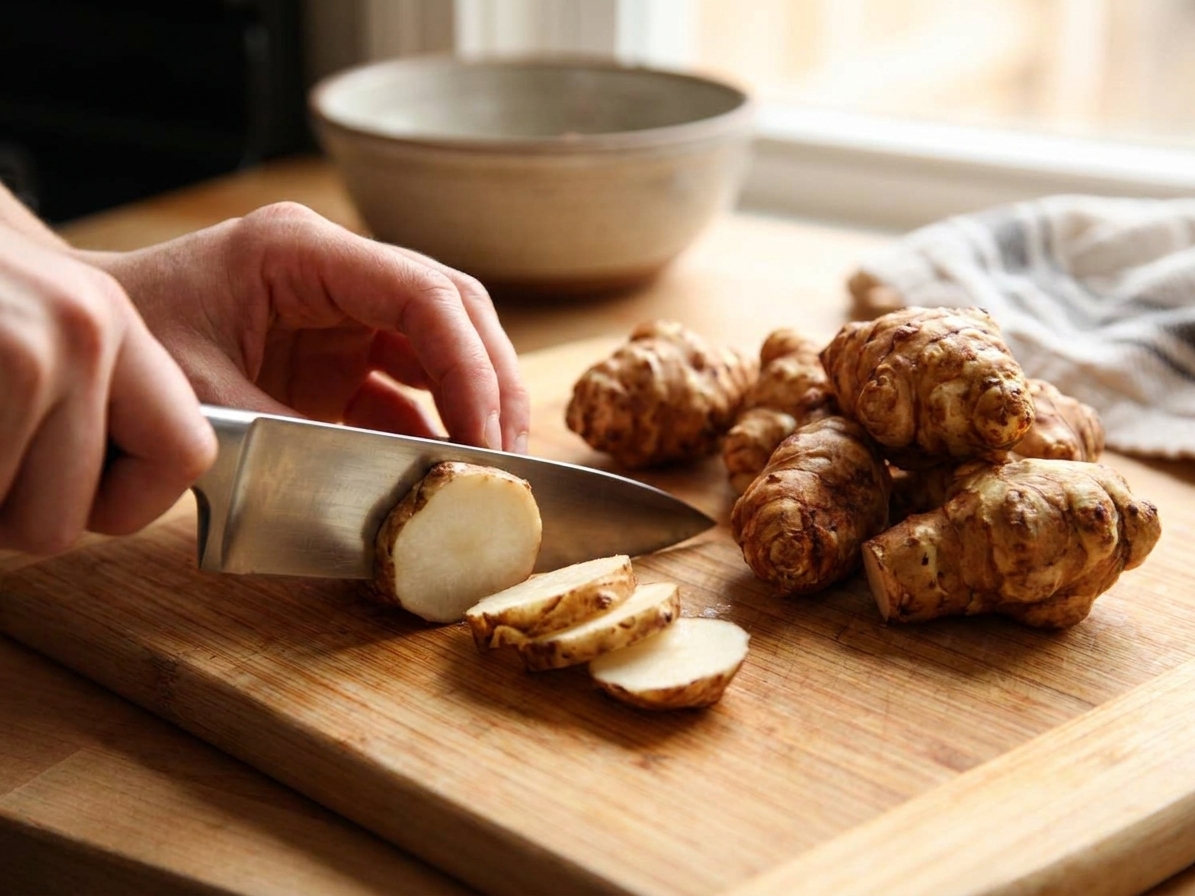
Sunflower chokes are the knobby tubers of a sunflower species. You will also see them sold as sunchokes or Jerusalem artichokes. They are not actually related to globe artichokes, but the flavor has a similar nutty, earthy sweetness.
Do I need to peel sunchokes?
Nope. The skin is thin and totally edible. Just scrub them well and trim any dark spots or tough nubs. Peeling is optional, and honestly it is a pain because of the shape. (Also, dirt loves to hide in those little creases, so scrub like you mean it.)
How do I pick good sunchokes at the store?
Look for firm sunchokes with no soft spots. Smaller ones are often less knobby, which makes prep easier, but anything firm will roast up great.
Why did my roasted sunchokes turn out soggy?
Usually one of these:
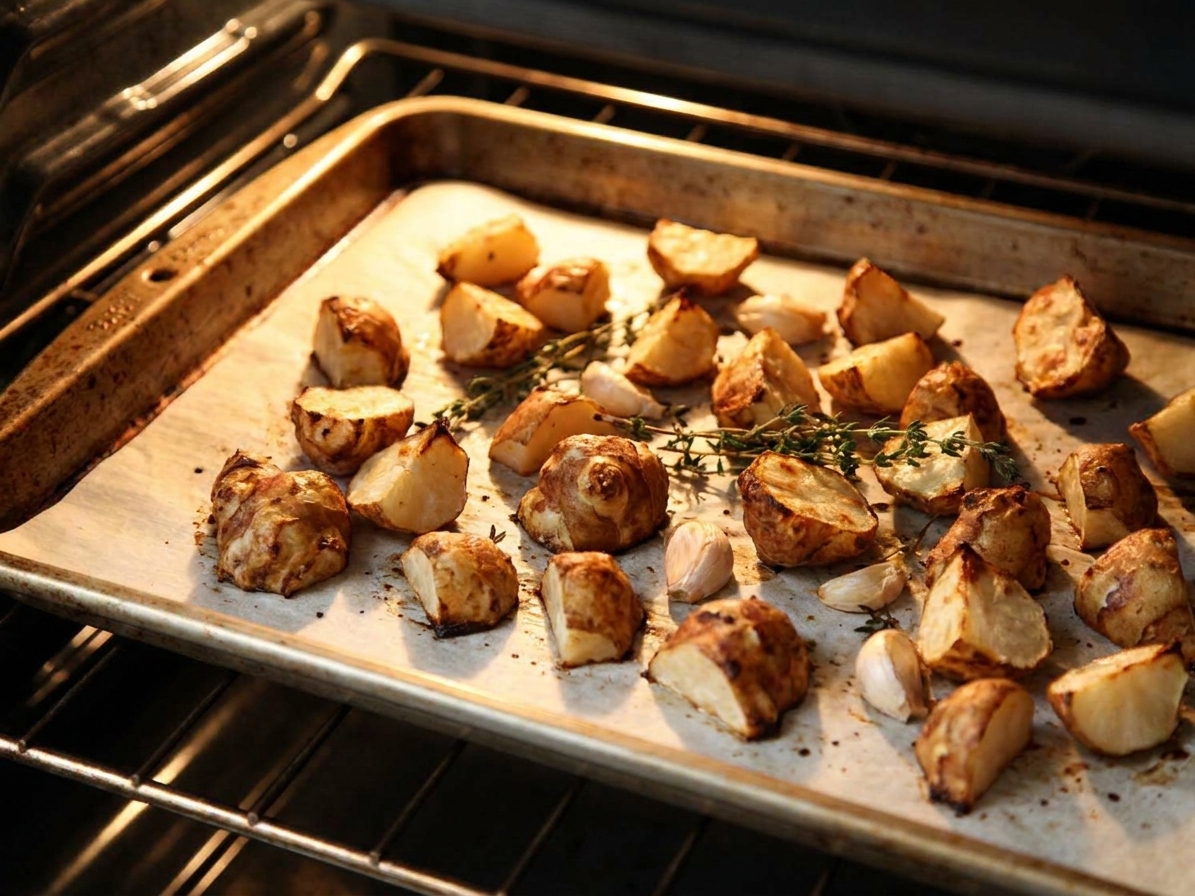
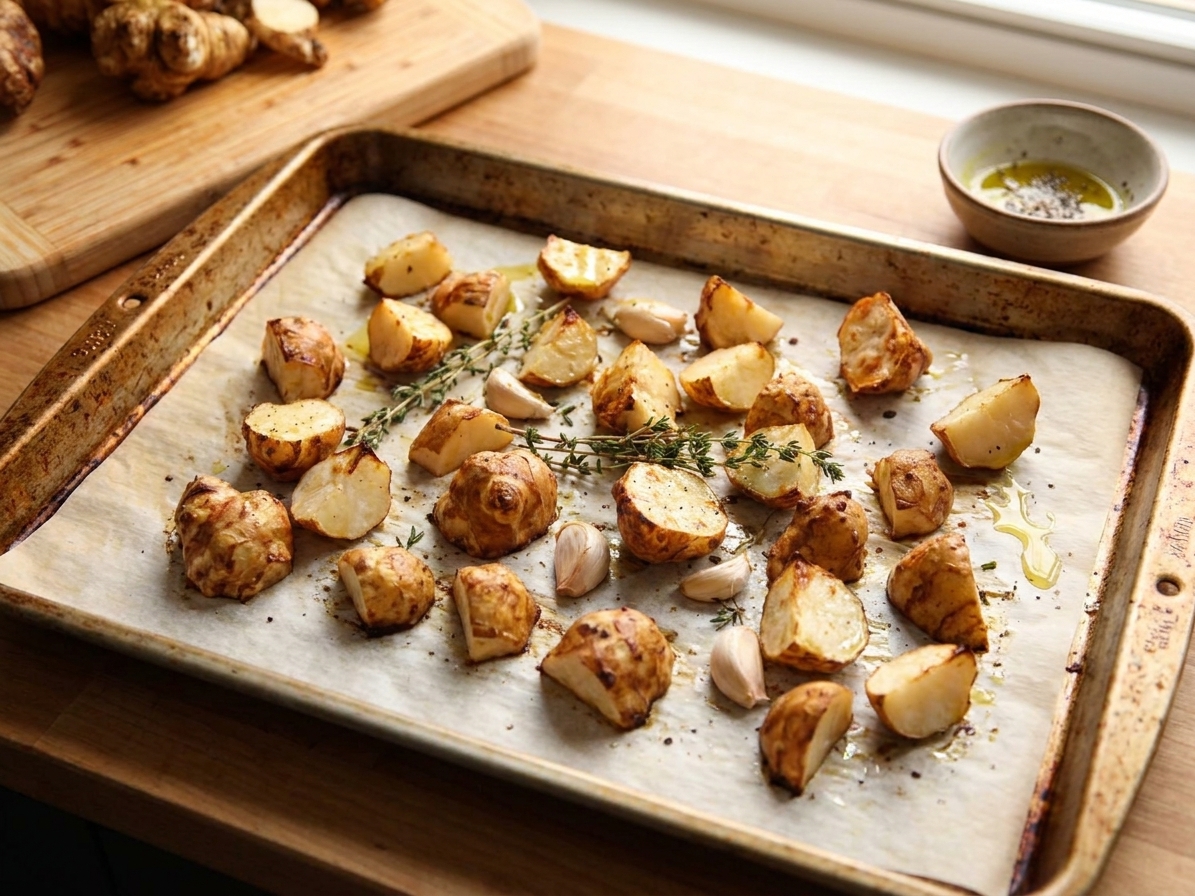
- Overcrowding: If they are piled up, they steam instead of roast. Use a big sheet pan and spread them out.
- Not enough heat: Roast hot, at 425°F. Sunchokes like it.
- Wet pieces: After washing, dry them well before oil and seasoning.
- Uneven sizes: If some pieces are tiny and others are huge, the little ones soften while the big ones catch up. Aim for a similar size so everything browns together.
Are sunchokes the ones that can cause gas?
Yes, they can. Sunchokes contain inulin, a fiber that some people digest enthusiastically, meaning you might feel gassy if you eat a lot. Sensitivity really varies from person to person, and cooking does not always prevent it. If you are new to them, start with a smaller portion and see how you do.
Can I boil or mash them instead?
Absolutely. They are great simmered until tender, then mashed with butter and cream like potatoes . For this recipe though, roasting is the quickest route to that crisp, snackable texture.
Can I make this dairy-free?
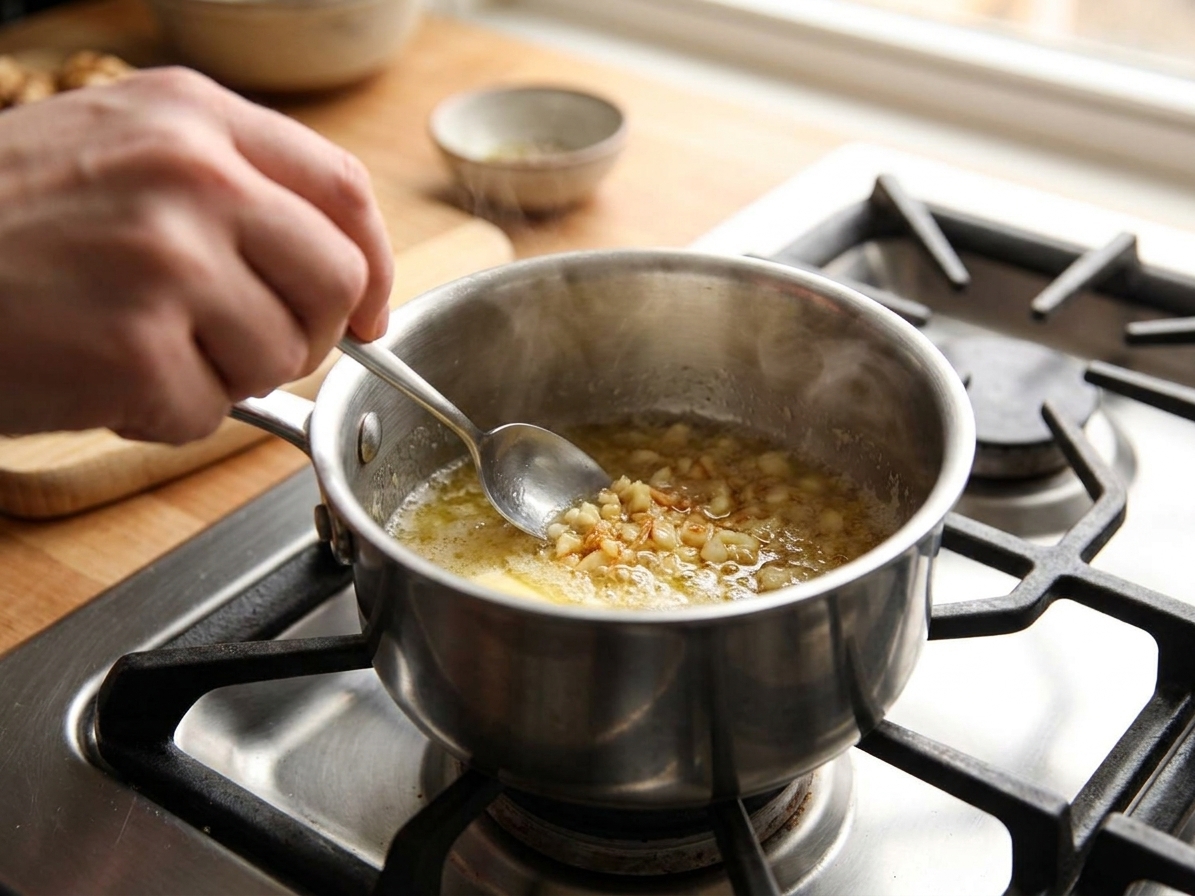
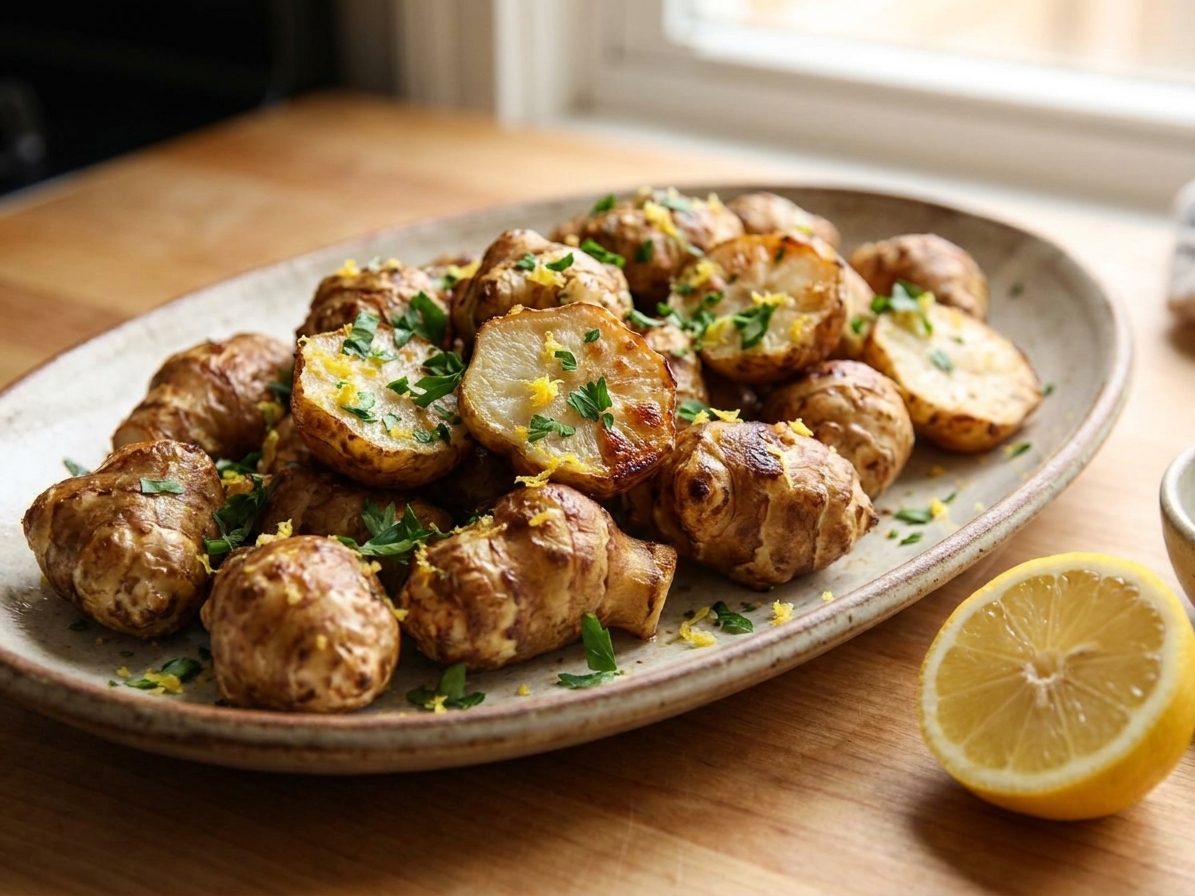
Yep. Swap the butter for olive oil (or a plant-based butter), then warm it gently with the garlic and finish the same way with lemon and herbs.