Is green salsa the same as salsa verde?
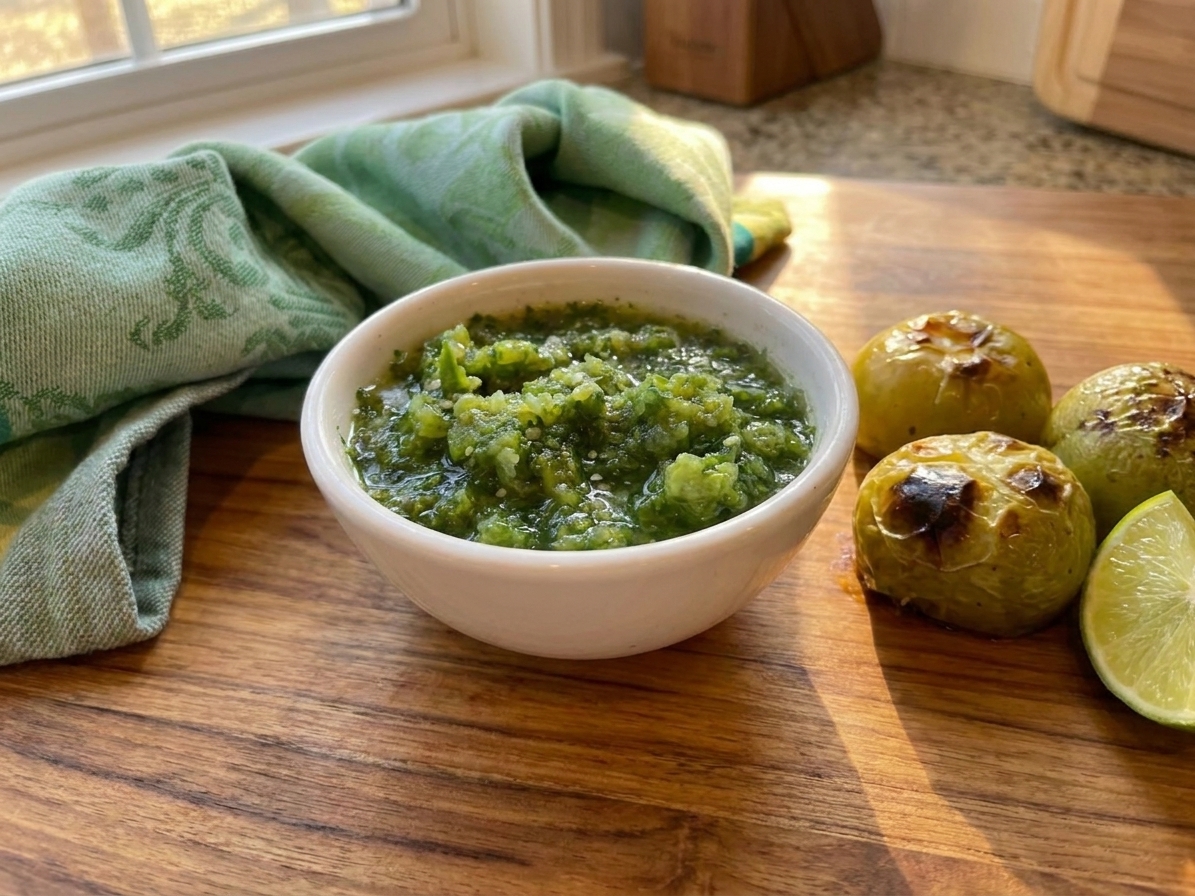
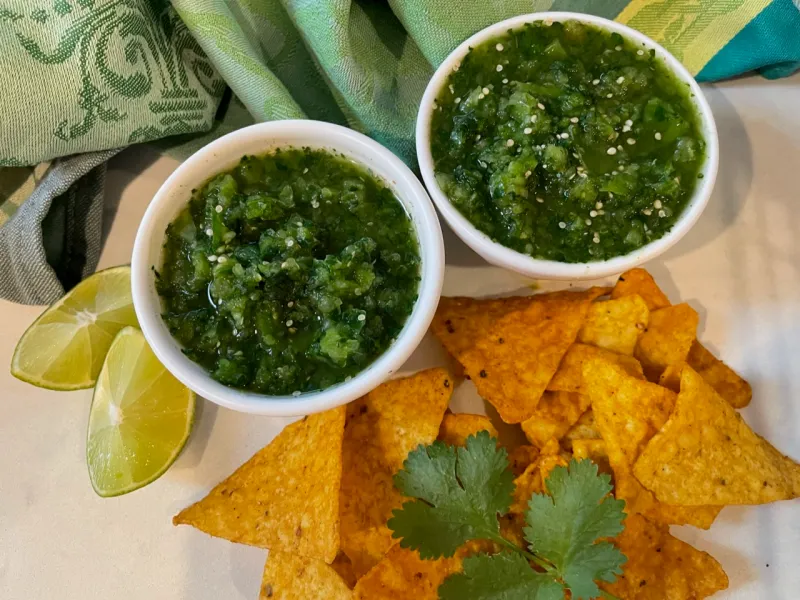
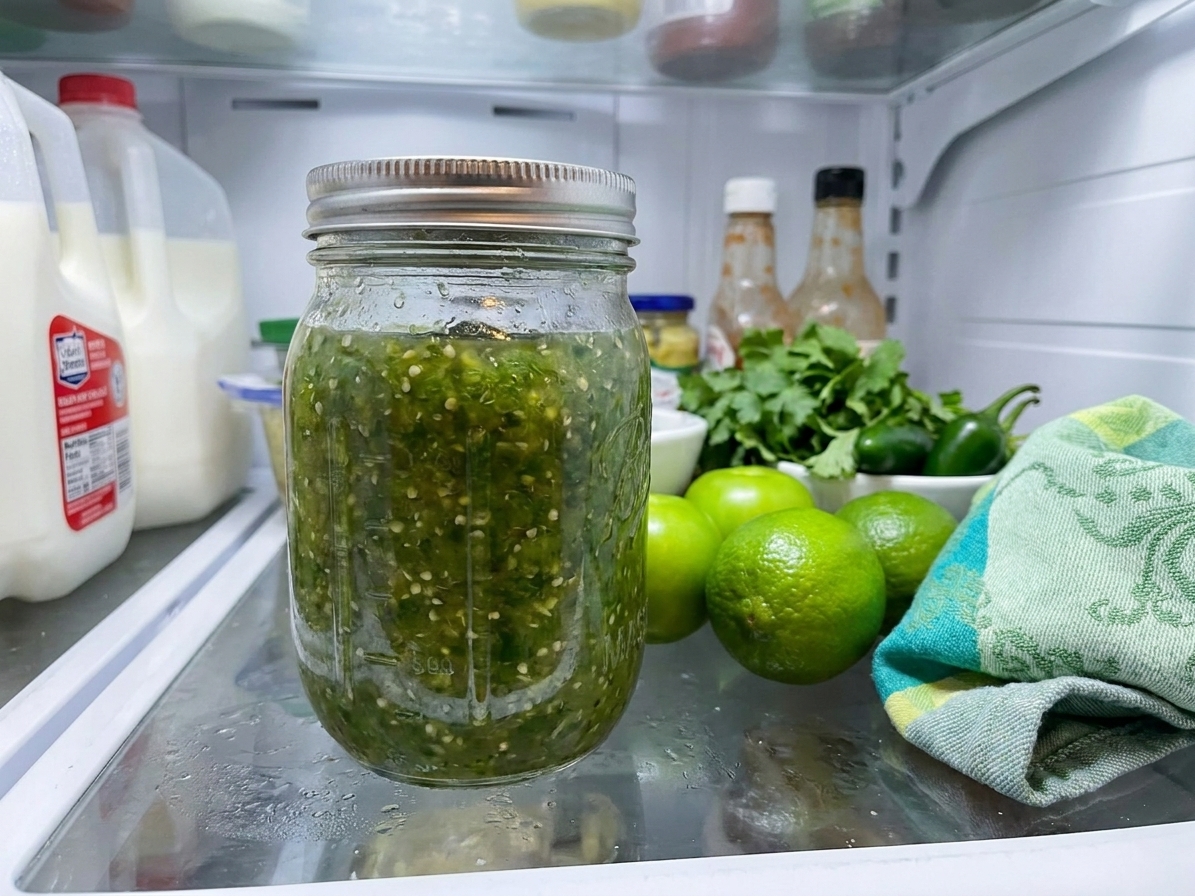
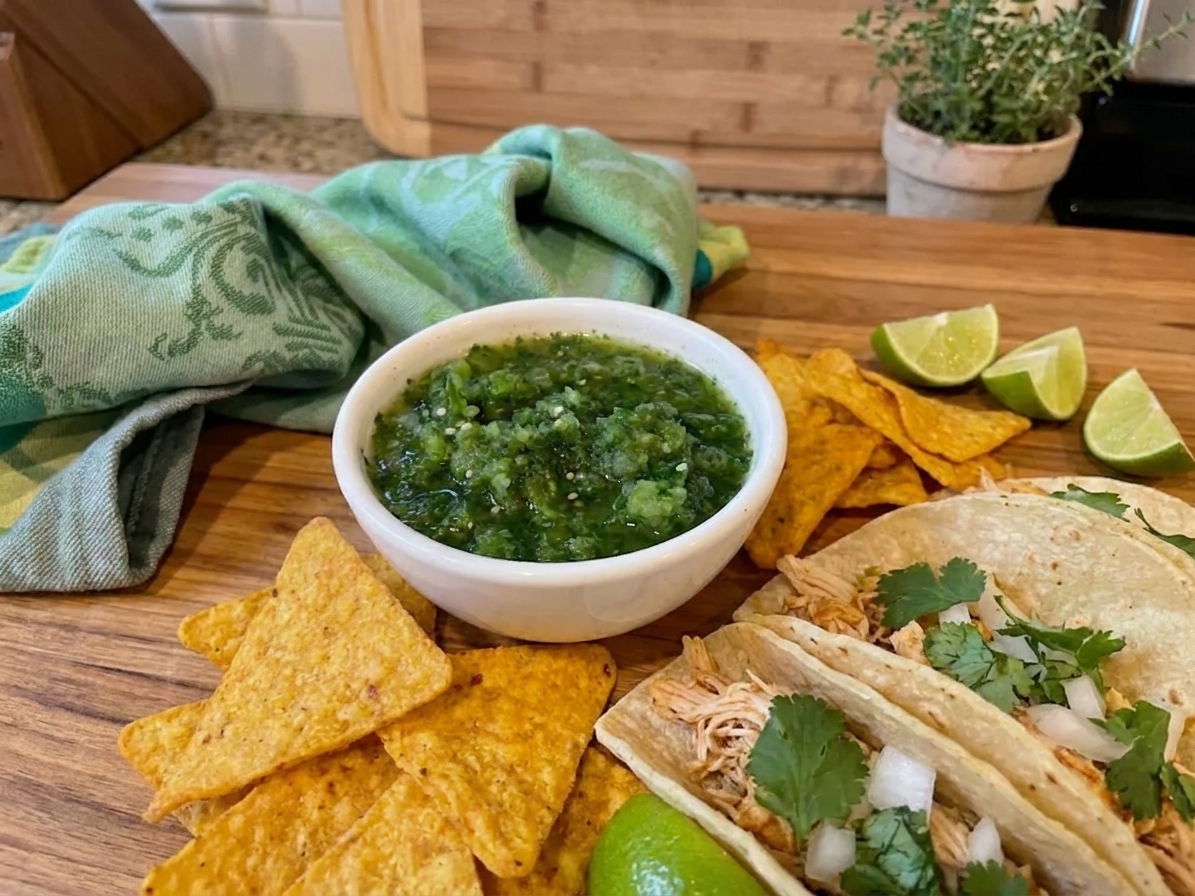
Most of the time, yes. In many home kitchens, “green salsa” means salsa verde made with tomatillos. Some green salsas are made with avocado, green tomatoes, or lots of herbs, but tomatillo-based is the classic.
Do I have to roast the tomatillos?
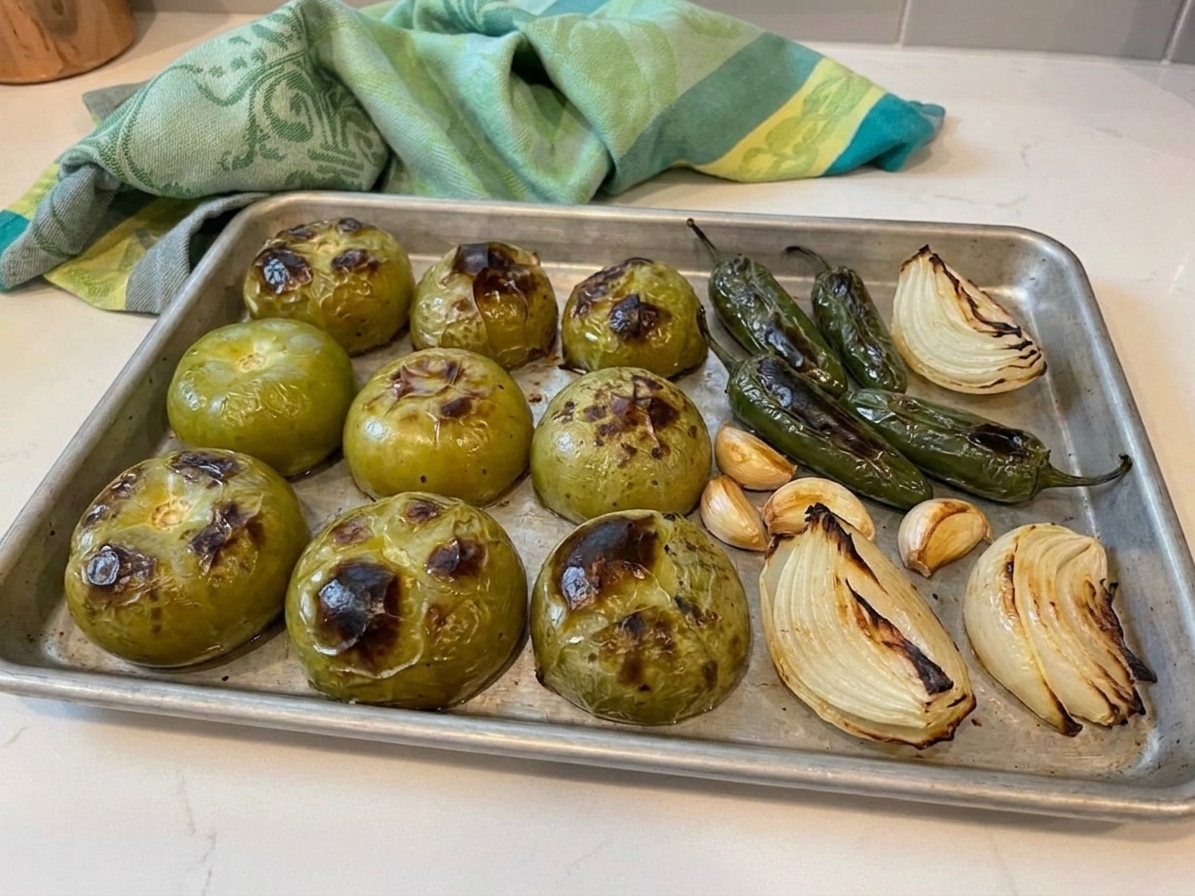
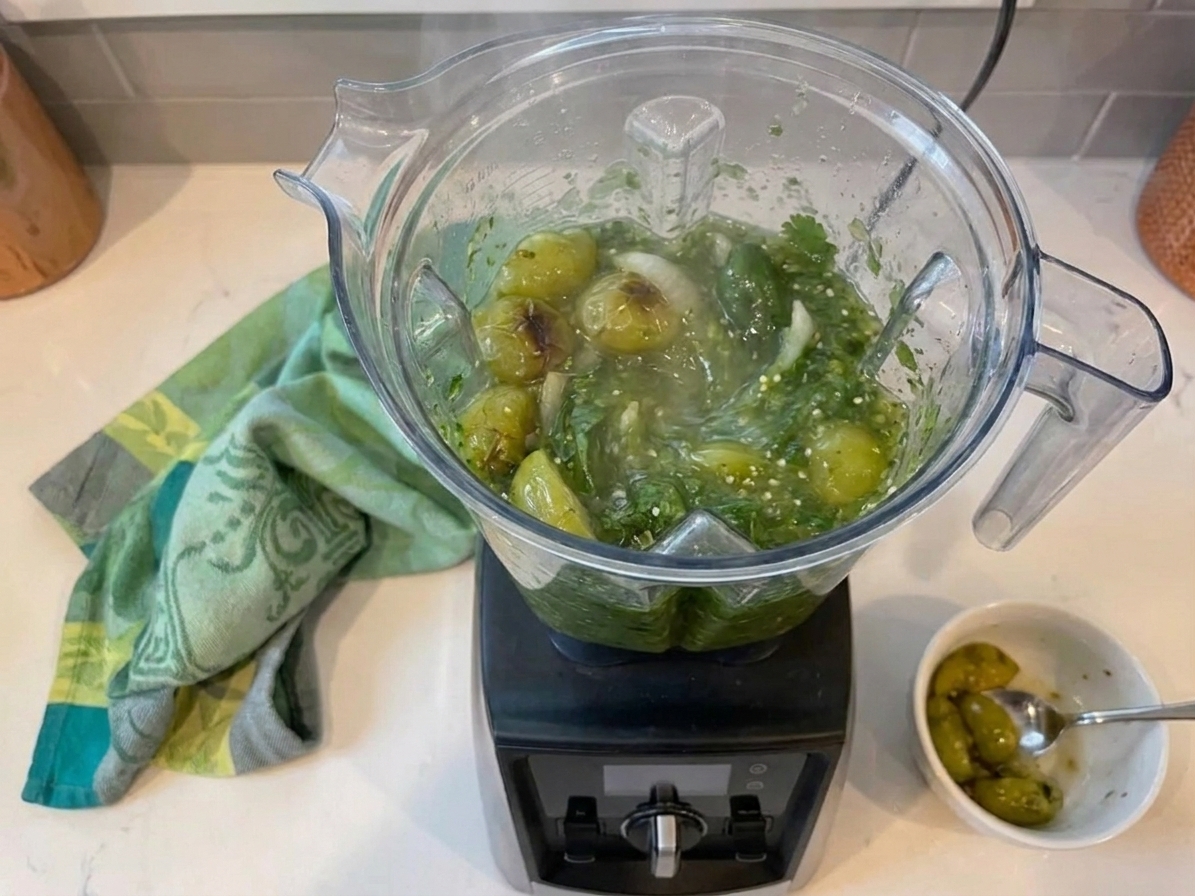
No, but roasting makes a big difference. Raw tomatillo salsa is brighter and more sharp. Roasted salsa is rounder, a little smoky, and more “restaurant” tasting. If you want to skip roasting, use the quick simmer option in the instructions.
How do I make it less spicy?
Use one jalapeño and remove the seeds and ribs. You can also add an extra tomatillo or a little more onion and cilantro to mellow the heat.
How do I make it spicier?
Add a serrano, or blend in a second jalapeño. For heat that builds, keep some seeds. Always taste before you add more, because blended chile heat can sneak up on you.
Why is my salsa verde bitter?
Common culprits are over-blended cilantro stems (a few stems are fine, a whole bundle can taste grassy) or too much char on the garlic. If it tastes bitter, add a little more lime, a pinch of sugar, and another pinch of salt. It usually balances out.
Can I make it without cilantro?
You can. Swap in flat-leaf parsley plus a small handful of baby spinach for color. It will not taste the same, but it will still be a solid salsa verde.