Mom's Best Recipes
Recipe

Salted Caramel Sauce

A silky, buttery salted caramel you can make in about 15 minutes with pantry basics. No thermometer needed, just good timing and a little confidence.

Author By Matt Campbell
4.8
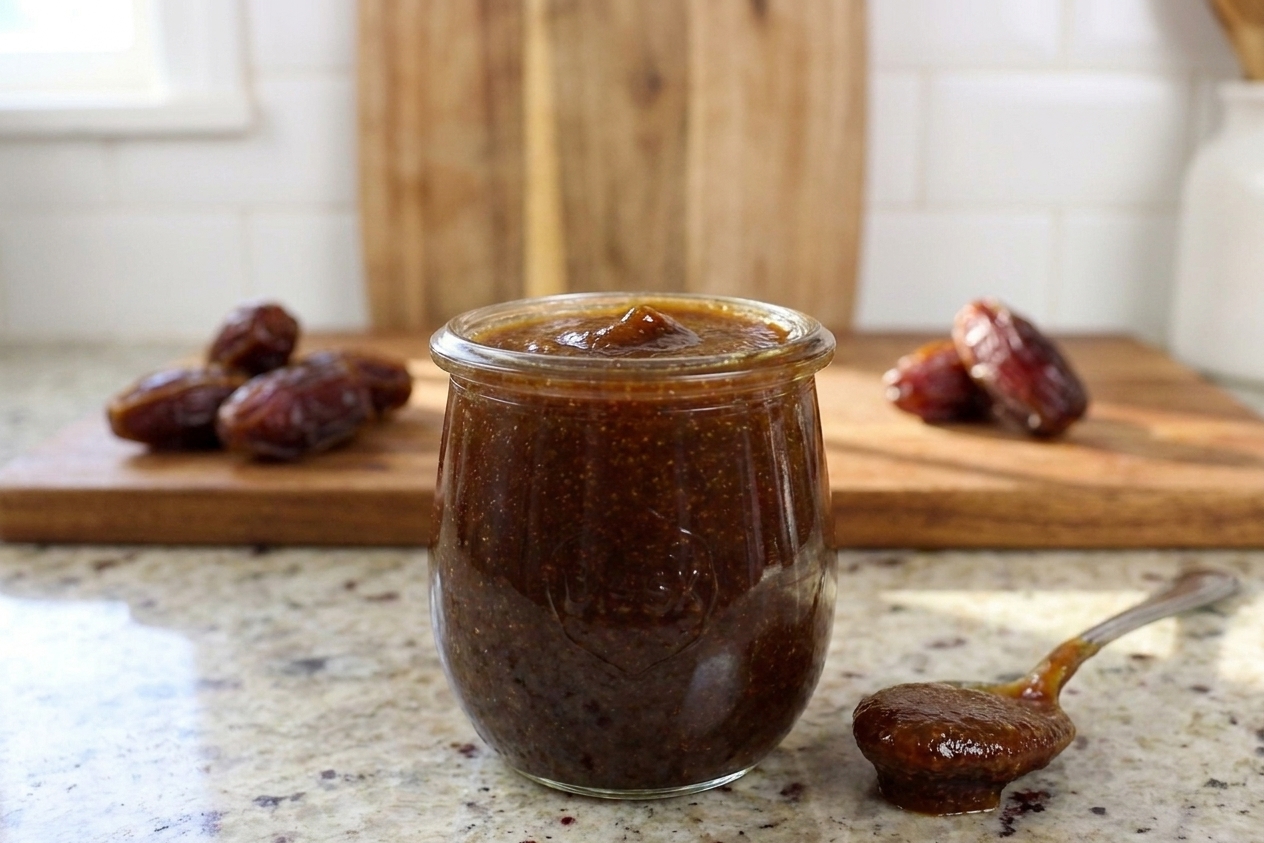
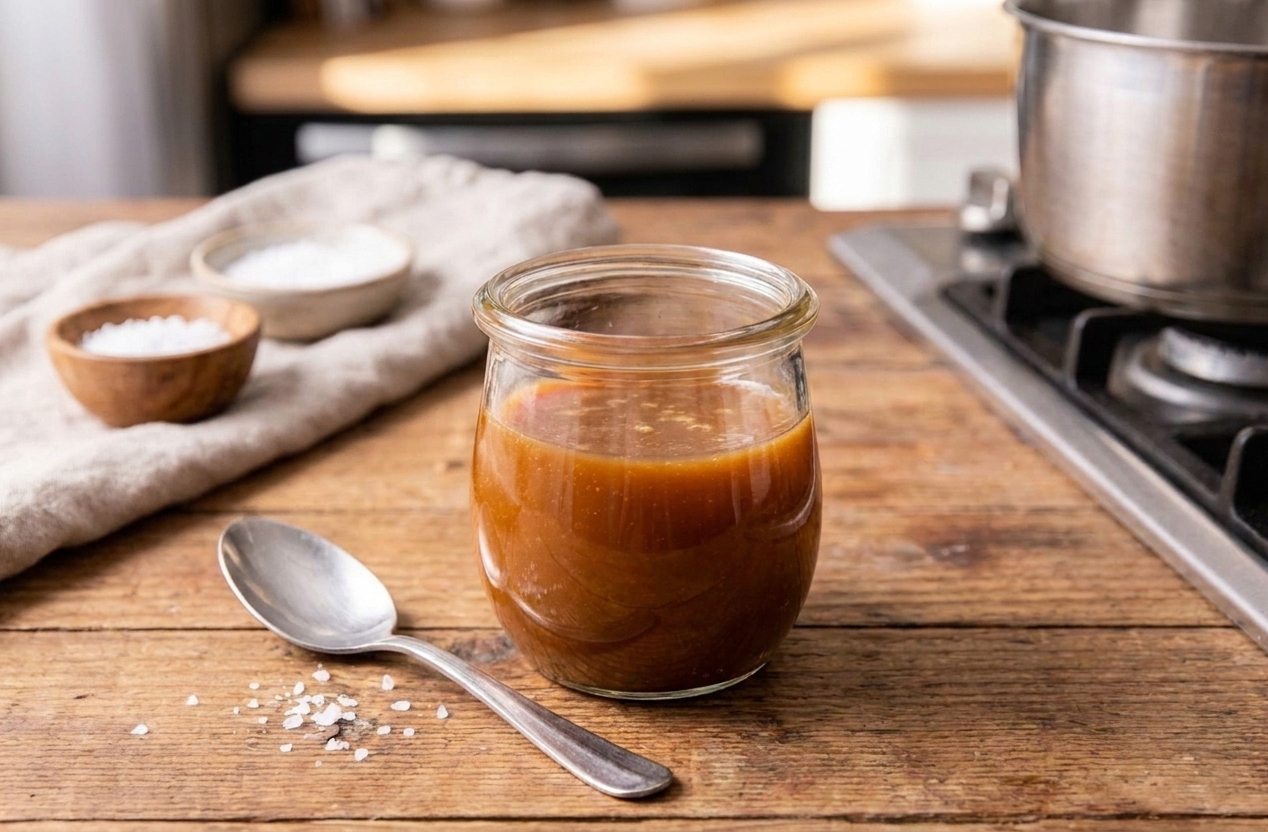
A small glass jar filled with glossy salted caramel sauce on a warm-toned kitchen counter, with a spoon nearby and soft natural light

Salted caramel is one of those kitchen magic tricks that feels fancy, tastes like a warm hug, and still somehow belongs on everything. Ice cream, apple slices, brownies, coffee, your spoon at midnight. I do not judge.

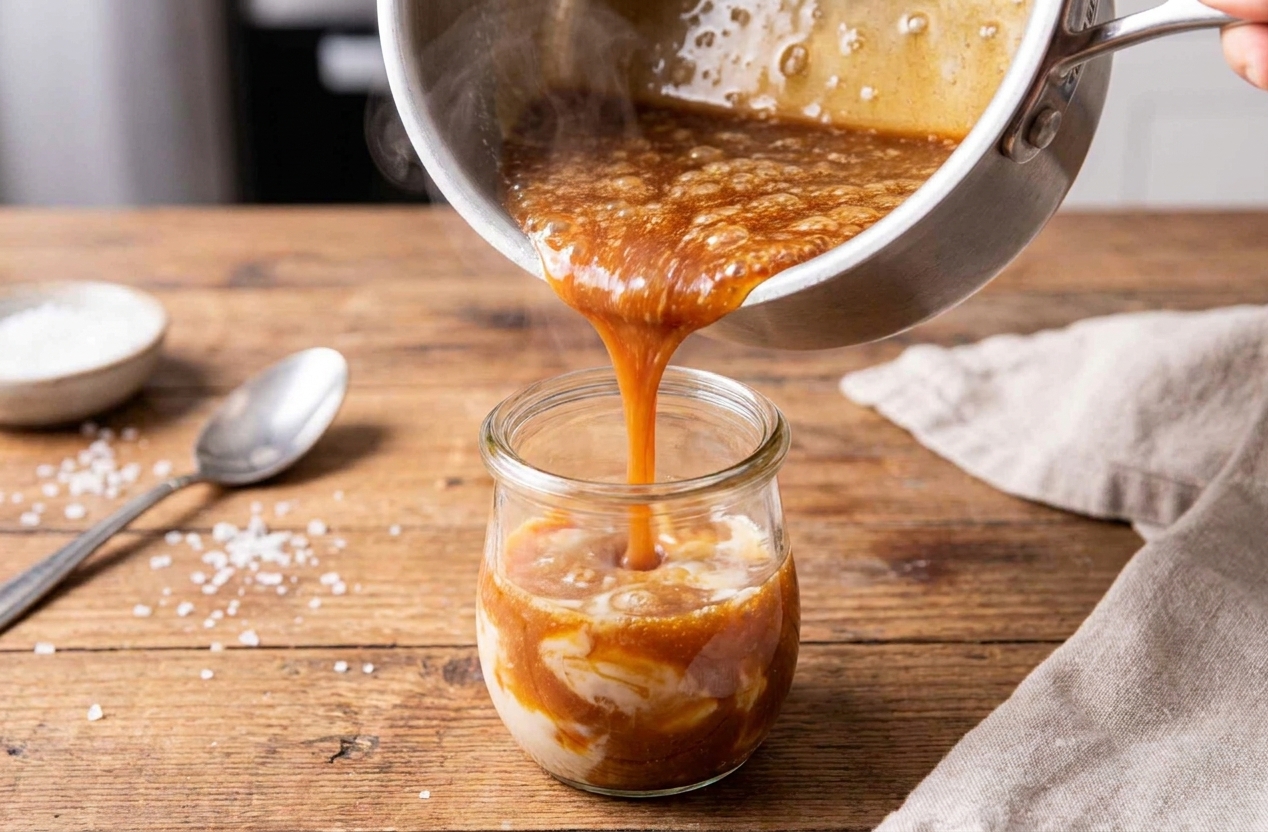
This version is my go-to because it is fast, forgiving, and built for real life. We are using the wet caramel method (sugar plus water) to keep things calm, then finishing with butter, cream, and a bold pinch of flaky salt. The goal is a sauce that is glossy, pourable, and just salty enough to make the sweetness pop.

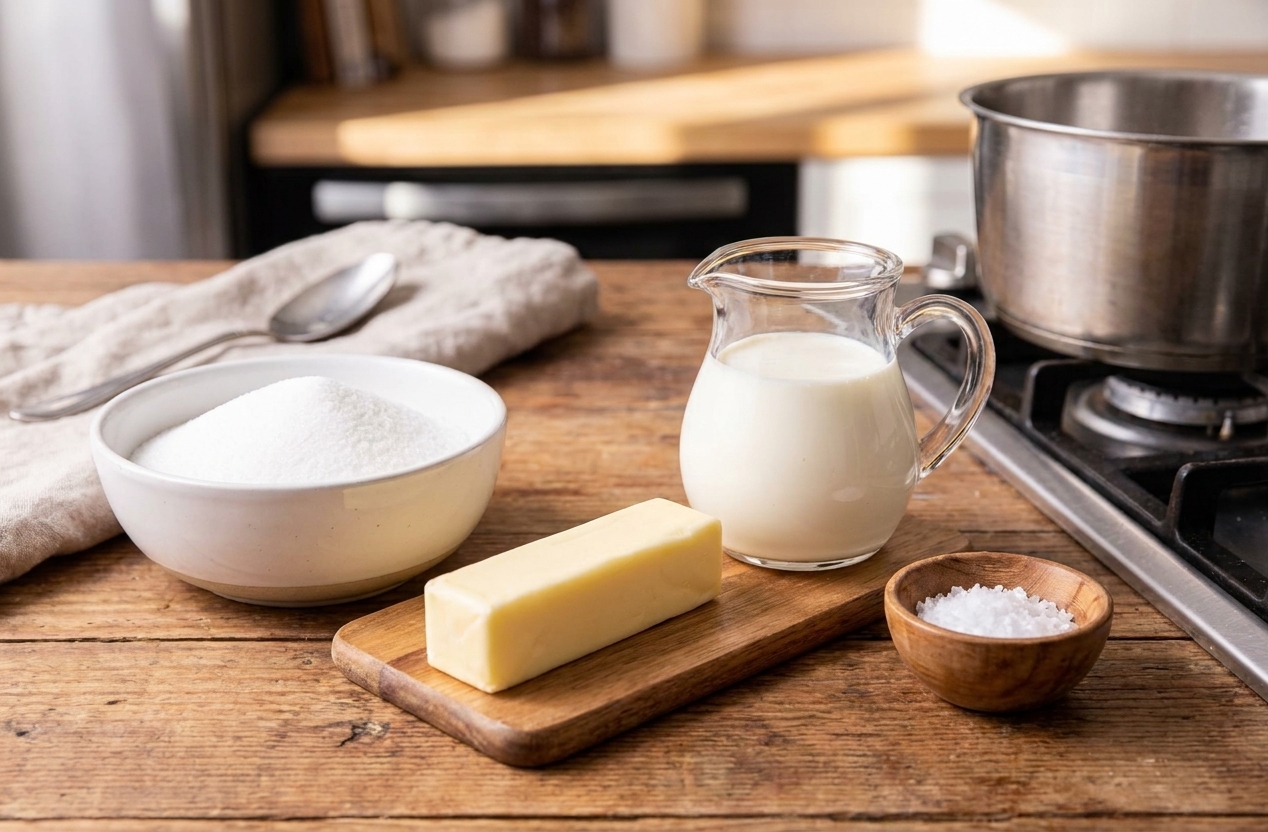
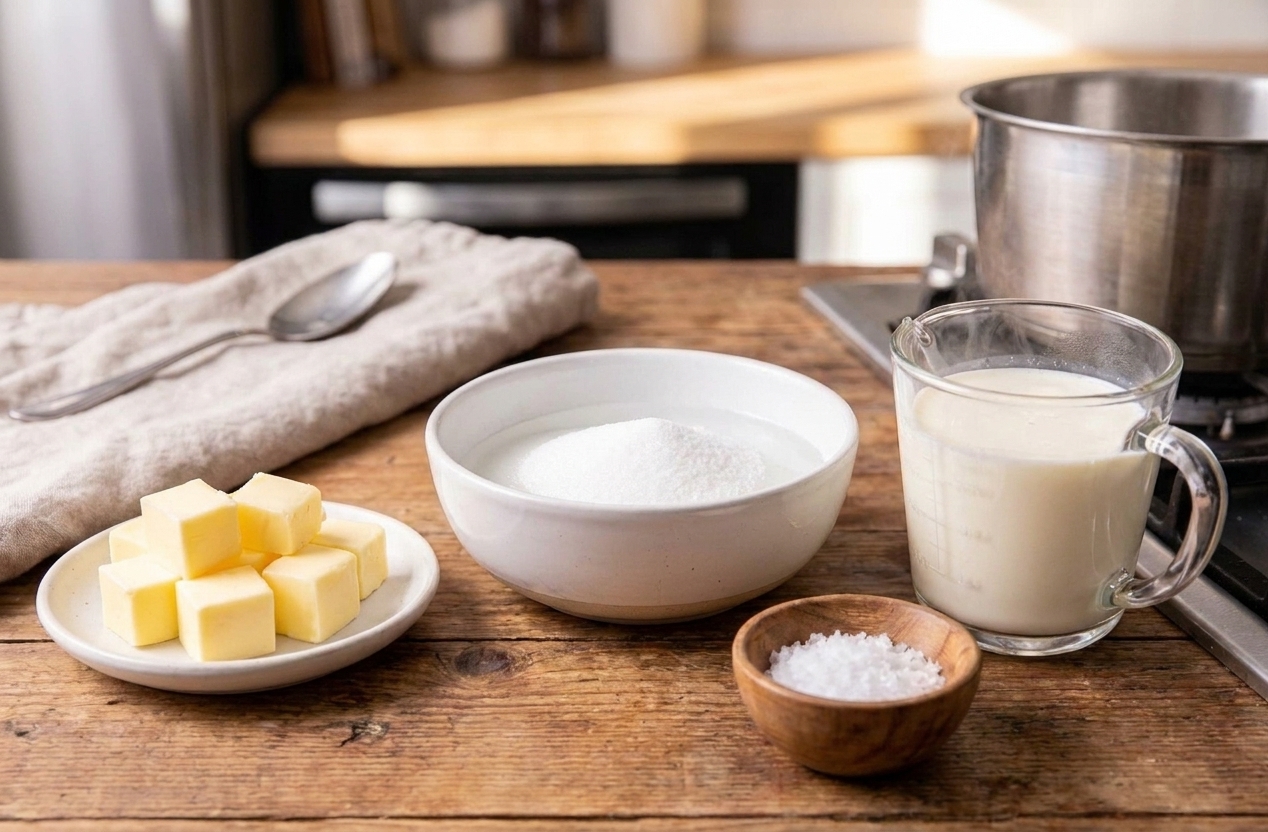
Granulated sugar, unsalted butter, heavy cream, and flaky sea salt measured and arranged on a tidy kitchen counter in consistent warm lighting

Why It Works

  • Big caramel flavor without a thermometer: You are watching color and aroma, not chasing exact degrees.
  • Wet method, less drama: The water helps the sugar melt evenly, lowering the odds of scorching.
  • Silky texture: Warm cream and room-temp butter emulsify into a smooth, spoon-coating sauce.
  • Balanced sweetness: Salt is not an afterthought here. It keeps the caramel from tasting one-note.

Pairs Well With

Storage Tips

Refrigerate: Pour cooled caramel into a clean jar with a lid. Refrigerate up to 2 weeks as a general guideline. If it smells off or you see any mold, toss it.

Reheat: Warm in the microwave in 10 to 15 second bursts, stirring each time, or warm gently in a small saucepan over low heat. If it is thicker than you want, stir in 1 to 2 teaspoons warm cream or water.

Freeze: Freeze in a freezer-safe container up to 3 months. Thaw overnight in the fridge, then rewarm slowly.

Note: Caramel thickens a lot when cold. That is normal. It loosens right back up with gentle heat.

Common Questions

Do I need a candy thermometer?

No. For sauce, you can go by color and smell. When it is a deep amber (think copper penny) and smells toasty, you are there. Pull it early if you are nervous. You can always cook a little darker next time.

Why did my caramel turn grainy?

Usually crystals formed on the side of the pan and got stirred back in. Use a clean, heavy-bottomed saucepan, avoid stirring once it boils, and brush down the sides with a wet pastry brush if you see sugar crystals. A tiny splash of corn syrup (optional) also helps, but you do not need it if you are careful.

My caramel seized when I added cream. Did I ruin it?

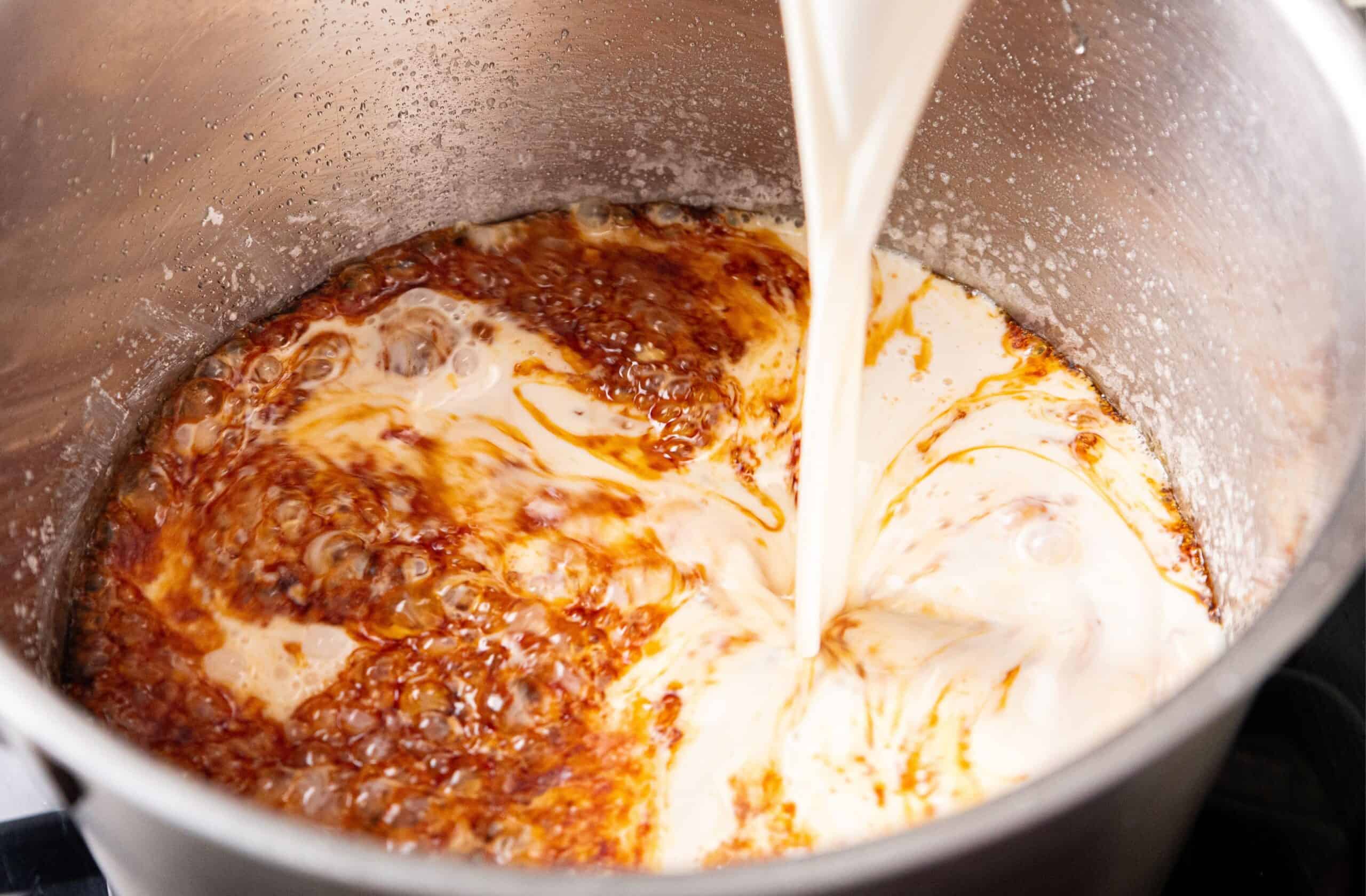
Nope. Seizing is common because the hot sugar hits cooler liquid and tightens up. Keep the heat low and whisk. The caramel will melt back smooth in a minute or two (sometimes a few minutes, depending on your pan and how cool your cream was).

What salt should I use?

I like flaky sea salt for finishing and texture. For the sauce itself, you can use flaky salt or kosher salt. If using fine table salt, start smaller and taste as you go. Salts vary a lot in intensity.

Can I make it dairy-free?

Yes. Swap in vegan butter and full-fat coconut milk (or coconut cream) or a rich oat creamer. It will still be delicious, but thickness and gloss can vary by brand and fat content, so expect a slightly different texture.

I started making caramel because I wanted that restaurant dessert vibe at home without committing to a whole pie situation. The first time I tried it, I hovered over the stove like it owed me money, convinced I would burn it in seconds. Then it clicked: caramel is less about being fearless and more about paying attention. Once you learn what “deep amber” looks like and you keep your cream warm, it goes from intimidating to oddly relaxing. Now I make a batch, stash it in the fridge, and suddenly Tuesday night ice cream feels like a special occasion.