Is sambar the same as dal?
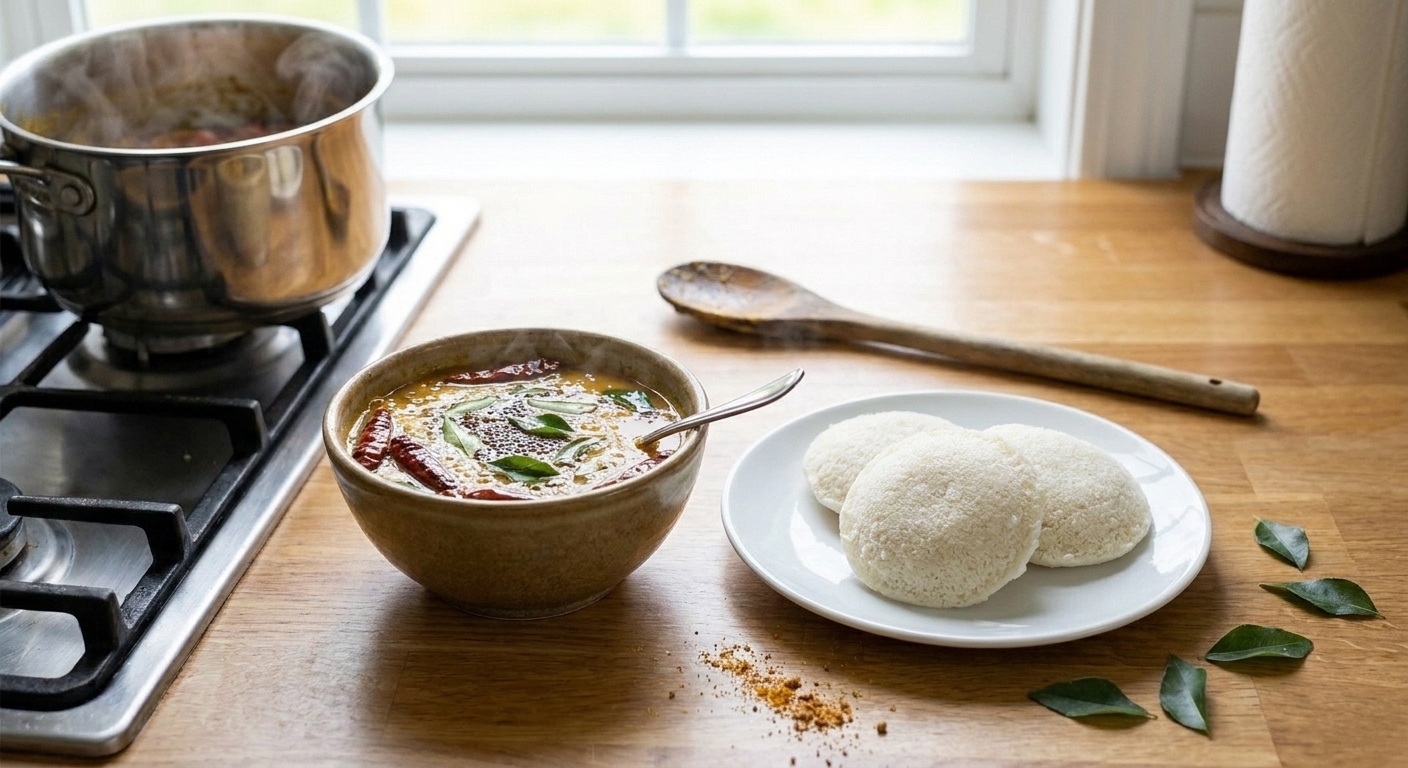
Not quite. Sambar is a lentil stew, but it is defined by tamarind tang, vegetables, and sambar powder plus a tempering. Plain dal is usually simpler and not as sour.
What can I use instead of toor dal?
Toor dal (split pigeon peas) is traditional. In a pinch, use yellow split peas or red lentils. Red lentils cook faster and break down more, so watch the water and expect a smoother texture.
Do I need sambar powder?
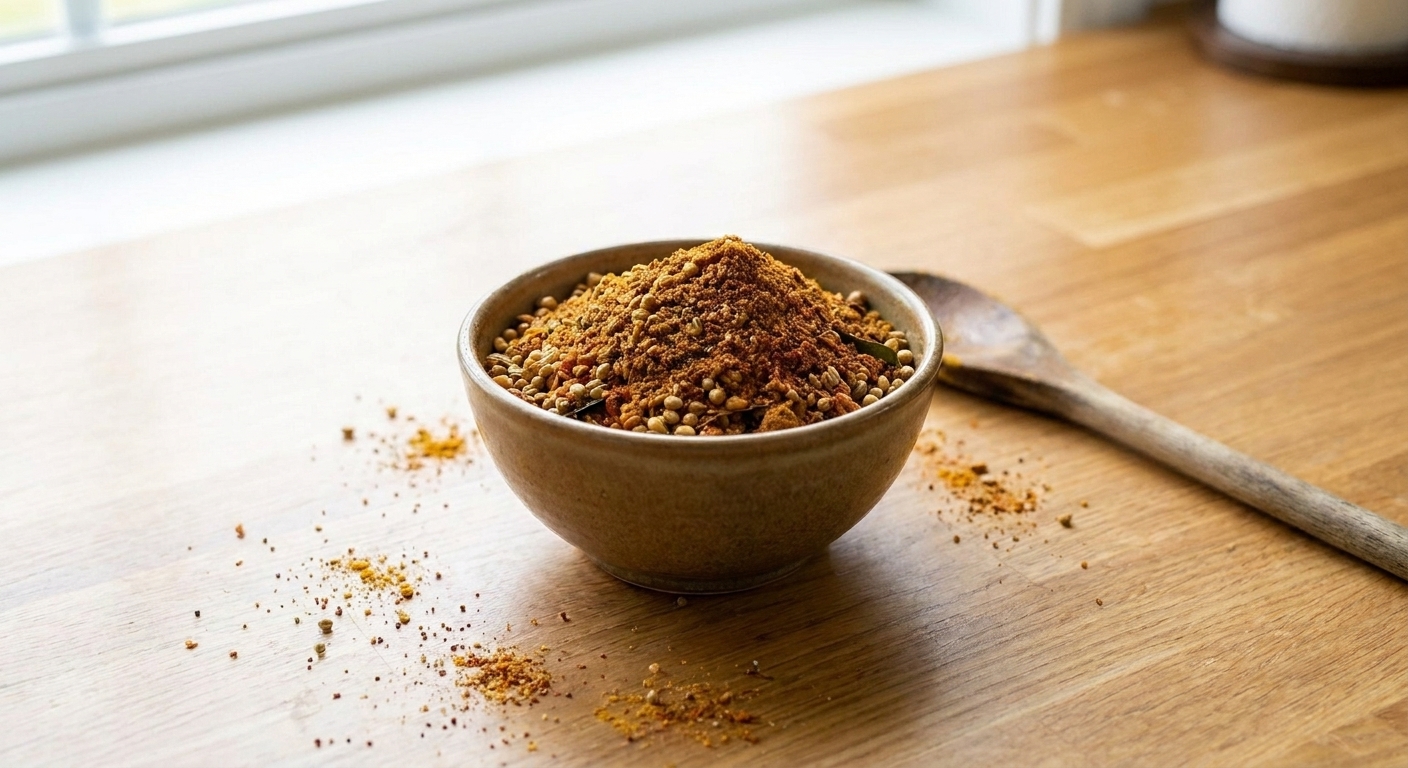
It is the signature flavor, so yes, but it does not have to be store-bought. This recipe includes a quick homemade version using common pantry spices. If you already have sambar powder, use it and skip the homemade powder steps.
Is this homemade spice mix the same as traditional sambar powder?
Not exactly. Traditional sambar powder often includes roasted lentils (usually chana dal and urad dal) and sometimes dried curry leaves, which gives it that deeper, earthier flavor and a little natural body. This weeknight version is a shortcut that still tastes great. If you have real sambar powder, use it and enjoy the extra depth.
How sour should sambar be?
It should be pleasantly tangy, not mouth-puckering. Start with less tamarind and add more at the end. Tamarind products vary a lot, so tasting is the only real rule.
Why does my sambar taste flat?
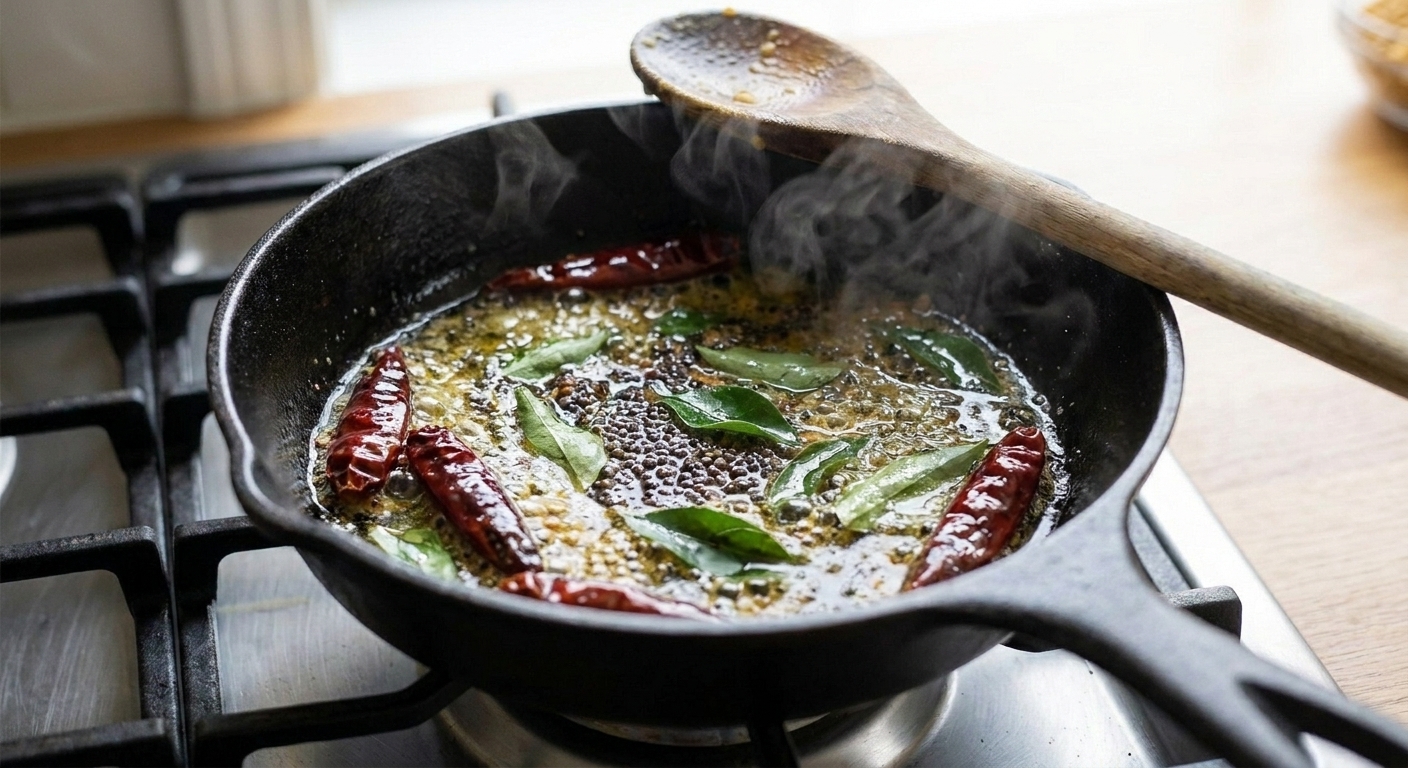
Usually one of these: not enough salt, not enough tamarind, or you skipped the tempering. Add salt first, then a bit more tamarind, then finish with the hot tempering for aroma.
Can I make it in an Instant Pot?
Yes. Cook the dal on high pressure for 10 to 15 minutes, depending on the age of your dal, then natural release 10 minutes. You are aiming for dal that is fully soft and mashable. Simmer vegetables on sauté mode until tender, then add tamarind and finish with tempering.