Mom's Best Recipes
Recipe

Sautéed Asparagus

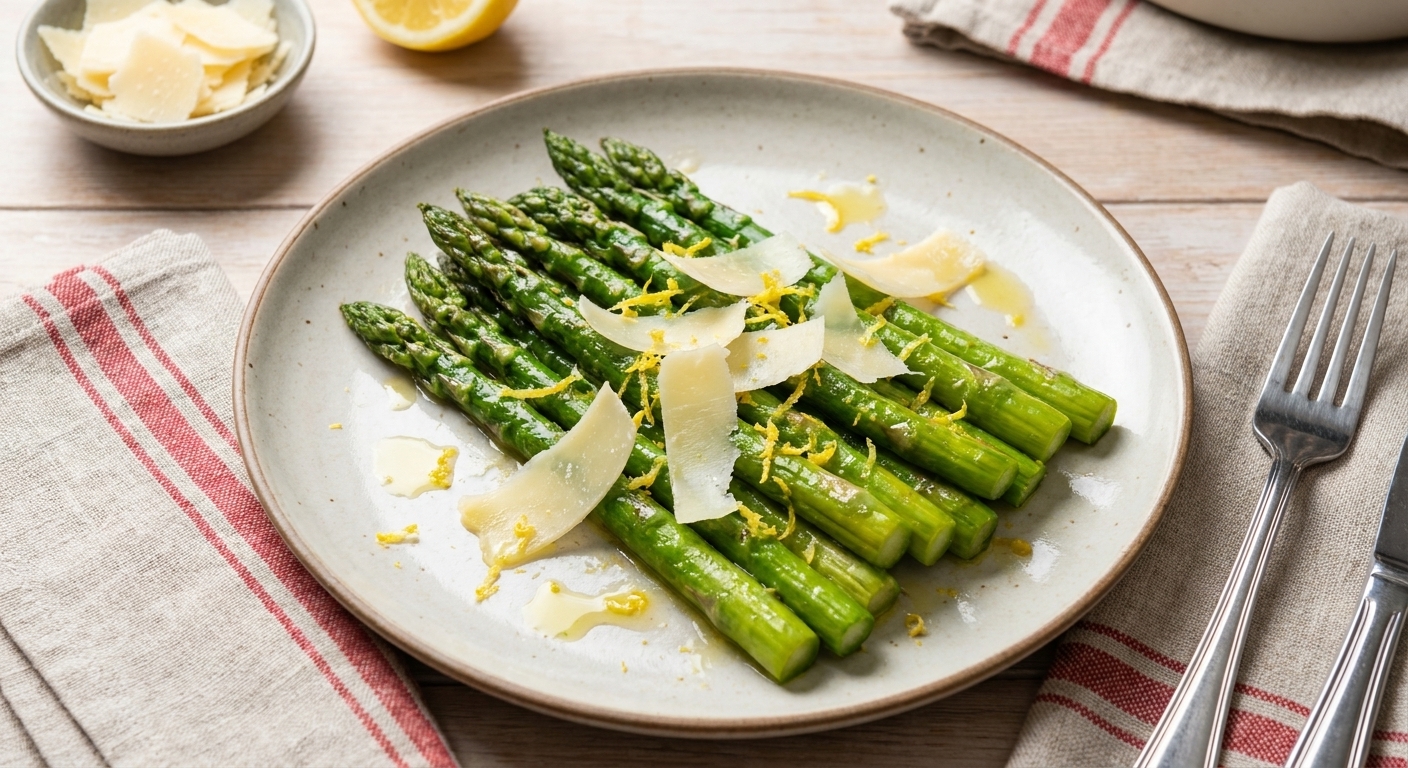
Crisp-tender spears with garlicky butter, lemon, and a little crunch on the edges.

Author By Matt Campbell
4.8
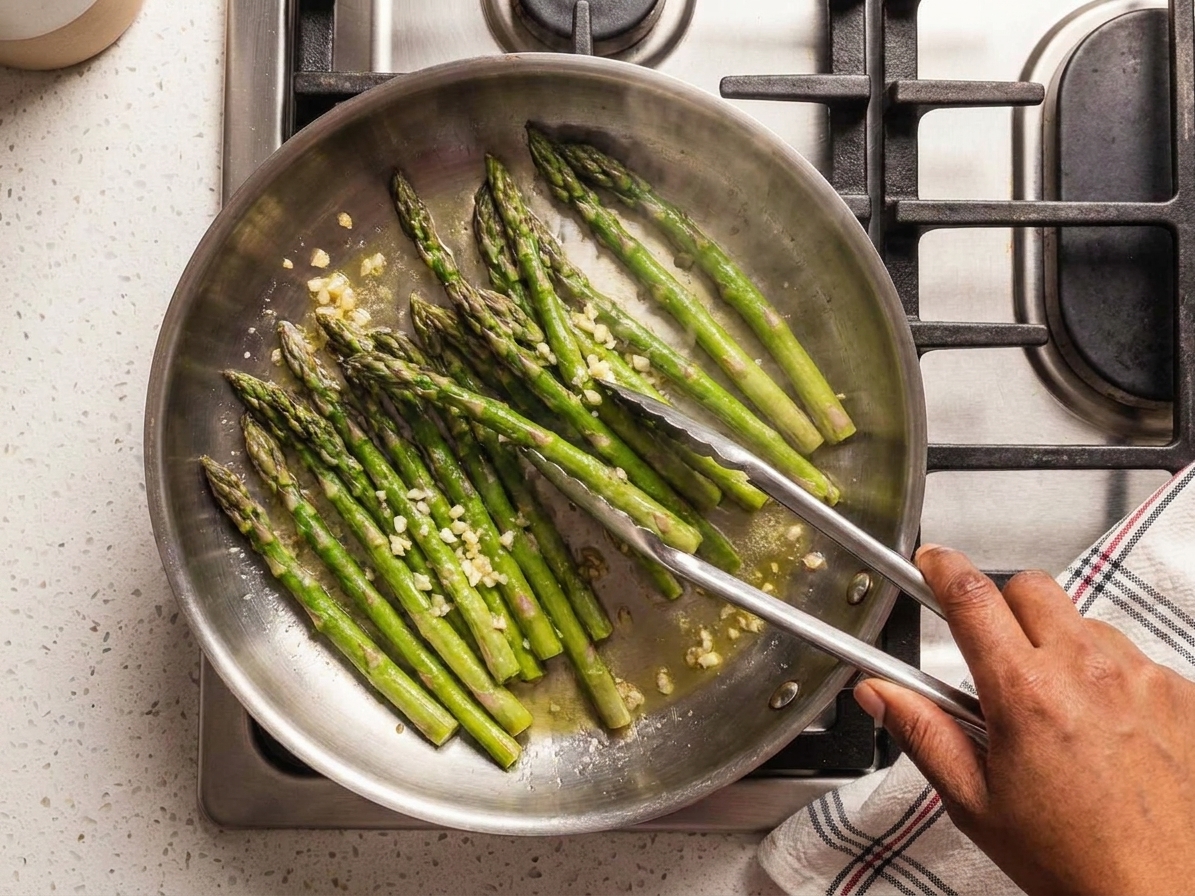
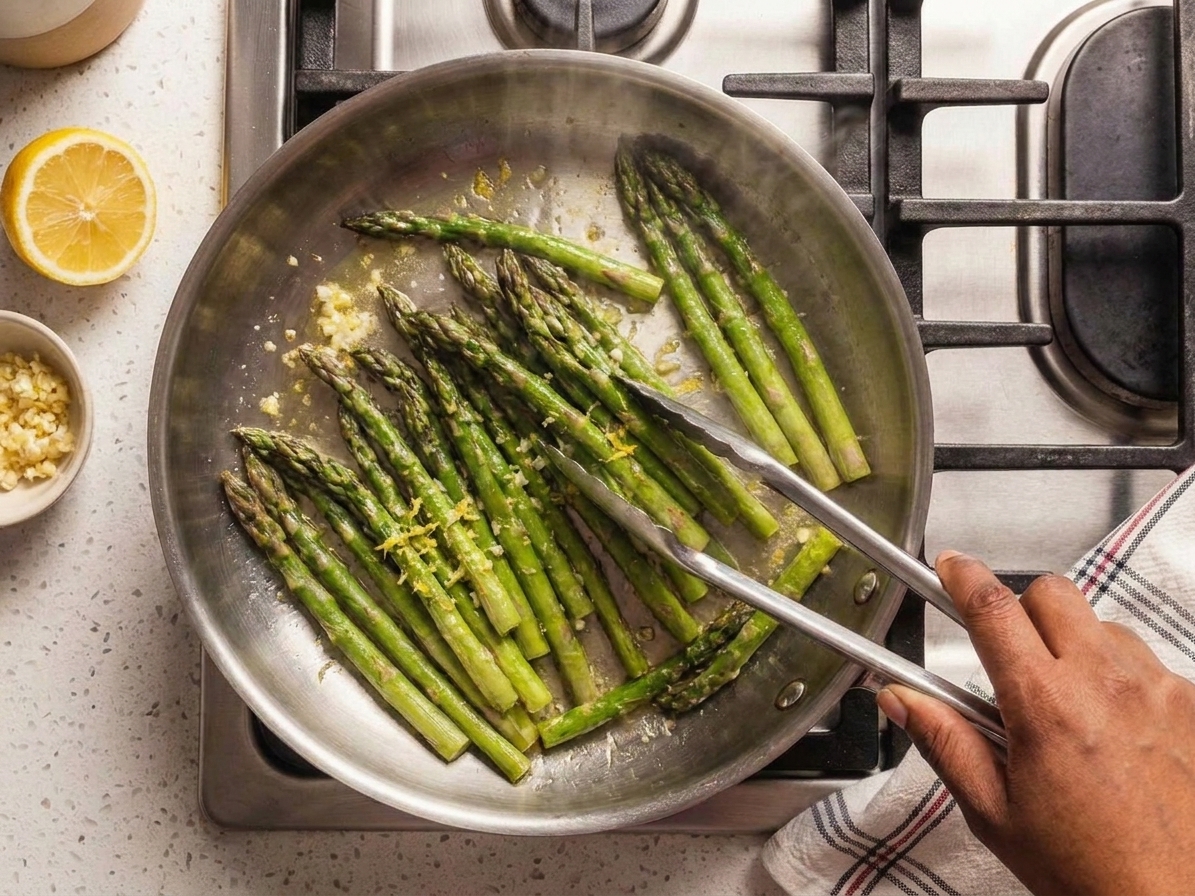
A skillet of sautéed asparagus spears glistening with garlic butter and lemon, lightly browned edges, on a stovetop in a warm home kitchen

Sautéed asparagus is my go-to when I want a side dish that feels a little fancy but takes basically no effort. It is green, snappy, and it plays well with everything from a rotisserie chicken to a big bowl of pasta.

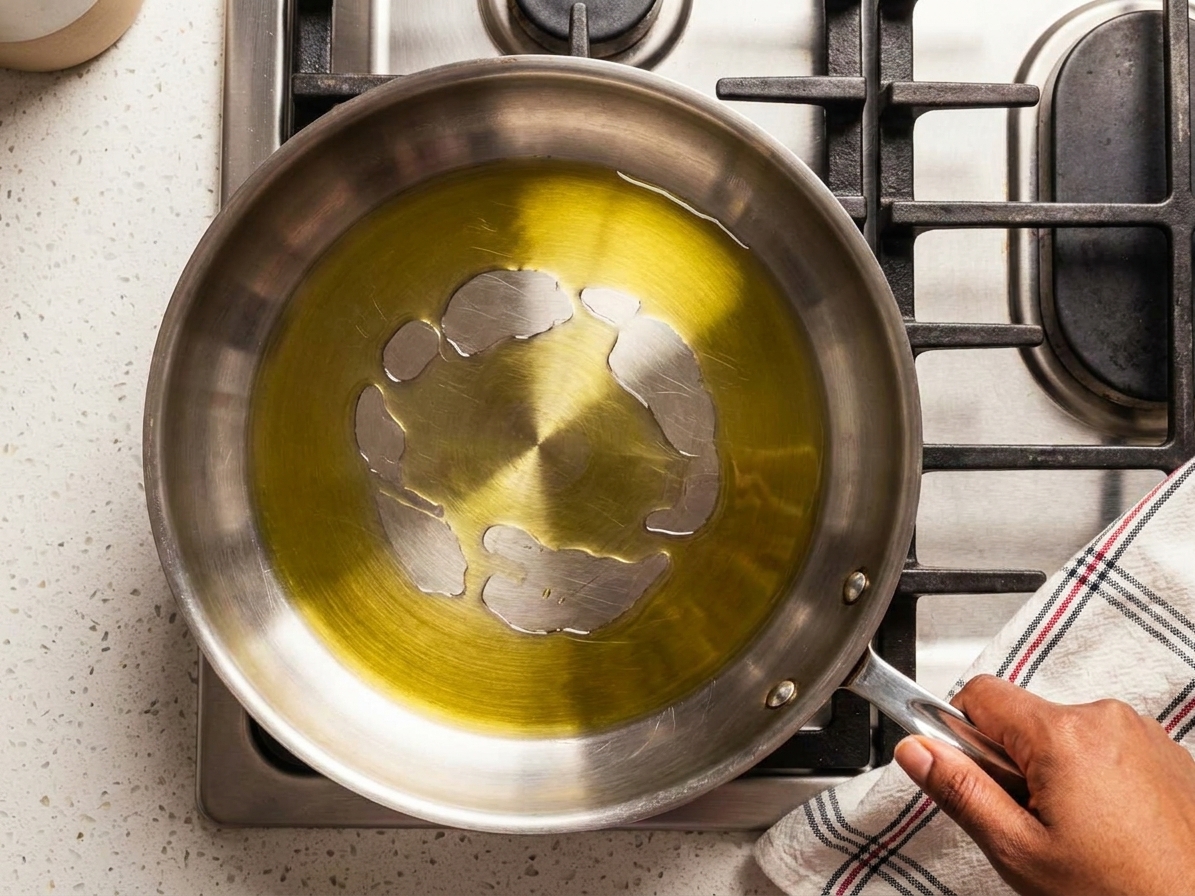
The move here is simple: hot pan, dry asparagus, a little oil for crisp edges, then we finish with butter, garlic, and lemon so it tastes bright instead of flat. If your asparagus has ever turned out squeaky, stringy, or weirdly soggy, do not worry. We are fixing that with timing and one tiny trick: do not overcrowd the pan.
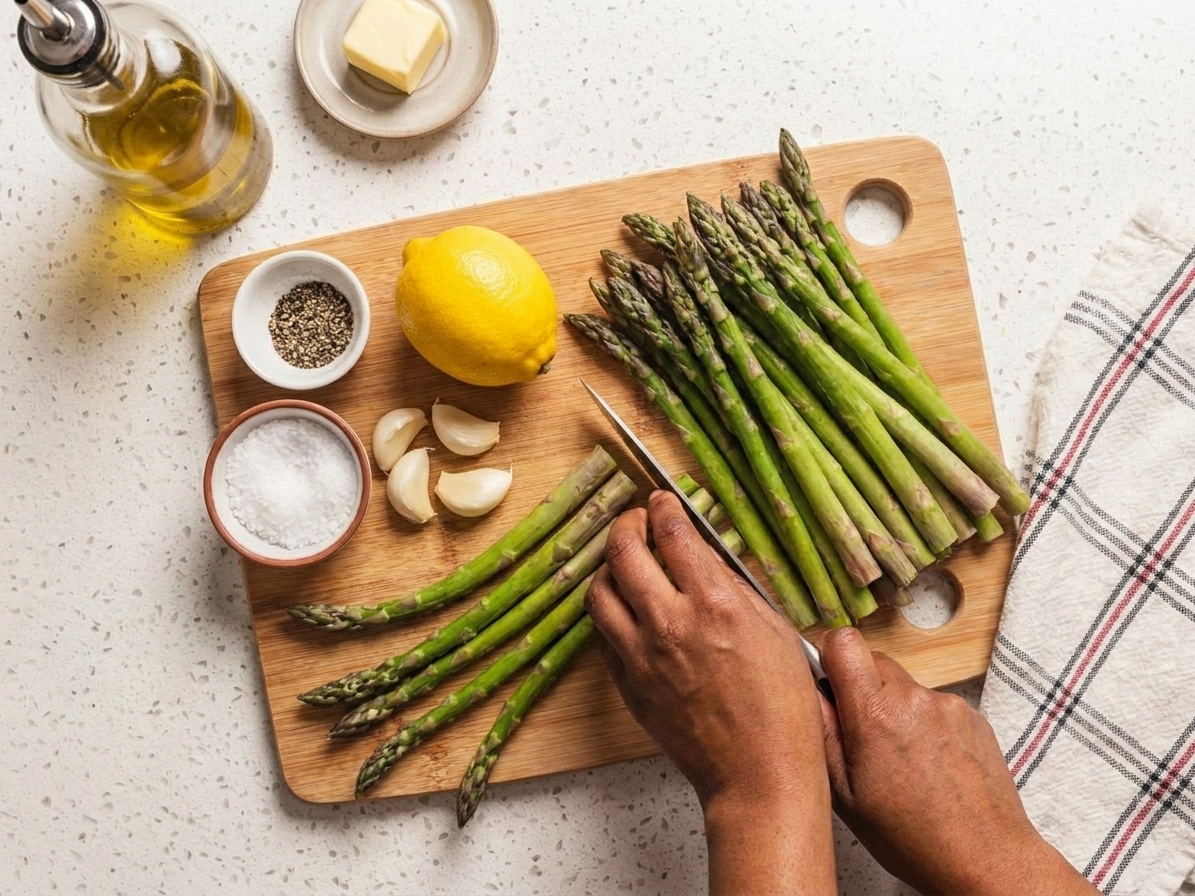
Fresh asparagus, a lemon, garlic cloves, kosher salt, black pepper, olive oil, and butter arranged on a light kitchen counter

Why It Works

  • Crisp-tender texture by sautéing over medium-high heat and cooking in a single layer.
  • Bright flavor from finishing with lemon zest and juice right at the end.
  • Garlic that tastes sweet, not burnt by adding it after the asparagus has already started to brown.
  • Flexible enough for any meal: keep it simple or add parmesan or pecorino, chili flakes, or toasted nuts.

Pairs Well With

Storage Tips

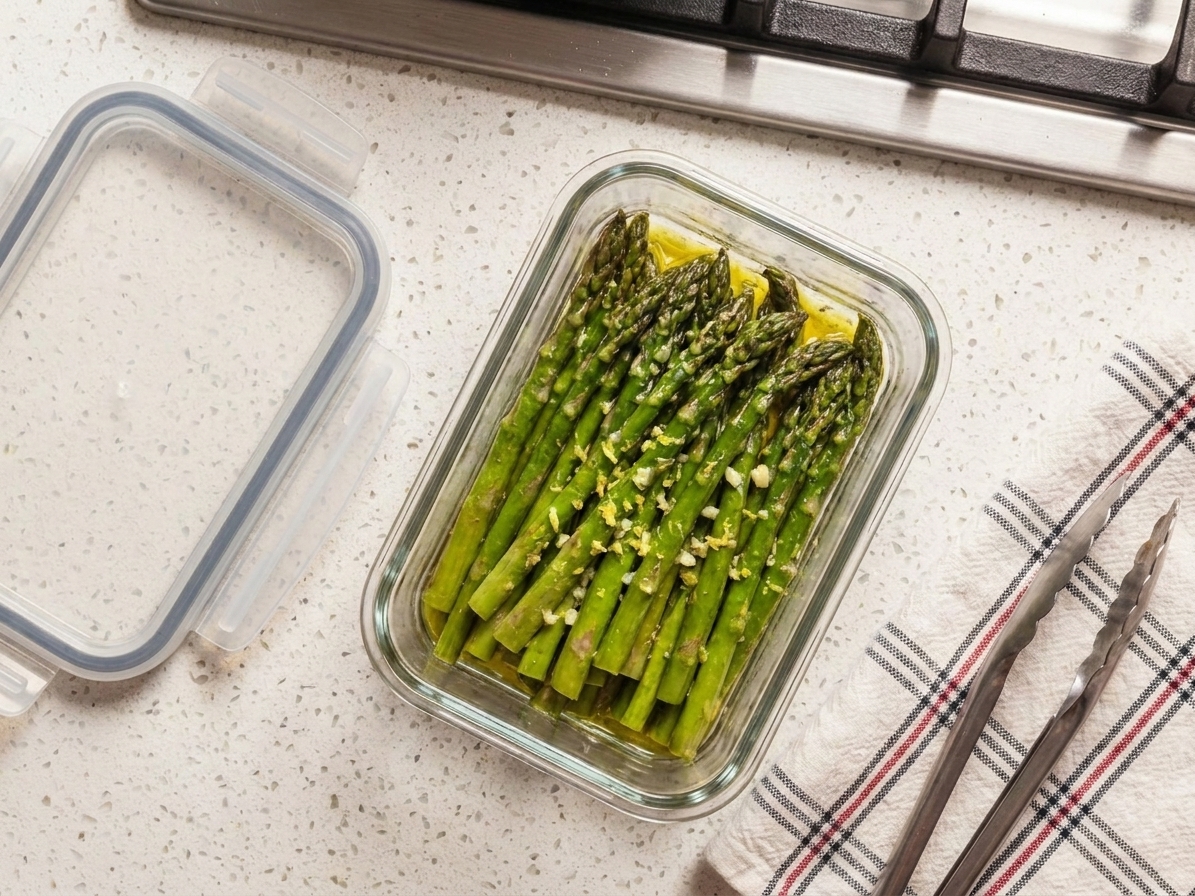
Refrigerate: Cool leftovers, then store in an airtight container. It is best within 3 days, but it can keep up to 5 days if it still smells and looks fresh.

Reheat (best): Toss in a skillet over medium heat for 2 to 4 minutes until warmed through. Add a small splash of water if it looks dry.

Microwave (fast): Heat in 20 to 30 second bursts. It will soften more, but it is still tasty.

Use leftovers: Chop and fold into scrambled eggs, add to pasta with olive oil and parmesan or pecorino, or pile onto toast with ricotta and lemon.

Cooked sautéed asparagus cooling in a glass meal prep container with the lid nearby on a kitchen counter

Common Questions

How do I trim asparagus the right way?

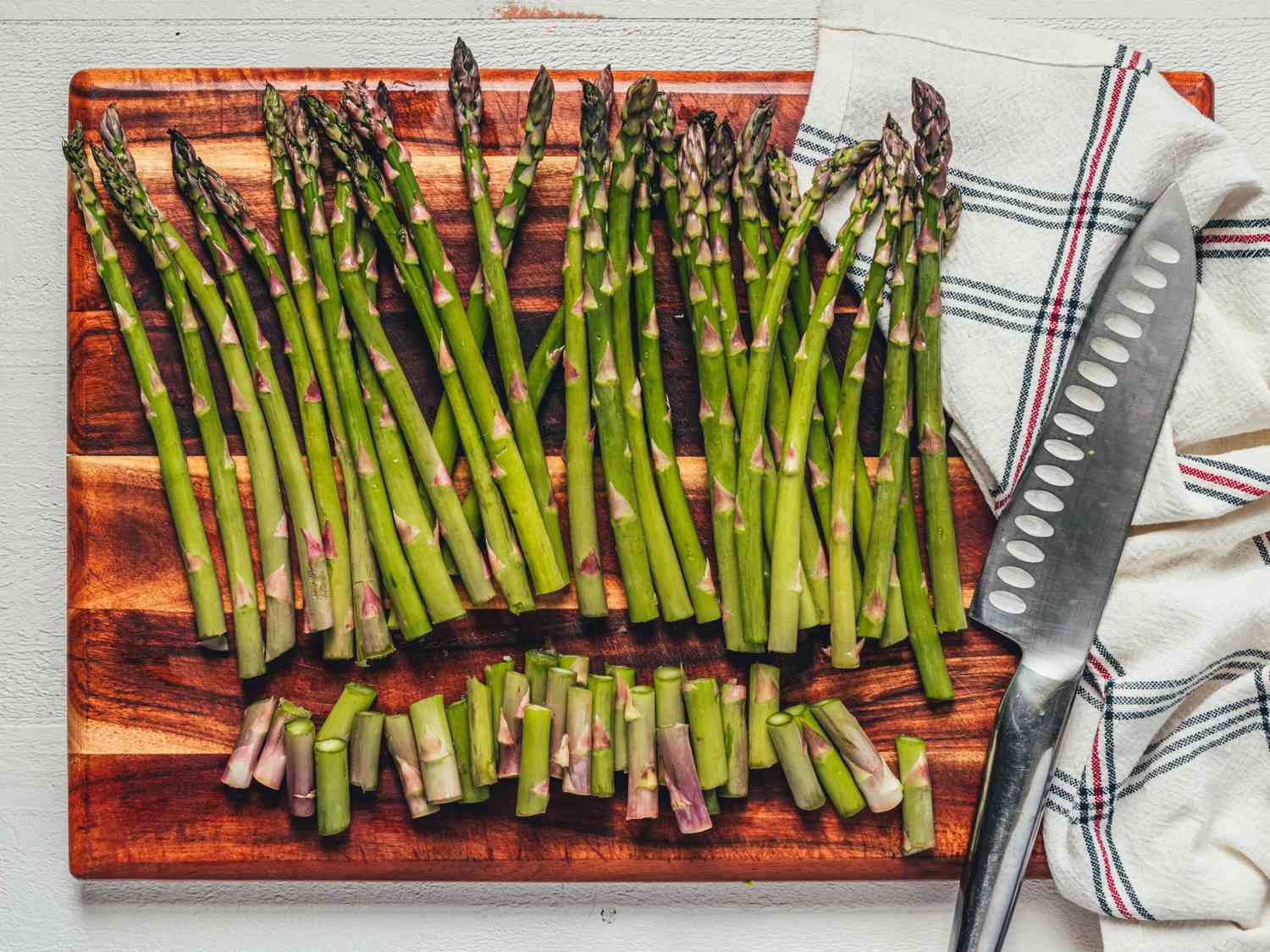
You can go two ways. The fast way is to bend one spear near the bottom. It will usually snap where the woody part starts. Use that as a guide, then line the rest up and cut the bunch at the same spot.

Quick caveat: sometimes the “snap point” is a little dramatic and breaks higher than necessary. If it looks like you lost a lot of good stalk, just shift your cut a bit lower next time.

Should I peel asparagus?

Usually no. If you have very thick spears, you can peel the lower third with a vegetable peeler so the bottoms cook as tender as the tips.

Why is my sautéed asparagus soggy?

The pan was not hot enough or it was crowded. Asparagus gives off moisture. If the spears are piled up, they steam instead of sauté. Use a large skillet and cook in batches if needed.

How do I know when it is done?

Look for bright green color and a fork-tender base with a little resistance. Most medium spears take 5 to 7 minutes. Thin spears are faster. Thick spears can take 8 to 10 minutes.

Can I make this dairy-free?

Yes. Skip the butter and finish with extra olive oil, lemon, and a pinch of flaky salt. It still hits.

I learned to love asparagus the moment I stopped treating it like a polite vegetable side that should behave. In my kitchen, it is allowed to get a little color. It is allowed to sizzle. It is allowed to taste like something. The first time I nailed that crisp edge plus lemony finish, I started making it on autopilot. Weeknight chicken, pasta night, random Tuesday salmon, it always works and it always makes me look more put together than I am.