Mom's Best Recipes
Recipe

Sautéed Cabbage

Buttery, garlicky skillet cabbage with crisp edges and a tangy finish. A fast, cozy side that goes with everything.

Author By Matt Campbell
4.8
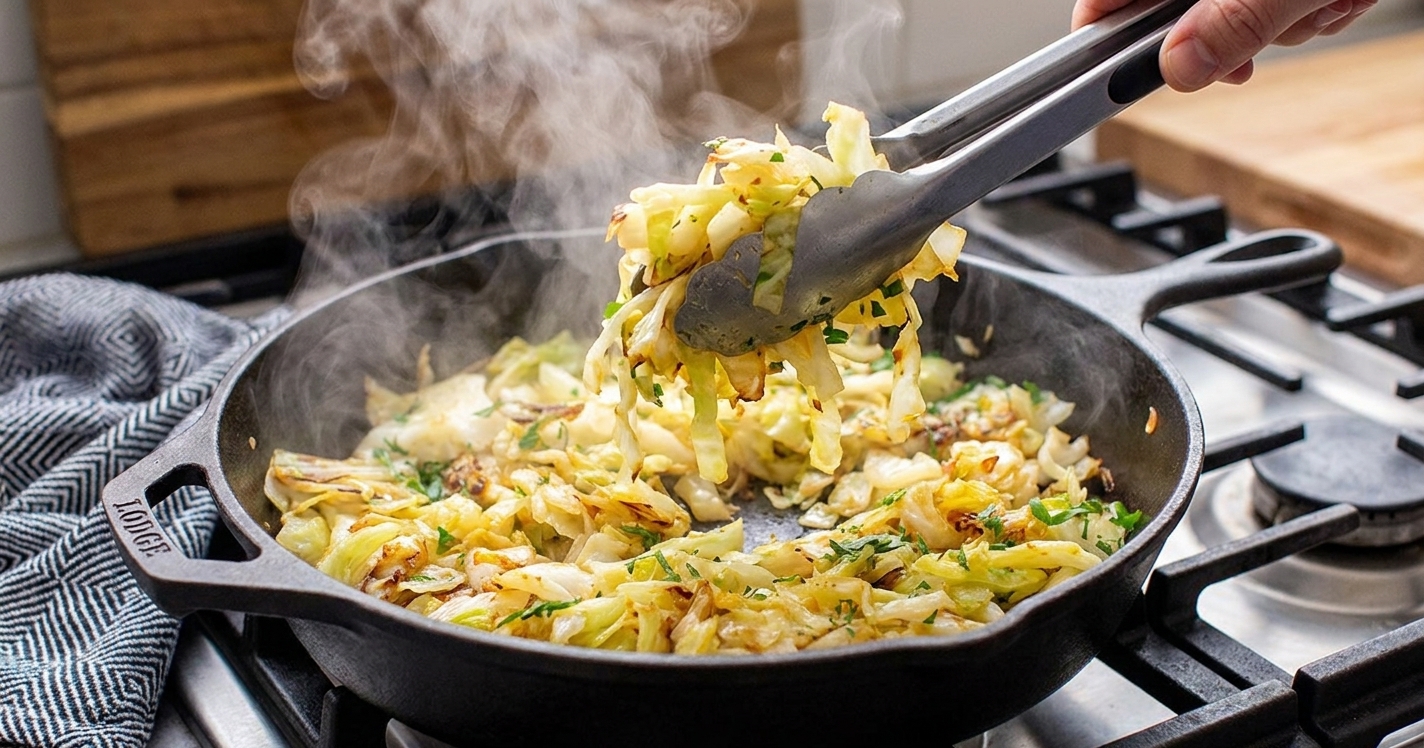
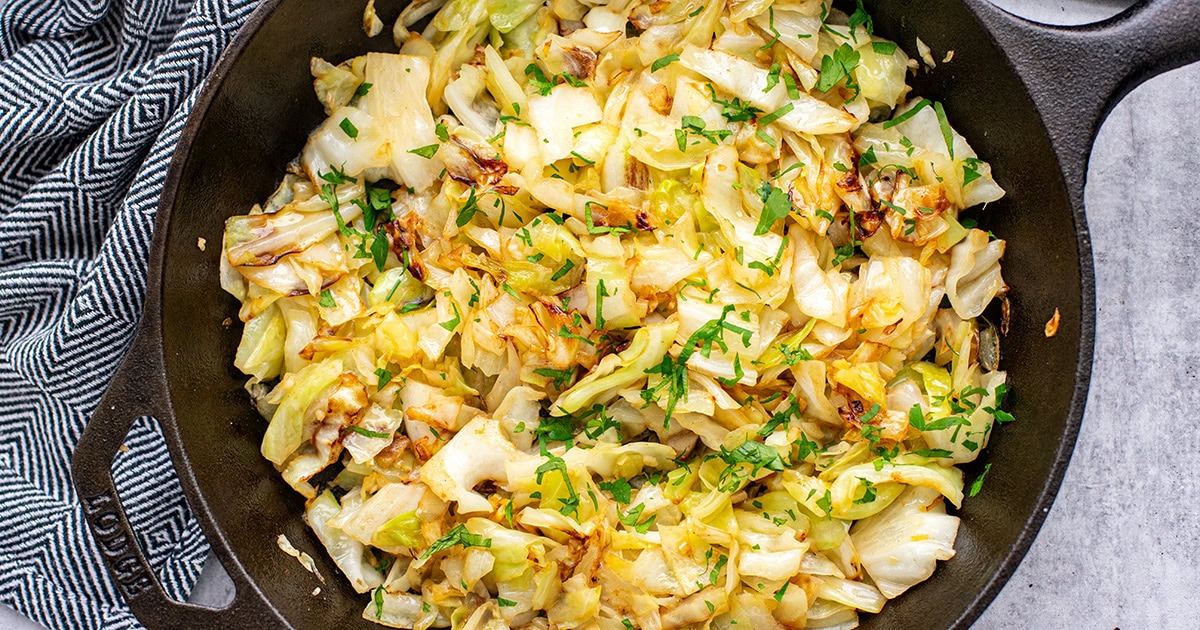
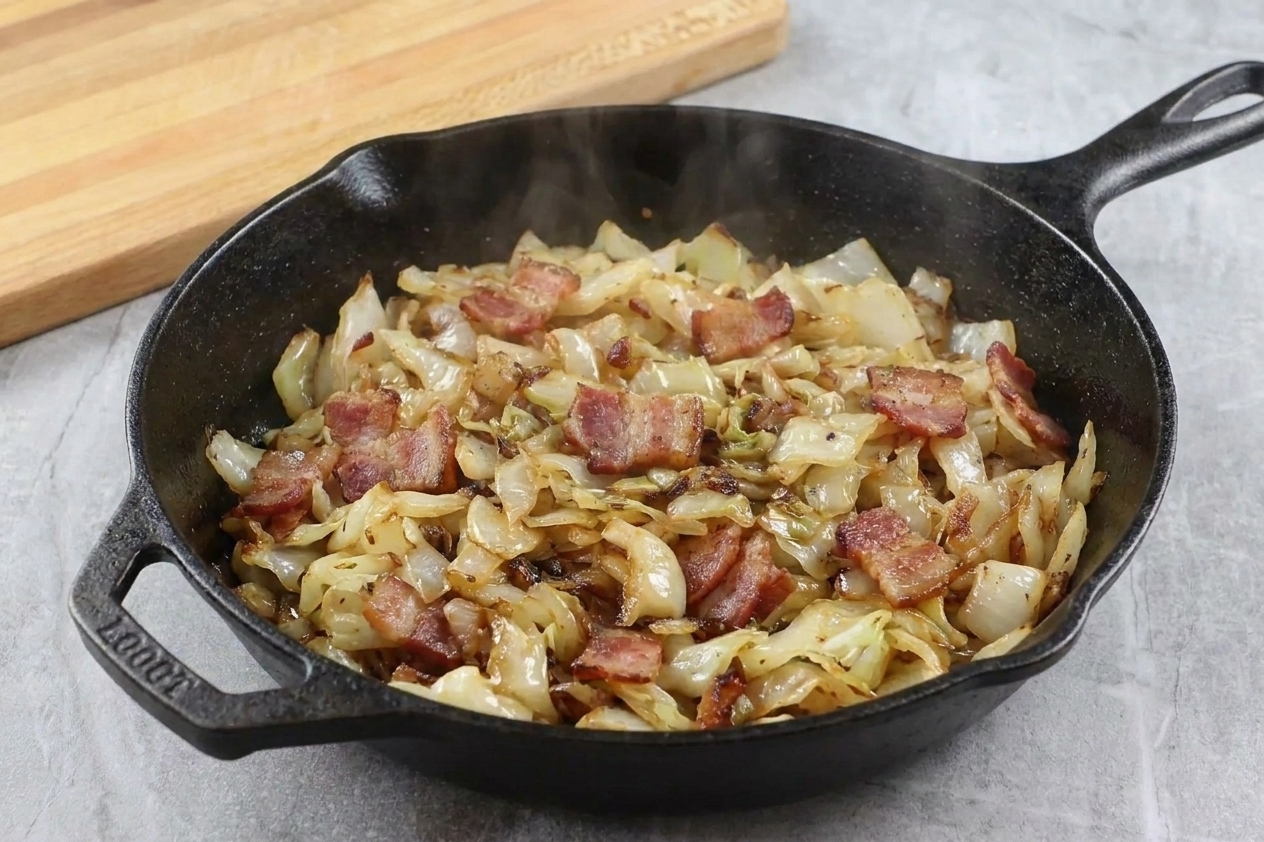
A cast iron skillet filled with sautéed green cabbage with browned edges and visible bits of garlic, resting on a warm-toned kitchen counter

Sautéed cabbage is one of those deceptively simple dishes that can taste either like cafeteria sadness or like something you want to eat straight out of the pan with a fork. We are obviously aiming for option two.

The move is high heat, enough fat to help browning, and giving the cabbage space so it actually sautés instead of steaming. Then, right at the end, we wake everything up with a quick hit of acid. It turns sweet, a little jammy in spots, crisp on the edges, and wildly useful as a side, taco filler, bowl base, or “I need vegetables but I also need comfort” situation.
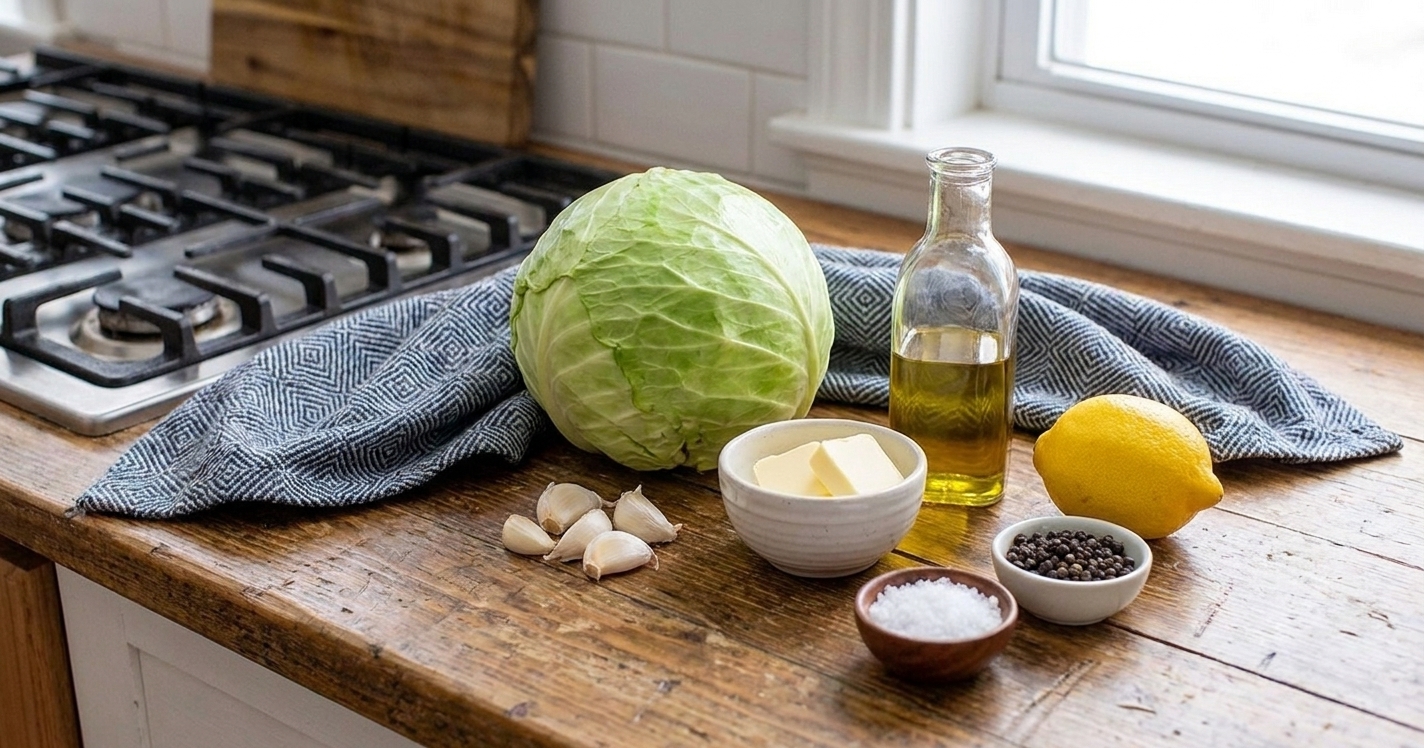
A head of green cabbage, garlic cloves, a small bowl of butter, olive oil, salt, pepper, and a lemon on a clean kitchen counter in soft natural light

Why It Works

  • Browning beats boiling. Cooking in a wide skillet over medium-high heat gives you those toasty edges that taste nutty and sweet.
  • Two-stage fat is the secret. Oil handles the higher heat, butter finishes for flavor without burning early.
  • Acid at the end. A splash of apple cider vinegar or lemon keeps the cabbage from tasting flat and brings the whole pan into focus.
  • Flexible seasoning. Keep it classic with garlic and pepper, or take it smoky, spicy, or herby with tiny tweaks.

Pairs Well With

Storage Tips

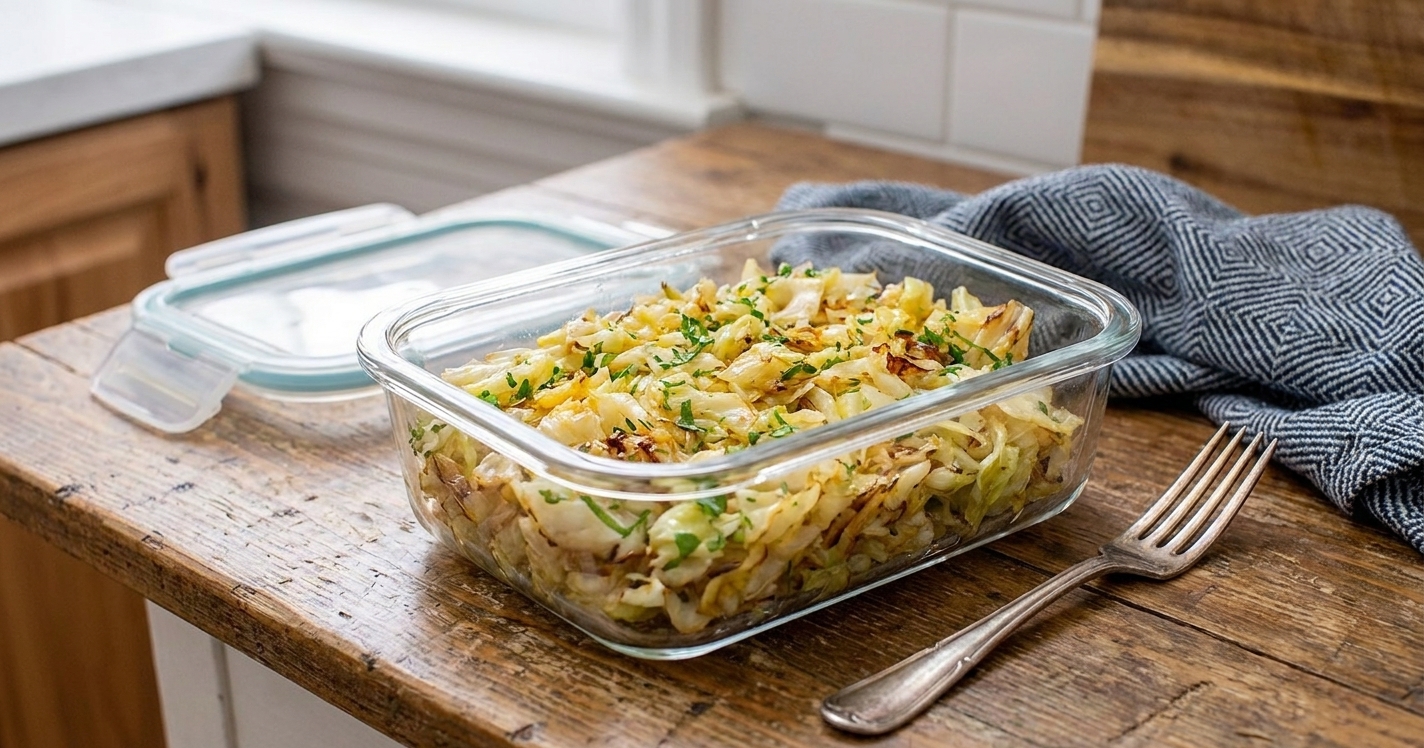
Refrigerate: Store in an airtight container for 3 to 4 days (sooner is better if it was left out a while before chilling).

Reheat: Best in a skillet over medium heat with a small splash of water or broth to loosen, then let it re-crisp. Microwave works, but you will lose some edge crispness.

Freeze: Freeze up to 2 to 3 months for best quality. The texture will soften after thawing. I like frozen leftovers stirred into soups, fried rice, or ramen where soft is totally fine.

A glass meal prep container filled with leftover sautéed cabbage on a kitchen counter beside a lid and fork

Common Questions

How do I keep sautéed cabbage from getting soggy?

Use a large skillet, cook over medium-high heat, and do not crowd the pan. If the cabbage is piled too high, it steams. If it starts out heaped, let it wilt for a couple minutes first, then spread it out. Also, wait to salt until it has started to brown because salt pulls out water.

Do I need to wash cabbage before cooking?

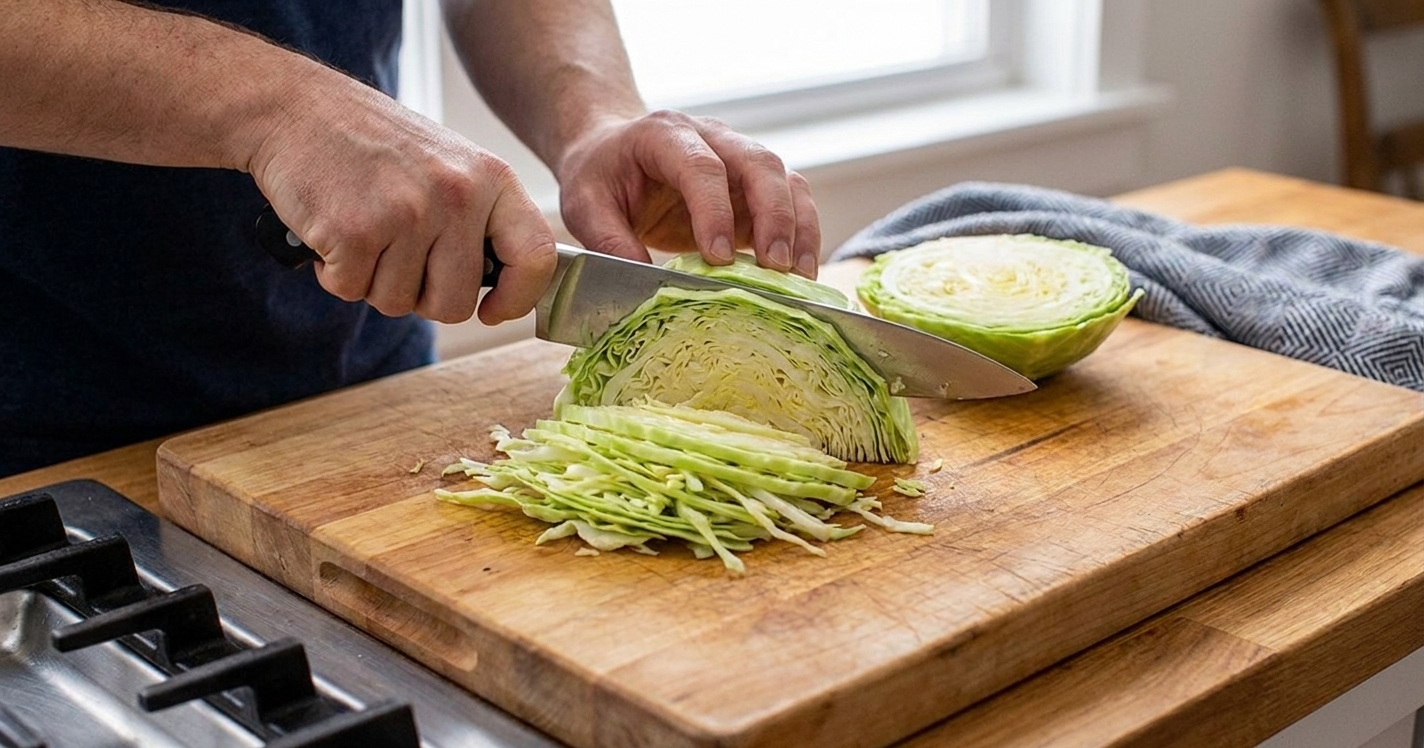
Peeling off the outer leaves is often enough. If it looks dirty or gritty, or if you prefer to wash it, rinse the whole head, then dry it very well before slicing. Wet cabbage is basically an invitation to steam.

Can I use red cabbage?

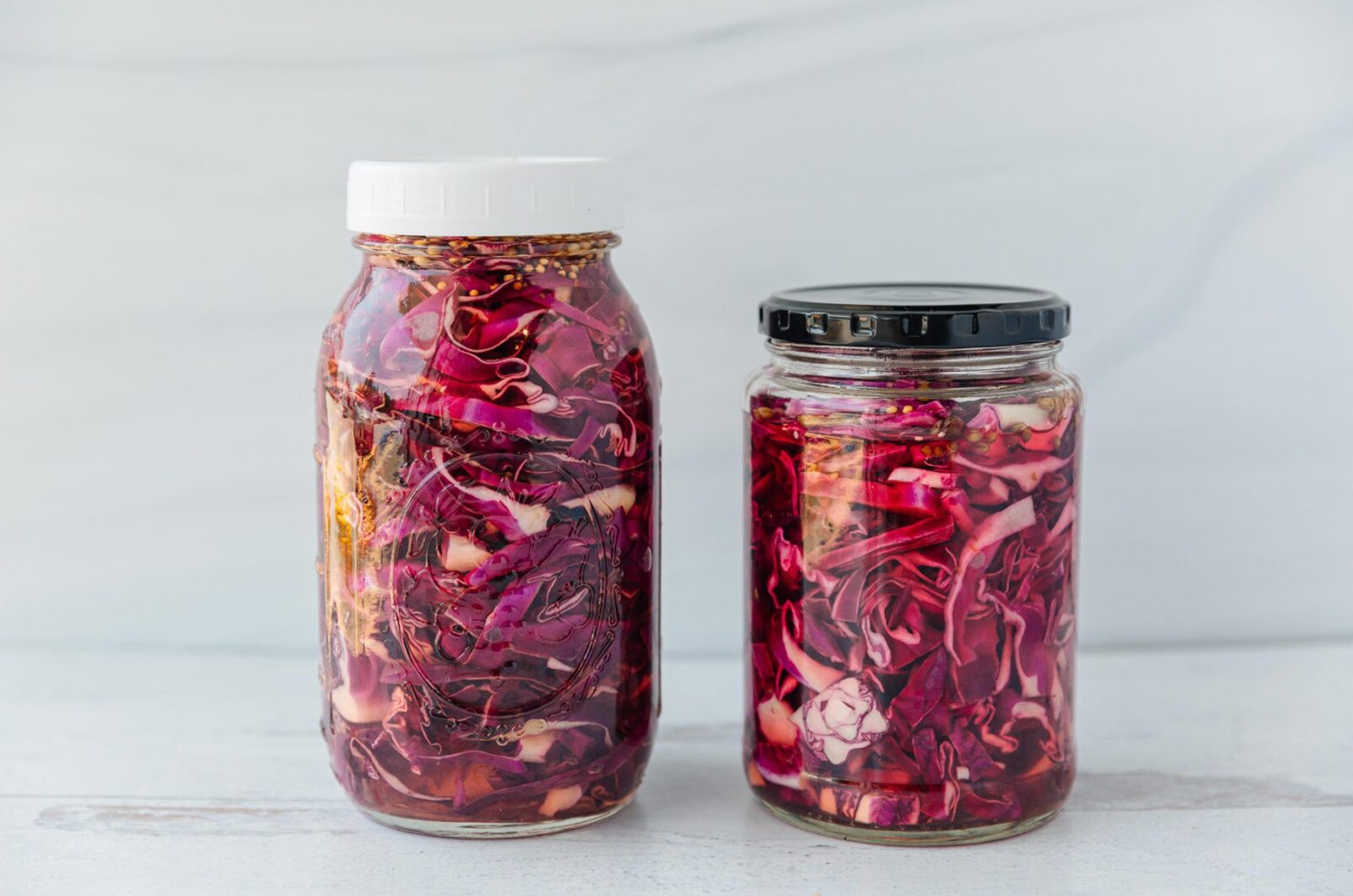
Yes. It will stay a bit firmer and it will turn the whole pan purple. Flavor is slightly more peppery. Same method, maybe 2 to 3 extra minutes to soften.

What can I add to make it a full meal?

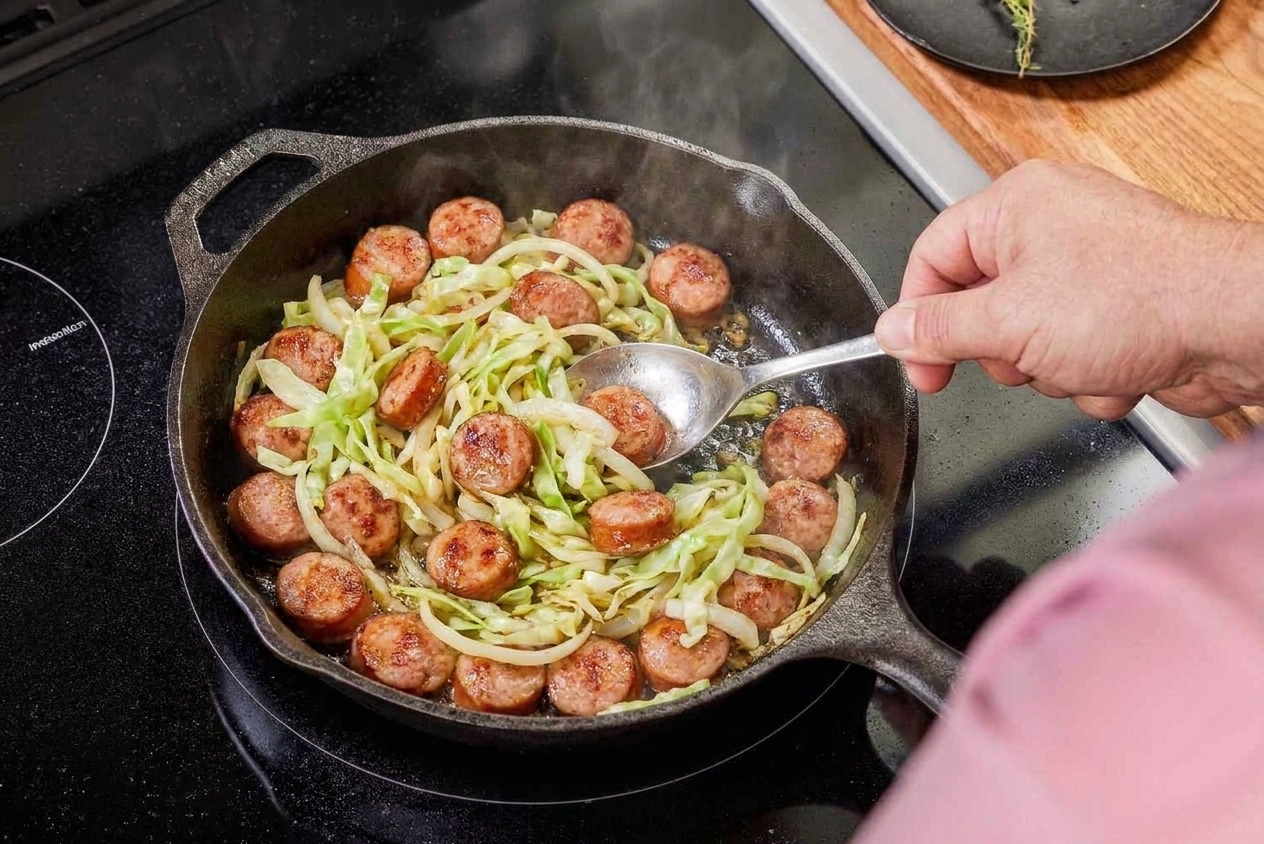
Top it with a fried egg, toss in sliced kielbasa or shredded rotisserie chicken, or serve over rice with a drizzle of sriracha mayo. It is also great as a base for grain bowls.

Why is my cabbage bitter?

Bitterness can come from undercooking or not browning enough, but it can also be the cabbage itself, especially if it is older or a sharper variety. Let it get some color, and finish with vinegar or lemon. A tiny pinch of sugar also helps if your cabbage is extra assertive.

Cabbage is one of my favorite “there is nothing in the fridge” ingredients because it just waits patiently until you’re ready to do something with it. The first time I made sautéed cabbage that I actually loved, it was honestly an accident. I got distracted, the pan ran a little hotter than planned, and the edges browned more than they “should.” Turns out that is the whole point. Now I chase those crisp bits on purpose, finish with a splash of vinegar, and suddenly the humble cabbage feels like it belongs next to anything from pork chops to a bowl of buttered noodles.