Mom's Best Recipes
Recipe

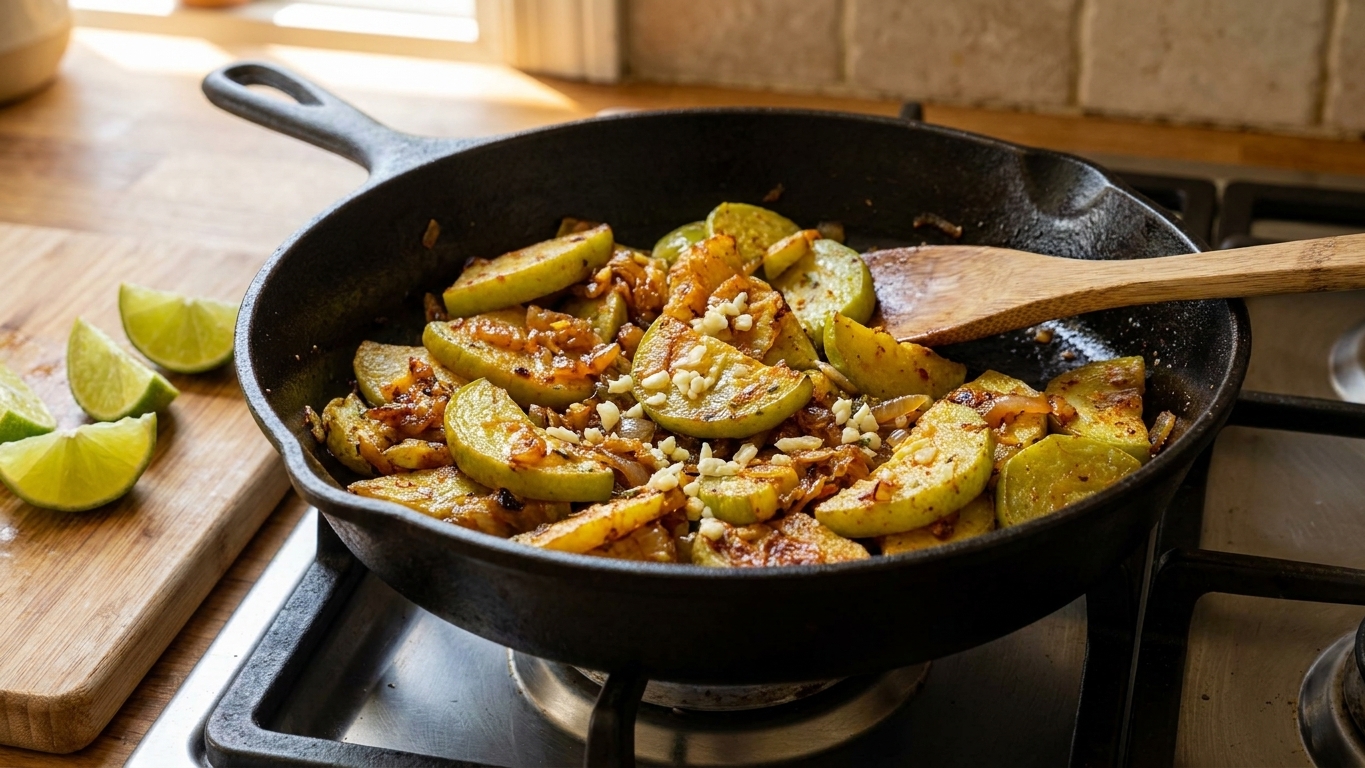
Sautéed Chayote With Lime, Garlic, and Chili

A fast, crisp-tender chayote squash side with bright lime, savory garlic, and a gentle chili kick.

Author By Matt Campbell
4.8
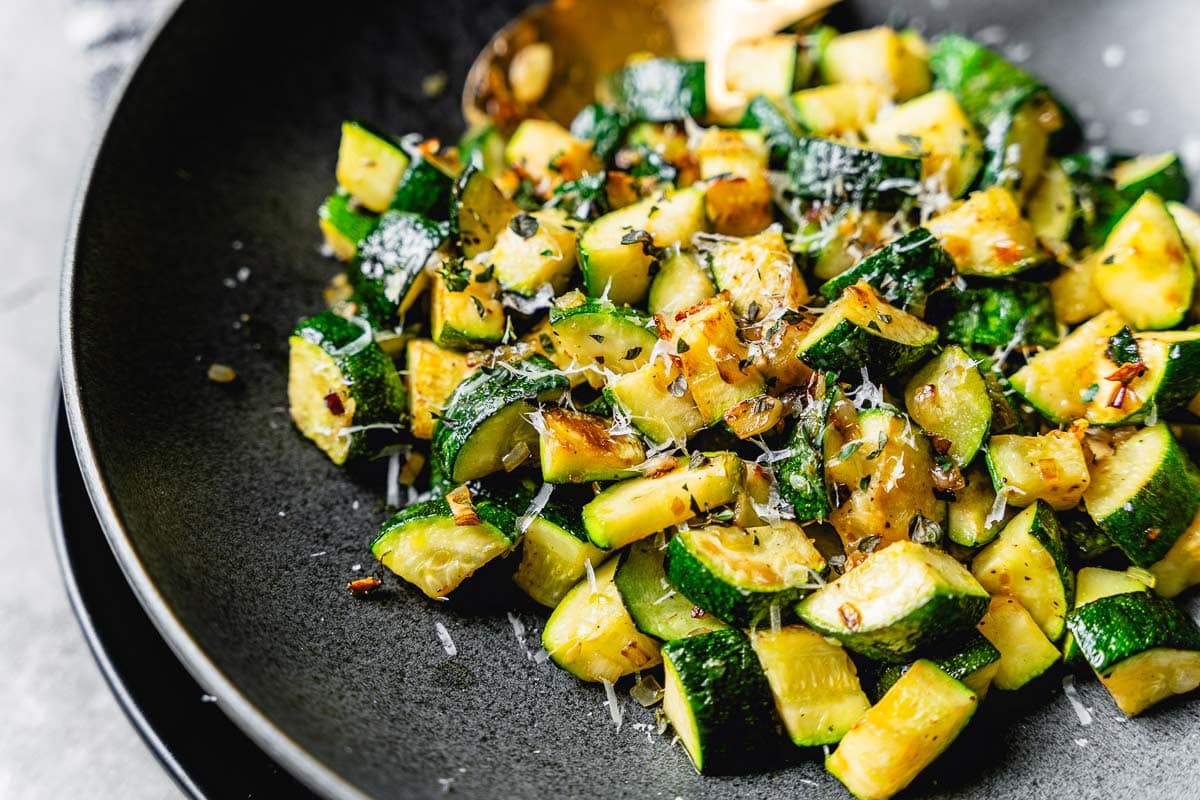
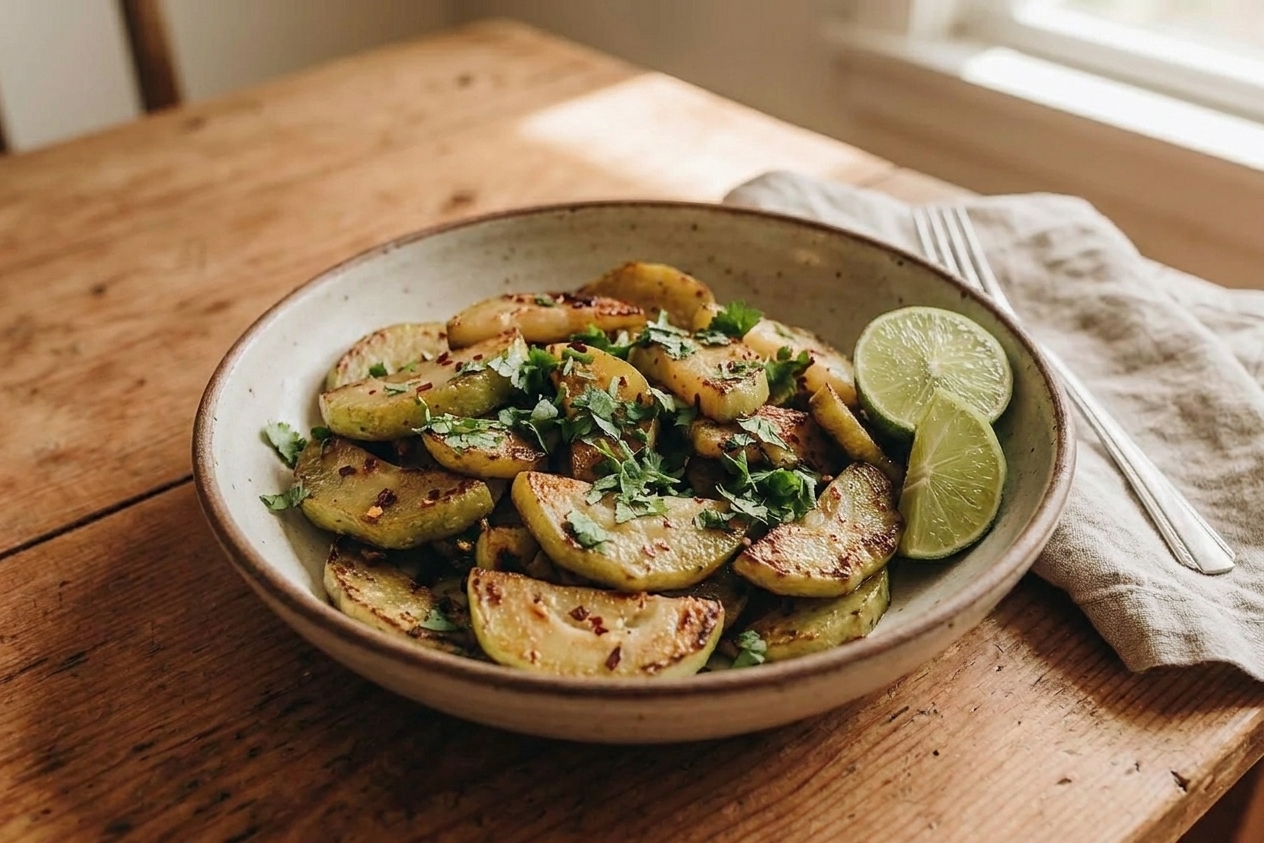
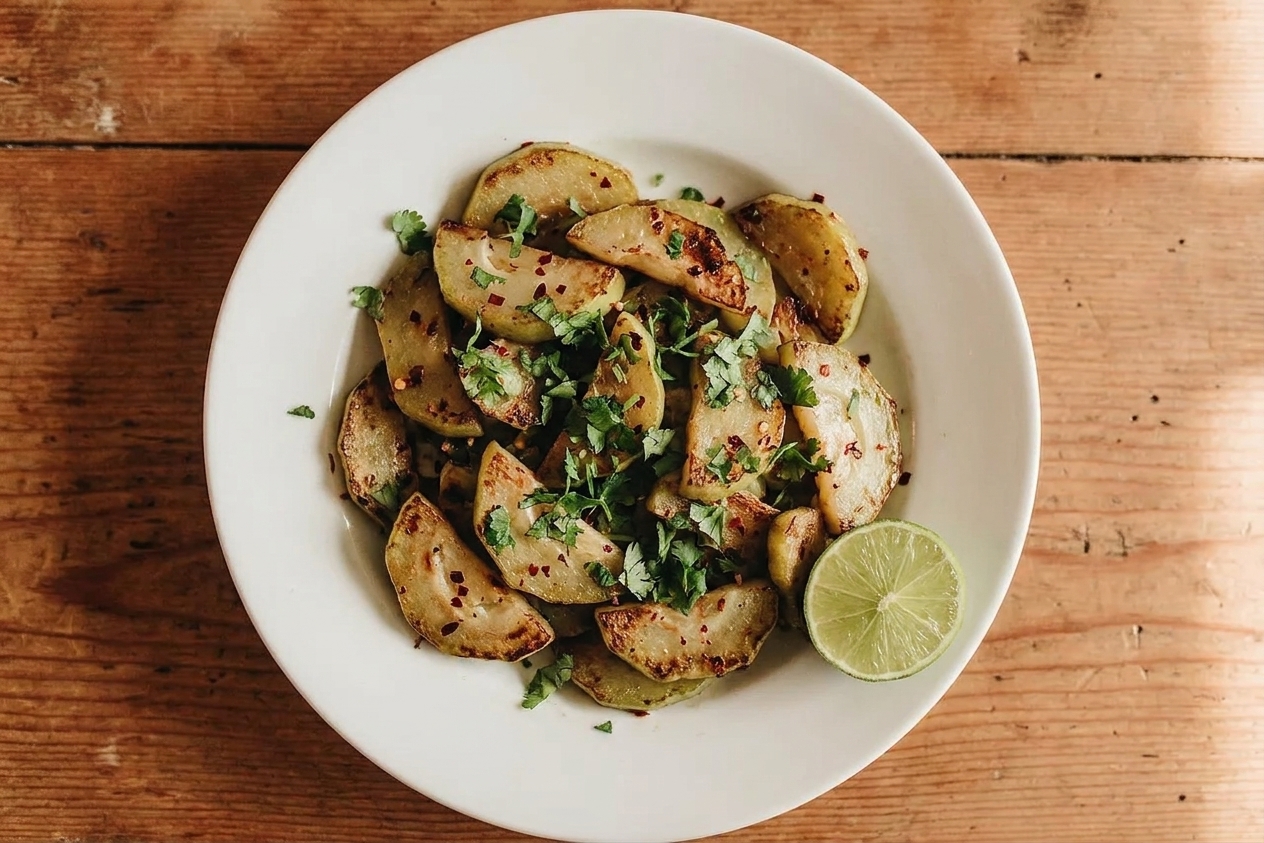
A white ceramic plate piled with sautéed chayote squash slices with browned edges, flecks of chili, and fresh cilantro, set on a warm-toned wooden table with a lime wedge

Chayote squash is one of those produce aisle mysteries that looks like a pear had a gym membership. Mild, crisp, and quietly useful, it is basically a blank canvas that wants to soak up whatever you throw at it. This is my favorite way to wake it up: a hot skillet, a little browning, and a limey garlic finish that makes you keep “taste-testing” straight from the pan.

If you are new to chayote, here is the vibe: think somewhere between cucumber and zucchini, but firmer. It stays pleasantly crisp-tender when you cook it right, and it plays incredibly well with tacos, grilled chicken, rice bowls, and anything that needs a bright, fresh side.
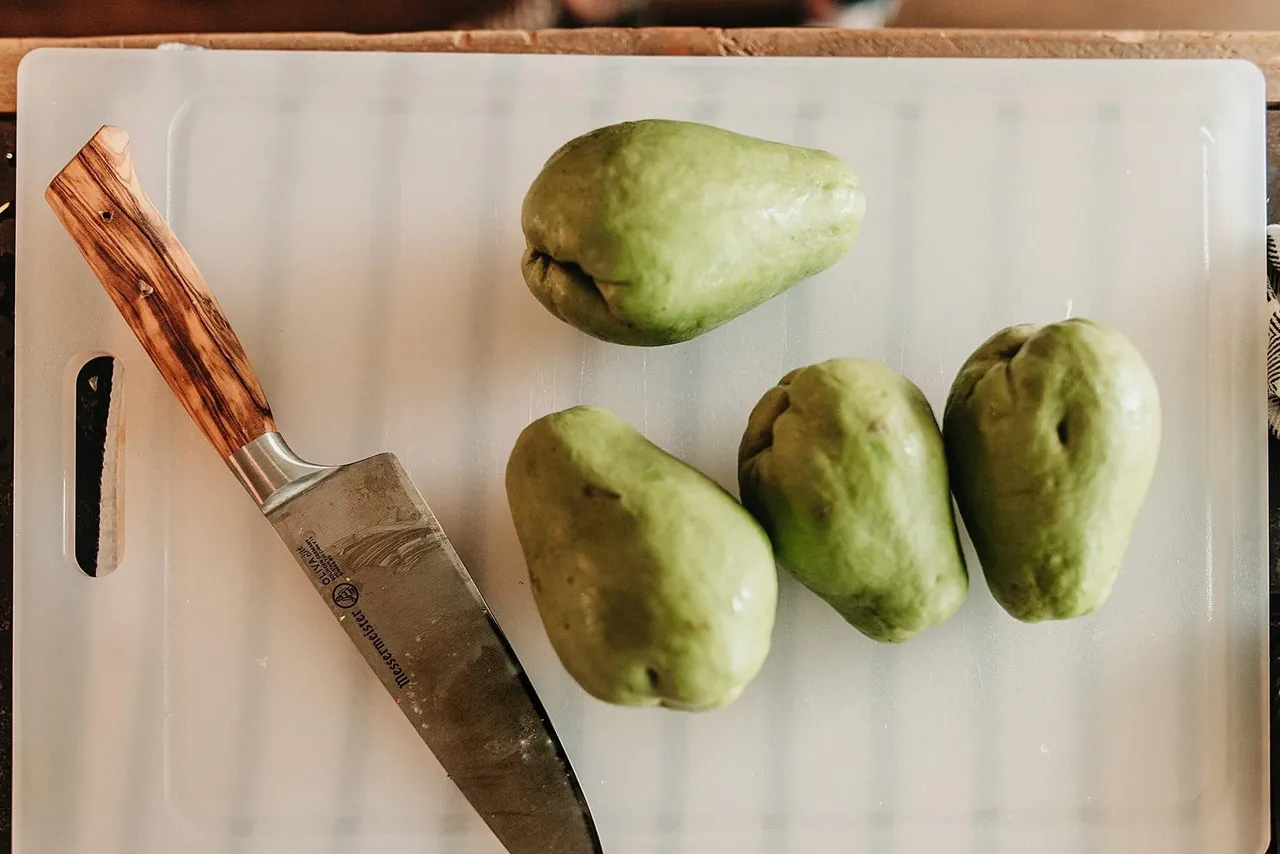
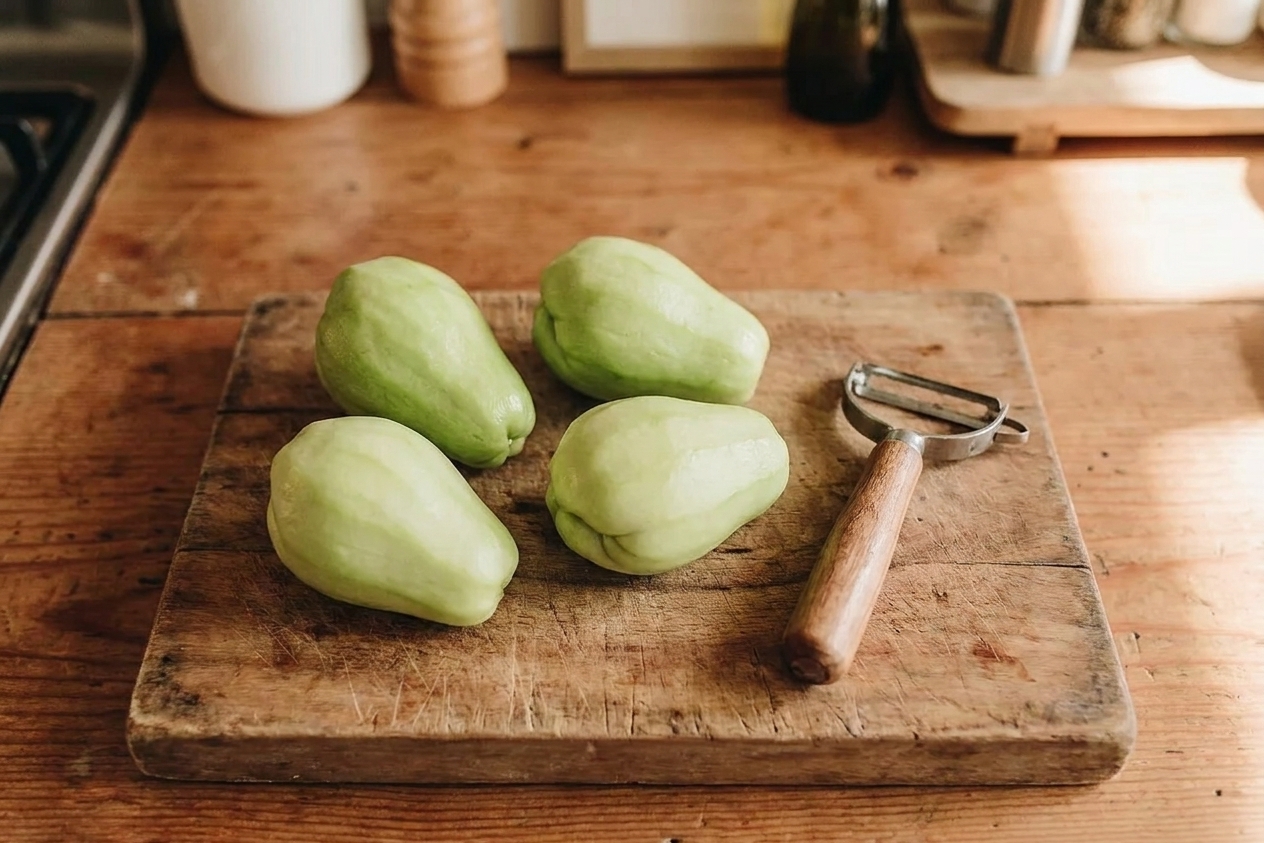
Two whole chayote squash sitting on a wooden cutting board on a clean kitchen counter with a chef's knife nearby

Why It Works

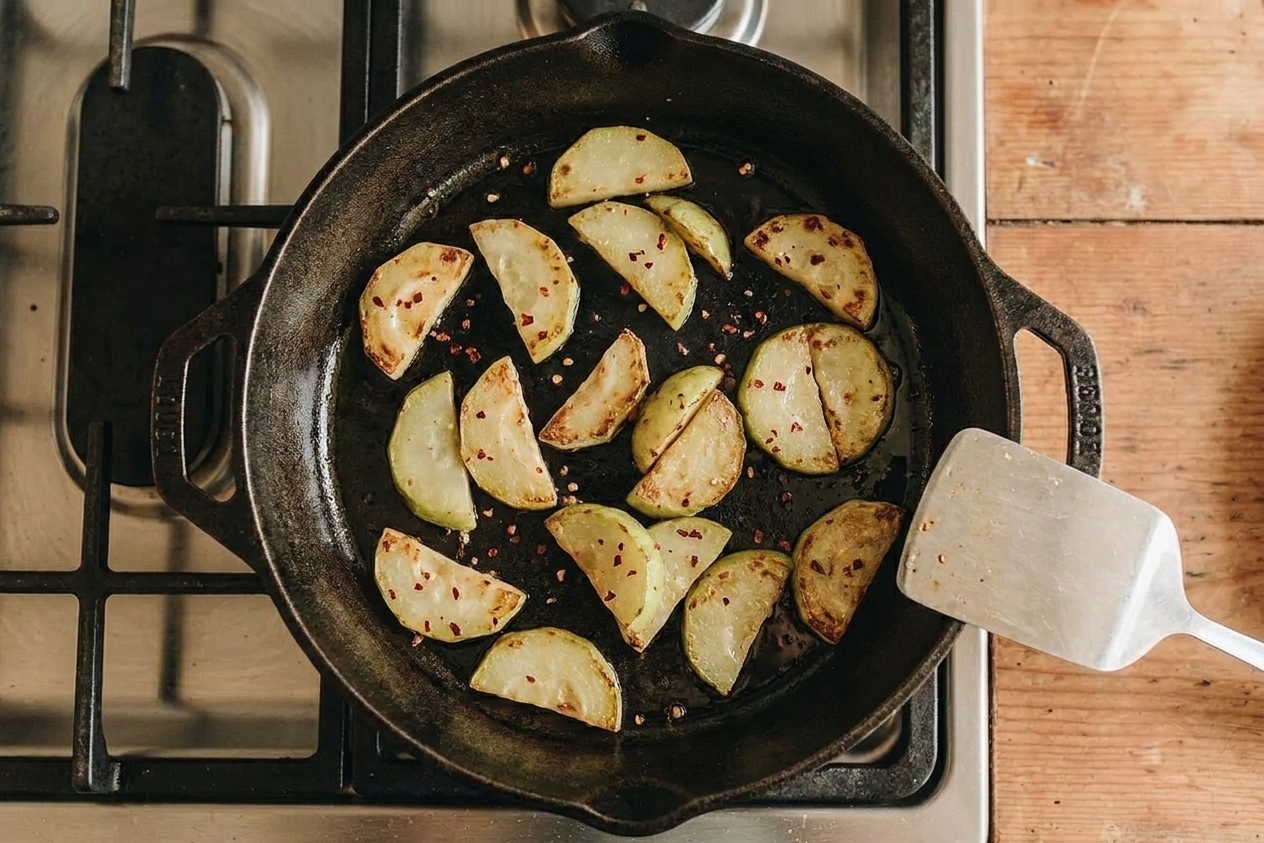
  • Crisp edges, not mush: We sauté over medium-high heat so the chayote browns before it can steam itself into sadness.
  • Bright, punchy finish: Lime juice goes in at the end so it stays fresh and snappy instead of tasting cooked.
  • Big flavor, simple pantry: Garlic, chili flakes, and a pinch of sugar make the mild squash taste like it has somewhere important to be.
  • Flexible cuts: Slice it thin for faster browning, or keep it thicker if you like more crunch.
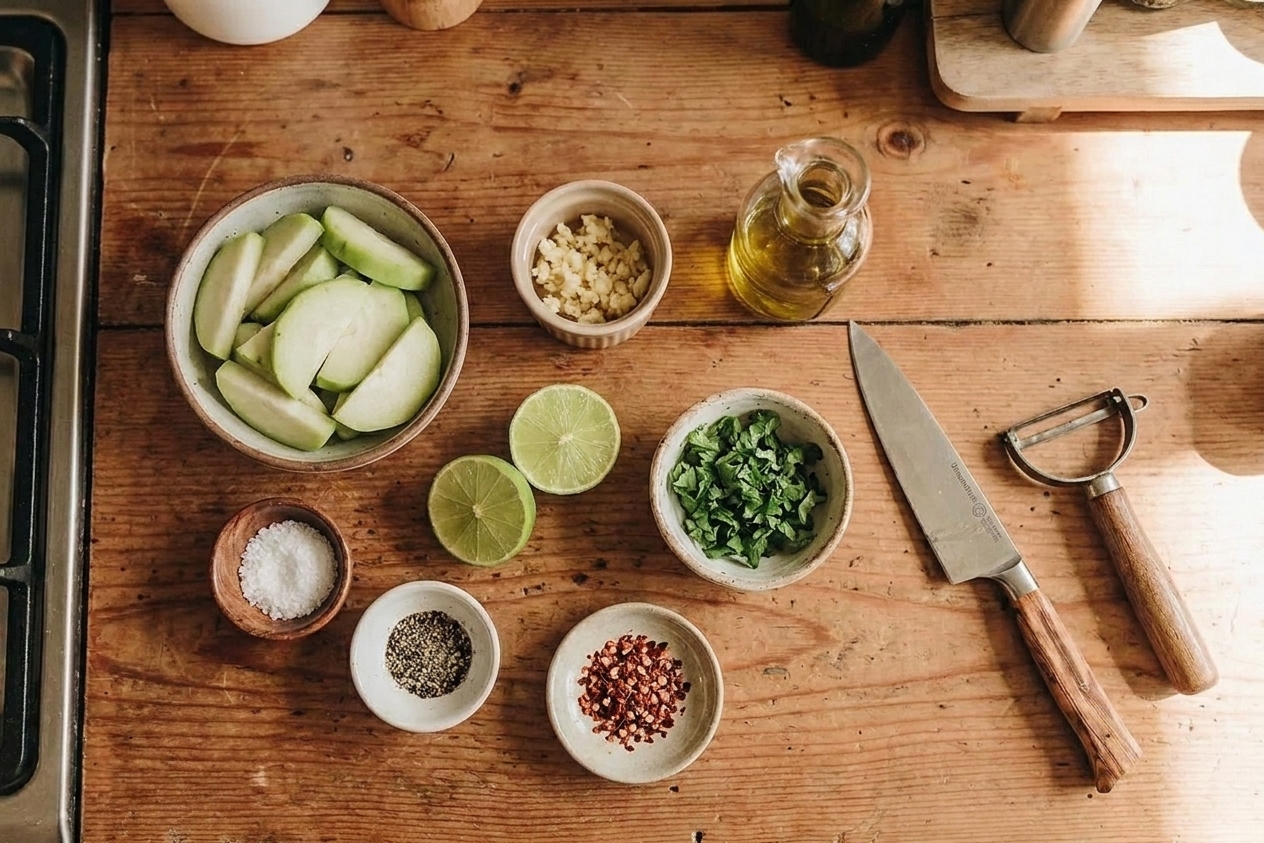
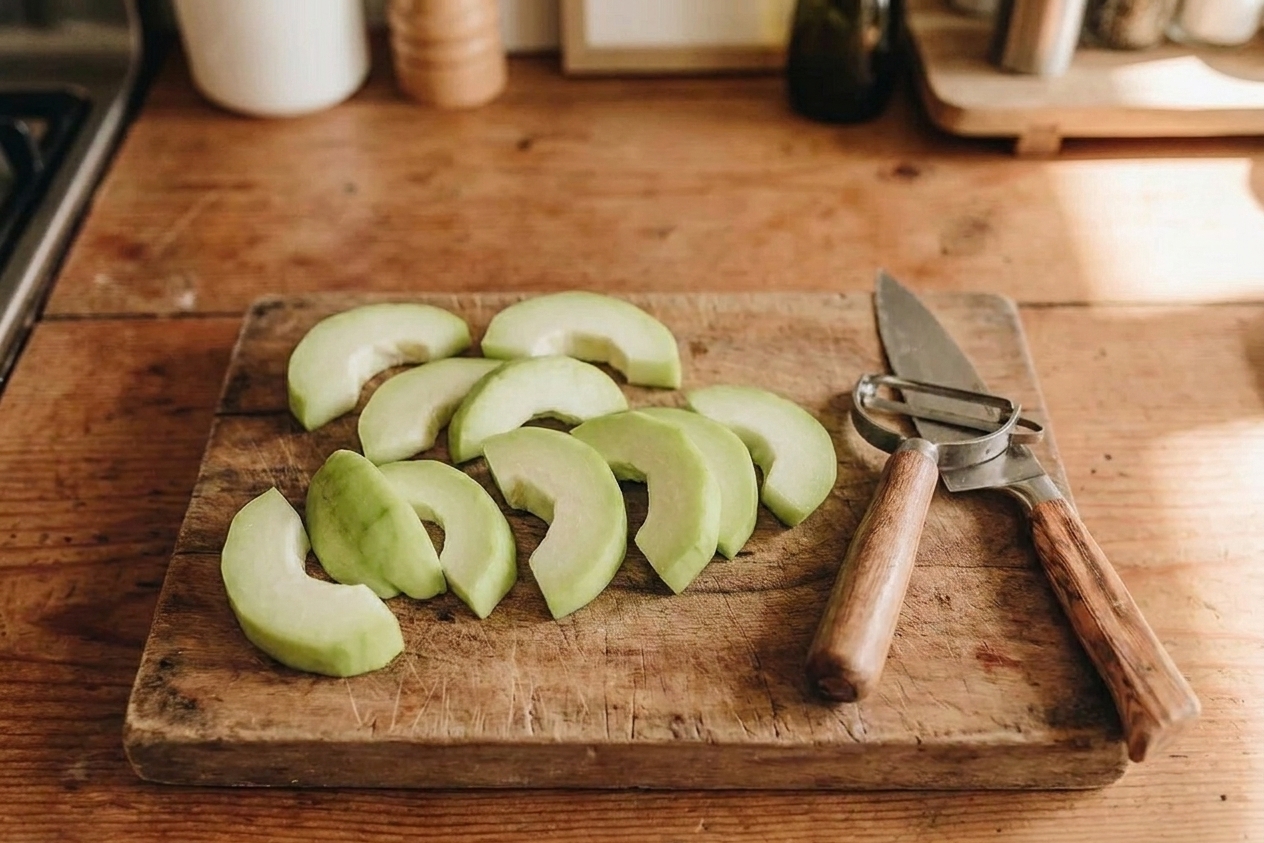
Peeled chayote squash cut into half-moons on a wooden cutting board with pale green flesh visible

Pairs Well With

Storage Tips

Refrigerate: Store cooled leftovers in an airtight container for 3 to 4 days.

Reheat: Best in a skillet over medium heat with a tiny splash of oil, 3 to 5 minutes, until warmed and re-crisped. Microwave works, but you will lose the edges.

Freeze: You can freeze it, but the texture softens after thawing. If you do freeze, use it later in soups, stir-fries, or rice dishes where a softer bite is fine.

Common Questions

Do you peel chayote squash?

Most of the time, yes. The skin is edible, but it can be a little tough and waxy. I peel it for this recipe so the slices brown more evenly and feel more tender.

What about the pit in the middle?

Chayote has a single seed that is edible. In younger chayote it is usually soft and you can leave it in and slice right through. Older, larger chayote can have a firmer seed, so just cut it out if it feels tough.

Why is my chayote watery?

Usually it is pan crowding or heat that is too low. Use a wide skillet, get it hot, and let the slices sit long enough to brown before stirring.

Can I make this less spicy for kids?

Absolutely. Skip the chili flakes and finish with extra lime and a little more cilantro. If you still want flavor without heat, add a pinch of smoked paprika or cumin.

What does chayote taste like?

Mild and slightly sweet, kind of like zucchini meets cucumber, just firmer. That is why it loves strong buddies like garlic, citrus, soy sauce, chile, ginger, and cheese.

Why are my hands sticky after peeling chayote?

Chayote can release a sticky sap that bothers some people’s skin. If you are sensitive, wear gloves, or rub a little oil on your hands and knife before peeling, then rinse everything well after.

The first time I bought chayote, I did the classic thing: I stared at it like it might explain itself. It did not. So I treated it like I treat most vegetables that look a little too polite. I got a skillet hot, browned it well, and hit it with lime and garlic at the end. That was the moment I got it. Chayote is not here to be the main character. It is here to be the crisp, bright sidekick that makes the whole plate feel fresher and more exciting.