Mom's Best Recipes
Recipe

Guisquil Garlic-Lime Sauté

Crisp-tender guisquil (chayote) with garlic, lime, and a little buttery heat. Fast, flexible, and shockingly addictive.

Author By Matt Campbell
4.8
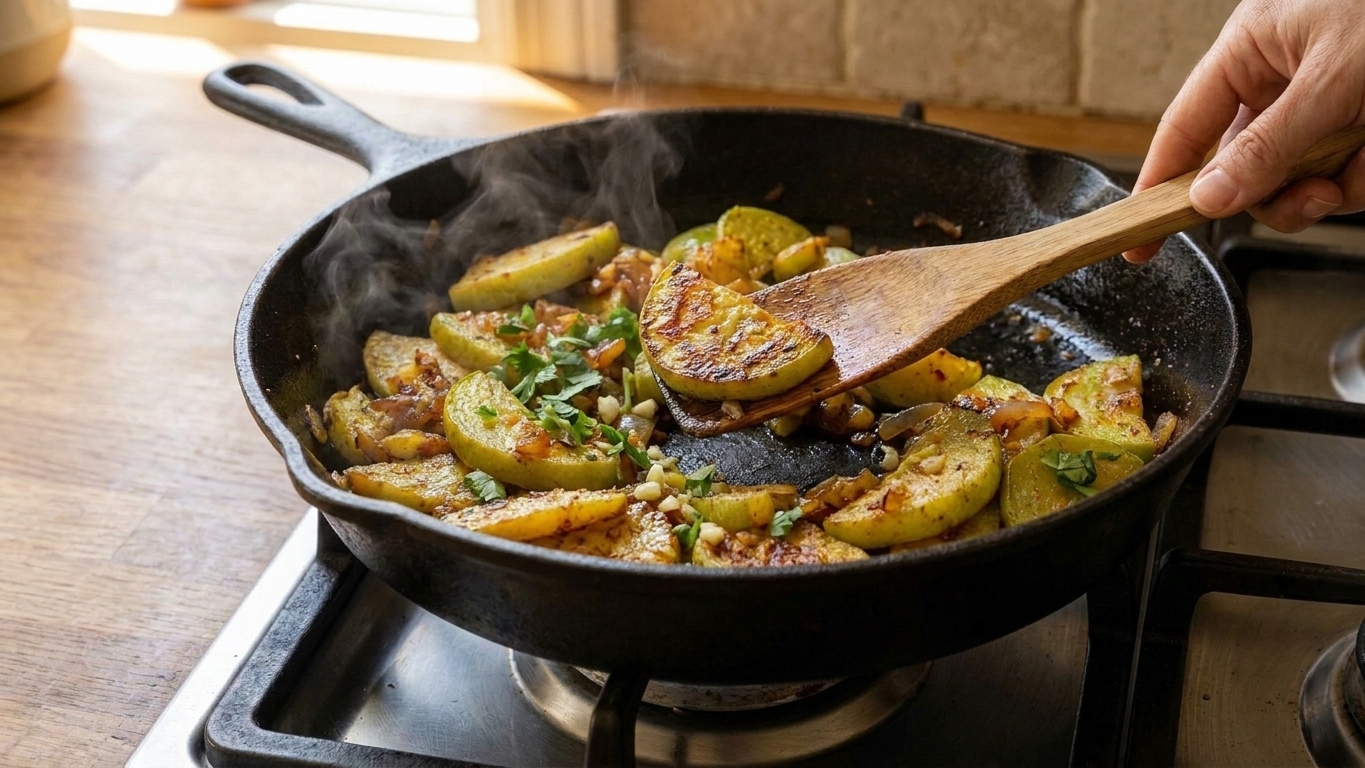
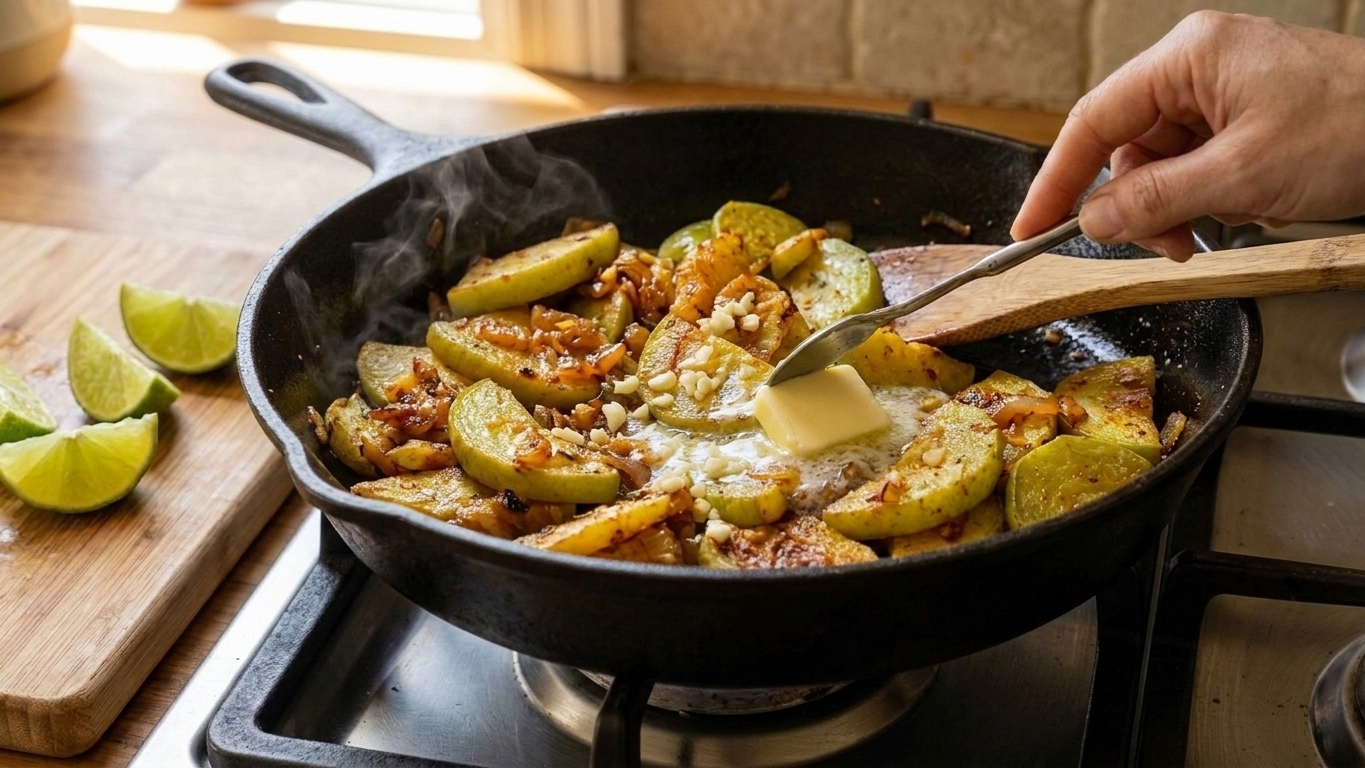
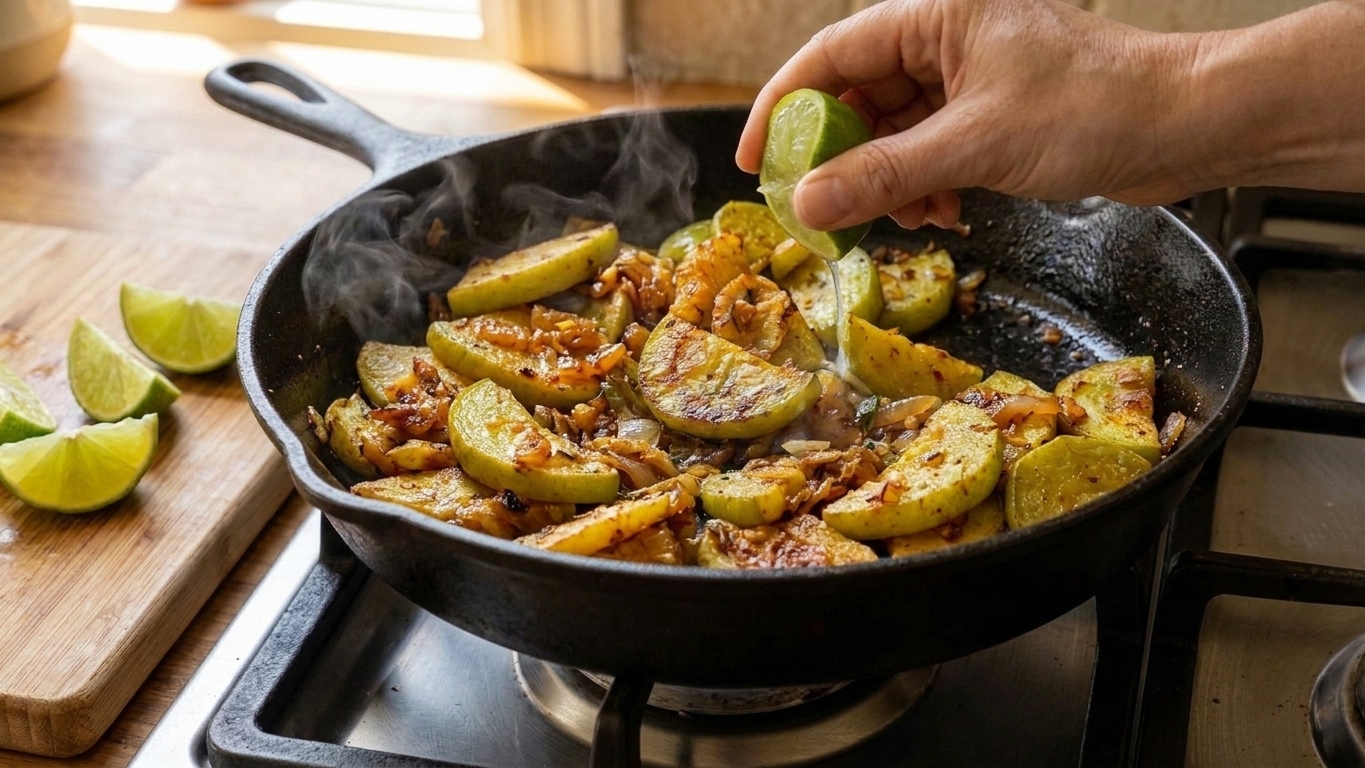
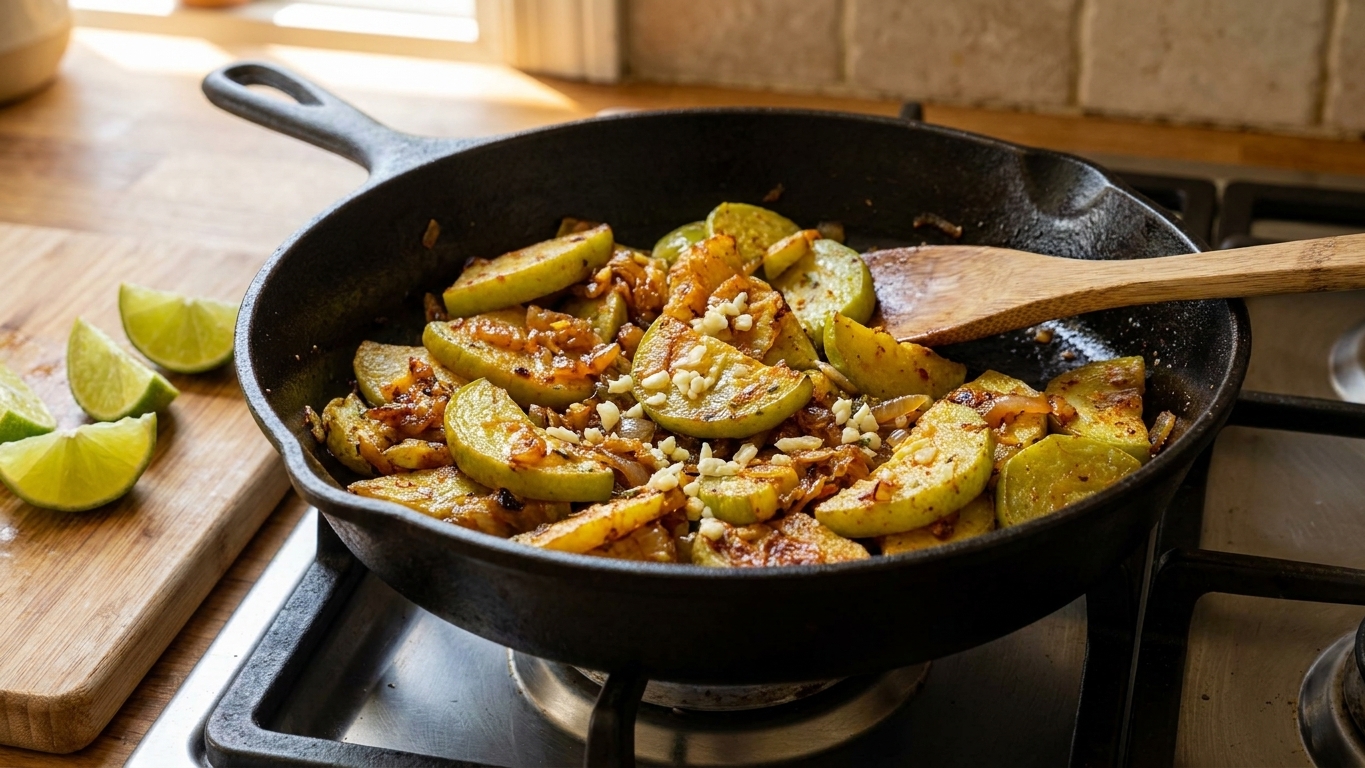
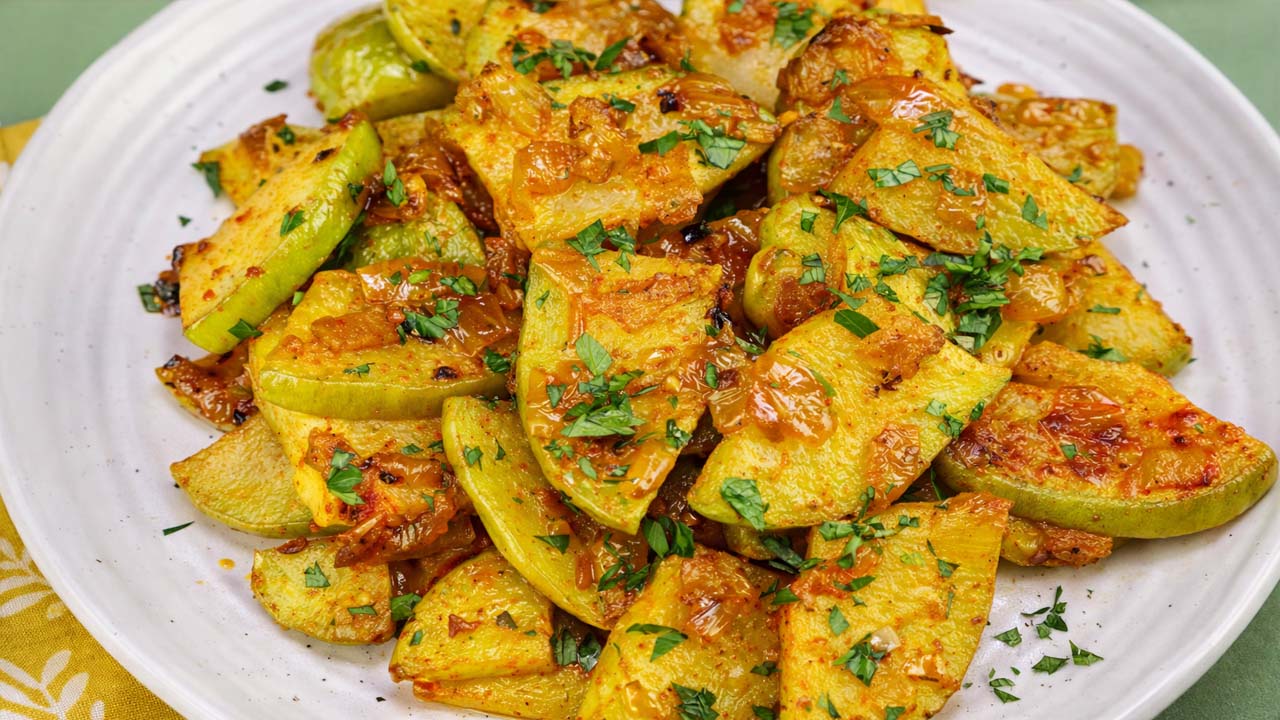
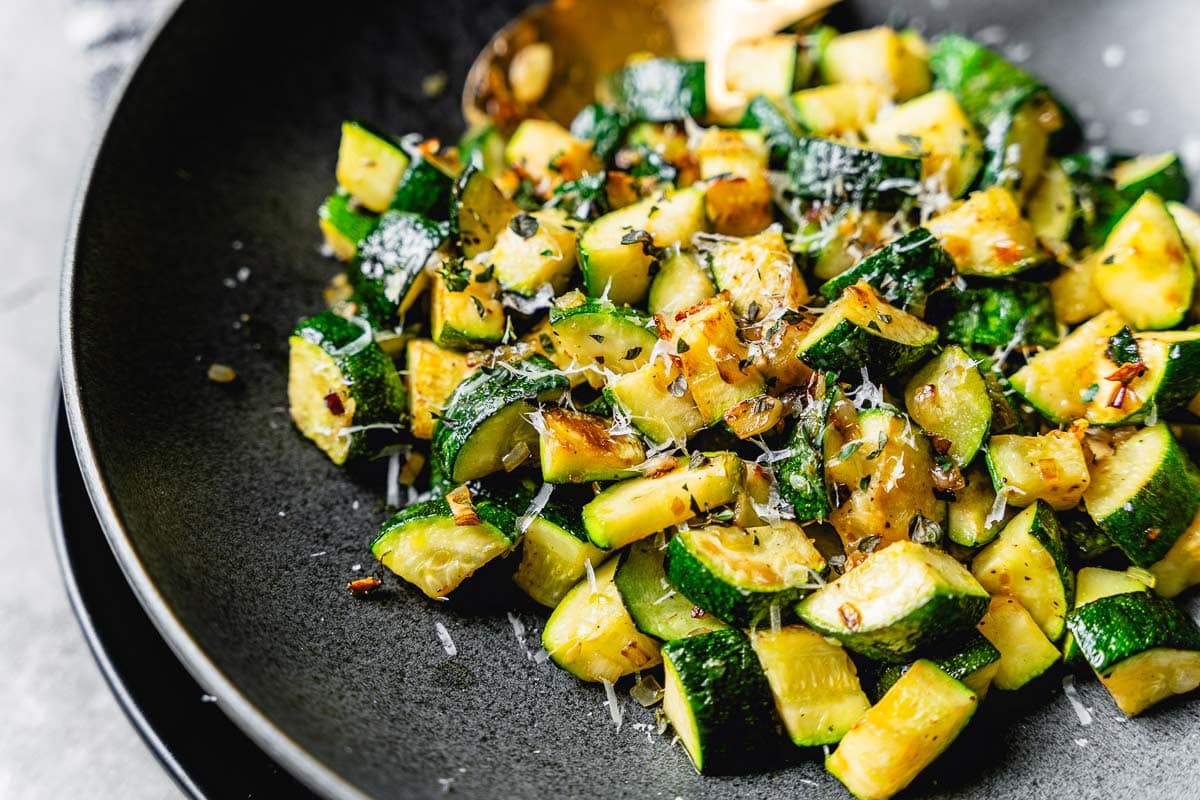
A cast iron skillet on a home stove filled with sautéed guisquil (chayote) wedges with browned edges, minced garlic, and fresh lime wedges nearby, warm kitchen lighting

Guisquil (chayote) is one of those vegetables that looks like it might be complicated, but it is basically the laid-back friend of the squash world. Mild, juicy, and crisp, it soaks up flavor like a sponge and keeps a satisfying bite even after a quick cook.

This is my favorite way to make it on a weeknight: a garlic-lime sauté with just enough butter to make it cozy, plus a little chili for a gentle spark. It lands somewhere between "clean and fresh" and "I keep going back to the pan for one more piece."
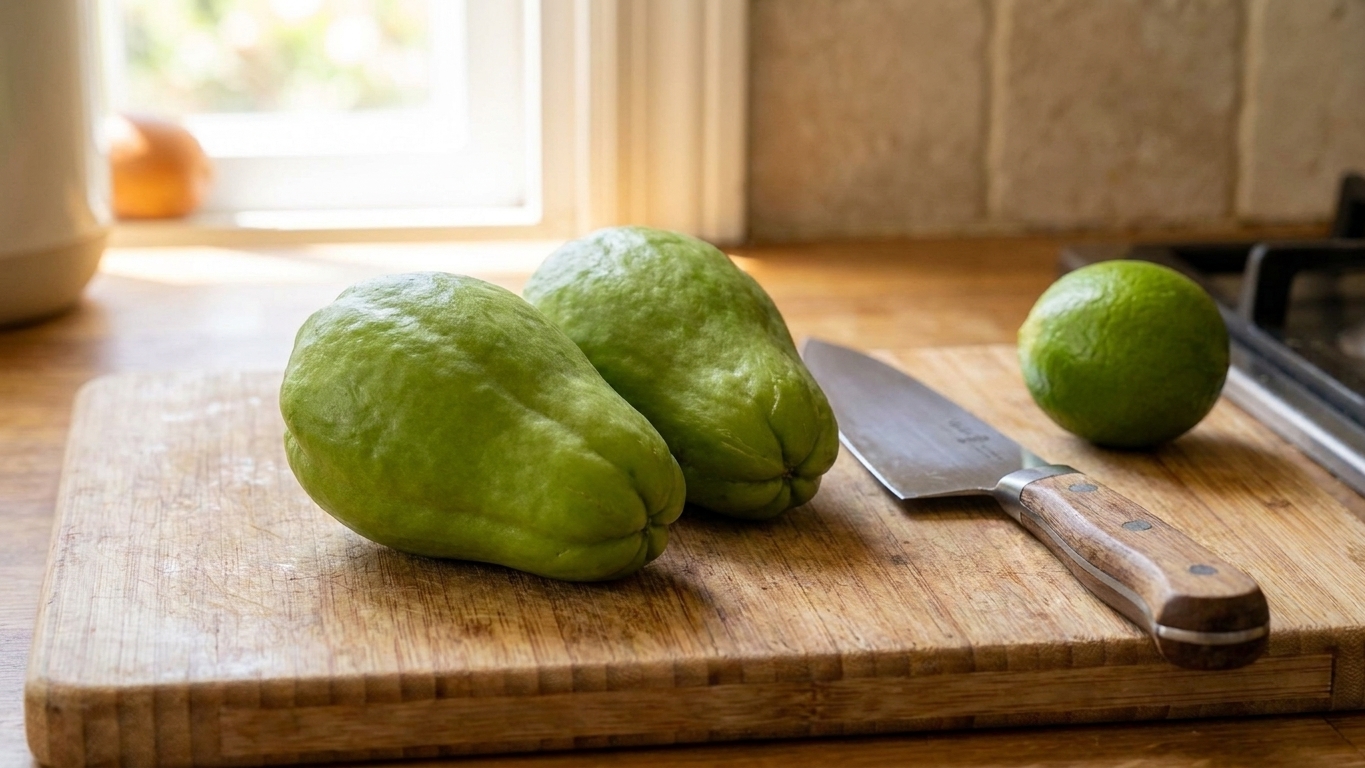

Two whole green chayote (guisquil) on a wooden cutting board with a chef's knife and a lime, on a bright kitchen counter

Why It Works

  • Crisp edges, tender middle: High heat plus a short cook keeps guisquil (chayote) snappy instead of soggy.
  • Big flavor from small ingredients: Garlic blooms fast, butter rounds it out, and lime wakes everything up at the end.
  • Flexible shape: Wedges for a side dish, small dice for tacos, bowls, and scrambled eggs.
  • Beginner friendly: If you can slice and stir, you have got this.
A medium bowl filled with peeled and sliced chayote wedges next to a small bowl of minced garlic on a kitchen counter

Pairs Well With

Storage Tips

Refrigerate: Cool completely, then store in an airtight container for up to 4 days.

Reheat: Best in a skillet over medium heat with a tiny splash of water or broth. Cook just until hot so it keeps some bite. Microwave works, but it softens more.

Freeze: You can, but it gets more watery and soft when thawed. If you do freeze it, use it later in soups, stews, or blended sauces.

Leftover glow-up ideas:

  • Chop and fold into scrambled eggs with queso fresco.
  • Toss with black beans, rice, and salsa verde for a fast bowl.
  • Layer into a quesadilla with mozzarella or Oaxaca cheese.

Common Questions

What is guisquil?

Guisquil is a name for chayote used in some Central American countries. It is a mild green squash that stays pleasantly crisp and snappy with quick cooking.

Do I need to peel guisquil (chayote)?

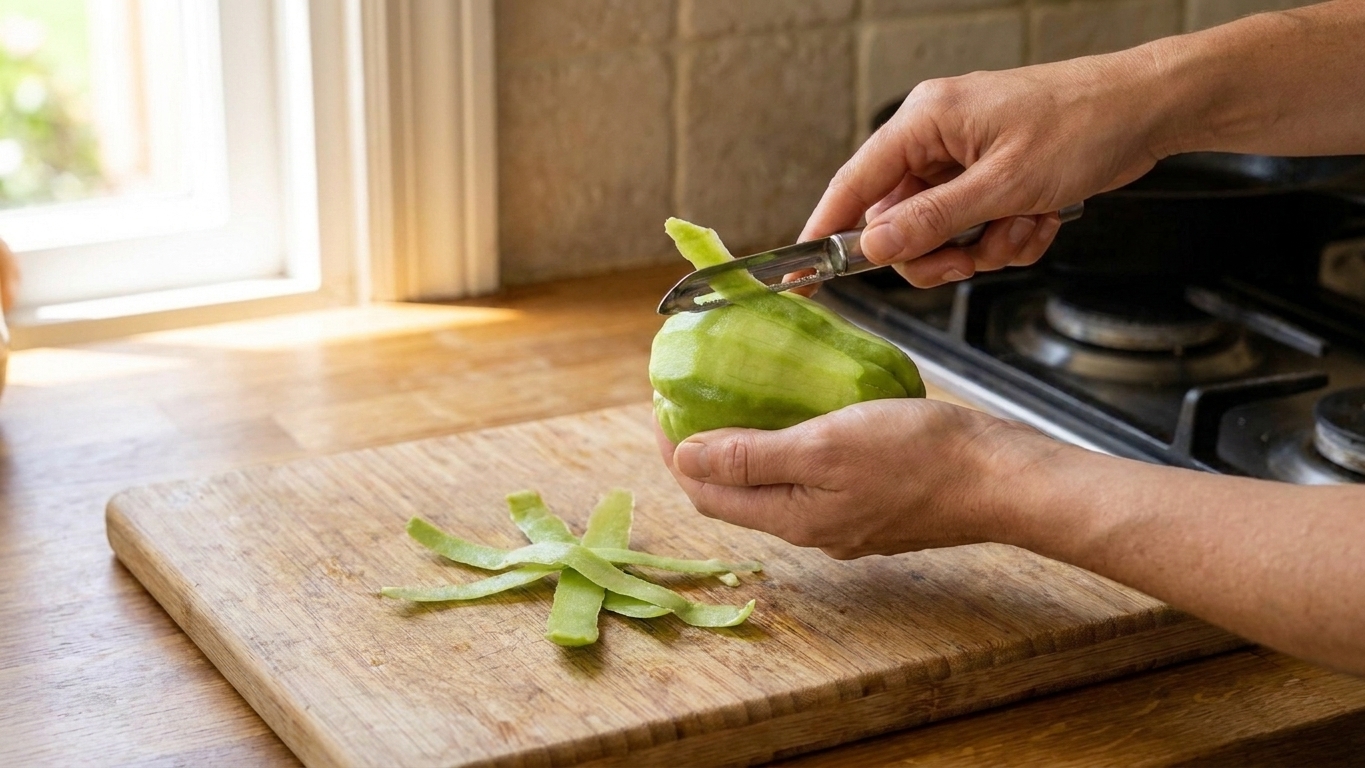
It depends. The skin is edible, but it can be a little tough. For this sauté, I recommend peeling so the pieces cook evenly and feel more tender. A vegetable peeler works great.

Why does guisquil (chayote) feel slippery when I cut it?

Totally normal. Chayote releases a sticky sap. It is harmless, but it can irritate sensitive skin. If it bothers you, rinse the cut pieces under cool water and pat dry. Some folks also lightly oil their hands before peeling and cutting.

What does guisquil (chayote) taste like?

Very mild, lightly sweet, and super receptive to seasoning. Think: zucchini meets cucumber, but more dense. That is why garlic, lime, and salt make it pop.

Can I make this spicy?

Yep. Add more red pepper flakes, a diced jalapeño, or finish with hot sauce. If you have chili-lime seasoning, a light sprinkle at the end is also excellent.

Is guisquil the same as mirliton?

Yes. In some places, especially in Louisiana cooking, chayote is called mirliton.

The first time I cooked guisquil (chayote), I treated it like zucchini and figured the rest out later. Classic me. It came out fine, but it was missing that "pause mid-bite" moment. The fix was simple: stop trying to make guisquil be the star on its own and dress it up like it deserves. Garlic for punch, butter for comfort, lime for brightness. Now it is one of my favorite clean-out-the-produce-drawer moves, and it makes any plate feel a little more alive.