Mom's Best Recipes
Recipe

Seared Ahi Tuna Steaks

Crisp sesame crust, rare center, and a quick soy-lime sauce for a restaurant-style dinner in minutes.

Author By Matt Campbell
4.8
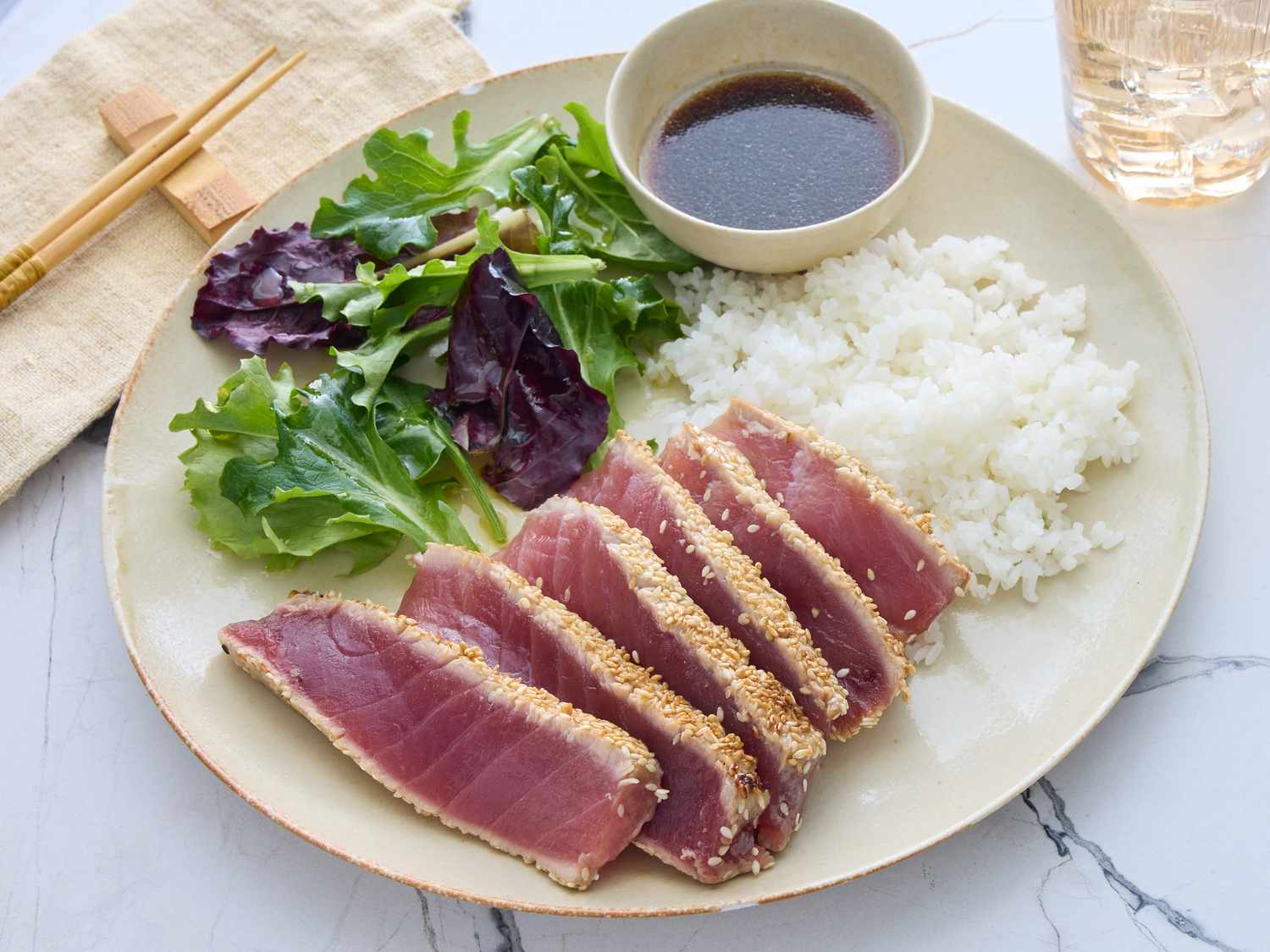
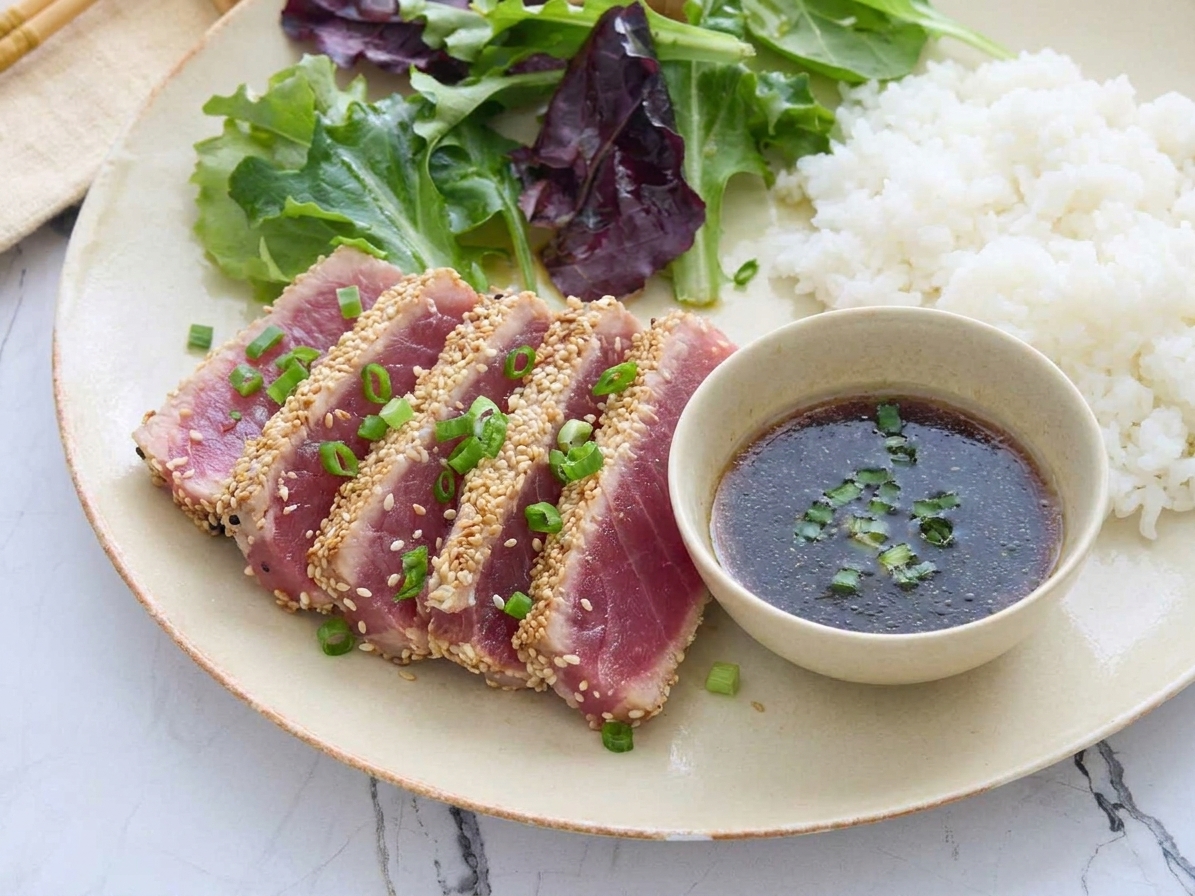
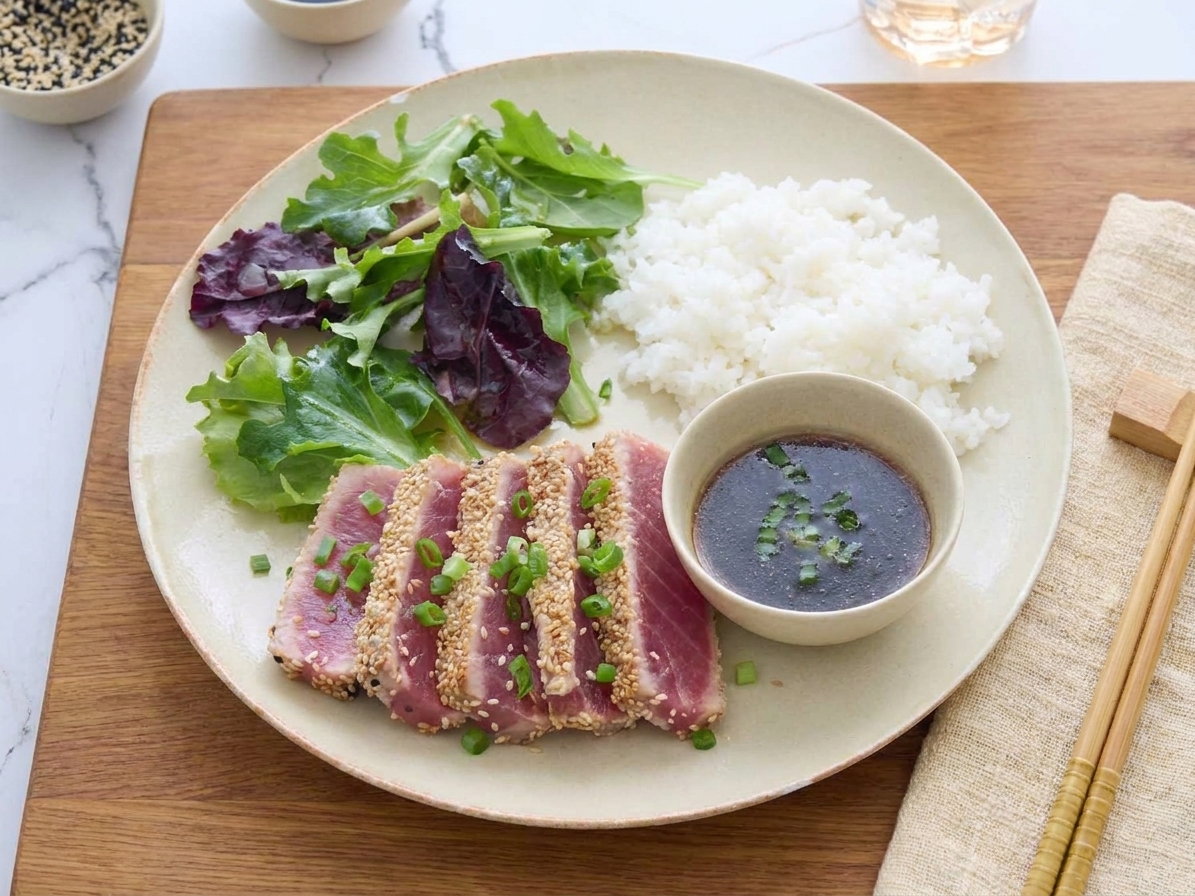
Thick yellowfin ahi tuna steaks sliced and fanned on a white plate with a sesame crust, scallions, and a small bowl of soy dipping sauce on a warm kitchen table

If you want a dinner that feels like you tried harder than you did, this is the move. Yellowfin ahi tuna steaks cook so fast it is almost suspicious, and when you get that hot-pan sear with a cool, rosy center, it tastes like a restaurant secret you are now allowed to keep at home.

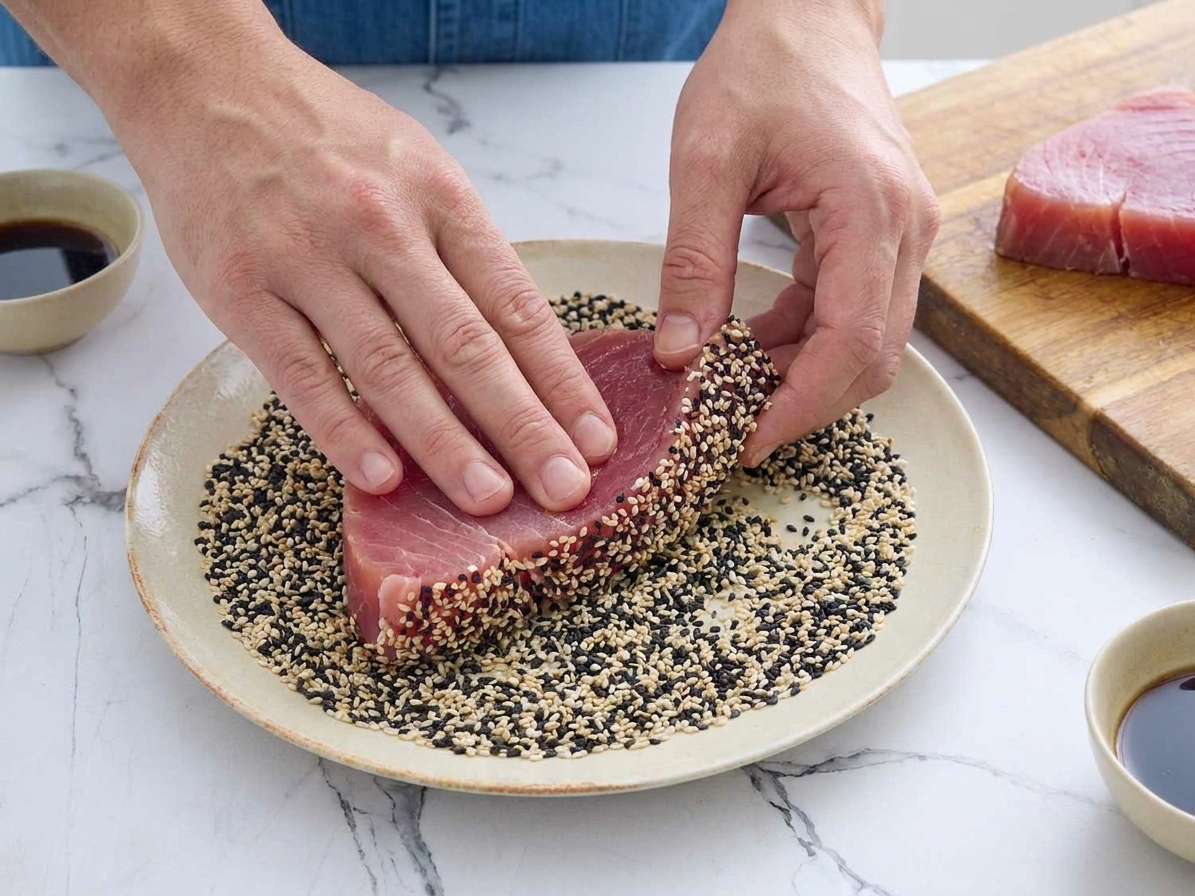
My favorite version is a sesame-crusted sear with a soy-lime dipping sauce. It is bright, salty, a little sweet, and makes the whole thing feel snacky in the best way. The key is simple: buy great tuna from someone you trust, dry it well, and do not overthink the timing. We are chasing crisp edges and a rare to medium-rare center.
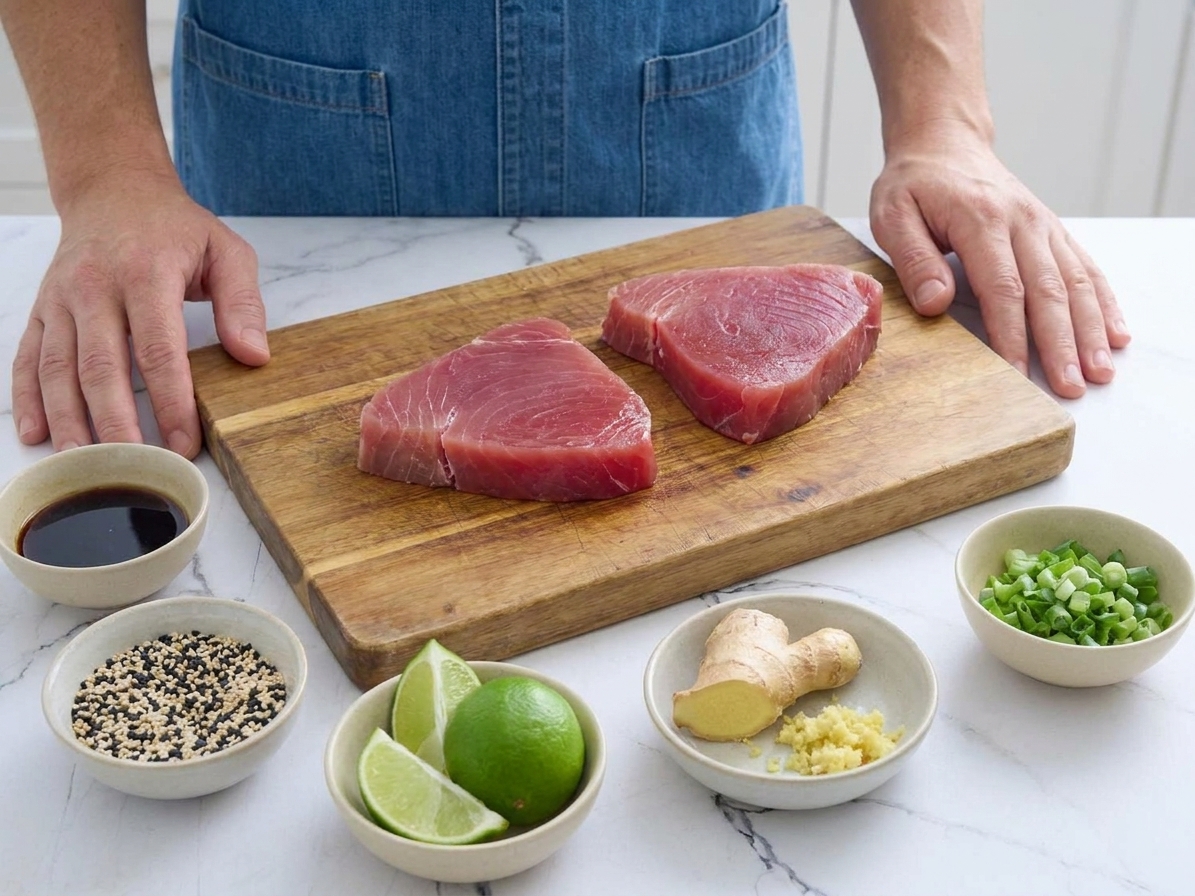
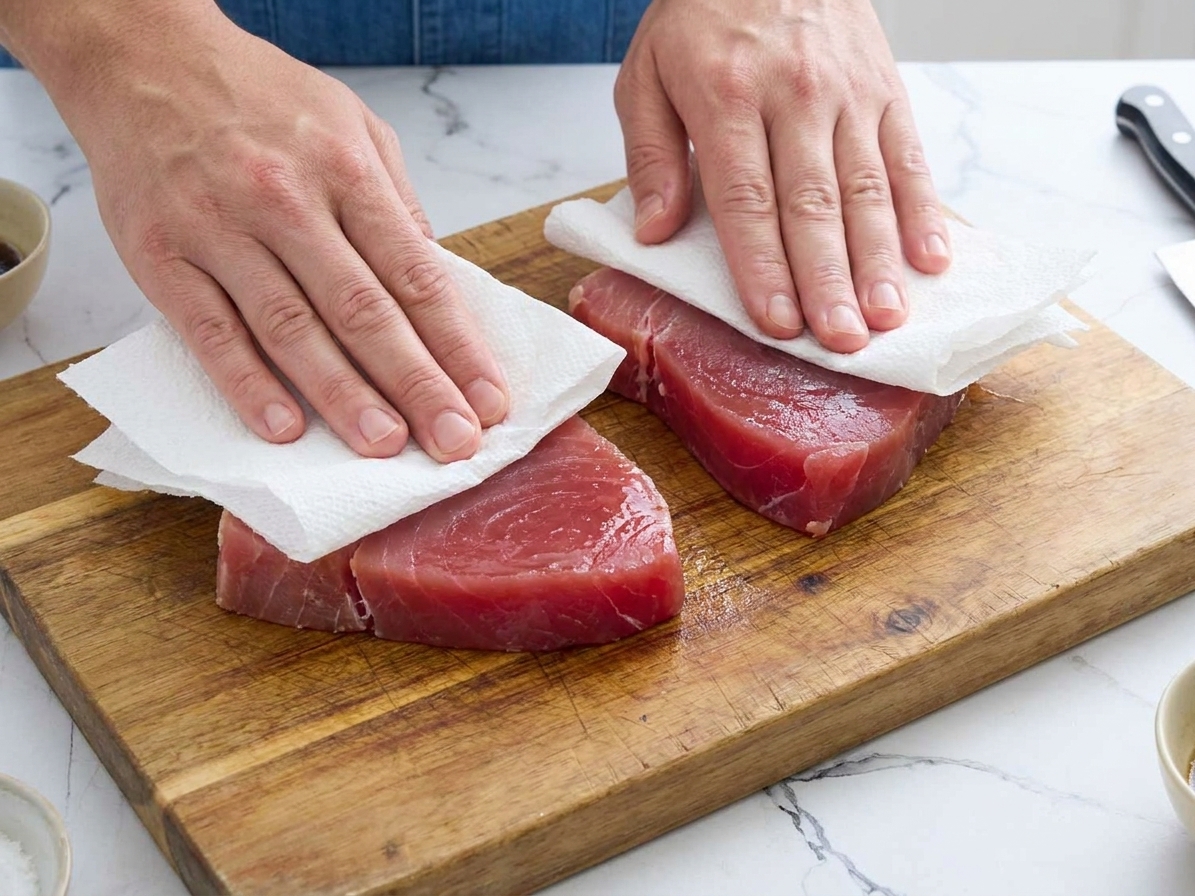
Raw yellowfin ahi tuna steaks on a cutting board with small bowls of soy sauce, sesame seeds, lime, ginger, and green onions arranged on a clean kitchen counter

Why It Works

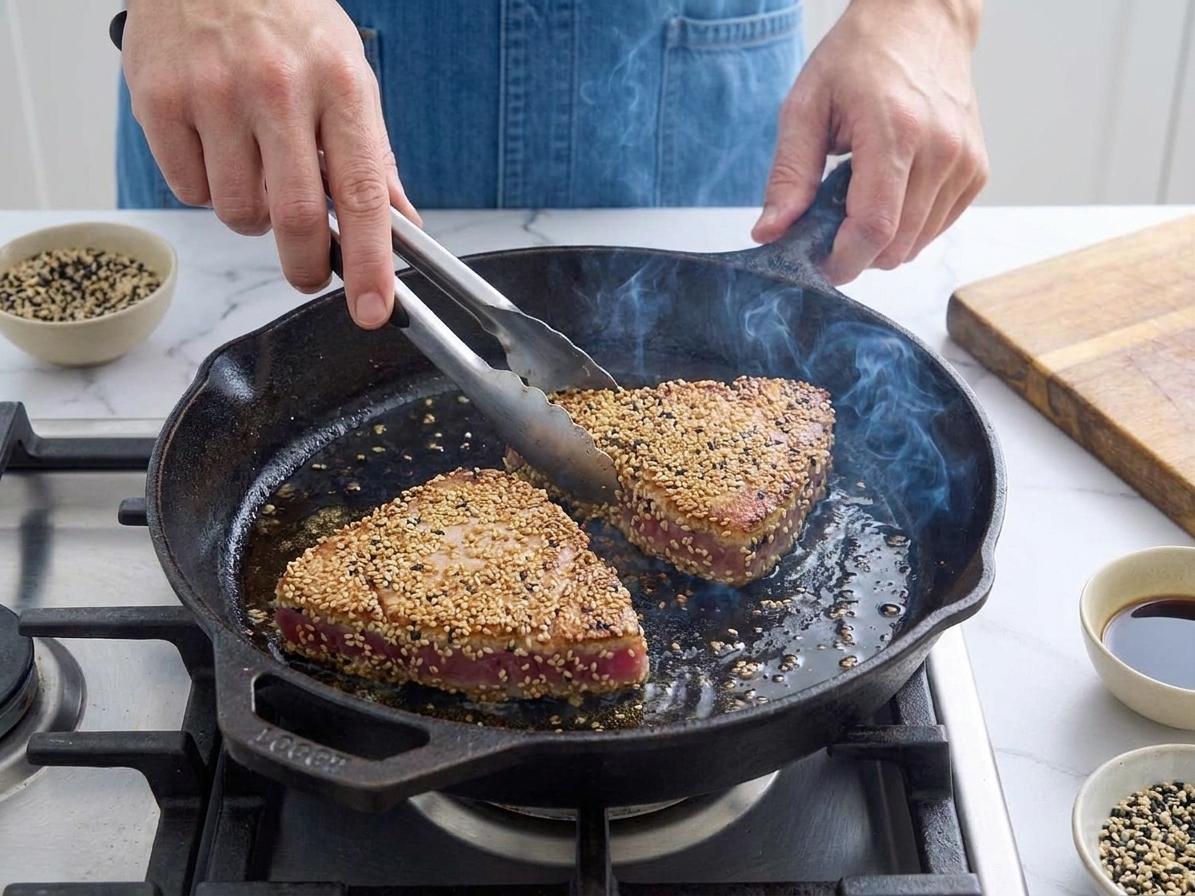
  • Fast and high-impact: Ahi tuna is basically built for weeknights. A ripping-hot pan and 60 to 90 seconds per side gets you there.
  • Great texture contrast: Sesame seeds toast in the pan for a crisp, nutty crust while the center stays tender.
  • A sauce that does the heavy lifting: Soy, lime, ginger, and a touch of honey turns a simple sear into something you keep dipping into on purpose.
  • Clear doneness control: You can serve it rare (my pick) or push to medium-rare without drying it out if you use thicker steaks and short sear times.
  • Easy to get right: Dry fish, very hot pan, do not crowd the skillet, and you are basically there.

Pairs Well With

Storage Tips

Best case: Ahi tuna is at its absolute peak right after searing. If you can, cook what you will eat.

Refrigerate: Store leftovers in an airtight container. For best quality (and extra caution since the center is often rare), I recommend eating within 1 day. If your tuna was cooked through, it can be kept up to 3 to 4 days in the fridge, but the texture will still get firmer as it sits. Keep the sauce separate so the crust stays as crisp as possible.

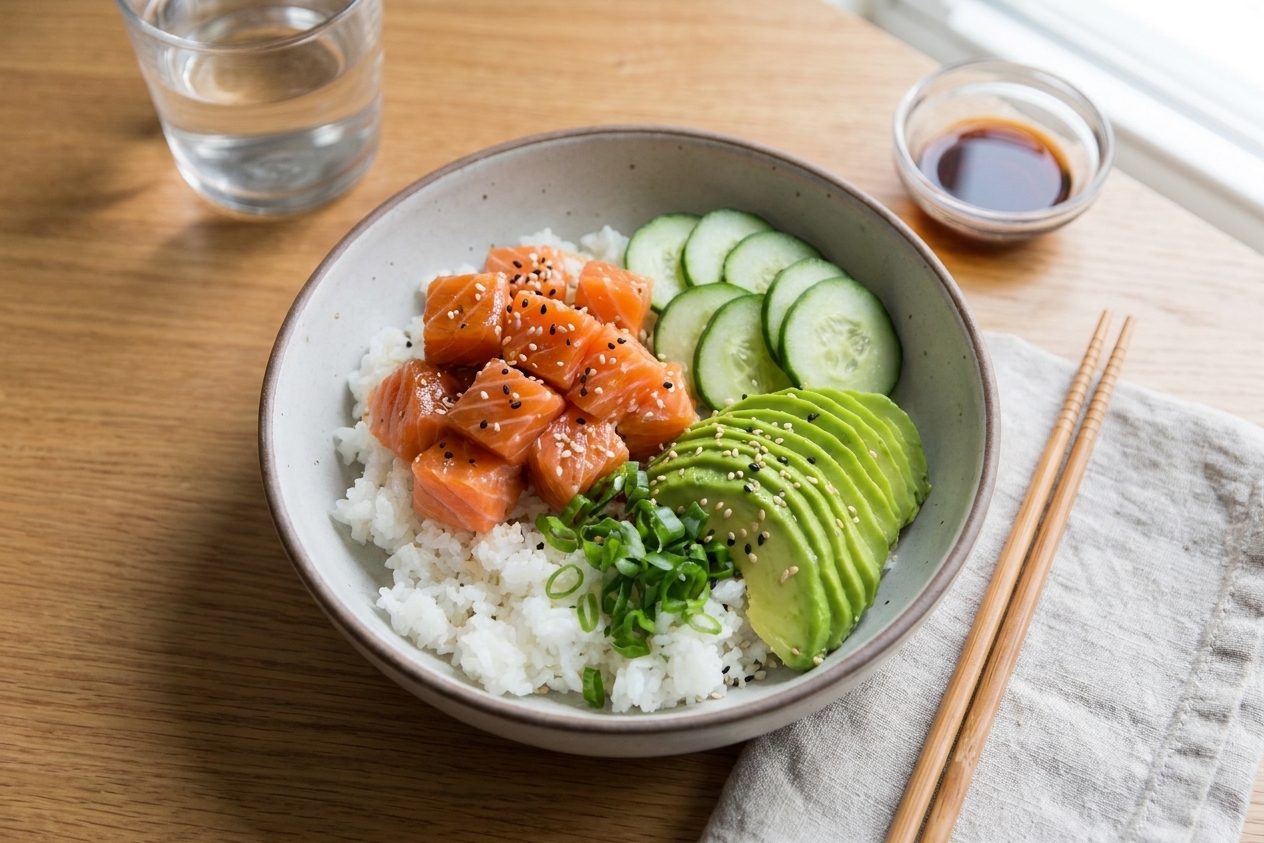
How to eat leftovers: Skip reheating if you can. Cold slices are great over rice with cucumbers and avocado, tucked into a salad, or in a quick poke-style bowl.

If you must reheat: Do it gently. A quick 10 to 20 seconds per side in a barely warm skillet is safer than the microwave, which will take it from silky to chalky fast.

Food safety note: Keep seafood cold, refrigerate promptly, and when in doubt, toss it. If you need guaranteed safety endpoints, cook fish to well-done.

Common Questions

Is ahi tuna safe to eat rare?

It can be, but “sushi-grade” and “sashimi-grade” are often retailer terms, not a universal standard. Buy from a reputable seafood counter, ask if it is appropriate for raw or rare eating, and keep it very cold until cooking. Many fish served raw are frozen for parasite control (tuna is generally lower-risk than some species, but not zero-risk). If you are serving kids, pregnant people, older adults, or anyone immunocompromised, it is smart to cook it more.

How long do you sear ahi tuna steaks?

For a 1 to 1 1/2 inch thick steak, I like 60 to 90 seconds per side over high heat, plus a quick kiss on the edges. If your steaks are thinner (around 3/4-inch), start at 30 to 45 seconds per side.

What internal temperature should ahi tuna be?

For that classic seared-tuna texture, aim around 115 to 125°F in the center (rare to medium-rare). This is a doneness and texture target, not a food-safety guarantee. If you want it more done, go higher, but it will get firmer and less juicy.

Can I use frozen ahi tuna?

Yes. Thaw overnight in the fridge. Pat it very dry before seasoning so you get a real sear instead of steaming. (Bonus: a lot of tuna sold for raw or rare eating has been previously frozen.)

Do I need sesame oil for the sauce?

It is optional, but it adds that toasty “this tastes like takeout” vibe. Use a little. Toasted sesame oil is powerful.

I used to think ahi tuna at home was one of those “leave it to the pros” foods. Then I tried it on a random weeknight with a too-hot pan and a little confidence, and it was over. The whole thing took less time than waiting on delivery, and the first slice was that perfect contrast: toasted sesame crust outside, cool rosy center inside. Now it is my go-to when I want to feel fancy while still wearing sweatpants and pretending the kitchen chaos is intentional.