Mom's Best Recipes
Recipe

Seaweed Salad

Crisp wakame and cucumber tossed in a tangy sesame-soy dressing with just enough sweetness and heat.

Author By Matt Campbell
4.8
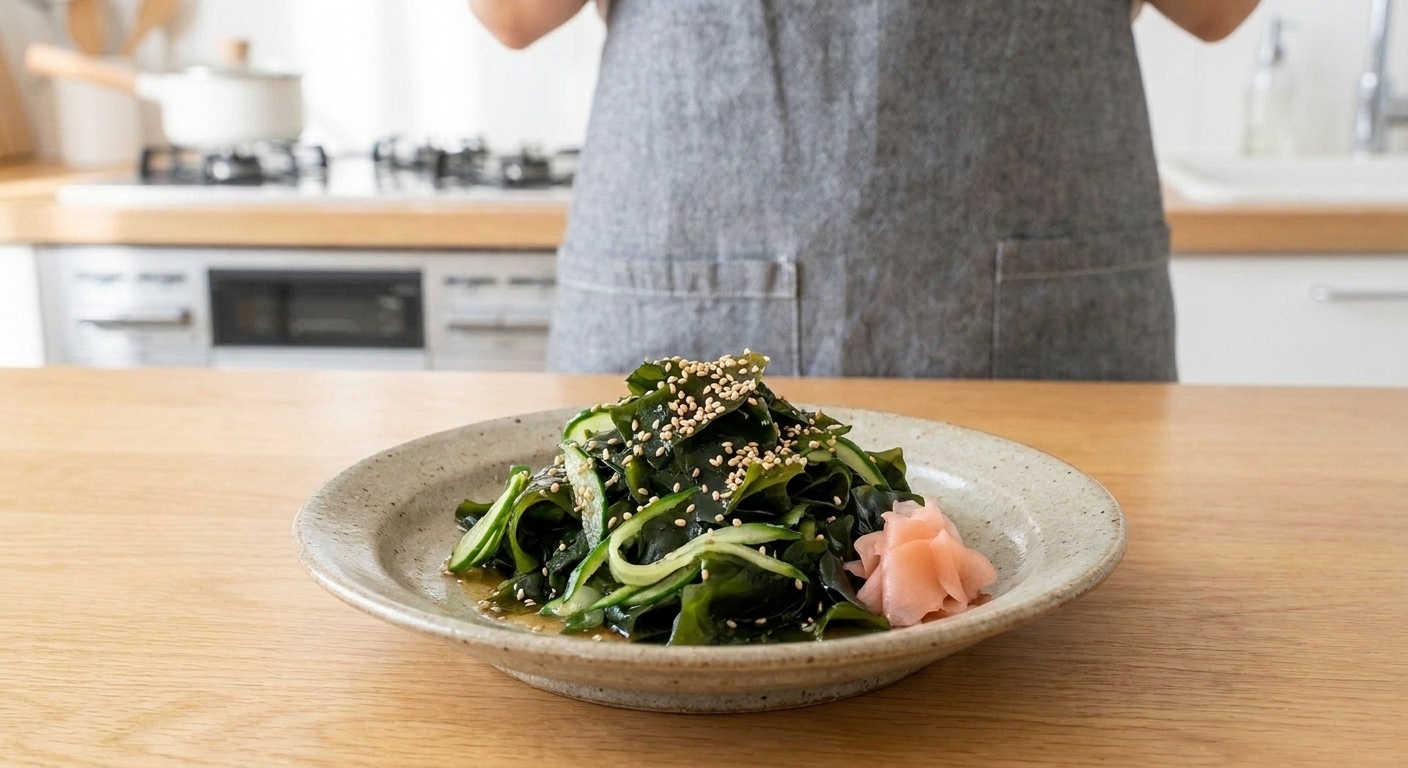
A glossy bowl of seaweed salad with cucumber ribbons, sesame seeds, and a small mound of pickled ginger on a neutral stoneware plate, set on a bright kitchen table

Seaweed salad is one of those restaurant sides that feels like magic: tangy, a little sweet, deeply savory, and somehow both light and satisfying. The good news is you can absolutely make it at home without tracking down mystery ingredients or committing to a full sushi night.

This version keeps the vibe you want, plus a little extra crunch from cucumber and a dressing that hits all the right notes: soy, rice vinegar, toasted sesame, and a whisper of heat. It is not trying to be neon-green takeout seaweed salad. Think of it as the home-kitchen cousin: fresh, punchy, and dangerously snackable.
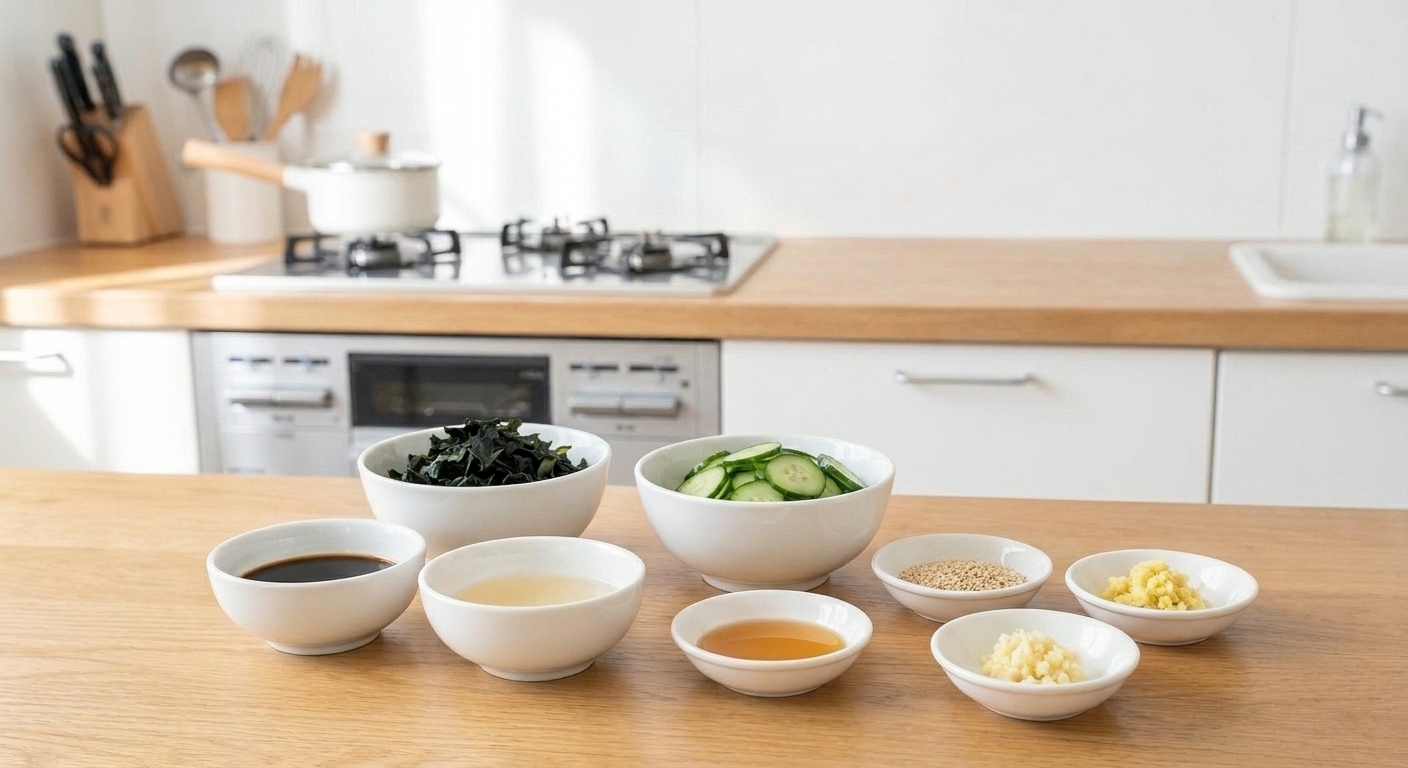
Small bowls of dried wakame, sliced cucumber, soy sauce, rice vinegar, sesame oil, sesame seeds, ginger, and garlic arranged on a clean kitchen counter in natural light

Why It Works

  • Big flavor, low effort: The dressing comes together in one bowl, no blender required.
  • Great texture: Rehydrated wakame stays pleasantly chewy, while cucumber adds a crisp snap.
  • Balanced dressing: Vinegar for brightness, soy for savory depth, and sesame oil for that warm toasted finish.
  • Flexible: Keep it mild for kids or add chili crisp for the adults at the table.

Pairs Well With

Storage Tips

Refrigerate: Store in an airtight container for up to 3 days.

Texture tip: Seaweed salad is best the day you make it. After day 1, the cucumber softens and the salad can weep a little liquid. Just drain and toss again before serving.

Best for make-ahead and longer leftovers: If you already know you will be storing it, keep the cucumbers separate and toss them in right before eating. You can mix the dressing up to 5 days ahead.

Common Questions

What kind of seaweed is best for seaweed salad?

Dried wakame is the easiest and most accessible for home cooks. It rehydrates quickly and gives you that pleasantly chewy, briny bite. That said, many restaurant-style seaweed salads use a prepared mix (often sold as chuka wakame or “seaweed salad mix”), which can be more slippery-crisp and already seasoned. If you find that, you can absolutely use it. Just follow the package soaking notes and taste the dressing first before adding extra soy.

Do I need to rinse wakame after soaking?

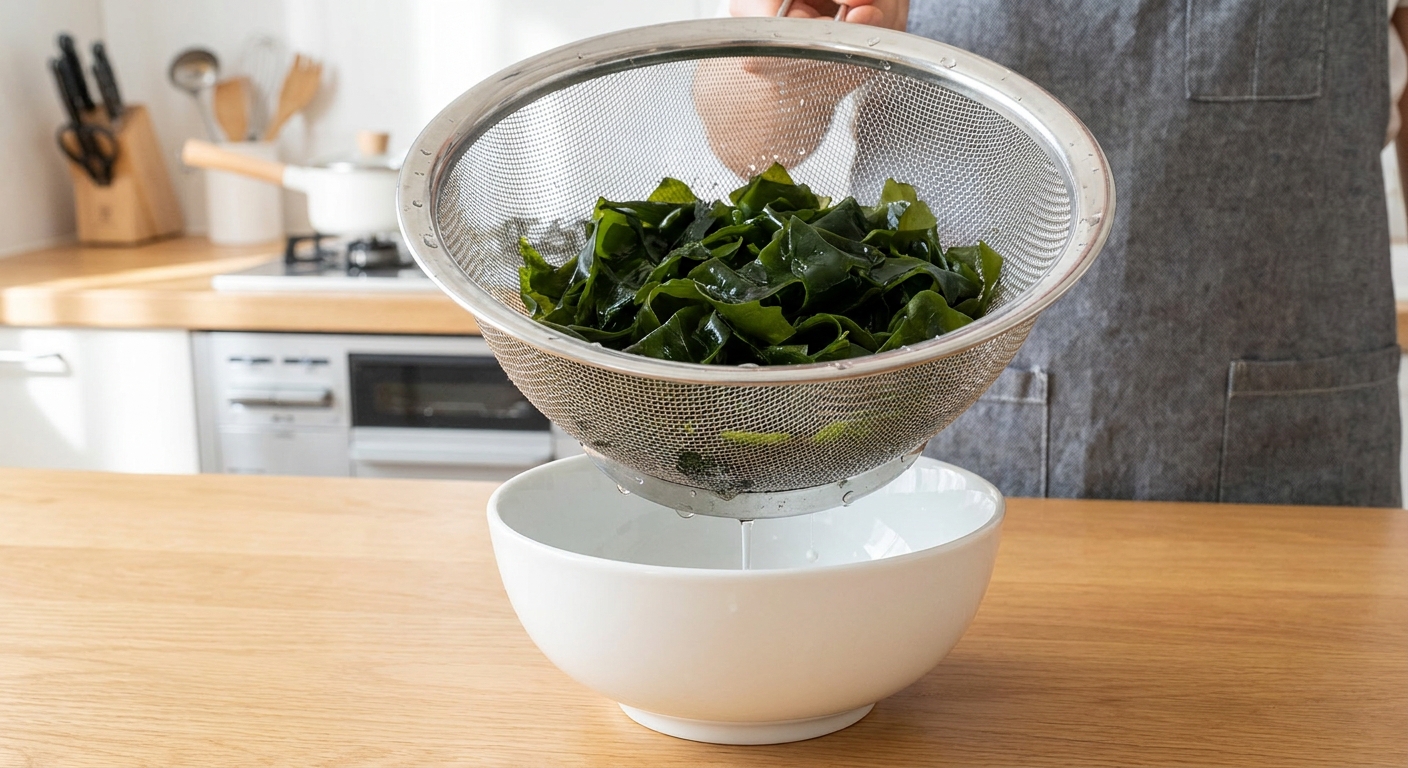
Yes, I recommend a quick rinse and squeeze. It knocks off excess salt and any ocean-y intensity, so the dressing tastes bright instead of briny.

Why is restaurant seaweed salad so neon green?

Some restaurant and store-bought versions use added coloring (and sometimes other additives) to keep that bright, uniform green. Homemade wakame salad will look more natural: deep green to olive green. Same satisfaction, less science project.

Can I make it gluten-free?

Absolutely. Use gluten-free tamari instead of soy sauce. Double-check any chili sauce or chili crisp you add, since some contain wheat.

What can I add to make it a meal?

Top with sliced avocado, edamame, shredded carrots, or a soft-boiled egg. Add cooked shrimp, salmon, tofu, or rotisserie chicken if you are not aiming for a strictly Japanese-style bowl.

The first time I tried making seaweed salad at home, I treated dried wakame like pasta and boiled it. It was not my finest moment. Now I do it the simple way: soak, rinse, squeeze, then dress it like you mean it. It does not taste exactly like the pre-seasoned restaurant-style mixes, but it hits the same cravings in a fresher, cleaner way. The dressing is where the personality lives, so I always taste and tweak until it is that exact point where you want another bite even though you were “just sampling.”