Mom's Best Recipes
Recipe

Shabu Shabu at Home

A cozy Japanese hot pot dinner with a light kombu broth, quick-cooking beef, crisp veggies, and two bold dipping sauces.

Author By Matt Campbell
4.8
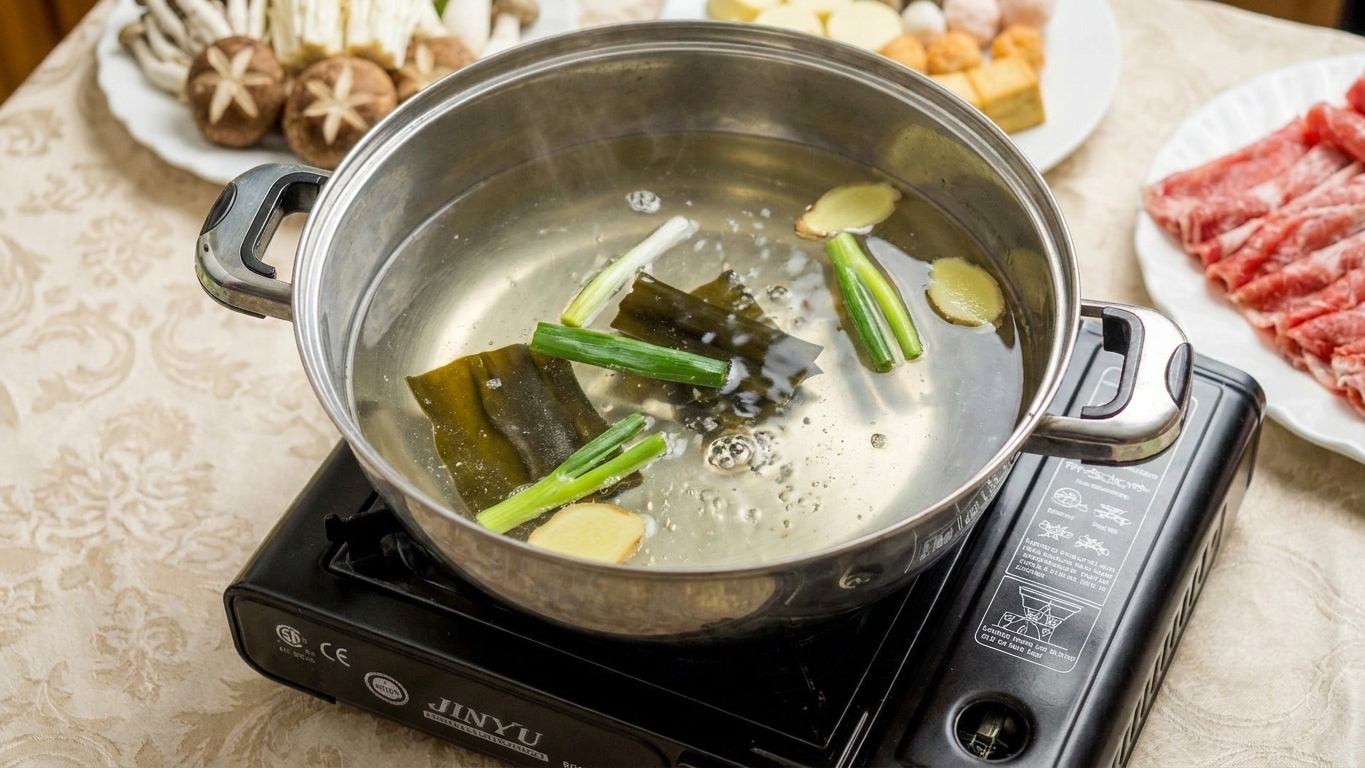
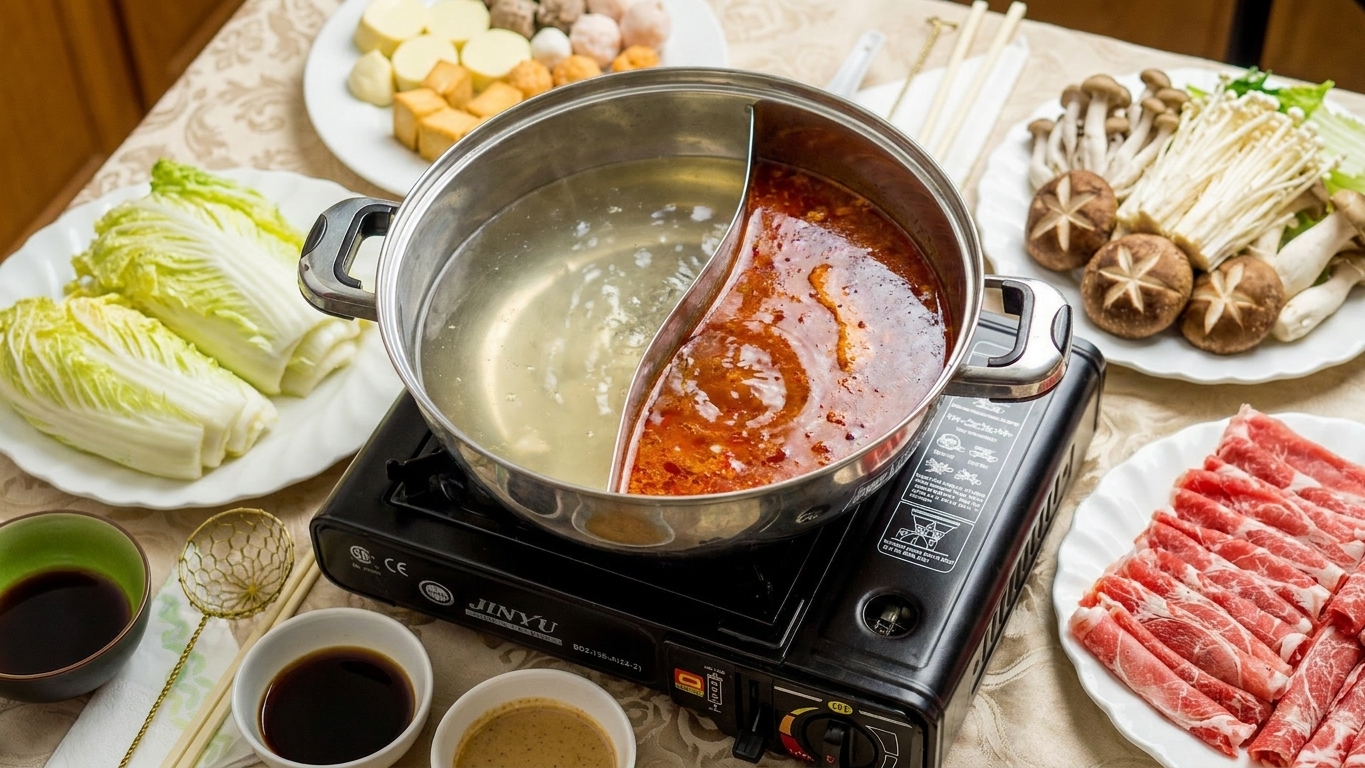
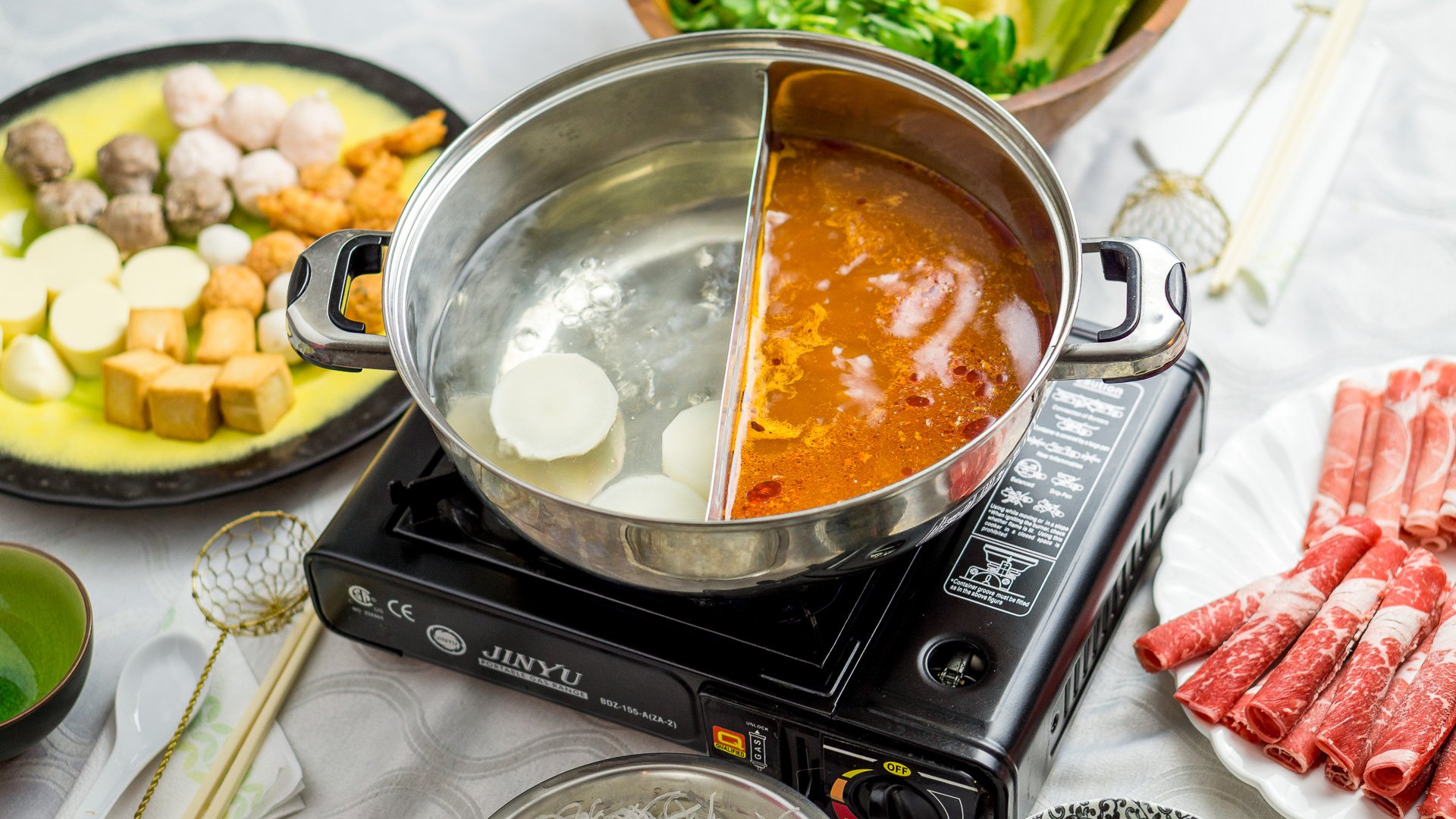
A simmering Japanese shabu shabu hot pot on a portable burner, surrounded by neatly arranged plates of thinly sliced beef, napa cabbage, mushrooms, and dipping sauces on a warm kitchen table

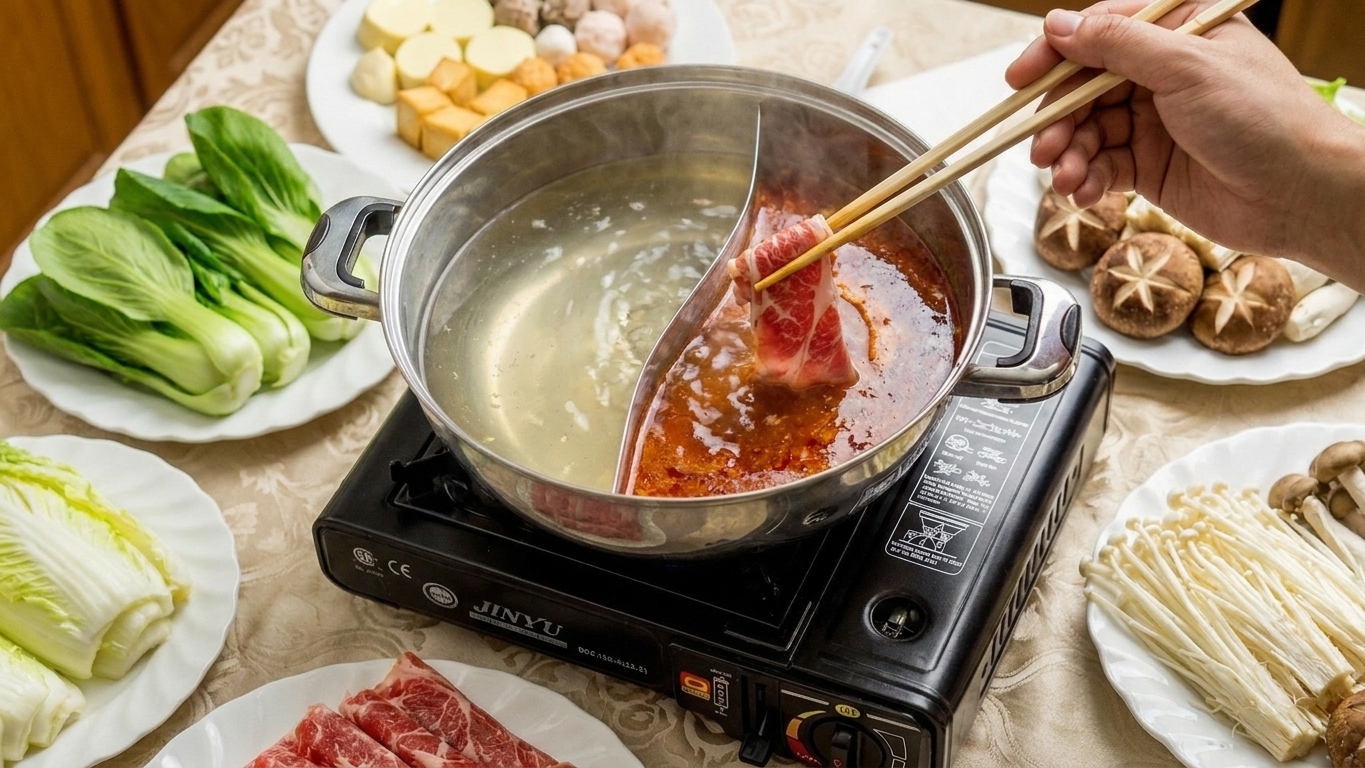
Shabu shabu is the dinner I make when I want something that feels special without turning my kitchen into a crime scene. It is social, flexible, and secretly easy: a light, savory kombu broth, a table full of thin sliced beef and vegetables, and everyone cooks their own bites in seconds.

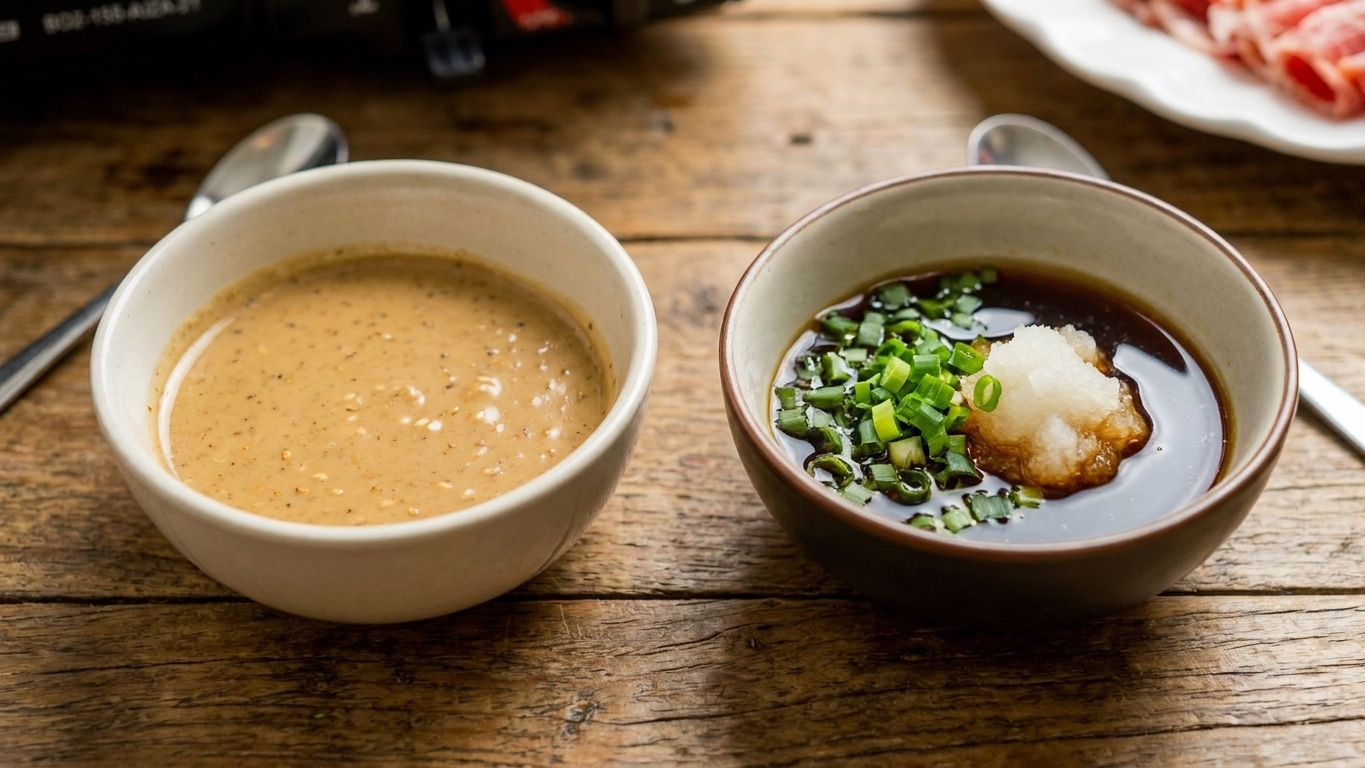
The best part is the rhythm of it. Swish the beef in the broth. Dunk it in a bright sauce. Repeat until you are full and happy. This version keeps ingredients accessible and gives you two dipping sauces: a classic sesame one that tastes like comfort, and a ponzu one that tastes like the lights just turned on in your mouth.
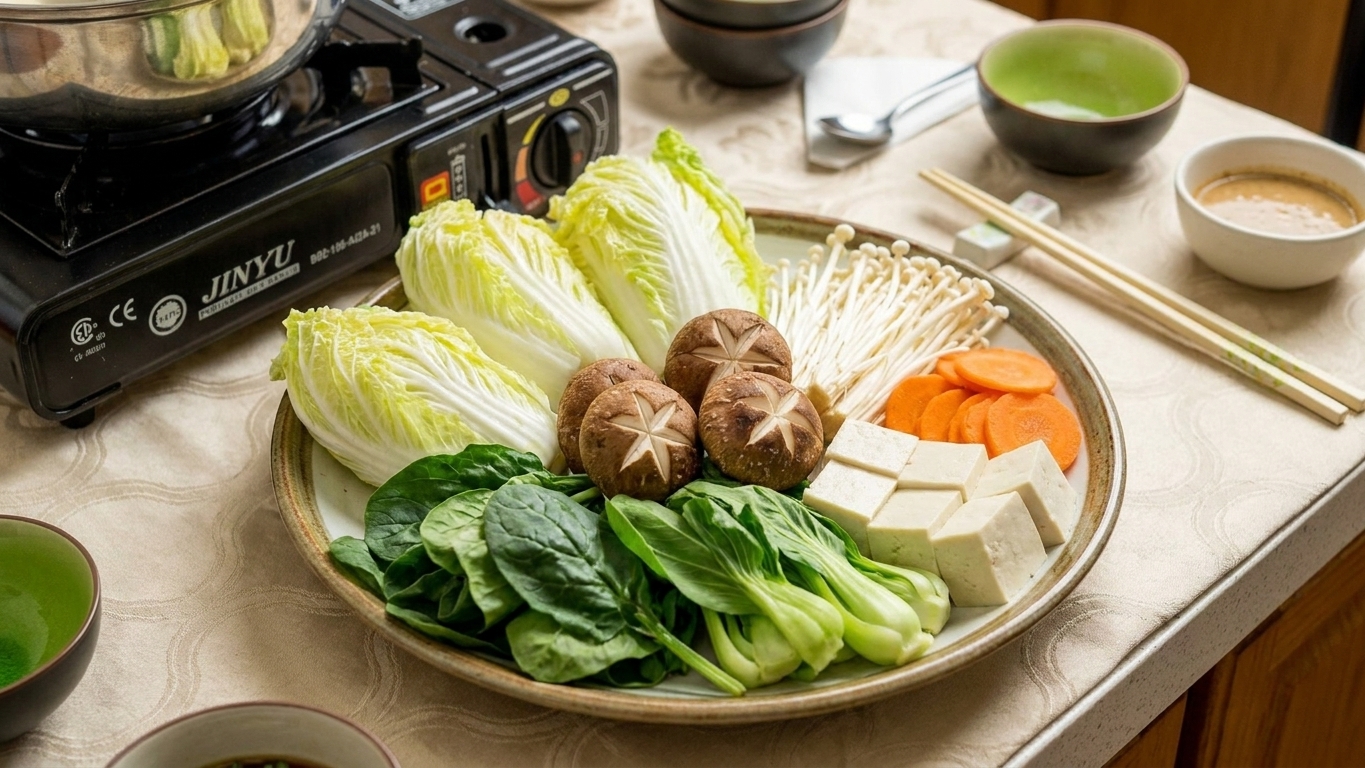
A kitchen counter with neatly arranged shabu shabu ingredients including kombu, napa cabbage, shungiku or spinach, enoki mushrooms, shiitake mushrooms, tofu, thinly sliced beef, udon noodles, and small bowls of condiments

Why It Works

  • Light broth, big flavor: Kombu builds savory depth without fuss, and you can layer in aromatics if you feel like it.
  • Fast cooking: Thin sliced beef and tender veggies cook in seconds, so dinner feels interactive instead of stressful.
  • Two sauces, two moods: Sesame sauce for cozy richness, ponzu for bright, citrusy punch. Alternate bites and you will not get bored.
  • Built for picky eaters: Everyone chooses their own mix of meat, veg, tofu, and noodles.
  • Ends with the best bowl: Udon or rice in the finished broth is basically a reward for showing up.

Pairs Well With

Storage Tips

Broth: Strain out any bits and chill. Store airtight in the fridge up to 3 days. Reheat to a gentle simmer. If it got cloudy from cooking, that is normal and still delicious.

Cooked meat and vegetables: Refrigerate in an airtight container up to 2 days. Reheat gently in a little broth so they do not dry out.

Raw sliced beef: Keep refrigerated and use within 1 to 2 days, or freeze right away. Thaw overnight in the fridge.

Dipping sauces: Store separately, covered, up to 5 days. Sesame sauce thickens in the fridge, so loosen with a teaspoon of warm water.

Food safety note: Do not store broth that has been sitting out at the table for more than 2 hours. When in doubt, toss it.

Common Questions

What is shabu shabu, exactly?

Shabu shabu is a Japanese hot pot where you cook thin slices of meat and vegetables in a simmering broth. The name comes from the swishing sound you make when you swish the meat through the liquid.

What kind of beef should I buy?

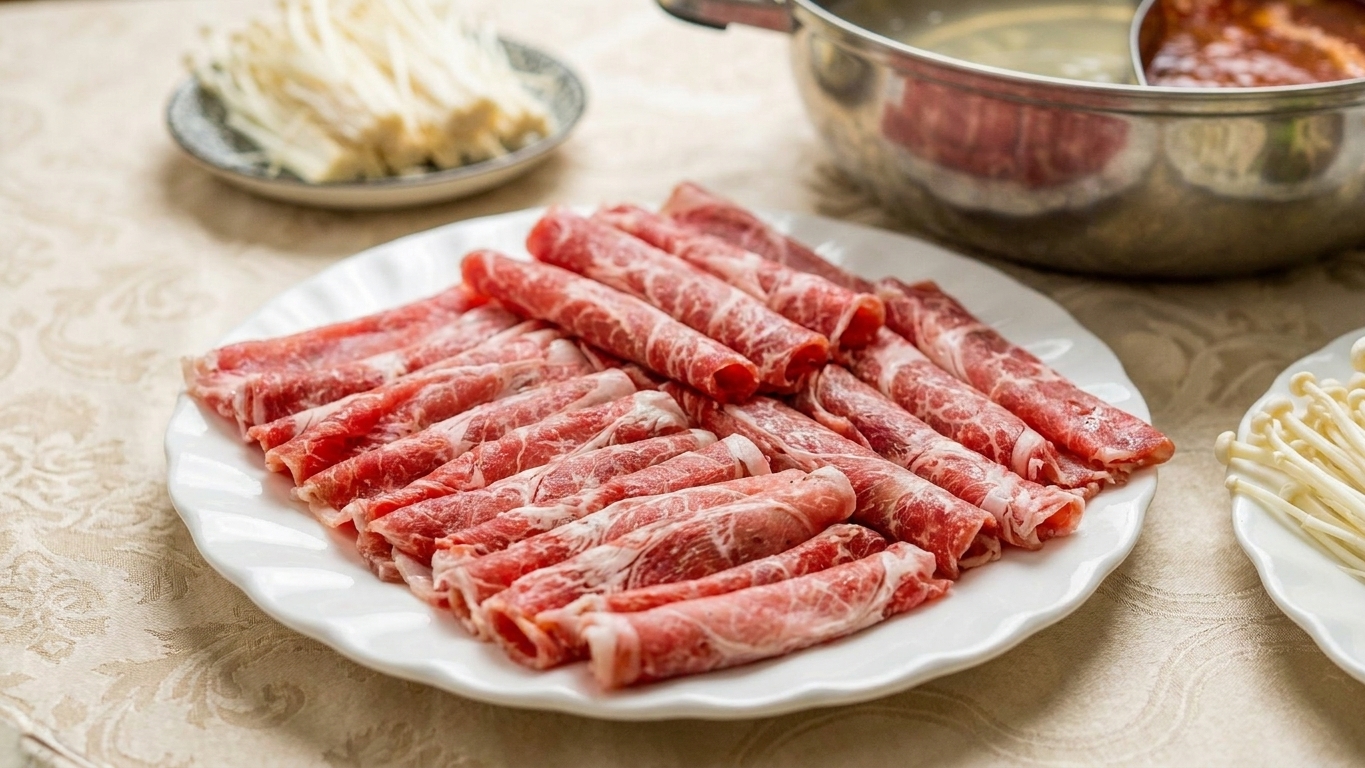
Look for very thin slices labeled shabu shabu, hot pot, or sukiyaki at an Asian market. For mainstream grocery stores, ask the butcher to slice ribeye or sirloin very thin, or partially freeze the steak for 30 minutes and slice it yourself.

Do I have to use kombu?

Kombu gives the broth real savory depth, not just “hot water but make it dinner.” If you cannot find it, use low sodium chicken broth and you are still in very good shape.

Can I do this without a portable burner?

Yes. Simmer the pot on the stove, then bring it to the table on a sturdy trivet. You will likely need to return it to the stove once or twice to reheat. A portable burner is convenient, not required.

What vegetables work best?

Napa cabbage, mushrooms, and leafy greens are the classics. Thin sliced carrots, napa, and quick greens cook fast and stay crisp.

What noodles should I use?

Udon is my favorite for the endgame. Shirataki is a classic choice too. Even ramen noodles work in a pinch, just watch the cook time.

The first time I tried shabu shabu at home, I overthought it like I was opening a restaurant that night. I had spreadsheets in my head. Then I realized the whole point is that it is not precious. The broth is gentle. The cooking is fast. The fun is in the table, the dipping, and the tiny choices you make bite by bite. Now it is one of my favorite “friends are coming over” dinners because it turns the meal into a hangout and nobody is stuck in the kitchen alone.