Mom's Best Recipes
Recipe

Shoyu Ramen From Scratch

Rich, clear-ish pork and chicken broth with a simple shoyu tare, springy noodles, jammy eggs, and classic toppings you can prep ahead.

Author By Matt Campbell
4.8
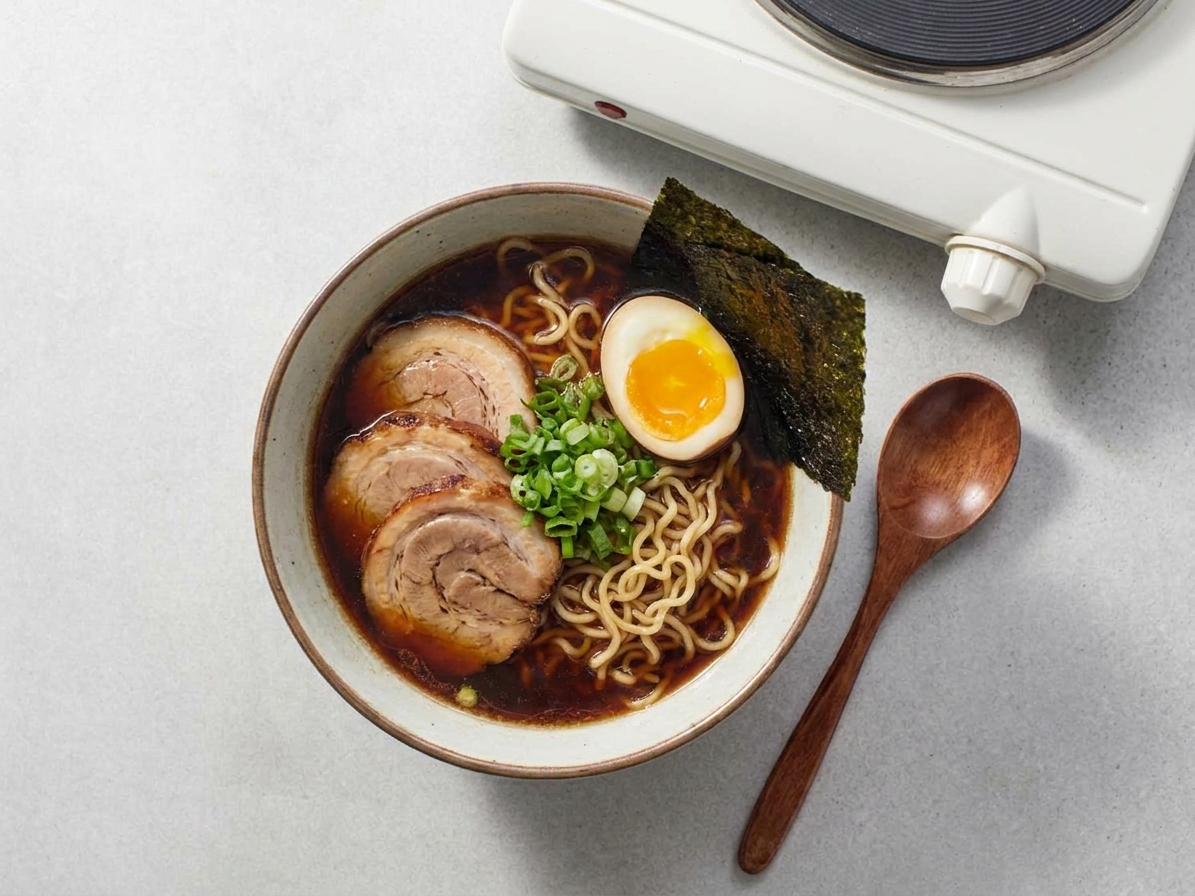
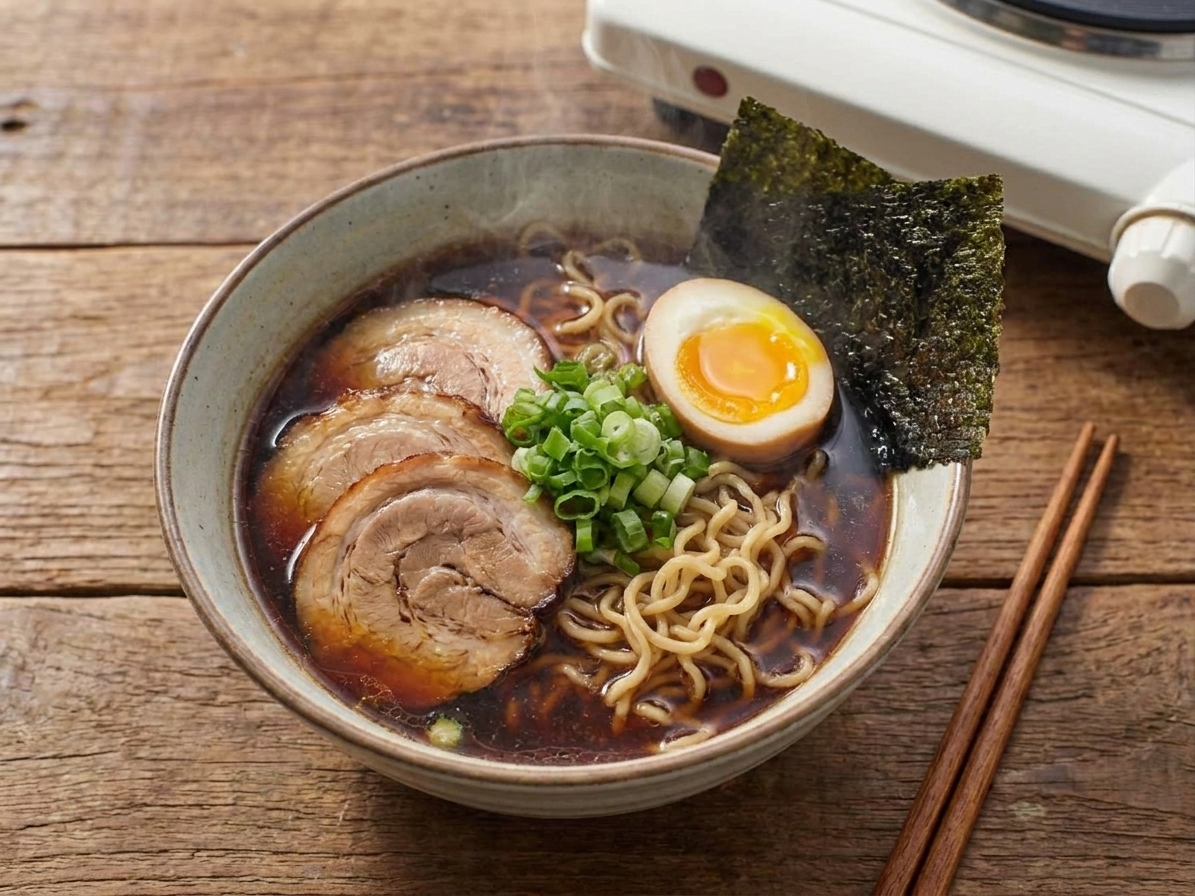
A steaming bowl of shoyu ramen with sliced chashu pork, jammy soy-marinated egg, scallions, and nori on a wooden table with chopsticks

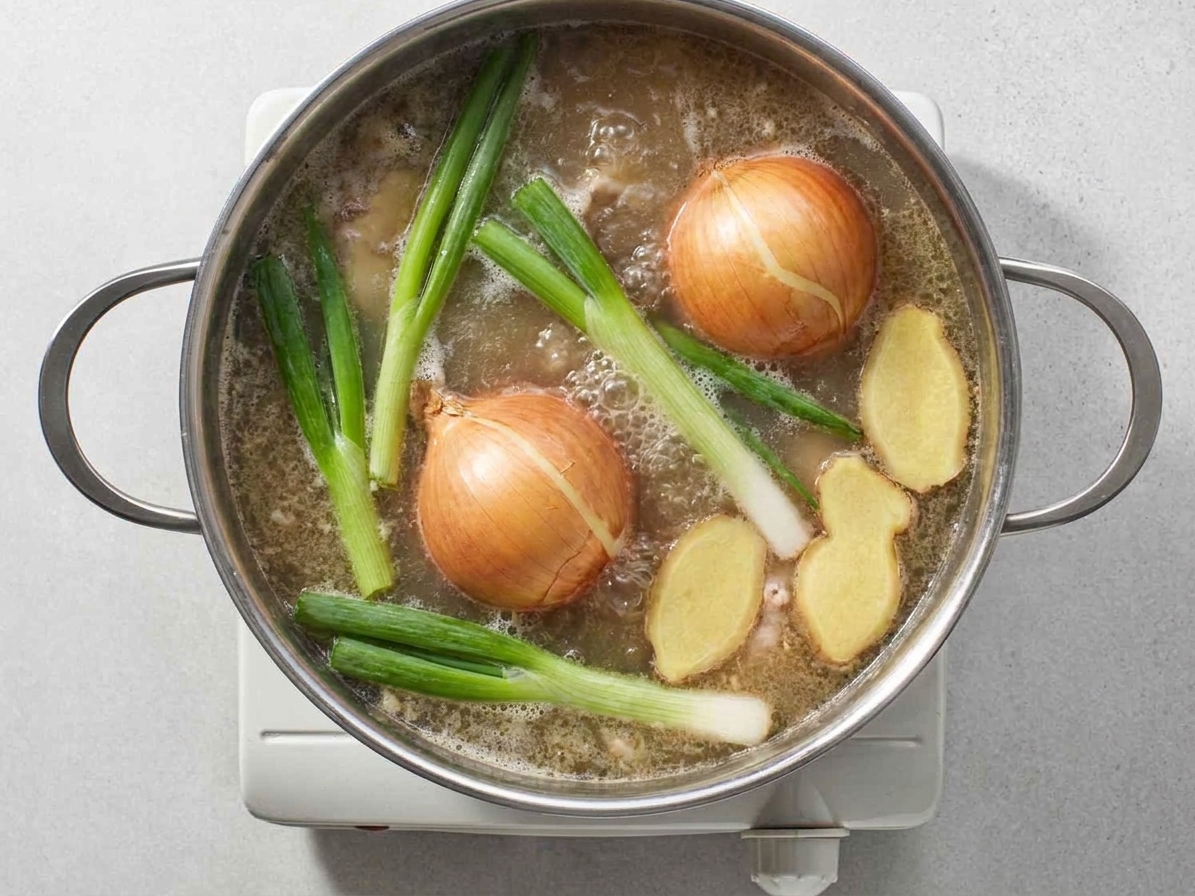
Ramen from scratch is a choose your own adventure where the payoff is extremely slurpable. We are building three things that make ramen taste like ramen: a broth with real body, a tare (seasoning base) that gives it identity, and aroma oil that hits your nose before the spoon even lands. Then we do the fun stuff: noodles, jammy eggs, pork, and whatever topping situation makes you happiest.

This is a shoyu-style bowl: clear, savory, and deeply porky with chicken backing it up like a good friend. A few choices here are home-kitchen friendly on purpose, like the quick aroma oil and optional sesame oil in the tare. Keep it classic if you want, or use the shortcuts that make ramen night actually happen.
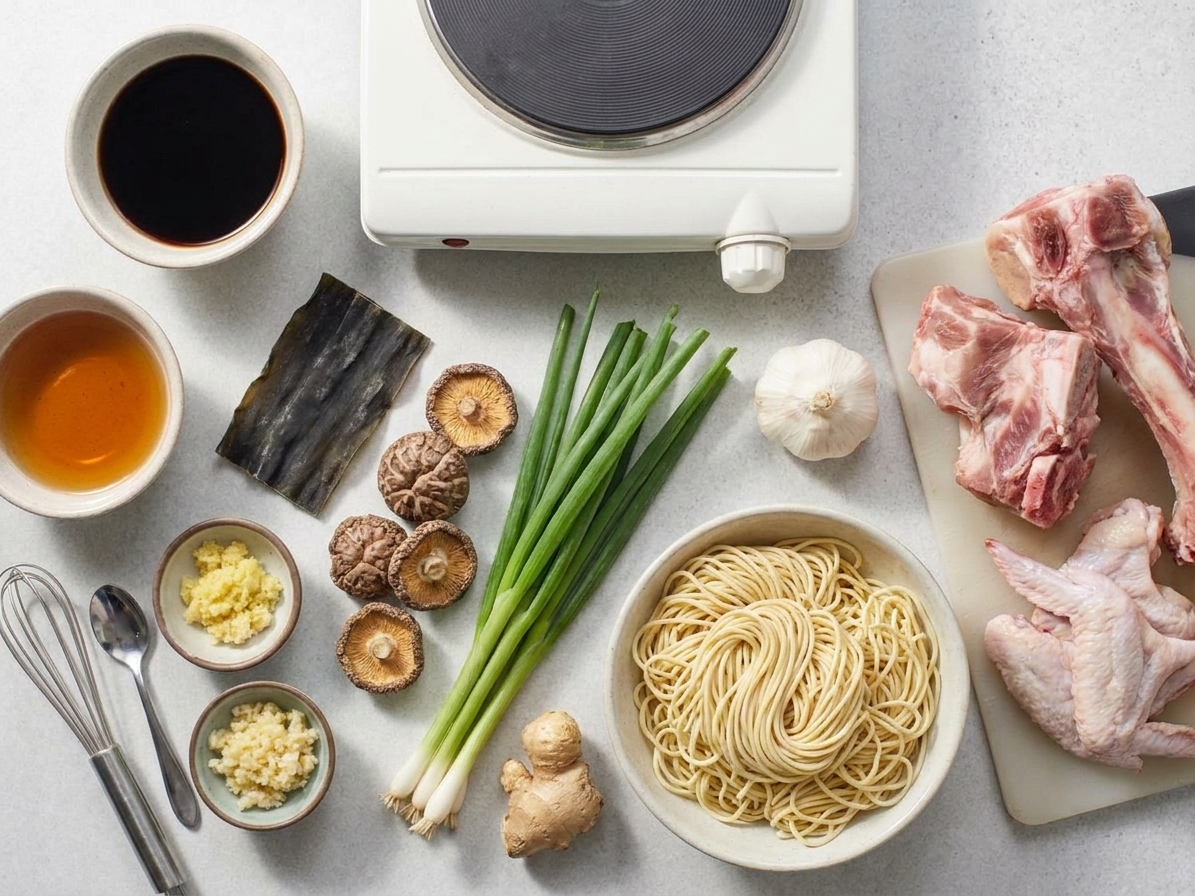
A home kitchen counter with neatly arranged ramen ingredients including pork bones, chicken wings, soy sauce, mirin, kombu, dried shiitake, scallions, garlic, ginger, and fresh noodles

Why It Works

  • Broth with bounce: Pork bones plus chicken wings give you collagen for that glossy, lip-sticking texture.
  • Flavor control: Tare means your broth can be unsalted and flexible, then seasoned perfectly per bowl.
  • Make-ahead friendly: Broth, eggs, and tare can be done in advance, so ramen night feels like assembling something special, not starting a marathon at 6 pm.
  • Classic build, home-friendly moves: Traditional structure, realistic steps, and optional upgrades if you want to go deeper.

Pairs Well With

Storage Tips

Store components separately so noodles do not turn into a sad sponge.

  • Broth: Cool quickly, then refrigerate up to 4 days. Freeze up to 3 months. For faster cooling, strain into shallow containers or set the pot in an ice bath and stir until it drops out of the danger zone, then refrigerate. I like freezing in 2-cup containers so it is basically instant ramen night later.
  • Tare (shoyu seasoning): Refrigerate in a jar up to 2 weeks.
  • Aroma oil: Refrigerate up to 2 weeks. Warm to loosen if it solidifies.
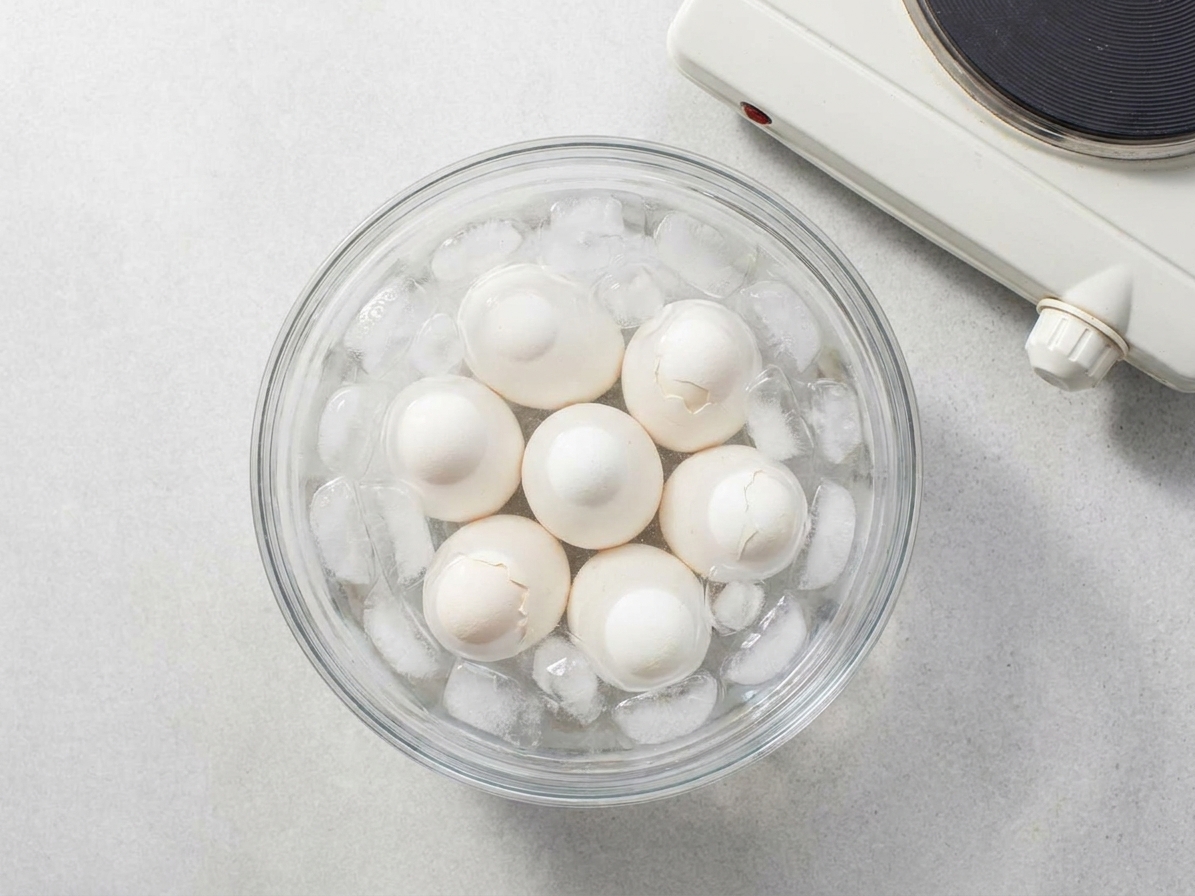
  • Ajitsuke tamago (ramen eggs): Refrigerate up to 4 days in their marinade. They get a little saltier each day, which is honestly not a problem.
  • Cooked noodles: Best fresh. If you must store, rinse, toss with a tiny bit of neutral oil, and refrigerate 1 day. Reheat briefly in boiling water.

Reheating tip: Heat broth to a gentle simmer. Build bowls with tare first, then hot broth, then noodles, then toppings.

Common Questions

Is ramen broth always cloudy?

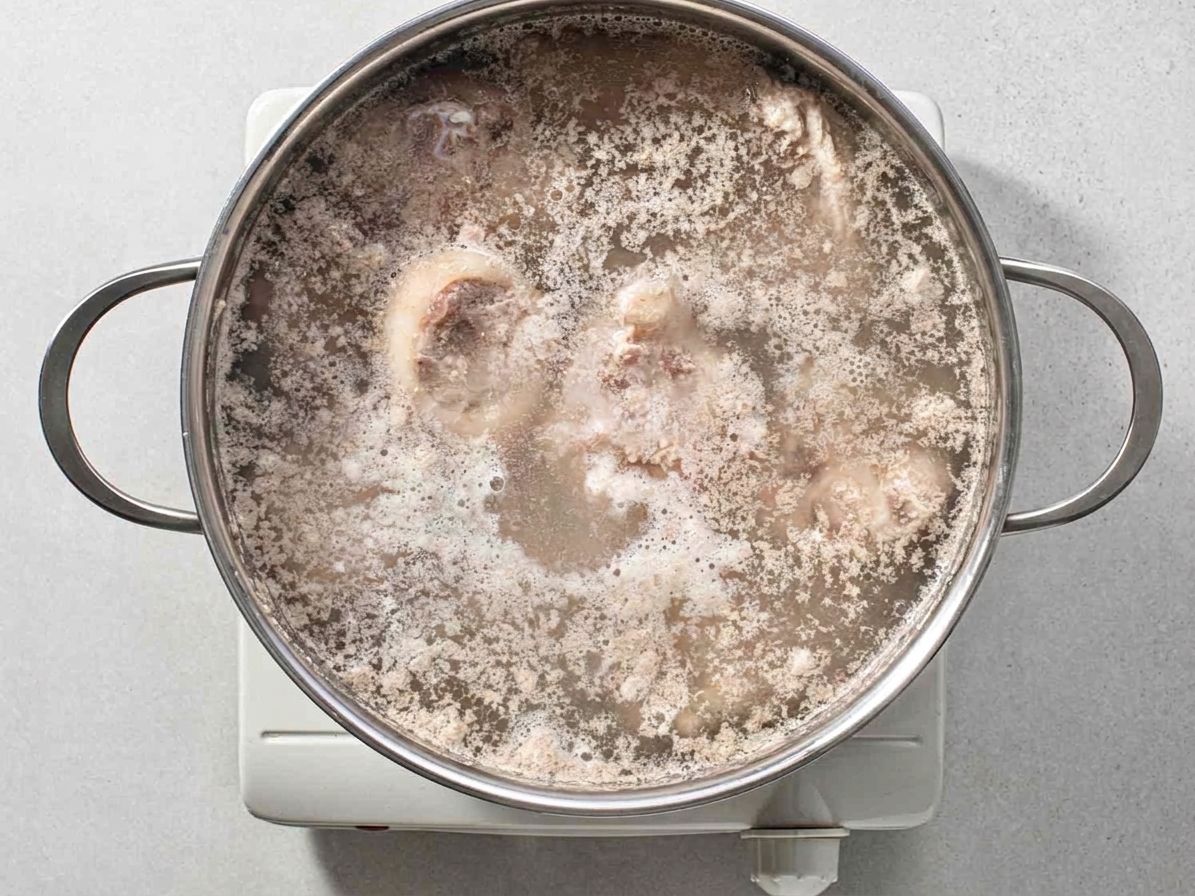
Nope. Tonkotsu is famously milky from a hard boil and emulsification. Shoyu ramen often uses a clearer broth like this one. We keep it at a steady simmer, skim often, and you get clean flavor with lots of body.

What is tare, and can I skip it?

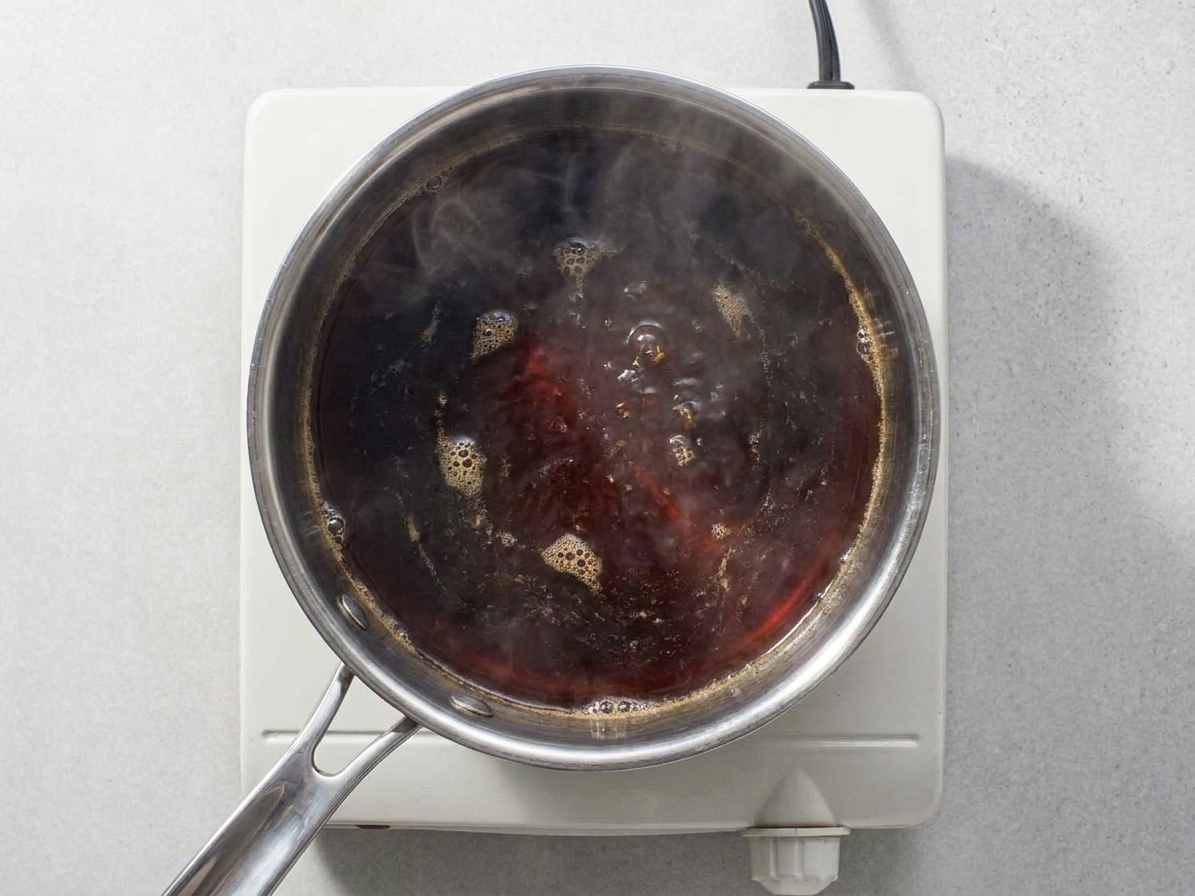
Tare is the concentrated seasoning base. If you skip it and just salt the pot of broth, you lose control and it gets harder to balance. Tare also brings complexity from soy, aromatics, and umami boosters.

Do I need kombu and dried shiitake?

They are optional, but they give you that quiet, savory depth. Kombu likes gentle heat, not a long boil. We warm it, then pull it before the broth hits a real simmer. Shiitake is more forgiving and can simmer, or you can steep it separately if you want an extra-clean broth.

What noodles should I buy?

Look for fresh alkaline ramen noodles in the refrigerated section of an Asian market. Dried ramen noodles work too. Avoid instant seasoning packets here. We are the seasoning packet now.

How do I keep noodles springy?

Cook them right before serving, shake off water well, and get them into hot broth immediately. Overcooking by even 30 seconds is how you lose that bouncy chew.

Can I make this chicken-only?

Yes. Use more chicken wings and backs, and skip the pork bones. You will get a lighter broth, still delicious. Add a spoon of chicken fat or aroma oil for richness.

The first time I made ramen from scratch, I treated it like a final exam. I timed everything, stressed about clarity, and stared at the pot like it might give me feedback. Then I tasted the broth and realized something: ramen is not about being precious, it is about being present. Skim, simmer, taste, adjust. Now ramen night in my kitchen is part cozy ritual, part controlled chaos. There is always a sink full of bowls, someone hovering for “just one egg,” and me saying, for the tenth time, “Do not forget the tare.”