Mom's Best Recipes
Recipe

Shrimp Linguine

Juicy shrimp + linguine in a bright garlic lemon butter sauce that turns glossy with pasta water. Weeknight-easy, dinner-party worthy.

Author By Matt Campbell
4.8
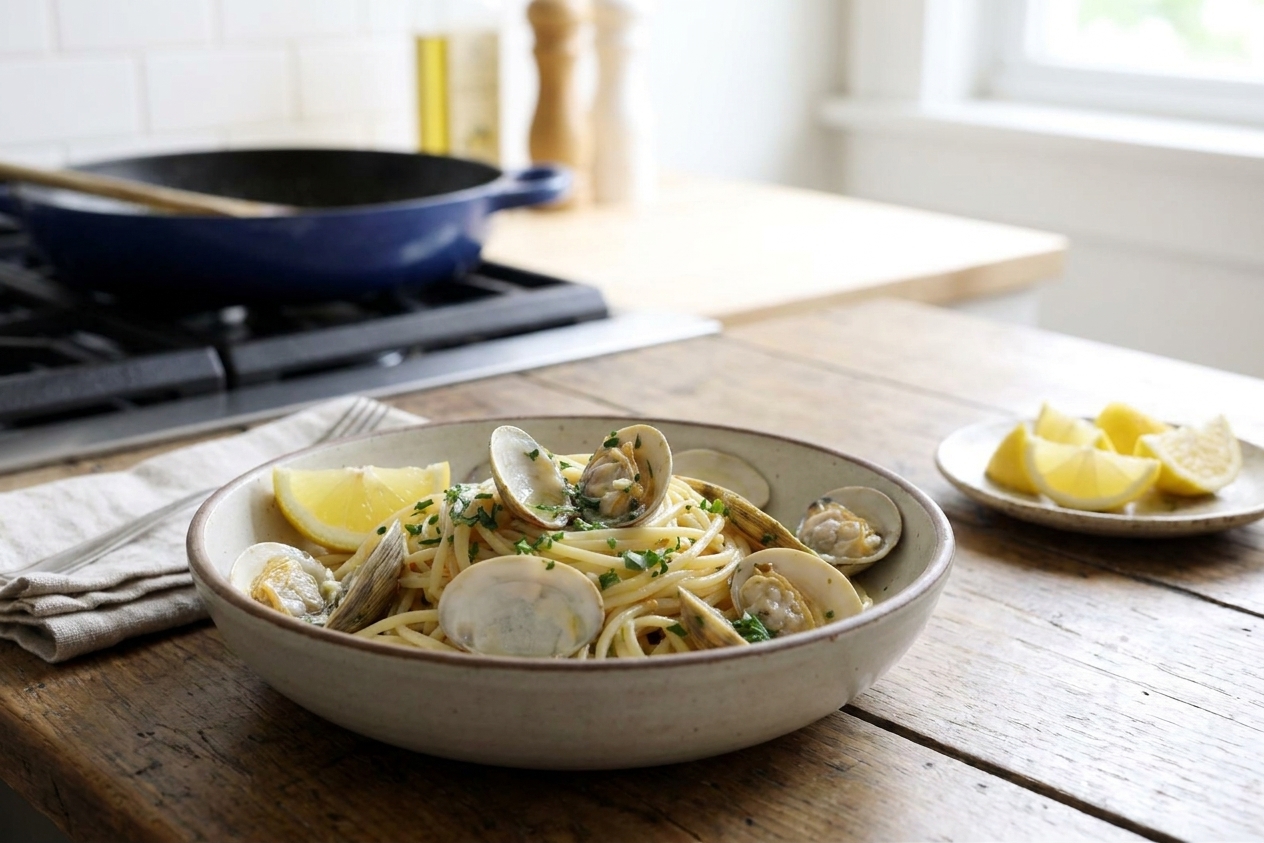
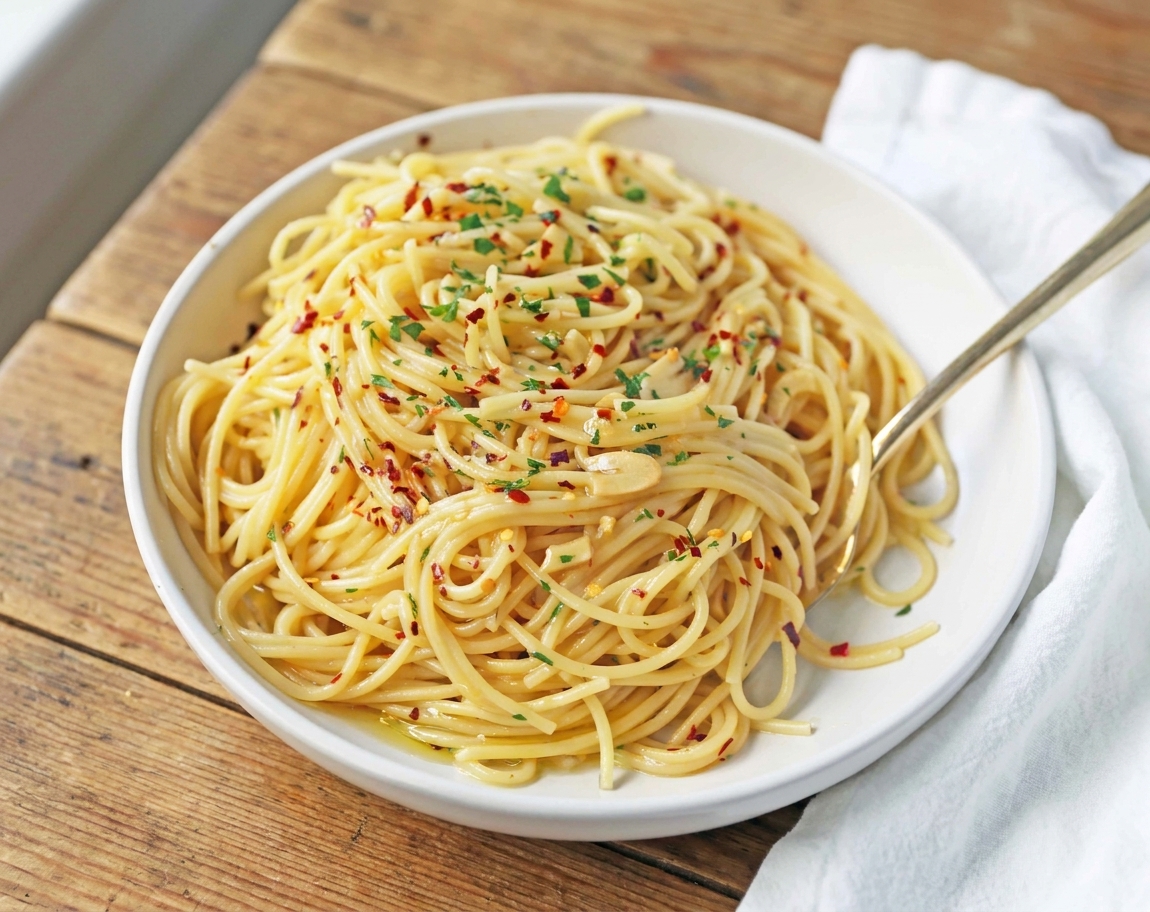
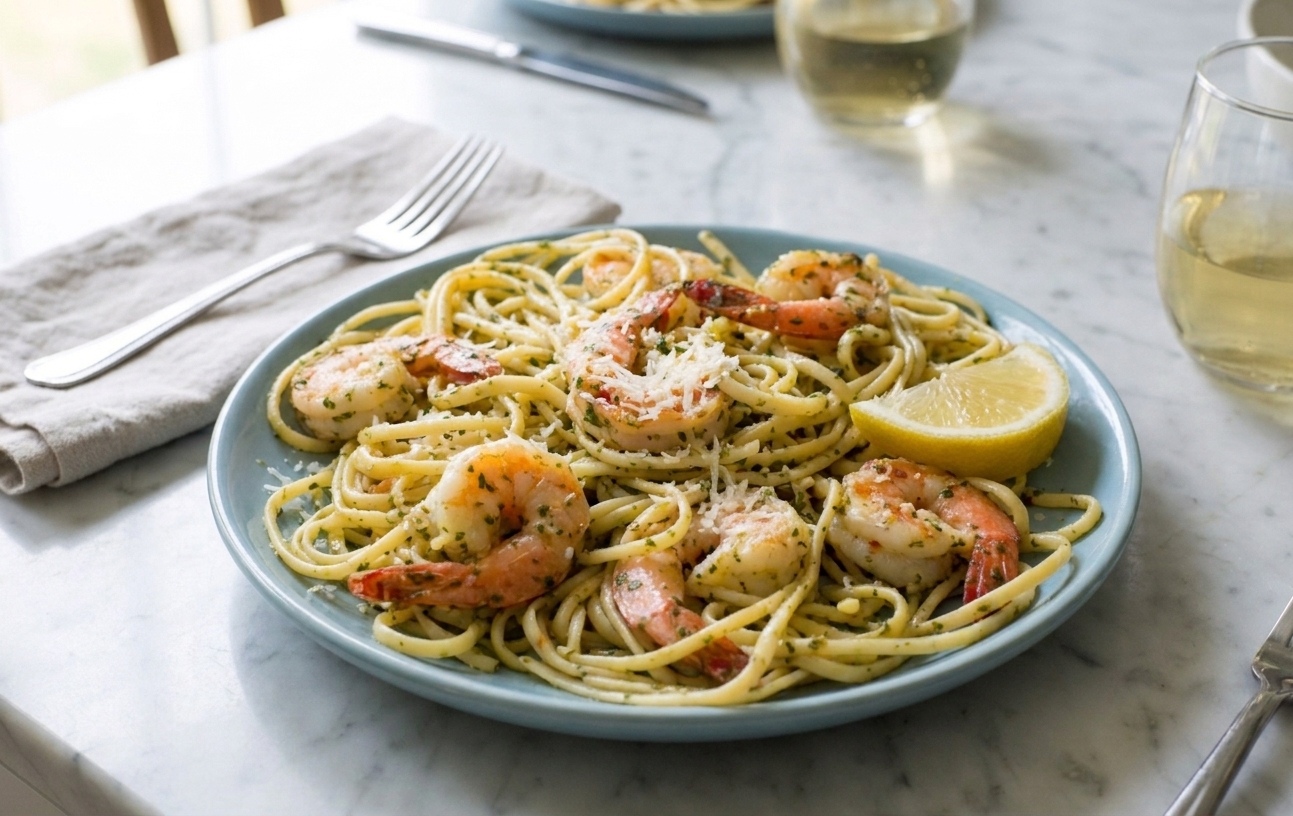
A bowl of shrimp linguine tossed in a glossy lemon garlic sauce, finished with parsley and grated Parmesan on a neutral stoneware plate at a softly lit kitchen table

Shrimp linguine is one of those dishes that feels fancy, but cooks like a weeknight. You get juicy shrimp with crisp edges, noodles that actually taste like something, and a bright, buttery sauce that clings to every strand instead of puddling sadly at the bottom of the bowl.

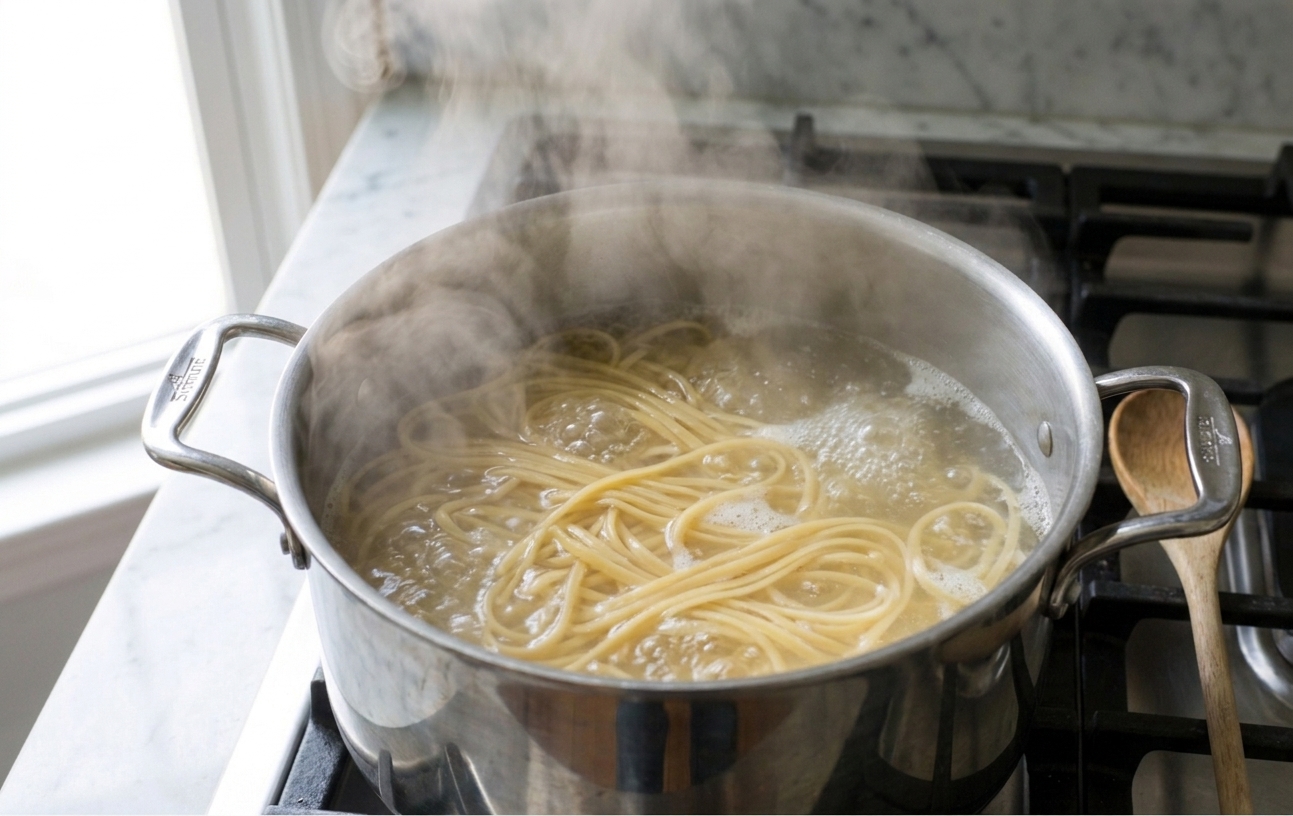
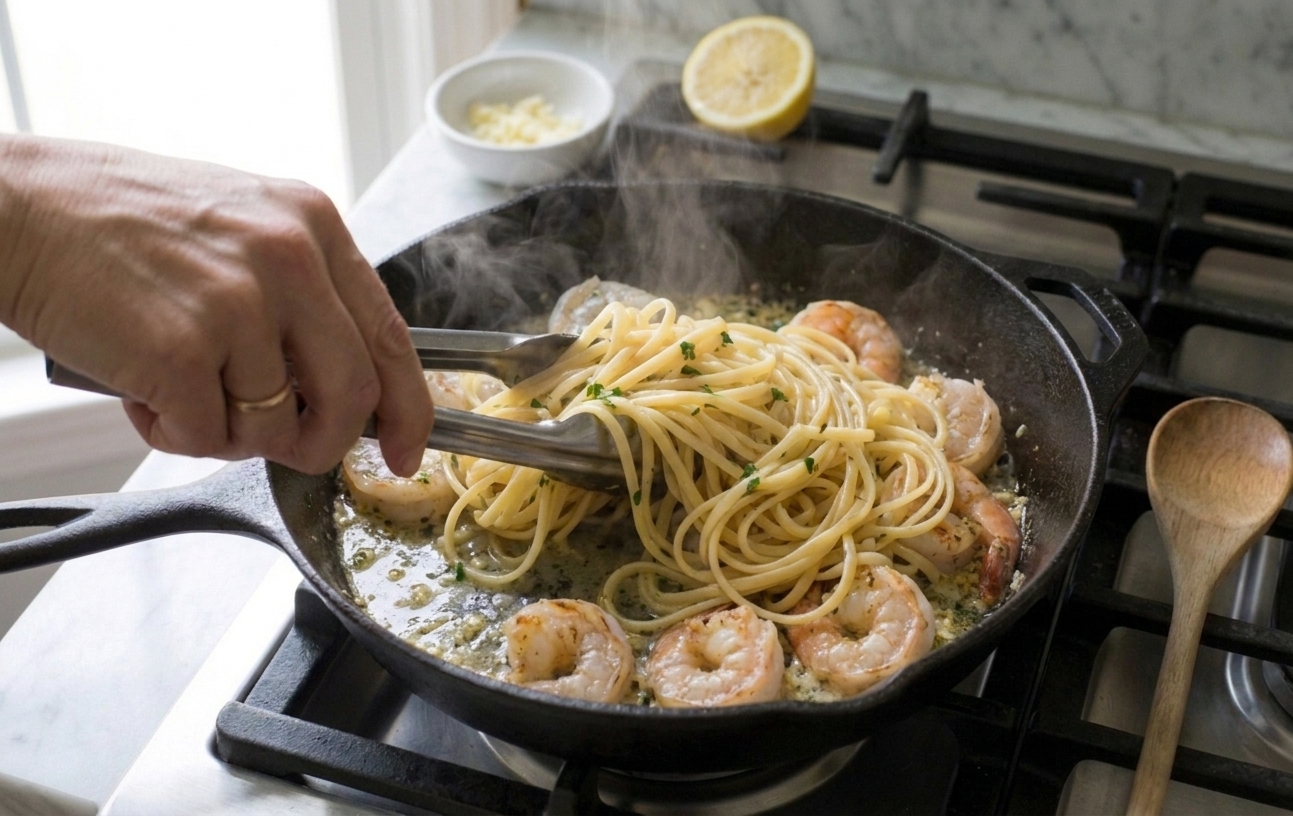
The secret is not a secret: we build the sauce right in the pan with garlic, a little white wine (or broth), lemon, and a splash of the starchy pasta water. That pasta water is the glue. It helps the butter and olive oil come together into a silky sauce that looks like you knew what you were doing all along.

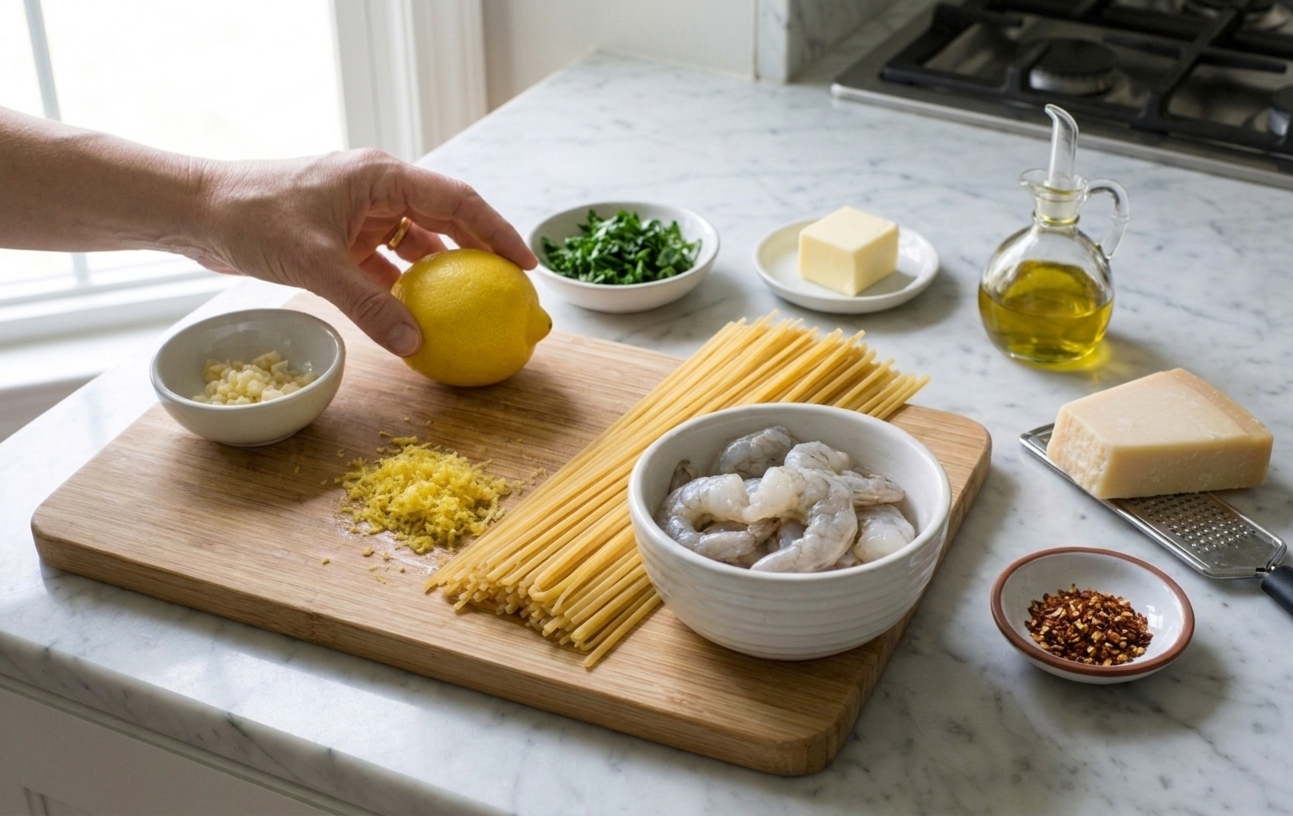
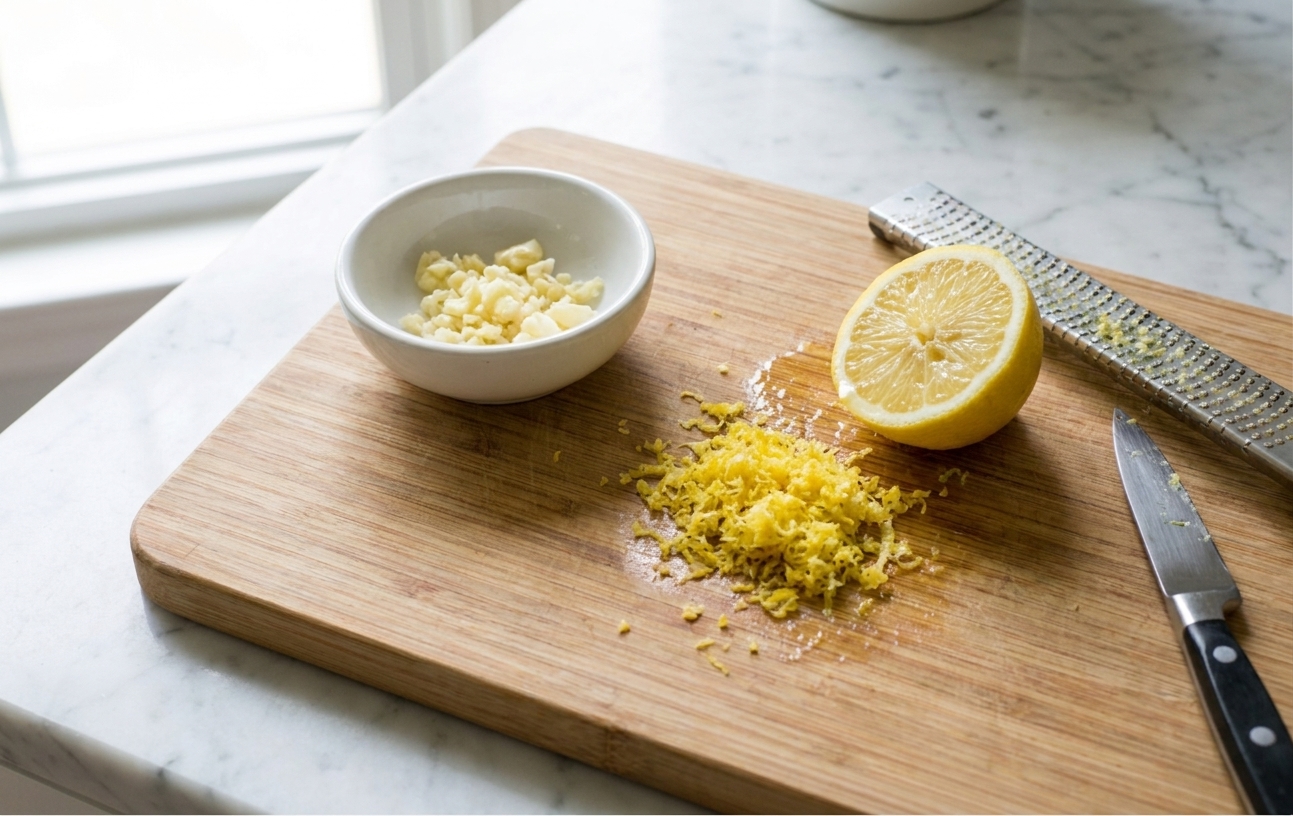
Measured ingredients for shrimp linguine arranged on a clean kitchen counter, including raw shrimp, linguine, lemon, garlic, parsley, butter, olive oil, Parmesan, and red pepper flakes

Why It Works

  • Fast and low drama: the shrimp cooks in minutes, and the sauce happens in the same skillet.
  • Glossy, clingy sauce: pasta water helps emulsify with butter and olive oil so the sauce coats the noodles instead of sliding off.
  • Bright flavor balance: lemon zest and juice lift the richness, while garlic and a pinch of red pepper flakes bring the “wait, what is that” factor.
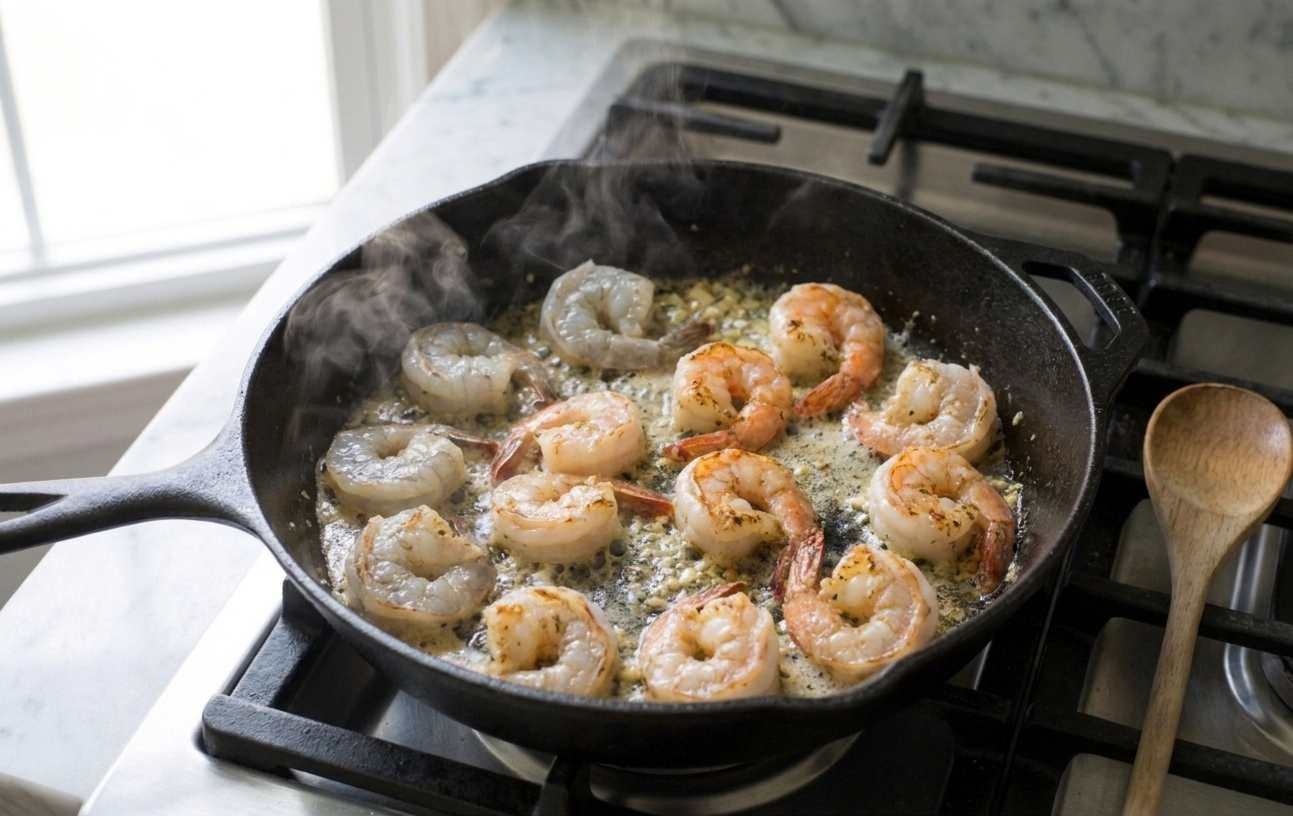
  • Not rubbery shrimp: we cook them just until pink and opaque, then finish them in the sauce.

Pairs Well With

Storage Tips

Fridge: Store leftovers in an airtight container for up to 2 days. Shrimp is at its best sooner rather than later.

Reheat (best method): Warm in a skillet over medium-low with a splash of water or broth (2 to 3 tablespoons). Toss gently until the pasta loosens and the shrimp is just heated through.

Microwave (works, but be careful): Add a small splash of water, cover loosely, and heat in 30-second bursts. Stop the second it is hot so the shrimp does not turn bouncy.

Freezing: I do not recommend freezing. The pasta texture suffers and shrimp can get mealy.

Common Questions

Can I use frozen shrimp?

Yes. Thaw first for best sear: put shrimp in a colander and run under cold water until fully thawed, about 5 to 8 minutes for most large shrimp, then pat very dry. Wet shrimp steams instead of browning.

What size shrimp is best for shrimp linguine?

I like large shrimp (31/35) or extra-large (26/30). These counts can vary slightly by supplier, but bigger shrimp stay juicier and feel substantial with the pasta.

Do I have to use wine?

No. Swap in seafood stock, chicken broth, or even pasta water plus an extra squeeze of lemon. Wine adds complexity, but it is not required.

How do I keep shrimp from getting rubbery?

Two rules: high heat, short time. Sear quickly, pull them as soon as they turn pink and opaque, then finish in the sauce for 30 to 60 seconds. If you like a temperature cue, they are perfect around 120 to 130°F (49 to 54°C).

Can I use pre-cooked shrimp?

You can. Skip the sear and add pre-cooked shrimp at the very end just to warm through (30 to 60 seconds). They go from “fine” to bouncy fast.

Can I make this creamy?

You can, but keep it subtle. Add 2 to 4 tablespoons of heavy cream at the end, then toss with pasta water to keep it light. The classic version is glossy, not heavy.

Do I have to use Parmesan with seafood?

Nope. If you are not a cheese-with-seafood person, simply skip it and finish with extra lemon zest, parsley, and black pepper. Still delicious.

What if my sauce looks oily or broken?

Turn the heat down and add more pasta water 1 tablespoon at a time while tossing. The starch brings it back together.

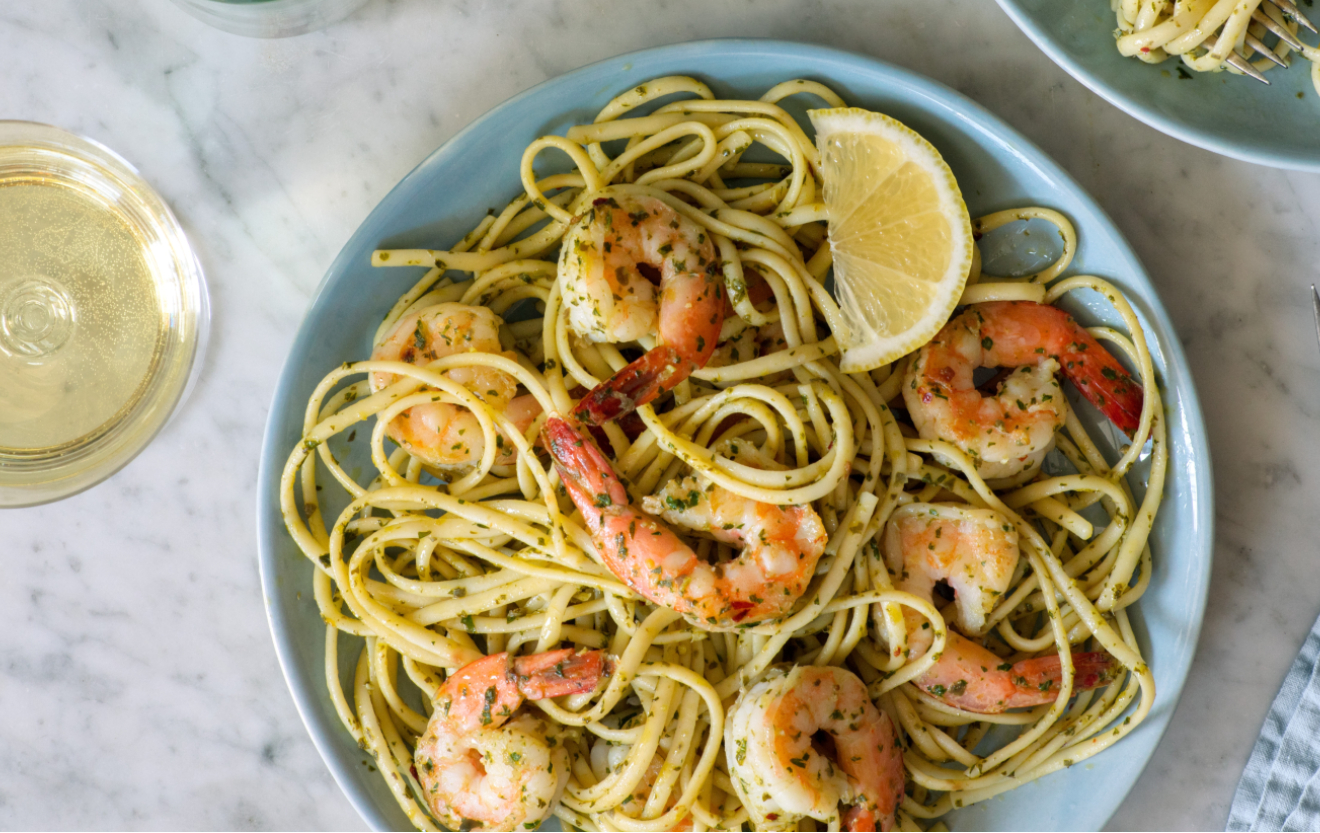
This is my “I have 25 minutes and I still want dinner to feel like a win” pasta. Shrimp linguine hits that sweet spot where you can cook it in sweatpants, but it tastes like you lit candles on purpose. I started making versions of it when I ditched the idea that good food has to be complicated. Once you see how pasta water helps a simple pan sauce turn silky and restaurant-y, you start using that trick everywhere. Fair warning.