What is the best fat for roux?
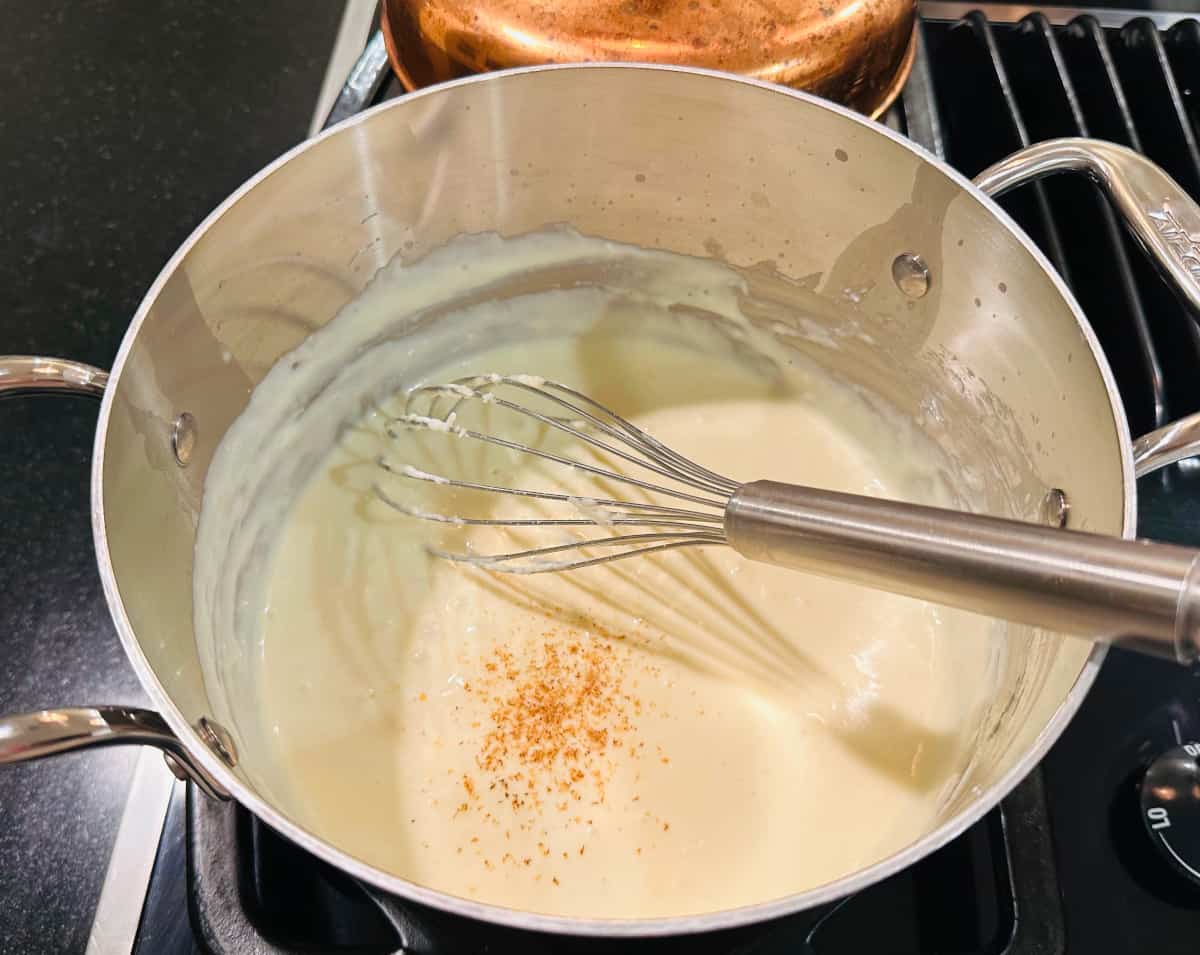
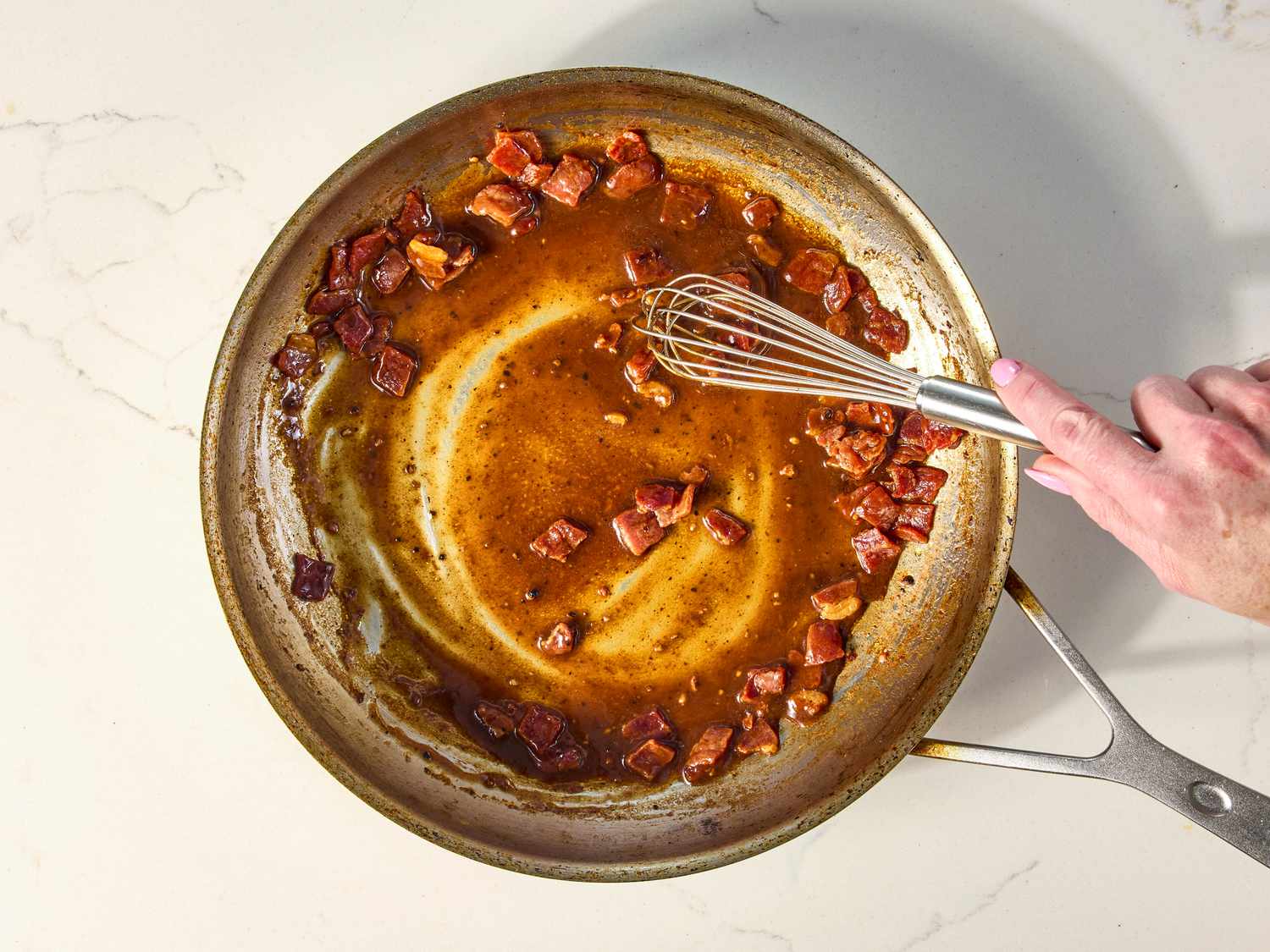
Butter is the most common for gravy and creamy sauces because it tastes rich and toasty. Neutral oil (like canola or avocado) is great if you want a higher smoke point, especially for darker roux. Bacon drippings are amazing for Southern-style gravies .
What is the roux ratio?
Classic is equal parts fat and flour by weight. For home cooking, an easy shortcut is equal parts by volume (like 2 tablespoons butter + 2 tablespoons flour) and it works very well for most gravies.
How much liquid will this roux thicken?
As a general guide, 1 tablespoon fat + 1 tablespoon flour thickens about 1 cup of liquid to a light gravy. For a thicker gravy, use 1.5 to 2 tablespoons roux per cup.
Why is my roux lumpy?
Usually it is a temperature mismatch or the liquid got added too fast. The most foolproof method is cool (or room temperature) liquid into hot roux, whisking constantly. Cold liquid slows thickening so you have a second to whisk it smooth. The other safe route is hot liquid into cold roux (like when using chilled make-ahead roux). Fix lumps by lowering the heat and whisking aggressively. If it still looks stubborn, simmer 3 to 5 minutes and whisk again. Worst case, strain it and pretend you meant to.
Can I make roux ahead?
Yes, and it is a weeknight lifesaver. Make a small batch, refrigerate it, and you can turn drippings or broth into gravy in minutes.
My roux smells burnt. Can I save it?
If it tastes even slightly burnt, toss it and start over. Burnt flour is loud and it will take over the whole dish. The good news: a fresh roux takes about 5 minutes.