Common Questions
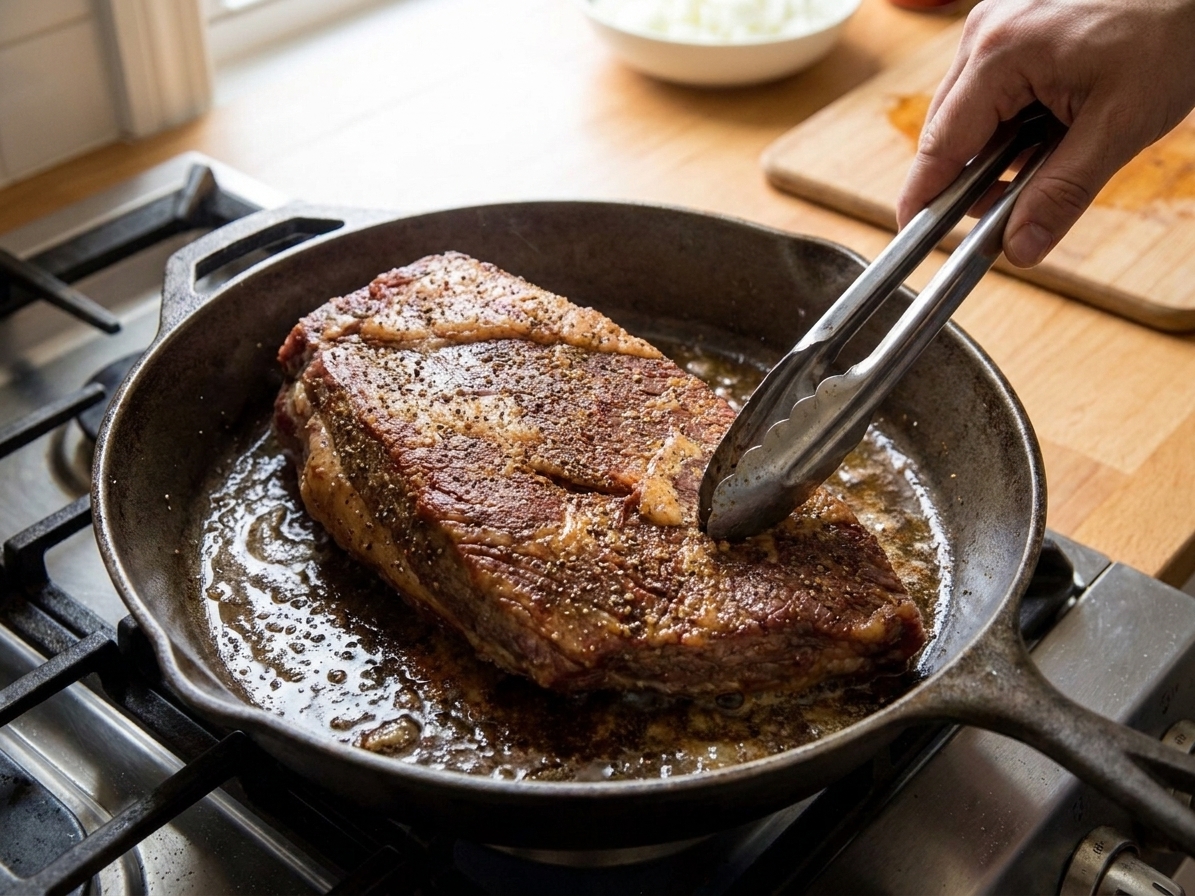
Do I need to sear brisket before slow cooking?
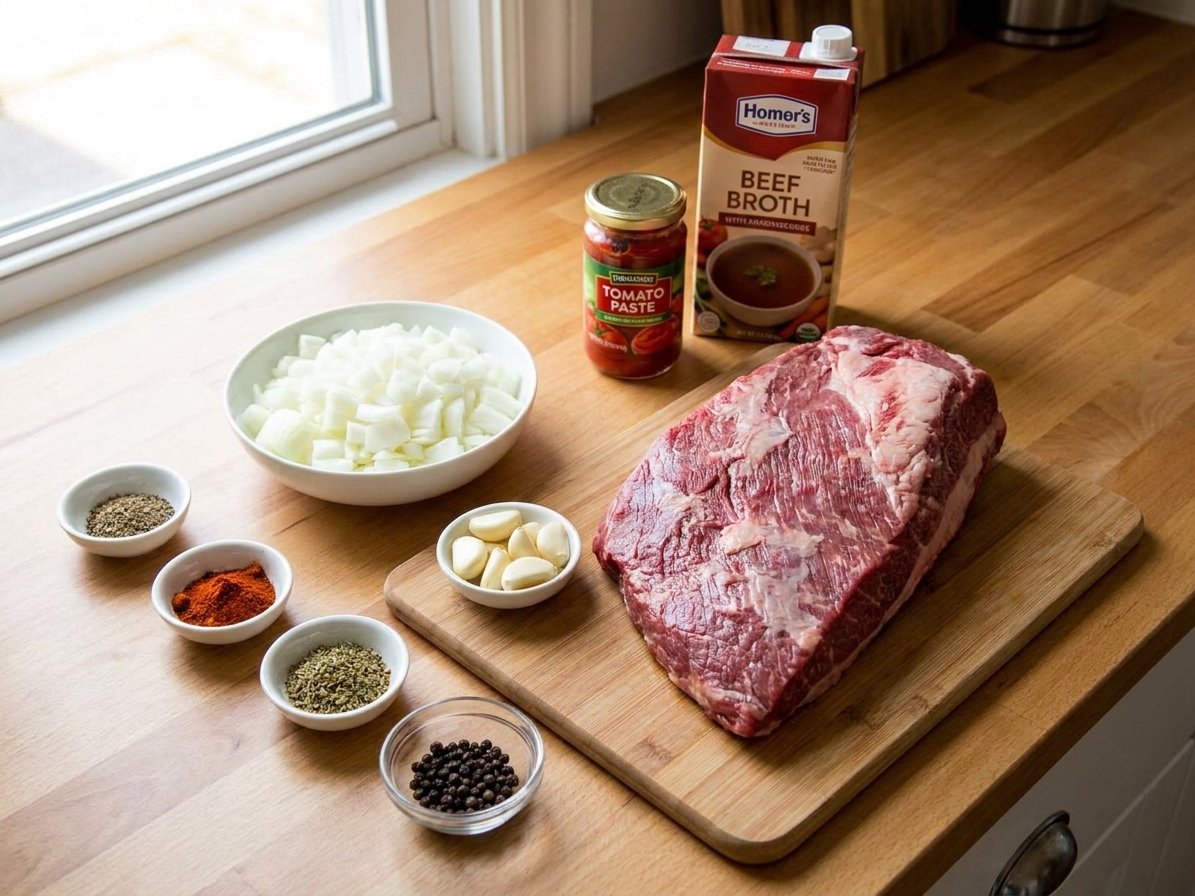
You do not need to, but it helps. A quick sear adds roasted flavor and better color. If your day is chaos, skip it and do the broiler finish at the end. That step brings back a lot of the magic.
What cut of brisket should I buy?
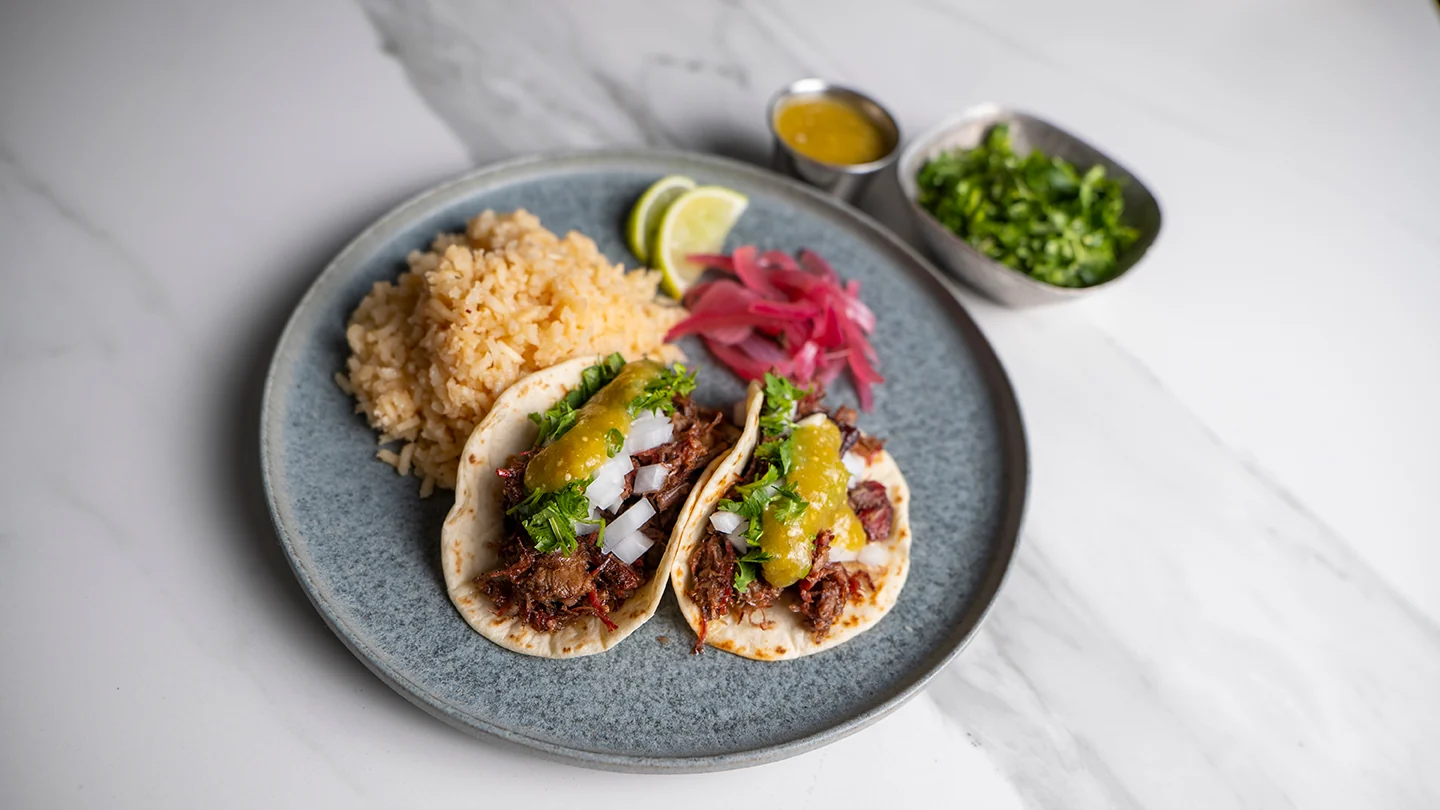
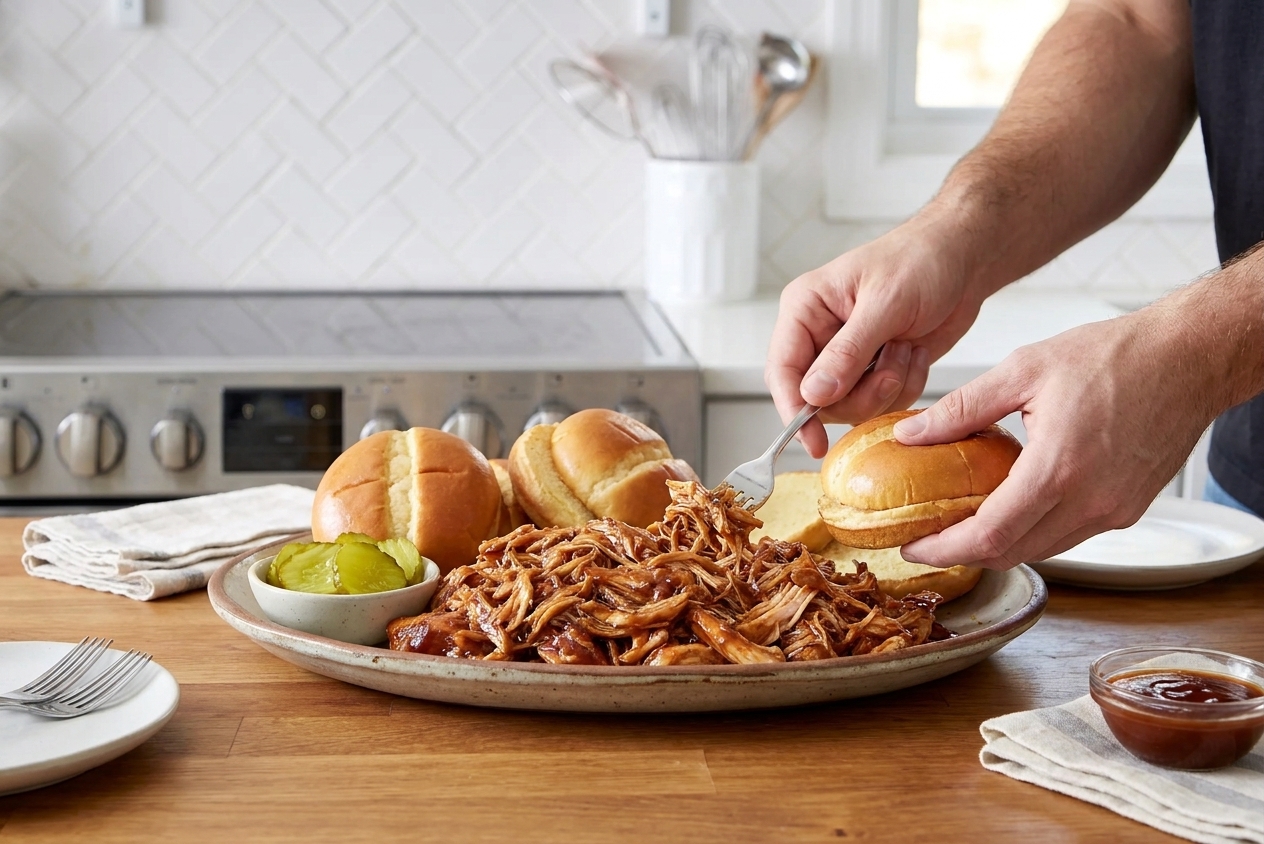
Look for flat cut (leaner, slices neatly) or point cut (fattier, more decadent). Either works here. If you want tidy slices for serving, go flat. If you want richer, shreddier brisket for sandwiches and tacos, go point. Quick tip: the grain can run differently between the flat and point. If you can spot the grain before cooking, take a photo so slicing later is easy.
Why is my brisket tough even after hours?
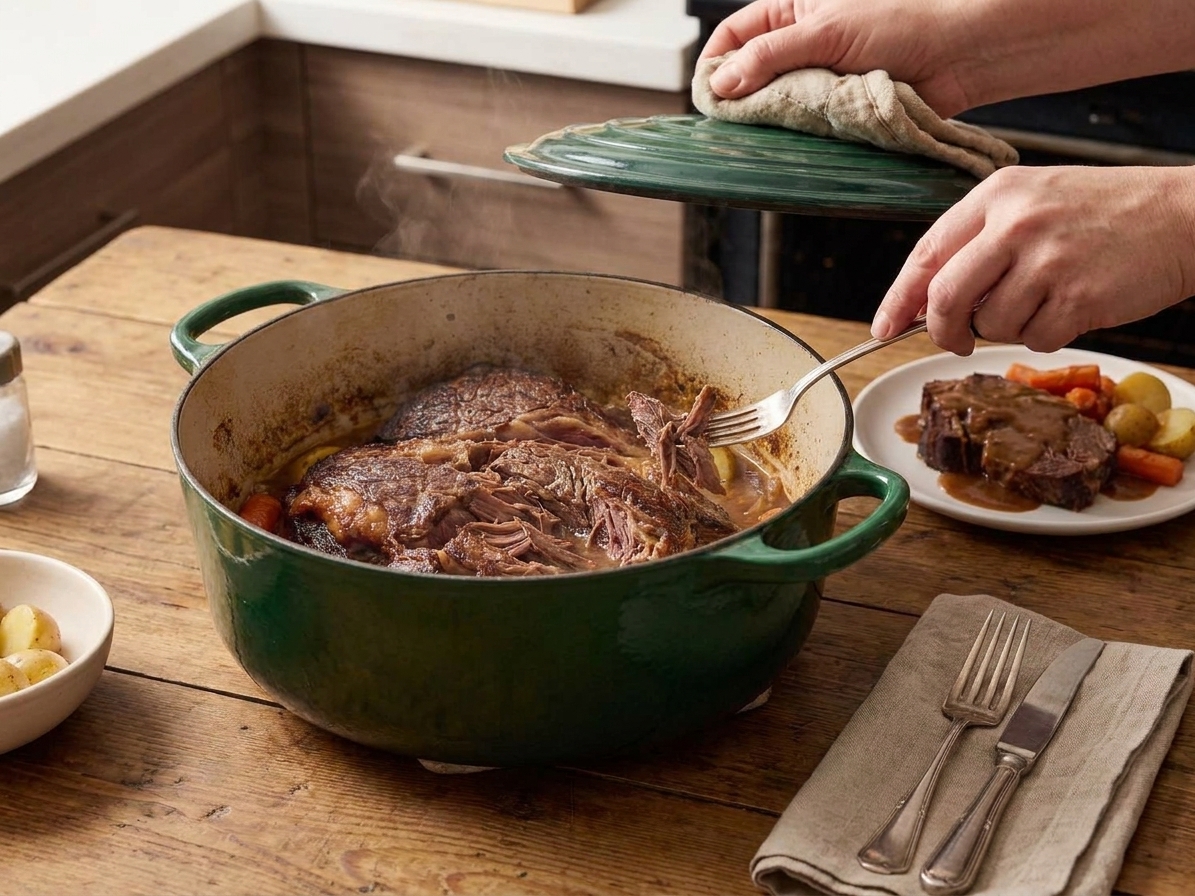
It usually just needs more time. Brisket goes through a stage where it is tight and stubborn, then it relaxes once the collagen fully breaks down. Keep cooking until a fork or probe slides in with little resistance. If you have a thermometer, it is often around 195 to 205°F in the thickest part when it feels tender, but tenderness is the real finish line.
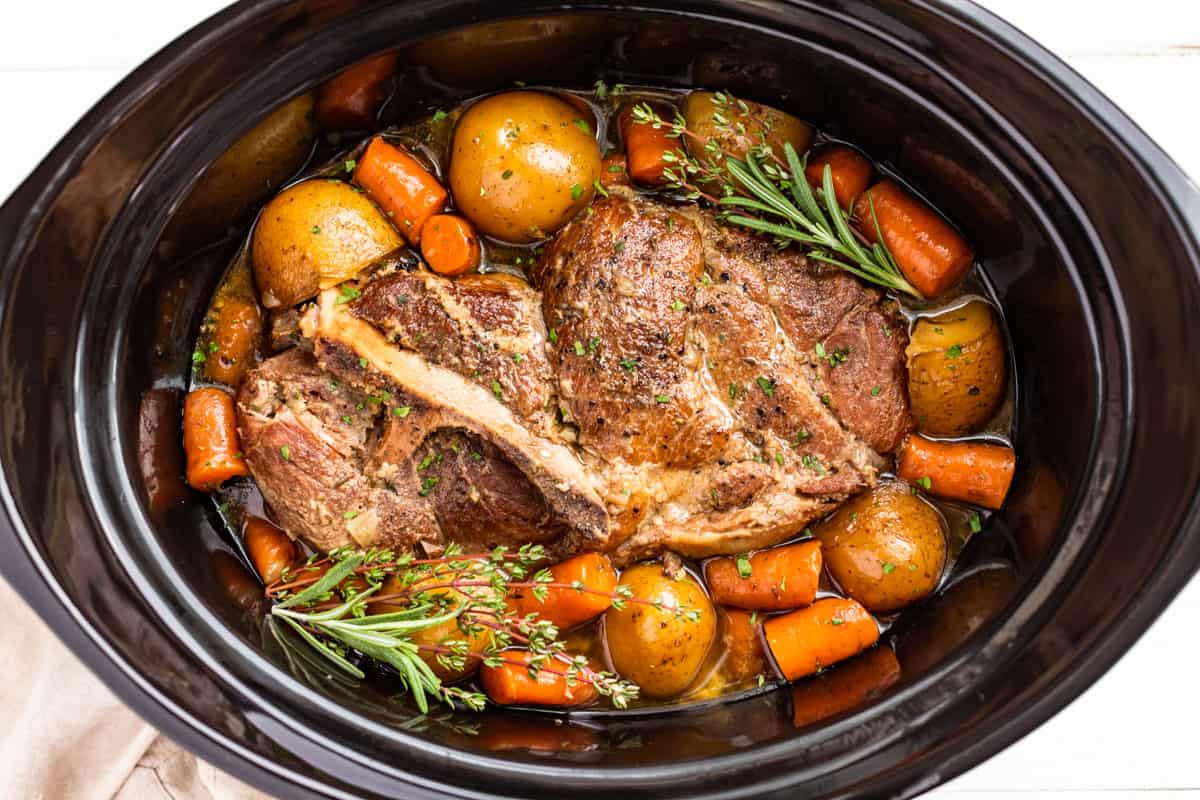
Should brisket be submerged in the slow cooker?
Nope, not fully. You want it nestled in sauce, not swimming like it is at a pool party. The onions plus the added liquid should come partway up the sides, and the brisket will release plenty of juices as it cooks.
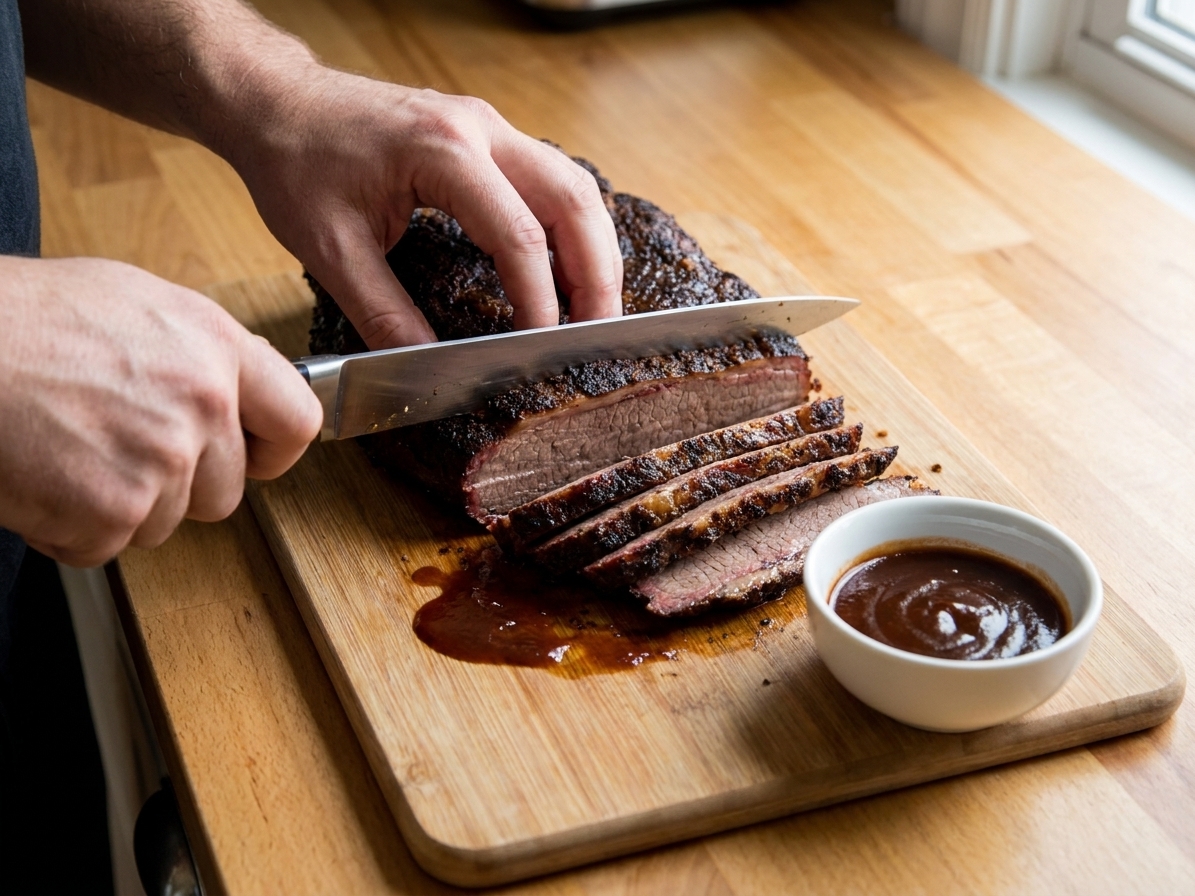
How do I slice brisket so it is tender?
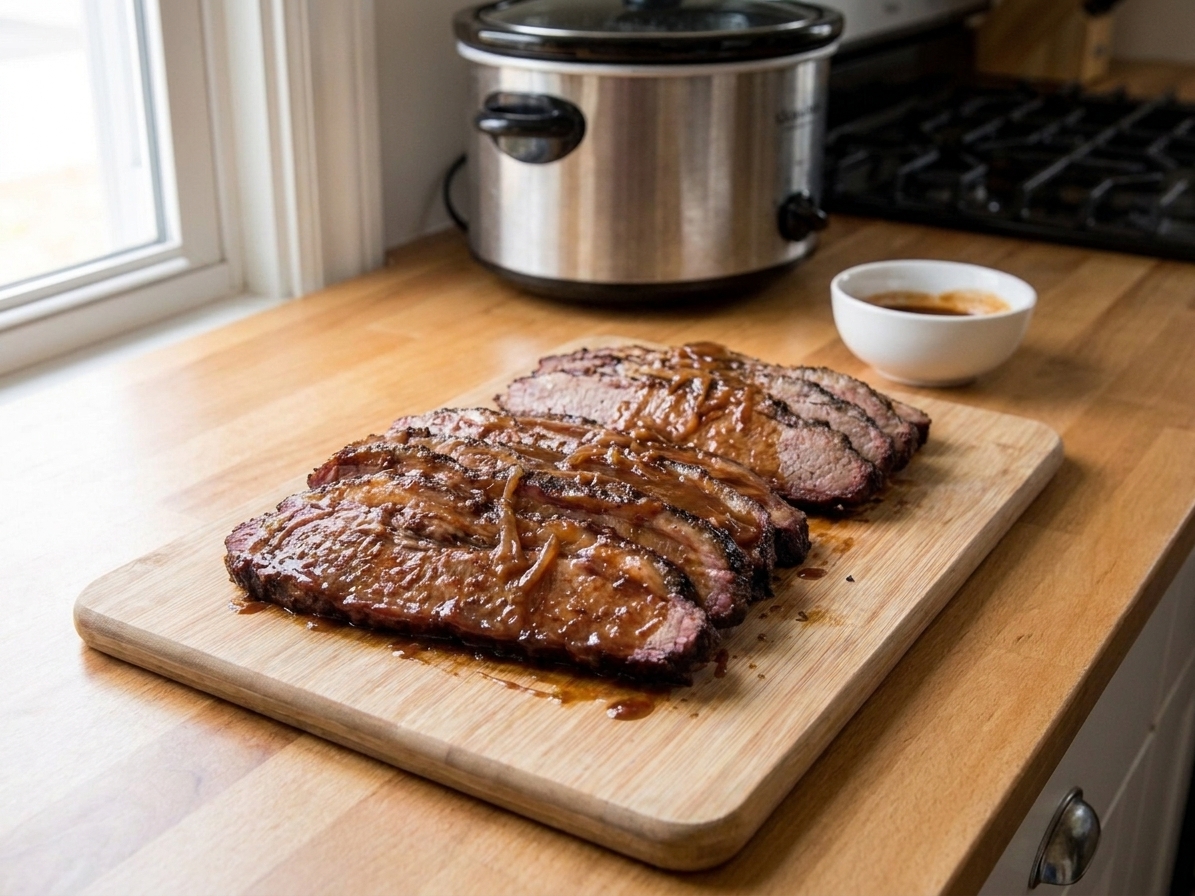
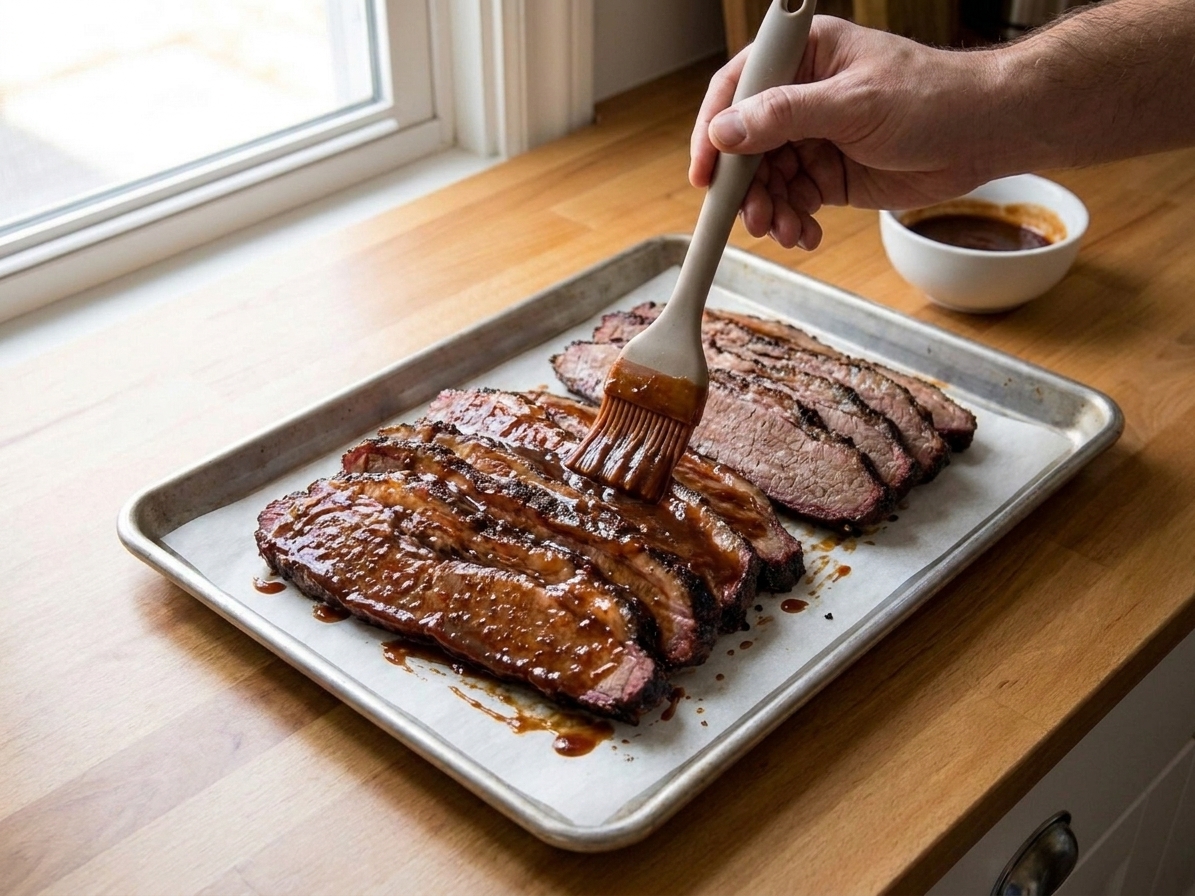
Slice against the grain. If you are not sure which direction the grain runs, look for the long lines of muscle fibers and cut perpendicular to them. Thin slices equal more tenderness. If you cooked a point and flat together, the grain can change direction, so rotate the meat as needed while slicing.
Can I cook this on low or high?
Low is best for texture. Cook on LOW for 8 to 10 hours. If you are in a pinch, HIGH for 4 to 6 hours works, but the brisket can be a little less silky.