Mom's Best Recipes
Recipe

Slow Cooker Carnitas

Tender, citrusy pork carnitas with a quick crispy finish. Taco-night reliable and meal-prep friendly.

Author By Matt Campbell
4.8
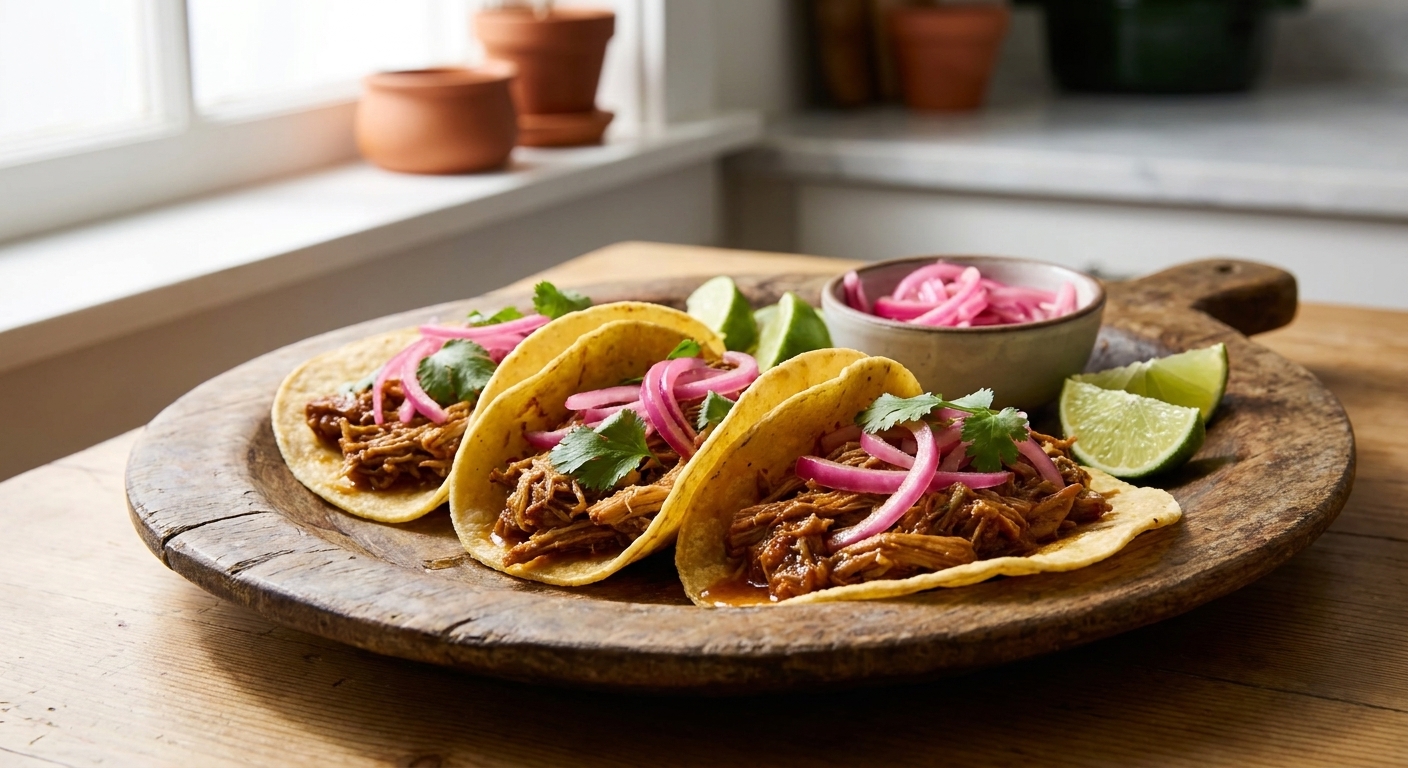
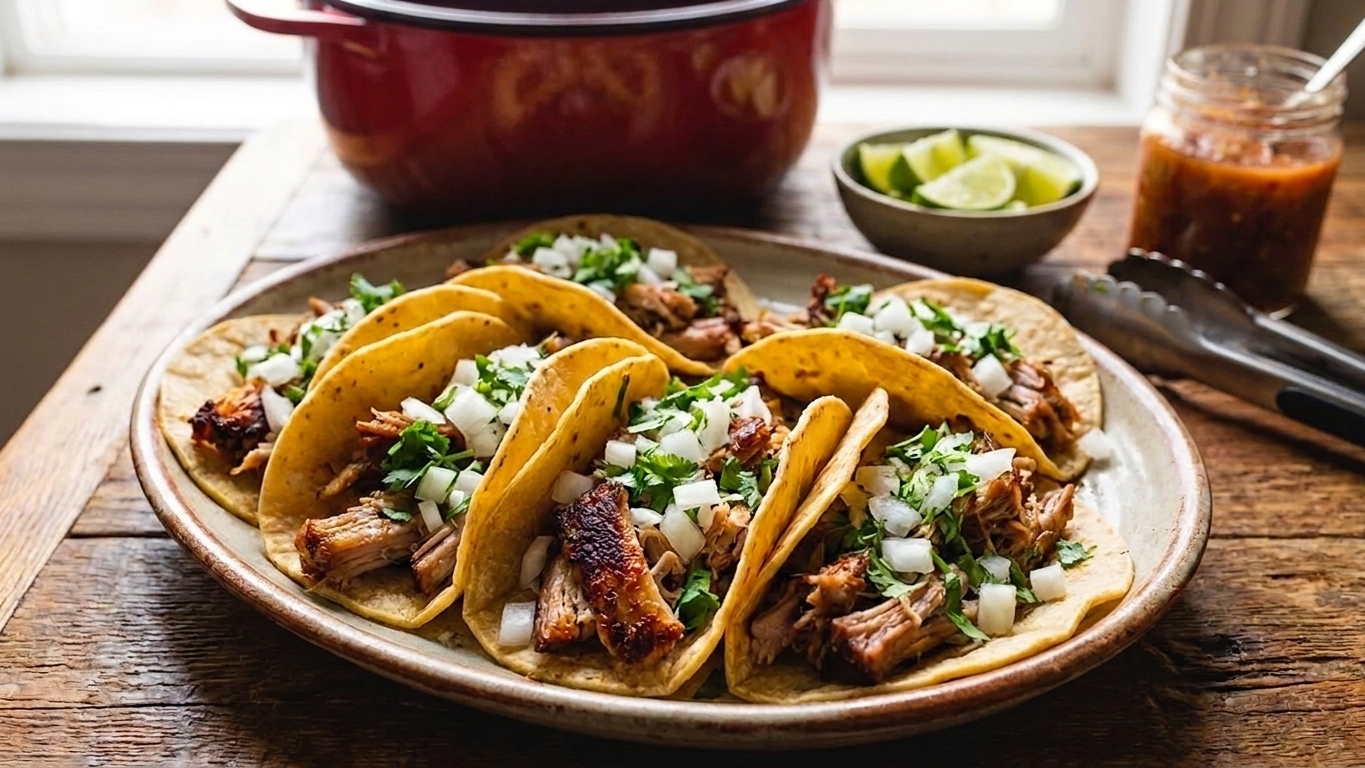
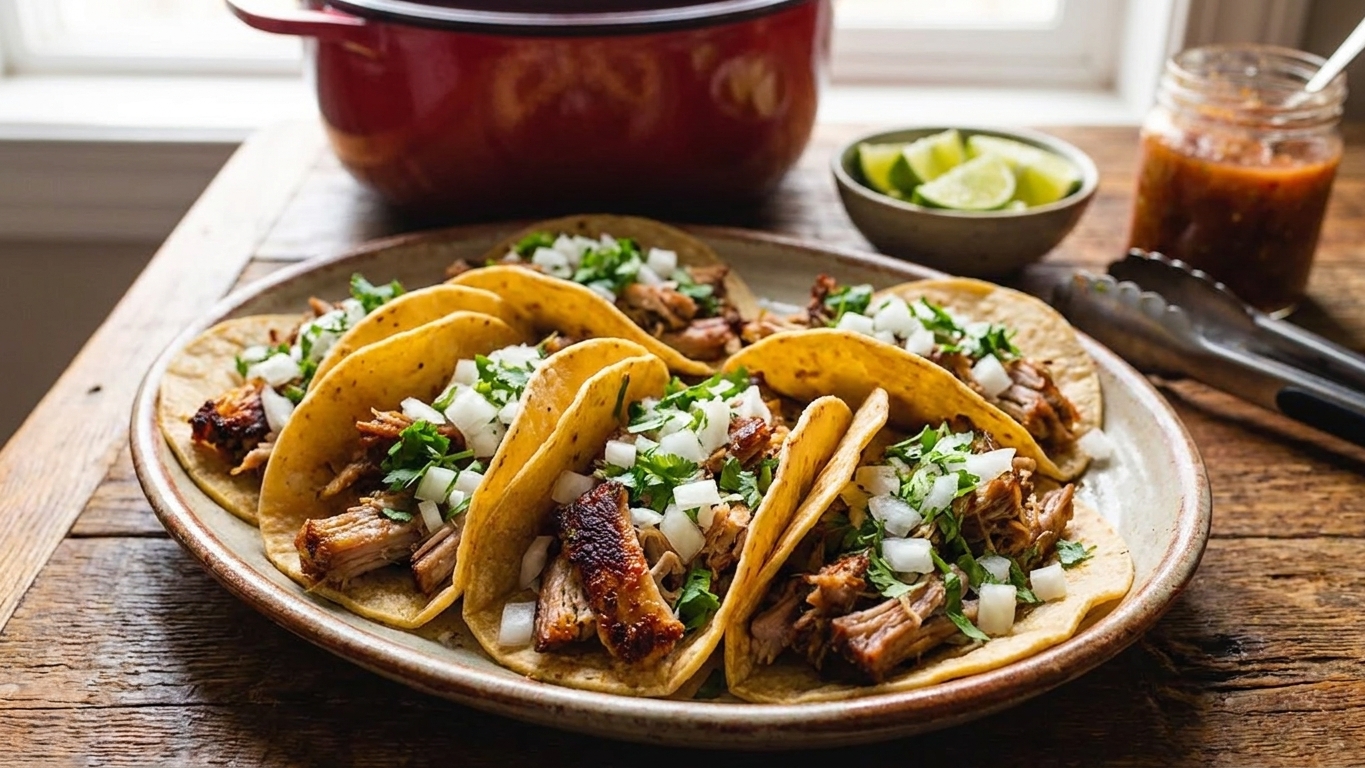
A platter of slow cooker carnitas with crispy edges piled into warm corn tortillas, topped with diced onion and cilantro on a wooden kitchen table in soft natural light

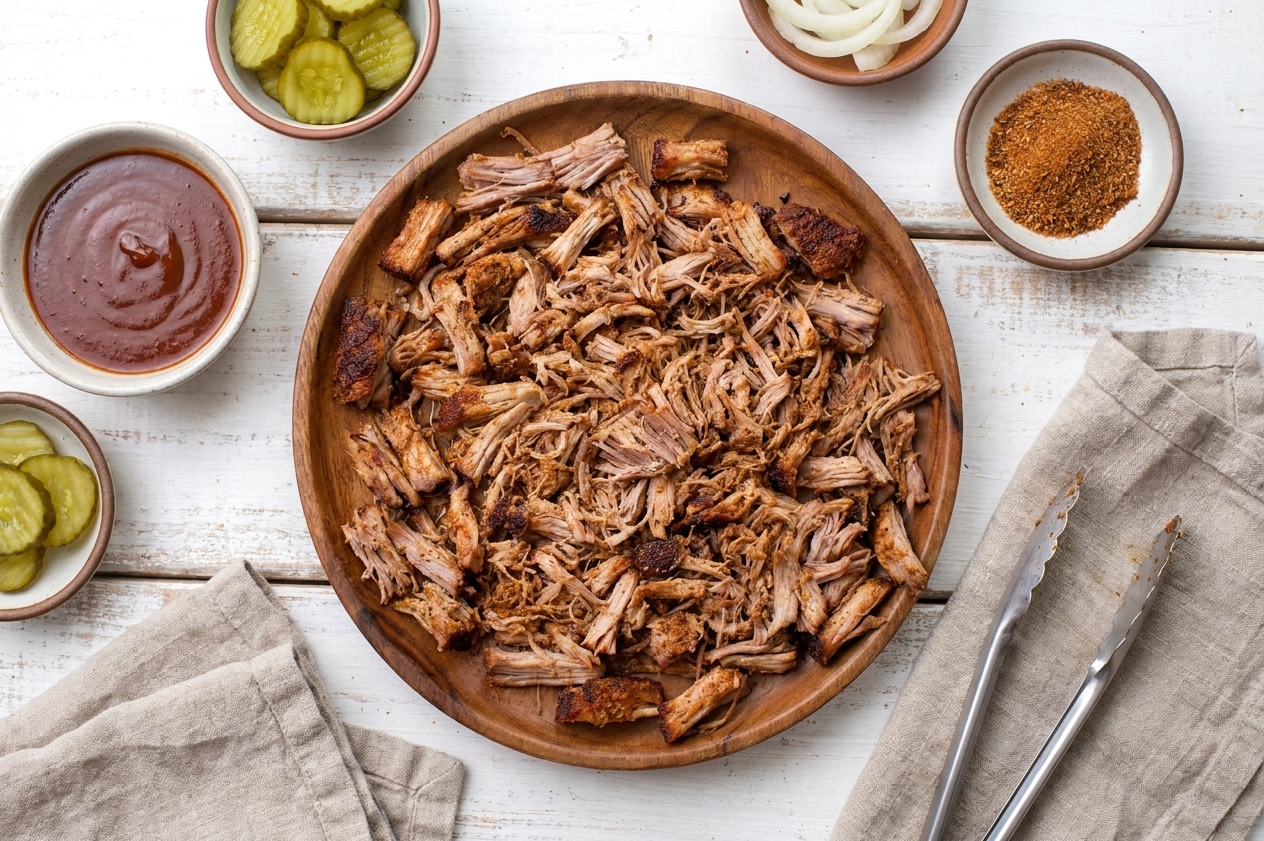
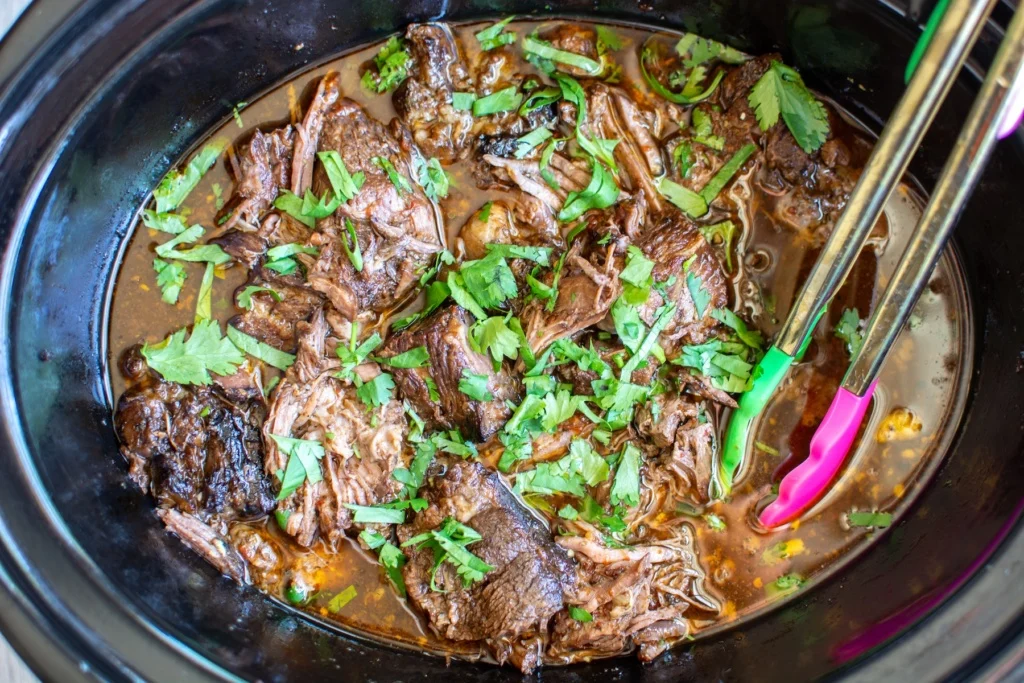
Carnitas are one of those foods that make you feel like you pulled off something way more impressive than the effort you actually put in. The slow cooker does the heavy lifting while you go live your life, and then right at the end you hit the pork with high heat so it gets those craveable crisp edges. Tender inside, crackly bits outside, and a spoonful of the cooking juices over the top so it tastes like you meant to do all of this on purpose.

This is my go-to version for weeknights, parties, and the very real situation where you want tacos today and also want easy lunches tomorrow. The ingredients are simple, the instructions are clear, and tasting as you go is absolutely encouraged.
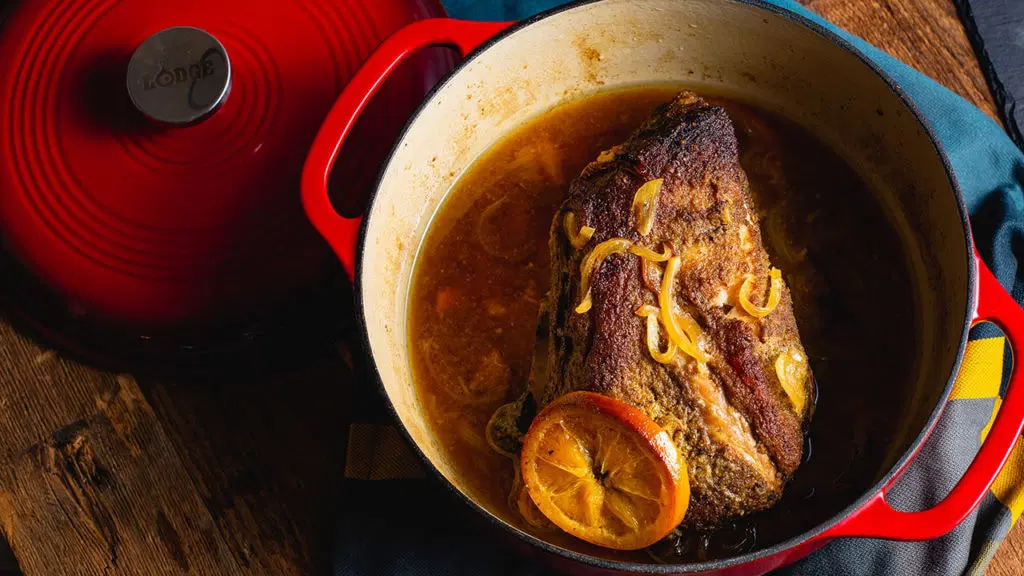
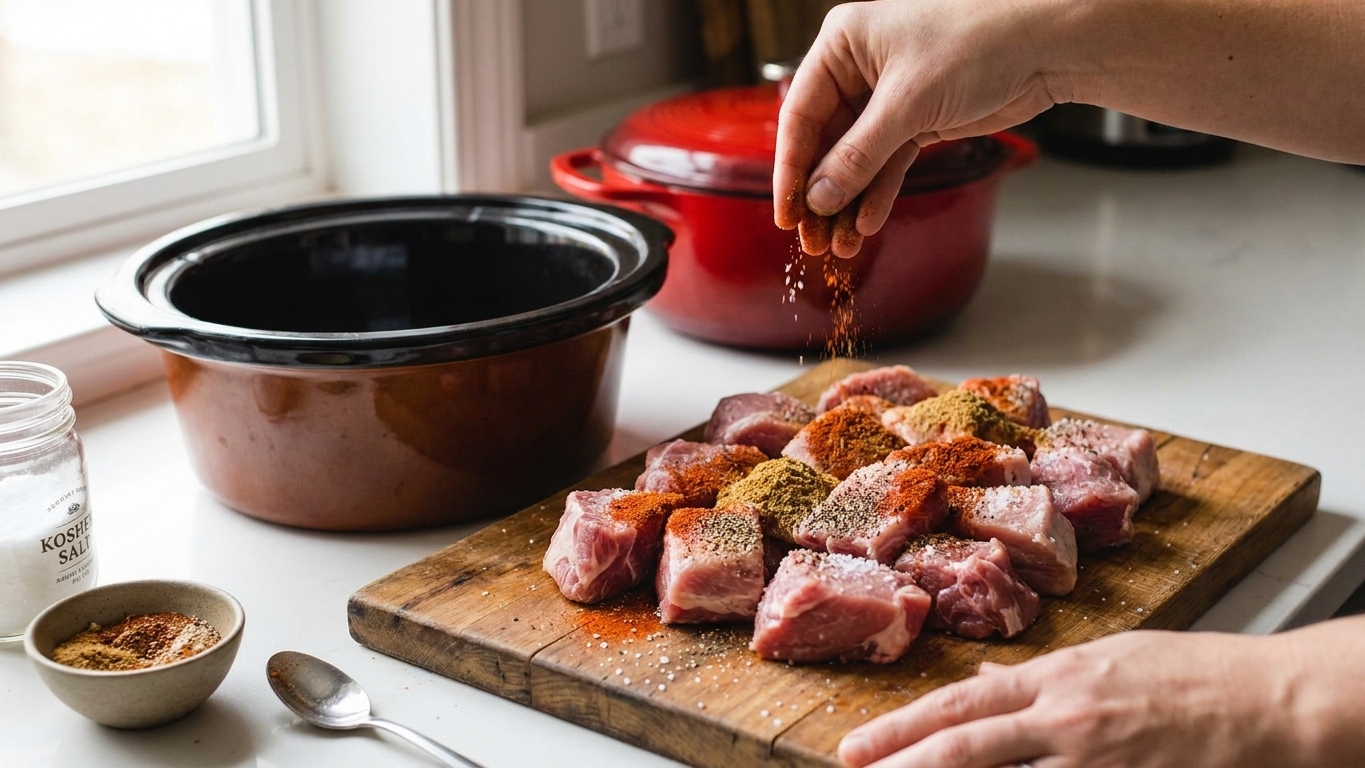
Raw pork shoulder pieces on a cutting board beside oranges, limes, onion, garlic, cumin, oregano, salt, and a slow cooker insert on a bright kitchen counter

Why It Works

  • Fall-apart tender pork: Low, slow heat breaks down connective tissue so every bite shreds easily.
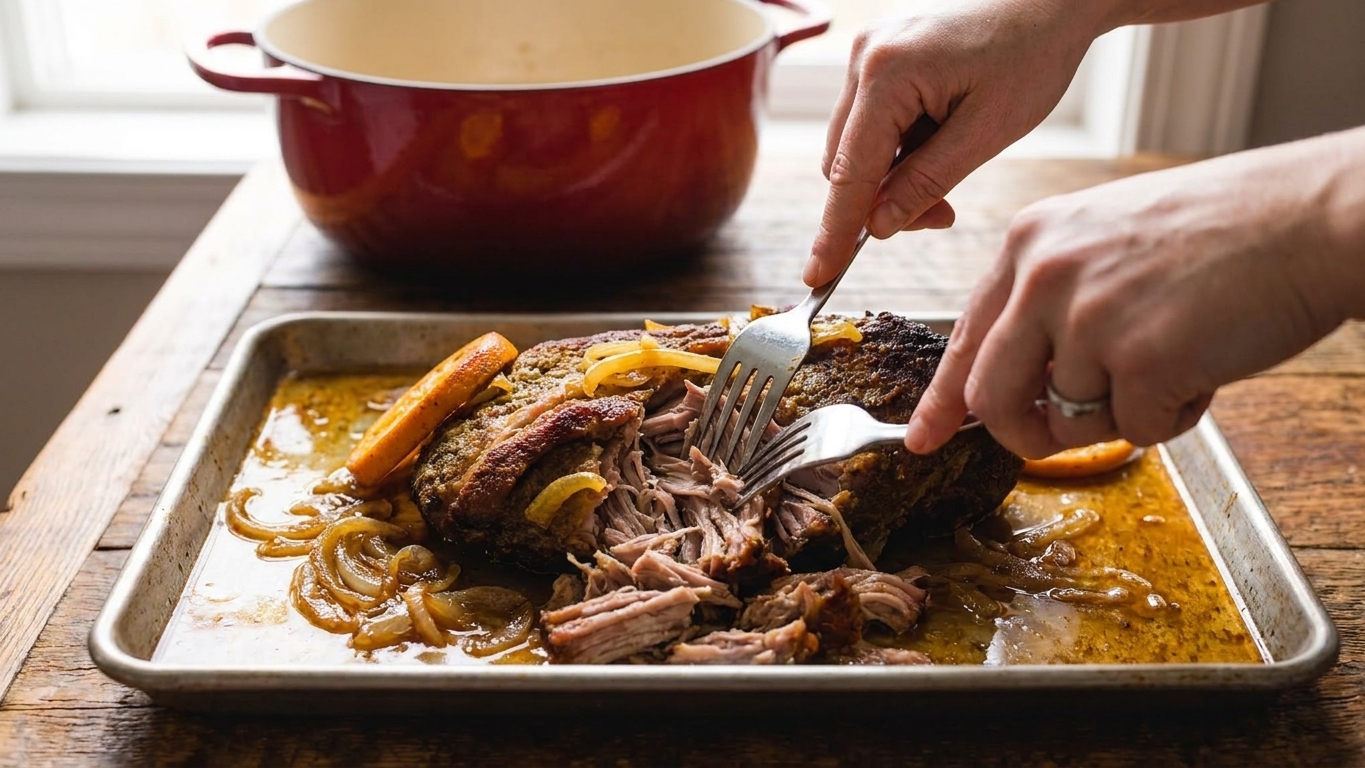
  • Real carnitas texture: A fast broil or skillet crisp gives you those browned, crunchy edges without deep frying.
  • Bright, balanced flavor: Orange and lime keep it fresh while cumin and oregano bring that classic warmth.
  • Meal prep hero: The pork stays juicy for days, and you can crisp portions as you need them.

Pairs Well With

Storage Tips

Refrigerate: Store carnitas in an airtight container for up to 4 days. Keep a little of the cooking liquid with the meat so it stays juicy.

Freeze: Freeze in portions for up to 3 months. I like to freeze with a few tablespoons of strained juices in each bag or container.

Reheat (best texture): Warm the pork with a splash of juices, then crisp in a hot skillet with a tiny bit of oil, or spread on a sheet pan and broil 2 to 5 minutes.

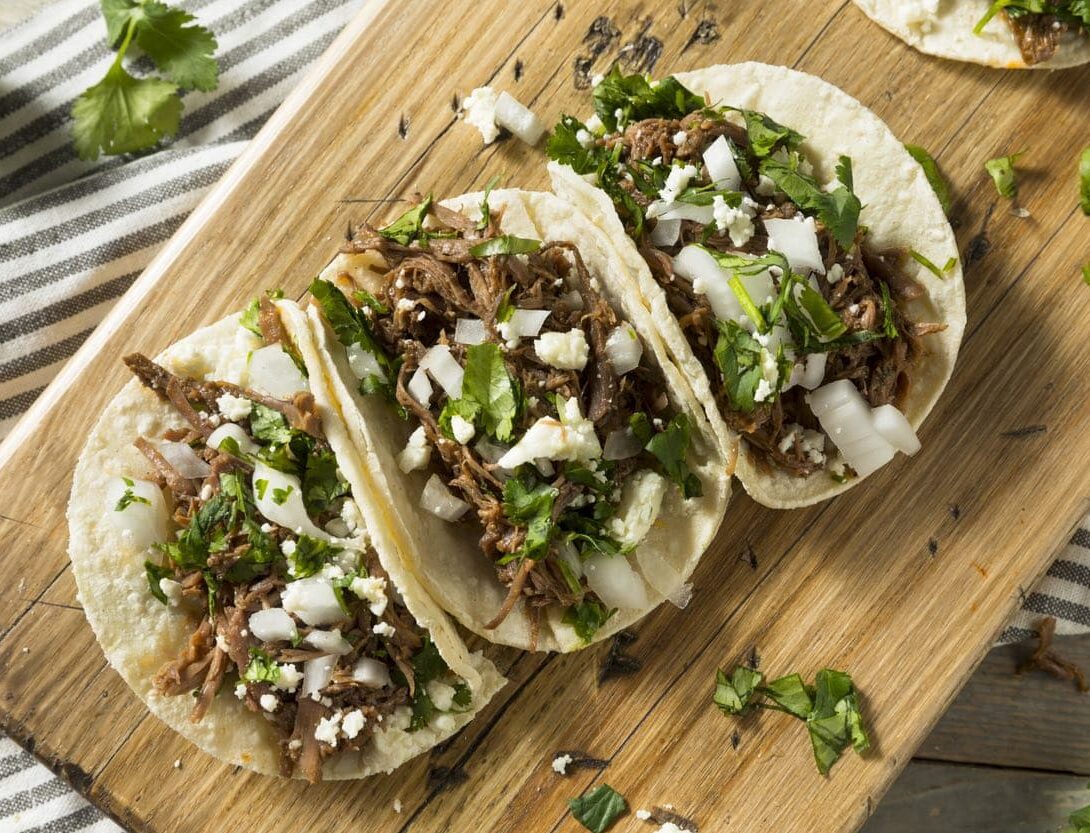
Leftover ideas: Tacos, burrito bowls, quesadillas, nachos, tortas, breakfast hash, or tossed into a quick soup with beans and salsa verde.

Common Questions

Can I use pork loin instead of pork shoulder?

You can, but pork loin is much leaner so it will not be as juicy or forgiving. If you use loin, cook on LOW and start checking earlier, then definitely save and spoon over the cooking liquid. Shoulder or butt is the move for true carnitas.

Do I need to add liquid to the slow cooker?

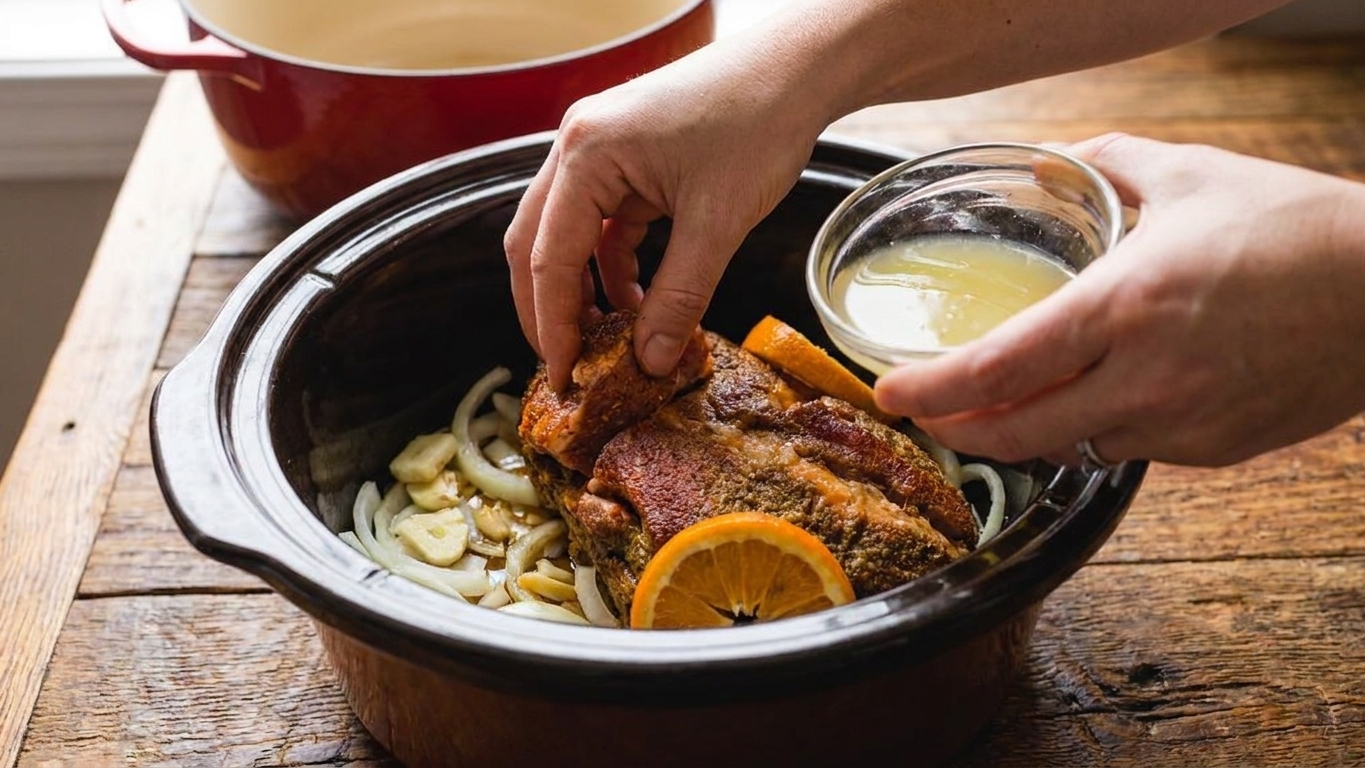
Usually, no. Pork shoulder releases plenty of juices as it cooks, and the citrus helps get things going. That said, slow cookers vary. If your cooker historically runs dry, your pork is very lean or heavily trimmed, or you are worried about scorching, add 1/4 to 1/2 cup chicken broth.

How do I know when it is done?

The real cue is: it shreds easily with a fork. If you like a number, aim for an internal temp around 195 to 205°F in the thickest piece so the collagen has fully melted.

How do I keep carnitas from drying out under the broiler?

Spread the meat out so it has room to brown, but do not flatten it into a super-thin layer. Drizzle with a little strained cooking liquid and broil just until the edges crisp. You want browned tips, not dry shreds.

Can I make this less salty?

Yes. Salt crystal size matters. Diamond Crystal kosher salt is lighter by volume than Morton, and fine salt varies a lot brand to brand. If you are salt-sensitive, start low, shred, taste, then adjust. For extra precision, use the gram option in the ingredient list.

What is the best way to crisp carnitas?

Broiler is fastest for a big batch. A skillet is best for small portions and maximum crunch. Either way, finish with a spoonful of juices and a squeeze of lime.

I started making carnitas when I realized I wanted “restaurant energy” at home without turning my kitchen into a full-time job. The first time I nailed the crisp-at-the-end move, I literally stood at the counter eating little crunchy bits like I was doing quality control for a very important taco operation. Now it is my favorite kind of cooking: relaxed, a little chaotic, and wildly rewarding when you taste that first bite and the citrus, salt, and browned edges all hit at once.