Mom's Best Recipes
Recipe

Slow Cooker Pork Shoulder Roast

A simple, flavor-packed pork shoulder roast that turns meltingly tender in the slow cooker, plus an easy gravy you can make from the drippings.

Author By Matt Campbell
4.8
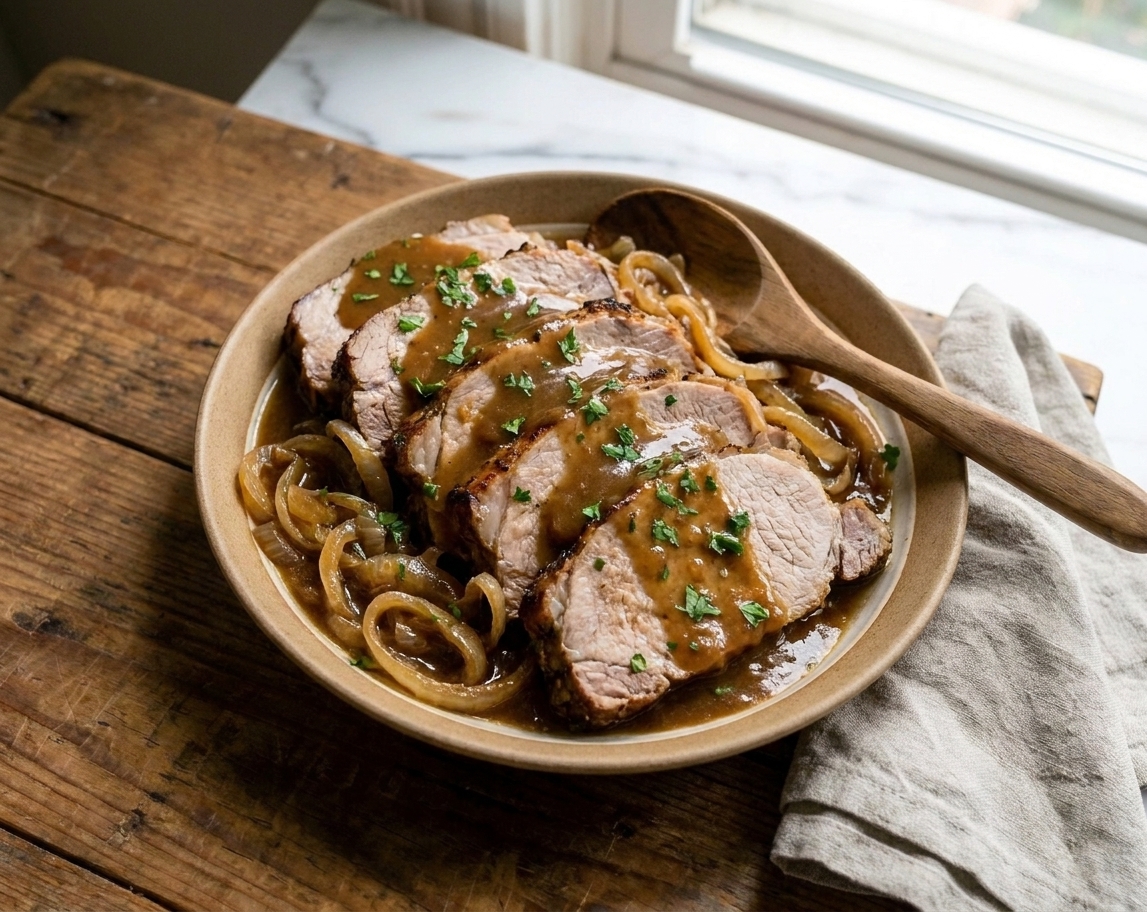
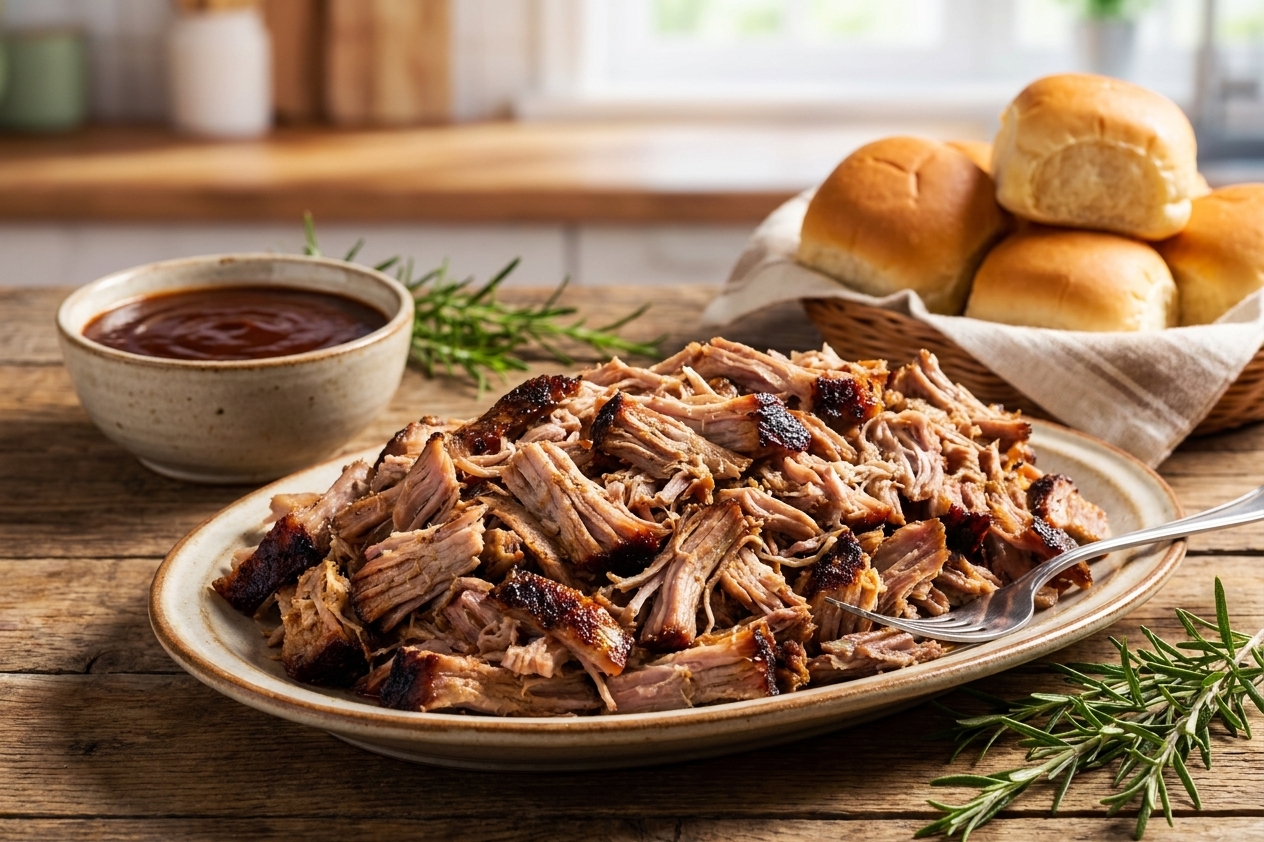
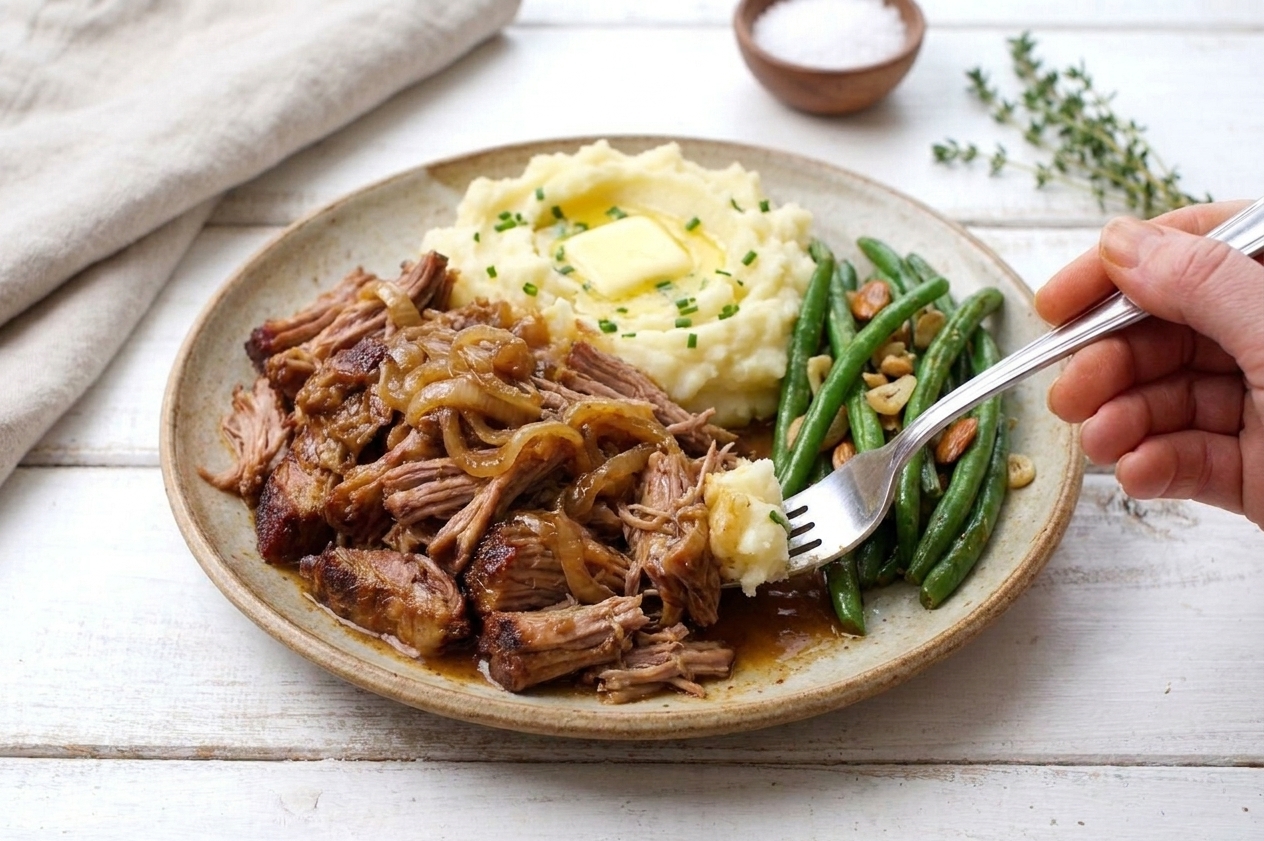
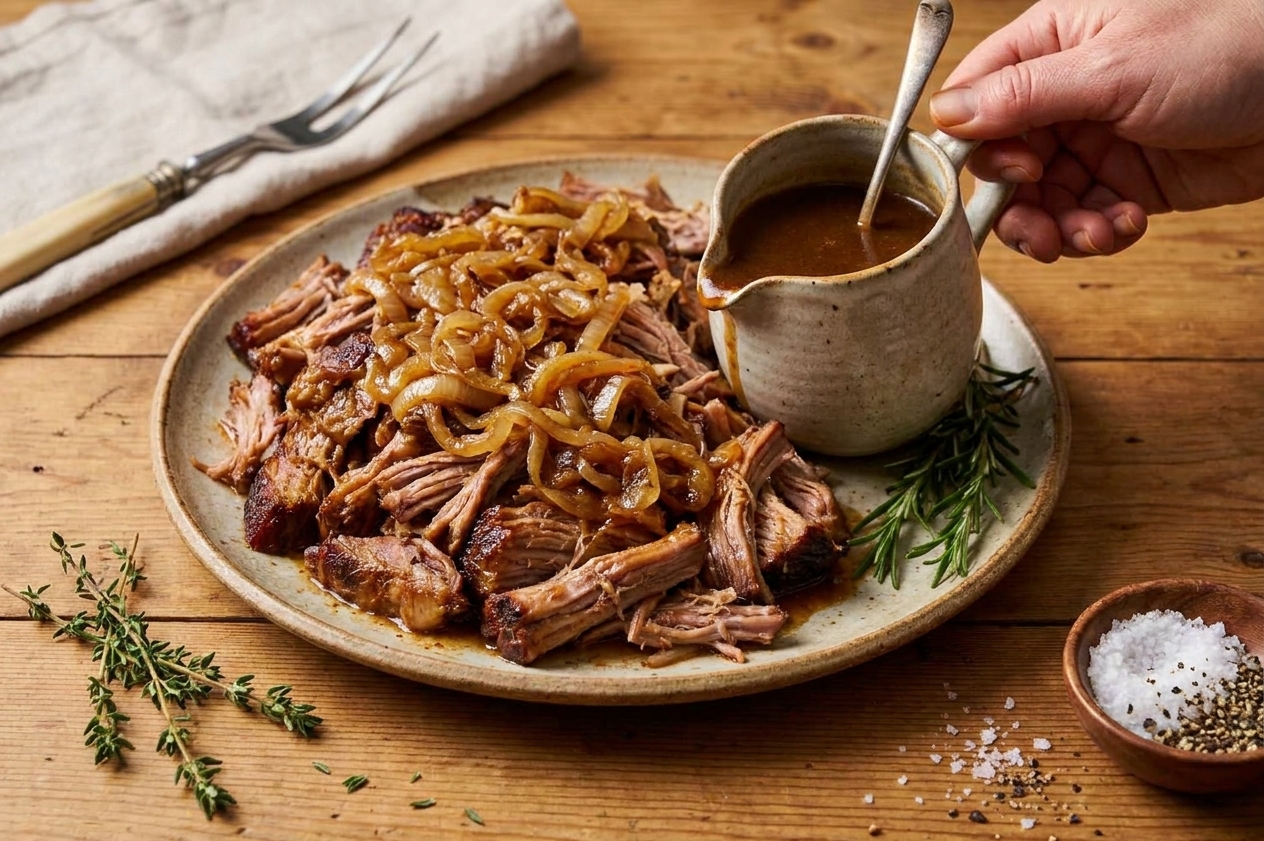
A platter of pulled pork shoulder with caramelized onions and a small pitcher of gravy on a warm wooden table under cozy kitchen lighting

Pork shoulder in a slow cooker is one of those meals that feels like you had it together all along, even if you tossed everything in before your coffee kicked in. You get juicy, pull-apart meat, a savory oniony broth that basically begs to become gravy, and leftovers that somehow taste even better the next day.

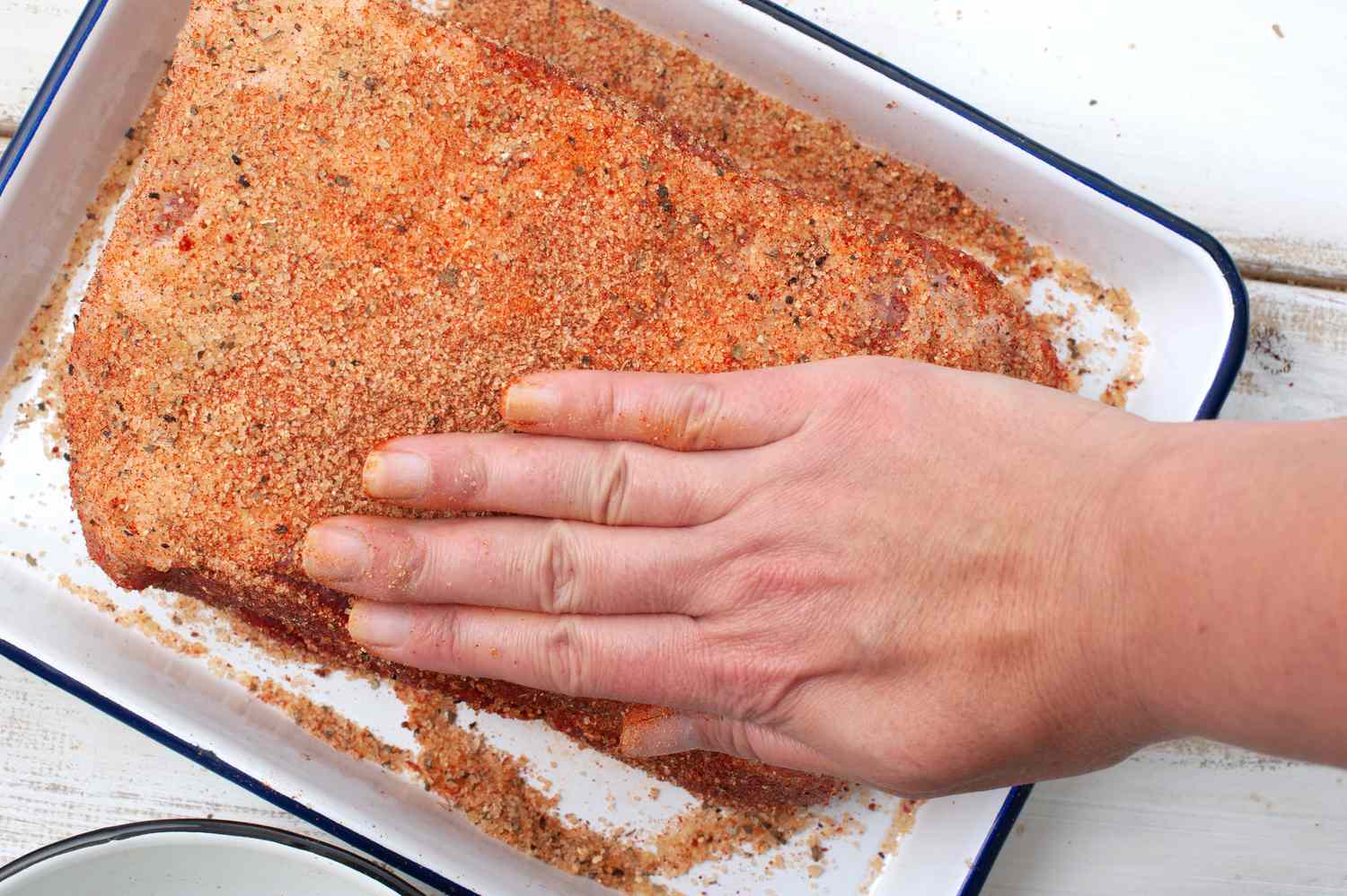
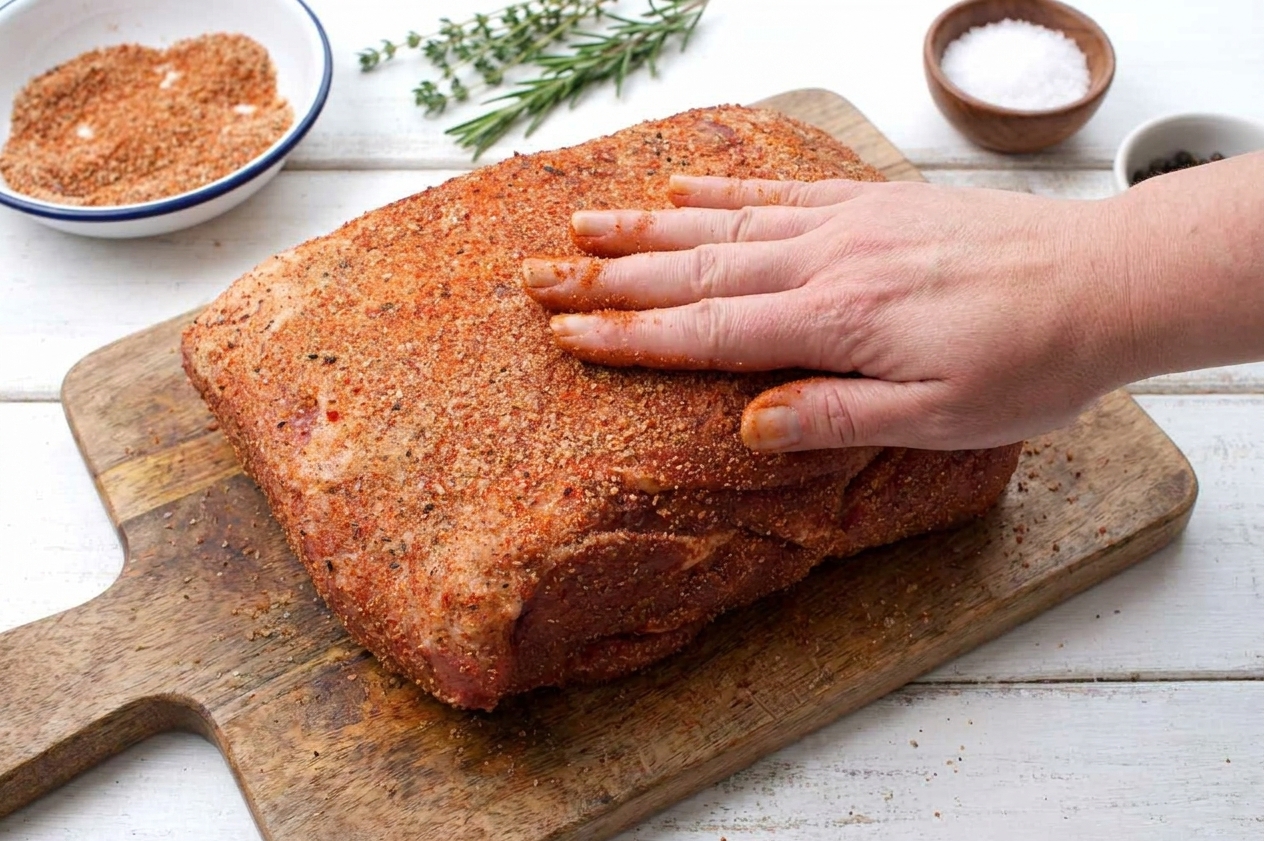
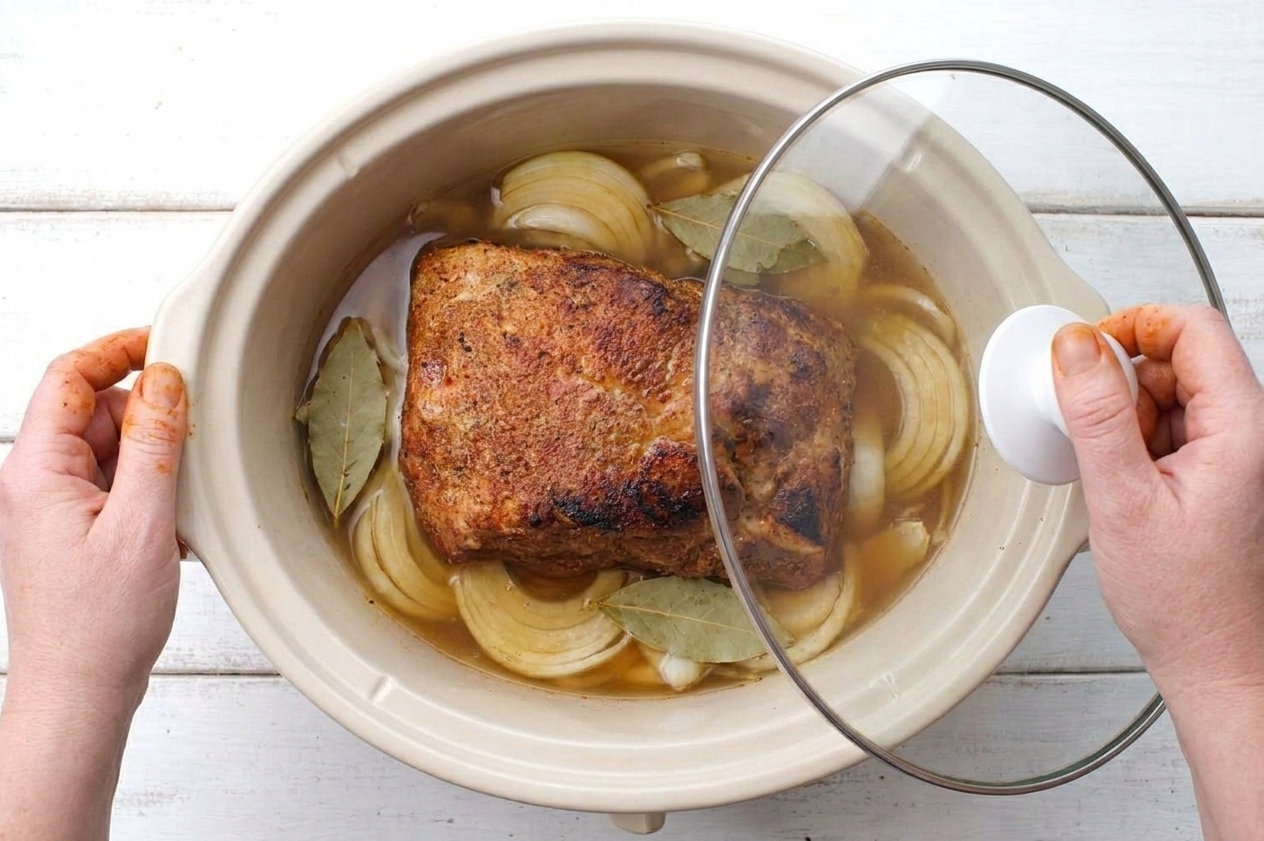
This version keeps it accessible but not boring. We rub the pork with a sweet smoky spice mix, sit it on a bed of onions, and give it a splash of apple cider and broth for balance. Optional but highly encouraged: a quick broil at the end for crisp edges. Because yes, we can have both tender and crispy. We are adults.

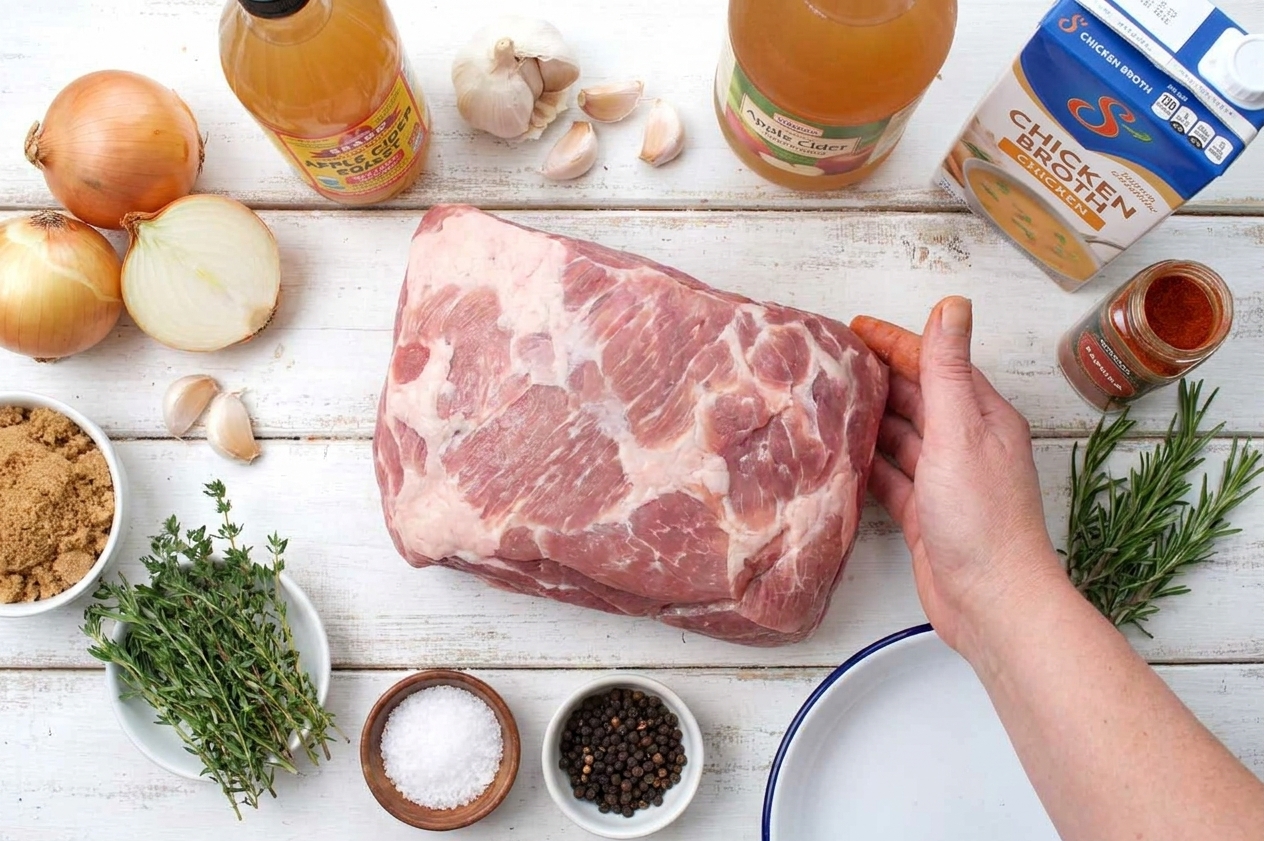
Pork shoulder roast, onions, garlic, apple cider, chicken broth, brown sugar, paprika, salt, pepper, and herbs arranged on a light kitchen counter

Why It Works

  • Fall-apart tender pork from low, steady heat and plenty of moisture.
  • Big flavor without a long ingredient list thanks to a bold rub and an onion base that melts into the juices.
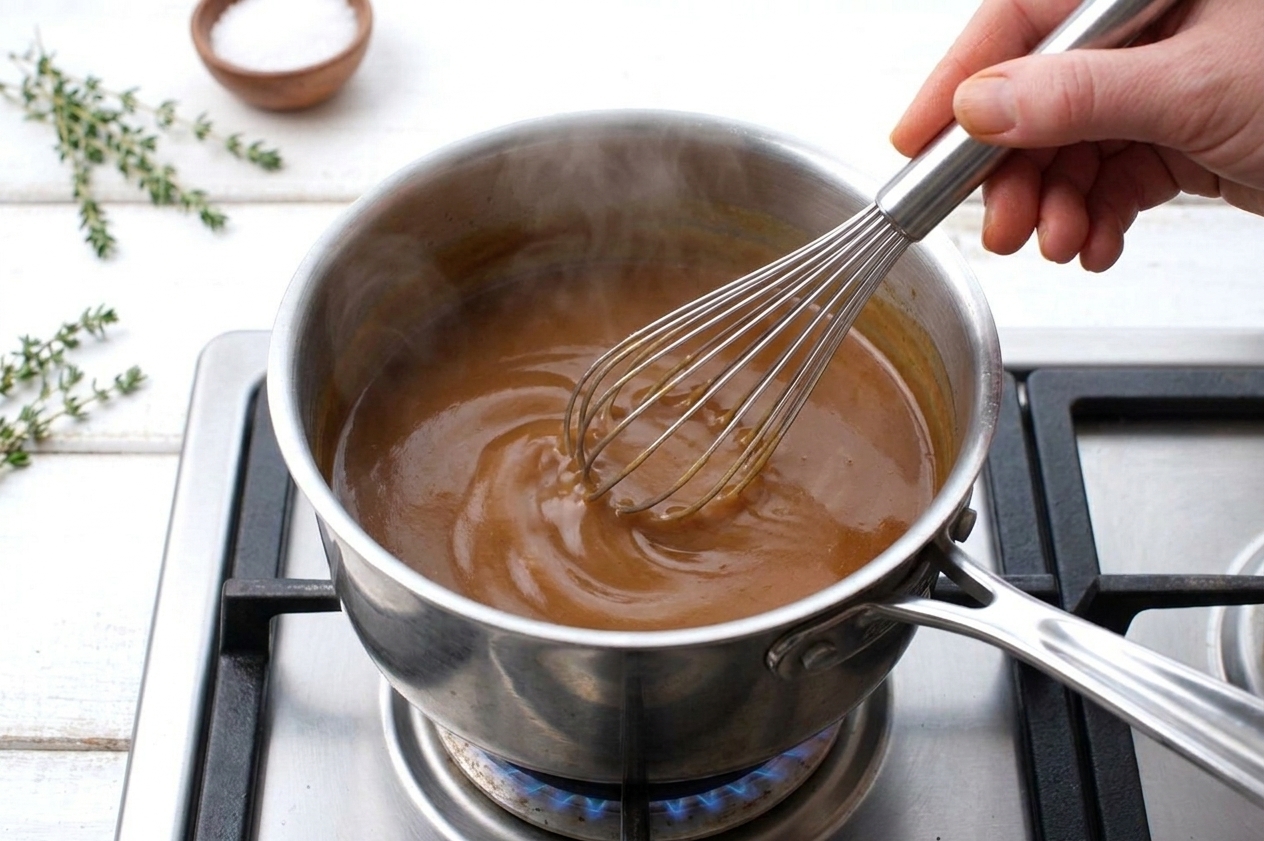
  • A built-in sauce situation because the slow cooker drippings make an easy gravy in minutes.
  • Flexible for dinner and leftovers: serve it sliced, shredded, or crisped up for tacos and sandwiches.

Pairs Well With

Storage Tips

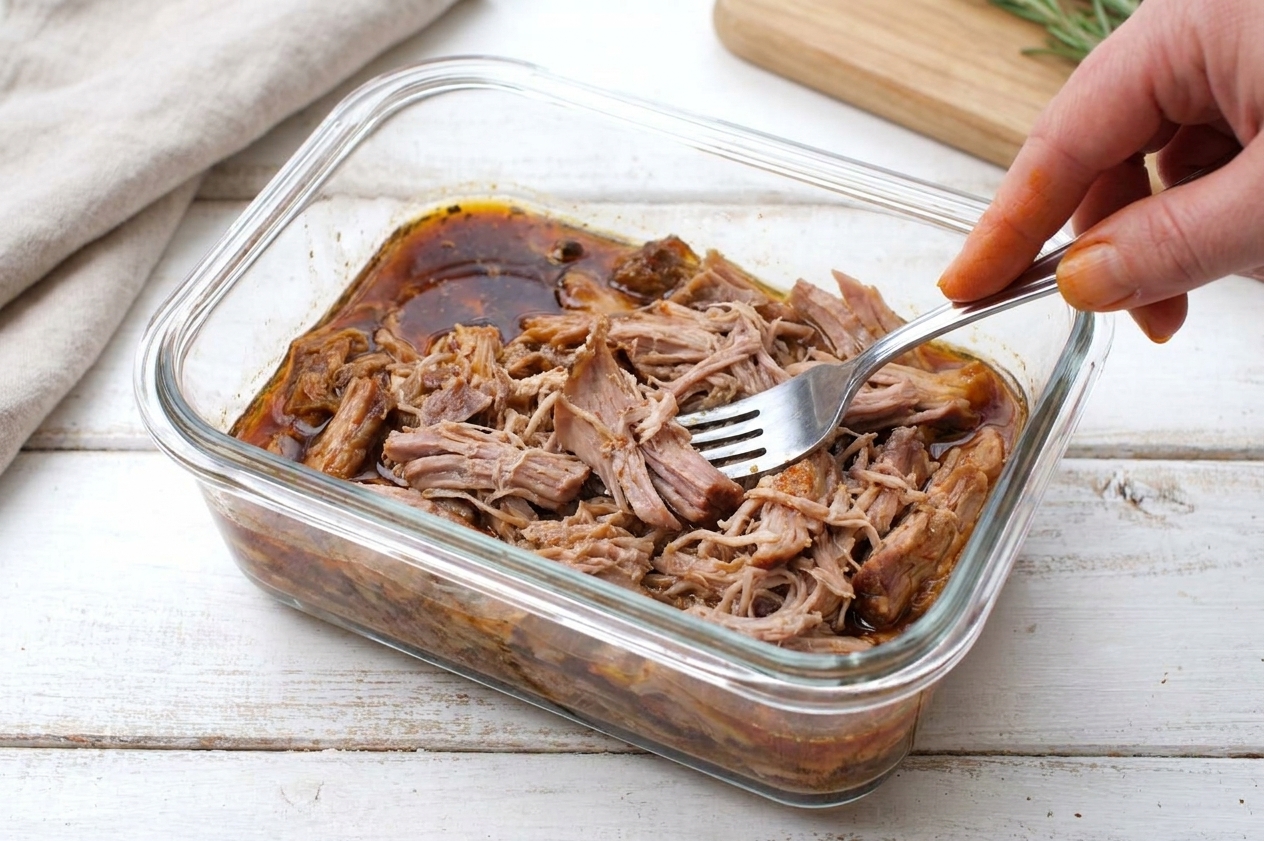
Refrigerate: Store pork in an airtight container for up to 4 days. Keep some of the cooking liquid with it so it stays juicy.

Freeze: Freeze shredded pork with a little liquid in freezer bags (flattened for quick thawing) for up to 3 months.

Reheat: Warm gently on the stove with a splash of broth or reserved juices. For crisp edges, spread on a sheet pan, drizzle lightly with juices, then broil for 2 to 4 minutes.

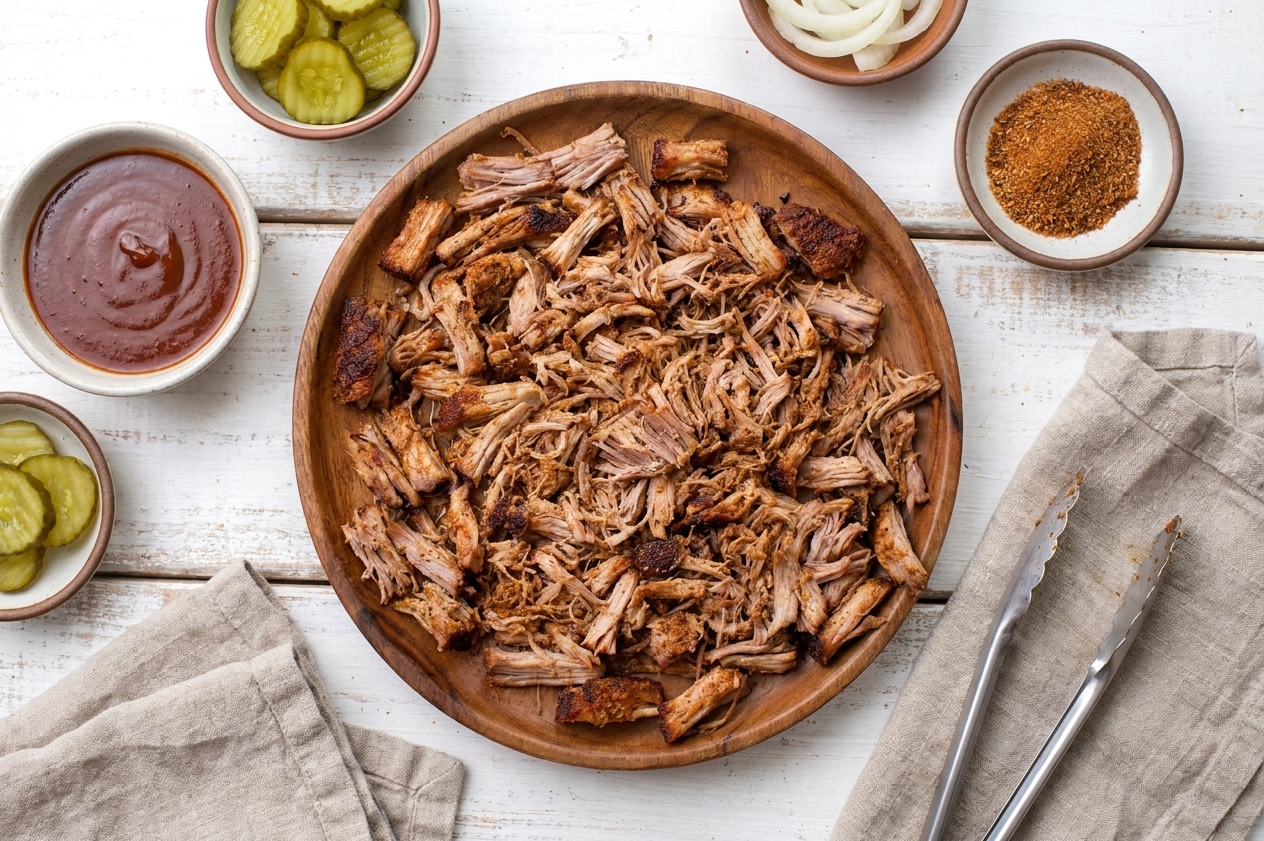
Shredded pork shoulder stored in a glass container with a little cooking liquid on top, set on a kitchen counter

Common Questions

Do I need to sear the pork shoulder first?

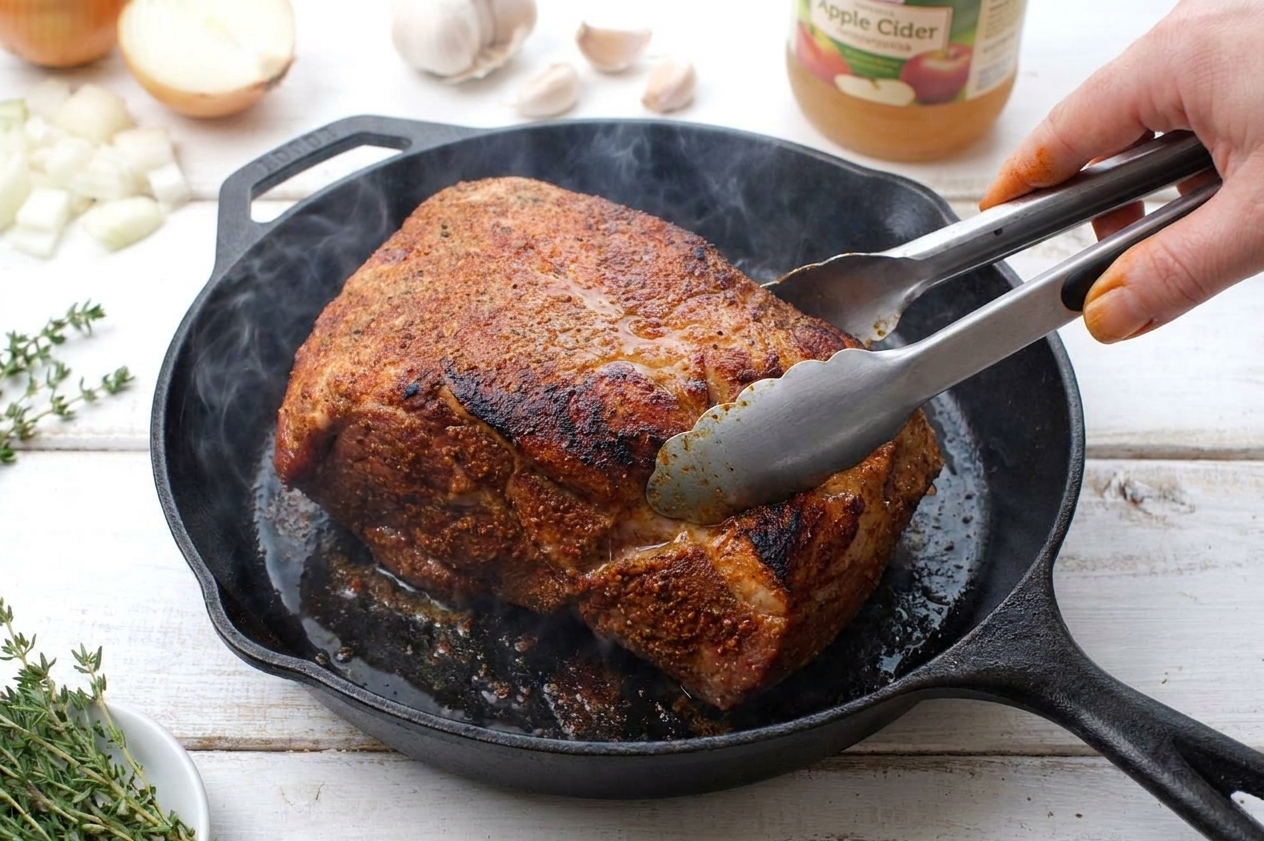
No, it will still turn out tender. Searing adds deeper flavor, especially to the gravy, but this recipe is designed to be great even if you skip it. If you have 6 to 8 minutes, it is worth it.

Should I cook pork shoulder on LOW or HIGH?

LOW is best for texture. Cook on LOW for 8 to 10 hours, or HIGH for 5 to 6 hours. Start checking early because slow cookers vary: around 7 to 8 hours on LOW or around 4.5 to 5 hours on HIGH. You are looking for pork that shreds easily with a fork.

What internal temperature should pork shoulder be?

Food-safe is 145°F, but shoulder needs more time to get tender. Aim for 195°F to 205°F for pull-apart texture, but remember: in a slow cooker, tenderness is the real finish line. If it is still tight and tough, it needs more time even if the temp looks fine.

Can I use pork butt instead of pork shoulder?

Yes. Pork butt and pork shoulder are both from the shoulder area and both work well here. The cook time is similar.

Why is my pork tough?

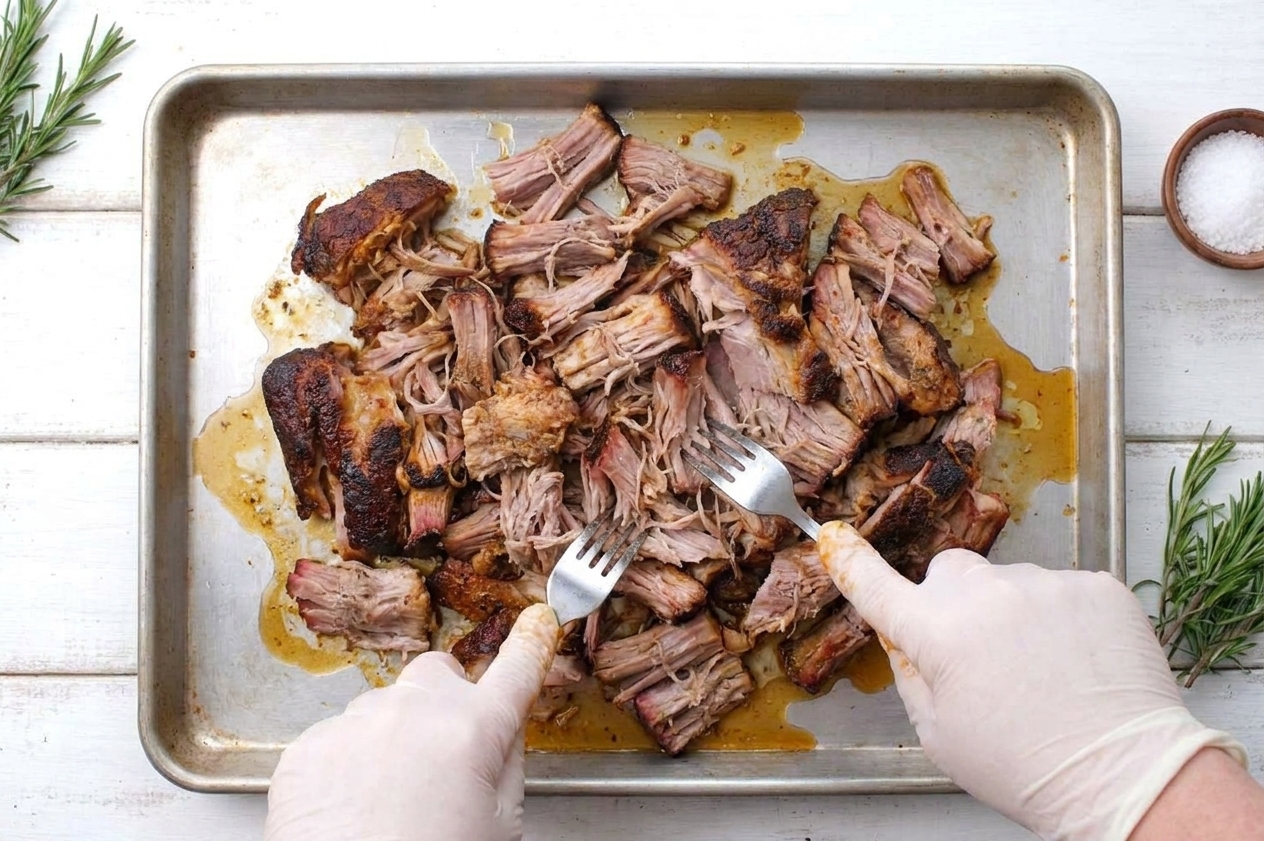
It usually just needs more time. Pork shoulder gets tender after the collagen breaks down, which happens later in cooking. Keep going on LOW, then rest it before shredding.

Can I cook veggies with it?

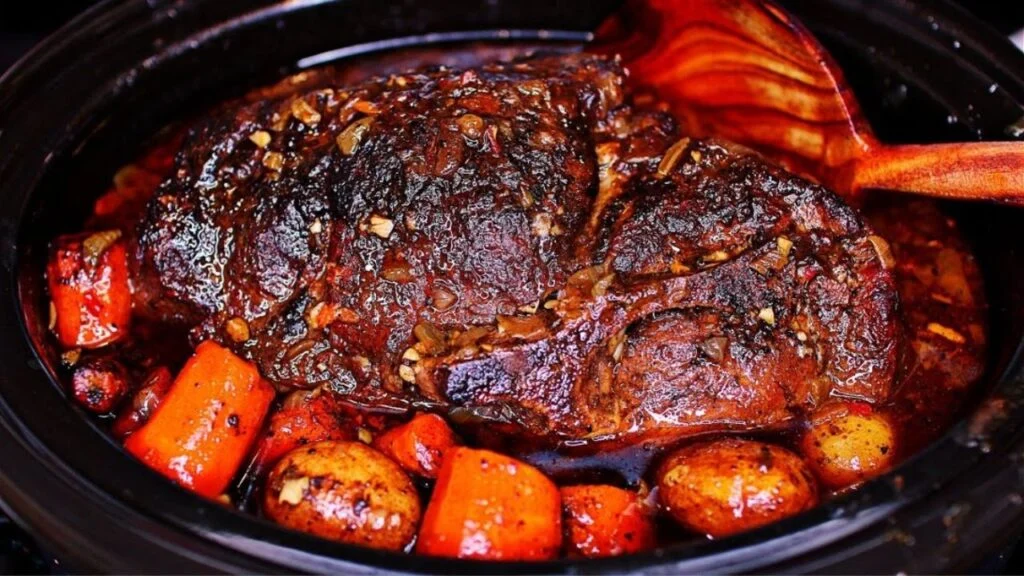
Absolutely. Add carrots and baby potatoes around the pork. For firmer vegetables, add them later: last 3 to 4 hours on LOW or last 1.5 to 2 hours on HIGH (bigger chunks help too).

Does cook time change for smaller or larger roasts?

Yes, but not in a perfectly neat way. A 3 lb roast often finishes closer to 7 to 8 hours on LOW, while a 6 to 7 lb roast may need 10 to 12 hours on LOW. Go by the shred test: when a fork twists easily and the meat pulls apart without a fight, it is done.

Fat cap up or down?

If your roast has a fat cap, set it fat side up. It helps baste the pork as it cooks, and you can skim the excess fat from the drippings later.

I started making slow cooker pork shoulder when I was trying to learn the difference between cooking that is impressive and cooking that is useful. This one is both. It is the kind of roast you can set up with whatever you have, walk away, and come back to a house that smells like you did something noble. Then you pull at it with a fork and it just gives up immediately, like it knows it is delicious and it is ready for its closeup.