Mom's Best Recipes
Recipe

Slow Cooker Ribs

Tender, saucy ribs with a simple rub and a quick broiler finish for sticky, caramelized edges.

Author By Matt Campbell
4.8
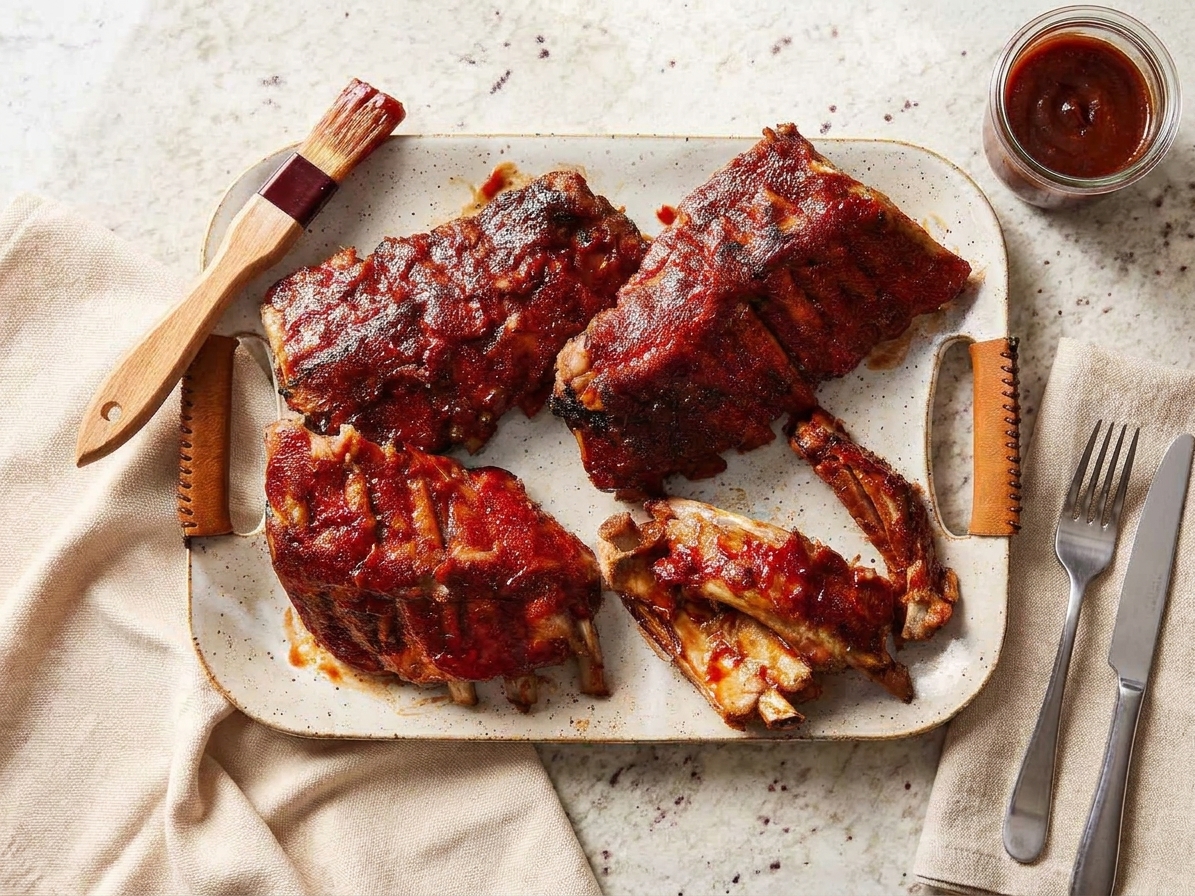
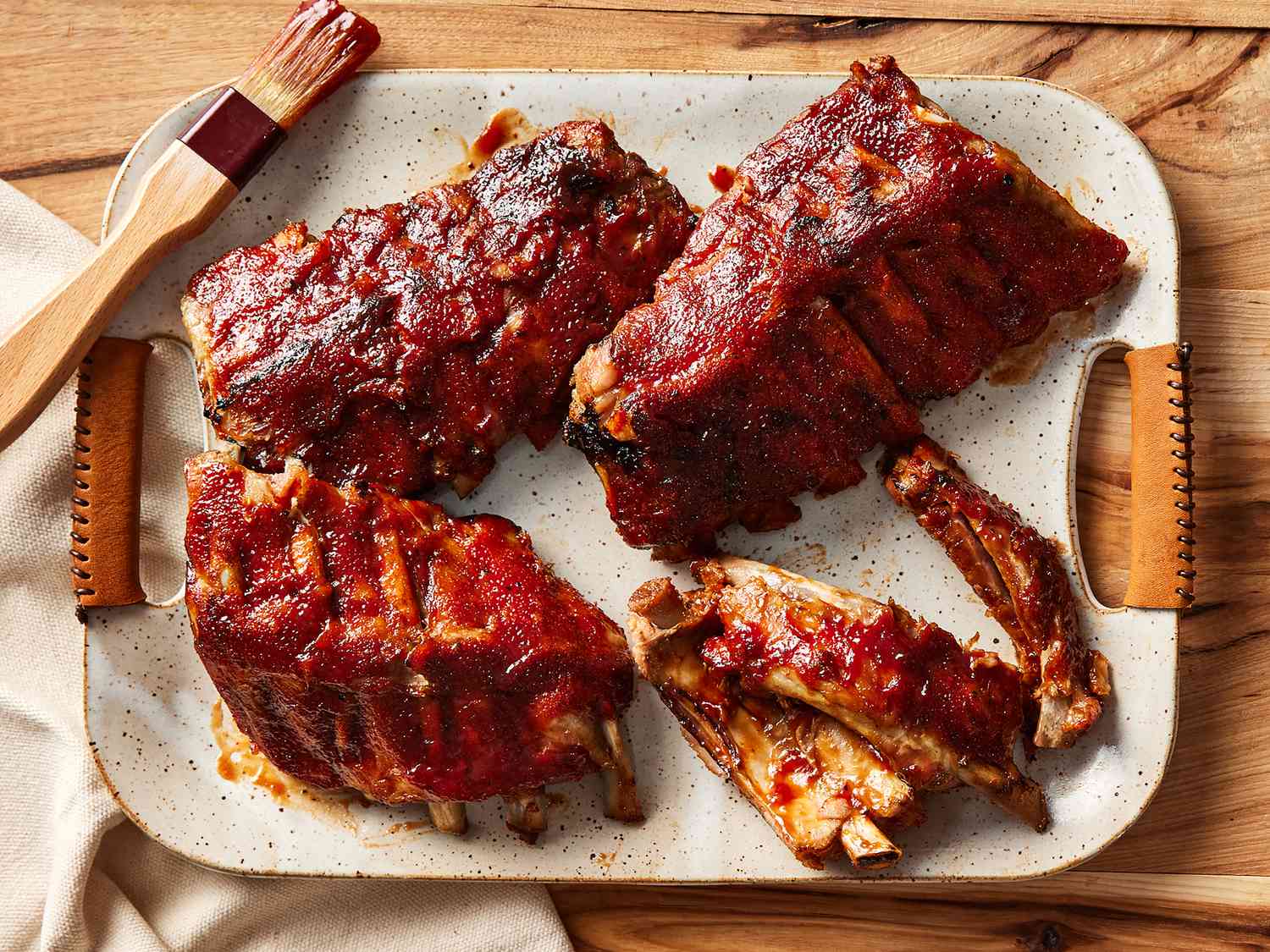
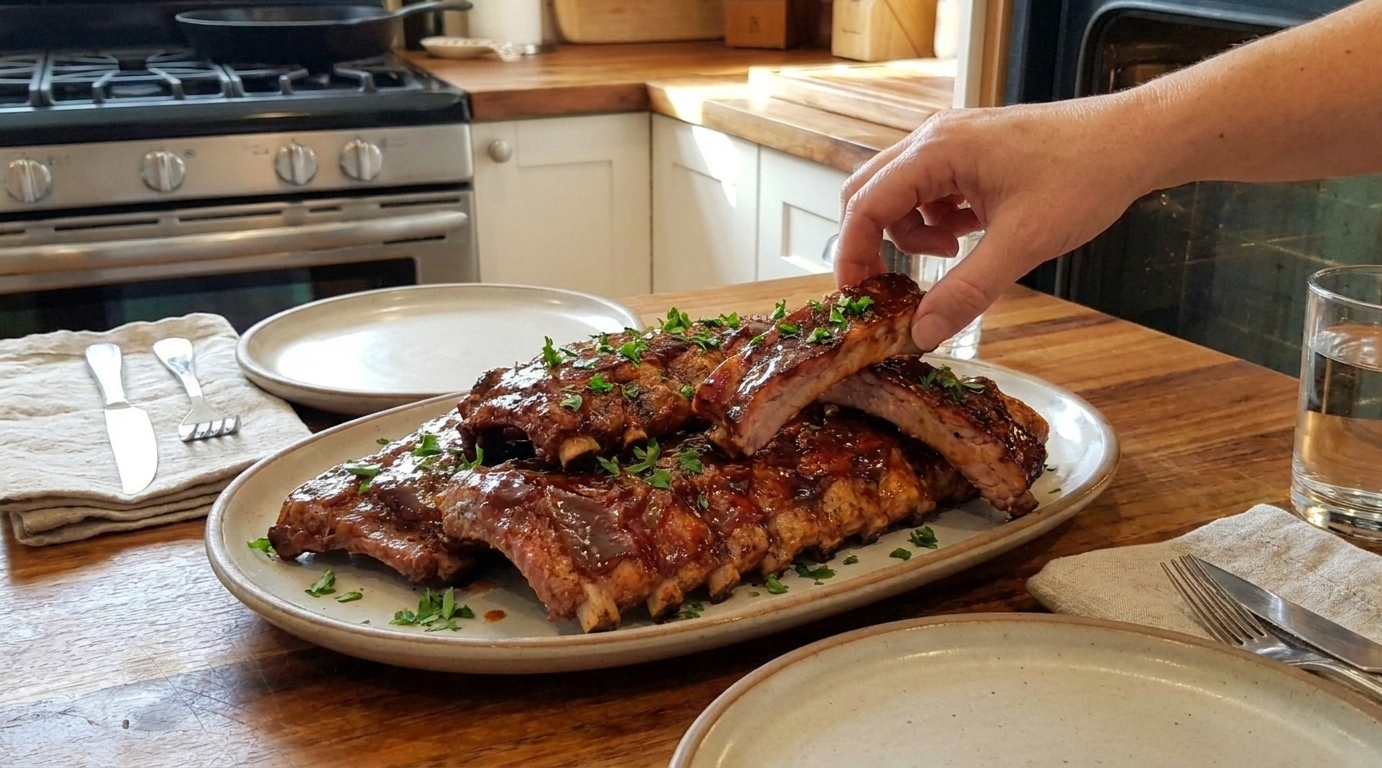
A platter of saucy slow cooker pork ribs with caramelized edges, sliced and stacked on a wooden cutting board with a small bowl of barbecue sauce on a warm kitchen counter

Slow cooker ribs are my favorite kind of kitchen magic: you do a little seasoning, you walk away, and hours later you have meat that basically politely falls off the bone. The slow cooker keeps things low-drama and juicy, and the quick finish under the broiler is where the chaos gets fun. That step is how you get the sticky, glossy glaze and those crisp little edges that make you “taste test” three ribs before anyone else gets a plate.

This recipe keeps the ingredients accessible and the instructions clear. No special smoker, no complicated mop sauce, no stress. Just a good rub, a flavorful cooking liquid, and BBQ sauce that clings like it means it.
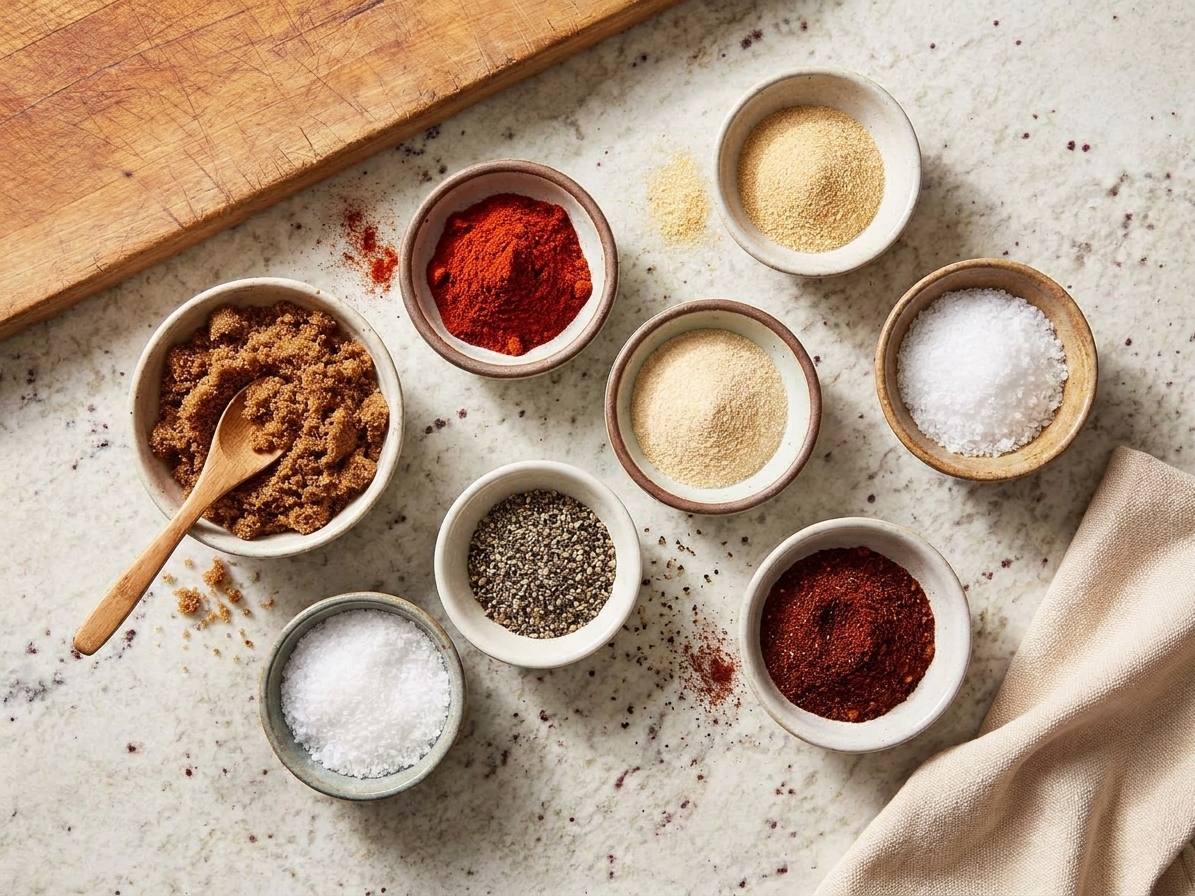
Rib rub ingredients portioned in small bowls on a light stone countertop, including brown sugar, paprika, garlic powder, onion powder, salt, pepper, and chili powder

Why It Works

  • Reliable tenderness: Low, steady heat breaks down connective tissue so the ribs turn soft and pull-apart without drying out.
  • Big flavor with simple tools: A balanced sweet smoky rub plus a little acid in the pot makes the pork taste like it worked harder than you did.
  • Sticky finish, crisp edges: A quick broil (or hot oven) caramelizes the sauce so it goes glossy and slightly charred in the best way.
  • Flexible timing: Works on Low or High, and you can hold them on Warm until dinner happens.

Pairs Well With

Storage Tips

How to Store Leftover Ribs

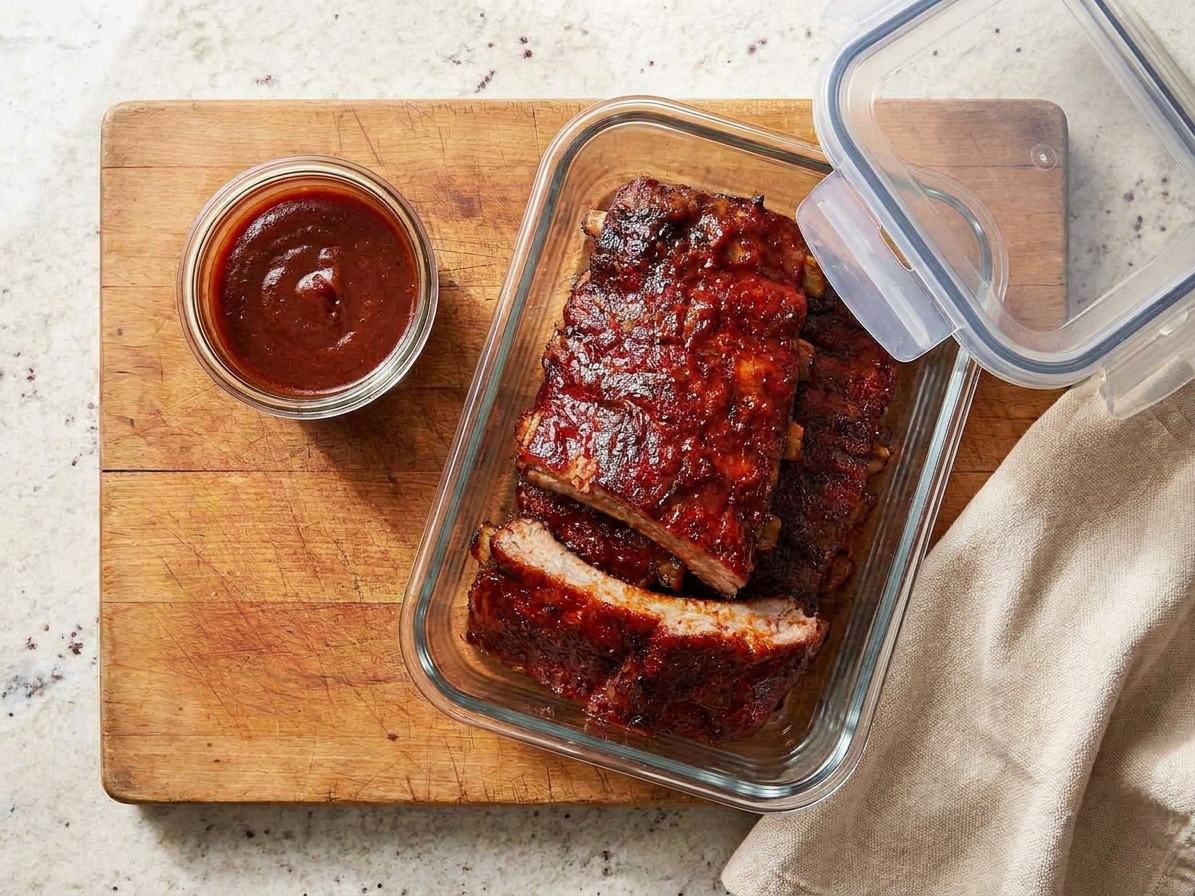
  • Fridge: Let ribs cool slightly, then refrigerate within 2 hours of cooking (within 1 hour if it is very hot out). Store in an airtight container up to 4 days. Keep extra sauce in a separate container if you can.
  • Freezer: Wrap portions tightly in foil, then place in a freezer bag. Freeze up to 2 to 3 months for best texture and flavor. They stay safe longer if kept continuously frozen, but quality is happiest in that window.

Best Reheating Methods

  • Oven (best for texture): Place ribs in a baking dish, add a splash of water or apple juice, cover with foil, and warm at 300°F for 20 to 30 minutes until hot. For food safety, aim for 165°F in the thickest meaty spot, or at least steaming hot throughout. Uncover, brush with sauce, then broil 1 to 3 minutes.
  • Microwave (fastest): Place ribs on a plate, cover with a damp paper towel, and heat in short bursts until hot. Add sauce after so it does not scorch. Texture will be softer.
Cooked ribs stored in an airtight glass container with a small separate container of barbecue sauce on a kitchen counter

Common Questions

Common Questions

Do I need to remove the membrane?

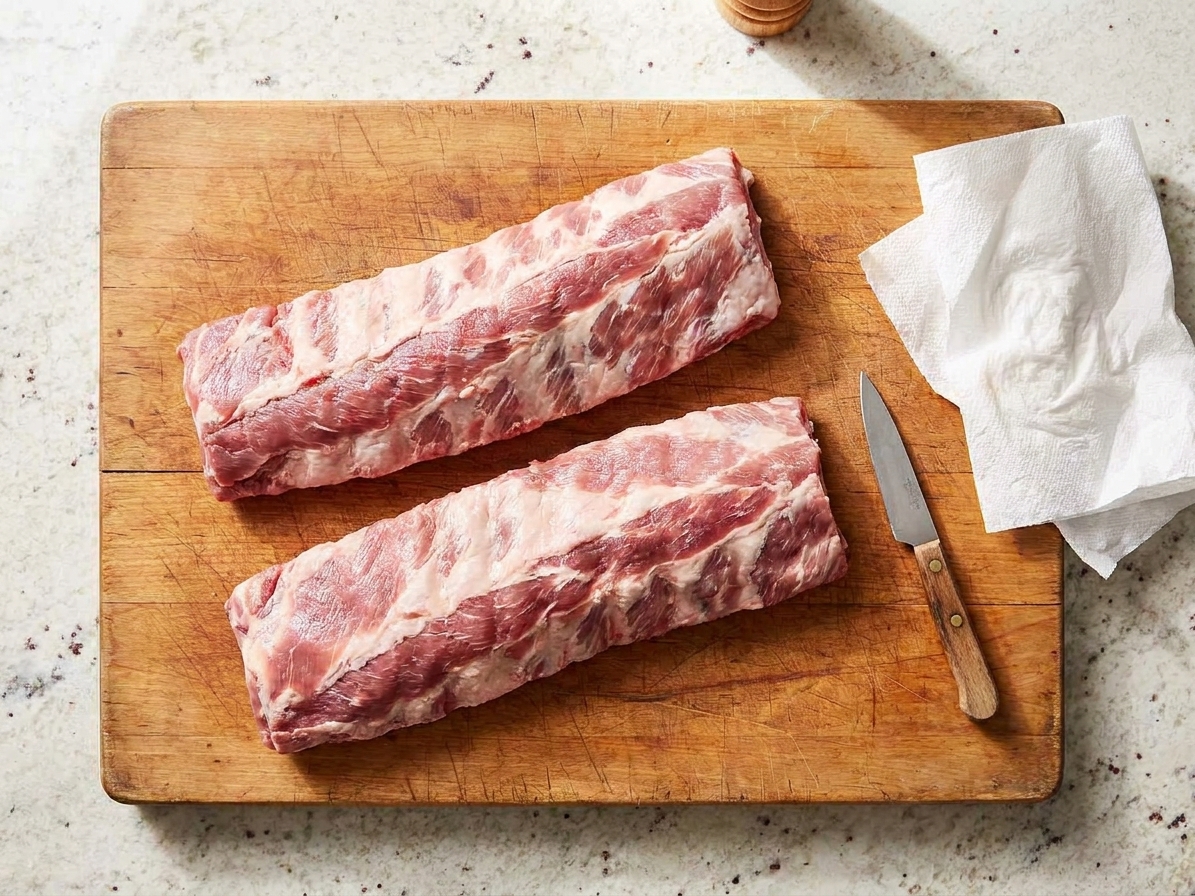
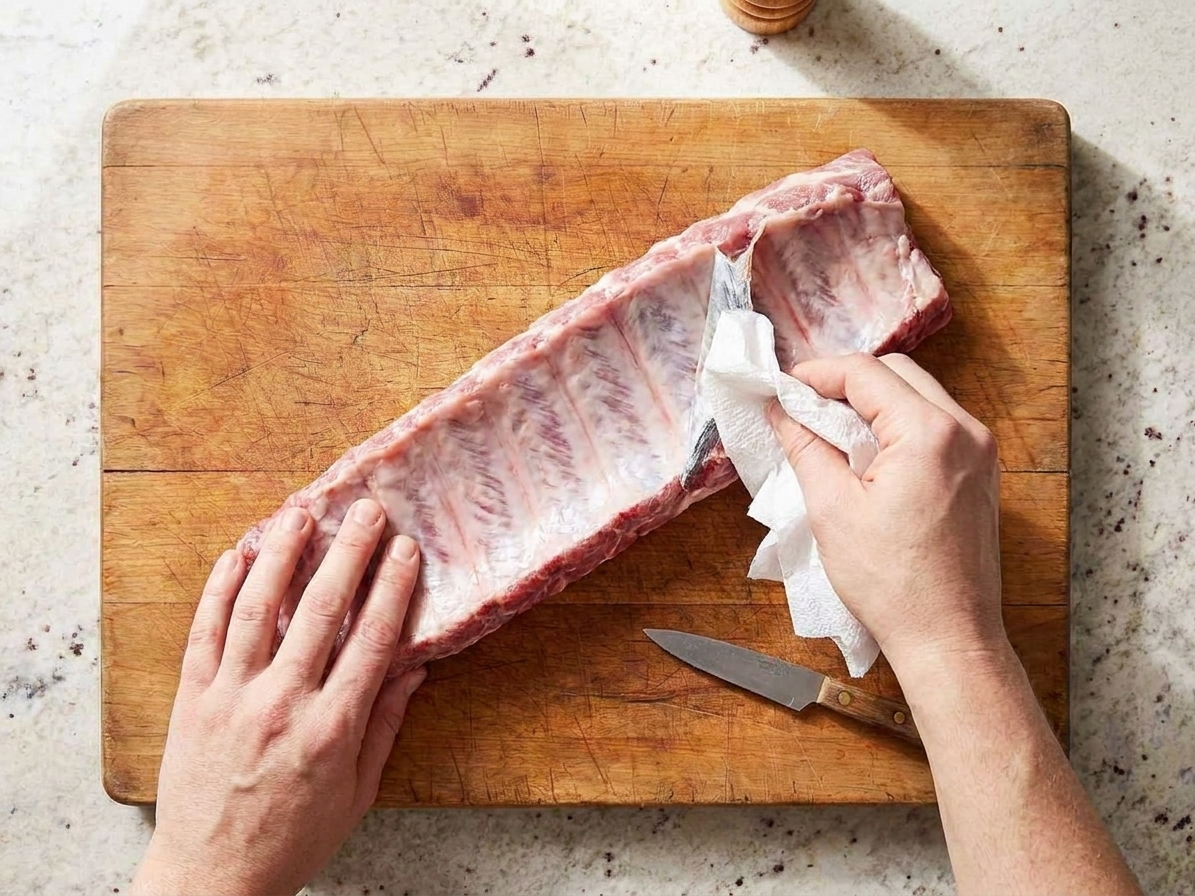
It is highly recommended. That thin silvery layer (silver skin) on the bone side can turn chewy. Slide a butter knife under it, grab with a paper towel, and pull. If your rack came with it already removed, you are living right.

How do I keep ribs from getting mushy in the slow cooker?

Two things help: do not add too much liquid (you only need a small amount for steam and flavor), and do not overcook. Ribs are done when a knife slides in easily and the rack bends without splitting completely. Then finish with a quick broil to tighten the exterior.

Can I cook ribs on High instead of Low?

Yes. Cook on High for 3.5 to 4.5 hours or on Low for 6.5 to 8 hours. Times vary by slow cooker and rib thickness, so start checking early.

Should ribs be covered in liquid?

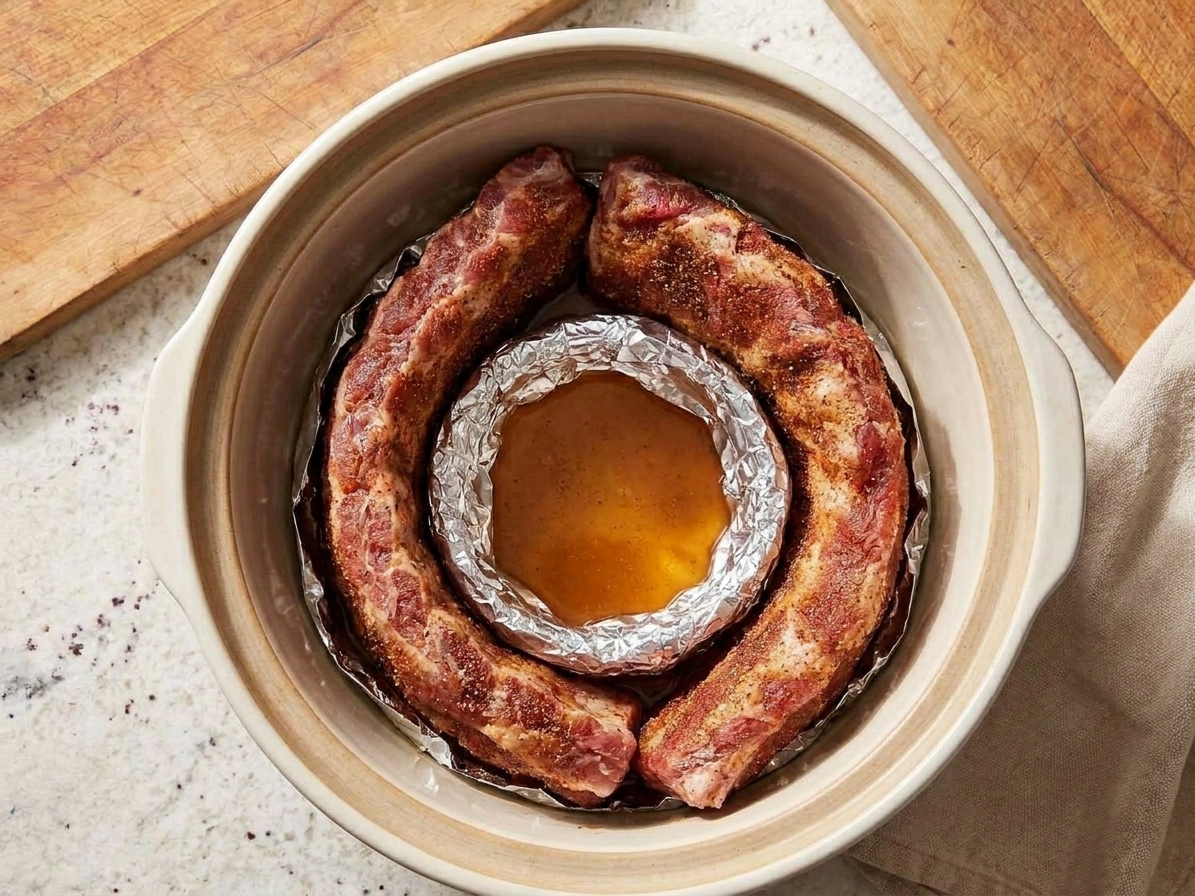
No. The slow cooker traps moisture. You want ribs sitting above a small amount of liquid, not boiling in it. Use a foil “rack” or stand the ribs on their side to keep them elevated.

Can I skip the broiler step?

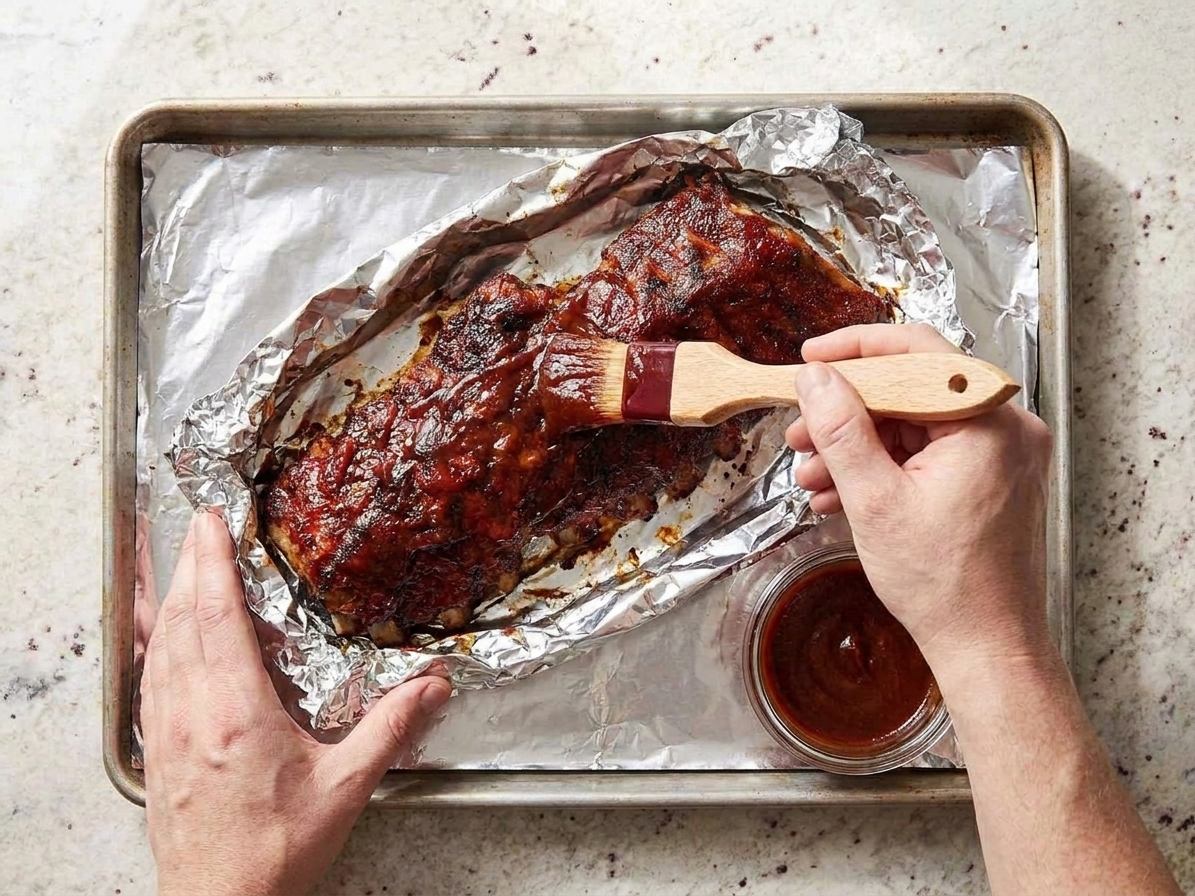
You can, but you will miss the sticky caramelized edges. If you do not have a broiler, bake uncovered at 450°F for 8 to 12 minutes after saucing.

Baby back or spare ribs?

Baby back are leaner, a little quicker, and very tender. Spare ribs are meatier and richer. Both work here. Spare ribs might need a bit more time on Low.

I used to think ribs were a “whole weekend” project. Then I started chasing practical skills in real kitchens and realized most of the magic is just time, seasoning, and one good finishing move. Slow cooker ribs became my answer to the craving when I wanted something cozy and loud in flavor without turning my whole day into smoke management. Now it is my go-to when I want the house to smell like I tried very hard, even if I was just doing dishes and stealing little sauce tastes along the way.