Mom's Best Recipes
Recipe

Smoky Southern Black-Eyed Peas

A one-pot bowl of tender black-eyed peas simmered with bacon, onion, garlic, and warm spices, finished with a little vinegar for that just-one-more-bite punch.

Author By Matt Campbell
4.8
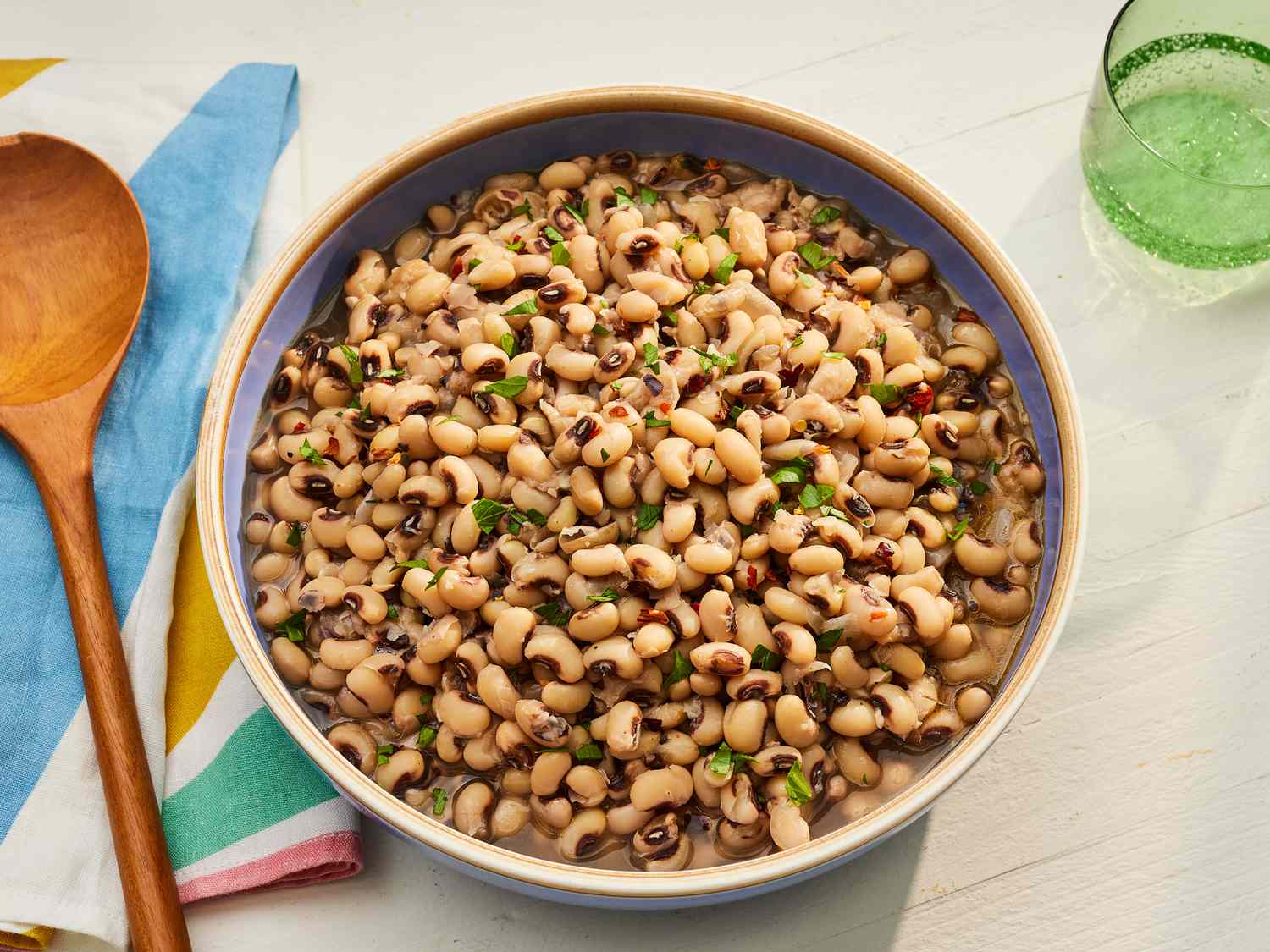
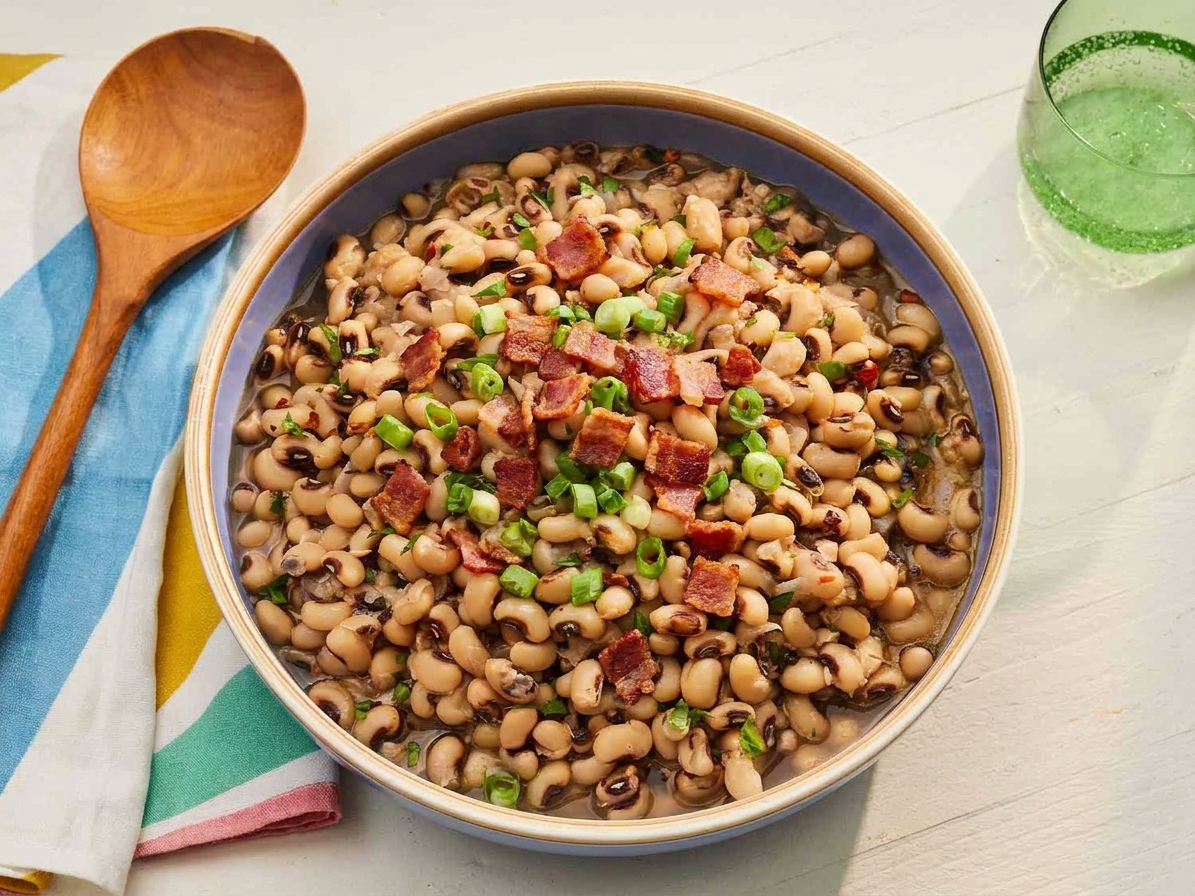
A warm bowl of smoky black-eyed peas with visible bacon pieces and chopped green onions on top, set on a wooden table with a spoon nearby in soft natural kitchen light

Black-eyed peas are one of those pantry ingredients that punch way above their weight. They are inexpensive, forgiving, and somehow always end up tasting like you knew what you were doing, even if you were kind of making it up as you went. This is my favorite way to cook them: a cozy, smoky pot with bacon, onions, garlic, and just enough spice to keep things interesting.

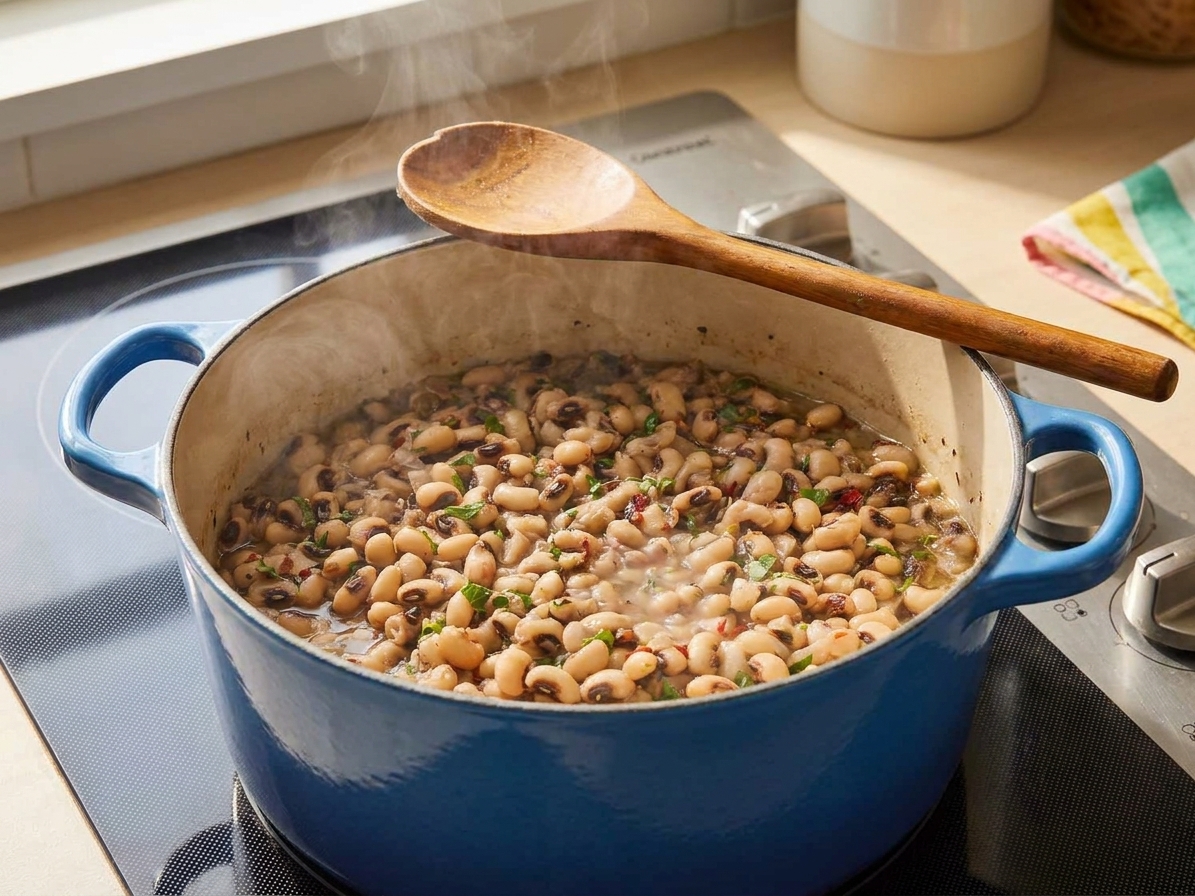
The trick is simple. We build flavor fast with a quick sauté, then let the peas do their thing in a gentle simmer until they turn tender and creamy. Right at the end, we hit the pot with a little vinegar to wake everything up. It is the same idea as finishing a soup with lemon. Brightness makes comfort food feel alive.
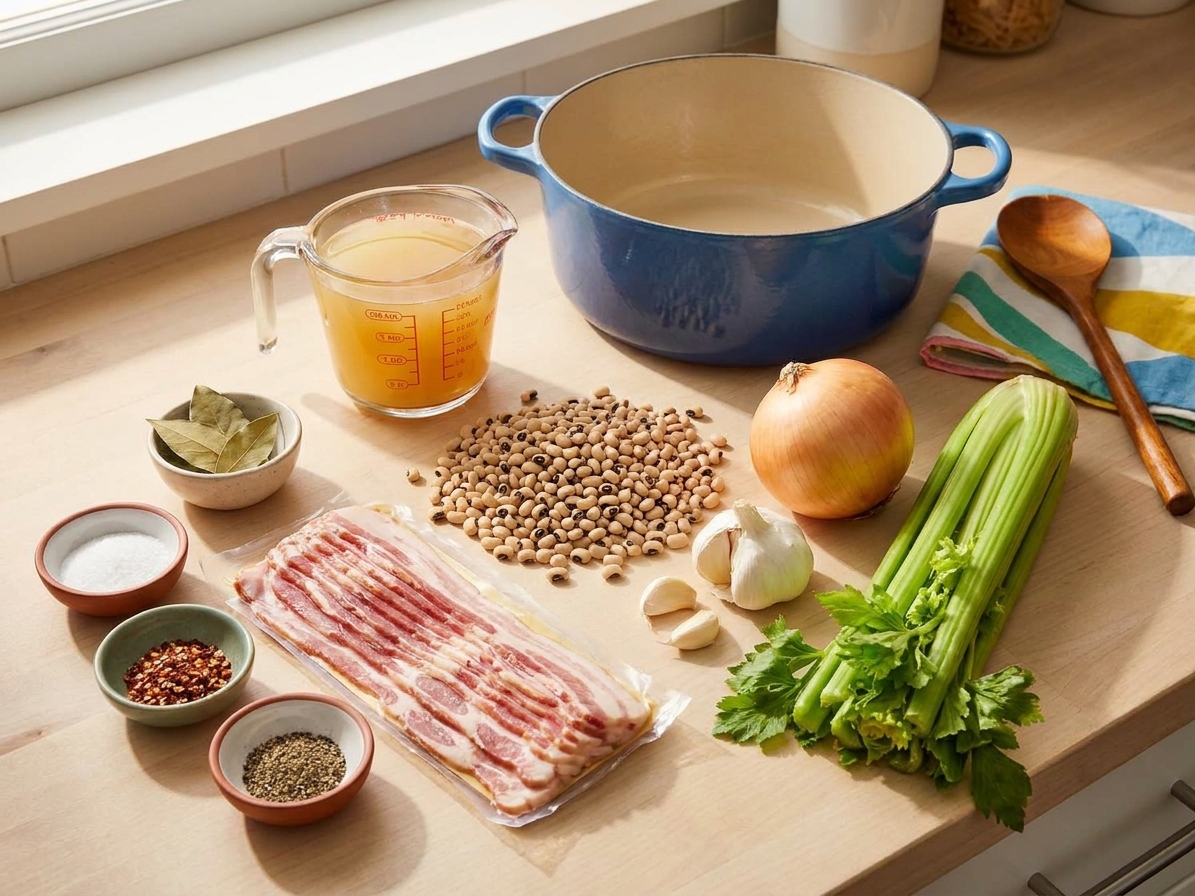
Dry black-eyed peas, bacon, onion, garlic, celery, broth, and spices arranged on a clean kitchen counter with warm overhead lighting

Why It Works

  • Big flavor from simple stuff: bacon plus sautéed aromatics makes the whole pot taste deeper without extra fuss.
  • Creamy, not mushy: a steady simmer and a little stirring at the end gives you tender peas with a lightly thickened broth.
  • Bright finish: apple cider vinegar cuts the richness and makes the smoky notes pop.
  • Meal prep hero: the flavor gets even better after a night in the fridge.

Pairs Well With

Storage Tips

Refrigerate: Cool completely, then store in an airtight container for up to 4 days.

Freeze: Portion into freezer-safe containers (leave a little headspace). Freeze up to 3 months. Thaw overnight in the fridge for best texture.

Reheat: Warm on the stove over medium-low with a splash of broth or water, stirring occasionally. Taste and re-season at the end. Beans love to soak up salt as they sit.

Bonus move: Leftovers are incredible over rice, grits, or a toasted split biscuit. Add a fried egg if you want to feel unstoppable.

Common Questions

Do I need to soak black-eyed peas?

Not usually. Black-eyed peas are smaller and cook faster than many other dried beans. This recipe is written for no soaking. If you prefer to soak, do an overnight soak or a quick soak, then start checking for tenderness early. They often finish sooner, but timing can vary depending on how fresh your peas are and how strong your simmer is.

Can I use canned black-eyed peas?

Yes. Use 3 cans (15-ounce), drained and rinsed. Simmer the broth and aromatics for about 15 minutes to build flavor, then add the peas and cook 10 minutes more. They just need to heat through and mingle. Since canned peas will not absorb much liquid, you may want to reduce the liquid (start with 4 to 5 cups broth total) if you prefer a thicker, less brothy pot.

Why are my peas still hard?

Three common culprits: the peas are old, the simmer is too low, or you added acidic ingredients too early. Keep it at a gentle but active simmer, and save vinegar and tomatoes for the end. If they are old, they may simply take longer. Keep cooking and add more liquid as needed. Also, salt is not the problem here. Seasoning the pot early will not prevent the peas from softening.

How do I make them vegetarian?

Skip the bacon, use olive oil, and swap in smoked paprika plus a pinch of chipotle powder for the smoky vibe. Use vegetable broth. If you have it, a splash of soy sauce or a tiny spoon of miso at the end adds savory depth.

What should I serve with black-eyed peas?

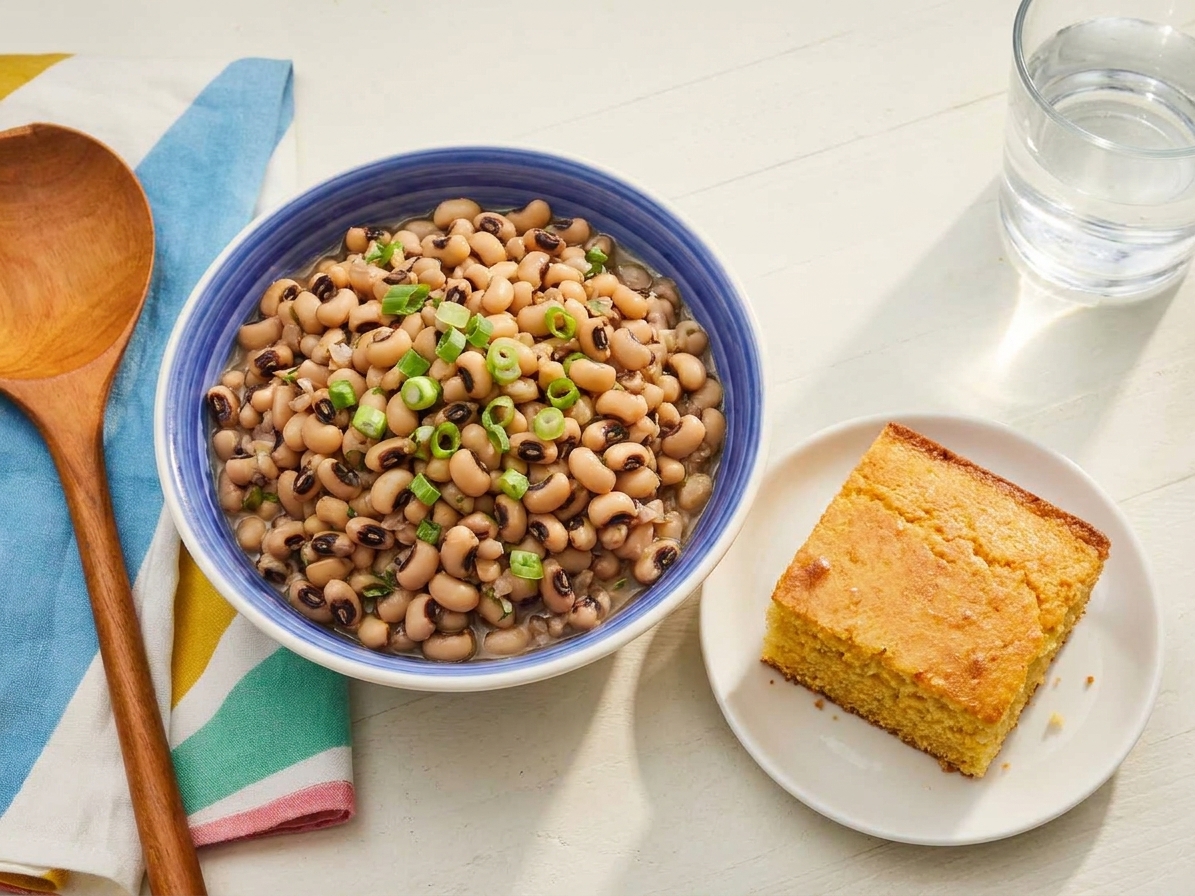
Cornbread is classic, but I also love rice, collard greens, roasted sweet potatoes, or a simple crunchy slaw. Anything that can catch the broth is a good idea.

I love recipes that feel like they have your back, and black-eyed peas are exactly that. They are the kind of pot you can start while you are answering emails, helping with homework, or just trying to get dinner on the table without drama. The first time I nailed this version, it was not fancy. It was a weeknight, the kitchen was a mess, and I was absolutely tasting out of the pot like it was my job. One spoonful in, I hit it with a tiny splash of vinegar, and the whole thing snapped into focus. That is the moment I started keeping a bag of black-eyed peas in the pantry at all times.