Mom's Best Recipes
Recipe

Soft Chewy Molasses Cookies

Crisp edges, chewy centers, and deep molasses spice in every bite. Quick dough, no chilling required, all cozy.

Author By Matt Campbell
4.8 (214)
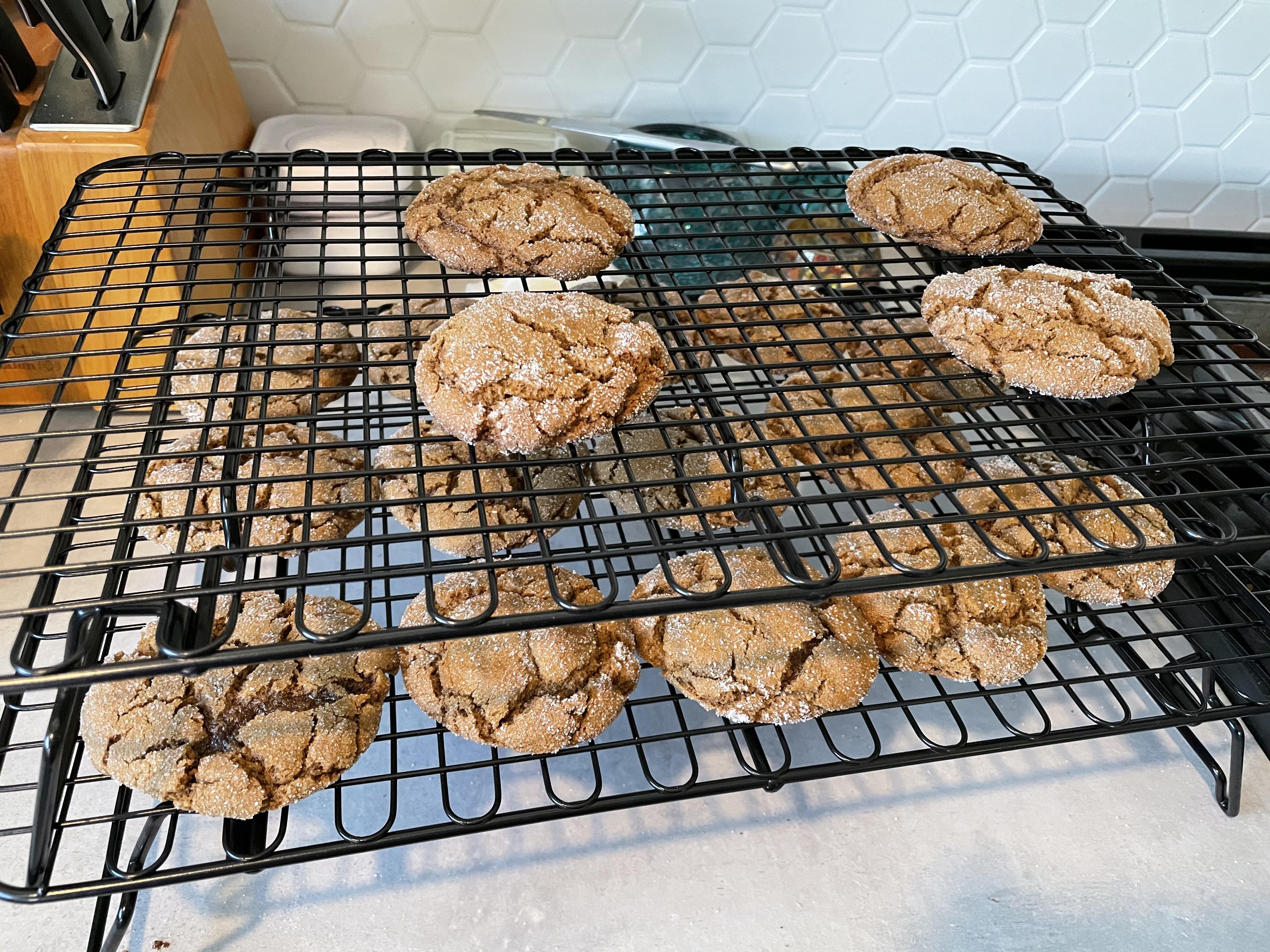
A batch of sugar-crackled molasses cookies cooling on a wire rack on a light stone kitchen counter with warm natural light

Molasses cookies are the edible version of a warm blanket. You get that deep, toasty sweetness from molasses, a hit of ginger, and just enough cinnamon to make the whole kitchen smell like you have your life together.

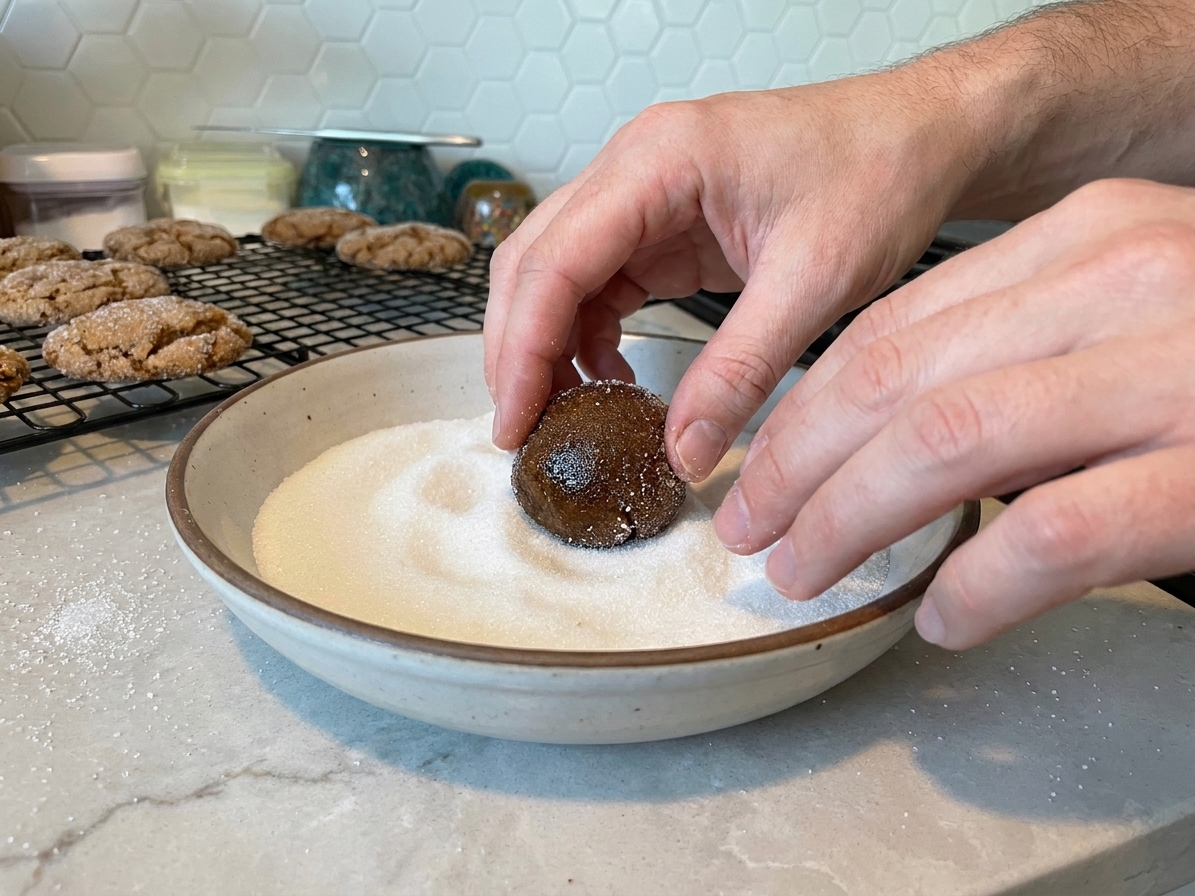
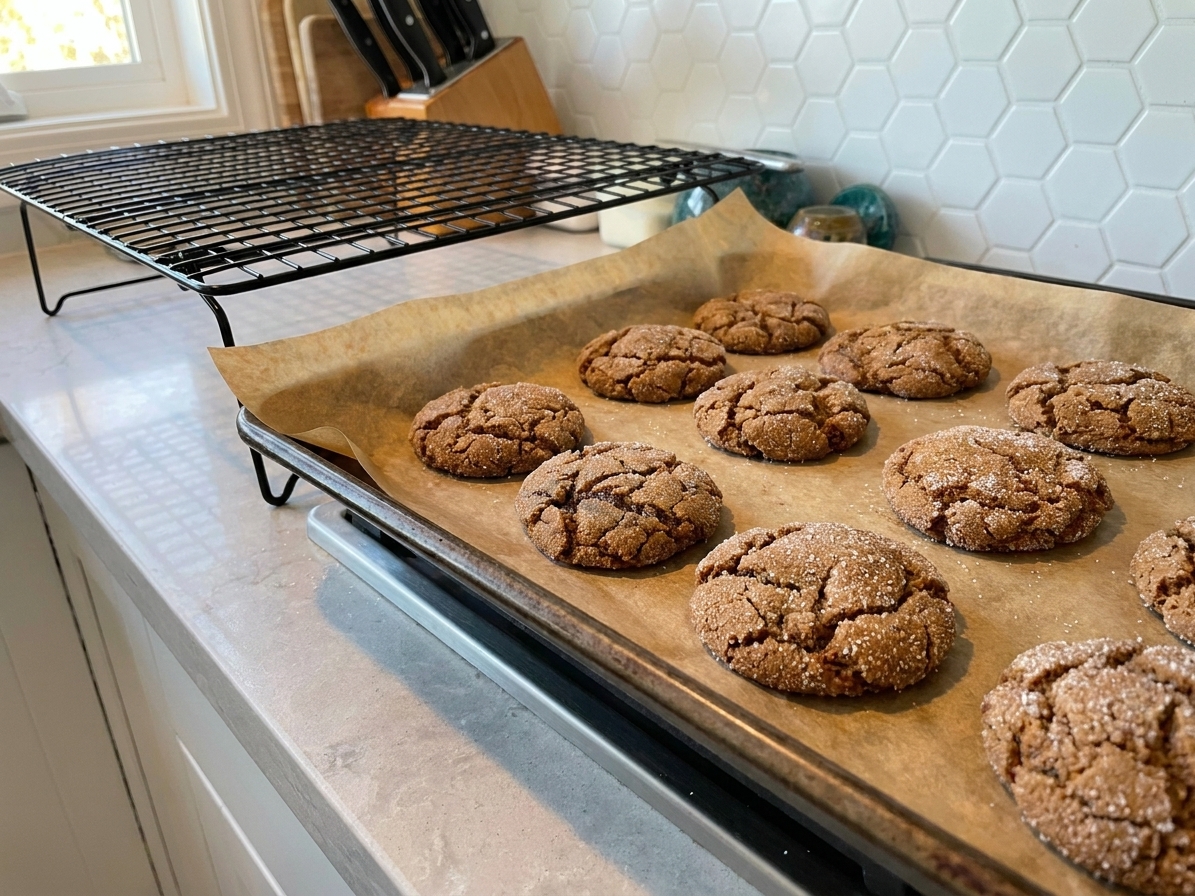
This is my soft and chewy version with crisp edges and those signature crinkles on top. The best part is you do not have to chill the dough. Mix, roll in sugar, bake, and try not to “test” three cookies before they cool.
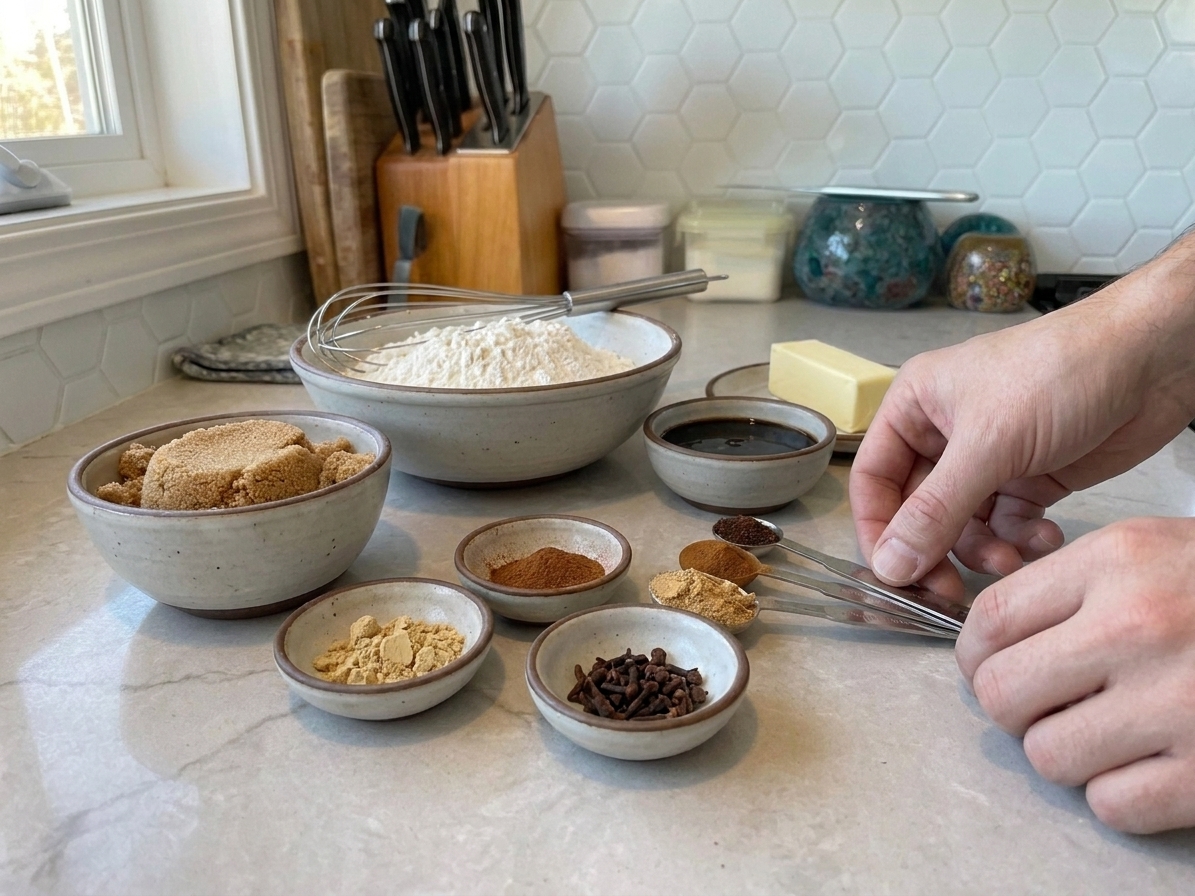
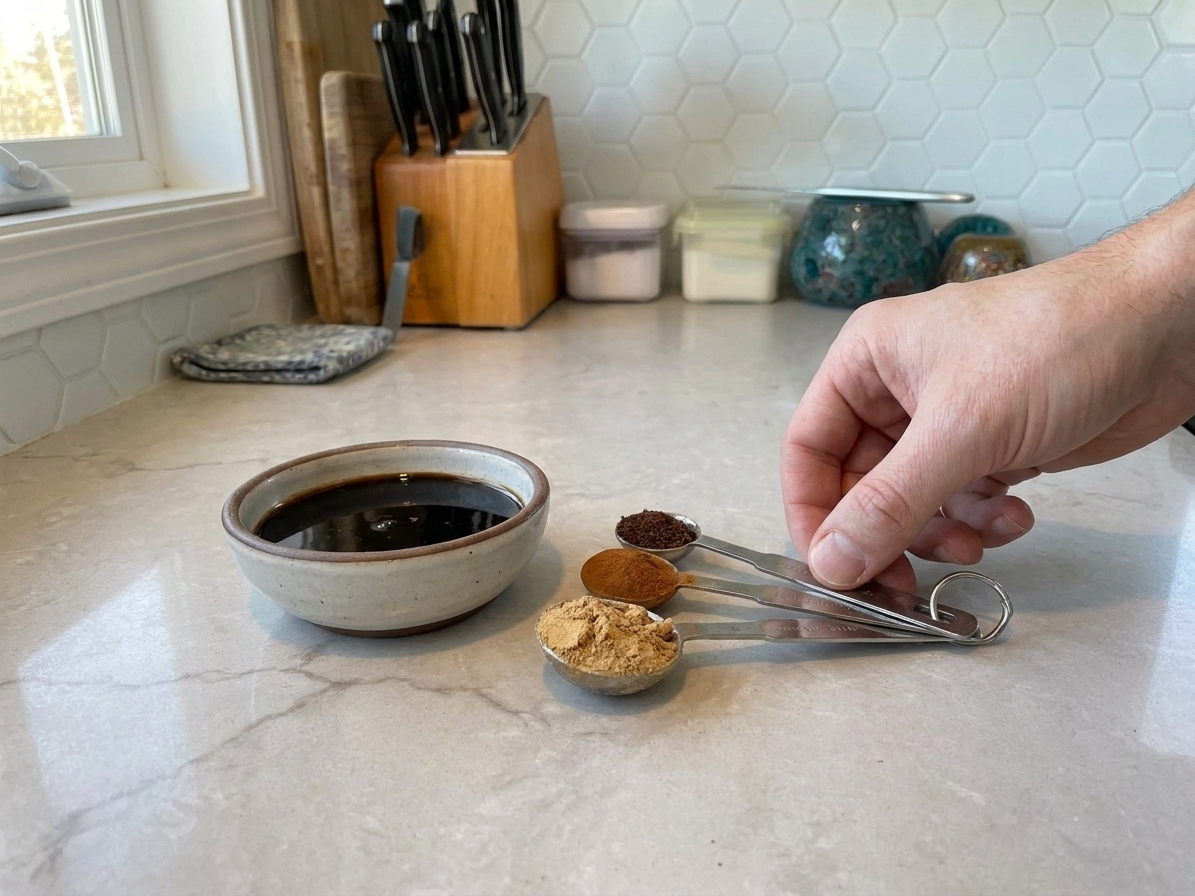
Bowls of flour, spices, brown sugar, molasses, and butter arranged on a kitchen counter with measuring spoons and a whisk

Why It Works

  • Big flavor with basic pantry stuff: molasses plus ginger and cinnamon makes the cookies taste like they took effort, even when they did not.
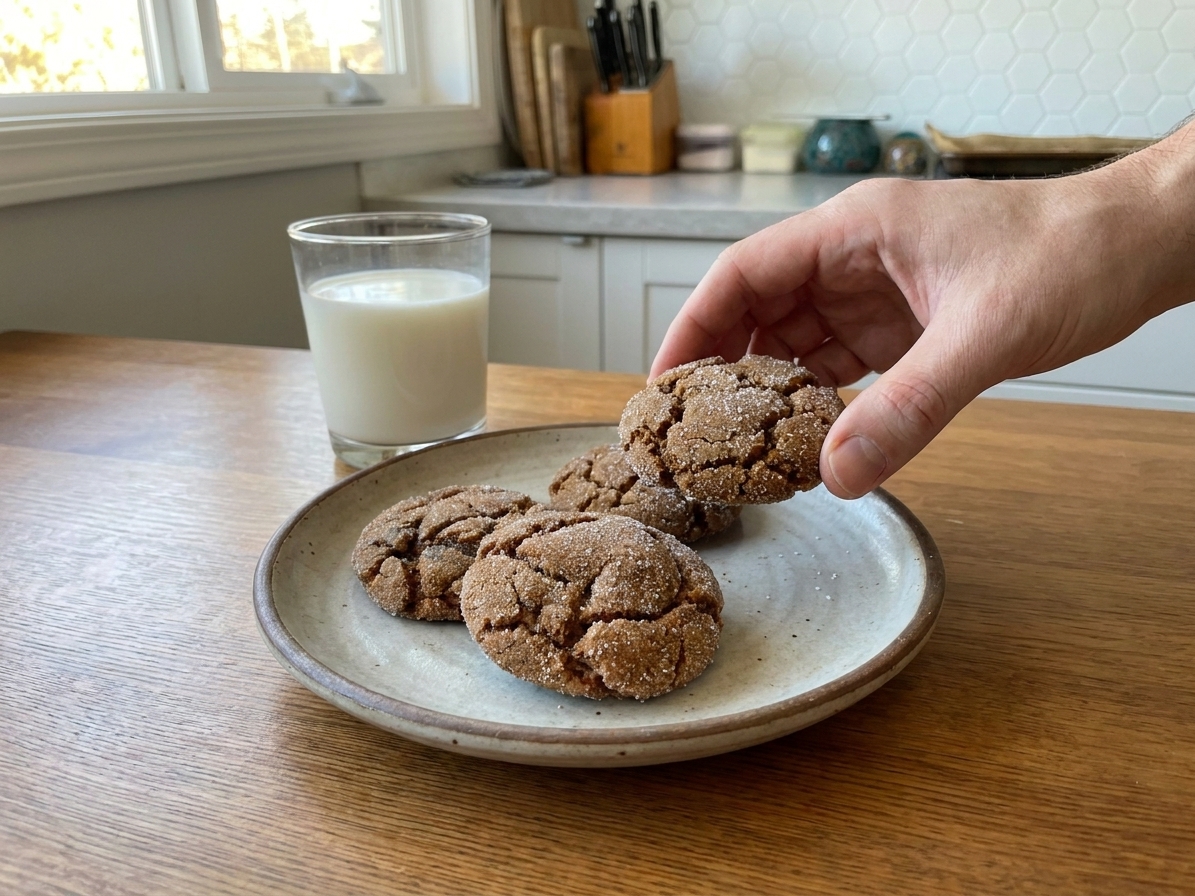
  • Texture that hits both cravings: a lightly crisp rim and a soft, chewy center that stays tender for days.
  • No chill required, no drama: the dough is soft but workable, and the sugar roll helps create those classic crackly tops.
  • Flexible spice level: keep it classic or add a pinch of cloves for extra depth.

Pairs Well With

Storage Tips

Keep Them Soft

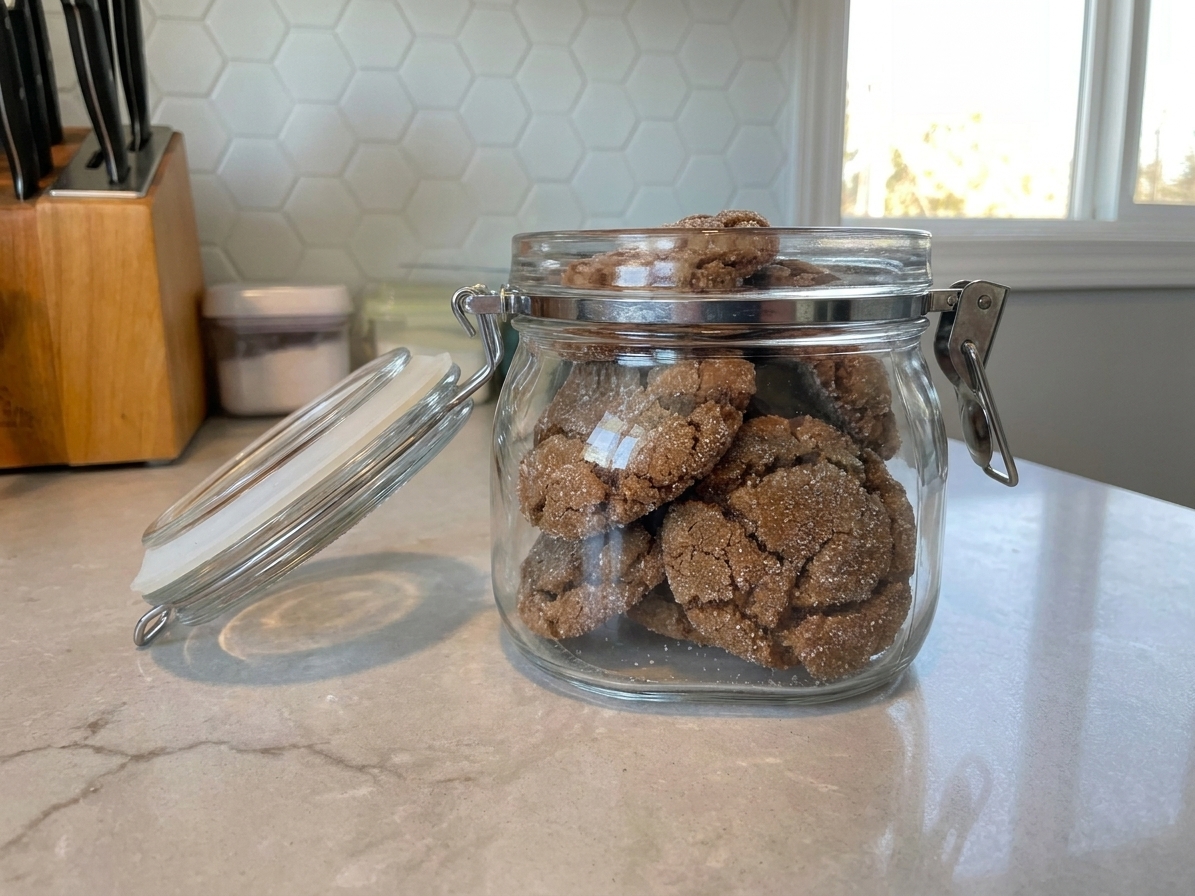
Room temperature: Store cookies in an airtight container for up to 5 days. If you want them extra soft, tuck a small piece of bread into the container for a day or two.

Freeze baked cookies: Cool completely, then freeze in a zip top bag with parchment between layers for up to 3 months. Thaw at room temp.

Freeze the dough: Roll into balls (do not sugar coat yet), freeze on a sheet pan until firm, then bag. When ready, roll frozen dough balls in sugar and bake, adding 1 to 2 minutes.

Molasses cookies stacked in an airtight container on a kitchen counter with a lid set beside it

Common Questions

What kind of molasses should I use?

Use unsulphured molasses, often labeled “original” (sometimes “robust,” depending on the brand). Avoid blackstrap here. It is more bitter and can make the cookies taste harsh.

Why did my cookies turn out cakey instead of chewy?

The usual culprits are too much flour or overbaking. Spoon and level your flour (do not pack it), and pull the cookies when the edges look set and the centers are puffed but still soft. They finish setting as they cool.

Can I make these without a stand mixer?

Yes. A bowl, a whisk, and a sturdy spatula work great. Just make sure the butter is truly softened so it creams smoothly with the sugar.

Do I have to roll the dough in sugar?

No, but it helps with the classic crackle and gives a tiny crunchy shell. If you skip it, the cookies still taste great, just less sparkly and less crinkly.

Can I make them gluten-free?

You can try a 1:1 gluten-free baking blend (one that includes xanthan gum). Texture will be slightly different, but the flavor still delivers. Optional tip: after mixing, let the dough sit for 10 minutes so the flour can hydrate before scooping.

I started making molasses cookies when I wanted a dessert that felt like a payoff without turning my kitchen into a flour bomb. They are the kind of cookie that forgives you if your butter is slightly too soft or your ginger enthusiasm gets a little aggressive. Now they are my go-to when I need something cozy for a friend drop-in, a potluck, or a random Tuesday that deserves better than a granola bar.