What is shoo fly pie supposed to taste like?
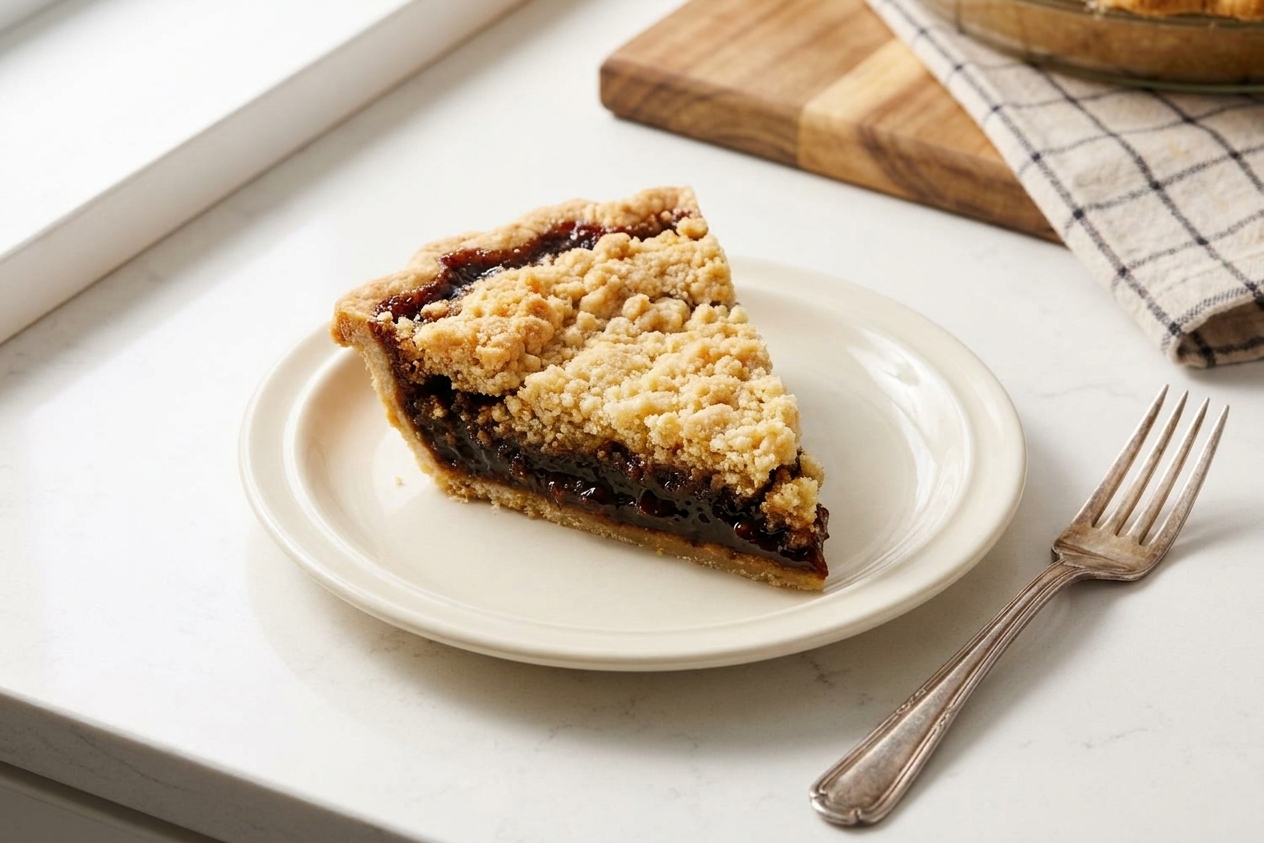
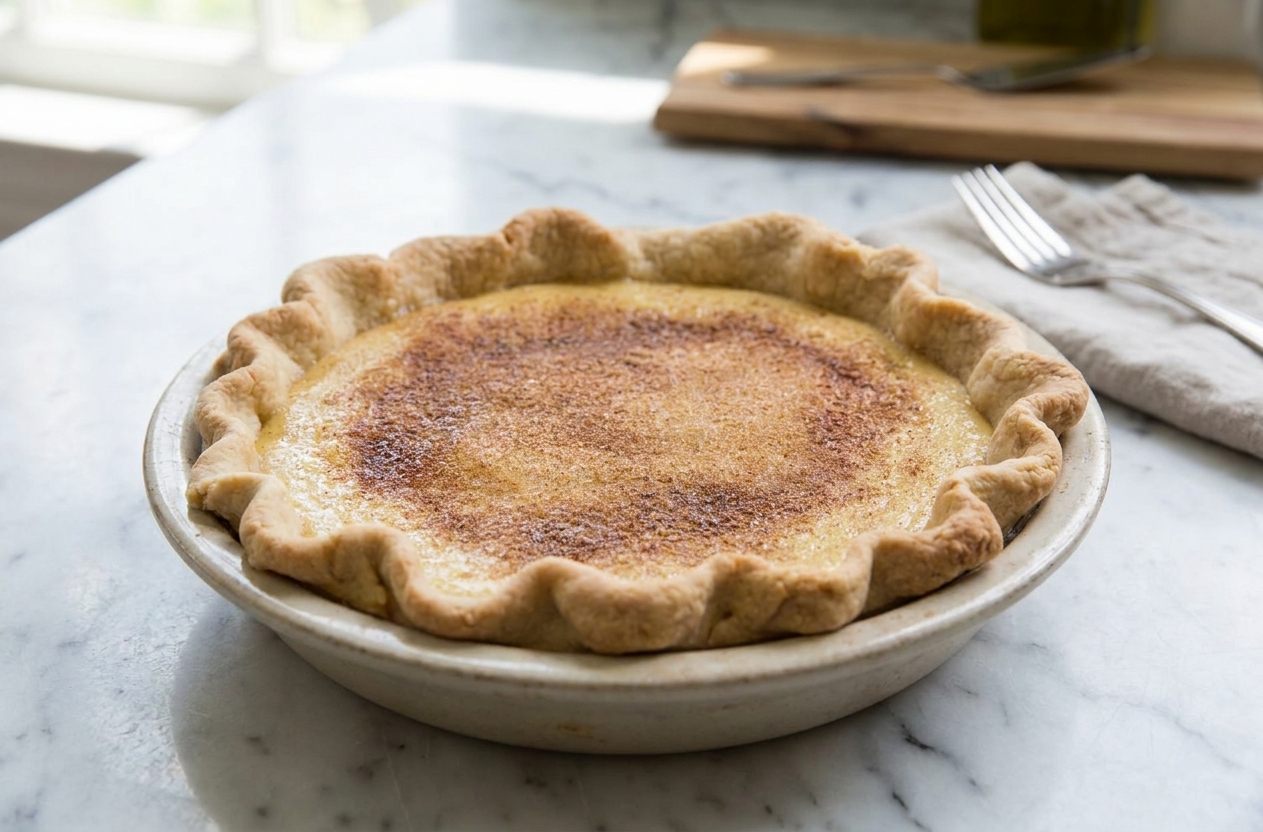
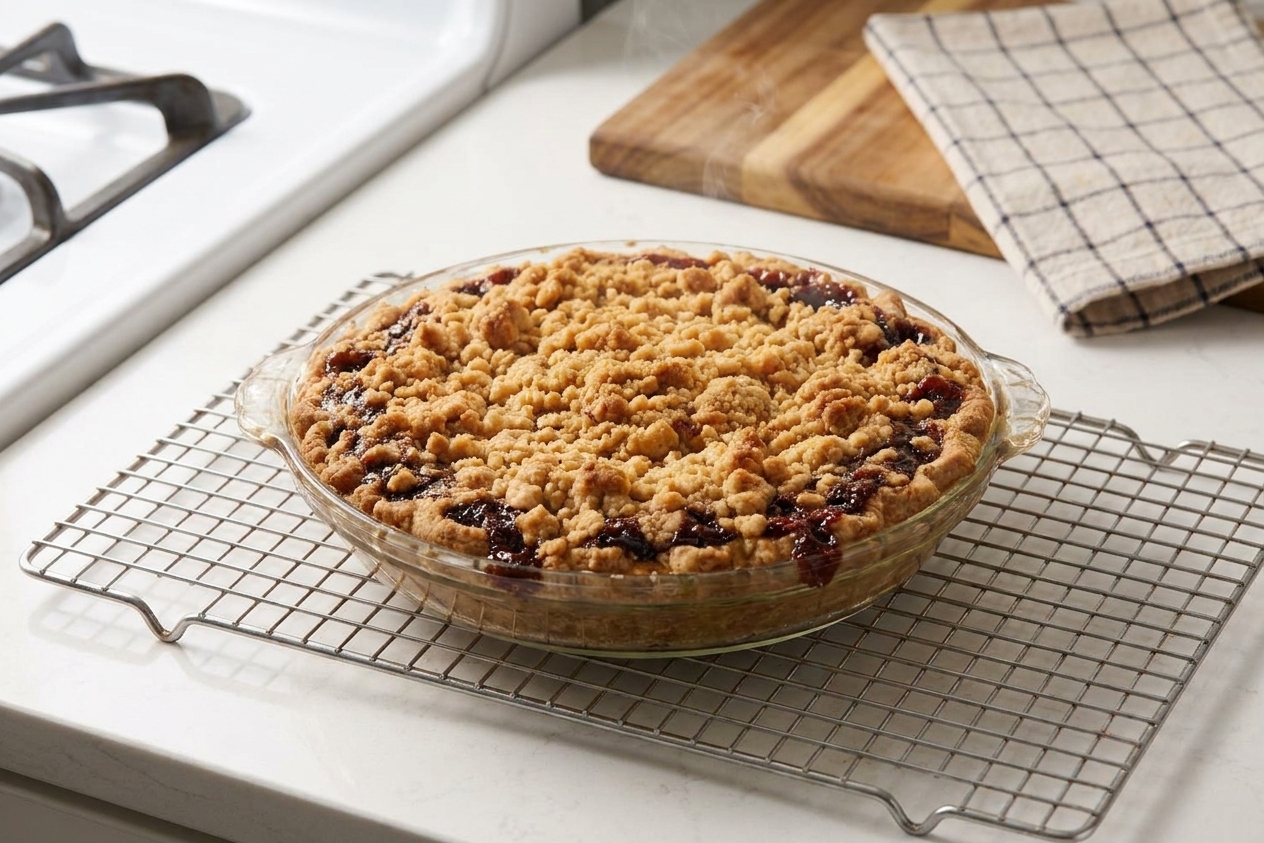
Think molasses cookie meets sticky toffee. It’s rich and sweet, with a slightly bittersweet, toasted depth from the molasses and a buttery, crumbly top.
What is the difference between “wet bottom” and “dry bottom” shoo fly pie?
Wet bottom (what this recipe makes) has a gooey layer that settles at the bottom. Dry bottom is more cake-like throughout, with less of that sticky layer.
Do I have to use unsulphured molasses?
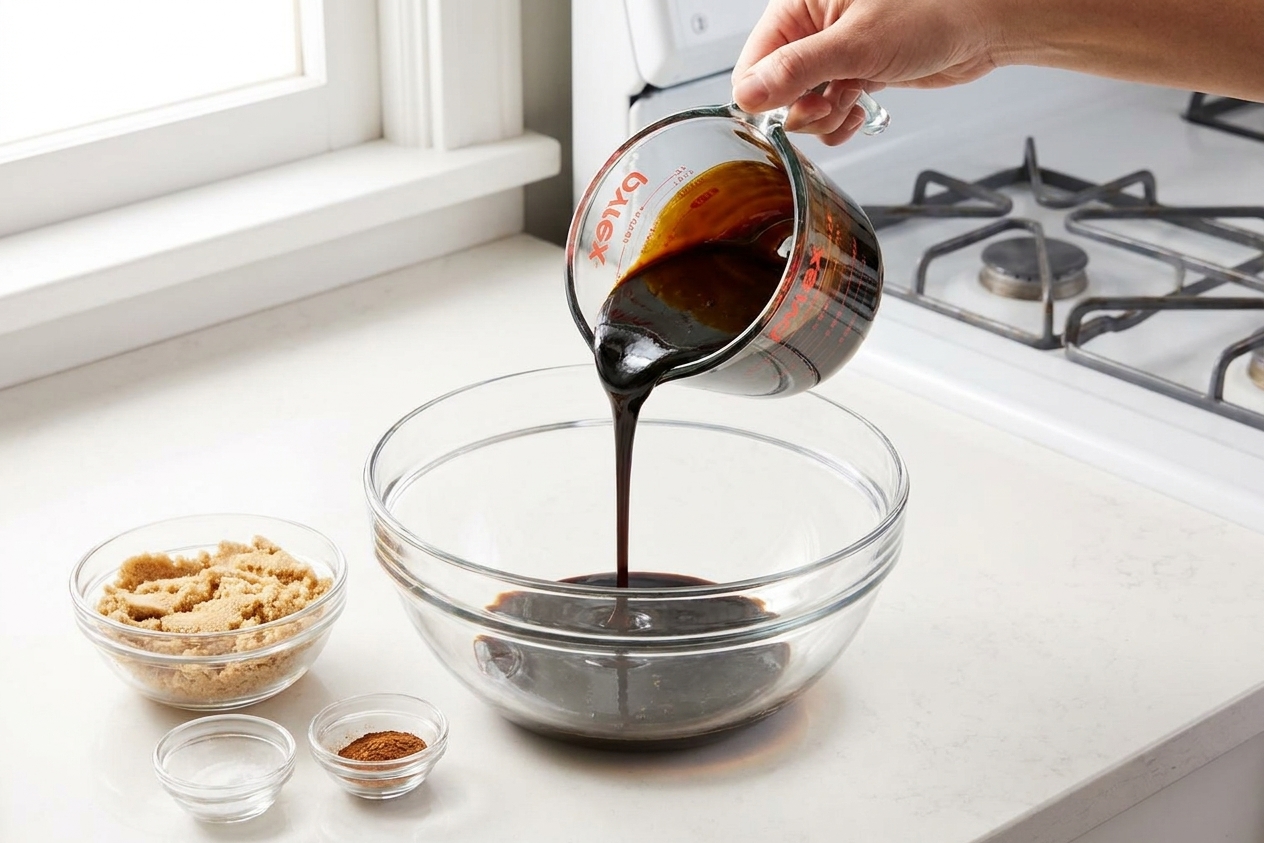
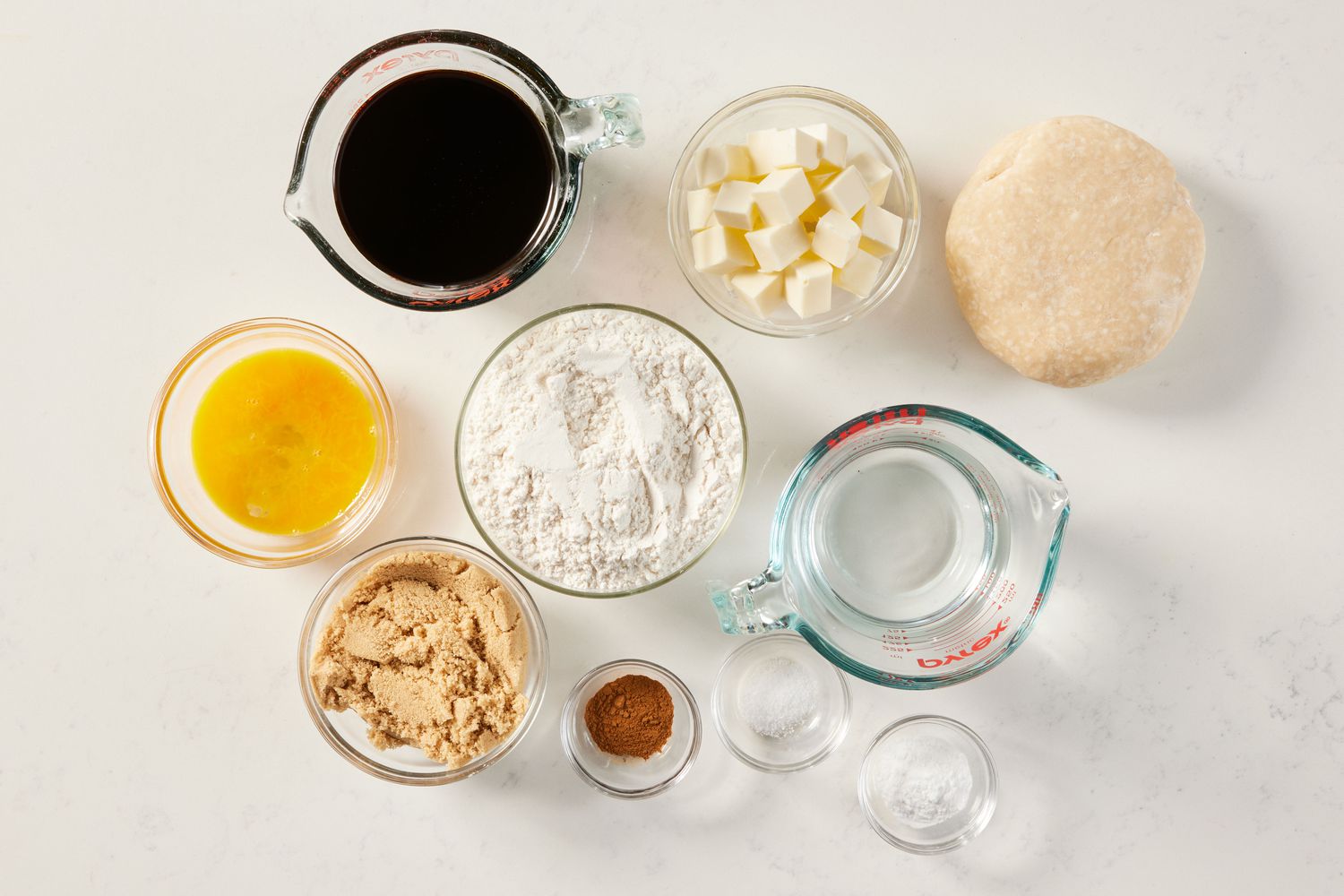
Yes, use unsulphured. For the best flavor, go with dark (robust) molasses. Avoid blackstrap unless you love intense bitterness, because it can overpower the pie.
Why do you dissolve baking soda in hot water?
It helps the molasses mixture foam and lighten a bit, and it can encourage that classic texture where some crumbs float and some sink. The wet bottom also comes from the liquid-to-crumb ratio and how everything hydrates as it bakes.
Can I use a store-bought crust?
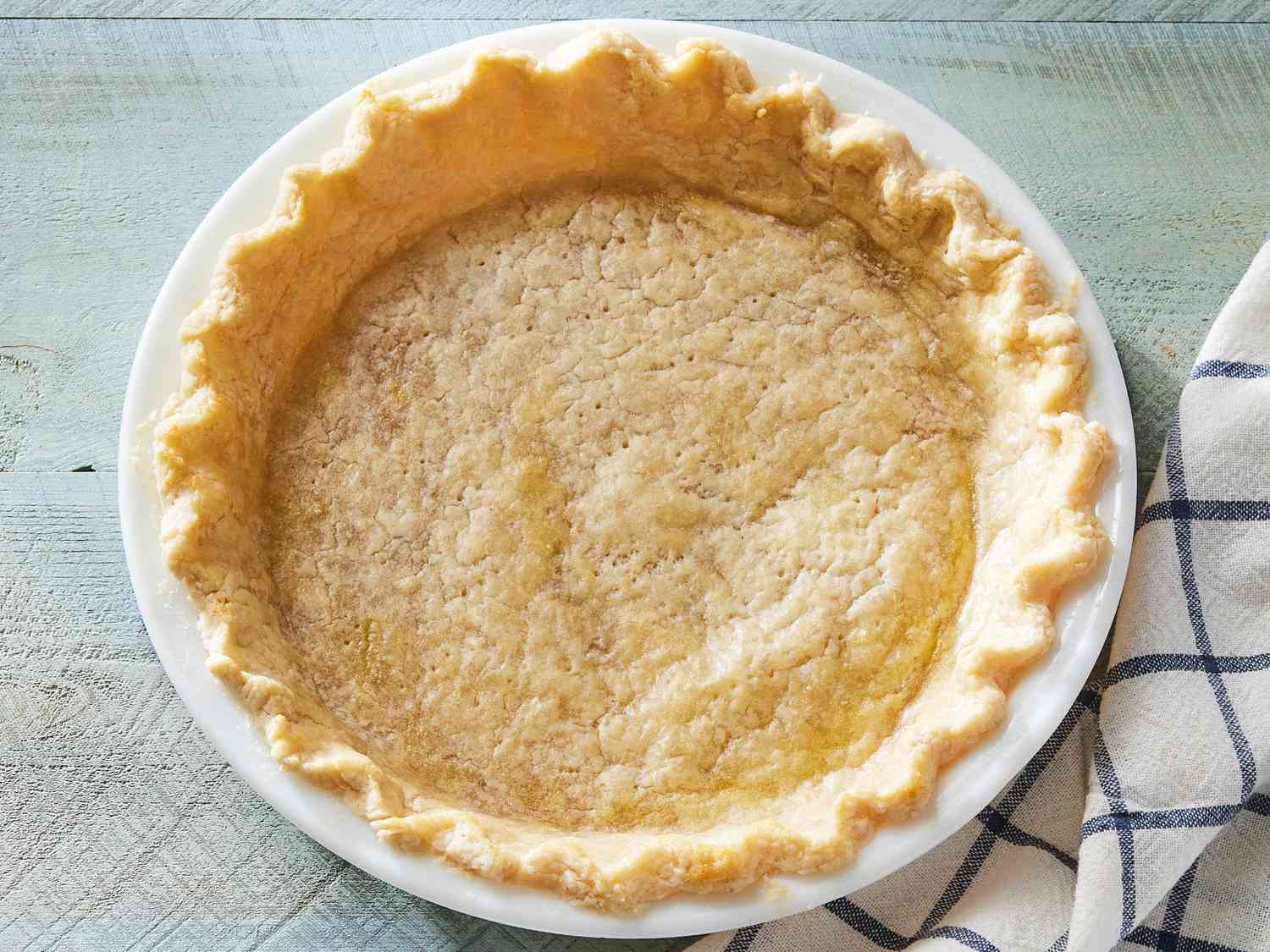
Absolutely. A refrigerated 9-inch pie crust works great here. If you’re using a frozen crust, follow the package guidance (some need to be thawed first). You typically do not need to par-bake for shoo fly pie, but if you’re worried about a soft bottom, you can dock the crust with a fork and give it a light par-bake at 375°F until it’s just starting to take on the faintest hint of color (often around 8 to 12 minutes, depending on your pan and crust).
Should I use a deep-dish crust?
Stick with a standard 9-inch pie crust (not deep-dish). Deep-dish can bake a little differently and may throw off the wet-bottom texture. If deep-dish is all you have, bake on a sheet pan and keep an eye on doneness, since it may need a bit longer.
How do I know it’s done?
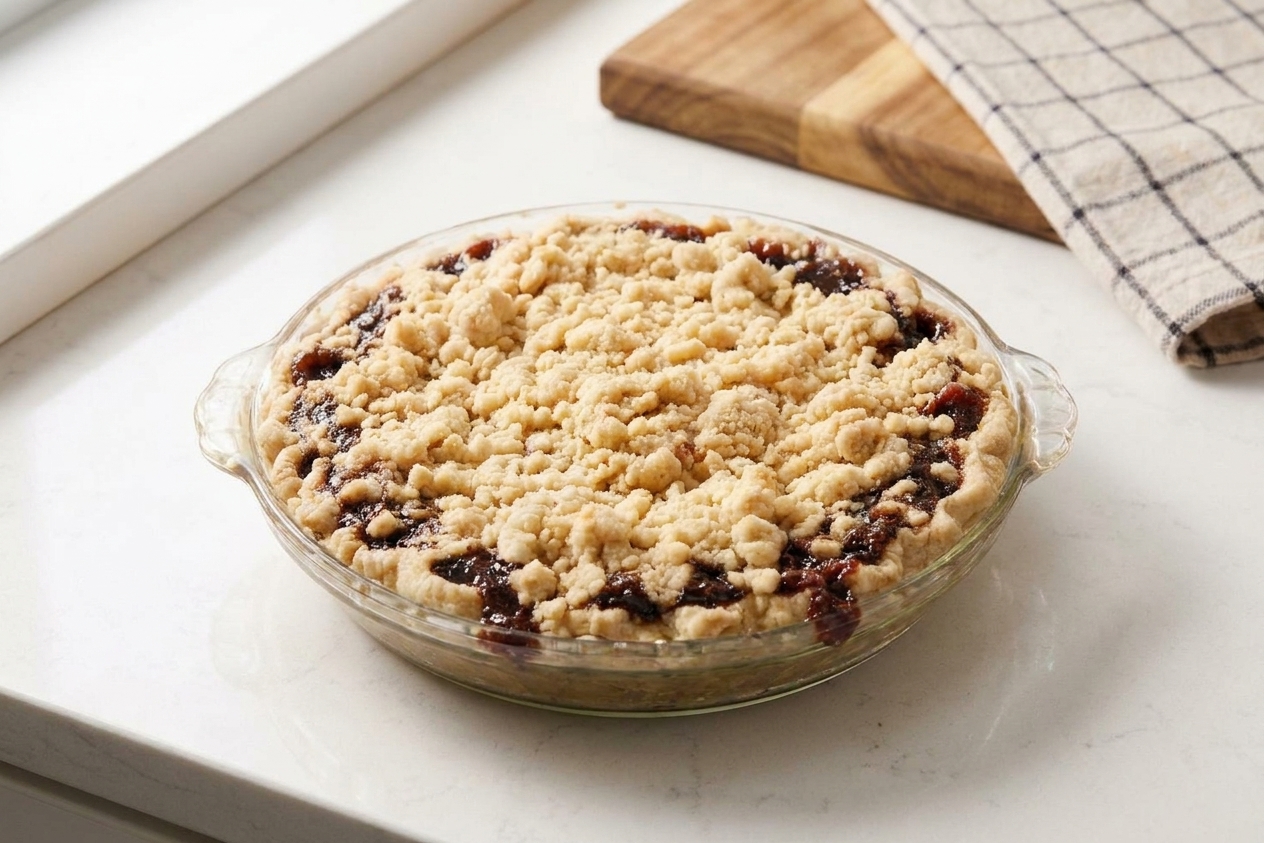
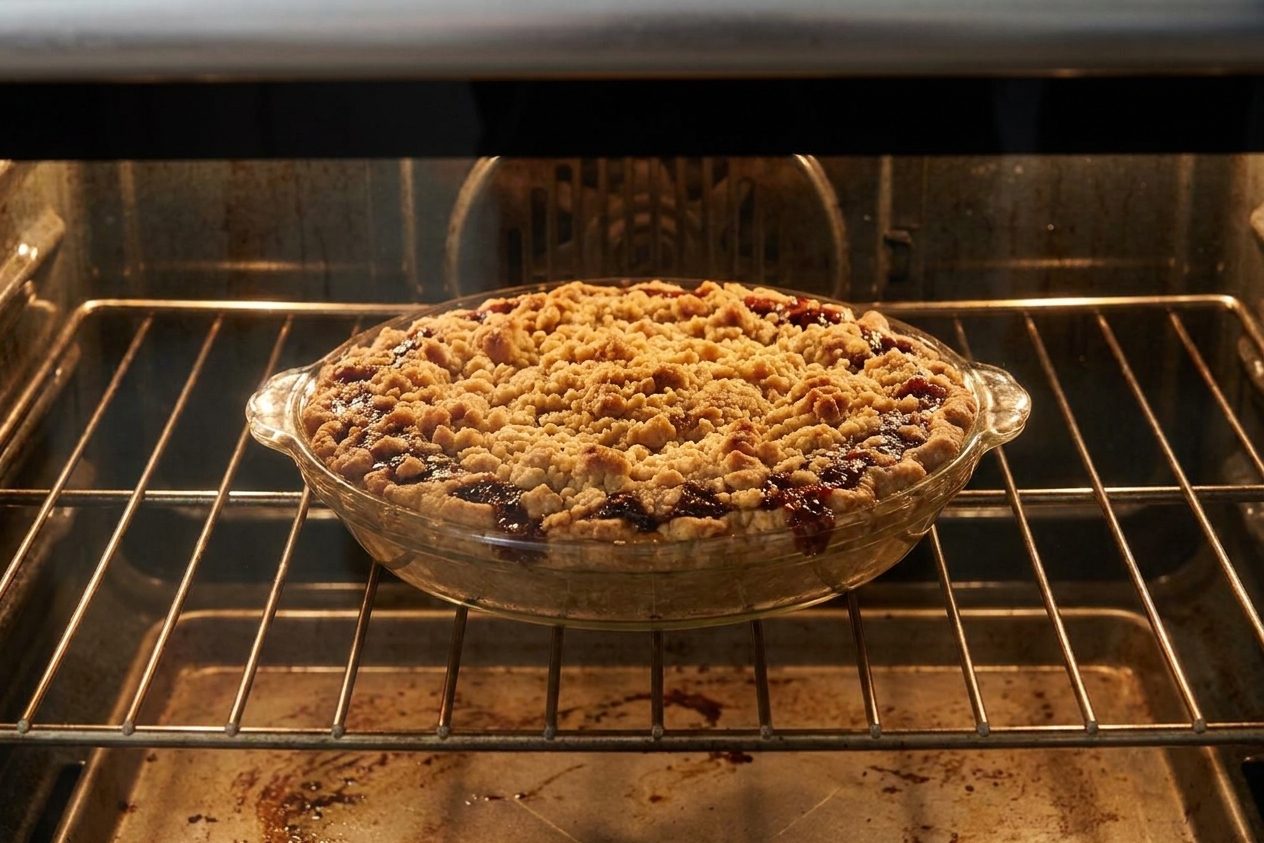
Look for a deep golden crumb top and edges that look set. The center should not look liquidy or slosh if you gently nudge the pan. Wet-bottom shoo fly pie will still be soft inside, and it firms up a lot as it cools.