Why did my gingerbread cookies turn out hard?
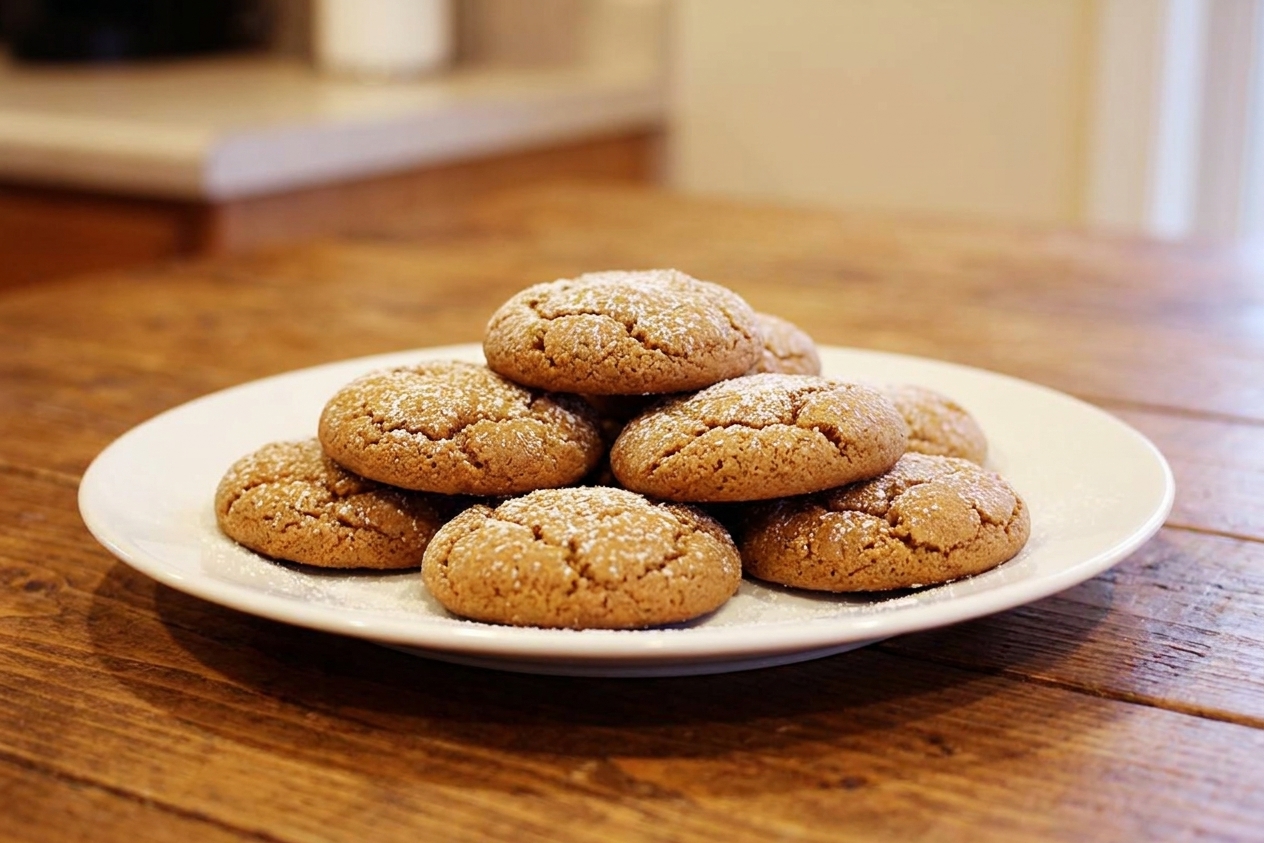
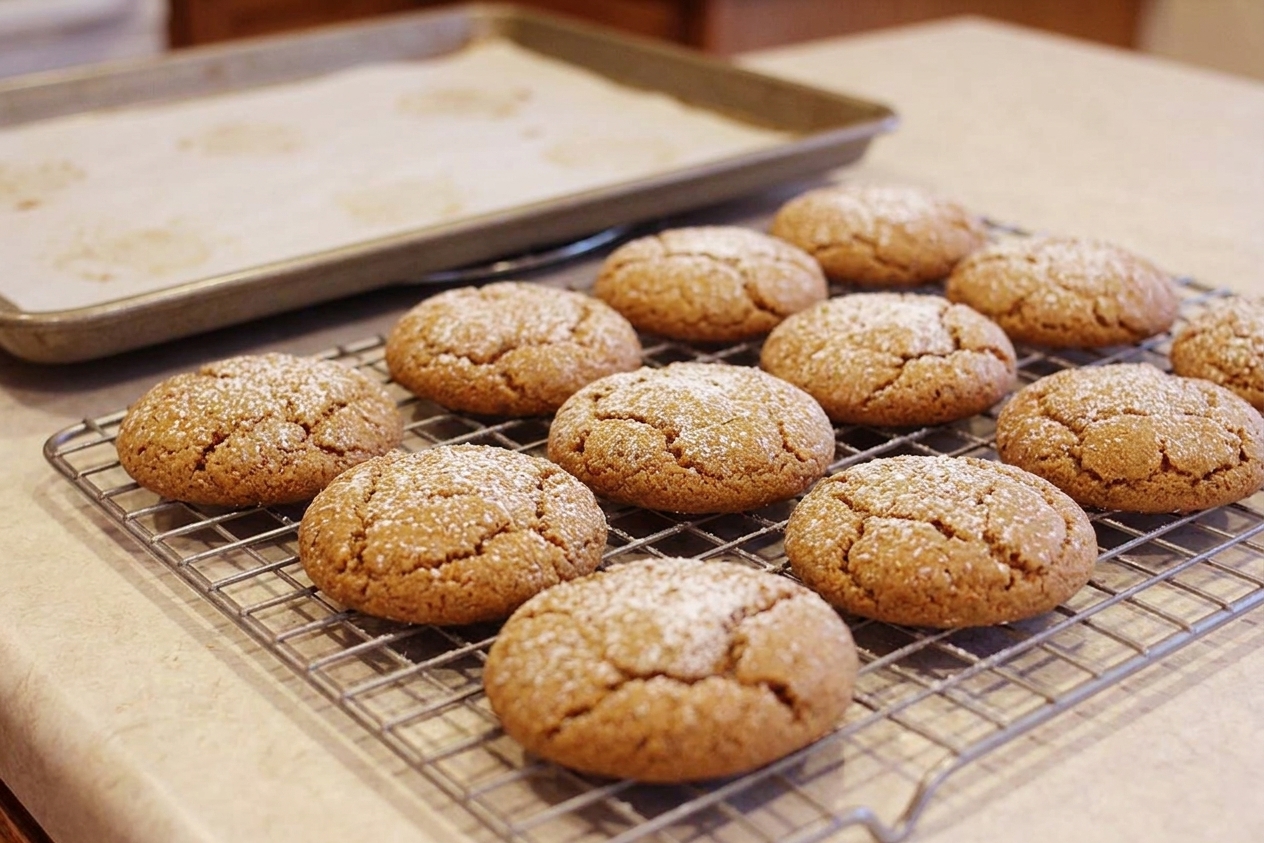
The two biggest culprits are too much flour (scooping straight from the bag packs it in) and overbaking. Spoon and level your flour, and pull the cookies when the centers still look a little puffy and soft. They set as they cool.
Do I have to chill the dough?
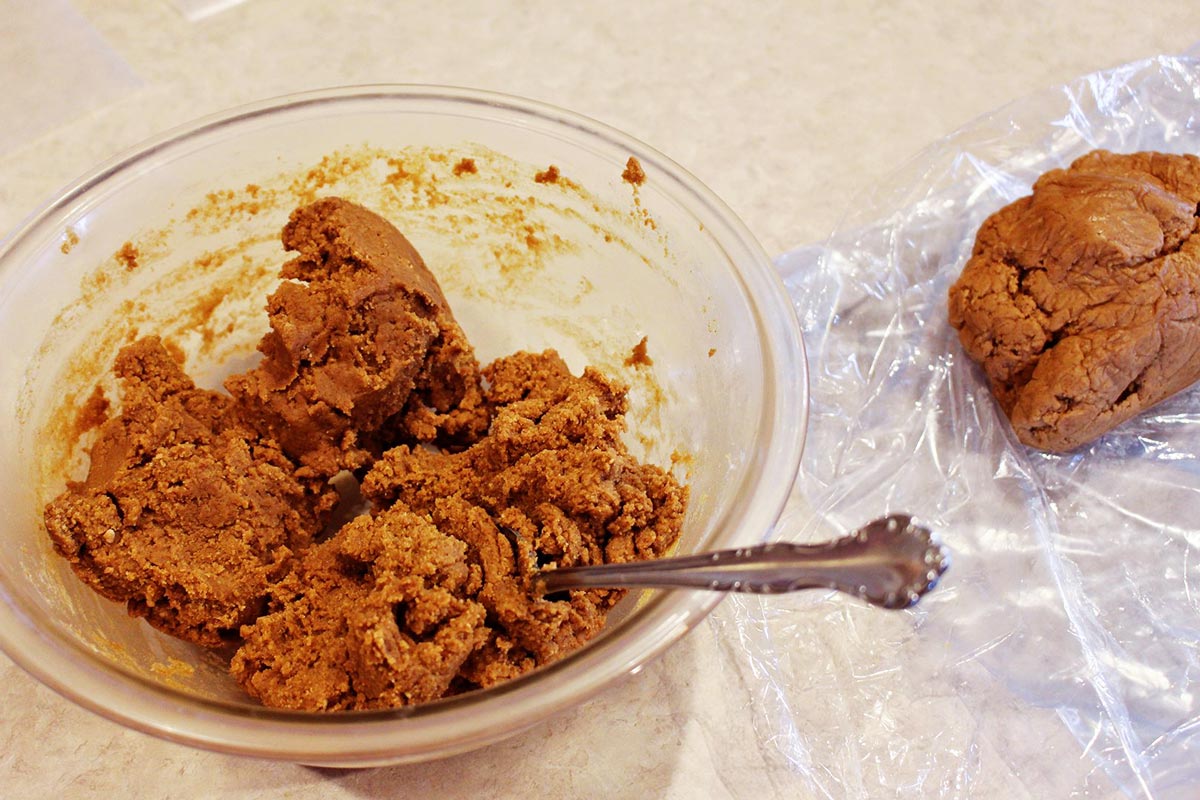
Not strictly. If your kitchen is cool, you can bake right away. If the dough feels sticky, your butter was very soft, or you want thicker cookies, chill for 30 to 60 minutes. Chilling also helps prevent extra spread.
Why did my cookies spread too much?
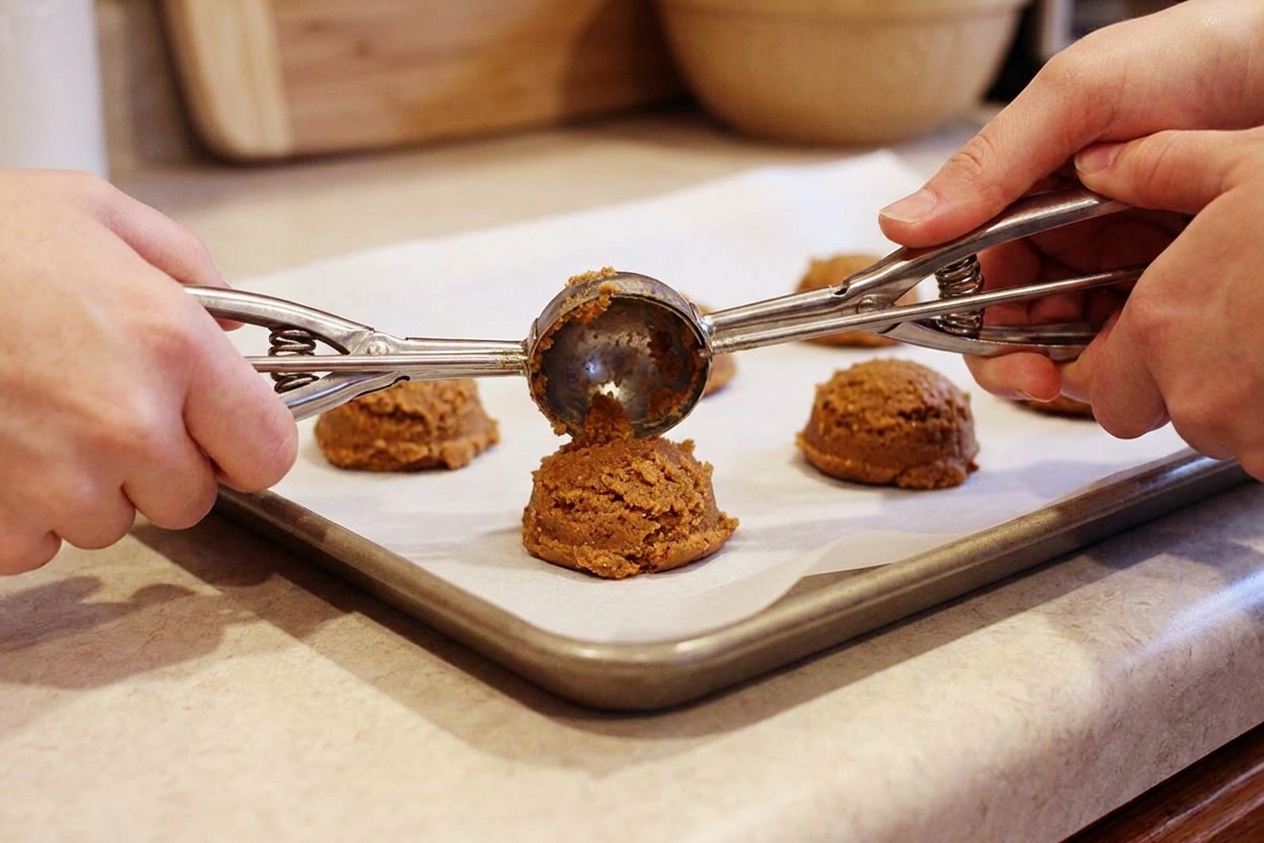
Usually it is one of three things: butter that is too warm, dough that was not chilled, or warm baking sheets. If your first tray spreads a lot, chill the remaining dough, let the pans cool completely between batches, and keep the dough balls tall (do not flatten).
Can I use fresh ginger instead of ground ginger?
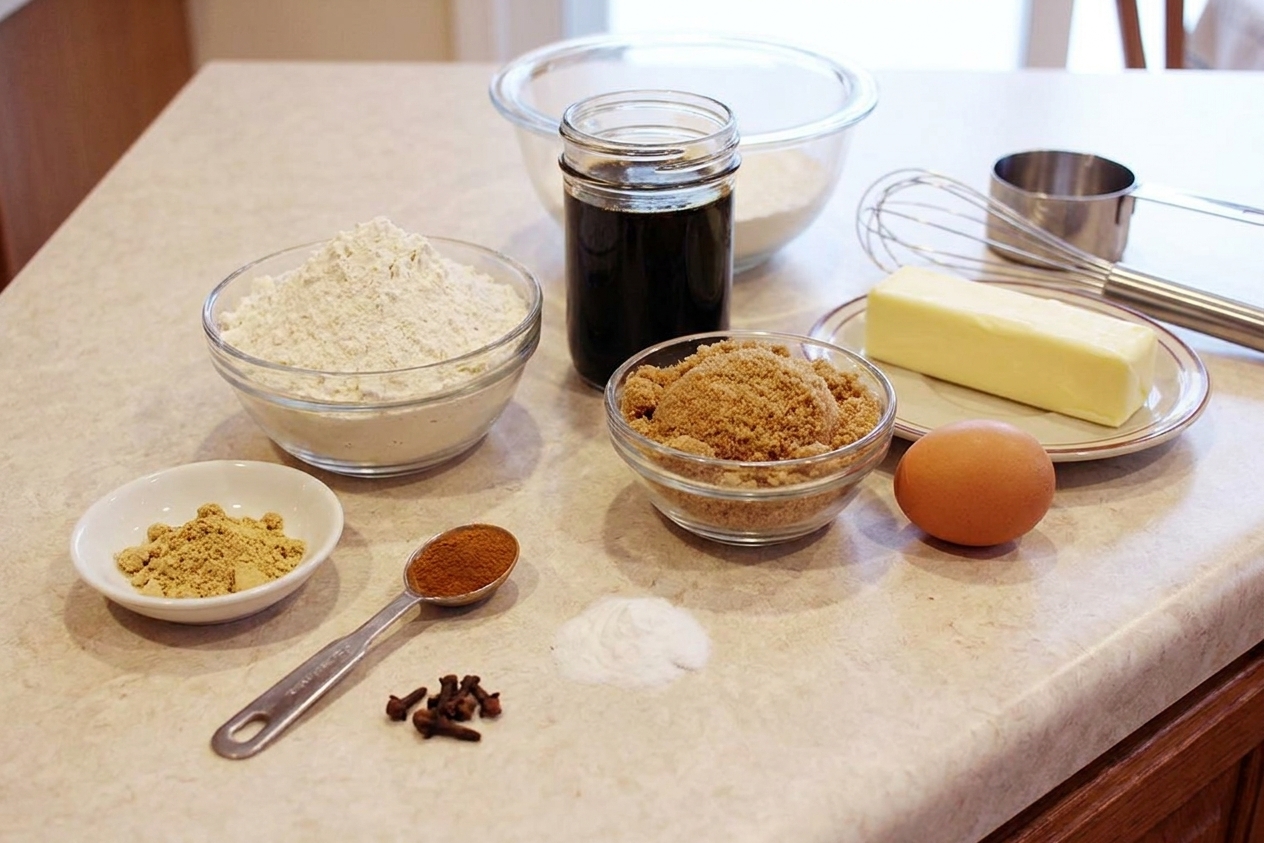
Fresh ginger is great, but it is a different vibe. Ground ginger gives that classic gingerbread flavor. If you want to add fresh, use 1 to 2 teaspoons finely grated in addition to (not instead of) the ground ginger. Fresh ginger adds moisture and brighter heat, so start on the low end and, if it seems very juicy, lightly blot it before adding.
Can I make these into cut-out gingerbread shapes?
This recipe is designed for soft, scooped cookies. For cut-outs, you need a stiffer dough with less spread. You can try chilling the dough overnight and rolling with extra flour, but for sharp edges, a dedicated cut-out recipe will behave better.
What kind of molasses should I use?
Use unsulfured molasses for that classic sweet, cozy gingerbread flavor. Skip blackstrap here, it can taste bitter and overpowering in cookies.
What icing works best?
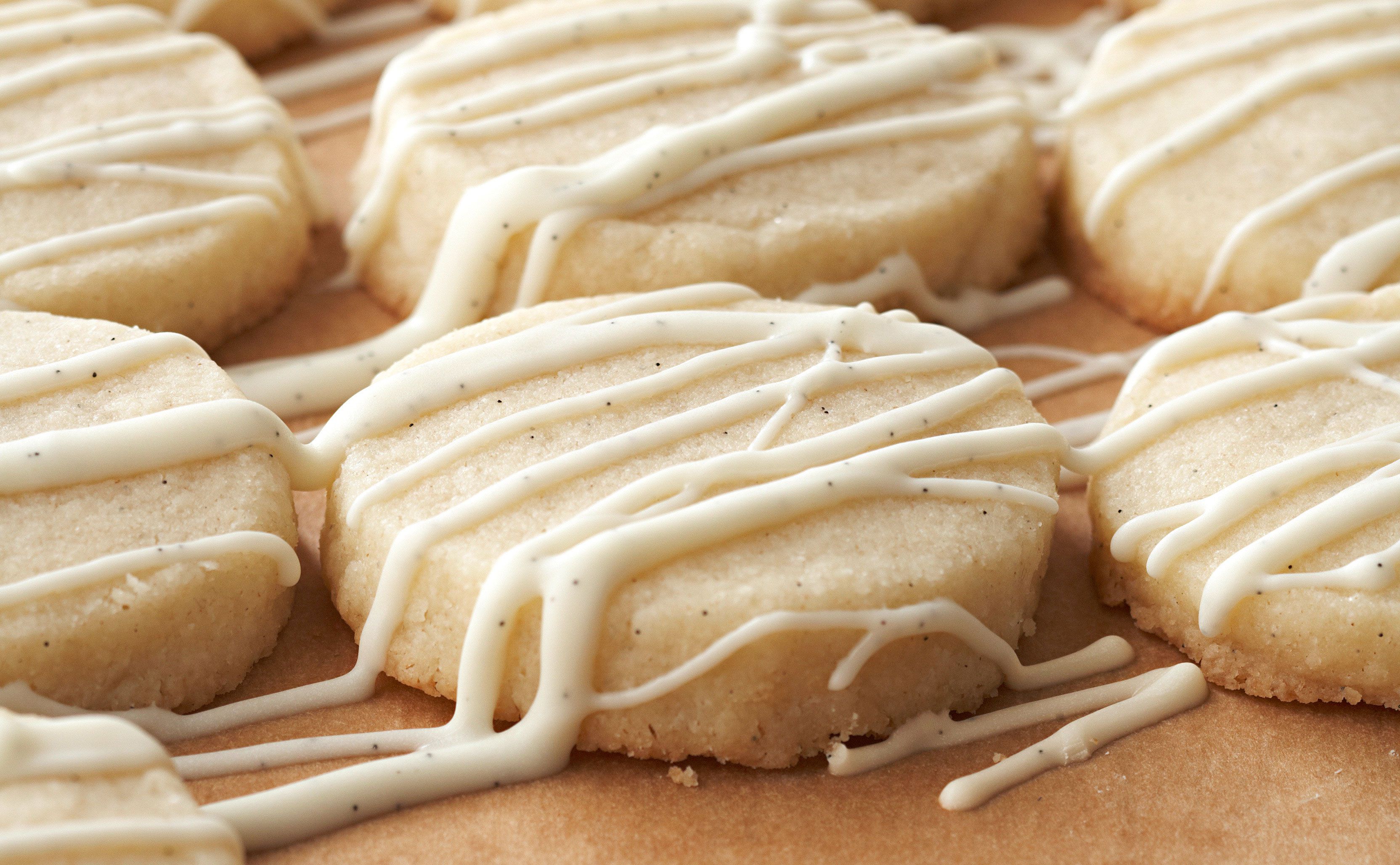
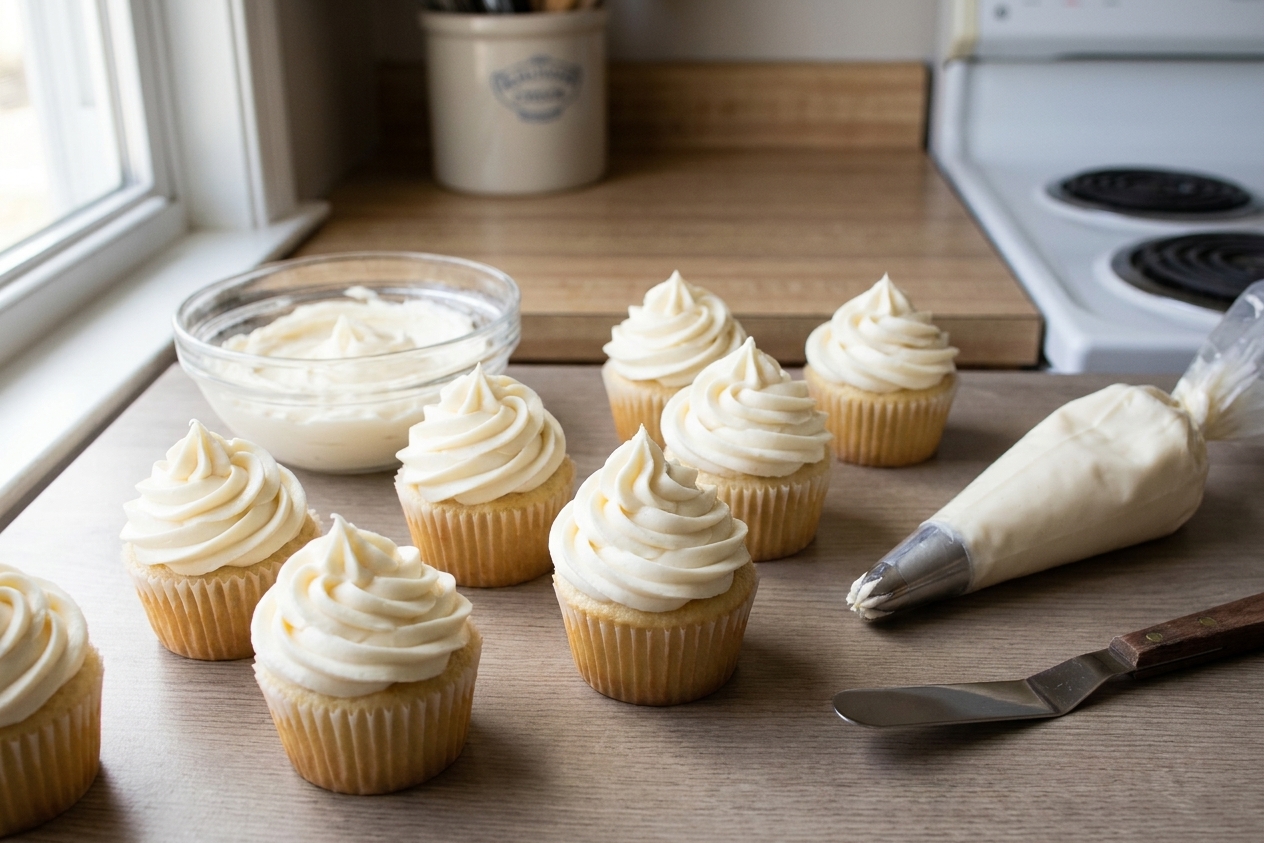
For a simple finish, a powdered sugar glaze is easy and stays a little soft. For decorating, use royal icing. For maximum coziness, spread a thin layer of cream cheese frosting on fully cooled cookies.