Mom's Best Recipes
Recipe

Southern Cooked Peanuts

Briny, tender peanuts simmered until snackable, just like the roadside classics (with an easy option for a milder batch).

Author By Matt Campbell
4.8
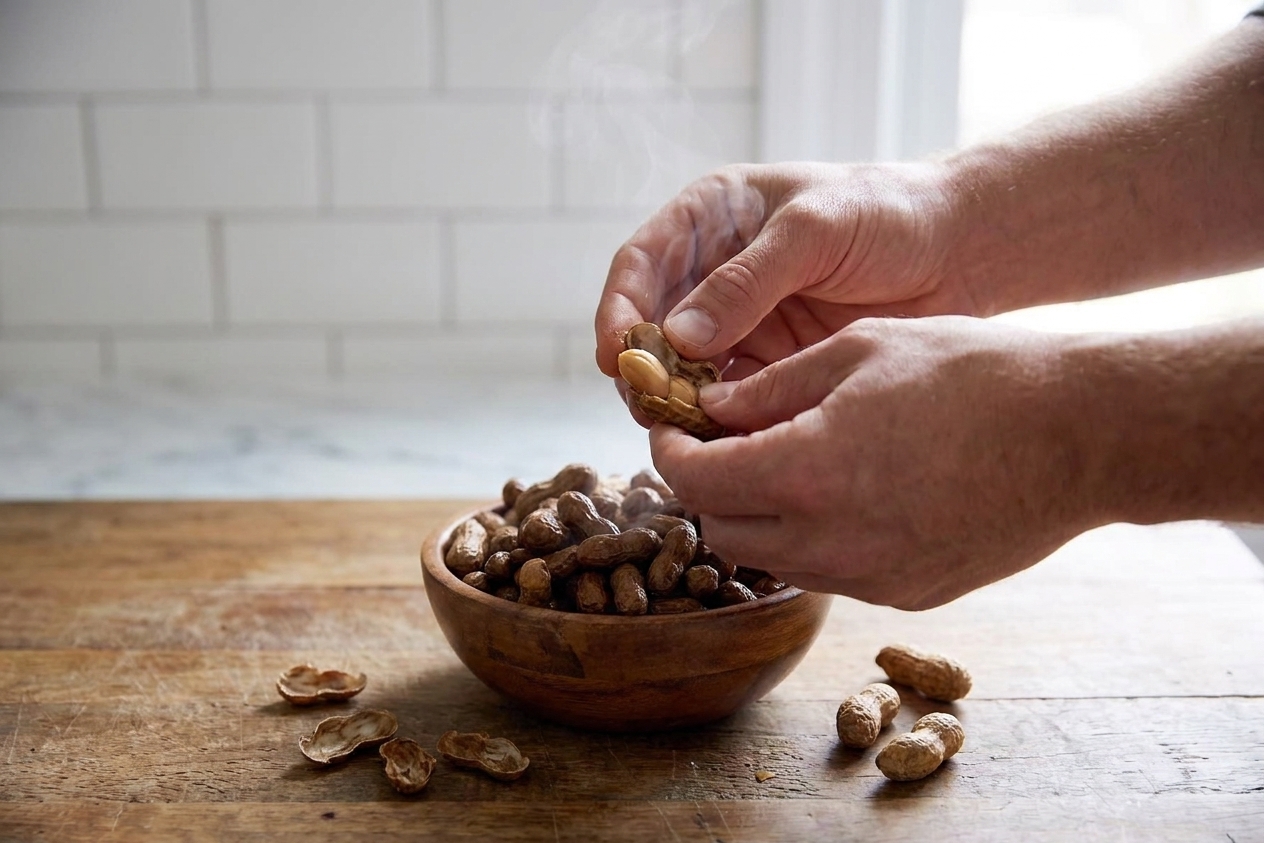
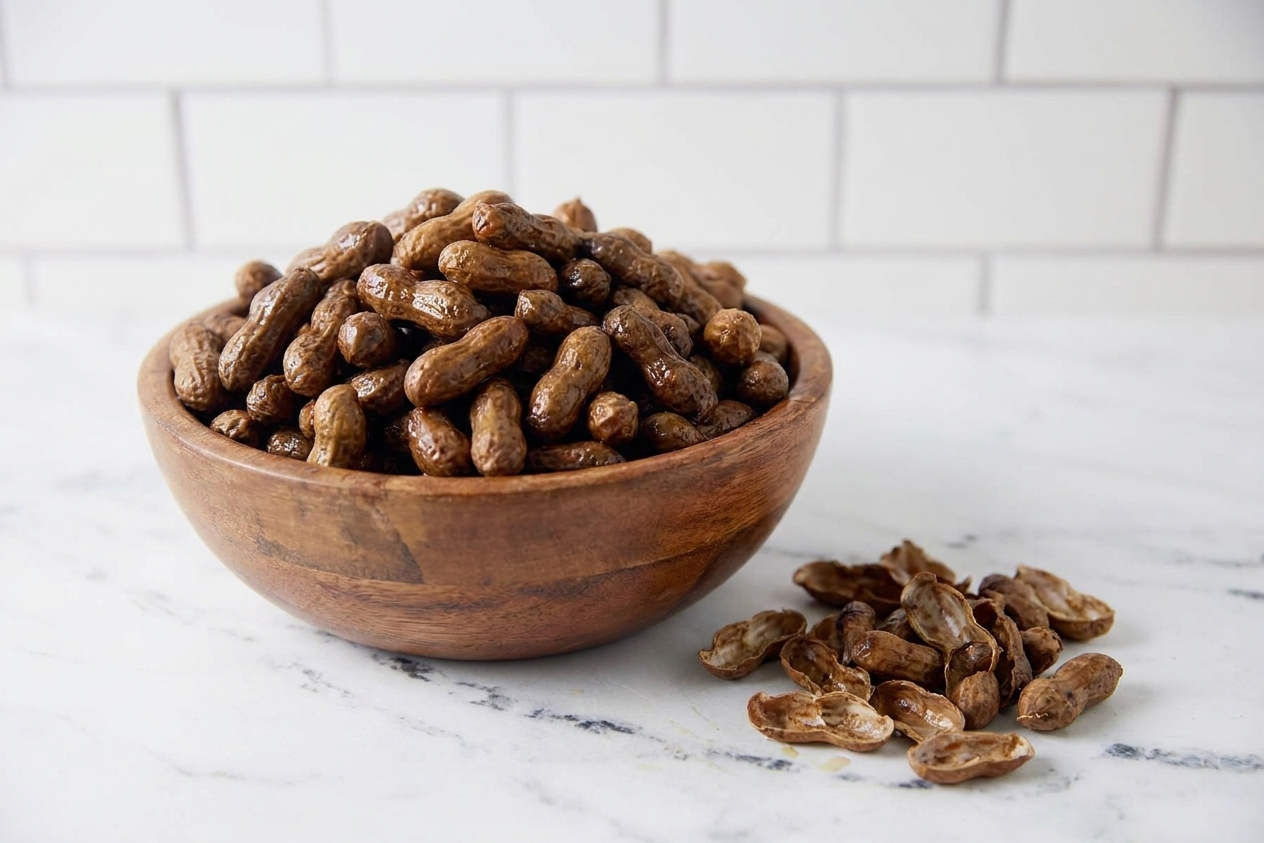
A wooden bowl filled with glossy, briny cooked peanuts in the shell on a kitchen table with a small pile of shells nearby

Cooked peanuts, also known as boiled peanuts, are one of those snacks that feel like a secret handshake. They look like regular peanuts, but the first bite tells you everything. A shell that yields easily when cracked, a tender nut, and that salty, savory broth that somehow tastes like summer road trips and front-porch hanging out.

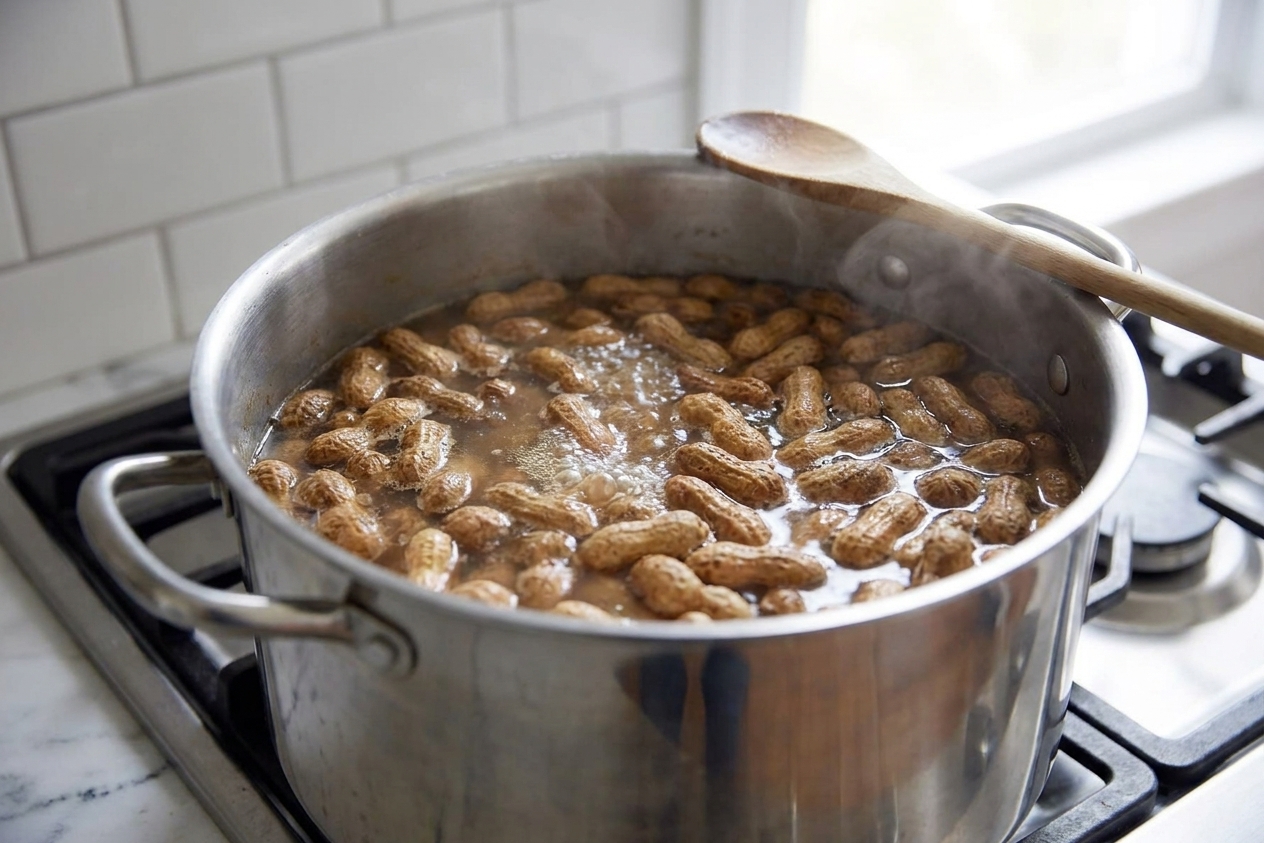
This is the stovetop version that gets you classic Southern results without fancy equipment. If you can simmer a pot and remember to stir once in a while, you are in business. I will also show you how to fix the two most common problems: peanuts that will not soften and peanuts that taste like they were merely introduced to salt.

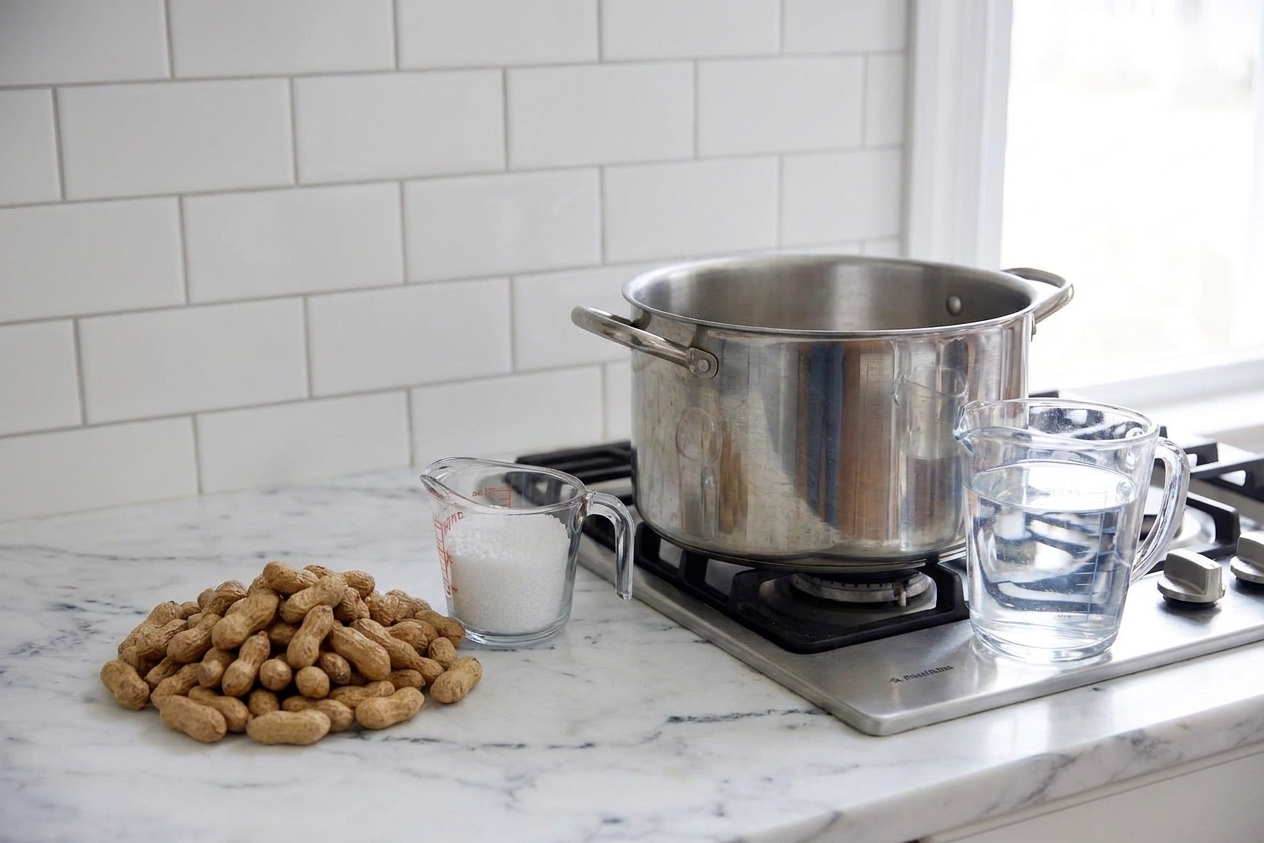
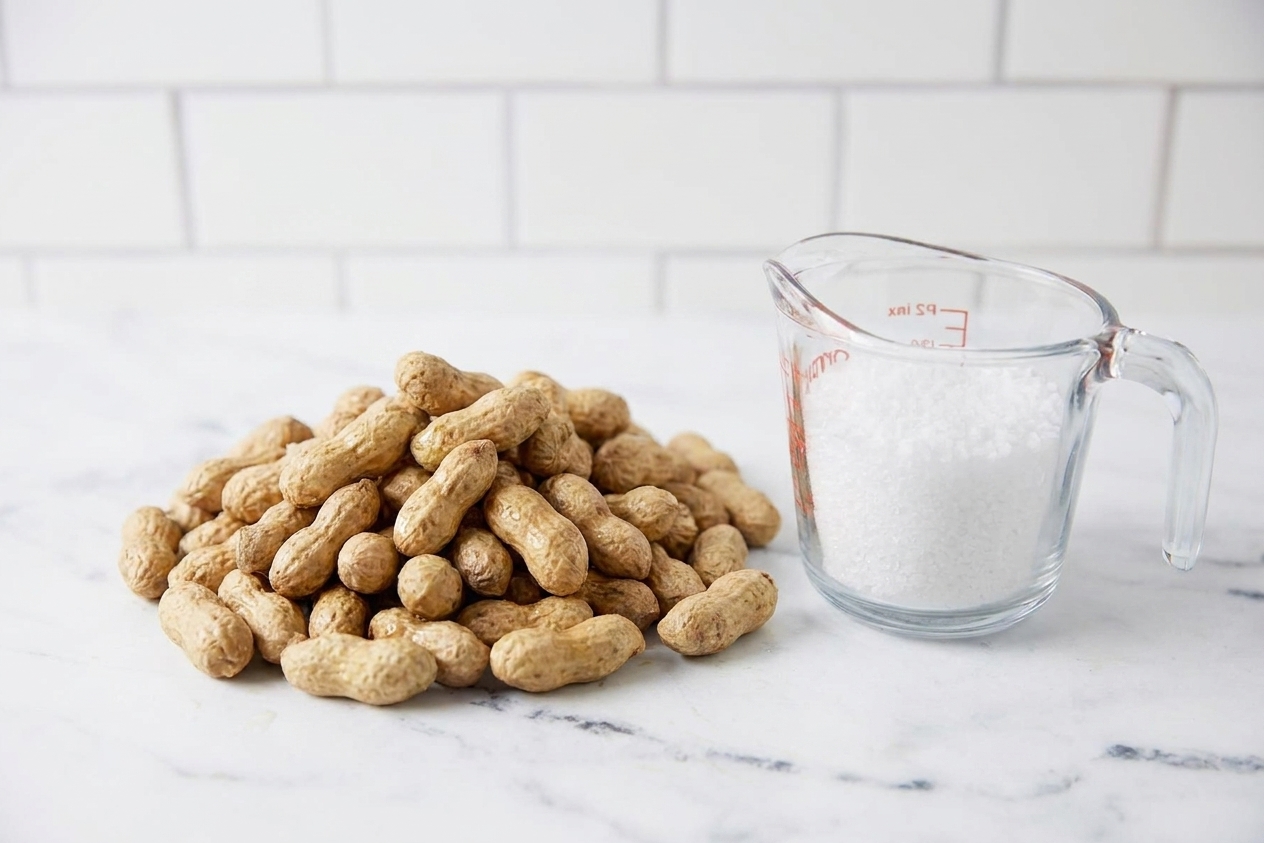
Raw peanuts, kosher salt, and water measured out on a kitchen counter beside a large pot

Why It Works

  • Deeply seasoned peanuts with a brine you can control, from mild to roadside-bold.
  • True tender texture by keeping a steady simmer and cooking until they are fully soft inside.
  • Flexible timing with clear doneness cues, since green and dried peanuts can vary a lot.
  • Great make-ahead snack since cooked peanuts get even better after a rest in the broth.

Pairs Well With

Storage Tips

How to Store Cooked Peanuts

Cool and chill promptly: Let them cool a bit, then refrigerate within 2 hours for best food safety. For faster cooling, transfer to a shallow container so the heat can escape.

Refrigerator: Store peanuts in their cooking liquid in an airtight container for up to 5 days. They stay plump and seasoned this way.

Freezer: Freeze (again, in liquid) up to 3 months. Thaw overnight in the fridge, then warm gently on the stove or in the microwave.

Reheat: Warm in a small pot with a splash of the brine, covered, over low heat until steaming hot. Microwave works too. Use a bowl, add a spoonful of liquid, cover loosely, and heat in short bursts so they do not dry out.

Cooked peanuts in the shell submerged in brine inside a clear airtight container in a refrigerator

Common Questions

What are cooked peanuts?

Cooked peanuts are raw peanuts simmered in salted water until the shells yield easily when cracked and the peanuts inside turn tender and almost bean-like. In many places you will hear them called boiled peanuts, but the best texture comes from a long simmer, not a hard, rolling boil.

Do I have to use green peanuts?

Green (fresh raw) peanuts are the gold standard because they soften faster and taste fuller. But you can use raw dried peanuts too. They just take longer. Do not use roasted, parched, or salted peanuts. They will not cook the same and the flavor will be off.

Where do I buy green peanuts?

Look for them at farm stands and produce markets in late summer and early fall, plus some Asian and Latino grocery stores. You may also find them in the freezer section labeled raw or green. Green peanuts are seasonal, so if you cannot find them, raw dried peanuts will still get you there with more time.

Why are my peanuts still hard?

Usually one of three things: (1) you used dried raw peanuts and did not cook long enough, (2) your pot never held a steady simmer, or (3) the peanuts were old and very dry. Keep simmering, add hot water as needed, and give them time. They will get there.

How salty should the water be?

It should taste like a strong brine. If you want classic roadside-style, you are aiming for boldly salty. If you prefer a gentler batch, start milder and build up. The peanuts season from the outside in, so the broth has to lead the way. And yes, the brine can taste too salty to drink. That is normal.

Can I make them spicy?

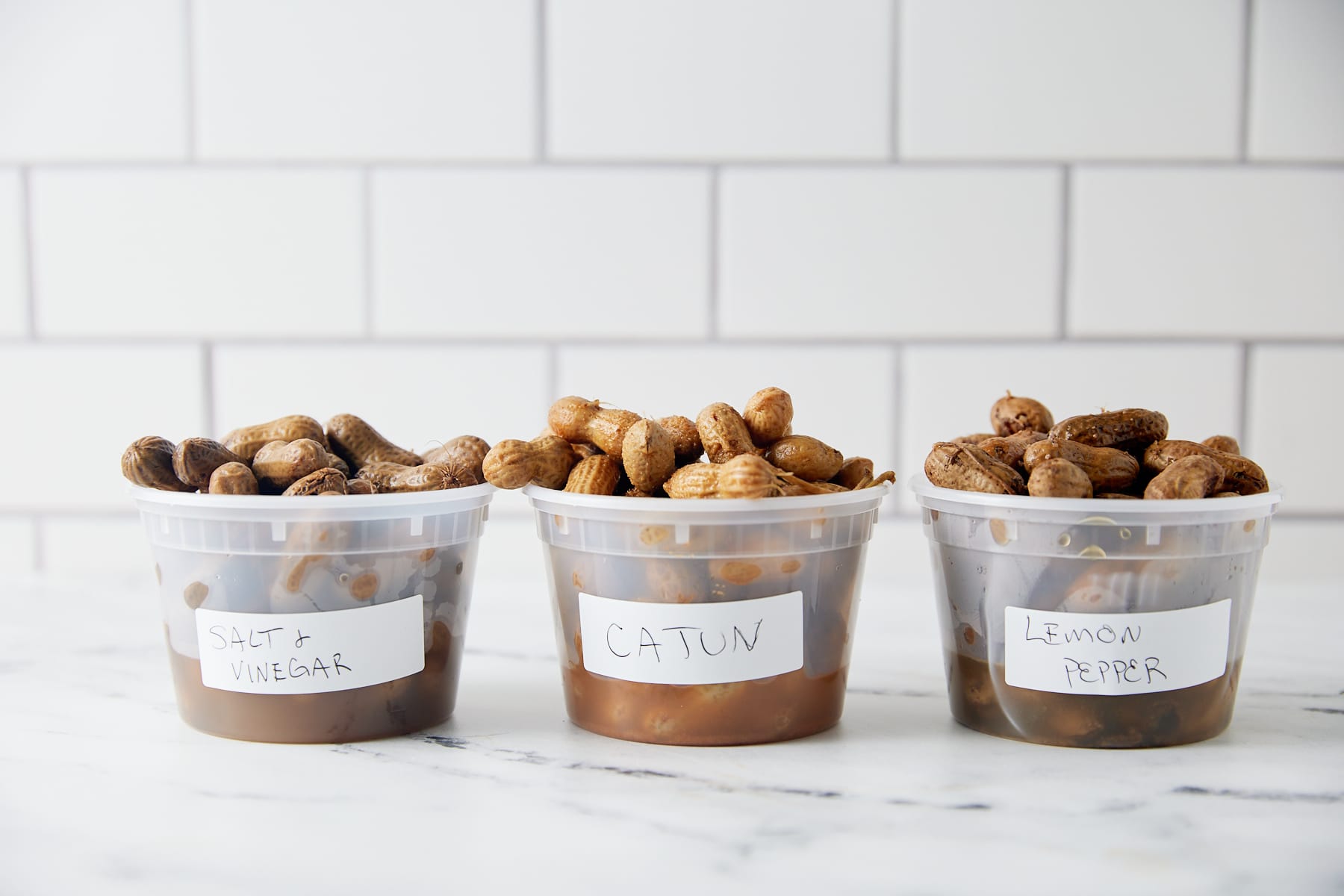
Absolutely. Add Cajun seasoning, crushed red pepper, sliced jalapeño, or a spoonful of hot sauce to the pot. Start mild. You can always bump it up near the end.

Do you eat the shell?

Nope. You eat the peanut inside. The shell softens, but it is still a shell. Think of it like a little vessel for salty goodness.

The first time I really understood cooked peanuts, I was standing in a kitchen with a pot that looked like it had been simmering since breakfast. Someone handed me a warm peanut, I cracked it open, and I immediately got why people get possessive about their favorite batch. It is not crunchy. It is not fancy. It is just salty, cozy, and weirdly comforting. Now I make them when I want a snack that keeps the house smelling like something good is happening.