Mom's Best Recipes
Recipe

Springerle Cookies

Traditional stamped German anise cookies with crisp edges, a light, tender interior, and that unmistakable anise aroma.

Author By Matt Campbell
4.7
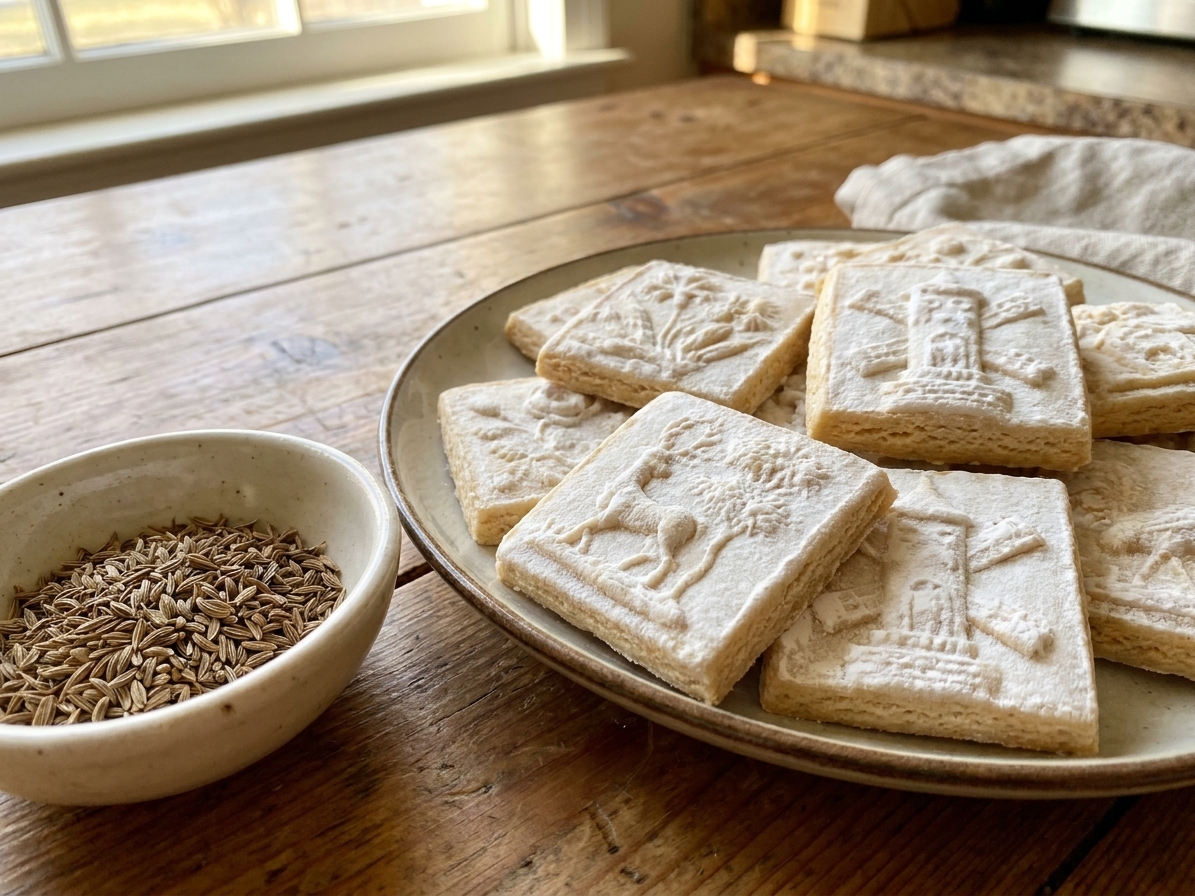
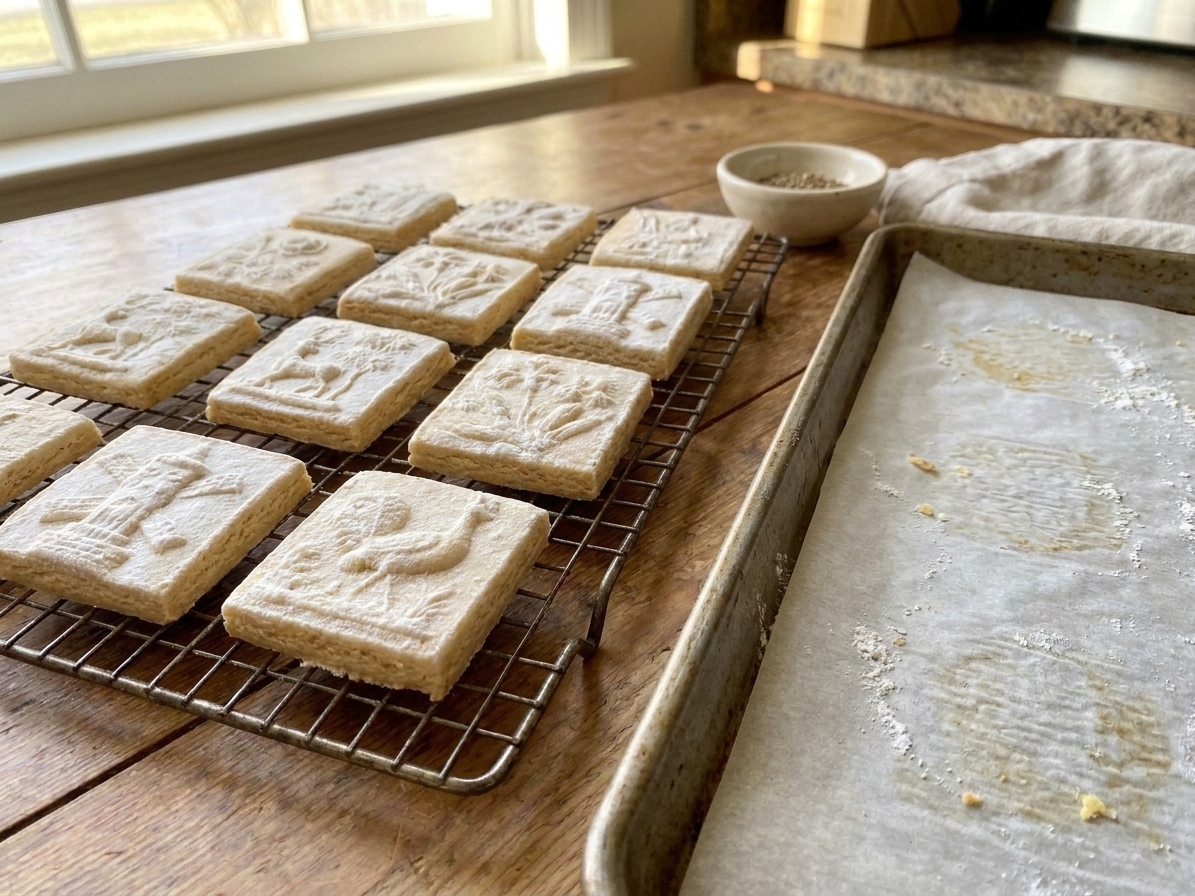
A plate of traditional Springerle cookies with crisp white tops and detailed embossed patterns, arranged on a wooden table with a small bowl of anise seeds nearby

Springerle cookies are the kind of baking project that feels like you are time traveling in the best way. They are old-school German anise cookies, stamped with intricate designs, then dried, then baked low and slow so the pattern stays sharp. The vibe is crisp edges, a clean snap when you bite, and a gentle, cakey interior that tastes like warm spice and winter air.

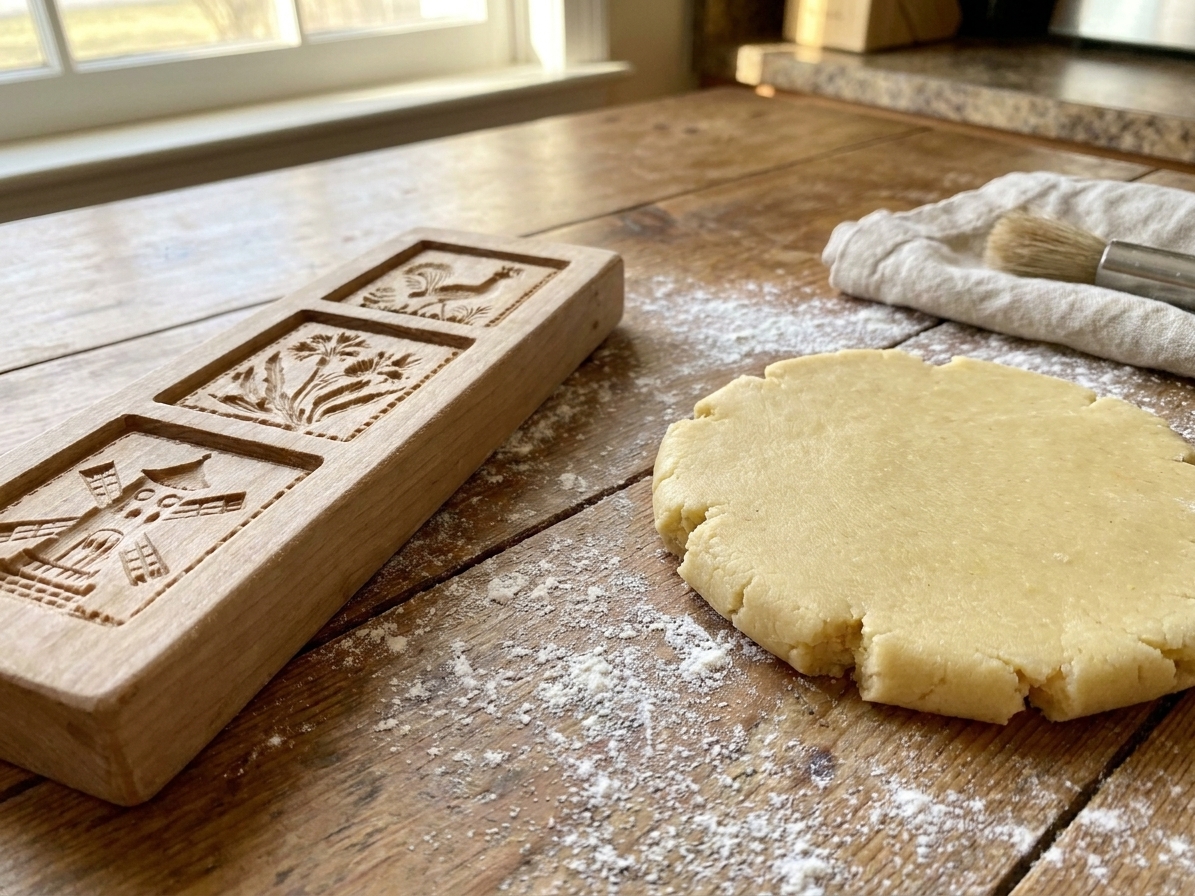
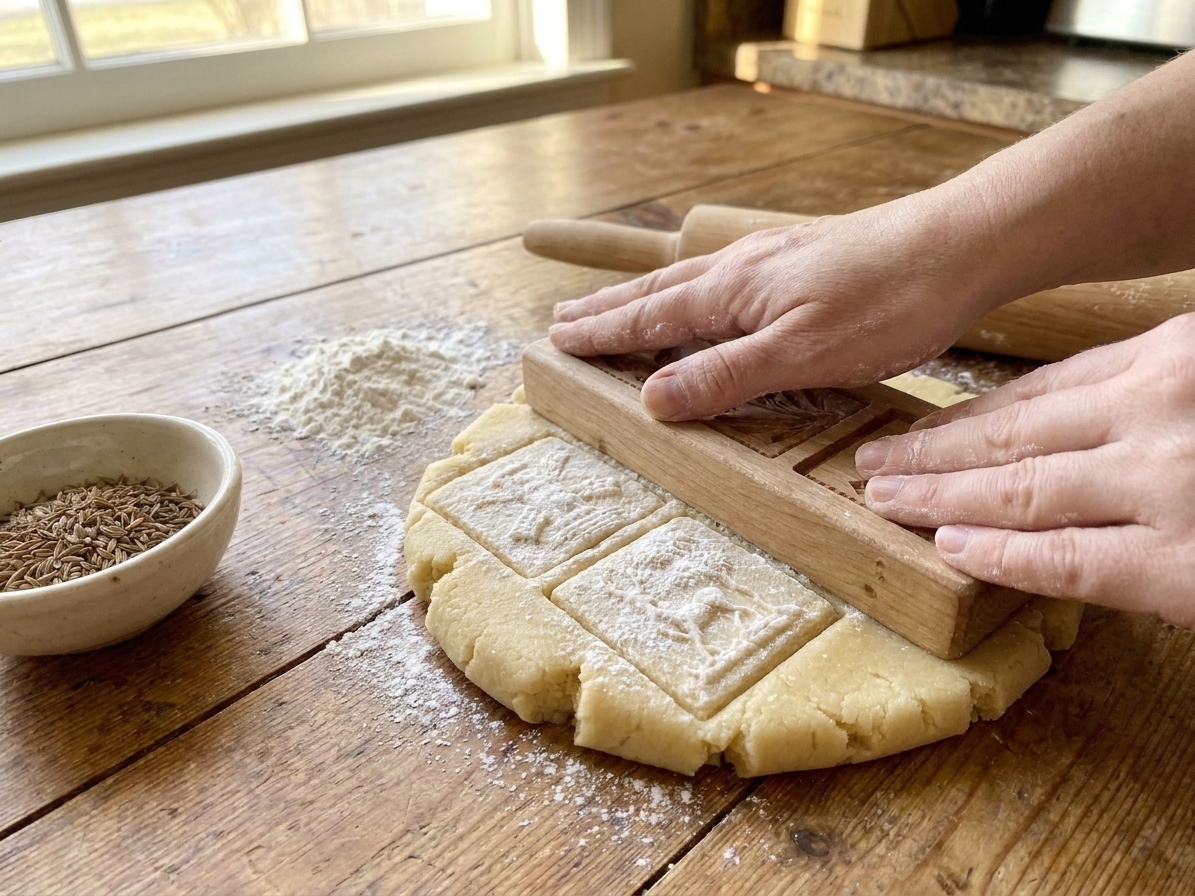
Here is the good news. You do not need a museum-worthy cookie mold to make them. A simple wooden springerle mold, a rolling pin, and a little patience will get you cookies that look fancy without being precious. The secret is letting the stamped cookies dry before baking. That dry skin is what locks in the design and gives you that classic smooth top.

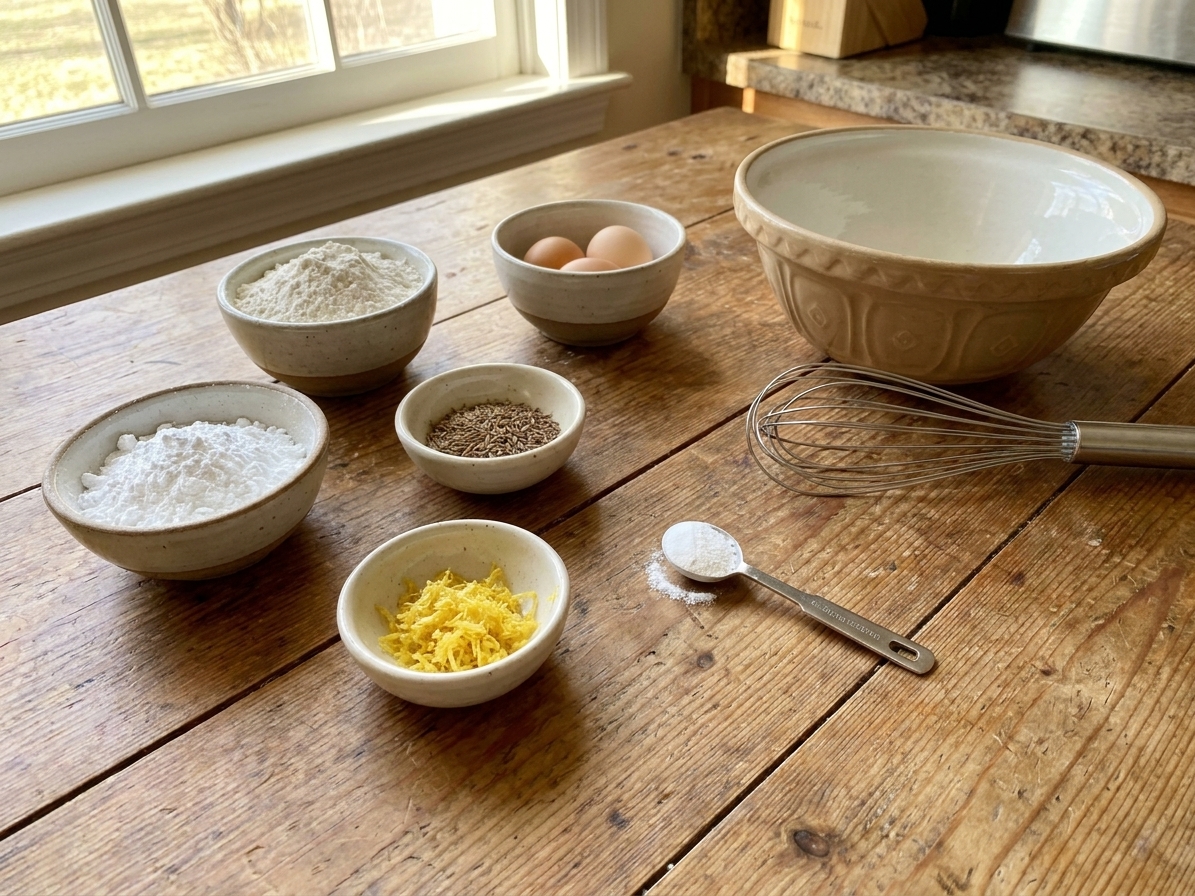
Measured flour, powdered sugar, eggs, anise seeds, lemon zest, and baking powder set out on a bright kitchen counter with mixing bowls and a whisk

Why It Works

  • Stamped designs that stay crisp: a short air-dry rest forms a skin so the embossing does not melt away in the oven.
  • Light texture, not rock hard: whipped eggs and sugar give lift so the cookie dries crisp but still has a tender bite.
  • Big flavor from simple stuff: anise and lemon zest keep the sweetness bright and clean, not flat.
  • Make-ahead friendly: the dough rests well, and the baked cookies get even better after a day or two.

Pairs Well With

Storage Tips

How to Store Springerle

Room temperature: Store in an airtight container for up to 2 weeks. These are a dry cookie by design, so they keep beautifully.

For the best texture: If they feel too crisp, tuck a slice of apple or a piece of bread in the container for 6 to 12 hours, then remove it promptly. (Do not leave it in there long-term, since extra moisture can lead to soggy cookies or even mold.) Old bakery trick, works like a charm.

Freezer: Freeze baked cookies in a freezer-safe container for up to 3 months. Thaw at room temp, uncovered, so they do not pick up condensation.

Common Questions

Do I have to use anise?

Anise is the classic Springerle flavor, but you can absolutely soften it. Use less anise, add lemon zest (highly recommended), or swap the anise extract for vanilla or almond. If you skip anise entirely, you still get a great stamped sugar cookie, just not the traditional profile.

Why do my stamped designs puff up and blur?

Usually one of three things: your dough is too soft, your oven is too hot, or you skipped the drying time. Chill the dough if it feels sticky, keep the bake low (think 300°F), and let the stamped cookies dry until the tops feel matte and set.

My dough keeps sticking to the mold. What should I do?

Dust the mold lightly with powdered sugar (not flour) and press firmly in one confident motion. If it is still sticking, chill the dough for 20 to 30 minutes and try again.

Do I need baker’s ammonia?

No. Traditional recipes sometimes use baker’s ammonia for a crisp finish and extra lift. This version uses baking powder to keep things accessible. You still get a classic texture, especially after the cookies rest a day. Just know baking powder can make the cookie a touch softer and a little less sharply defined if you use too much.

How long should Springerle dry before baking?

Typically 8 to 24 hours at cool room temperature, depending on humidity. You are looking for a dry, set top that feels firm and looks matte. In a humid kitchen, it can take closer to a full day.

Why did my cookies crack on top or get hollow underneath?

Cracking often points to a too-hot oven or cookies that dried too long in a very dry room. Hollow bottoms can happen when the oven runs hot and the cookie lifts too quickly. Keep the temperature low, bake on the middle rack, and aim for that sweet spot where the tops are dry before baking but not bone-dry for days.
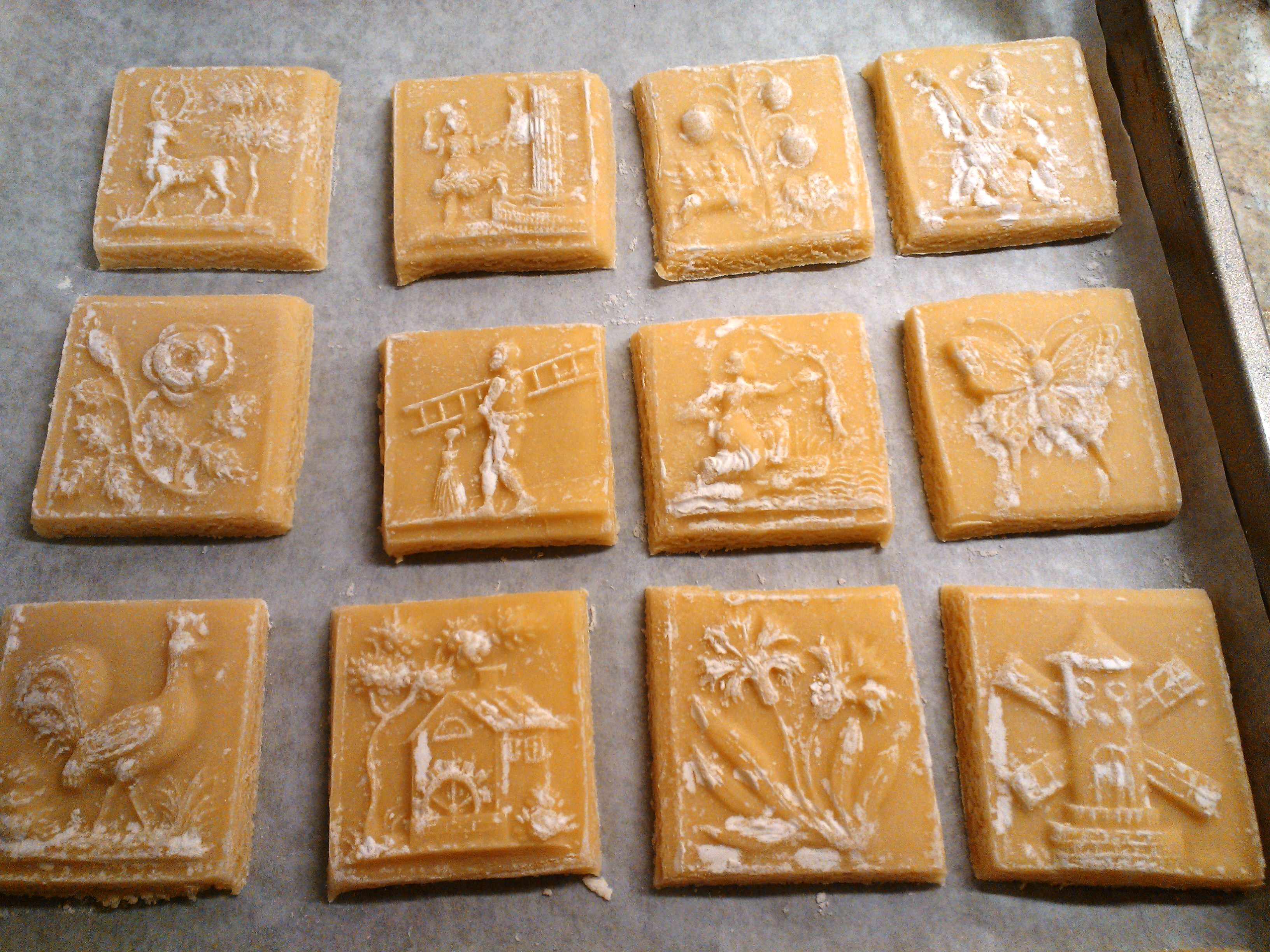

Stamped Springerle cookies spaced on a parchment-lined baking sheet, sitting uncovered on a kitchen counter to dry with a clean towel nearby

The first time I made Springerle, I treated the stamp like it was a suggestion, not a contract. I rushed the drying step, cranked the oven like I was baking chocolate chip cookies, and watched those beautiful little designs puff into vague, puffy clouds. The next batch, I slowed down, let them dry overnight, and baked them low and patient. Night and day. Now they are my favorite kind of “looks impressive, feels calm” cookie, especially when I want something sweet that is not messy or frosted.