Do I have to use anise?
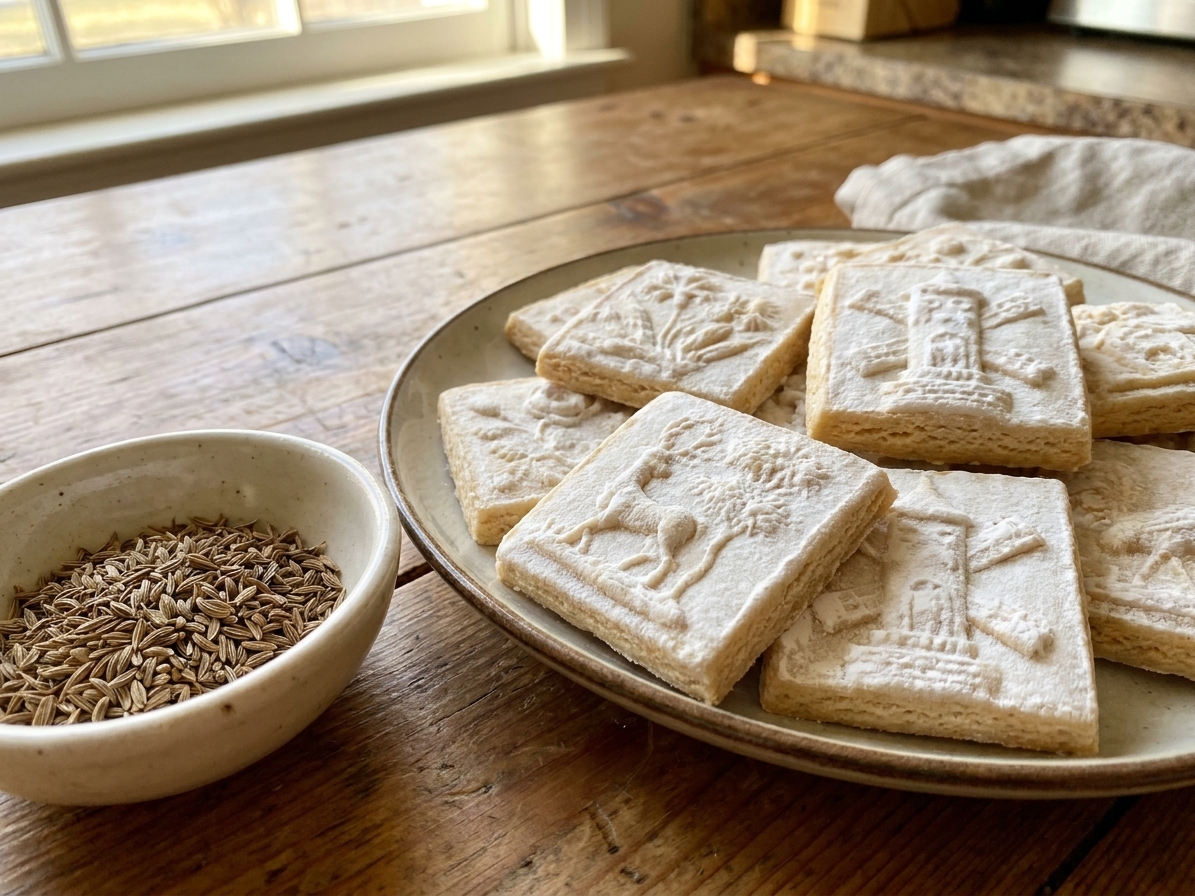
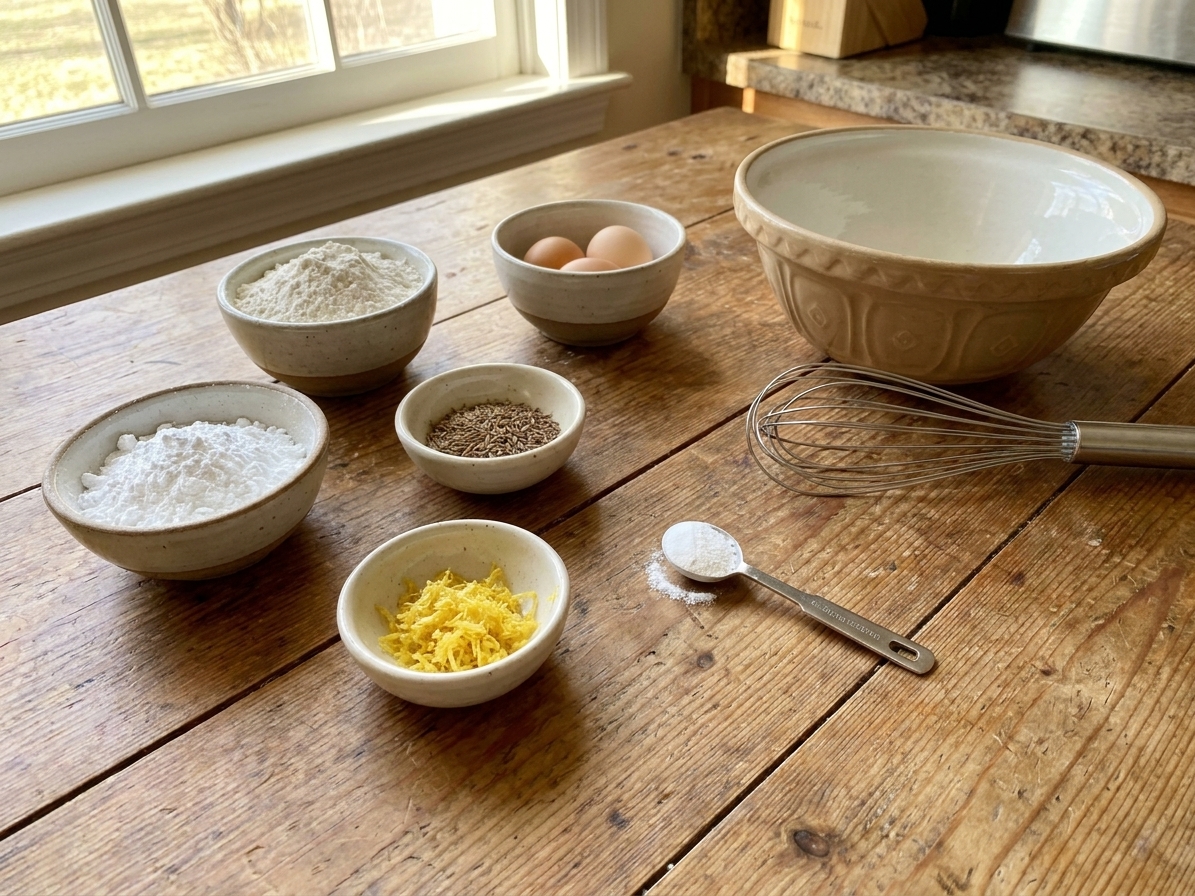
Anise is the classic Springerle flavor, but you can absolutely soften it. Use less anise, add lemon zest (highly recommended), or swap the anise extract for vanilla or almond. If you skip anise entirely, you still get a great stamped sugar cookie, just not the traditional profile.
Why do my stamped designs puff up and blur?
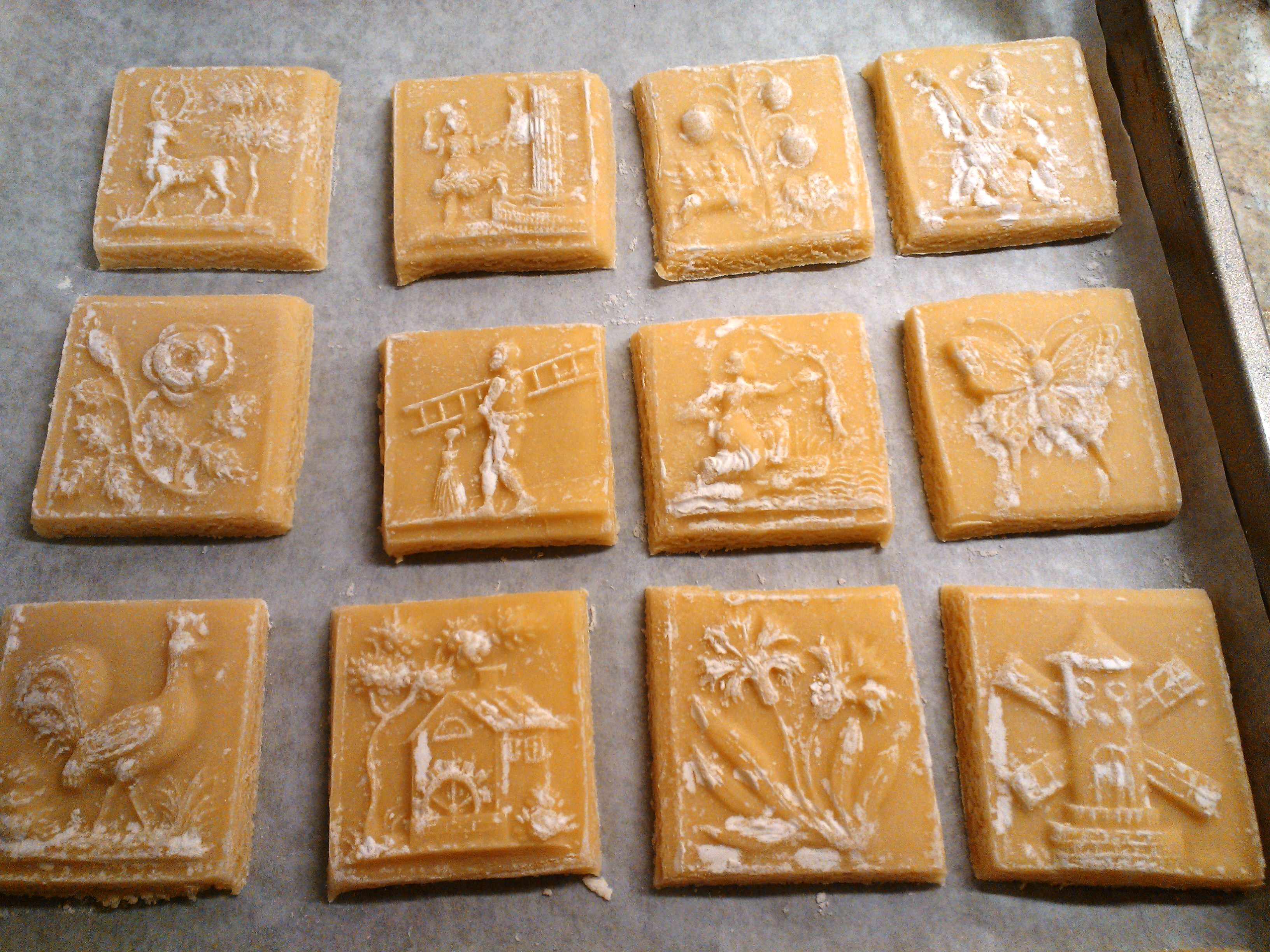
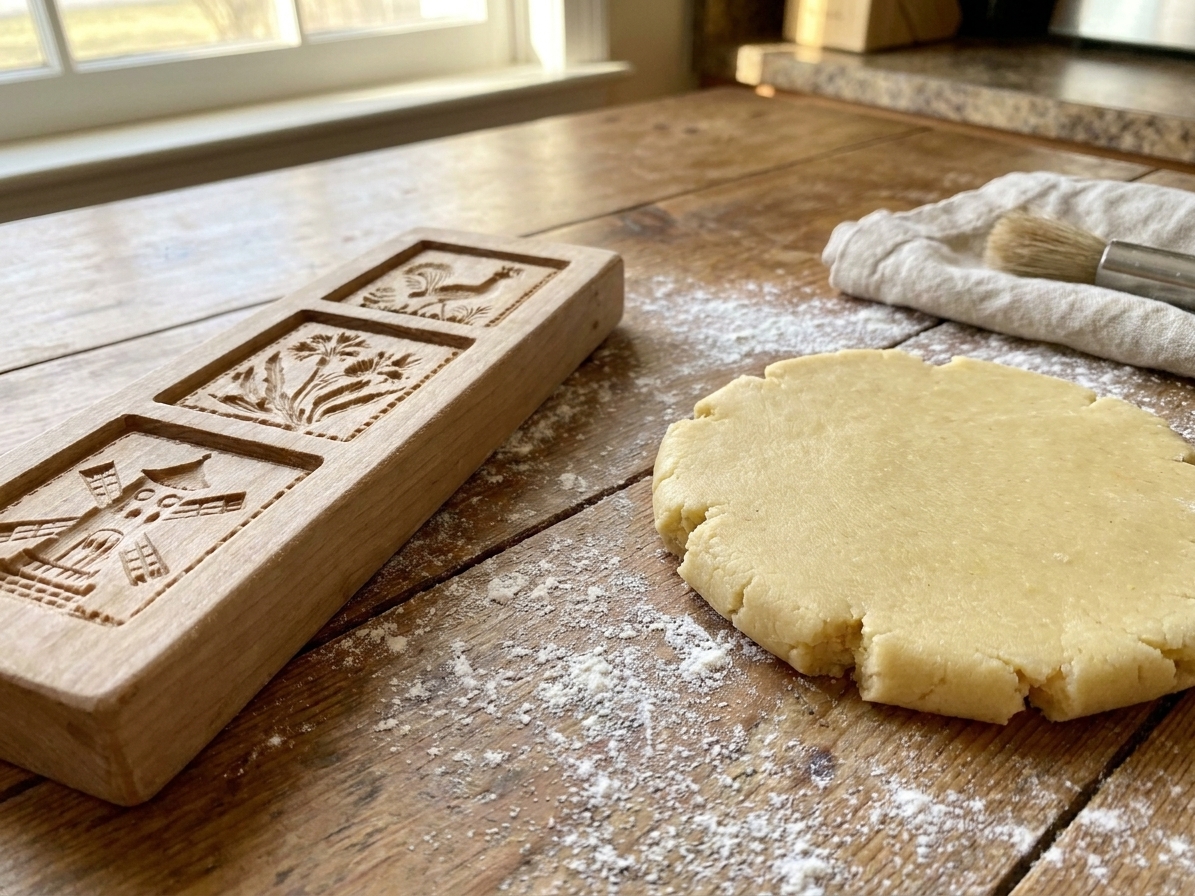
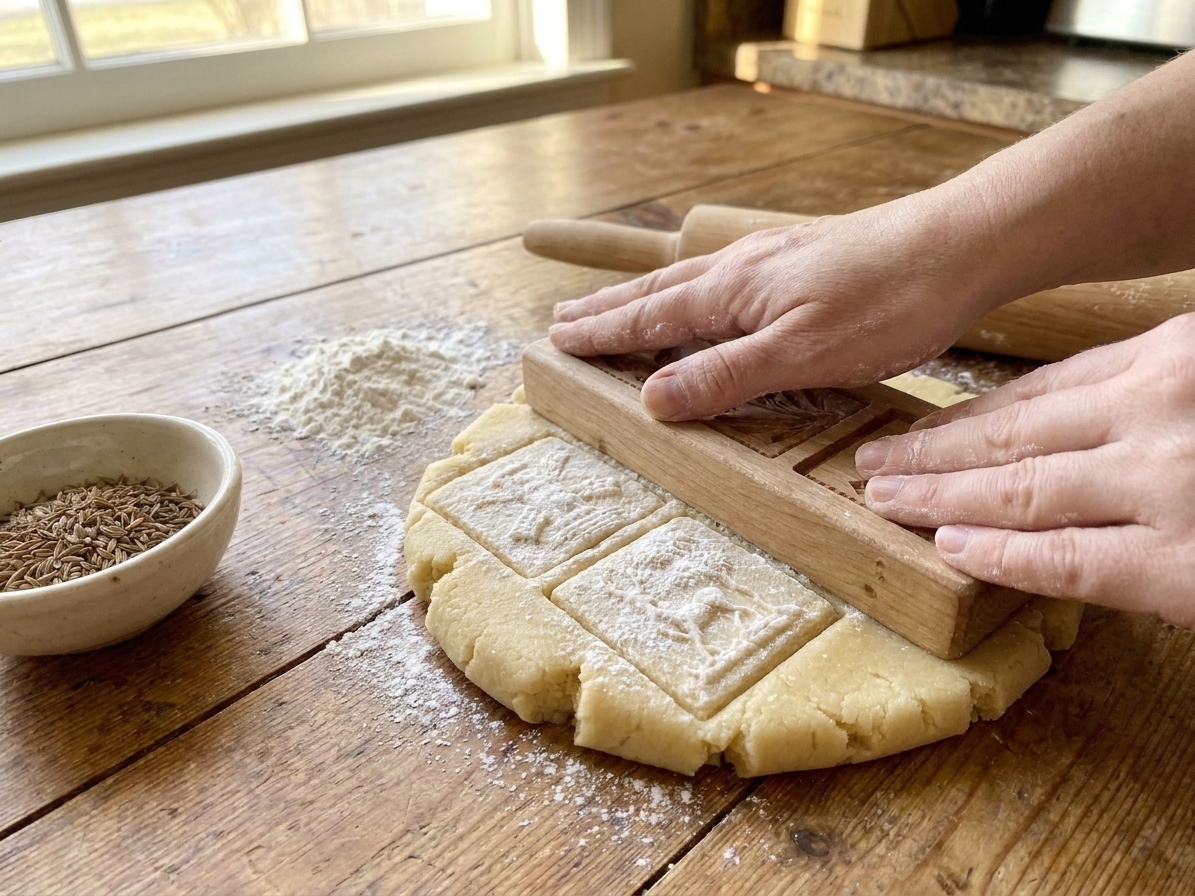
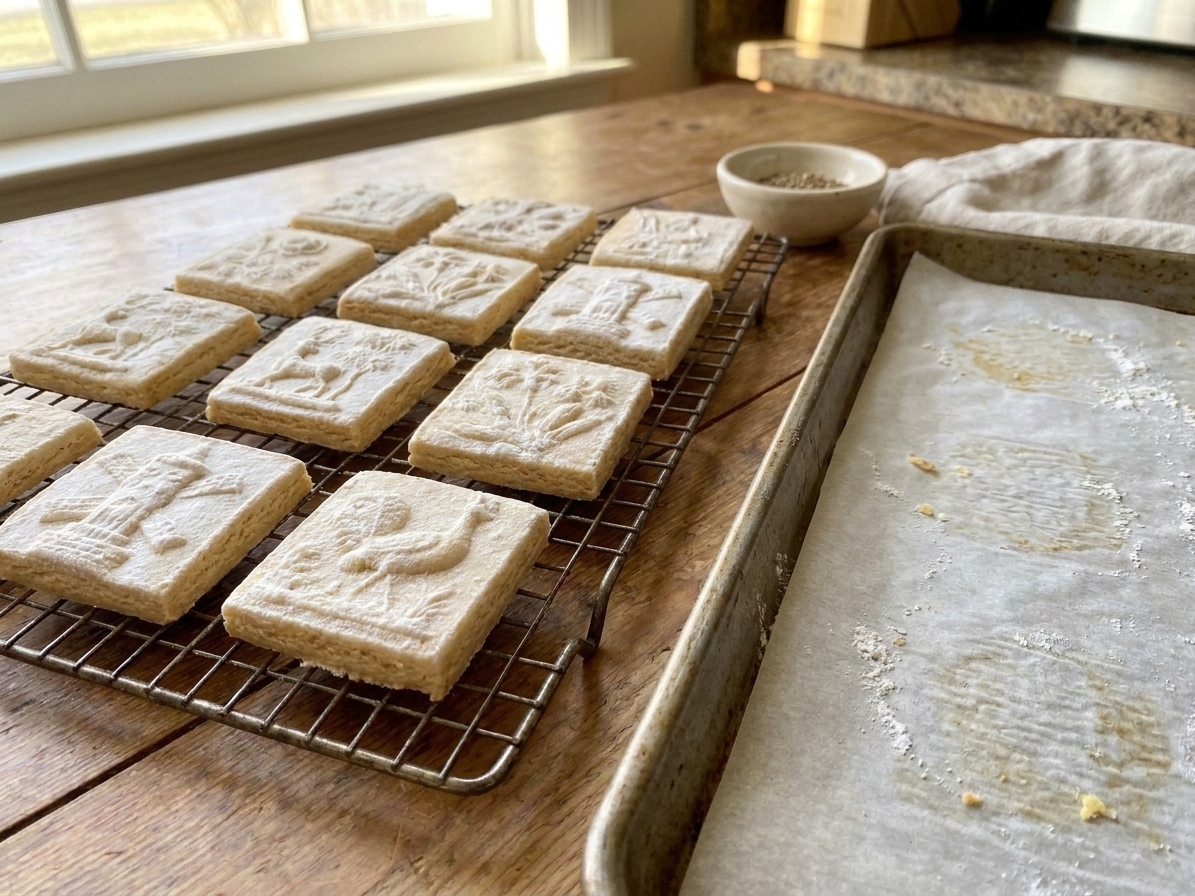
Usually one of three things: your dough is too soft, your oven is too hot, or you skipped the drying time. Chill the dough if it feels sticky, keep the bake low (think 300°F), and let the stamped cookies dry until the tops feel matte and set.
My dough keeps sticking to the mold. What should I do?
Dust the mold lightly with powdered sugar (not flour) and press firmly in one confident motion. If it is still sticking, chill the dough for 20 to 30 minutes and try again.
Do I need baker’s ammonia?
No. Traditional recipes sometimes use baker’s ammonia for a crisp finish and extra lift. This version uses baking powder to keep things accessible. You still get a classic texture, especially after the cookies rest a day. Just know baking powder can make the cookie a touch softer and a little less sharply defined if you use too much.
How long should Springerle dry before baking?
Typically 8 to 24 hours at cool room temperature, depending on humidity. You are looking for a dry, set top that feels firm and looks matte. In a humid kitchen, it can take closer to a full day.
Why did my cookies crack on top or get hollow underneath?
Cracking often points to a too-hot oven or cookies that dried too long in a very dry room. Hollow bottoms can happen when the oven runs hot and the cookie lifts too quickly. Keep the temperature low, bake on the middle rack, and aim for that sweet spot where the tops are dry before baking but not bone-dry for days.