Mom's Best Recipes
Recipe

Sticky Garlic Soy Chicken

Sticky garlic soy honey chicken tray bake with roasted broccoli and a glossy pan sauce. Big flavor, low drama, very repeatable.

Author By Matt Campbell
4.8
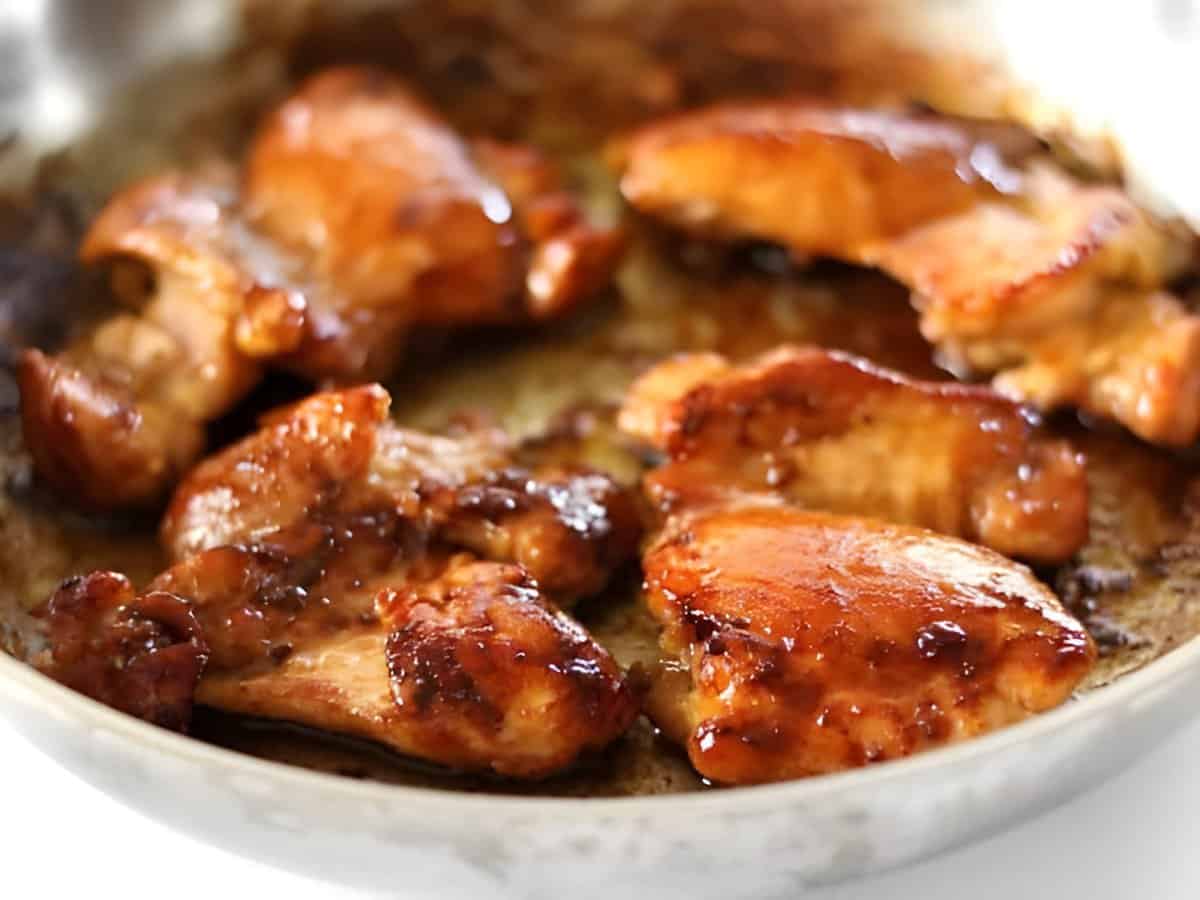
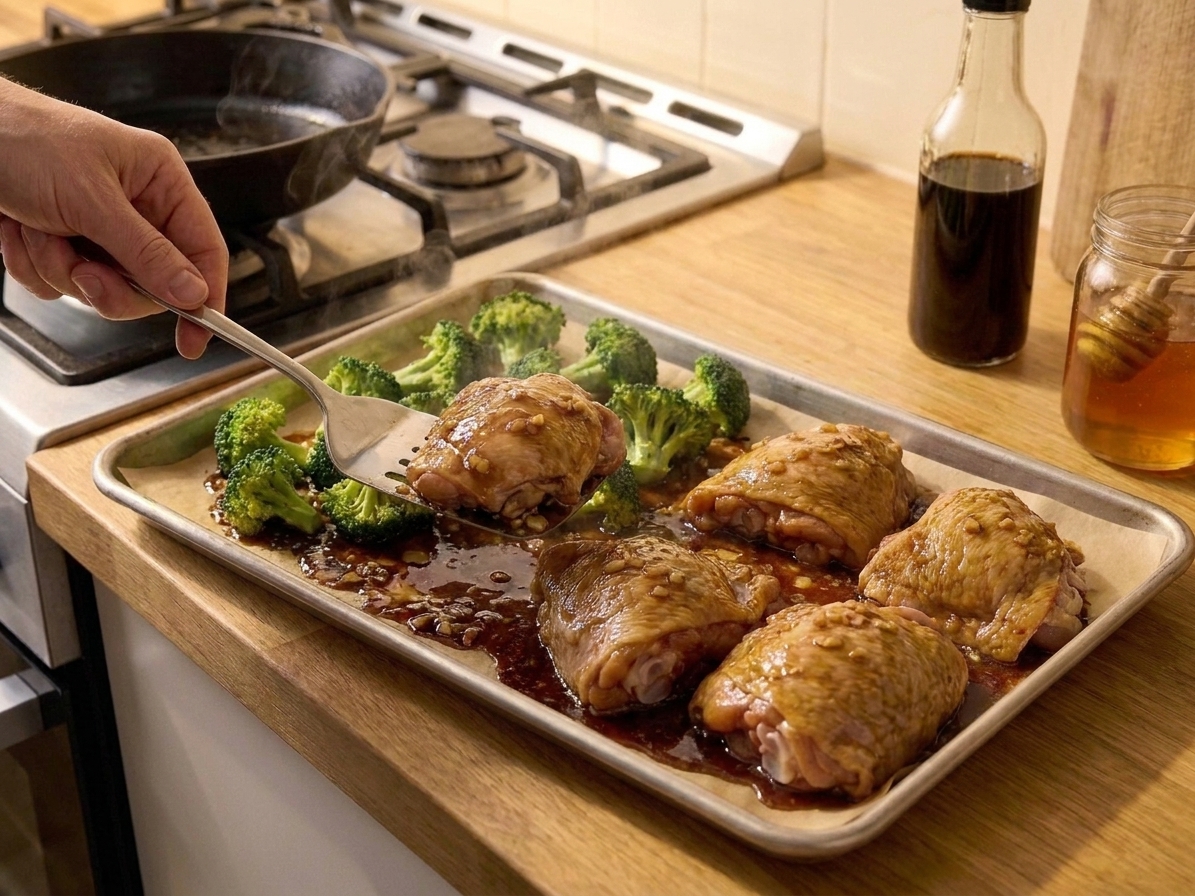
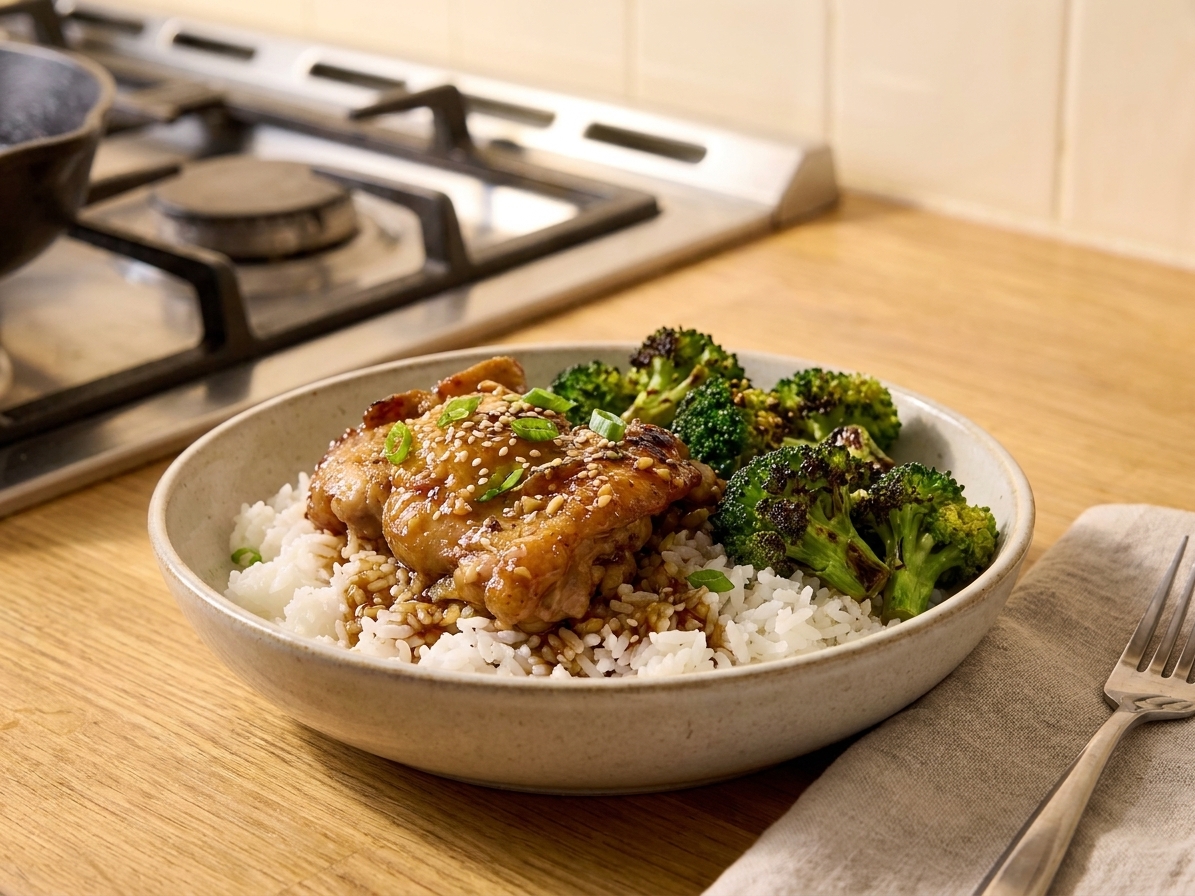
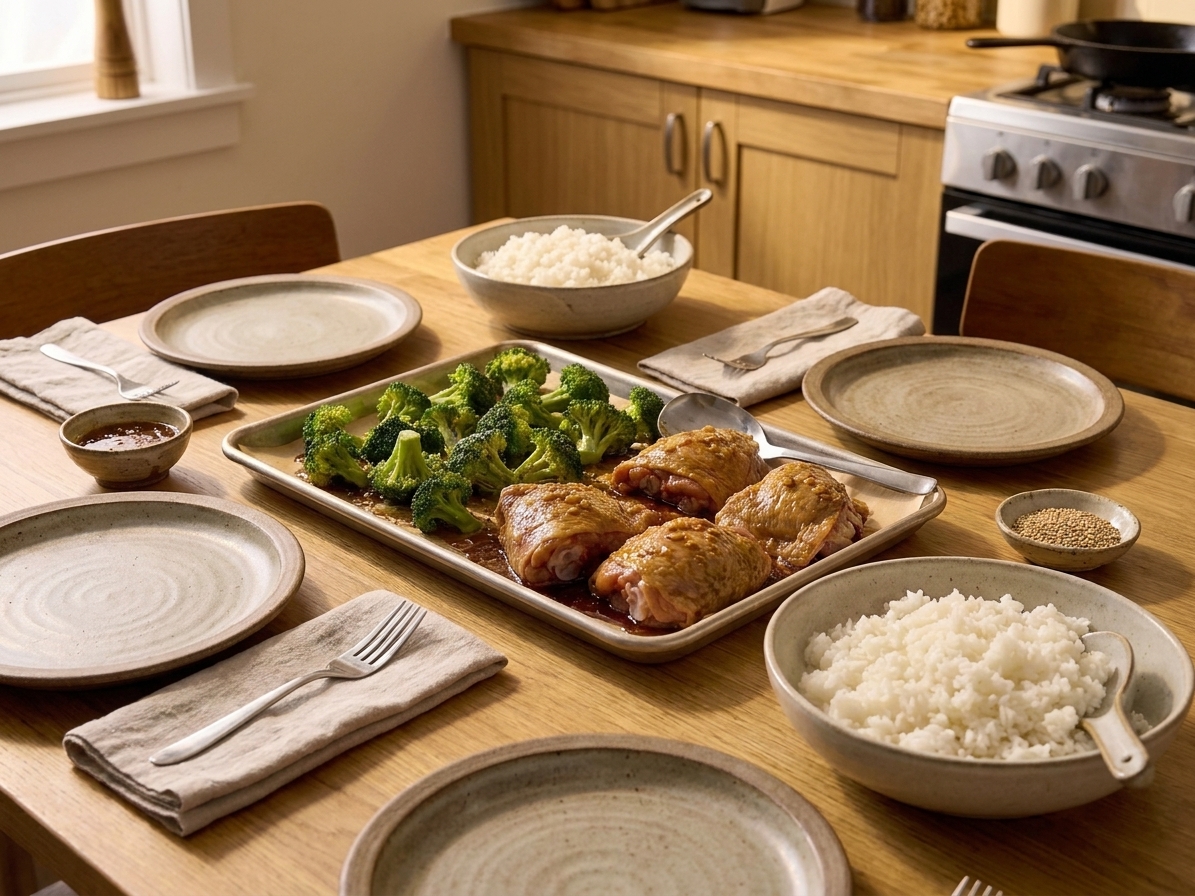
A sheet pan of sticky garlic soy honey chicken thighs with roasted broccoli and caramelized edges, served family-style on a wooden table with a bowl of rice

So here’s the deal. Sometimes you want dinner to feel like you tried, without actually trying. This is that recipe. Think glossy sauce, crisp edges, and that sweet-salty balance that makes you go back for just one more bite.

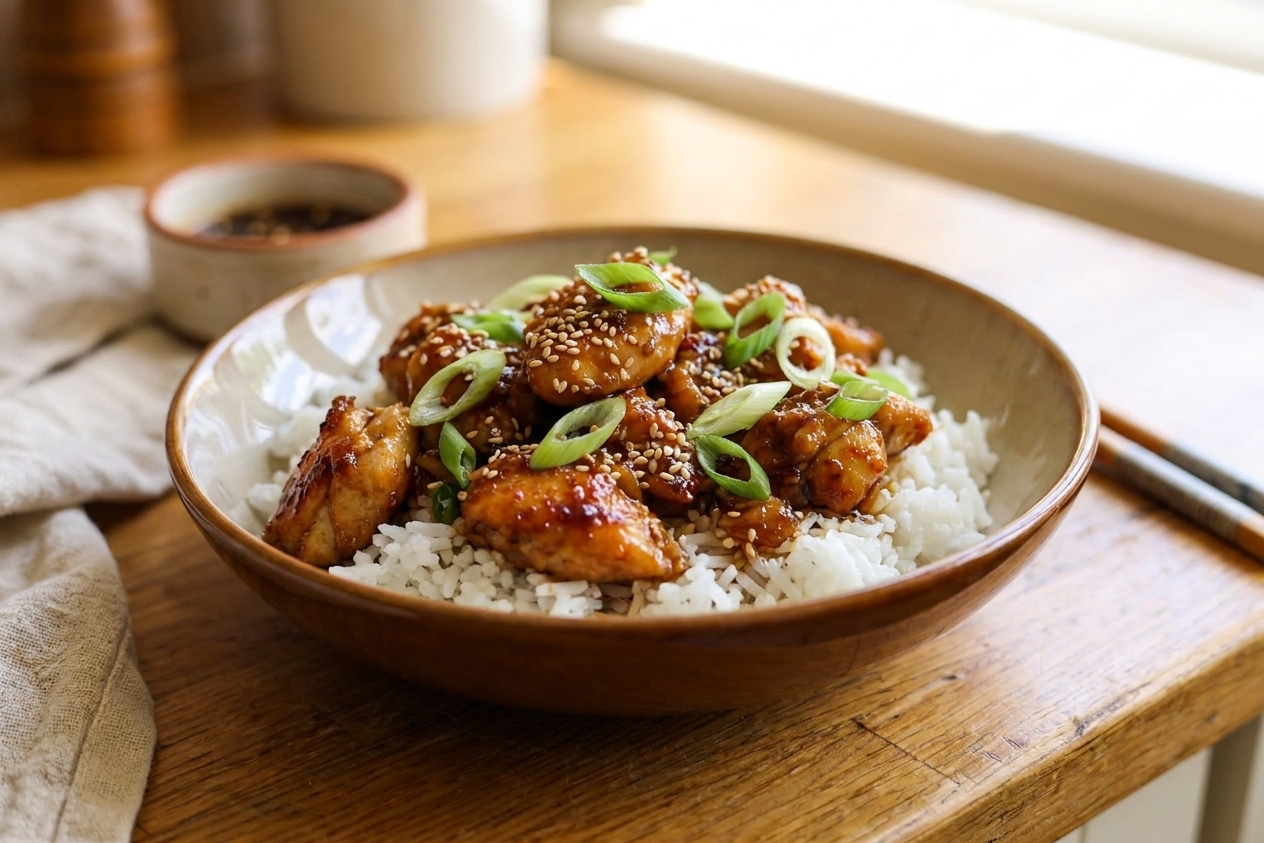
It’s a one-pan chicken situation with roasted broccoli that soaks up the drippings like it was born for the job. Serve it over rice, noodles, or even mashed potatoes if your household is in its cozy-carb era.

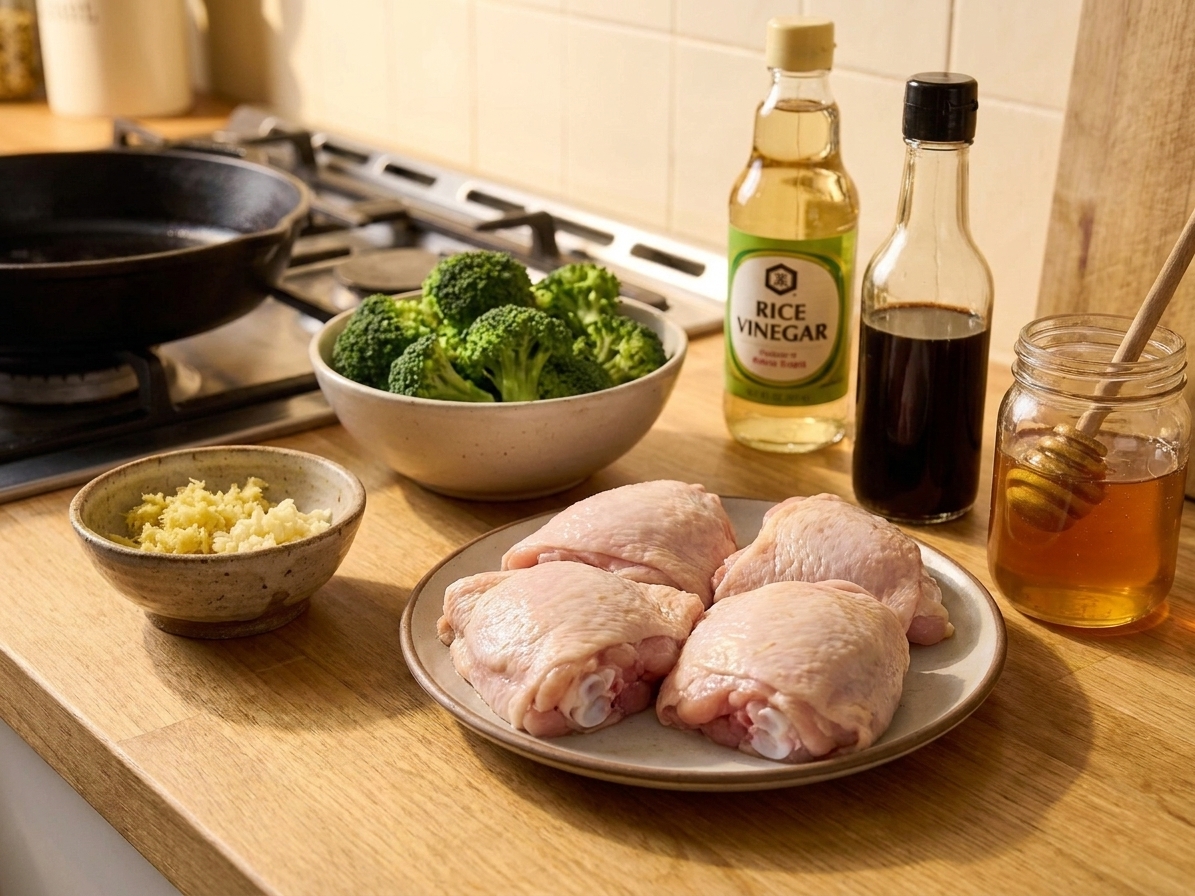
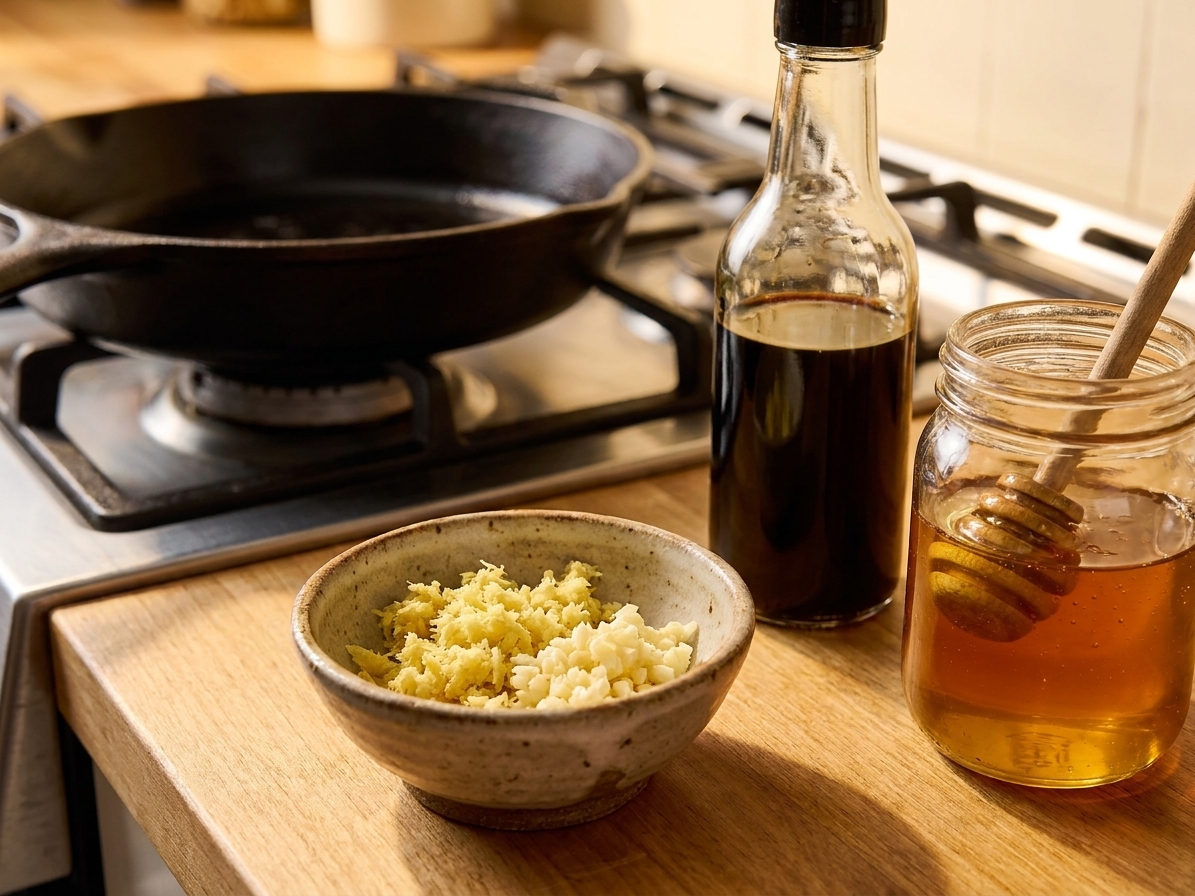
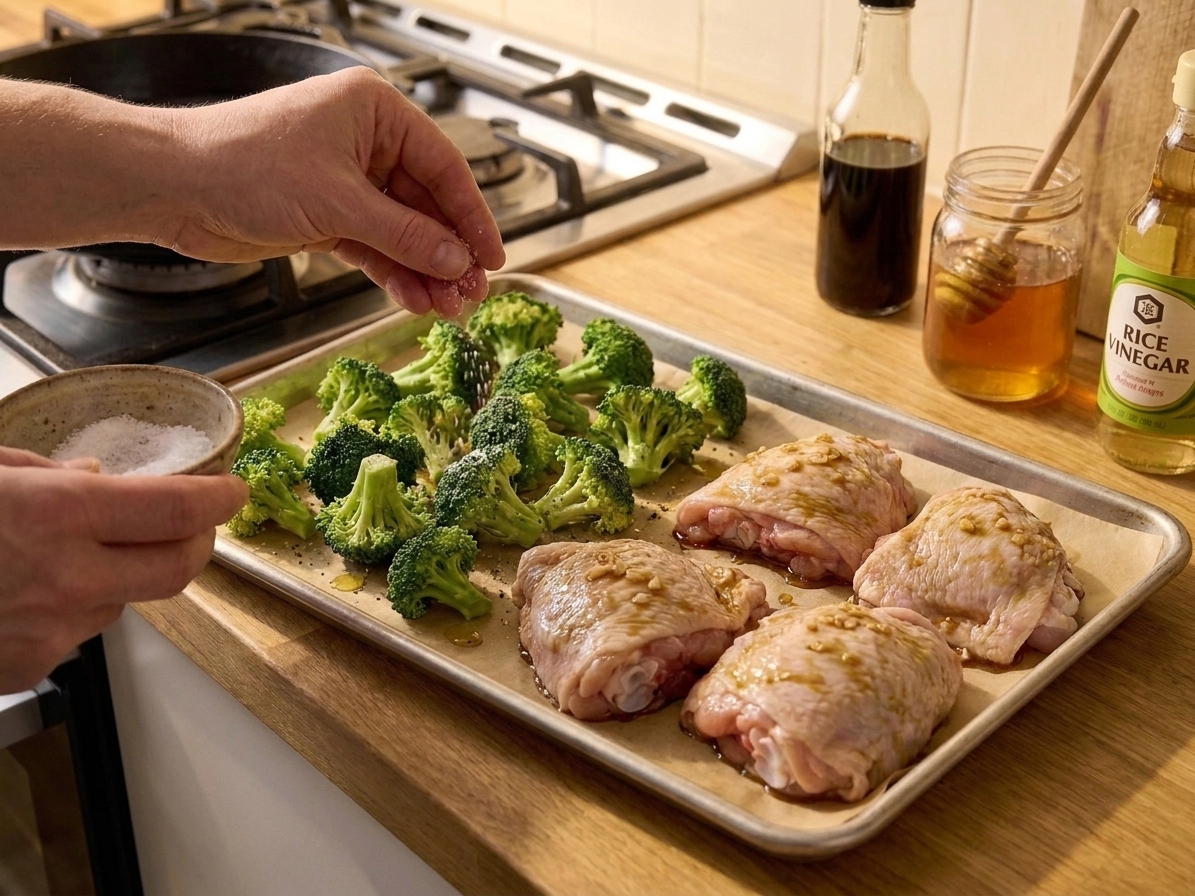
Raw chicken thighs, broccoli florets, soy sauce, honey, garlic, ginger, and rice vinegar arranged on a light kitchen counter

Why It Works

  • Big flavor from simple pantry staples: soy sauce, honey, garlic, ginger, and a splash of acid for brightness.
  • Great texture: chicken gets browned and sticky, broccoli gets crisp-tender with little charred tips.
  • Minimal cleanup: everything roasts on one sheet pan, and the sauce finishes with the pan juices.
  • Flexible serving: bowl it with rice, tuck into lettuce wraps, or pile into meal prep containers.

Pairs Well With

Storage Tips

Refrigerate: Store chicken, broccoli, and sauce in airtight containers for up to 3 to 4 days. Keep rice separate if possible so it does not soak up all the sauce (unless you want it to).

Reheat: Best in a 350°F oven for 10 to 15 minutes to bring back the sticky edges. Microwave works too. Add a teaspoon of water to loosen the sauce if it thickened.

Freeze: Freeze the cooked chicken and sauce for up to 2 months. Broccoli can get softer after freezing, so I usually roast fresh veg when serving.

Common Questions

Can I use chicken breasts instead of thighs?

Yes. Use boneless, skinless breasts cut into large pieces (about 2-inch chunks) so they do not dry out. Start checking at 15 to 18 minutes, depending on size. Pull at 160 to 165°F and let rest 3 to 5 minutes (it will finish cooking as it rests).

Do I need to marinate?

Nope. The sauce is strong enough that it still tastes like you planned ahead. If you do have time, 30 minutes in the fridge helps the garlic and ginger really sink in.

My sauce looks thin. What happened?

Different sheet pans and chicken sizes throw off how much liquid renders. Also, a crowded pan steams instead of reducing. If it is thin, pour the pan juices into a small saucepan and simmer 3 to 6 minutes until glossy. Or add a quick cornstarch slurry (see Tips). Just remember: reducing concentrates salt, so taste before going too far.

Is this very salty?

It is boldly seasoned, but not harsh if you use low-sodium soy sauce. If you only have regular soy sauce, start with 1/4 cup plus 1 tablespoon water, then adjust to taste. If you plan to reduce the pan juices, keep the soy a little lighter since reduction concentrates everything.

What can I serve with it besides rice?

Noodles, quinoa, roasted sweet potatoes, or even a simple cucumber salad to keep things fresh and crunchy.

Do thighs need to be exactly 165°F?

165°F is the food-safe minimum. Thighs are also great at 175 to 190°F, where they get extra tender and still stay juicy.

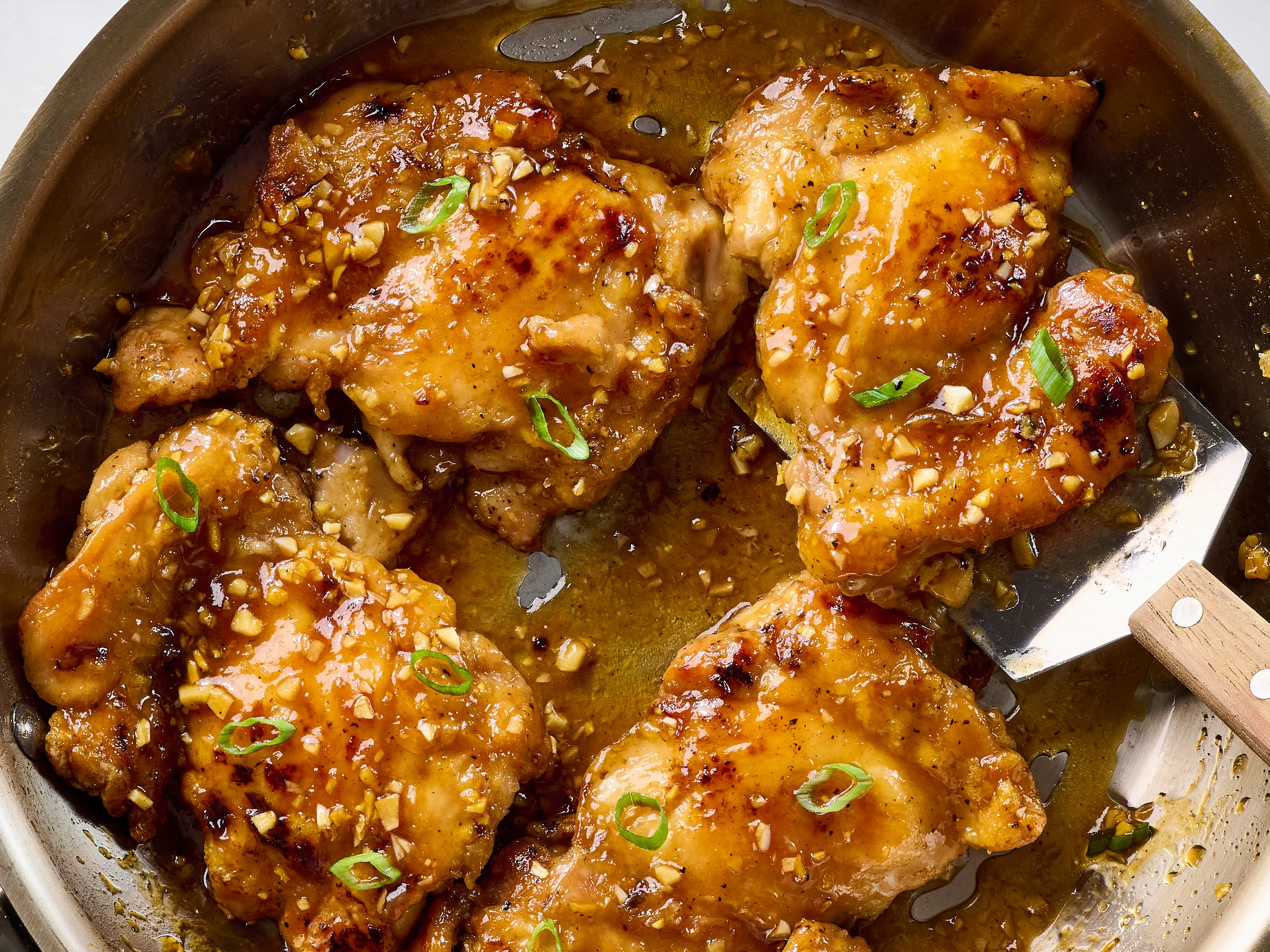
I started cooking like I wanted to open a restaurant someday, then I learned a valuable truth: restaurant energy is fun, but weeknight energy is survival. This is the kind of dinner I make when I want something that tastes like I did the most, even if I was basically just tossing stuff in a bowl and letting the oven do the work. The first time I made it, I “tested” the sauce with a spoon, then with another spoon, then with a piece of broccoli, then with a piece of chicken. For quality control, obviously.