Mom's Best Recipes
Recipe

Stuffed Pepper Filling

Savory, saucy, and perfectly seasoned filling that makes stuffed peppers actually worth the effort. Bonus: it doubles as an easy meal prep base.

Author By Matt Campbell
4.8
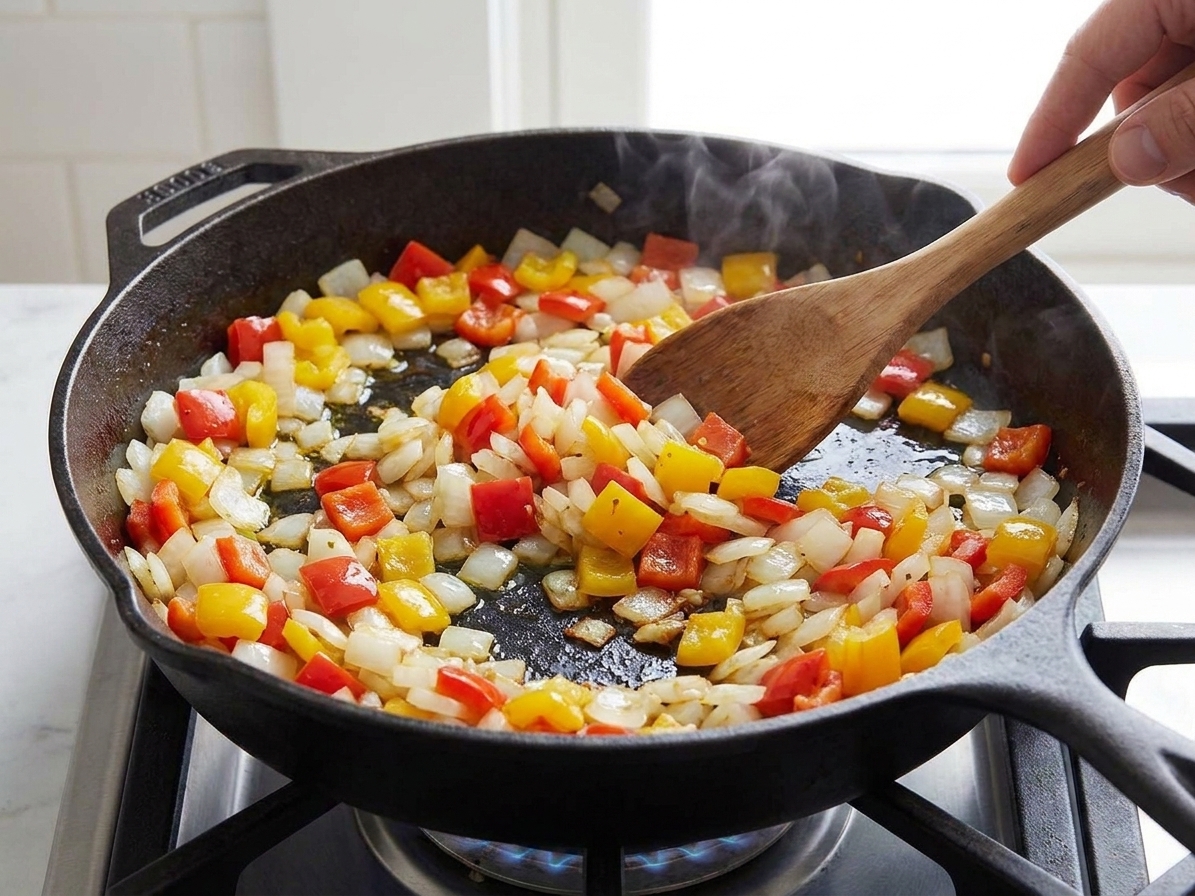
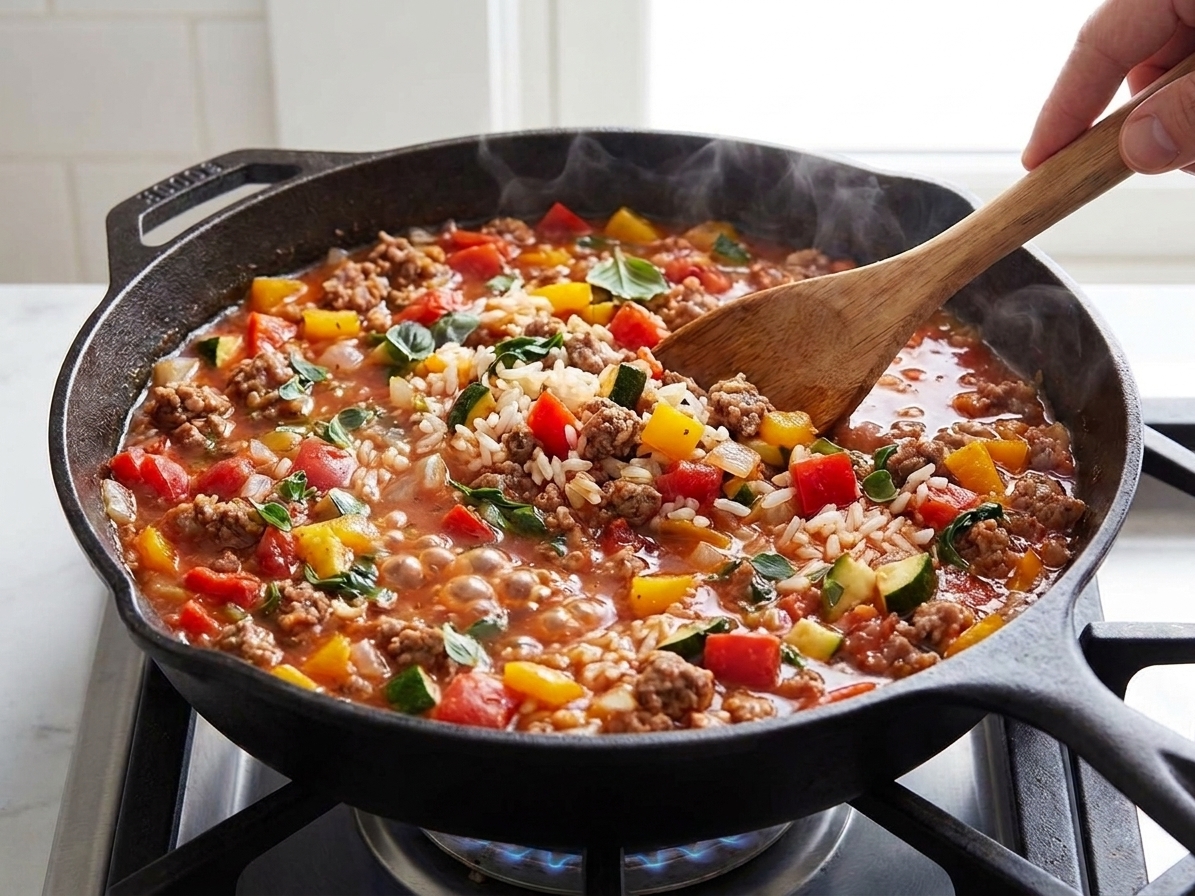
A skillet of saucy stuffed pepper filling with ground beef, rice, tomatoes, and herbs simmering on a stovetop

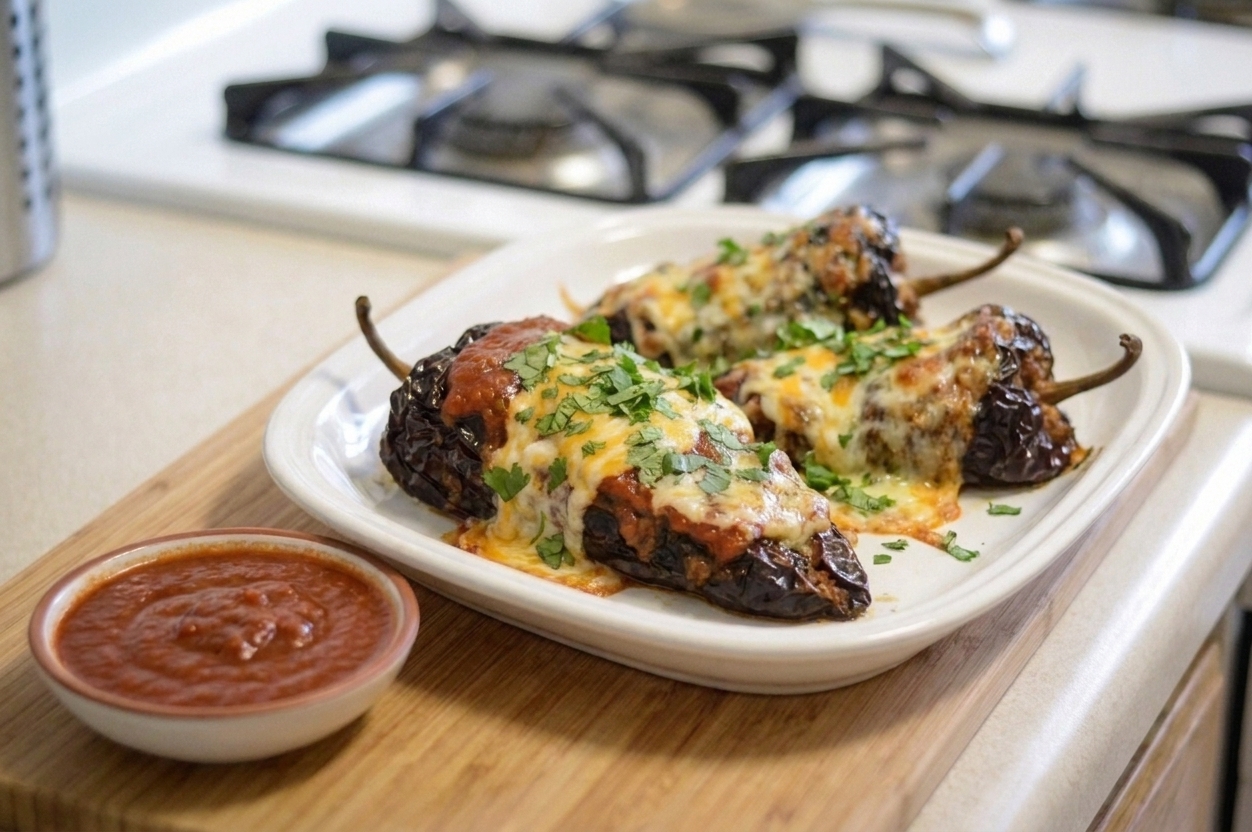
Stuffed peppers are one of those dinners that feel like you did something responsible, but they only hit if the filling is doing the work. We want savory meat, tender rice, a tomato base that tastes like it has been simmering longer than it has, and seasoning that makes you take a bite and immediately go back in for a second.

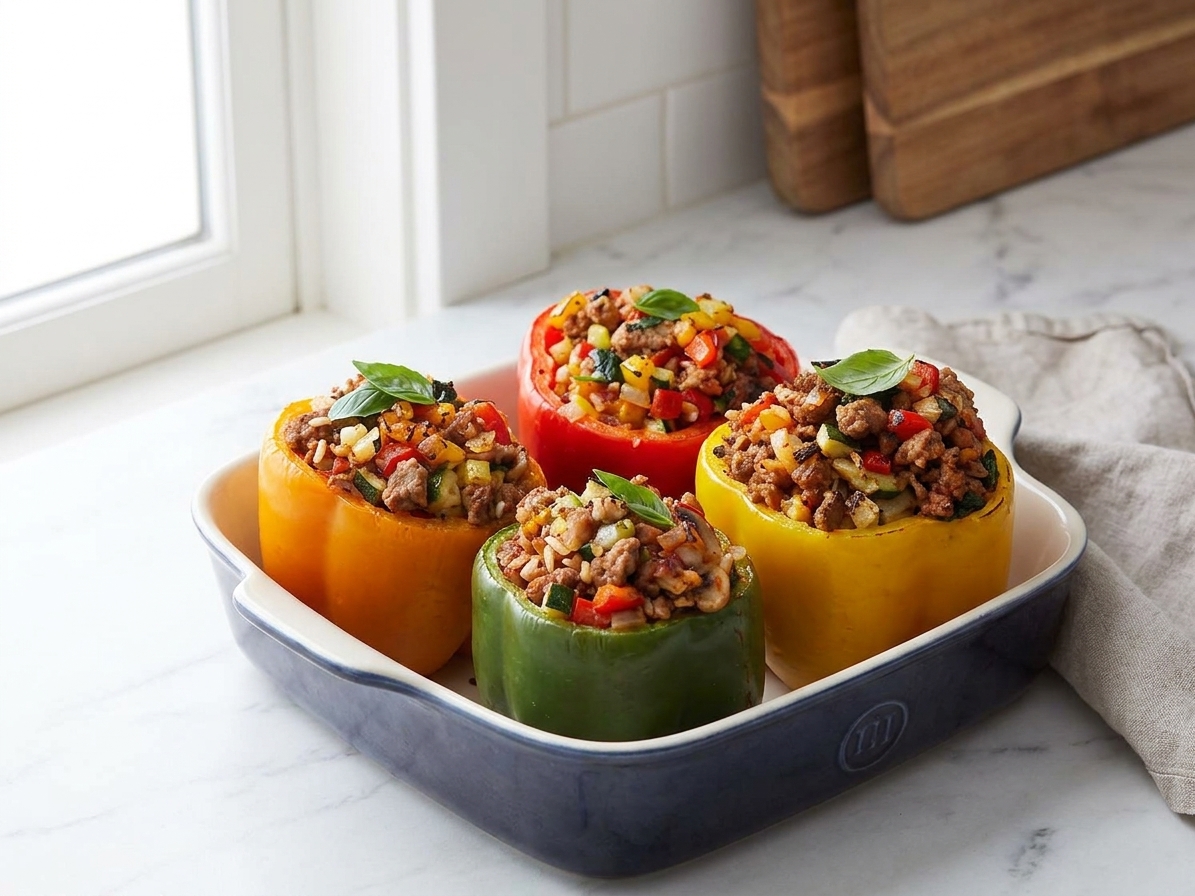
This filling is my go-to because it is flexible and forgiving. You can stuff peppers, sure, but you can also throw it over rice, scoop it into tortillas, pile it onto baked potatoes, or do the extremely honest thing and eat it straight out of the pan while tasting for salt.

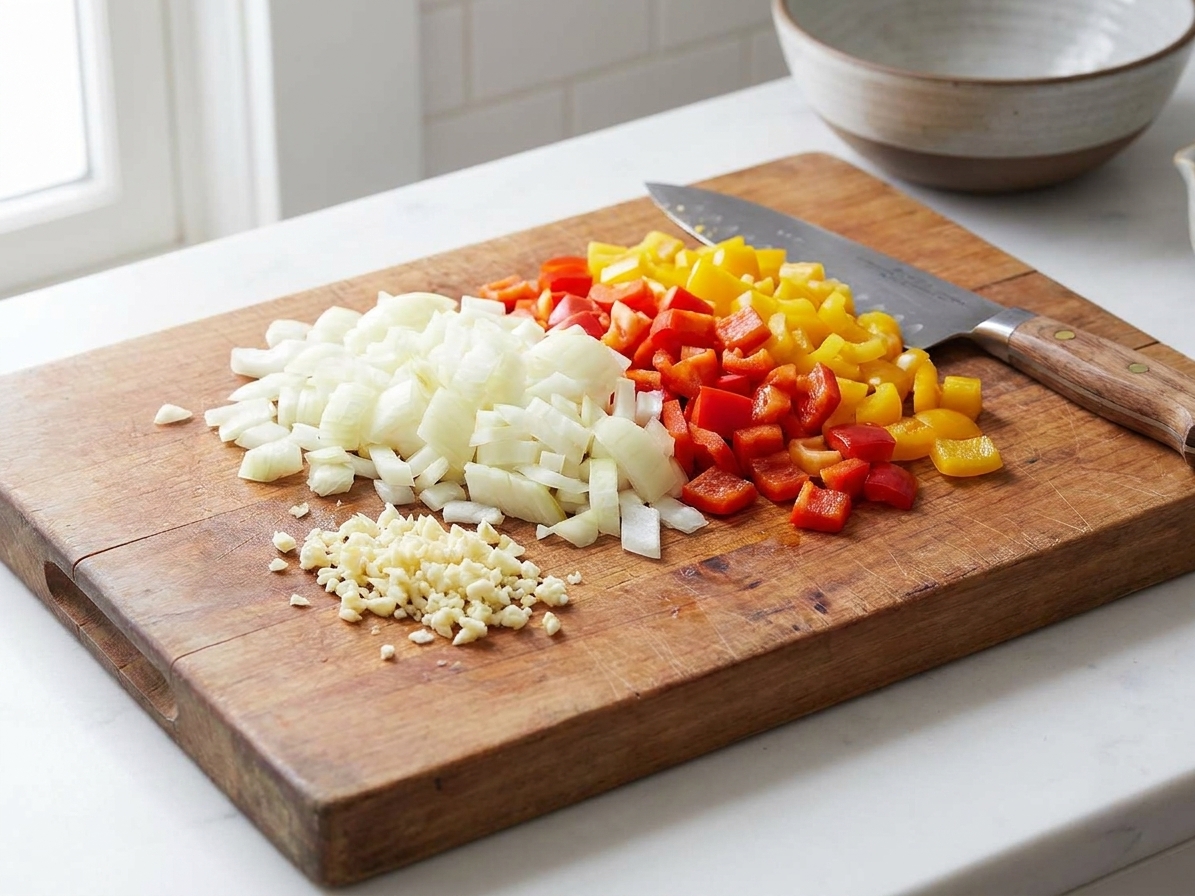
Ingredients for stuffed pepper filling arranged on a kitchen counter including bell peppers, ground beef, onion, garlic, tomatoes, rice, and seasonings

Why It Works

  • Big flavor fast: Tomato paste plus a quick simmer gives you that slow-cooked vibe without the clock.
  • Not watery, not dry: The rice soaks up just enough sauce while the filling stays juicy.
  • Built for real life: Make it ahead, freeze it, and use it for more than just peppers.
  • Easy to customize: Swap proteins, change the grains, add beans, go heavier on heat, or make it extra cheesy.

Pairs Well With

Storage Tips

Fridge: Cool the filling, then store in an airtight container for up to 4 days (always follow your local food-safety guidance if you are unsure).

Freezer: Freeze in a zip-top bag or container for up to 3 months. I like flattening it in a bag so it thaws faster and stacks neatly.

Reheating: Warm in a skillet over medium-low with a splash of water or broth, stirring until hot. Microwave works too, just cover it and stir halfway through so the rice heats evenly. For best food safety with cooked meat, reheat to 165°F/74°C.

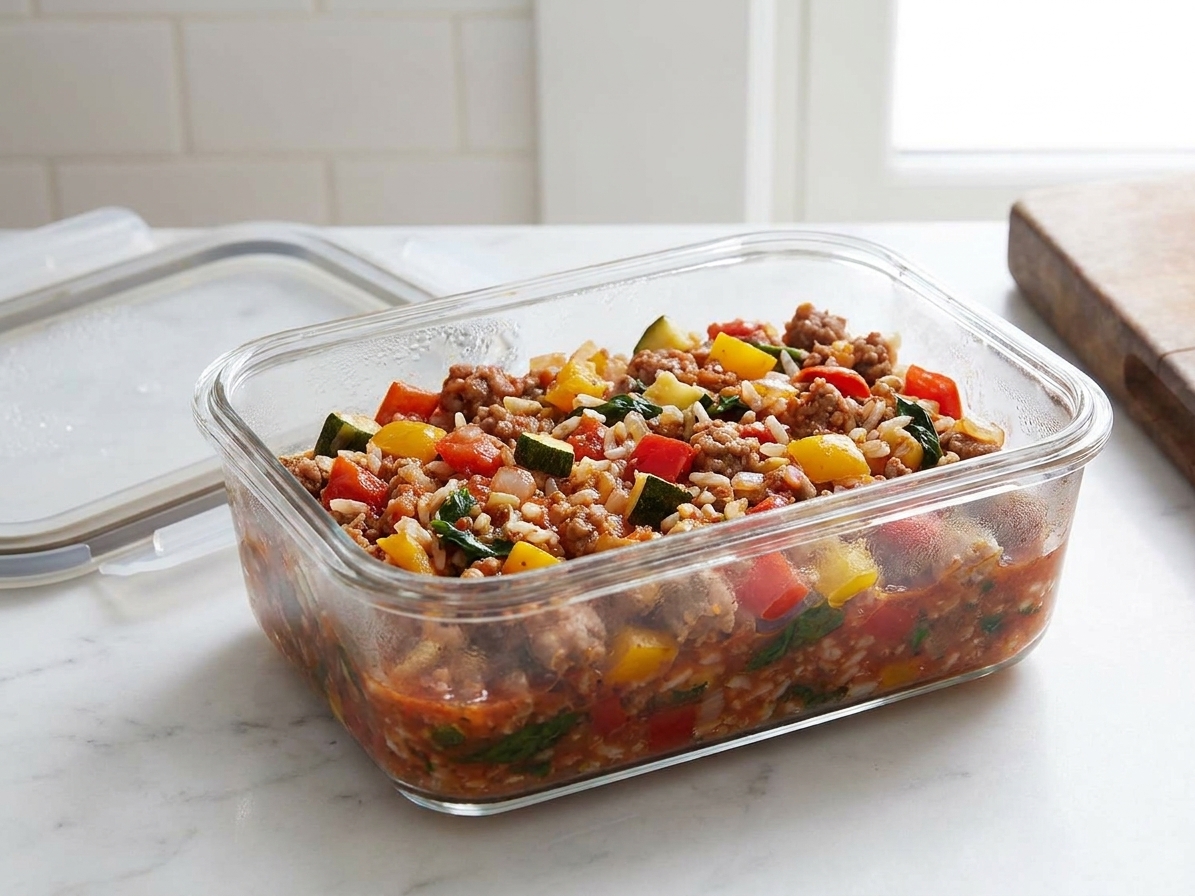
A glass meal prep container filled with leftover stuffed pepper filling sitting on a kitchen counter with a lid nearby

Common Questions

Should the rice be cooked before adding it to the filling?

For this recipe, yes. Using cooked rice keeps the timing predictable and the texture consistent. If you want to use uncooked rice, plan on extra liquid and a longer covered simmer, and expect more variability depending on rice type and grain size (uneven doneness is the usual problem).

How do I keep my stuffed peppers from turning watery?

Two fixes: drain excess grease after browning the meat (mostly an issue with beef), and simmer the filling for a few minutes so it thickens before stuffing. Also, do not add a bunch of extra liquid unless it truly looks dry.

Can I make this filling without meat?

Absolutely. Swap in 2 cups cooked lentils, 1 (15-ounce) can black beans (drained and rinsed), or a plant-based ground. Add an extra tablespoon of olive oil for richness, and taste again for salt. If the filling seems looser with beans or lentils, simmer a few minutes longer to tighten it up.

What is the best cheese for stuffed pepper filling?

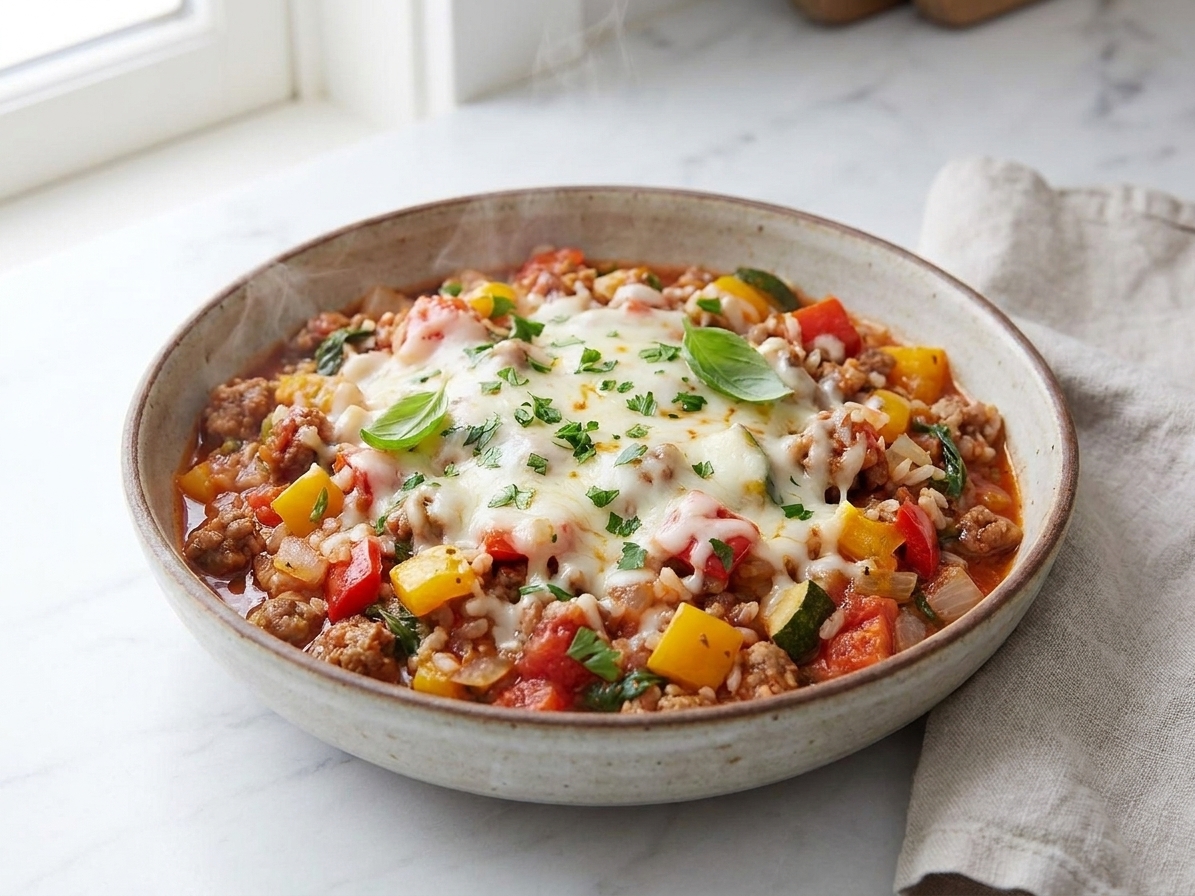
Sharp cheddar, mozzarella, Monterey Jack, or a blend. Cheddar brings flavor, mozzarella brings stretch, and Jack melts beautifully.

Do I have to bake the peppers after stuffing?

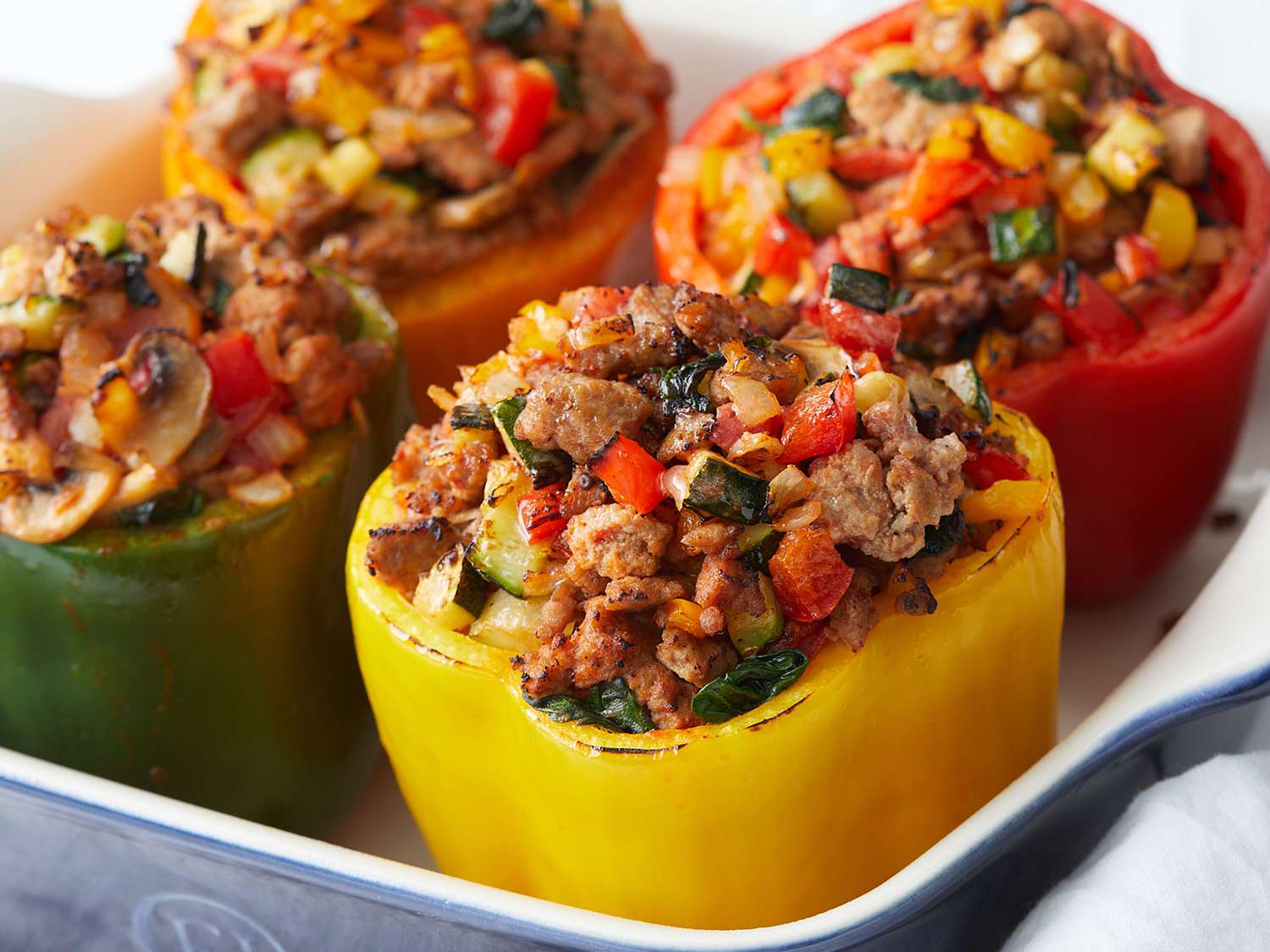
Baking is the classic move because it softens the pepper and melts the cheese, but it is optional. If you like peppers crisp-tender, you can warm the filling and serve it inside raw or lightly sautéed pepper halves.

Should I pre-cook the peppers?

If you want very tender peppers, yes. You can bake the empty peppers at 375°F for about 10 minutes before stuffing, then finish baking as directed. If you prefer a little bite, skip the pre-bake.

Can I use cauliflower rice?

Yes, but add it at the end and cook 2 to 3 minutes. Cauliflower rice releases moisture, so keep the filling slightly thicker before you stir it in.

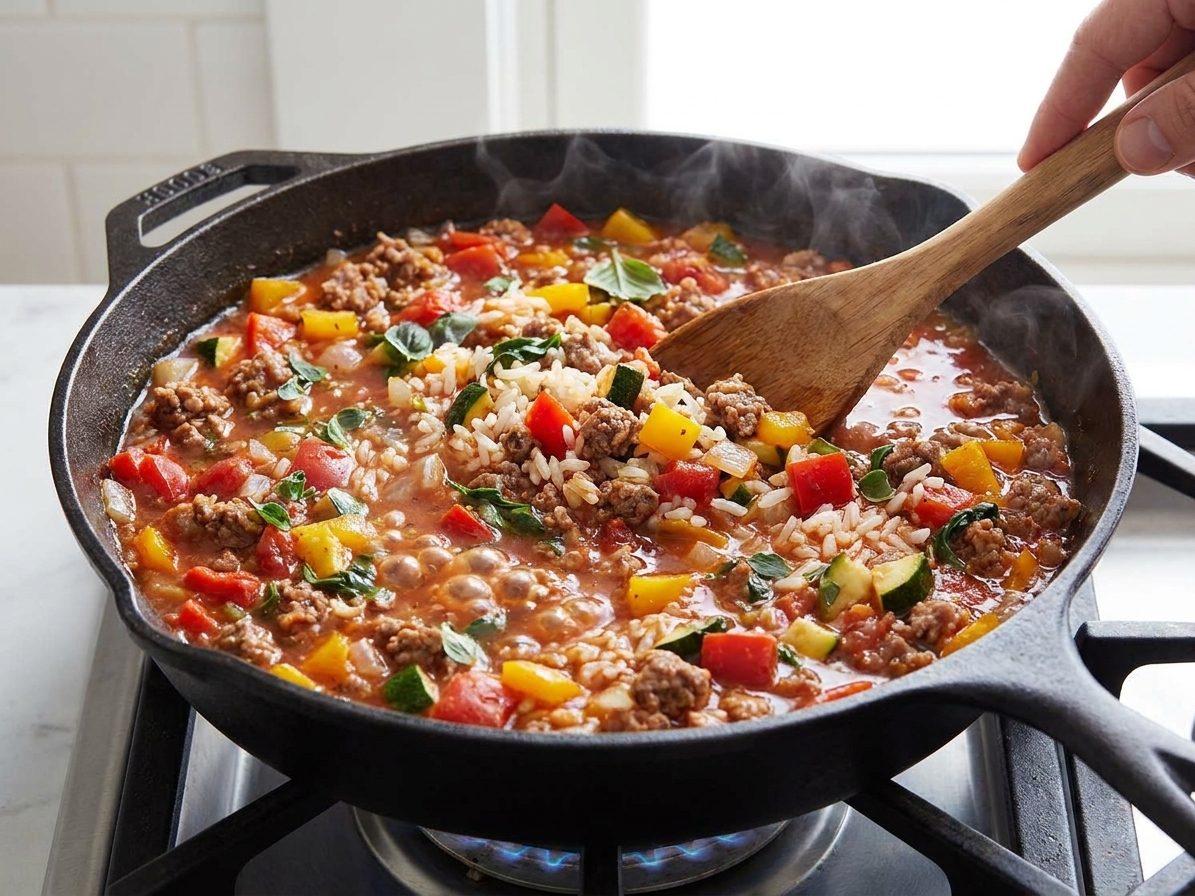
I used to think stuffed peppers were a little too well-behaved for my taste. Then I realized the problem was never the pepper. It was the filling that needed a personality. Once I started treating it like a proper skillet dinner, browning the beef hard, blooming the tomato paste, and actually seasoning it like I mean it, stuffed peppers went from polite to dangerously snackable. Now I make the filling first and decide what it wants to be later, peppers, bowls, tacos, or midnight spoonfuls included.