Mom's Best Recipes
Recipe

Swedish Meatball Sauce

A creamy, savory Swedish-style gravy with beef broth, Dijon, and a peppery finish that clings to meatballs like it means it.

Author By Matt Campbell
4.8
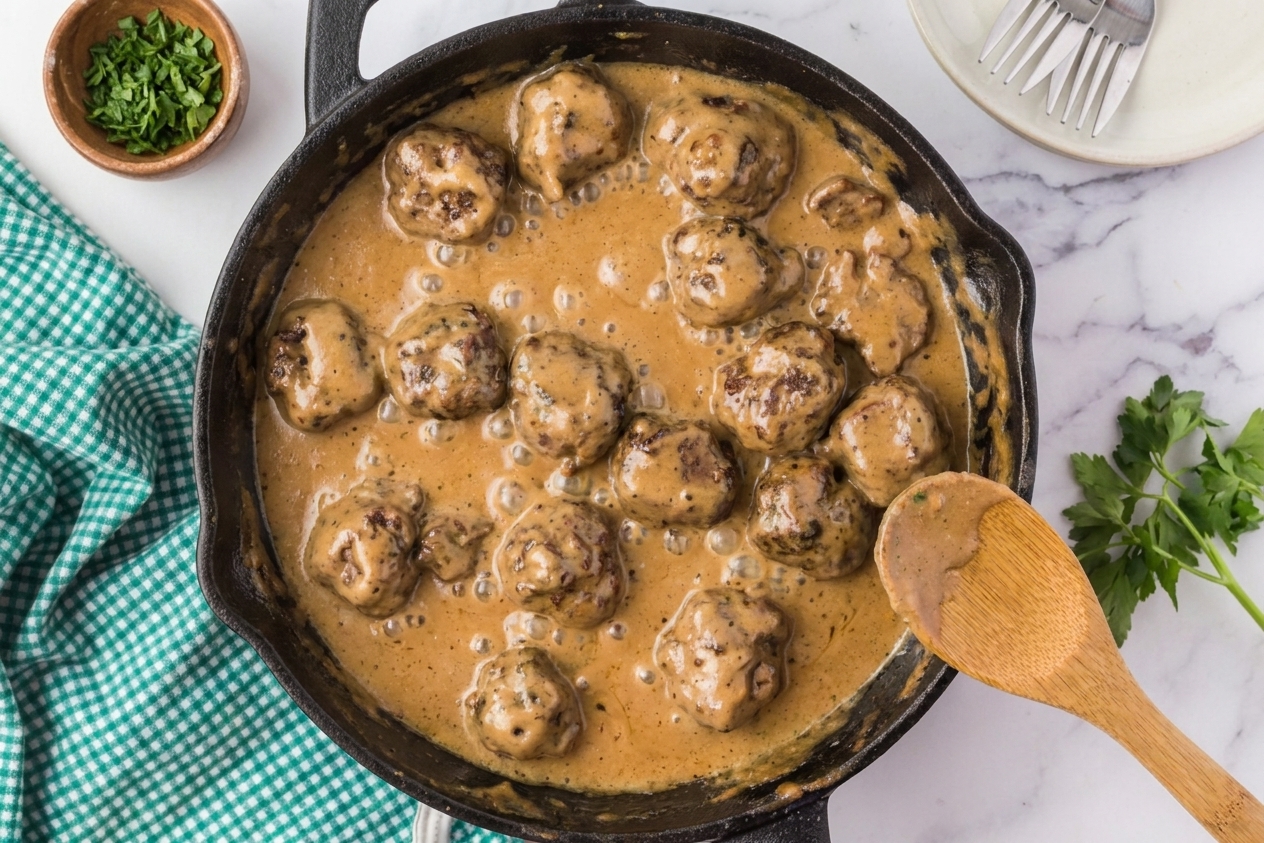
A skillet filled with creamy Swedish meatball sauce spooned over browned meatballs, steam rising in a warm home kitchen

If you have ever eaten Swedish meatballs and thought, the sauce is the whole point, you are my kind of person. This is the sauce I make when I want that cozy, creamy, peppery gravy vibe without babysitting a pot all night. It is rich but not heavy, savory but not salty, and it has just enough tang from Dijon to keep every bite awake.

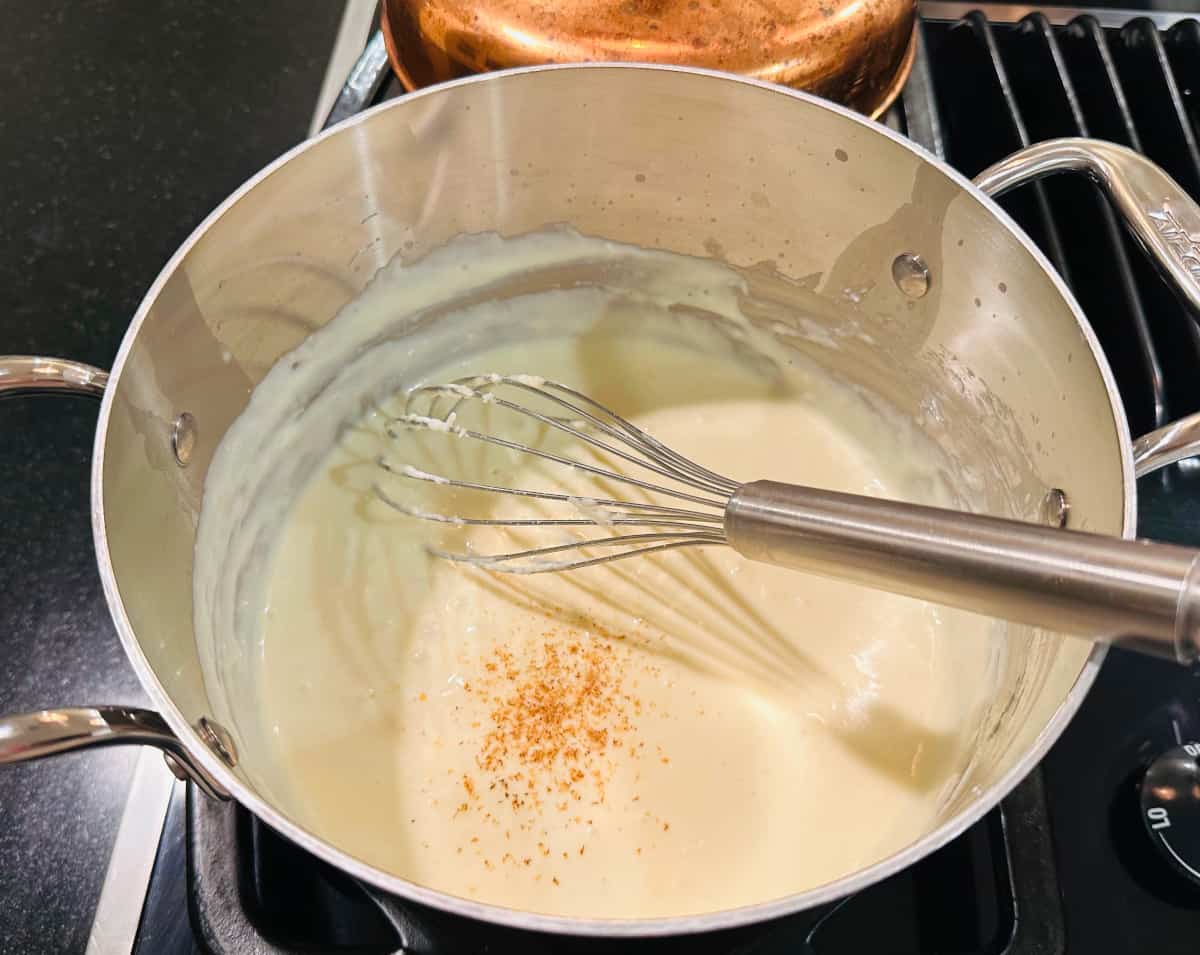
It is also forgiving. Too thick? Splash in broth. Too thin? Simmer a minute longer. Want it a little fancier? A tiny grating of nutmeg makes it taste like you actually had a plan.

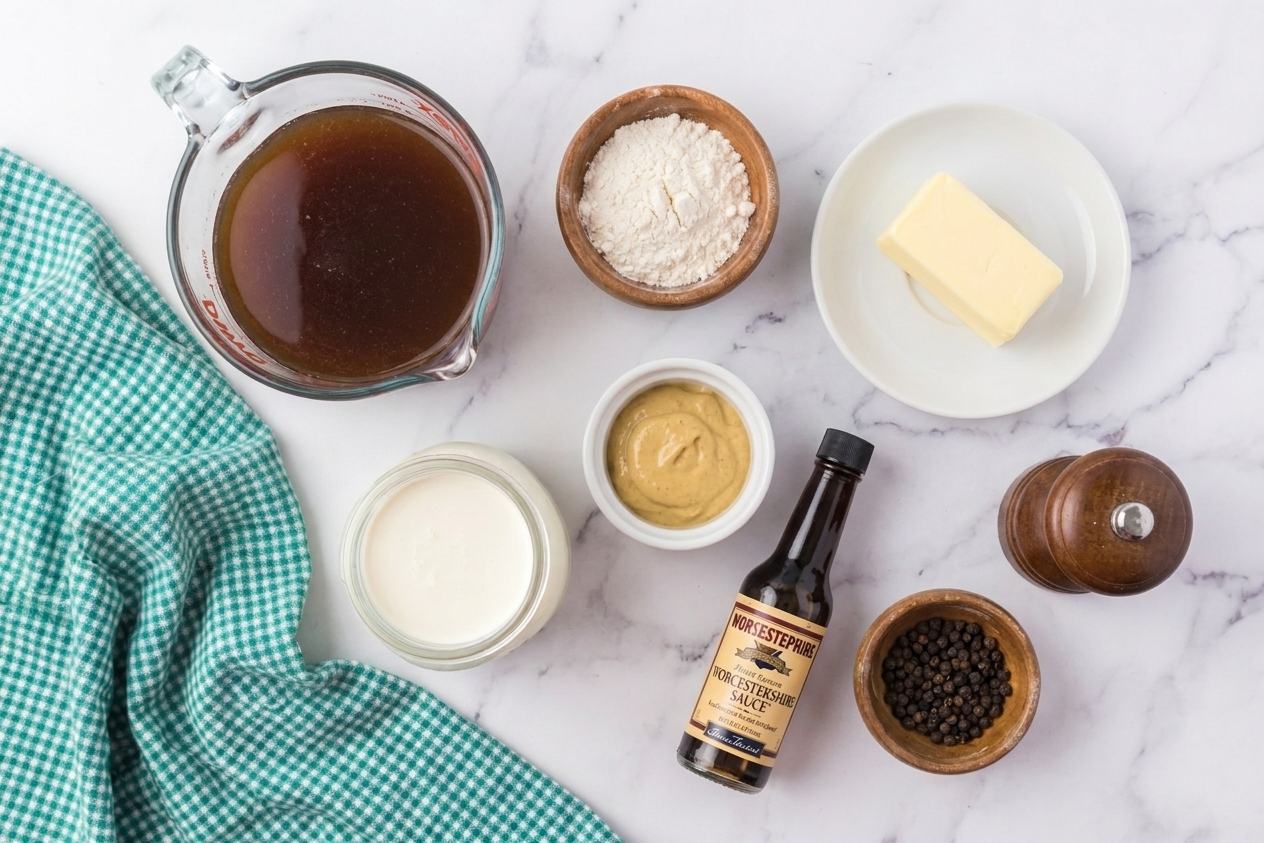
Beef broth, butter, flour, cream, Dijon mustard, Worcestershire sauce, and black pepper arranged on a light kitchen counter

Why It Works

  • One-pan flavor build: a quick roux gives you that smooth, clingy texture that coats meatballs and noodles instead of sliding off.
  • Balanced richness: cream (or half-and-half) rounds everything out, while Dijon adds lift so it never tastes flat.
  • Better-than-brown: Worcestershire (and optional soy sauce) bring depth and a darker, meatier savor without needing drippings.
  • Fast finish: it comes together in about 15 minutes, which is exactly the energy most weeknights deserve.

Pairs Well With

Storage Tips

Refrigerator: Cool the sauce, then store in an airtight container for 3 to 4 days. It will thicken as it sits.

Freezer: You can freeze it for 2 to 3 months for best quality, but cream sauces can separate a bit. It still tastes great, it just needs a gentle reheat and a good whisk.

Reheat: Warm on the stovetop over low heat, whisking often. If it is too thick, loosen with a splash of beef broth, milk, or water. Avoid a hard boil or the sauce can split.

Common Questions

Is Swedish meatball sauce the same as gravy?

Pretty much, but it is usually creamier and often has a little tang (like Dijon) and warm spice (sometimes nutmeg or allspice). Think gravy with a soft Scandinavian accent.

What if I do not have heavy cream?

Half-and-half works well. Whole milk also works, but the sauce will be slightly thinner and less rich. If using milk, simmer a bit longer to tighten it up.

Can I make it gluten-free?

Yes. Swap the flour for a 1:1 gluten-free all-purpose flour blend, or thicken at the end with a cornstarch slurry (1 tablespoon cornstarch mixed with 1 tablespoon cold water, then whisk in and simmer until glossy). For a truly gluten-free sauce, use gluten-free Worcestershire and tamari instead of regular soy sauce (and always check labels).

How do I keep the sauce from getting lumpy?

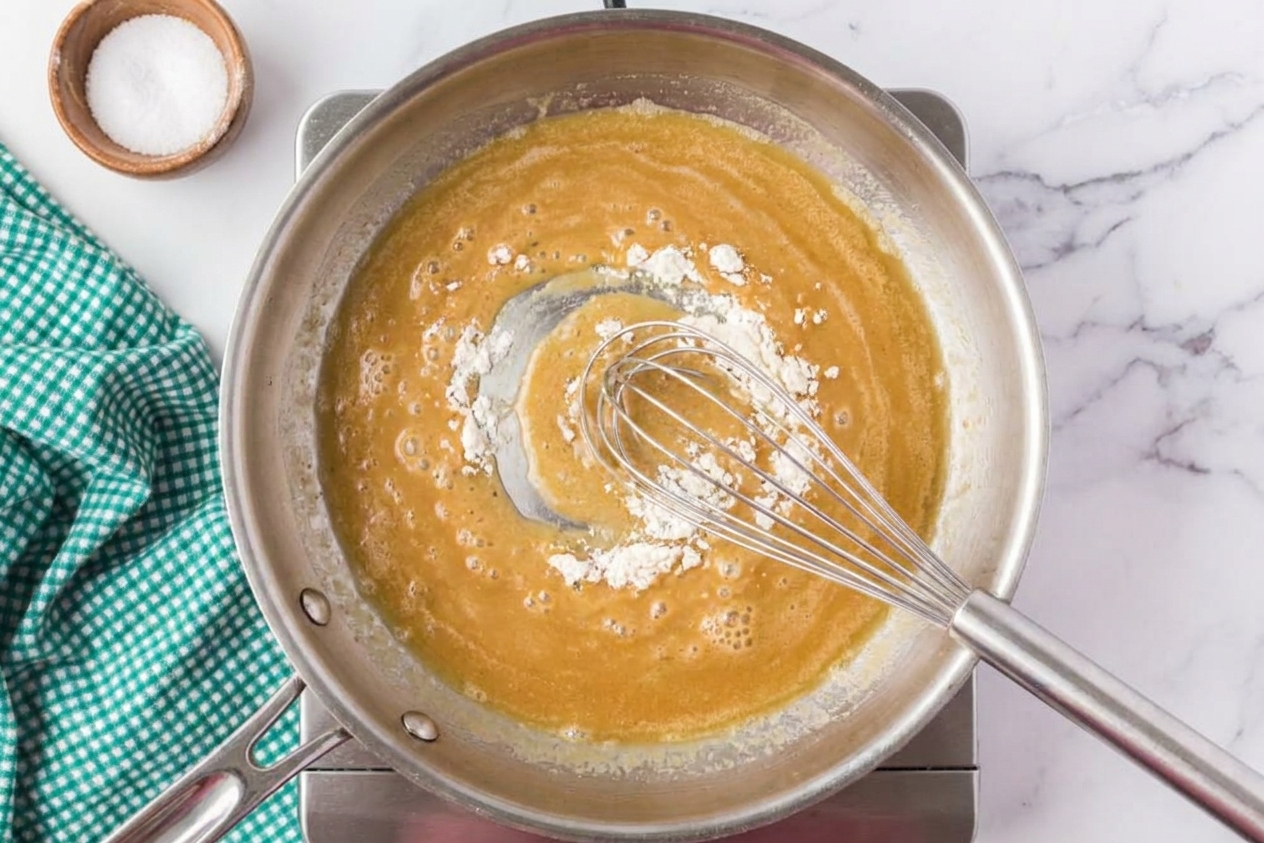
Whisk the flour into melted butter until smooth, then add broth slowly while whisking. If lumps still happen, do not panic. Strain it or hit it briefly with an immersion blender.

Can I double this recipe?

Absolutely. Double everything and use a wider skillet or a medium saucepan so it thickens evenly. The only thing that changes is time: you may need a few extra minutes of simmering to reach that spoon-coating thickness.

What should I serve it with besides meatballs?

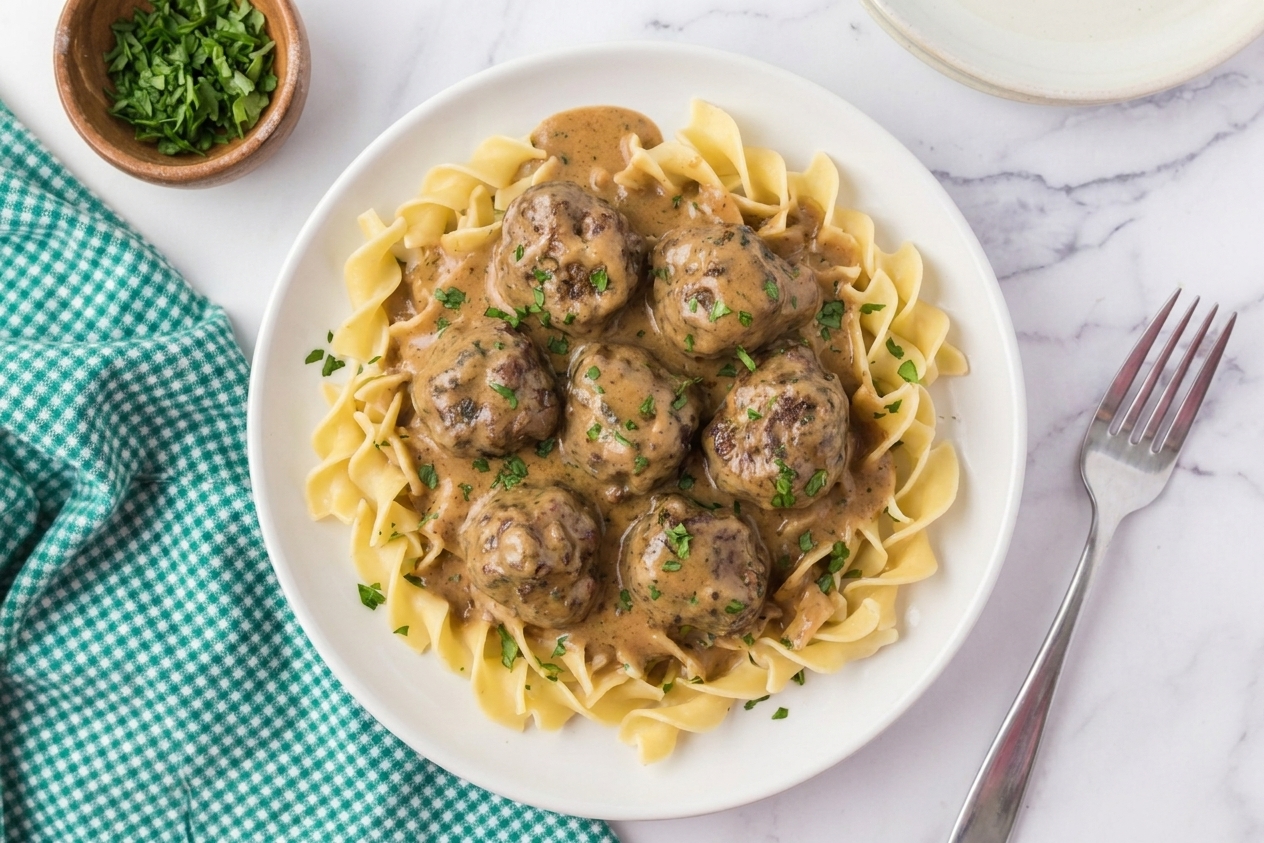
Mashed potatoes, egg noodles, rice, roasted mushrooms, or even over crispy smashed potatoes. It is also excellent on meatloaf if you are in the mood for comfort food that goes big.


I love the kind of sauce that makes you slow down mid-bite, mostly because it feels like you pulled off something way fancier than you actually did. The first time I tried to nail Swedish meatball sauce at home, I went too hard on the cream and ended up with something that tasted like a heavy dairy fog. The fix was simple: build a real roux, add broth in stages, and sneak in Dijon for that little “wait, what is that?” moment. Now it is my go-to when I need a cozy win that still tastes sharp and intentional.