Mom's Best Recipes
Recipe

Sweet Potato Pone

A dense, glossy Caribbean-style grated sweet potato pudding with coconut and warm spice, baked in a pan until sliceable and richly caramelized.

Author By Pip
4.8
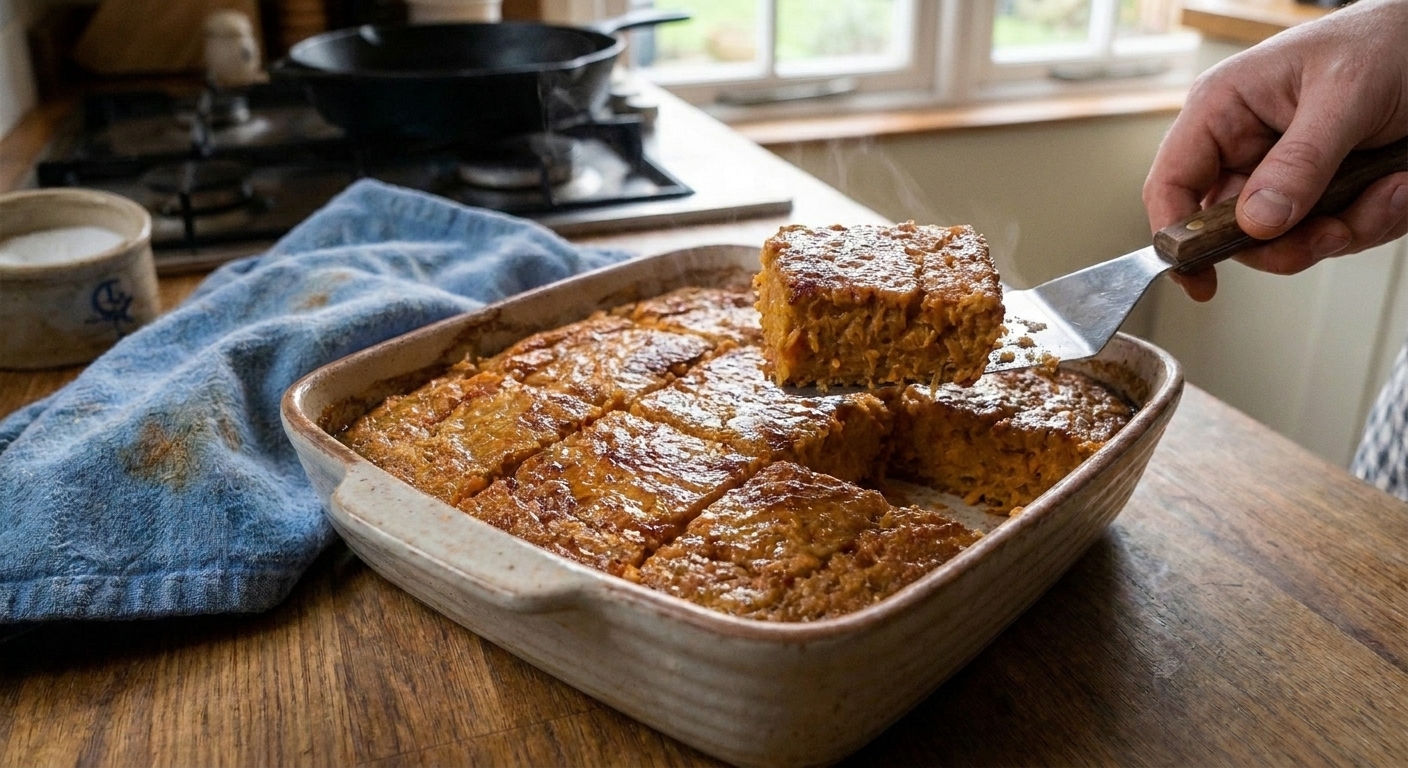
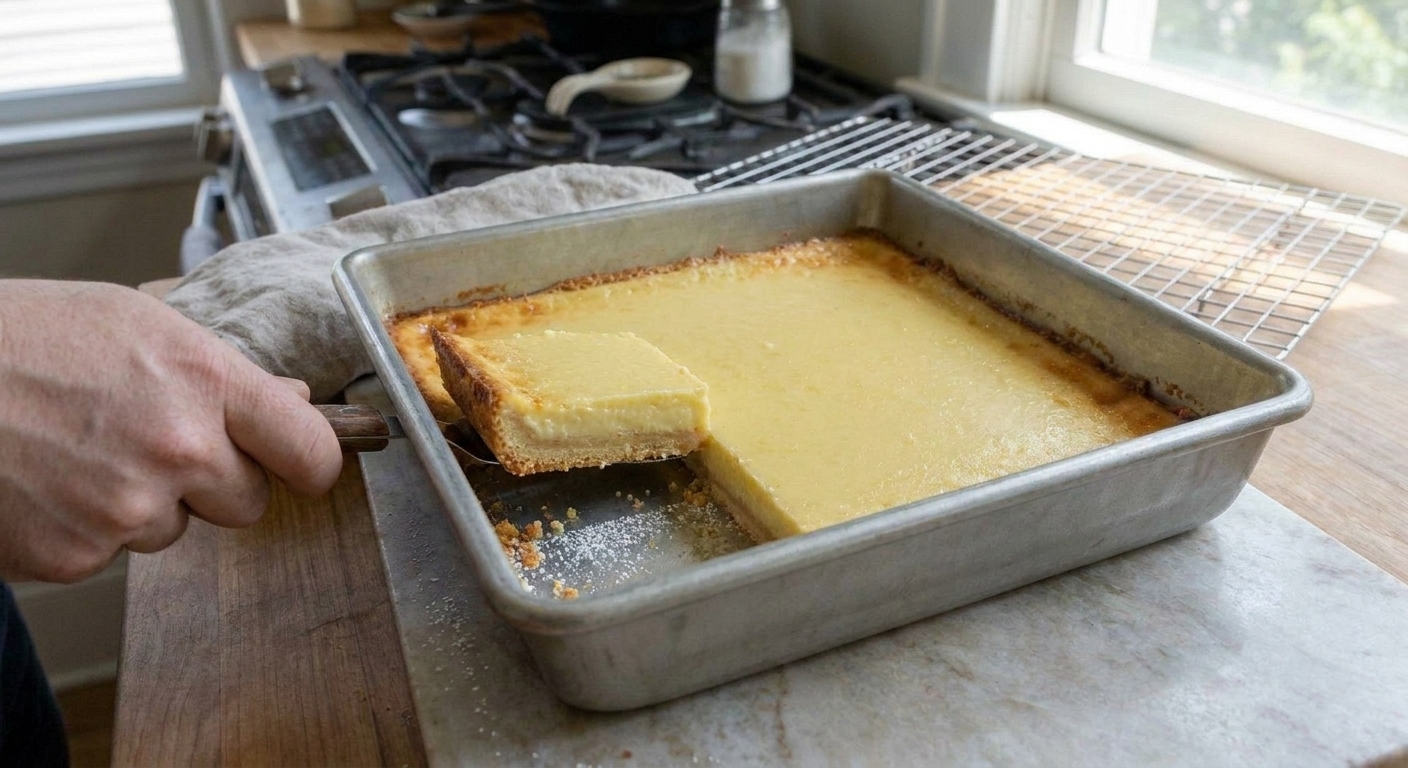
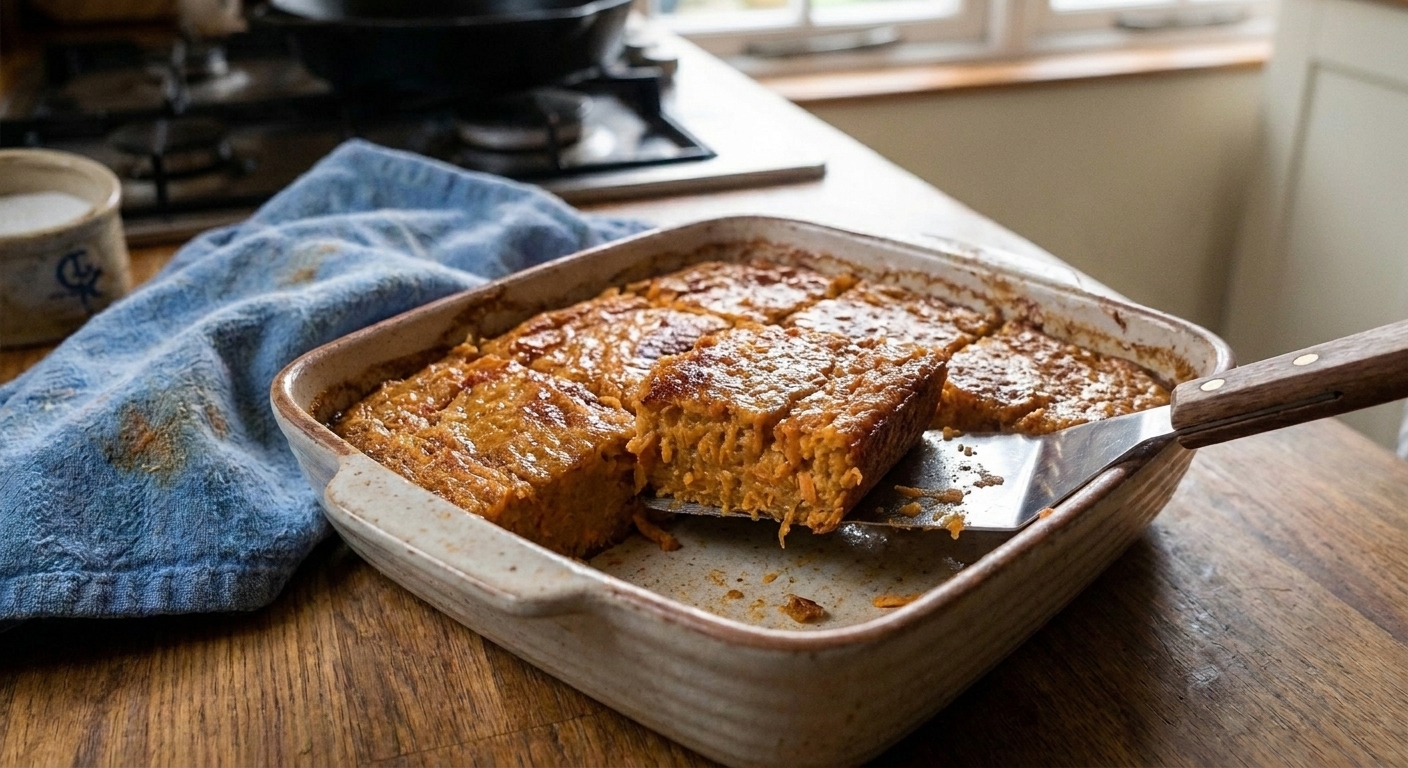
A pan of Caribbean sweet potato pone baked until deep golden brown and glossy, cut into neat squares on a wooden cutting board in a warm home kitchen

Small paws, big appetite, and a soft spot for comfort food. If you are new around here, yes, I am the kind of kitchen helper who judges recipes by smell first and sliceability second.

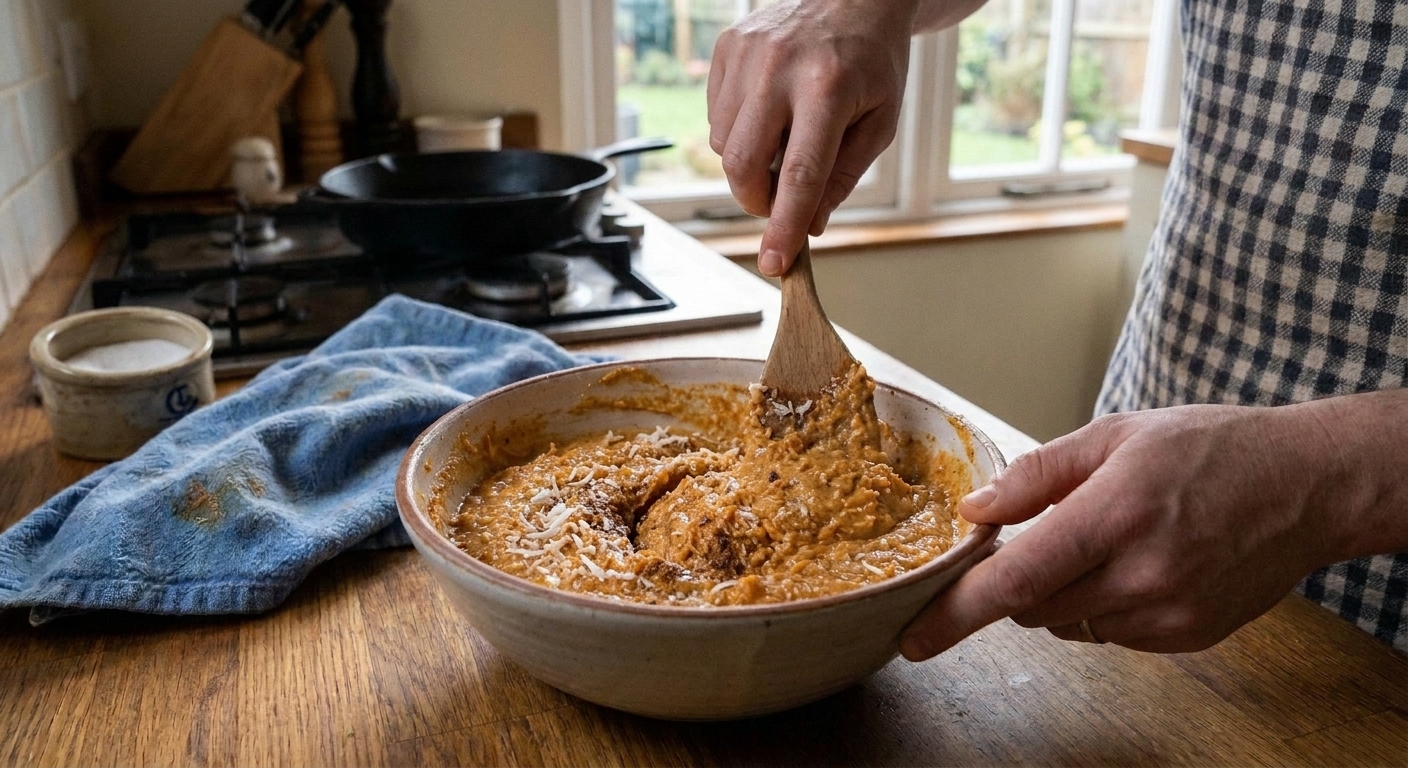
Today we are making sweet potato pone, the Caribbean kind that is grated, hugged with coconut, and baked into a dense, glossy, sliceable pudding. This is not a whole baked sweet potato situation, and it is definitely not a marshmallow casserole. Pone is its own cozy category: part pudding, part cake, all warm spice and caramel edges.

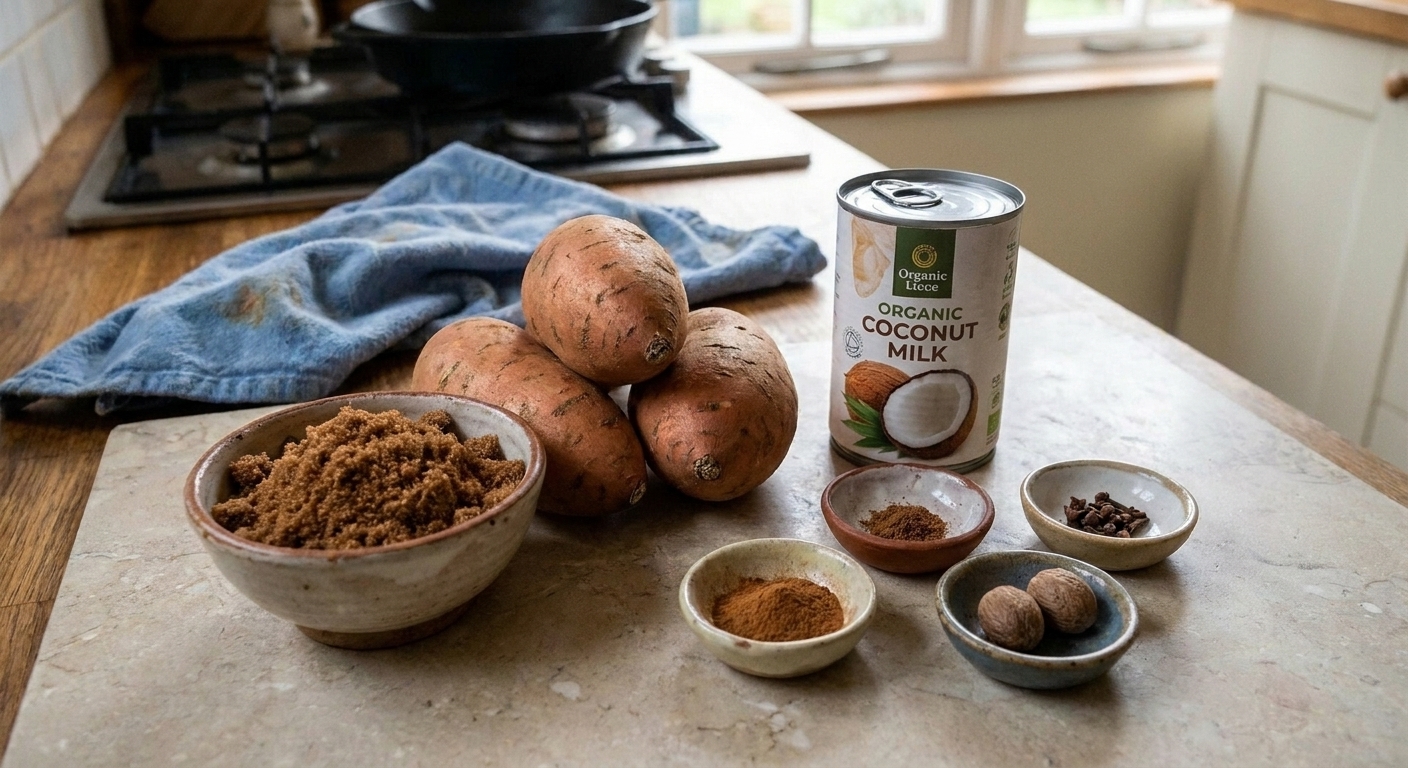
Whole sweet potatoes, a bowl of brown sugar, a can of coconut milk, and small bowls of spices arranged on a light stone kitchen counter

Why It Works

  • Dense, custardy texture from finely grated sweet potato and coconut milk, baked until set.
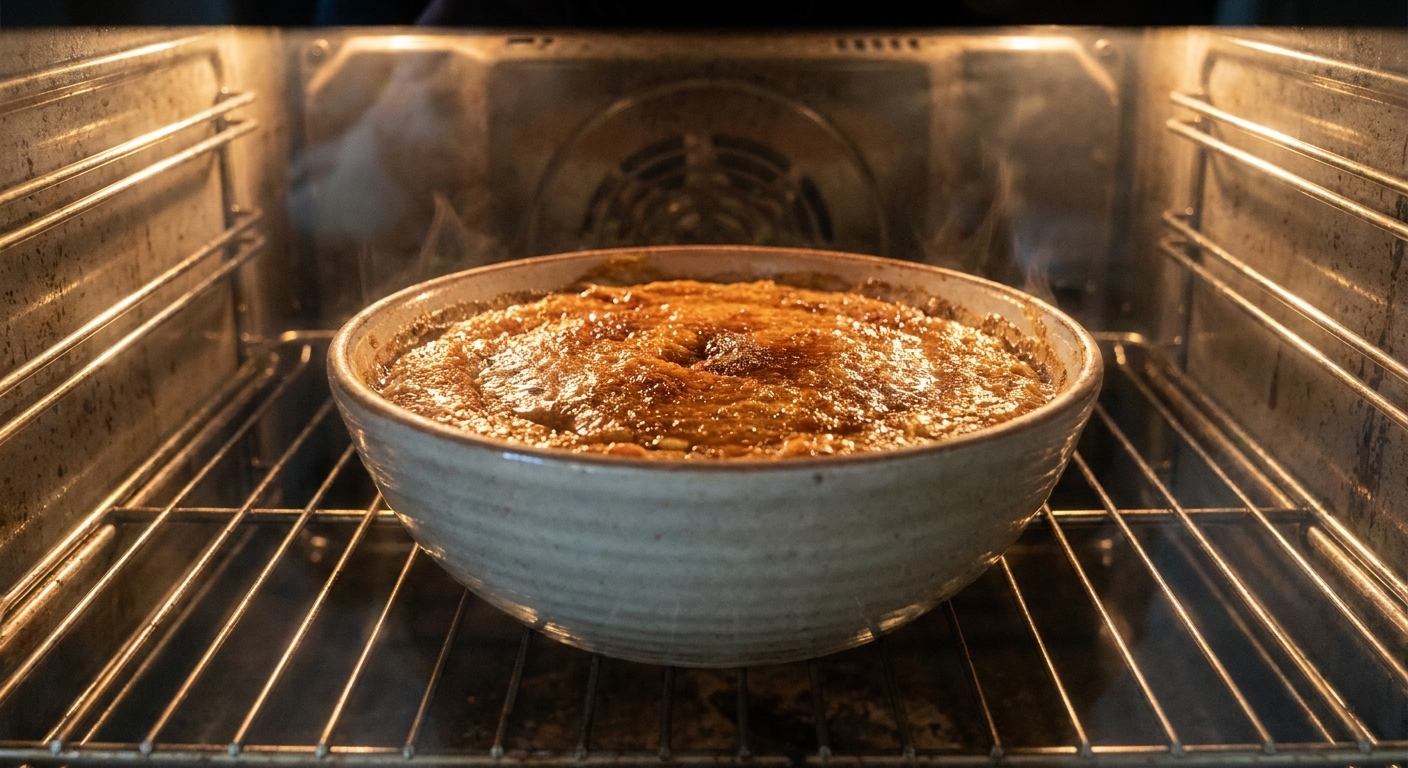
  • Glossy top and caramelized edges from brown sugar and a steady bake.
  • Big warm flavor with cinnamon, nutmeg, ginger, and vanilla, plus optional dark rum for extra depth.
  • Reliable results with clear guidance on grate size, pan depth, and a simple doneness cue.

Pairs Well With

Storage Tips

How to Store Sweet Potato Pone

Sweet potato pone actually gets even nicer after a rest, when the crumb tightens and the flavors settle.

  • Cool first: Let the pone cool to room temperature so steam does not get trapped and make the top sticky.
  • Refrigerate: Cover the pan tightly or move pieces to an airtight container. Refrigerate up to 5 days.
  • Freeze: Slice into squares, wrap individually, and freeze in a freezer bag up to 2 months.
  • Reheat: Warm individual slices in the microwave in short bursts, or cover with foil and warm in a 300°F oven until heated through. If you like crisp edges, uncover for the last few minutes.

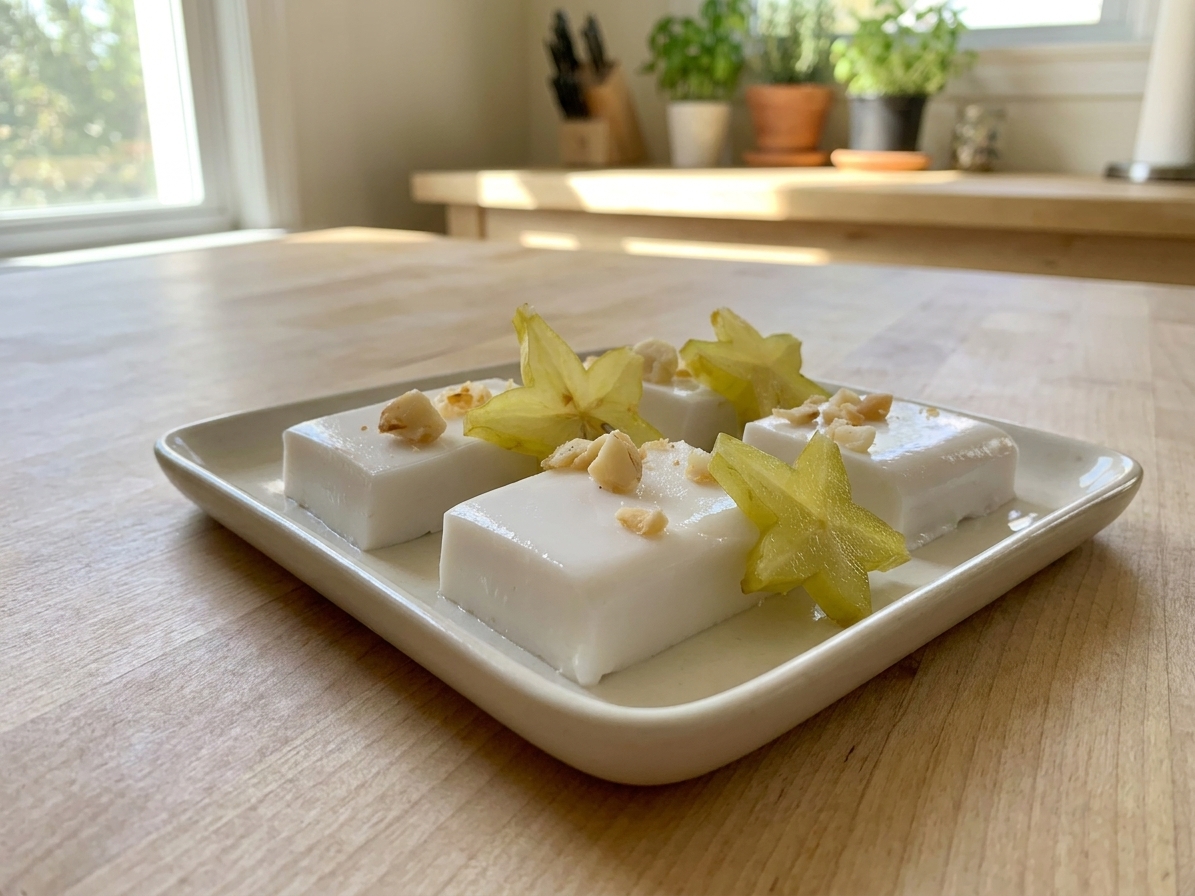
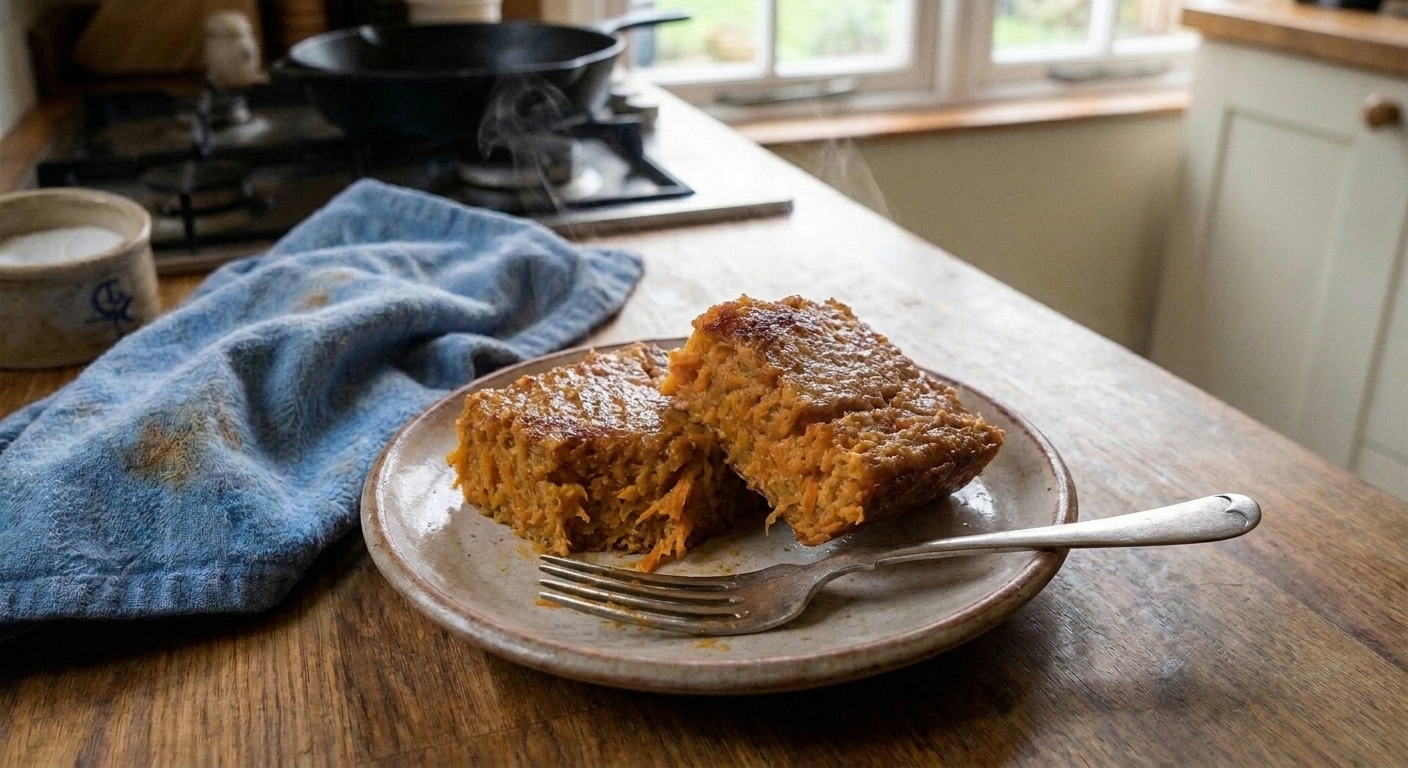
Two squares of sweet potato pone on a small plate with a fork, showing the dense pudding-like interior

Common Questions

Common Questions

Is sweet potato pone supposed to be dense?

Yes. Sweet potato pone is typically dense and sliceable, more like a firm baked pudding than a fluffy cake. The grated sweet potato sets into a tight crumb as it cools.

What grate size is best for pone?

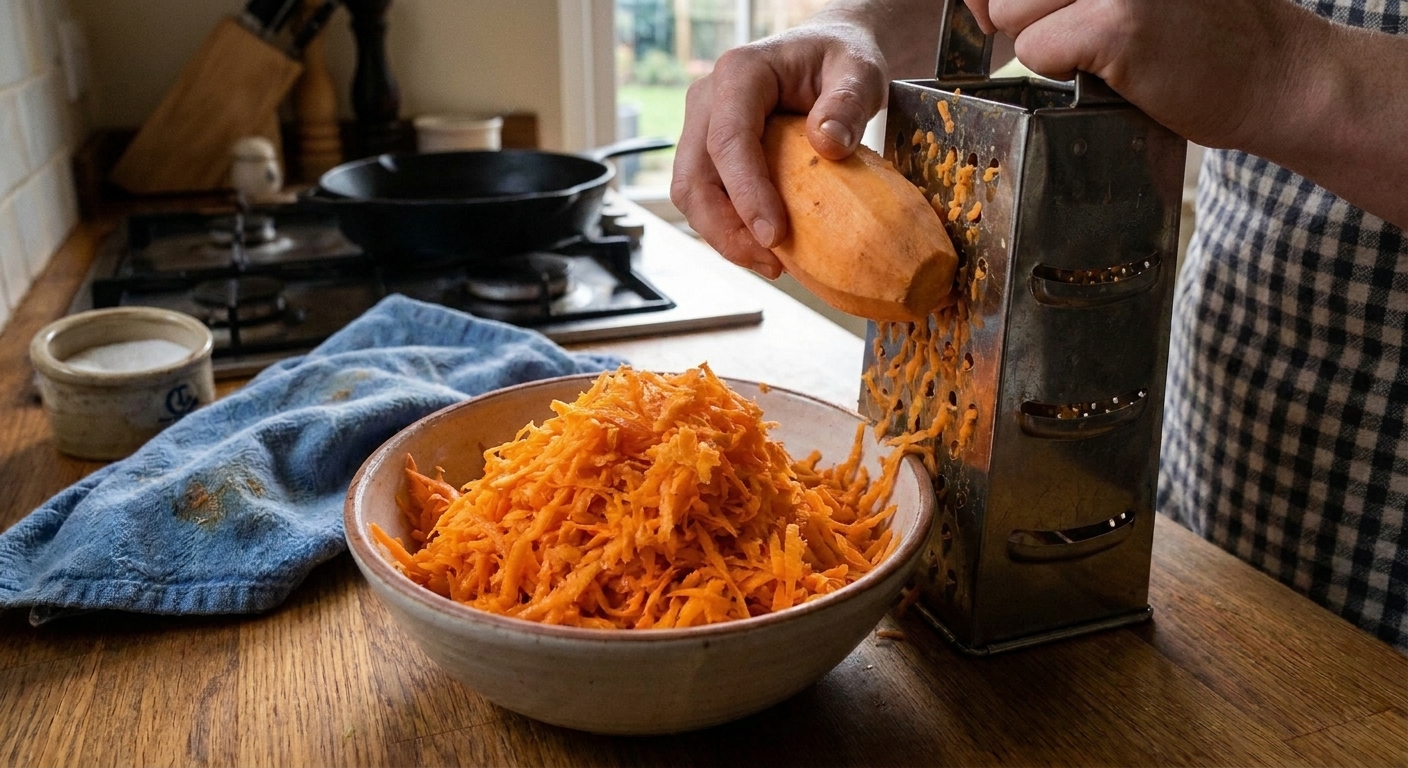
Use the small holes on a box grater, or the fine shredding disc on a food processor. You want shreds that are short and juicy, not long strands. A coarse grate can make the pone stringy and slower to set.
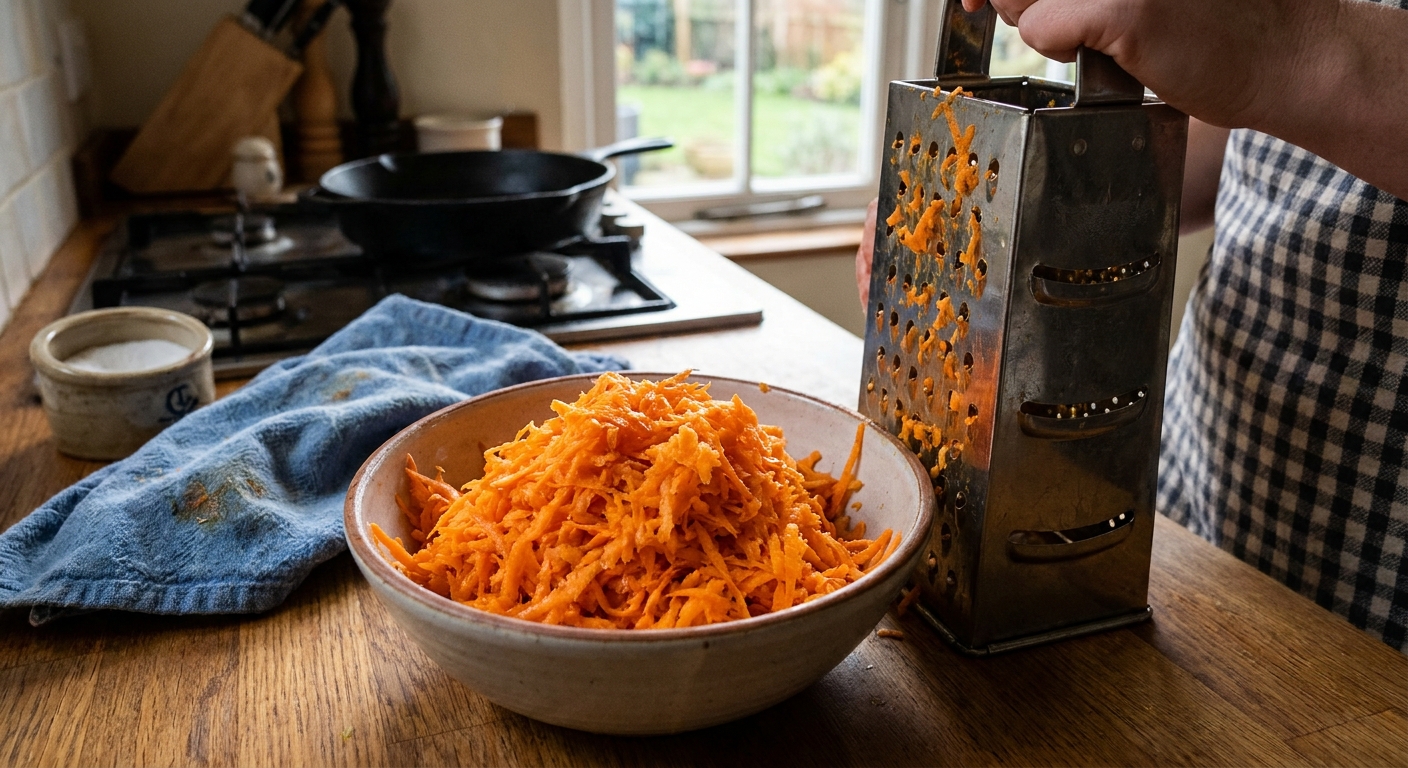
A bowl of finely grated sweet potato with short moist shreds next to a box grater on a kitchen counter

Should I squeeze the grated sweet potato?

Usually, no. For pone, that moisture is part of what helps it bake up custardy and cohesive. If your sweet potatoes are extremely wet (it happens), you can blot very lightly, but do not wring them out or the pone can bake up dry and crumbly.

How deep should the batter be in the pan?

Aim for a batter depth of about 1 to 1 1/2 inches. Too shallow and it can dry out before the center sets. Too deep and the middle can take longer to bake and may feel heavy or underdone.

What pan size can I use if I do not have a 9 x 13?

This recipe is tested in a 9 x 13-inch dish. If you use a smaller pan (like a 9 x 9), the batter will be deeper and you should expect a longer bake. If you use two smaller dishes, start checking a little earlier. No matter what pan you choose, use the doneness cues instead of the clock.

How do I know when sweet potato pone is done?

Look for three cues:

  • The top is glossy and deep golden brown.
  • The edges are set and slightly pulling away from the pan.
  • A thin knife or skewer inserted in the center comes out with just a few moist crumbs, not wet batter.

It will continue to firm up as it cools, so do not chase a totally dry skewer.

Do I have to use coconut milk?

Coconut milk is a big part of the flavor and texture. If you need a swap, evaporated milk is often the closest in richness. Whole milk can work too, and if you want a little more body, stir in a tablespoon or two of melted butter. The pone will taste less coconutty and may brown a little differently.

Why is my pone oily or greasy?

A few common culprits:

  • Underbaking: if the center is still loose, the fats have not fully set into the crumb yet.
  • Very hot butter: add melted butter after it cools slightly so it blends smoothly instead of separating.
  • Coconut releasing oil: shredded coconut can give off oil as it bakes. This is normal in small amounts, but if you see lots of pooling, double check doneness and let it cool fully before cutting.
  • Slicing too soon: pone tightens as it cools. Cutting hot can make it seem greasy and soft.

Let it cool completely and, if needed, chill for cleaner slices and a firmer set.
I love desserts that feel like a hug from the oven, and pone is exactly that. It is the kind of pan-baked treat that makes the kitchen smell like cinnamon and toasted coconut, and it slices up like you meant to share. I also appreciate any recipe where the “secret” is just paying attention to simple things like grate size and pan depth. Tiny details, big cozy rewards.