Common Questions
What is the best beef for stir fry?
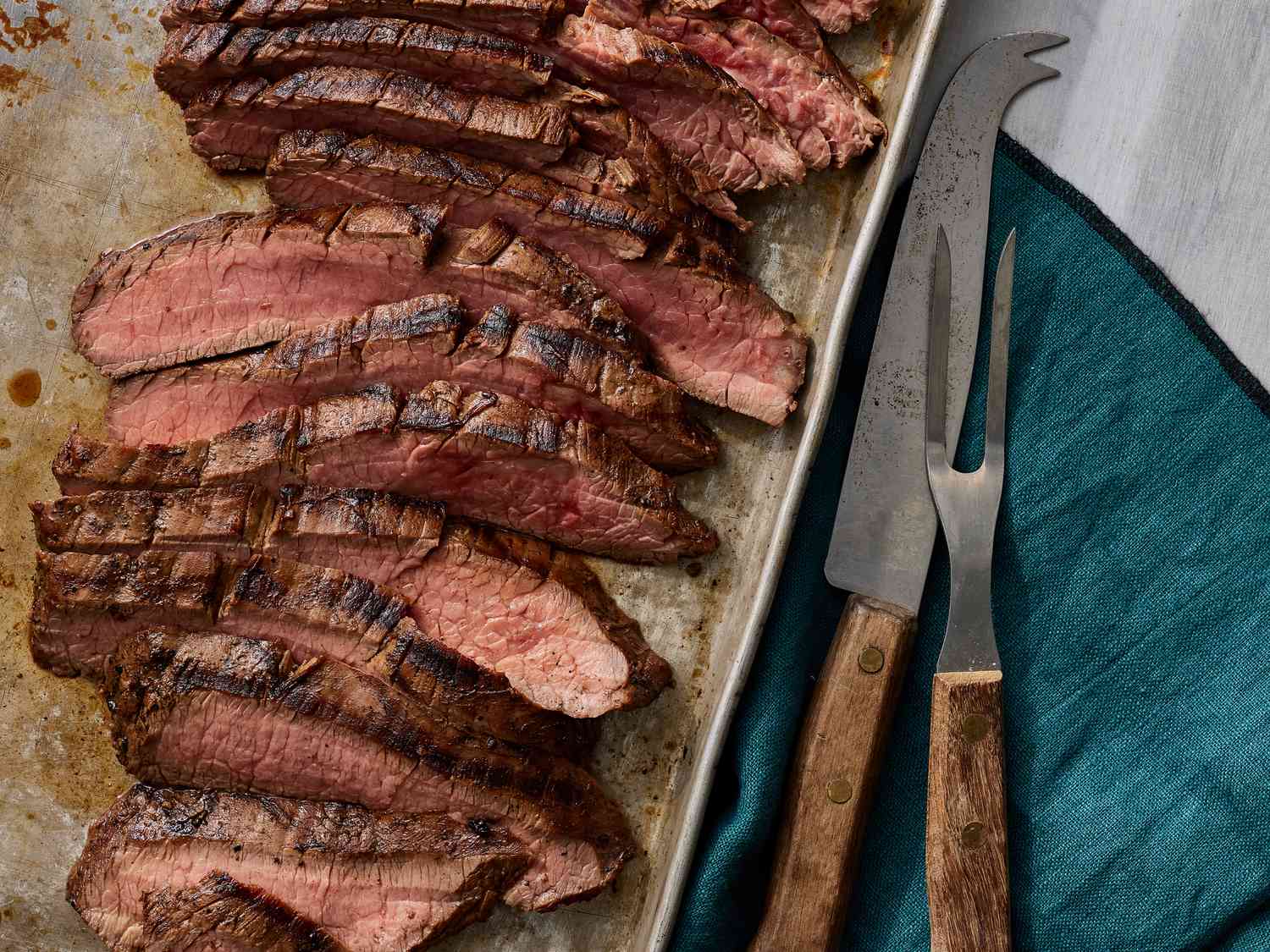
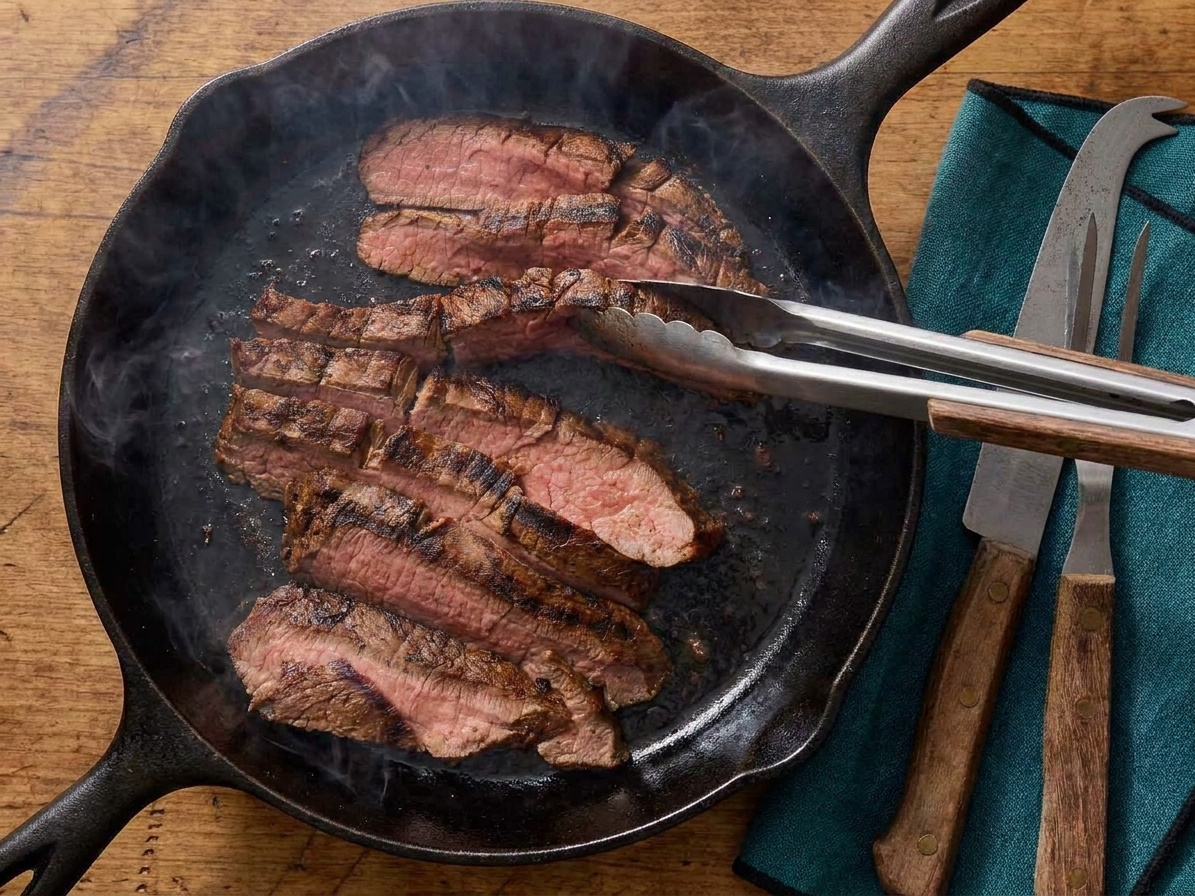
Flank steak and skirt steak are my favorites for big flavor, as long as you slice them thinly against the grain. Sirloin is a great, easy-to-find option that stays tender. If you want a more luxurious bite, ribeye is incredible (pricey, but wow).
Can I use stew meat or chuck roast?
You can, but I would not recommend it for quick stir fry. Those cuts are built for low and slow. If that’s what you have, slice it paper thin, marinate longer (30 to 60 minutes), and keep expectations realistic. It will still be chewier than flank or sirloin.
How do I slice beef for stir fry?
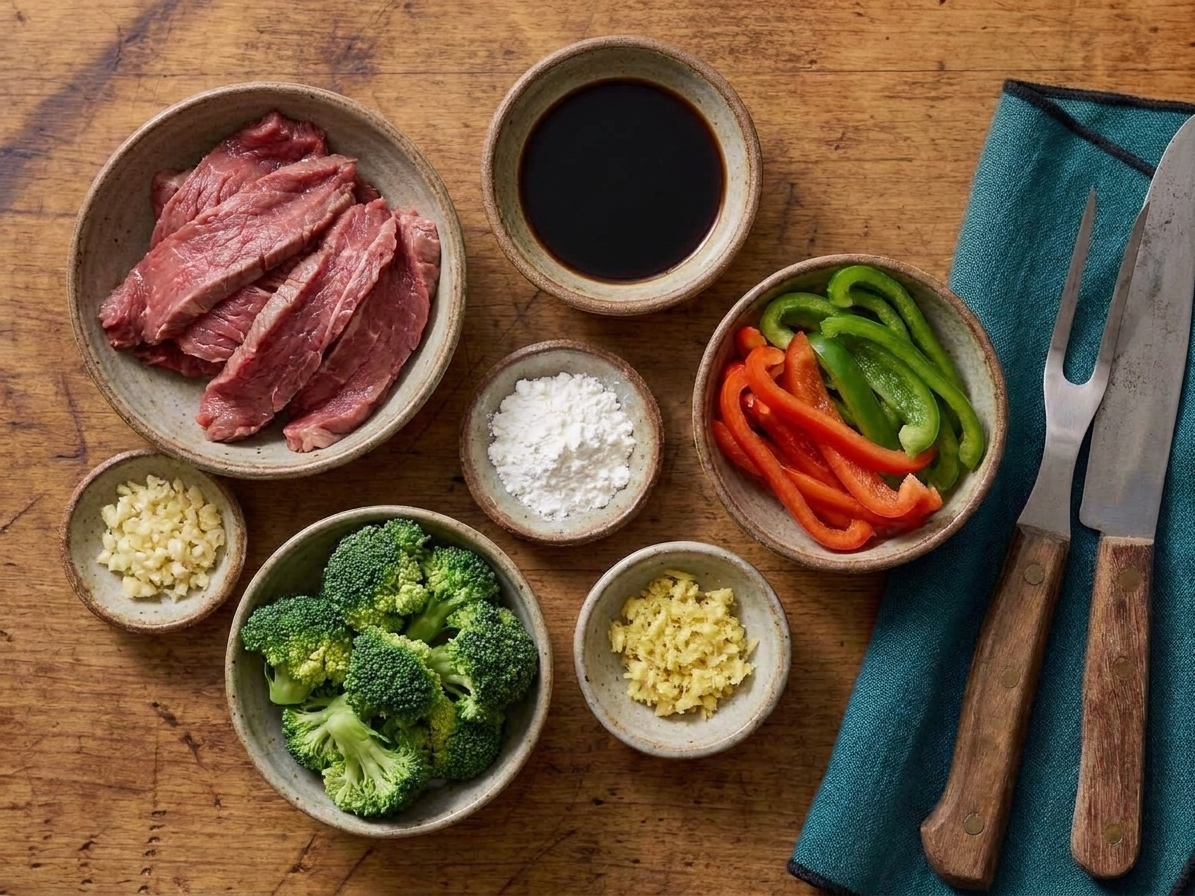
Slice against the grain into thin strips, about 1/8-inch thick if you can. If you are not sure which way the grain runs, look for the long muscle lines and cut across them. A quick trick: freeze the beef for 15 to 20 minutes so it firms up and slices cleanly. Bonus tip for flank and skirt: slice on a slight bias to get wider, more tender pieces.
Why add cornstarch to the beef?
Cornstarch lightly coats the meat and helps it retain moisture during high heat cooking. It also helps the sauce cling better at the end, which is exactly what we want.
Do I need a wok?
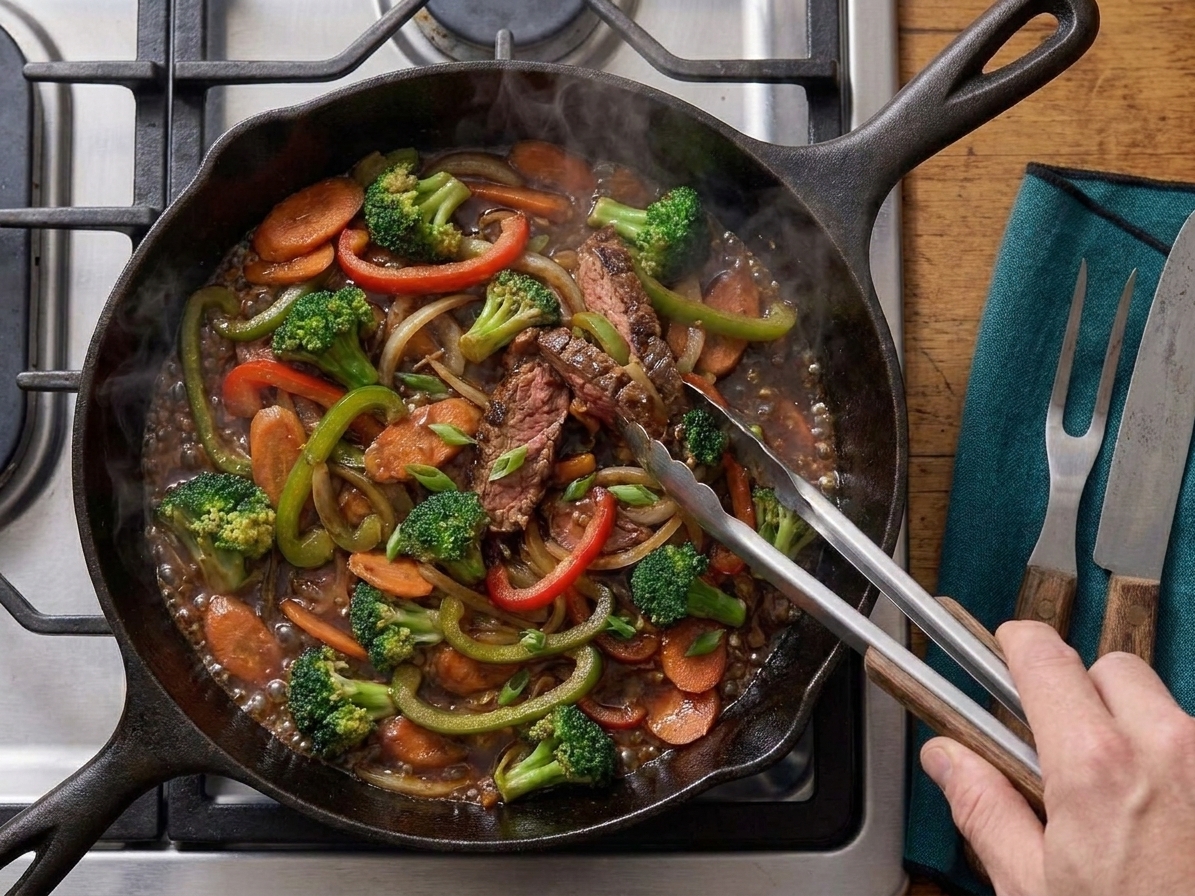
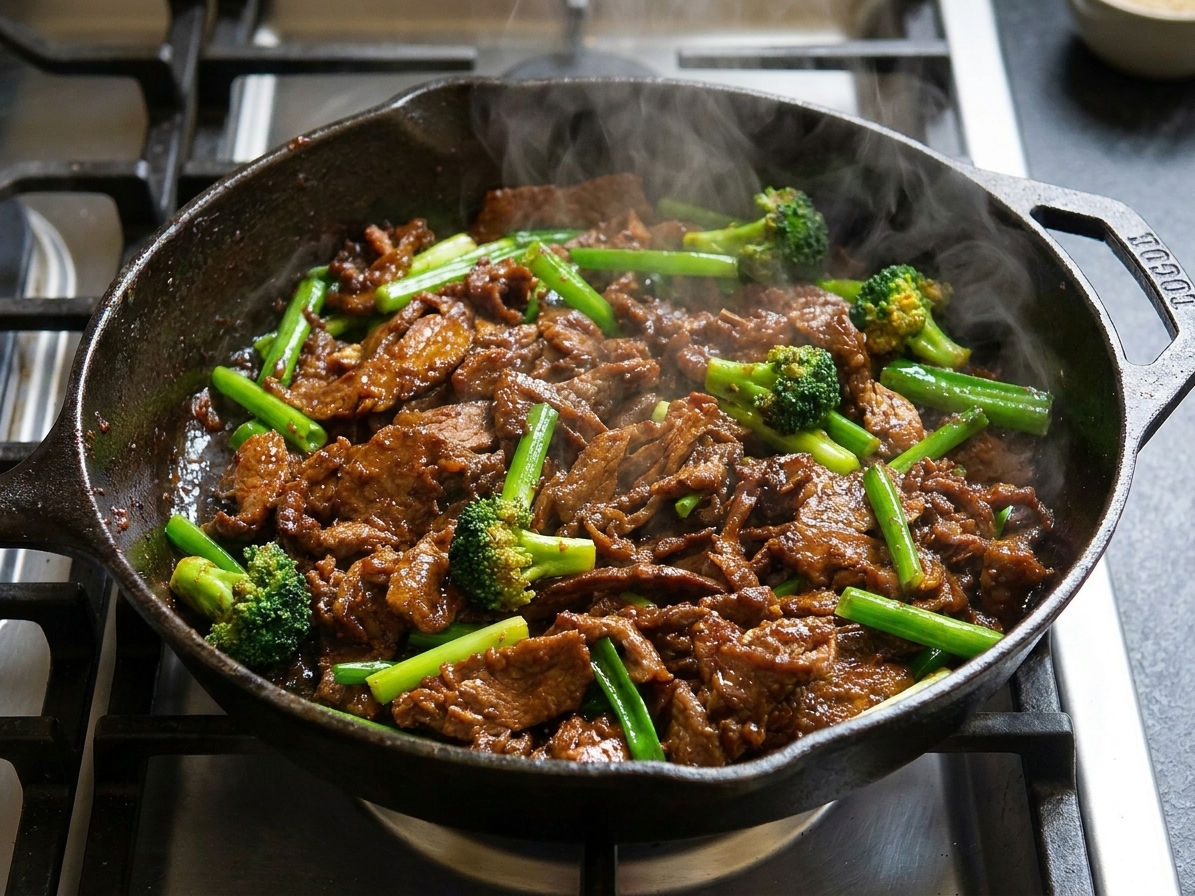
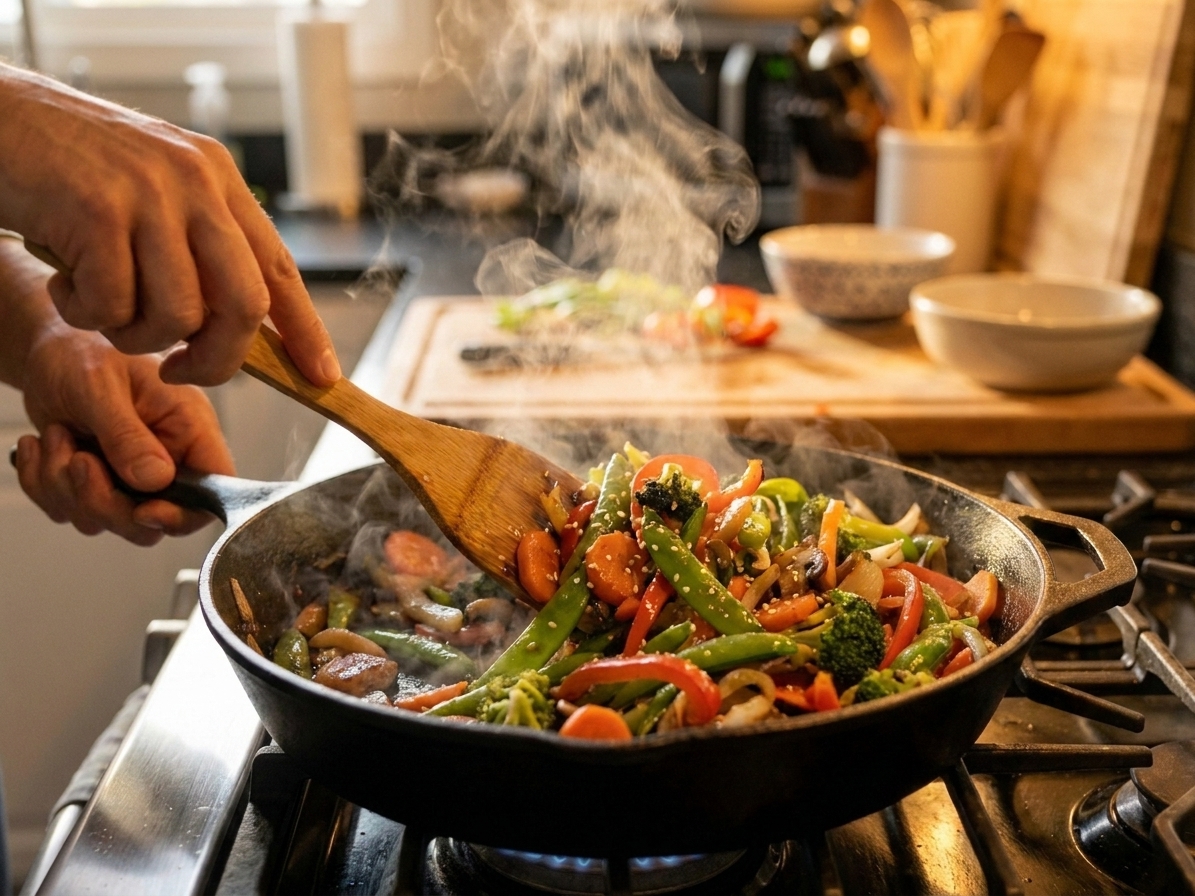
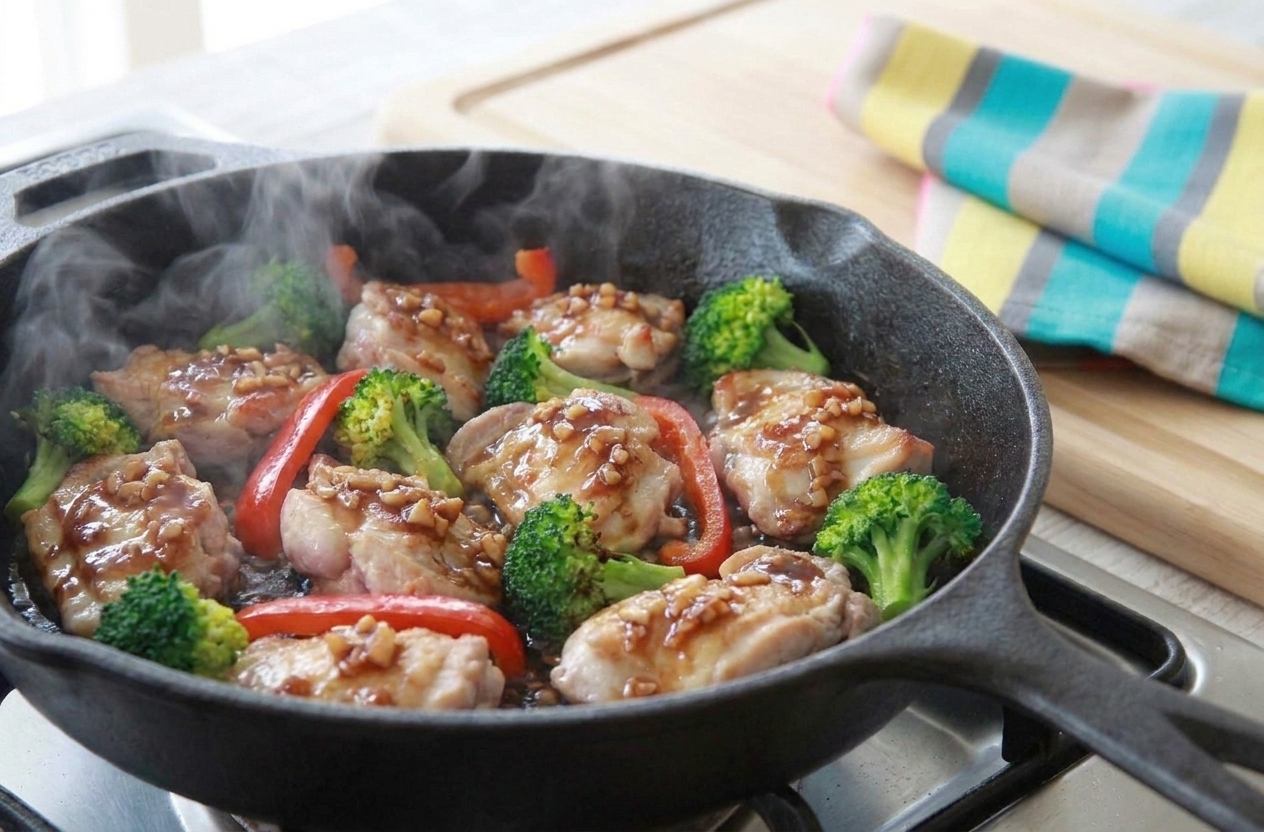
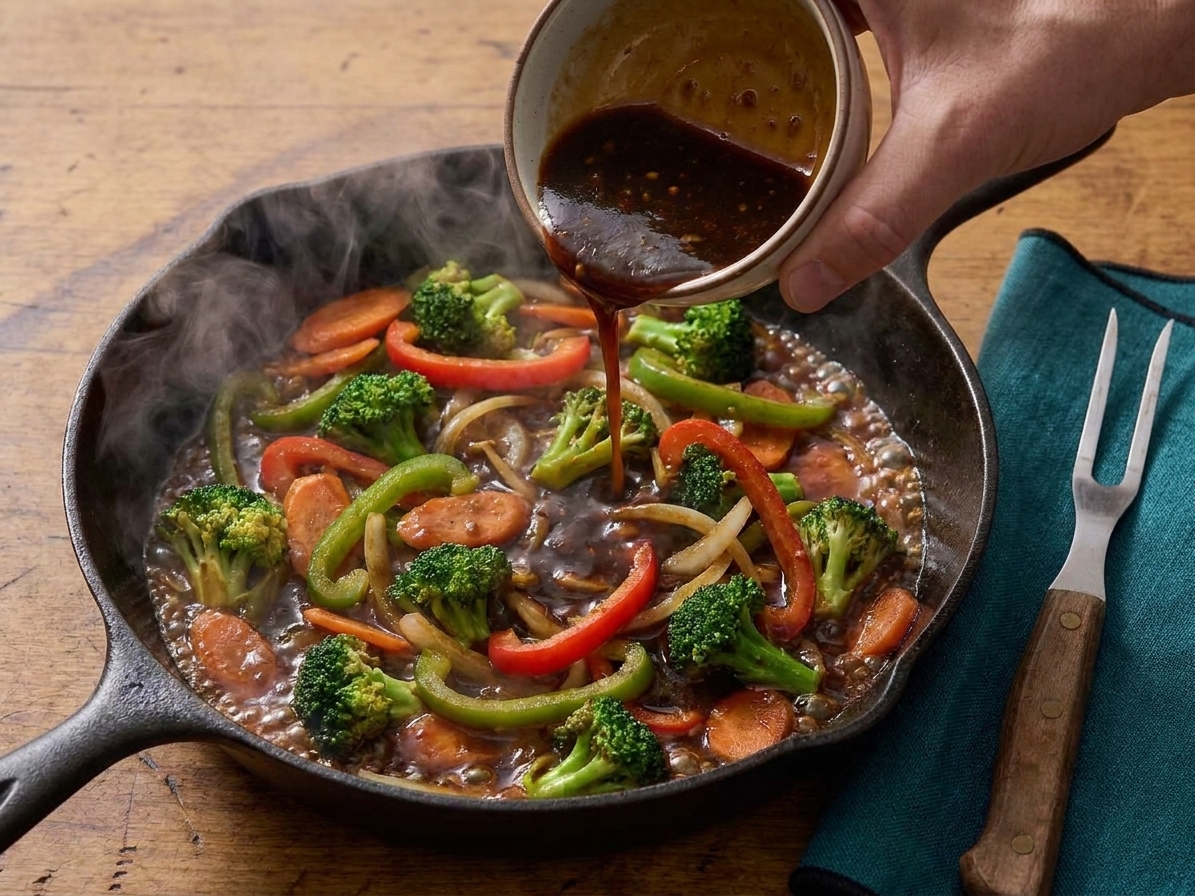
Nope. A large skillet works great. Use the biggest pan you own and let it preheat so you get sear instead of steam. Cast iron holds heat like a champ, stainless needs a solid preheat, and nonstick will work in a pinch (just expect less browning).
How do I keep the beef from getting tough?
Three things: slice thin against the grain, do not crowd the pan, and cook the beef fast. Stir fry beef is not a “leave it in there just to be safe” situation.