Mom's Best Recipes
Recipe

Tender Marinated London Broil

A bold, pantry-friendly marinade and a high-heat cook turn this budget cut into juicy, steakhouse-style slices with crisp edges and a glossy pan sauce option.

Author By Matt Campbell
4.8
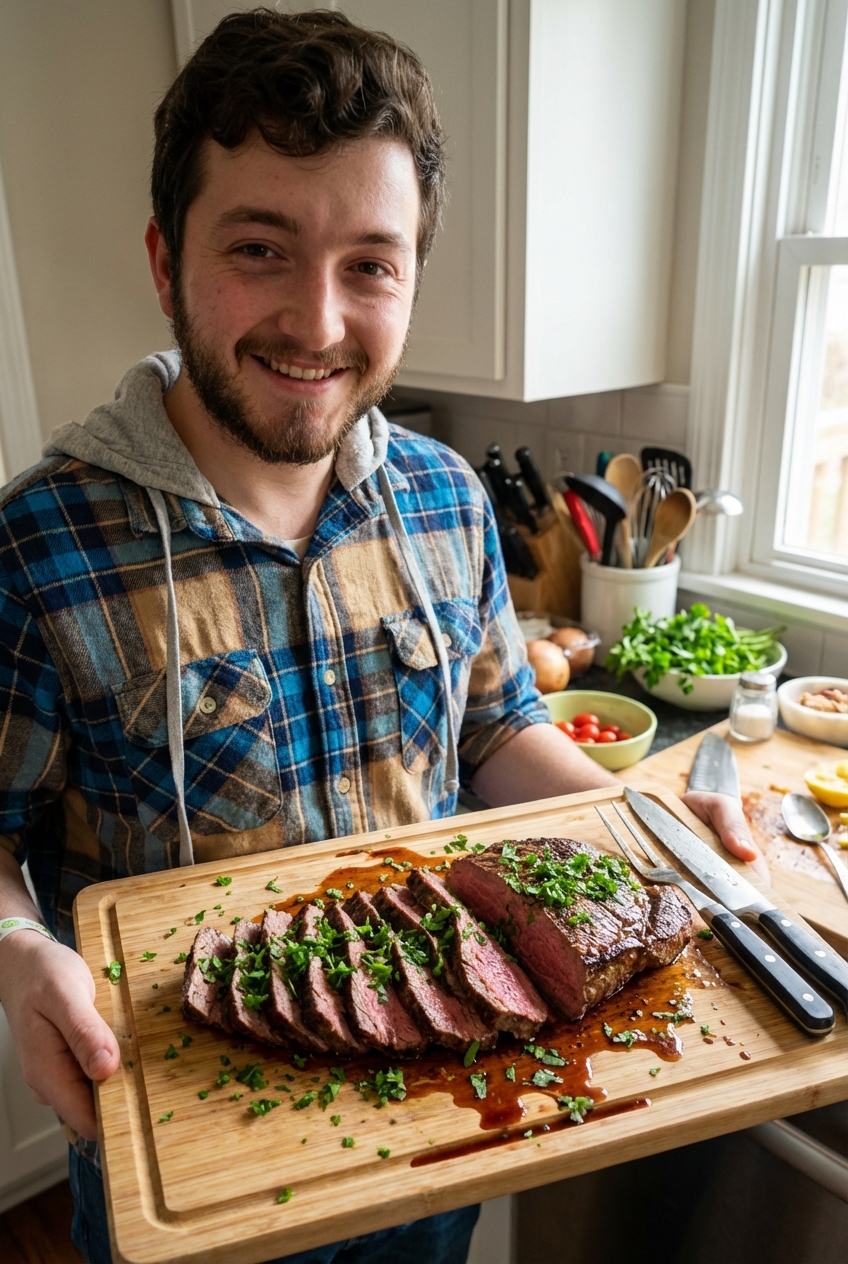
A sliced London broil steak fanned on a cutting board with a glossy marinade-based pan sauce and chopped parsley

London broil has a reputation. Sometimes it is tender and beefy and you feel like a weeknight genius. Sometimes it is chewy enough to qualify as a jaw workout. The fix is not complicated; it is just marinade plus the right slicing.

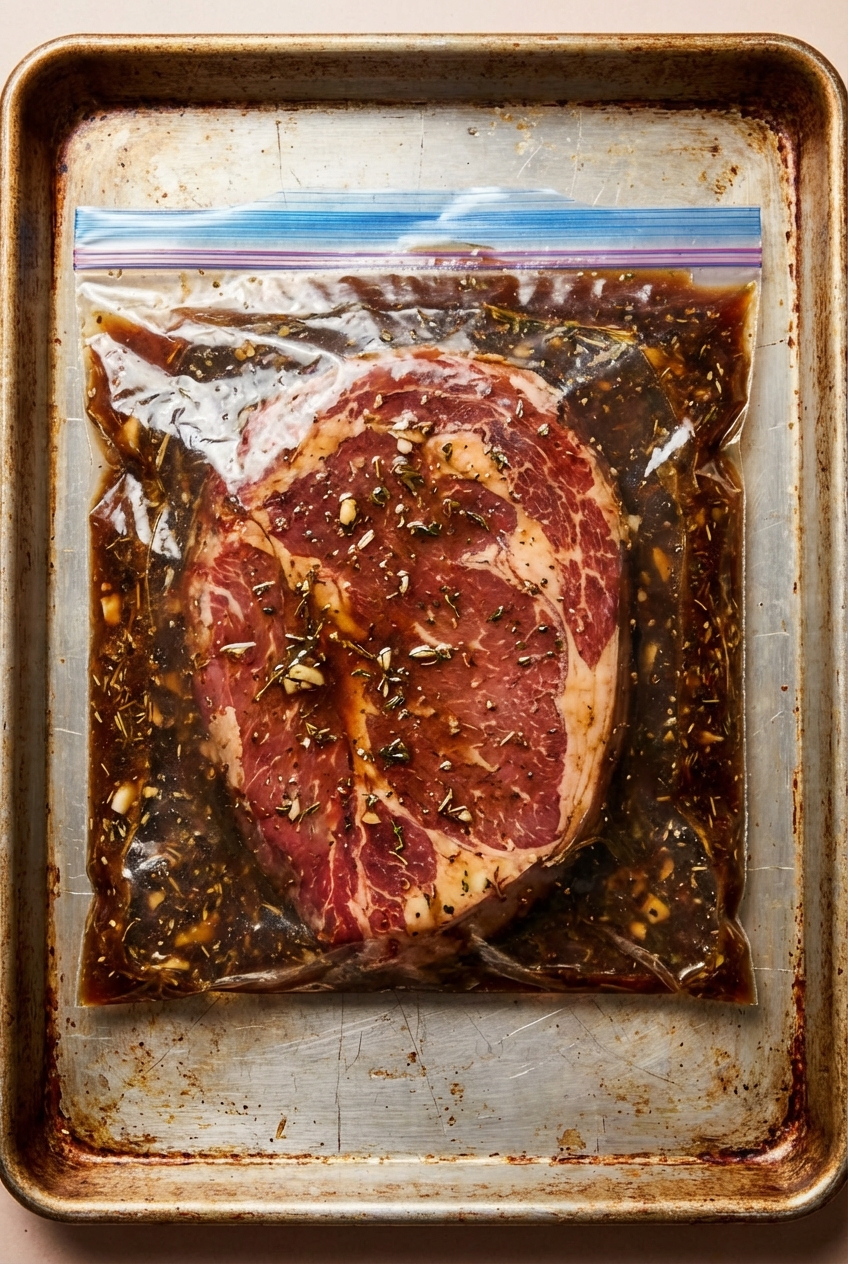
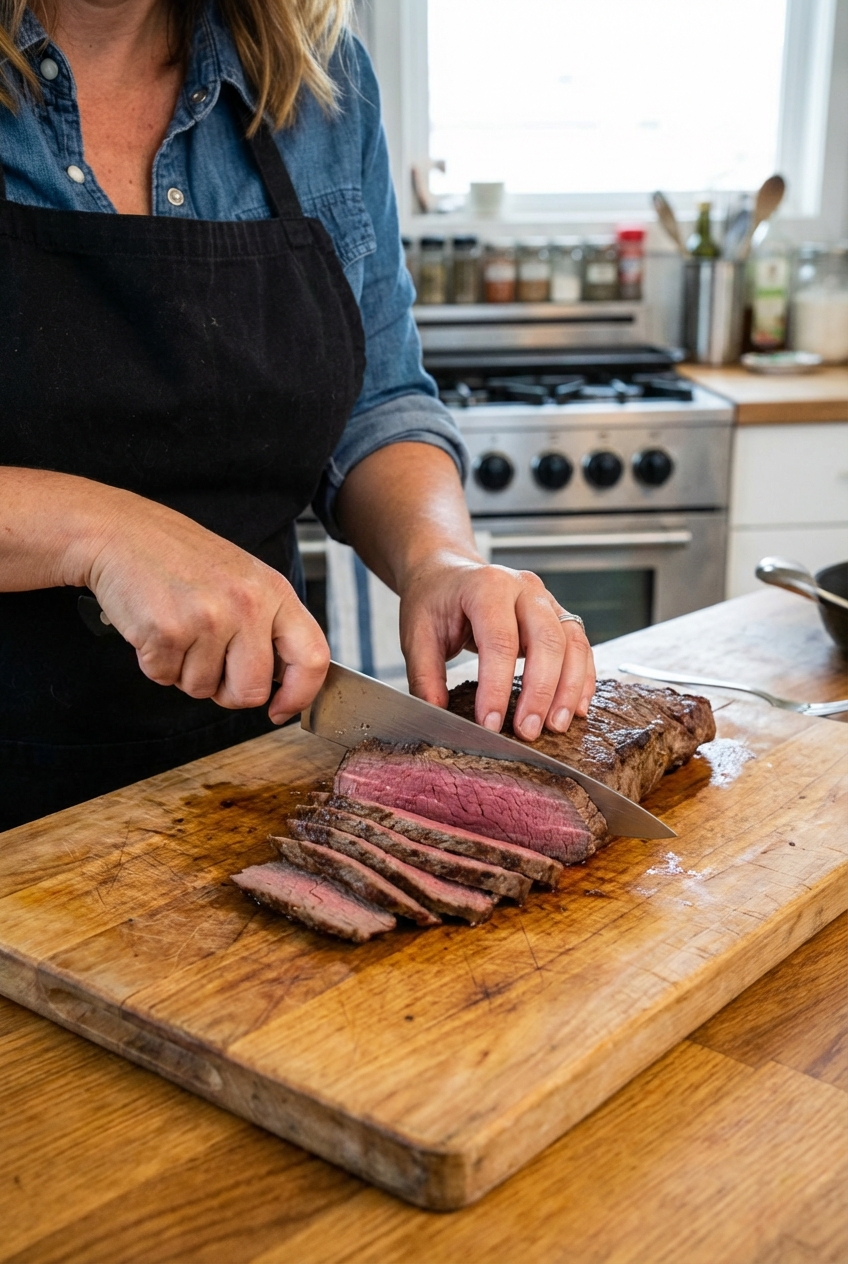
This recipe leans on a flavorful, slightly acidic marinade that seasons the surface beautifully (and helps the steak taste well seasoned throughout), then we cook the steak hot and fast (grill or broiler) and slice it thinly against the grain. That last part is not a suggestion. It is the whole plot.

Bonus: the leftover marinade becomes a quick stove-top sauce if you want that “suspiciously impressive” finish, even when dinner started with a sale pack of beef and a little optimism.

A glass bowl of dark steak marinade with garlic, herbs, and a whisk resting inside

Why It Works

  • Tender results from simple science: Soy sauce seasons deeply over time, acids mainly work on the surface, and a touch of brown sugar encourages caramelization.
  • Big flavor with accessible ingredients: This is mostly pantry stuff, no mystery powders required.
  • High heat equals great texture: Grilling or broiling gives you a browned crust while keeping the middle juicy.
  • Slicing strategy saves the day: Cutting thinly against the grain shortens muscle fibers so each bite eats like a much pricier steak.
  • Built-in second act: Leftovers turn into steak sandwiches, salads, tacos, and fried rice without tasting like “sad reheated meat.”

Storage Tips

How to Store Leftovers

  • Refrigerate: Store sliced steak in an airtight container for up to 4 days. Spoon any juices over the top to keep it moist.
  • Freeze: Freeze sliced portions (with juices) for up to 2 months. Thaw overnight in the fridge.
  • Reheat without drying out: Warm gently in a covered skillet with a splash of broth or water, or microwave at 50 percent power in short bursts. Or skip reheating and serve it cold on a salad like you planned that.
  • Leftover ideas: Pile into toasted rolls with provolone and onions, toss into a noodle bowl, or chop and crisp it in a pan for tacos.

Common Questions

FAQ

What cut of meat is “London broil”?

It is usually a cooking method (marinate, cook hot, slice thin) applied to a lean cut. In many U.S. stores, “London broil” is labeled on top round or sometimes flank steak. This recipe works for either, with slightly different cook times.

How long should I marinate London broil?

For best tenderness and flavor, aim for 8 to 12 hours. Minimum is 2 hours if life is happening. Try not to exceed 24 hours since the acids can make the surface a bit mushy.

Can I cook it in a pan instead of grilling or broiling?

You can, but it is tricky because the steaks are often thick and large. If you must: sear in a hot cast iron skillet, then finish in a 425°F oven until it hits temperature.

What internal temperature should I cook it to?

  • Medium-rare: 130 to 135°F (rest to 135 to 140°F)
  • Medium: 140 to 145°F (rest to 145 to 150°F)

Lean cuts like top round get tougher the farther you go, so medium-rare to medium is the sweet spot.

How do I slice it correctly?

Look for the lines of the muscle fibers and slice across them, not parallel. Use a sharp knife and cut thin slices on a slight diagonal. If you are not sure, rotate the steak and slice a test piece. The correct direction feels easier to chew.

Is it safe to use leftover marinade as sauce?

Yes, if you boil it hard first. Bring it to a full boil so it is bubbling vigorously throughout, then boil for 1 to 2 minutes before simmering to reduce. Never brush on raw marinade after it has touched raw meat unless it is boiled. For a simpler option, reserve a few tablespoons of marinade before it touches the raw steak and use that for drizzling.

The first time I made London broil, I treated it like a regular steak. I salted it, cooked it, sliced it however my knife felt like slicing, and then spent dinner chewing like I was training for a competitive sport. Now I do it the grown-up way: a punchy marinade, high heat, a proper rest, and very thin slices against the grain. Suddenly it tastes like I know what I am doing, which is my favorite kind of cooking magic.