Mom's Best Recipes
Recipe

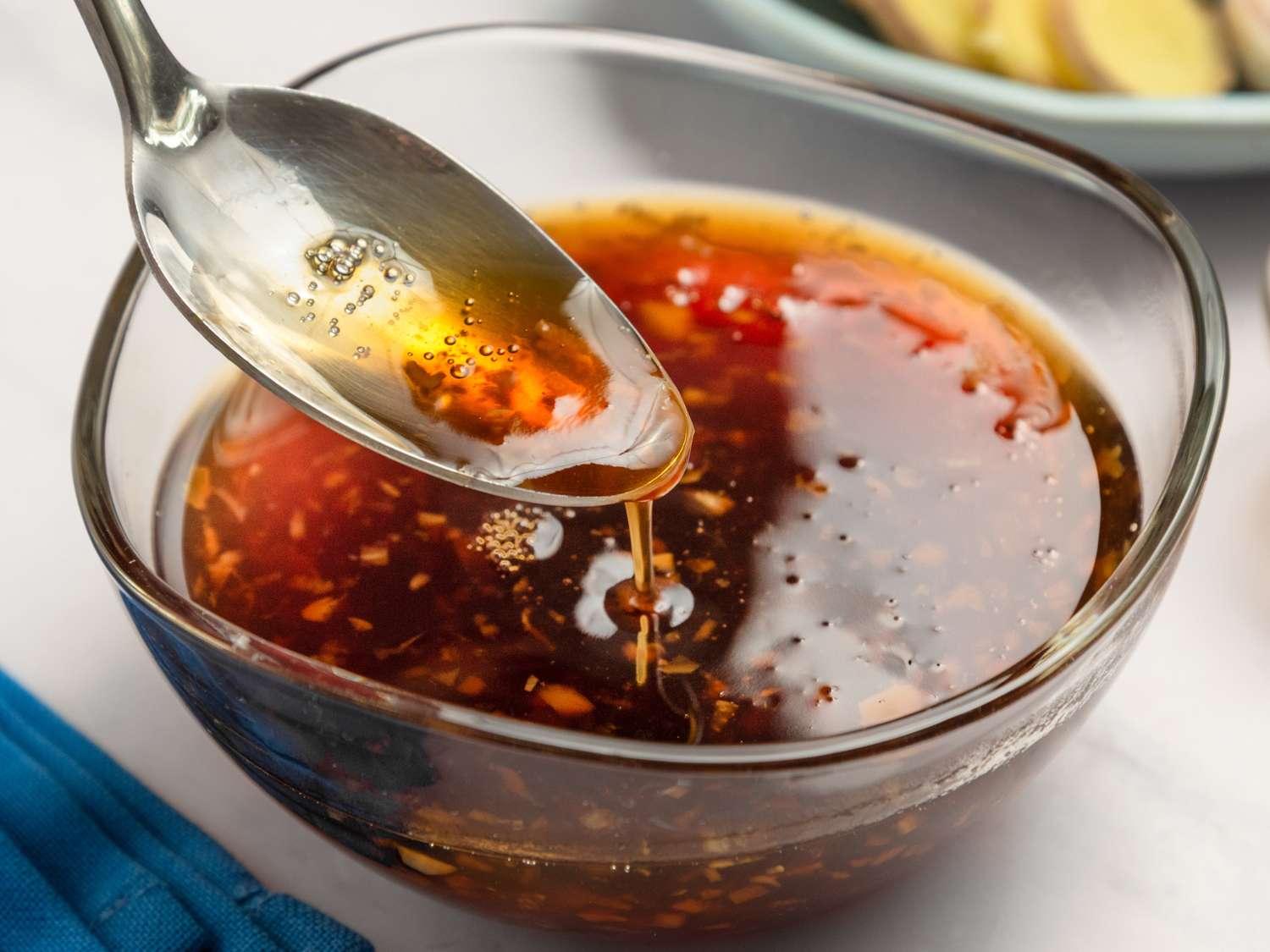
The Honey Trick Sauce

A quick honey-based sauce you can whisk into dinner to balance acidity, tame bitterness, and encourage glossy, crisp-edge-friendly browning.

Author By Matt Campbell
4.8
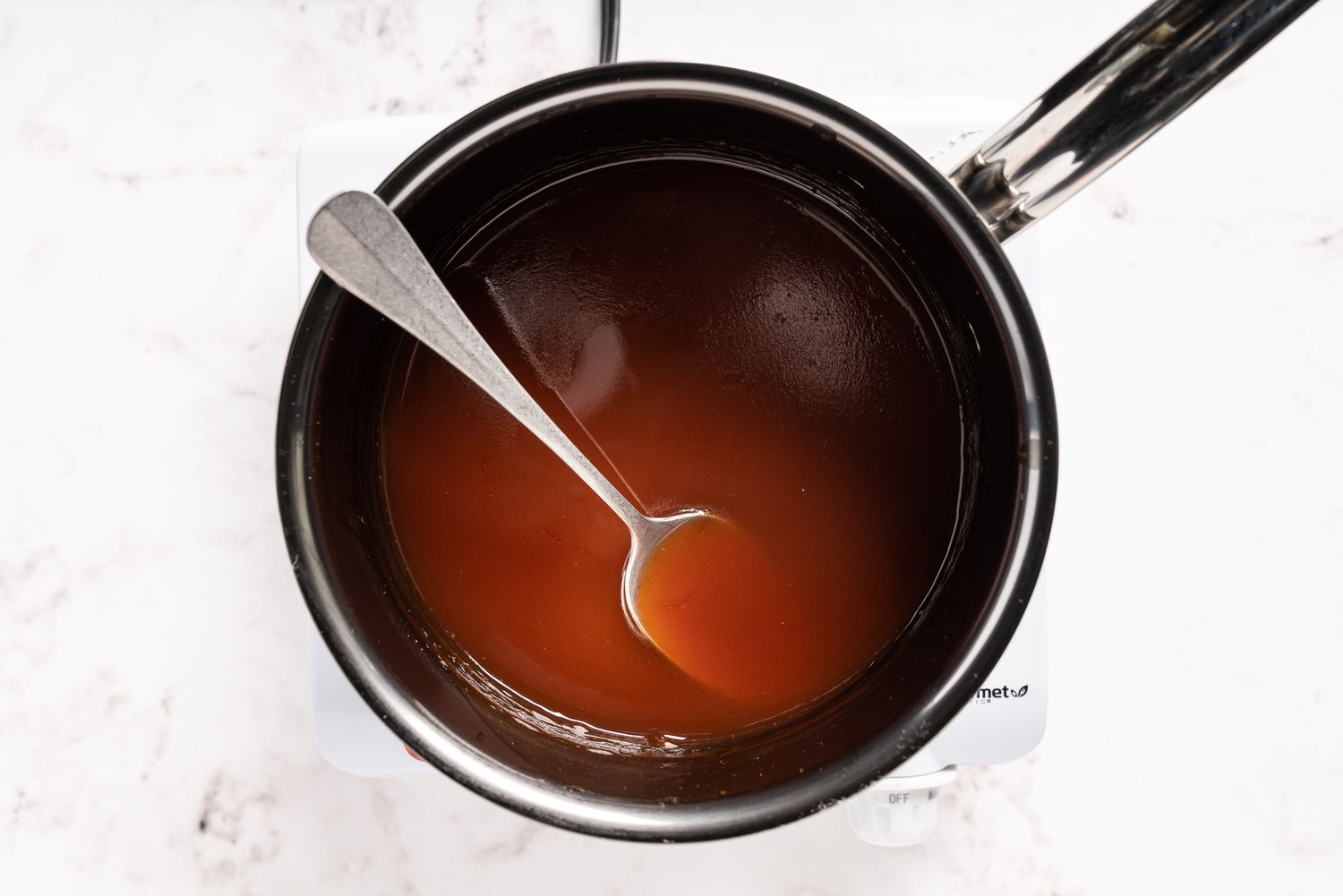
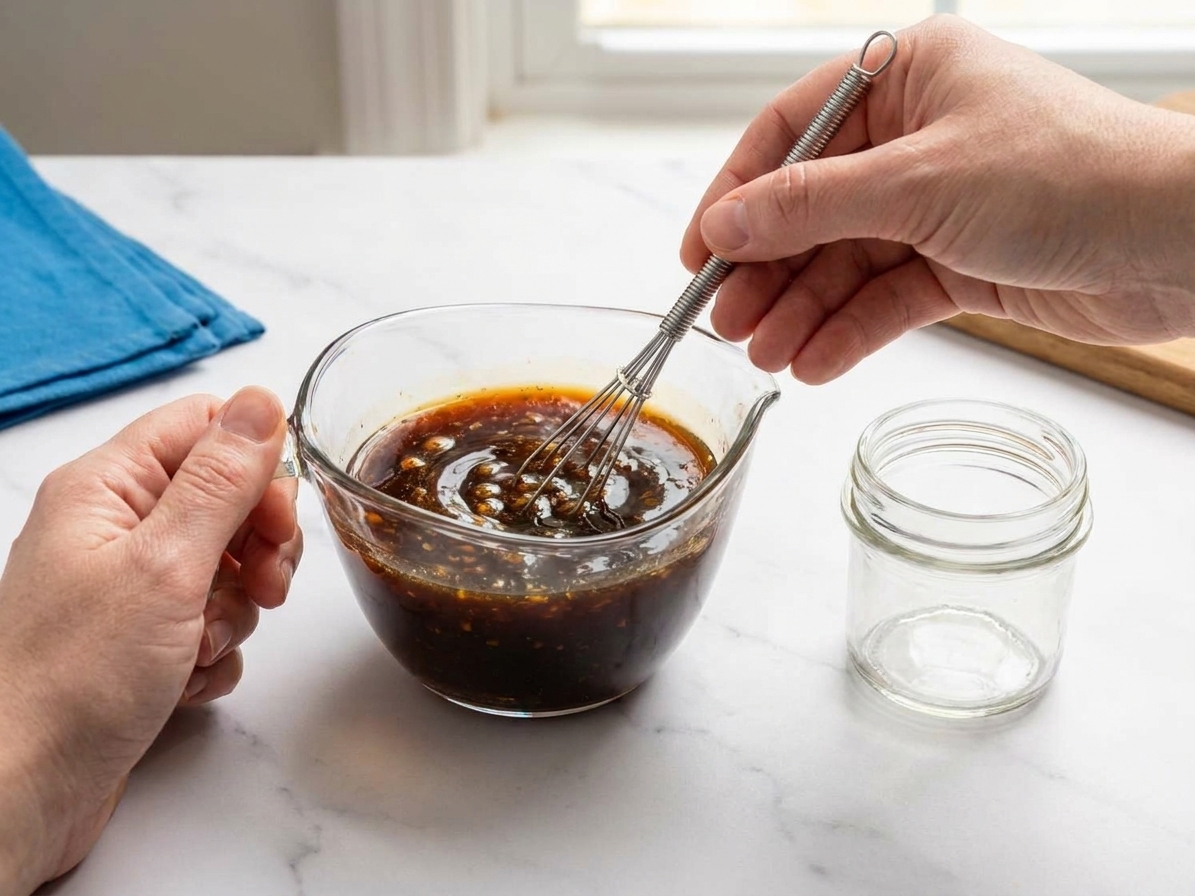
A small saucepan of glossy honey garlic sauce being whisked on a stovetop, warm kitchen lighting

Let’s talk about the honey trick, aka the tiny spoonful of sweetness that makes your food taste like you meant it. Not sugary. Not dessert. Just balanced.

I use honey when dinner is doing one of those annoying things: the tomato sauce is too sharp, the vinaigrette is too aggressive, the stir fry is salty, or the roasted veggies taste a little flat. Honey rounds the edges, pulls flavors together, and helps you get that glossy sauce and caramelized, crisp-looking edges everyone fights over.

To make it easy, I’m giving you my go-to Honey Trick Sauce. It’s a quick whisk and it keeps in the fridge, ready to rescue your next “something’s missing” moment.

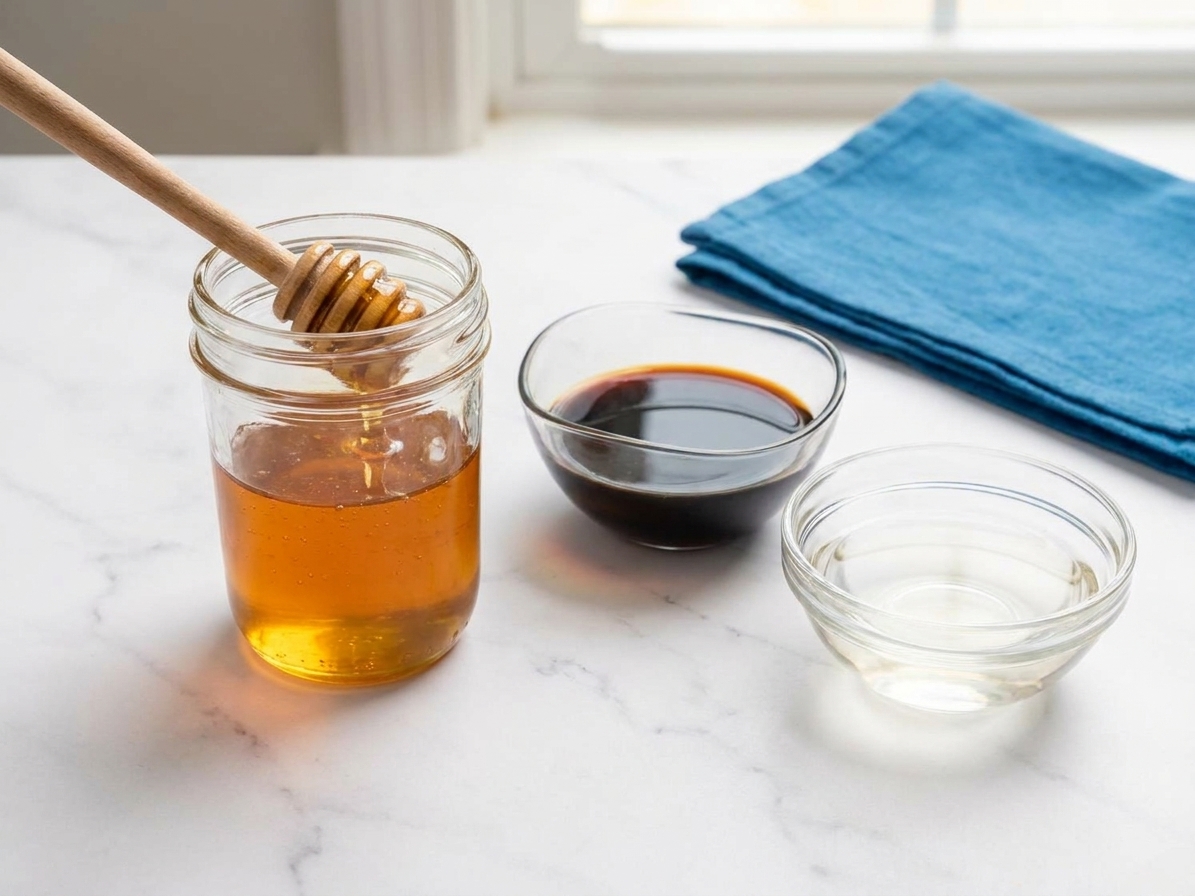
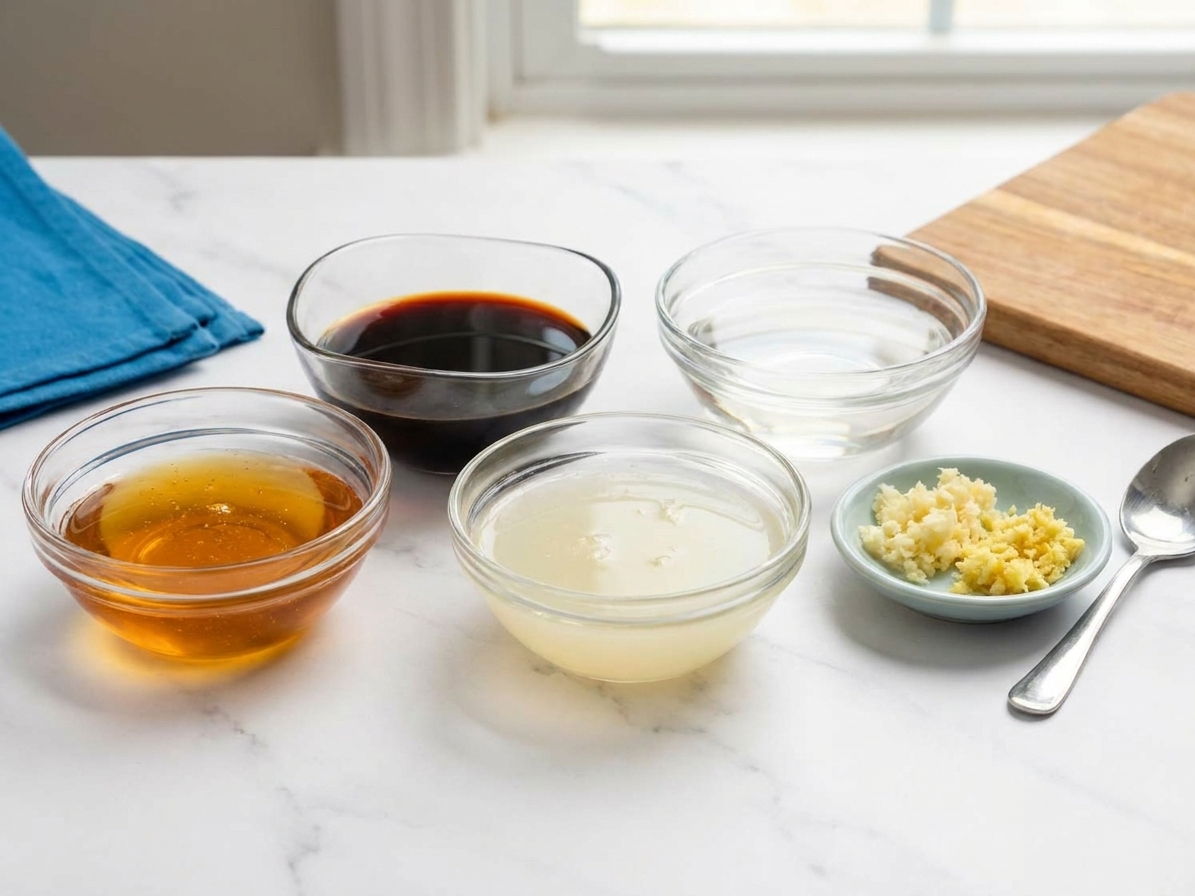
A jar of honey with a wooden dipper resting on a clean kitchen counter next to small bowls of soy sauce and vinegar

Why It Works

  • Balances acidity: Honey softens harsh vinegar, lemon, and tomato tang so your sauce tastes smoother, not sour.
  • Tames bitterness: A little sweetness can calm bitter greens, burnt edges, and over-toasted spices.
  • Promotes faster browning: Honey’s sugars help foods brown more readily in the oven or skillet. (A little goes a long way, and too much can make things sticky.)
  • Builds a glossy finish: It gives sauces that clingy, shiny coat that makes everything look and taste more put together.
  • Flexible: Use it as a glaze, a stir-in sauce fixer, or a fast marinade base.

Pairs Well With

Storage Tips

Fridge: Store in a sealed jar or container for 7 to 14 days. It may thicken slightly as it chills, which is a feature, not a bug. For best garlic flavor, use it closer to the first week.

To use again: Stir well. If it is thick, loosen with 1 to 2 teaspoons warm water or microwave for 5 to 10 seconds, then stir.

Food safety note: This sauce is best kept cold and used with clean utensils. If you brush it on raw meat, do not dip the brush back into the jar.

Common Questions

What is the honey trick in cooking?

It is using a small amount of honey to balance flavor, usually to calm acidity or bitterness and make savory food taste more complete. Think of it like salt’s friend. Honey is not there to make the dish sweet, it is there to make the other flavors taste more like themselves.

When should I add honey to a sauce?

Add it near the end when you are tasting and adjusting. That way you do not accidentally over-sweeten, and you can stop as soon as the sauce tastes rounded and finished.

Will honey make my dinner taste sweet?

Not if you use it like a seasoning. Start with 1 teaspoon for a whole pan of sauce or a sheet pan of veggies. Taste. If the sharpness is still really in your face, add another small spoon.

Can I swap maple syrup or sugar?

Yes. Maple syrup works similarly and brings its own flavor. Brown sugar also works in glazes. If you use granulated sugar, dissolve it fully and go lighter since it can taste more one-note than honey.

Does honey burn easily?

It can, especially at high heat. For broiling or very hot roasting, apply honey glazes toward the end (often the last 5 to 10 minutes) and watch closely. Timing depends on oven temperature, sugar concentration, and how thick your food is. If it is darkening fast, pull it early. You can also dilute the honey with another liquid like soy sauce, citrus, or water to slow scorching.

What dishes love this sauce?

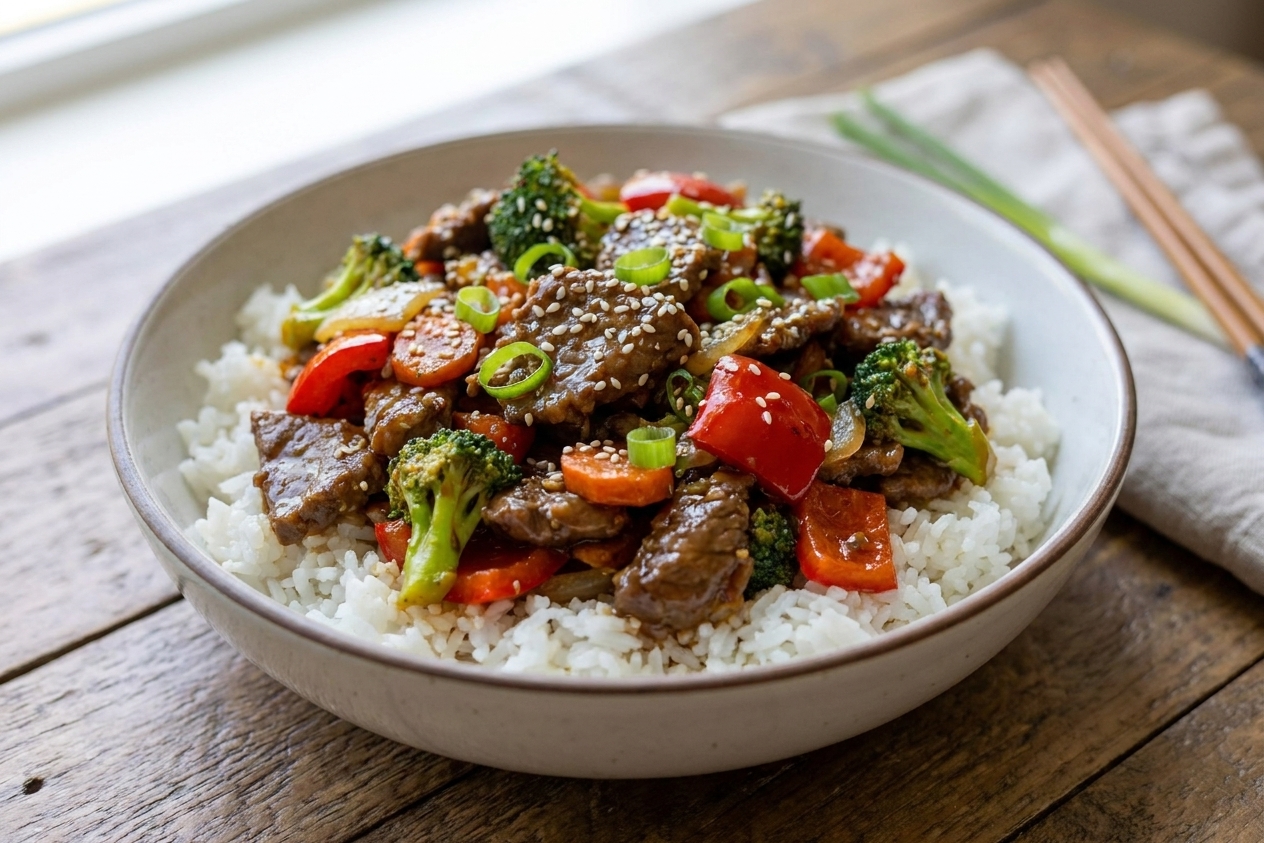
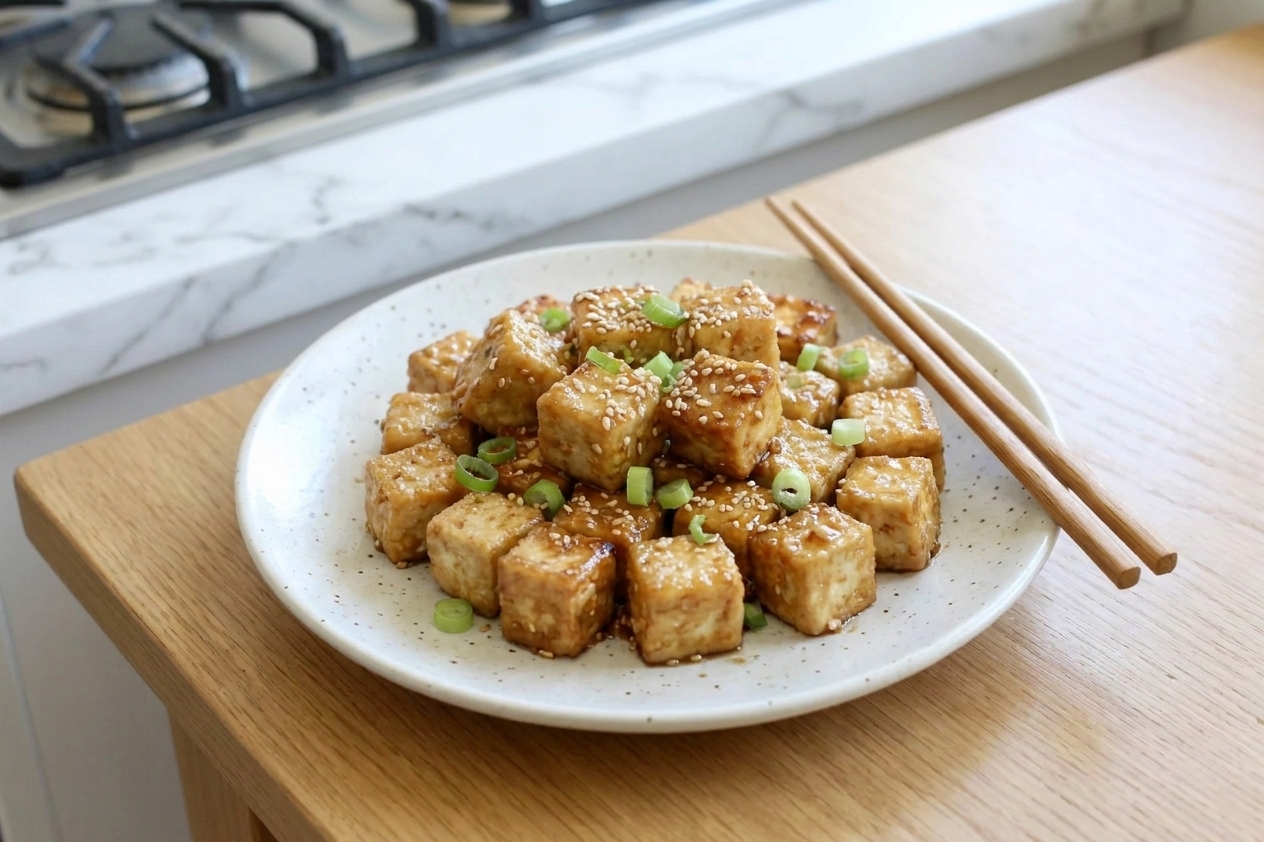
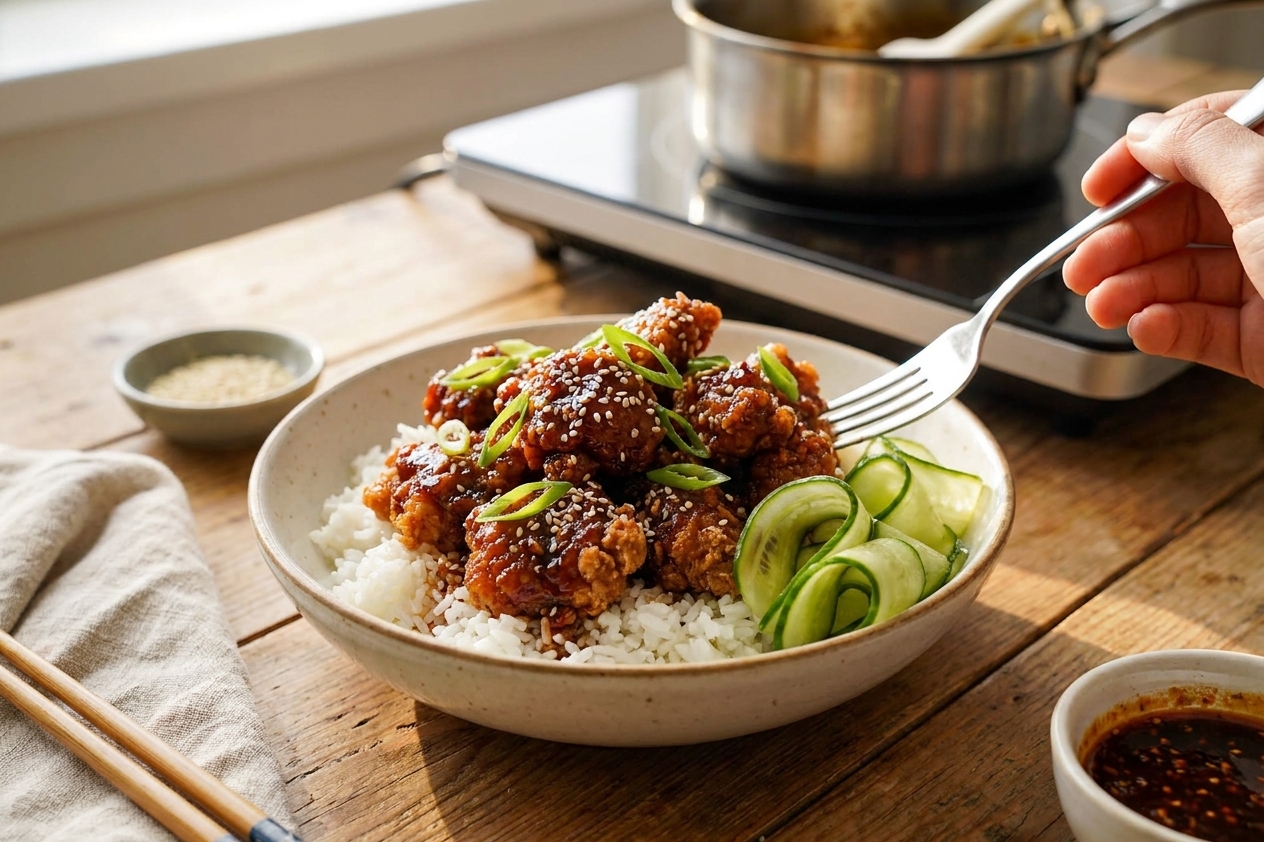
Chicken thighs, salmon, tofu, Brussels sprouts, carrots, roasted sweet potatoes, stir fries, grain bowls, and anything that tastes great with a salty sweet tang.

Is there a soy-free or gluten-free option?

Gluten-free: use tamari. Soy-free:honey is not vegan.

Chicken thighs in a skillet being brushed with a shiny honey glaze, steam rising under warm kitchen lighting

I used to think honey belonged in tea, granola, and maybe that one mustard sauce at a barbecue place. Then I started cooking more on the fly, tasting as I go, and noticing how often my food was almost there. Too sharp. Too bitter. Too salty. Not bad, just unfinished.

One night I rescued a lemony pan sauce with a lazy spoonful of honey and it clicked. It did not taste sweet. It tasted like the sauce finally took a deep breath and relaxed. Now I keep this little honey sauce in the fridge like a weeknight safety net. It is the difference between “fine” and “can you make this again?”