Mom's Best Recipes
Recipe

Traditional Butternut Squash Soup

Creamy butternut squash soup with warm spices, sweet roasted squash, and a silky finish. Cozy, simple, and weeknight-friendly.

Author By Matt Campbell
4.8
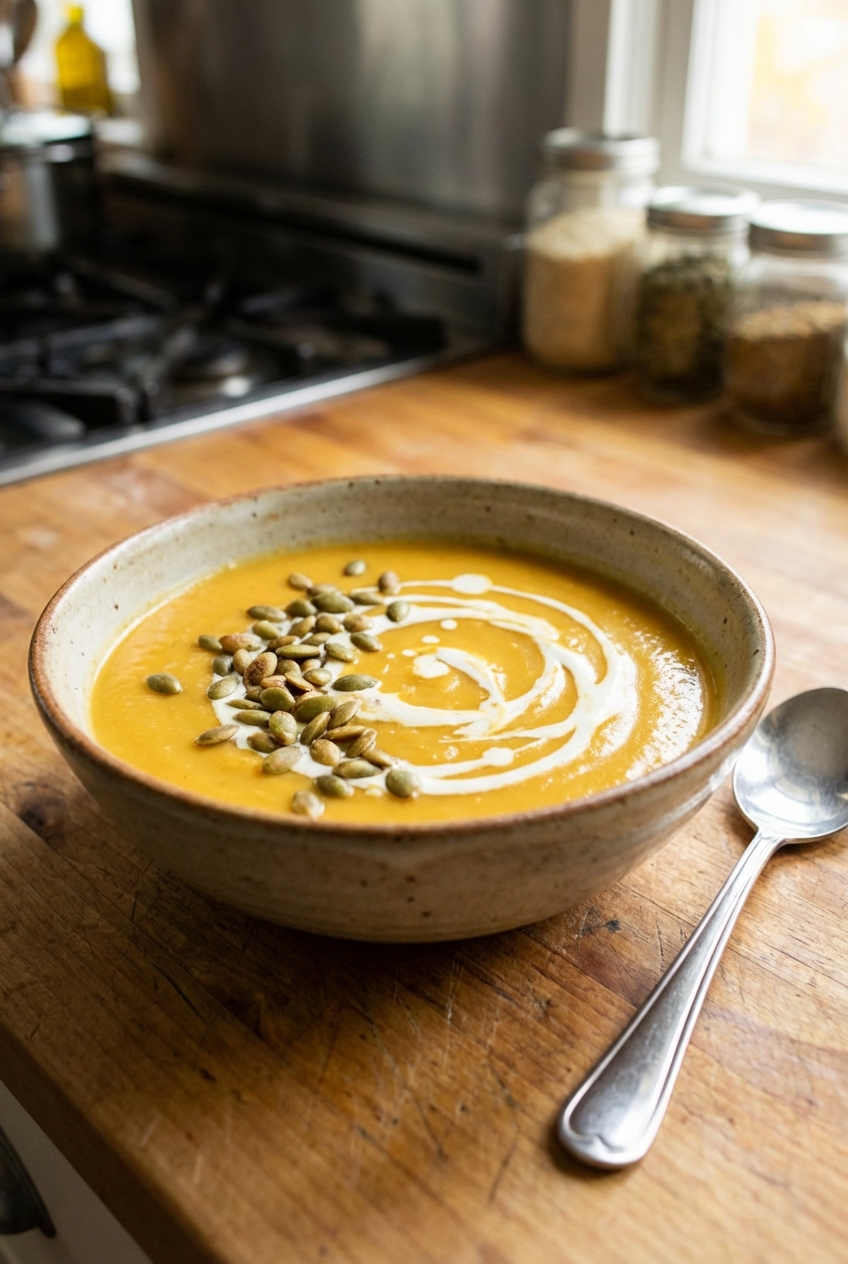
A bowl of creamy butternut squash soup topped with toasted pepitas and a swirl of cream on a wooden table with a spoon beside it

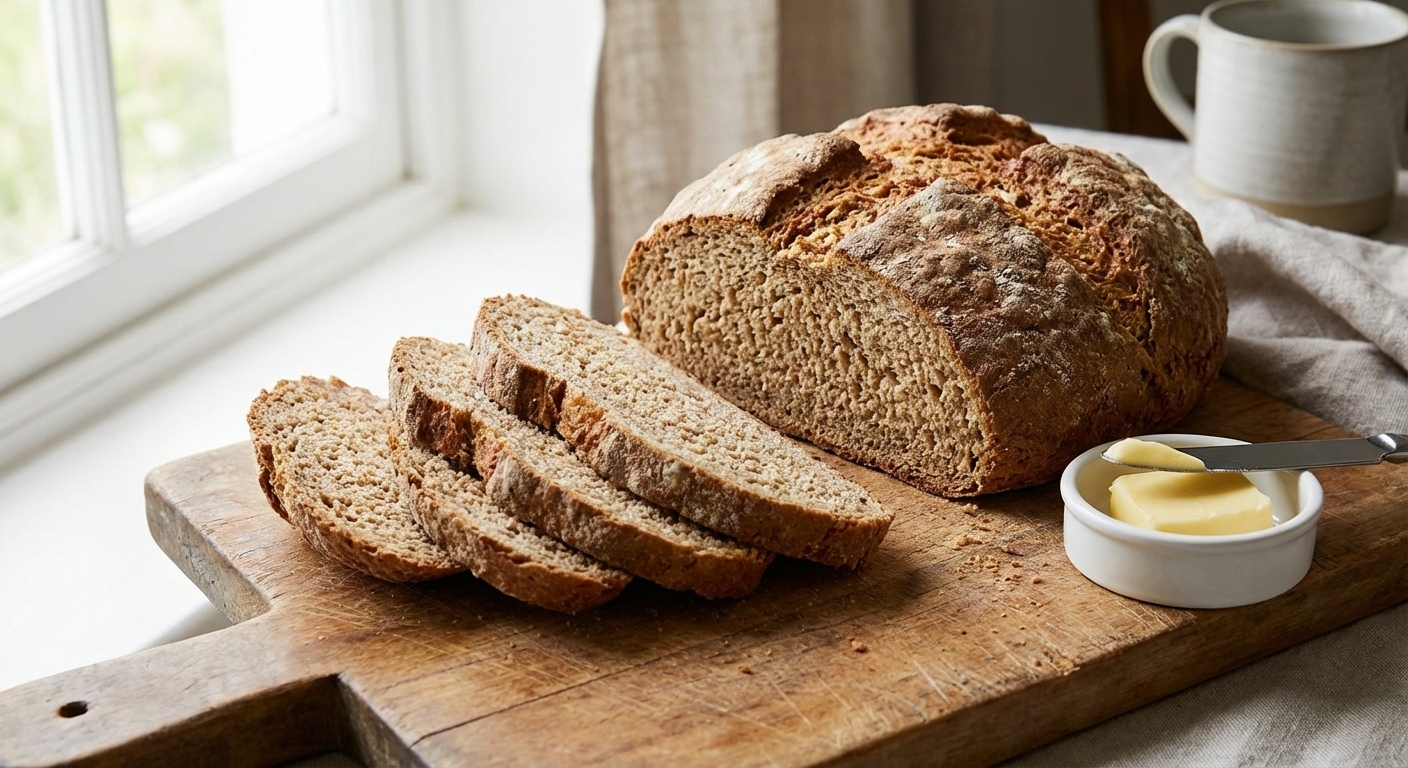
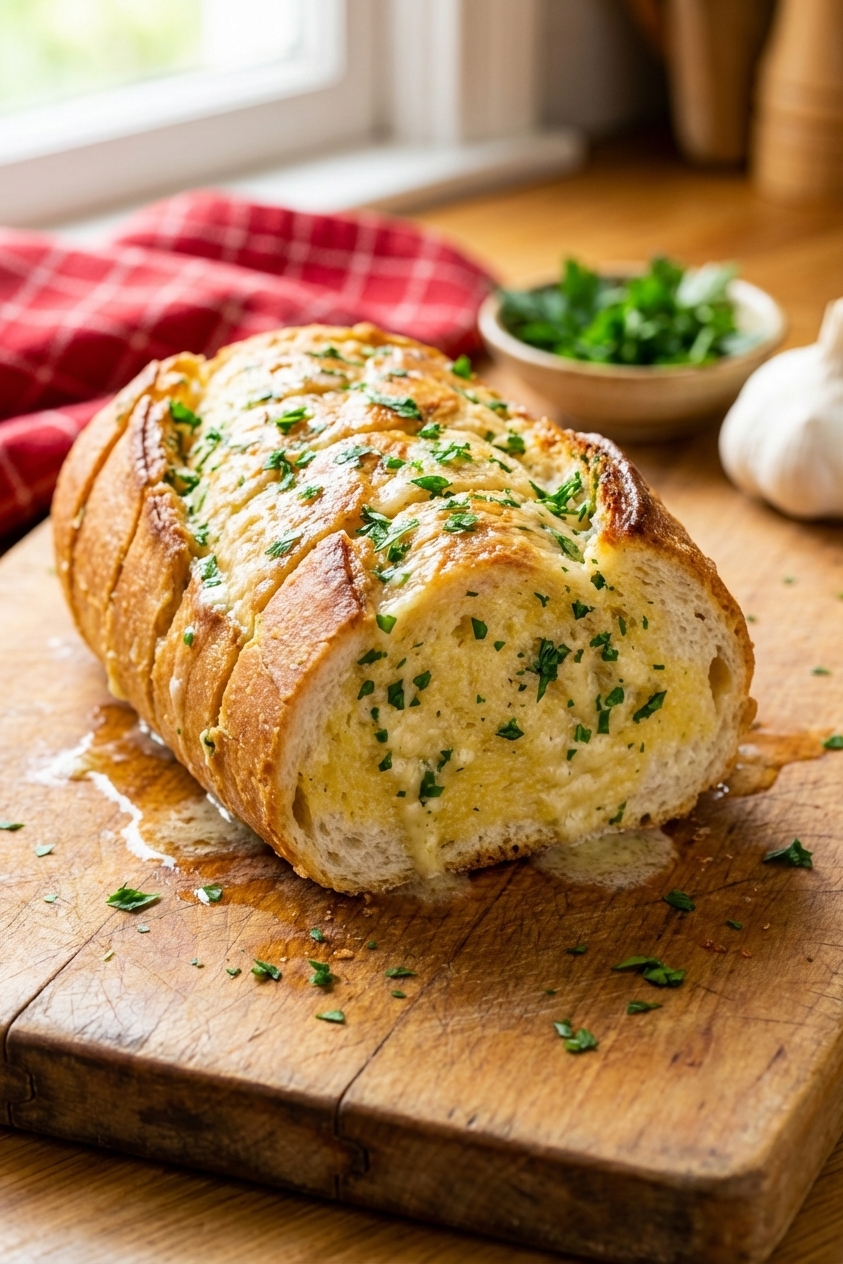
Butternut squash soup is the kind of recipe that makes the whole kitchen smell like you have your life together, even if you are cooking in socks and using a mug as a measuring cup. It is warm, a little sweet, and basically built for dunking bread. This version sticks to the traditional comfort zone but brings in a gentle hit of spice so every spoonful tastes toasty, aromatic, and not one-note.

We roast the squash for deeper flavor, then build the soup the same way you build anything good: onions and garlic first, spices toasted in the pot, and broth to pull it all together. Blend it smooth, finish with a little creaminess, and taste as you go. You are the boss of the salt.

A sheet pan of roasted butternut squash halves caramelized at the edges

Why It Works

  • Big roasted flavor: roasting the squash adds caramel notes and keeps the soup from tasting flat.
  • Warm spice without heat: cinnamon, nutmeg, and a pinch of cayenne read cozy, not spicy. Skip cayenne if you want zero kick.
  • Silky texture: blending thoroughly and simmering briefly after blending gives you that smooth, spoon-coating finish.
  • Flexible richness: use cream, coconut milk, or keep it simple with a drizzle of olive oil.

Pairs Well With

Storage Tips

This soup is a meal prep hero. It actually tastes better the next day once the spices settle in.

Refrigerator

  • Cool completely, then store in an airtight container for up to 4 days.
  • Reheat gently on the stove over medium-low, stirring often. Add a splash of broth or water if it thickens.

Freezer

  • Freeze in containers or freezer bags for up to 3 months.
  • For best texture, freeze before adding dairy. Stir in cream after reheating.

Reheating tips

  • Microwave: heat in 60 to 90 second bursts, stirring between rounds.
  • Stovetop: low and slow keeps it from scorching. If it sticks, your heat is too high.

Common Questions

Do I have to roast the squash?

No, but roasting is the difference between “nice” and “whoa.” If you are short on time, peel and cube the squash, then simmer it in broth until soft. You will still get a good soup, just slightly less deep and caramel-y.

How do I make it dairy-free?

Skip the heavy cream and use full-fat coconut milk or your favorite unsweetened plant cream. The soup base is already dairy-free, and coconut milk plays very nicely with the warm spices.

Why is my soup bland?

Usually it needs one of these: salt, a squeeze of acid (lemon juice or a tiny splash of apple cider vinegar), or a little more spice. Add a pinch of salt, stir, taste, repeat. Also make sure you toasted the spices for 30 seconds in the pot.

How do I make it thicker or thinner?

Thicker: simmer uncovered for 5 to 10 minutes, or blend in a small roasted potato or a handful of cooked rice. Thinner: add more broth a splash at a time.

Can I use frozen butternut squash?

Yes. Roast it from frozen on a sheet pan at 425°F until it gets browned at the edges, or simmer it directly in broth until very tender. Frozen squash is a weeknight shortcut I fully support.

I started making butternut squash soup when I realized it is basically the culinary version of a cozy blanket. You can keep it simple and it still works, but the first time I roasted the squash and toasted the spices in the pot, it clicked. The soup went from sweet and soft to sweet, savory, and actually interesting. Now it is my go-to when I want something that feels a little special without turning dinner into a whole production. Also, it is one of the few things that makes my kitchen smell like a candle I would overpay for.