Mom's Best Recipes
Recipe

Turkey Stock

Deep, savory homemade stock from a leftover turkey carcass, with clear steps and big cozy payoff.

Author By Matt Campbell
4.8
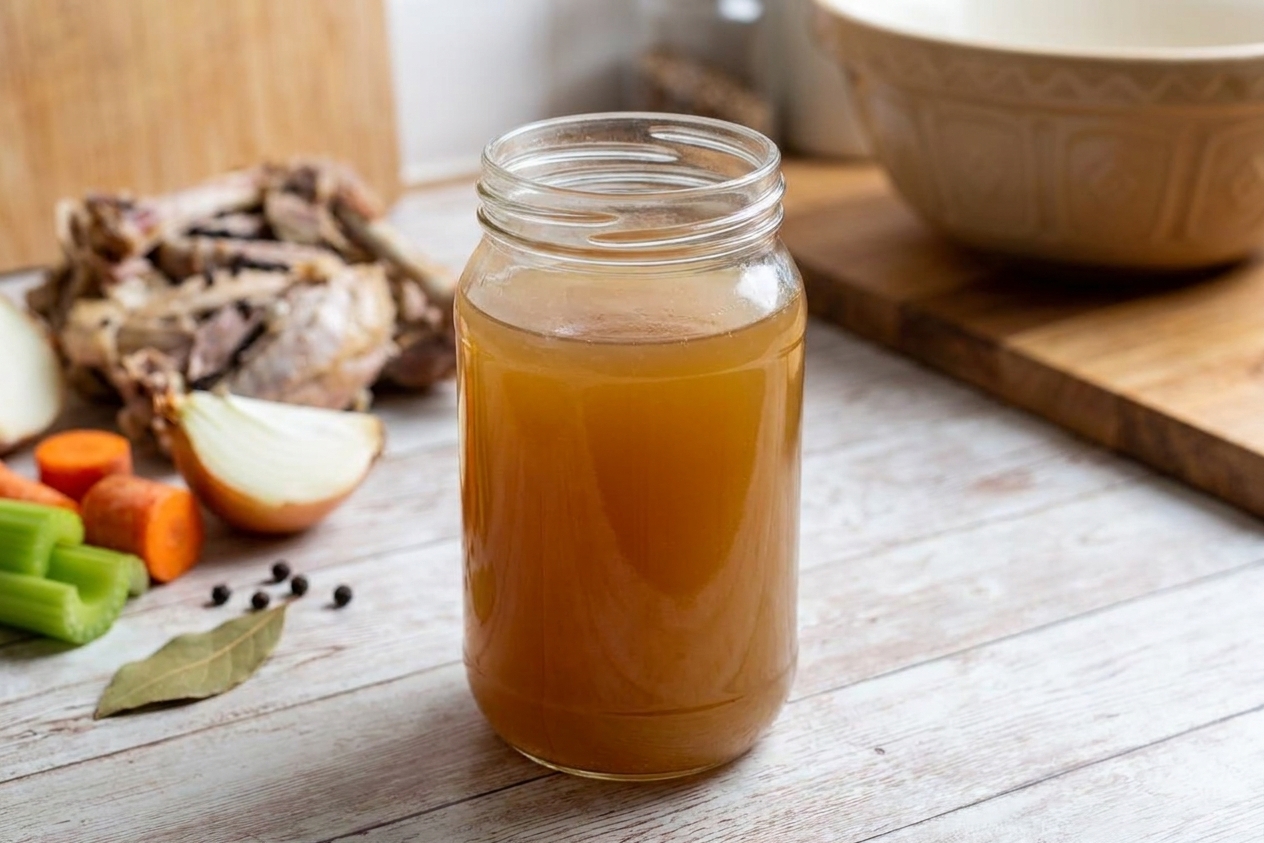
A glass jar of golden homemade turkey stock on a wooden kitchen counter with a turkey carcass and chopped onions, carrots, and celery softly blurred in the background

Turkey stock is the kitchen equivalent of finding money in your coat pocket. You already did the hard part by roasting the bird, and now you get to turn the leftovers into something that makes every soup, gravy, and risotto taste like it has a secret.

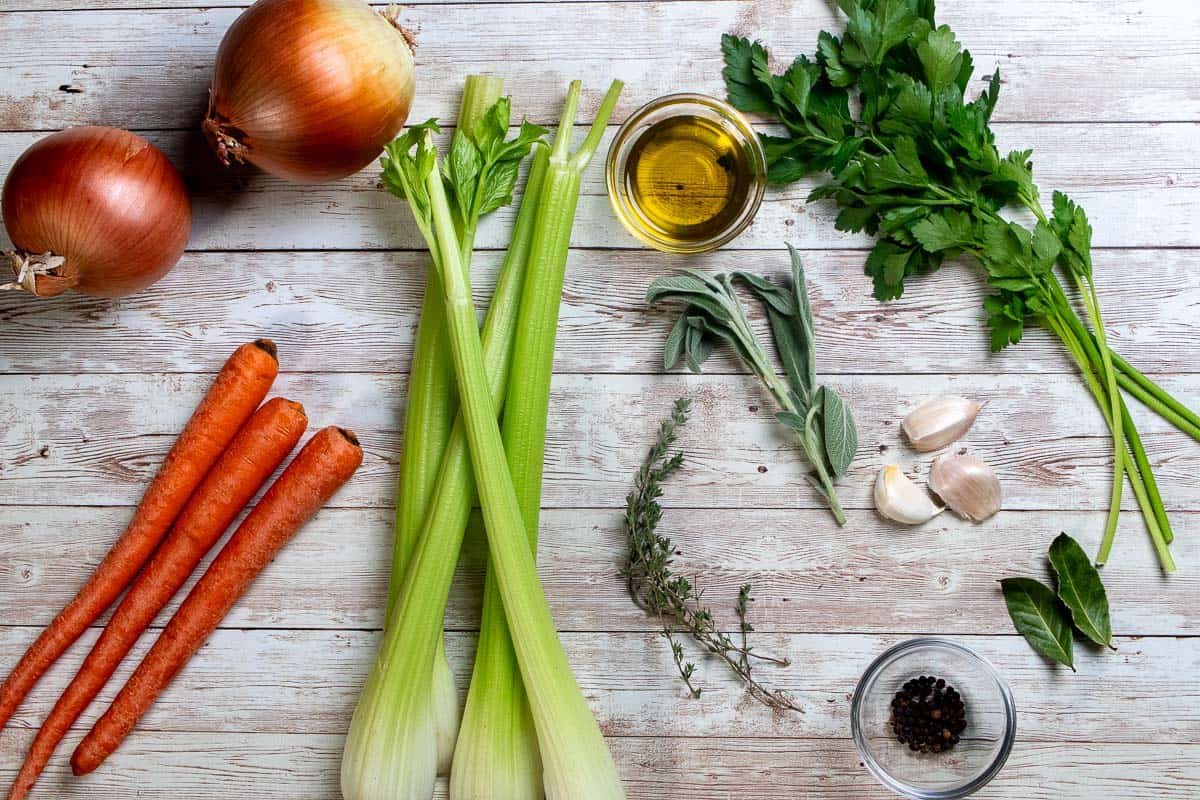
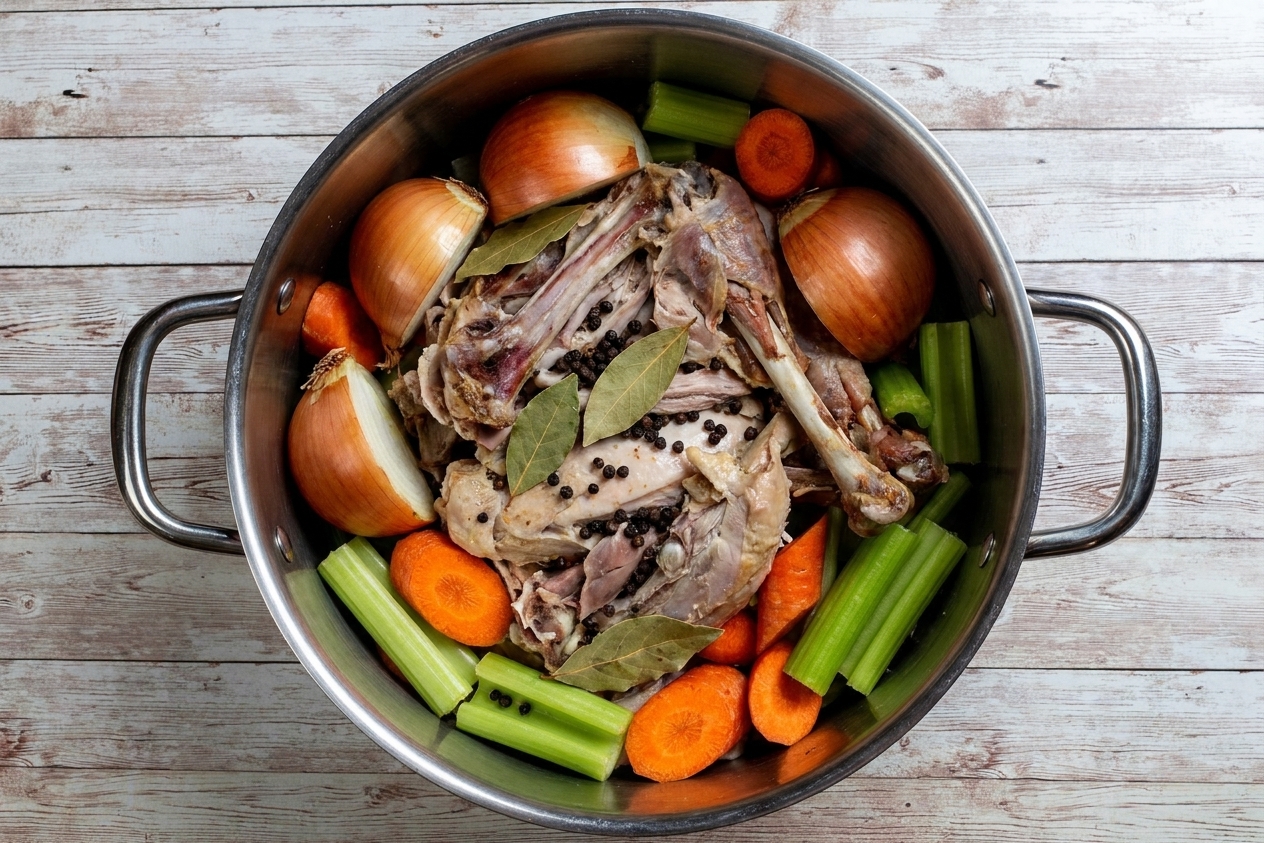
This version keeps it simple and accessible: turkey bones, classic aromatics, a few peppercorns, and herbs if you have them. I will also show you how to keep it from turning bitter, cloudy, or weirdly bland, because stock should taste like comfort, not like wet cardboard.

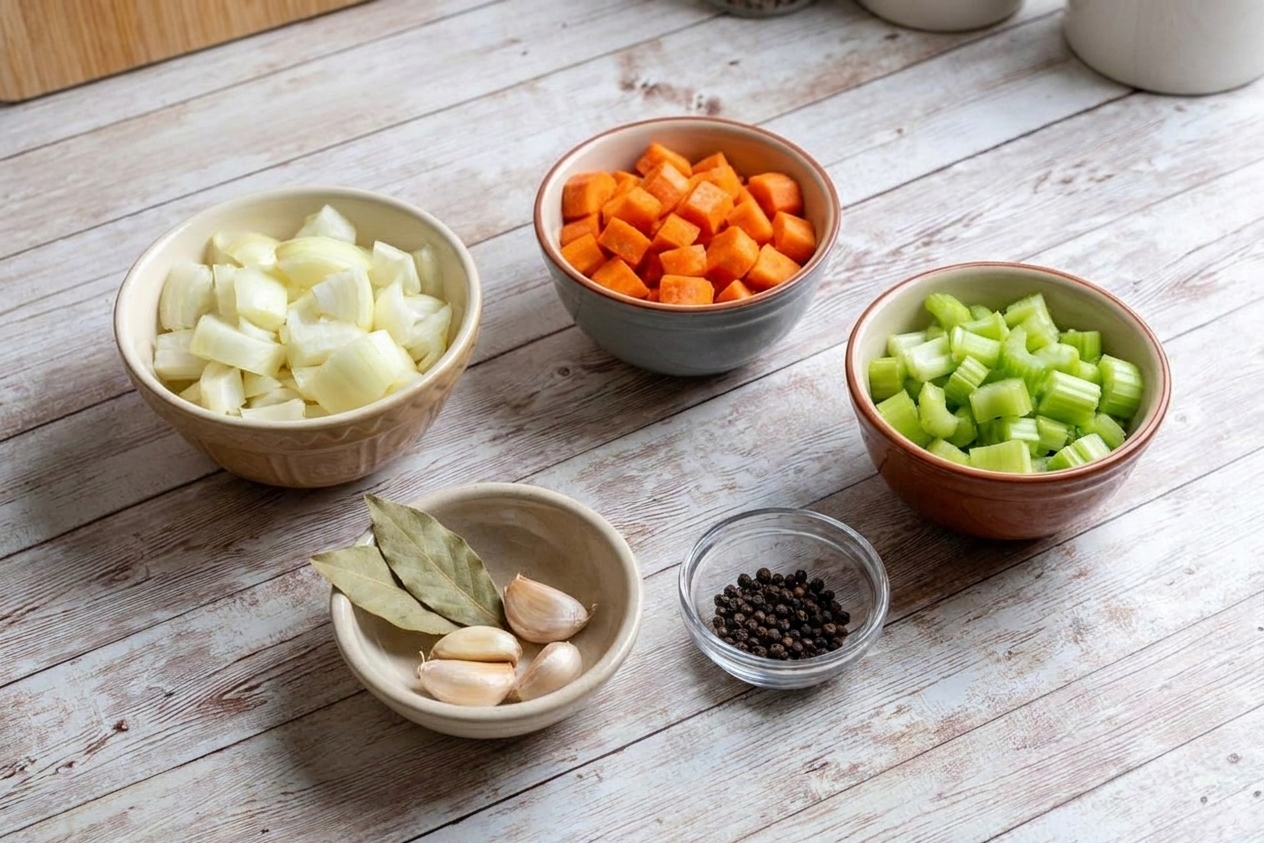
A roasted turkey carcass on a cutting board surrounded by halved onions, carrots, celery stalks, and a small bowl of peppercorns on a home kitchen counter

Why It Works

  • Big flavor without drama: A long, gentle simmer pulls out savory goodness without turning the stock bitter.
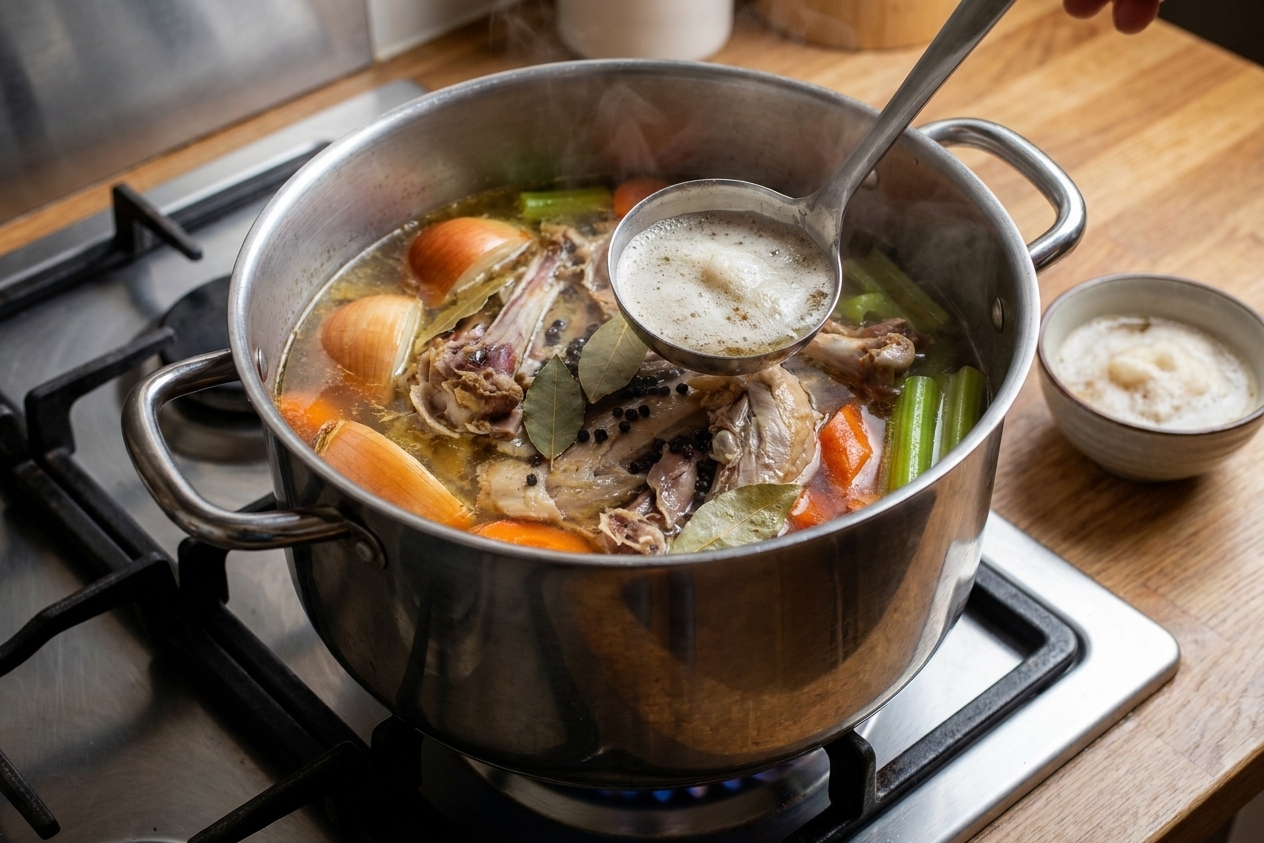
  • Cleaner taste: Skimming early and keeping it at a bare simmer helps you get a clearer, fresher stock.
  • Flexible: Works with a carcass, wings, neck, or a bag of bones. Add pan drippings or not, your call.
  • Freezer friendly: Portion it and suddenly weeknight soup becomes a personality trait.

Pairs Well With

Storage Tips

Fridge: Cool the stock quickly, then refrigerate in airtight containers for up to 4 days.

Freezer: Freeze for up to 6 months. I like a mix of portions: 1 cup for sauces and 2 to 4 cups for soups.

  • Deli containers or mason jars: Leave at least 1 inch of headspace for expansion.
  • Freezer bags: Lay flat to freeze, then file them upright like little stock folders.
  • Ice cube trays: Great for small boosts in pan sauces and rice.

Fat cap tip: Once chilled, the fat rises and solidifies. You can lift it off for a cleaner stock, or keep some for flavor. That turkey fat is basically gold for roasting potatoes.

Extra reassurance: If you are unsure how long it sat out or how it was stored, play it safe and bring it to a simmer before using.

Common Questions

Should I roast the bones first?

If your turkey was already roasted, you are good. Roasting extra parts like wings or neck for 20 to 30 minutes at 425°F deepens flavor, but it is optional.

Can I use stuffing-flavored turkey bits or heavily spiced drippings?

Yes, but carefully. Strong herbs, lots of sage, or sweet glazes can dominate the stock. If your carcass is very seasoned, keep the aromatics simple and skip extra herbs until you taste at the end.

Why did my stock turn bitter?

Common culprits: too much charred skin, simmering too hard, or adding lots of cruciferous veggies (like cabbage) or a big pile of herb stems for hours. Keep it simple with onions, carrots, celery, garlic, peppercorns, and a bay leaf.

Why is my stock cloudy?

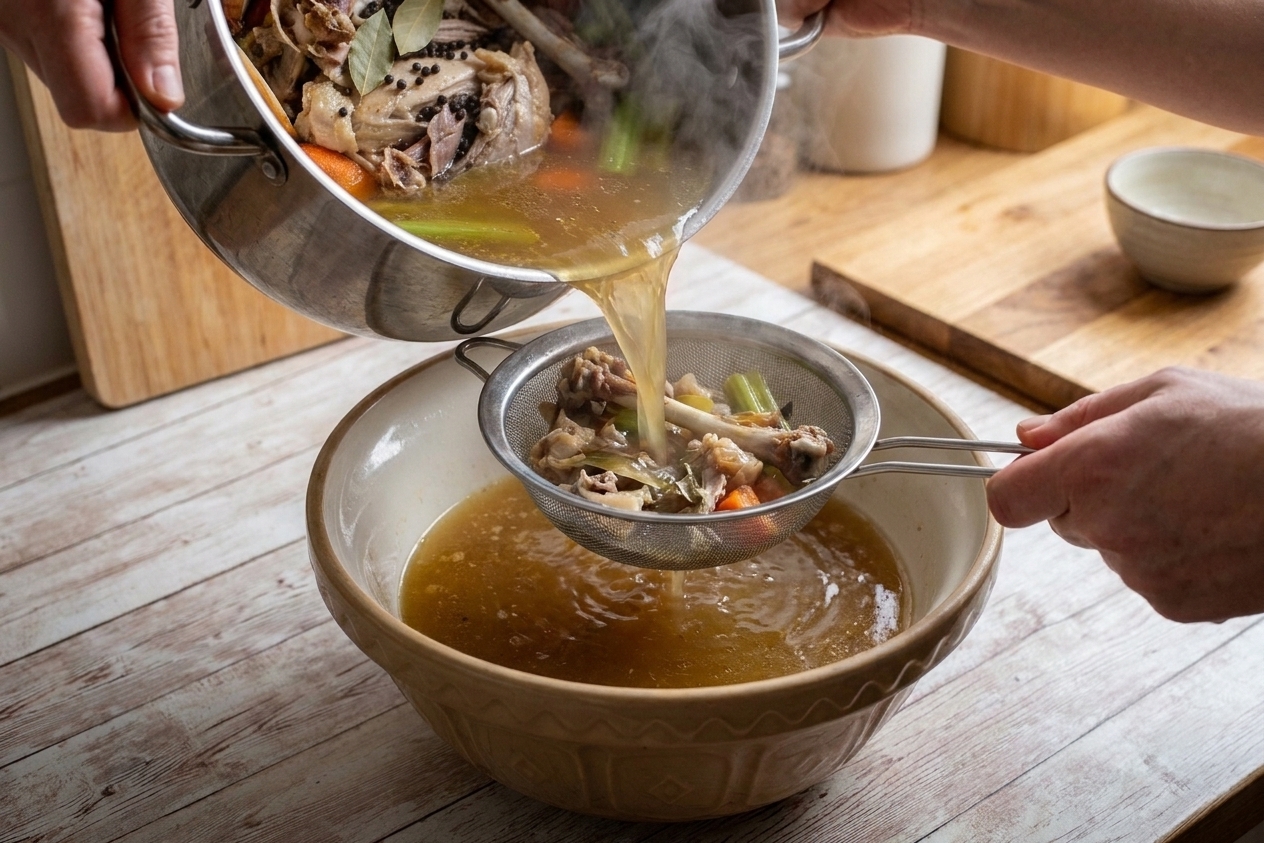
Boiling emulsifies fat and particles into the liquid. Aim for a gentle simmer and strain through a fine-mesh sieve. Skimming early helps with clarity and a cleaner aroma, but cloudy stock still tastes great.

My stock gelled in the fridge. Is that normal?

Yes, and it is a good sign. Chilled stock can turn jiggly because of collagen from the bones. It will melt back to liquid when warmed.

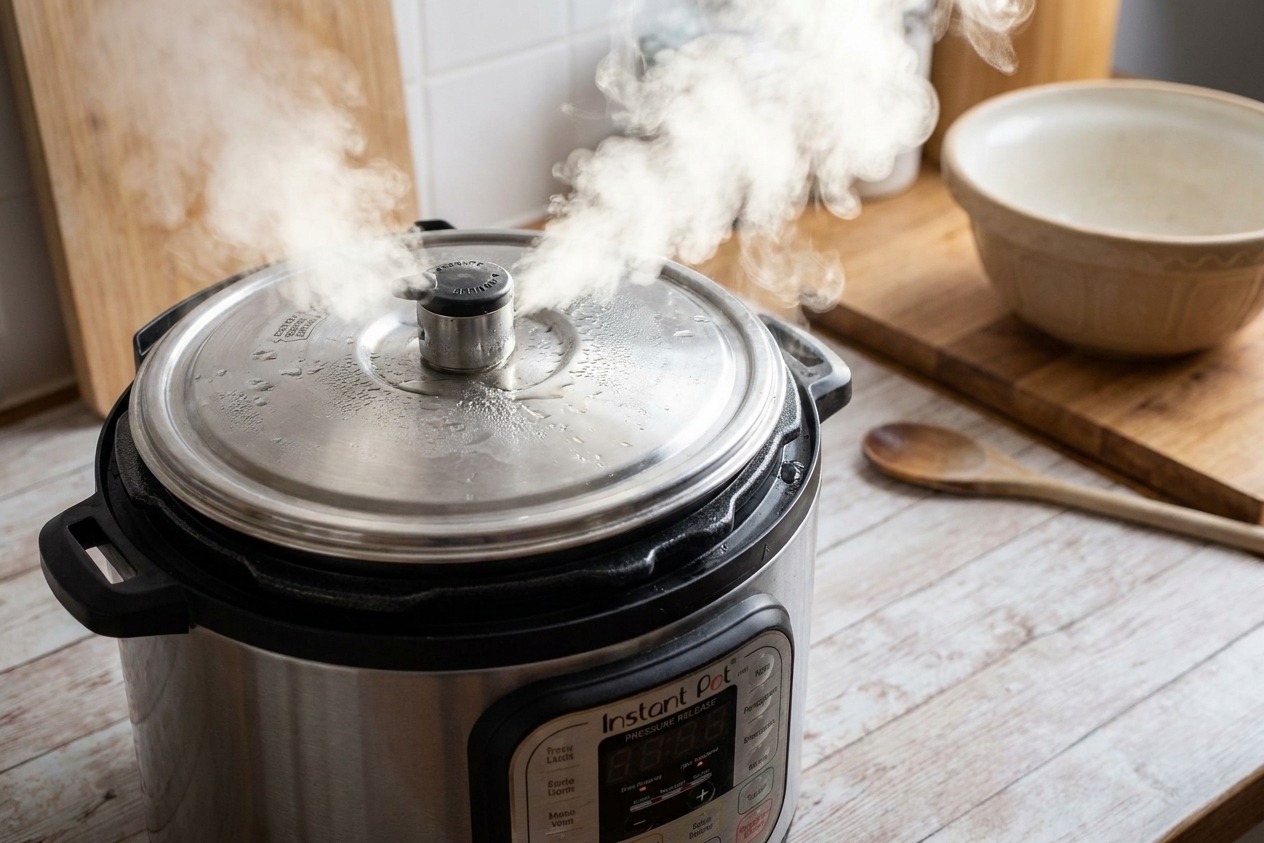
Can I make it in an Instant Pot?

Yes. Pressure cooking is fast and gives a rich stock. I include the timing in the instructions.

Do I salt turkey stock?

I recommend not salting (or salting very lightly) so you can reduce it later without ending up with a salt bomb. Season when you use it.

I used to look at a turkey carcass like it was just the final boss of cleanup. Then I started making stock, mostly because I hated wasting all that roasted flavor. Now it is my favorite quiet kitchen ritual: toss everything in a pot, let it simmer while I reset the kitchen, and suddenly the house smells like you have your life together. The best part is using it later in a random Tuesday soup and thinking, okay wow, we did something here.