Mom's Best Recipes
Recipe

Homemade Vegetable Stock

A clear, savory stock with real vegetable flavor, no weird bitterness, and lots of ways to use it.

Author By Matt Campbell
4.8
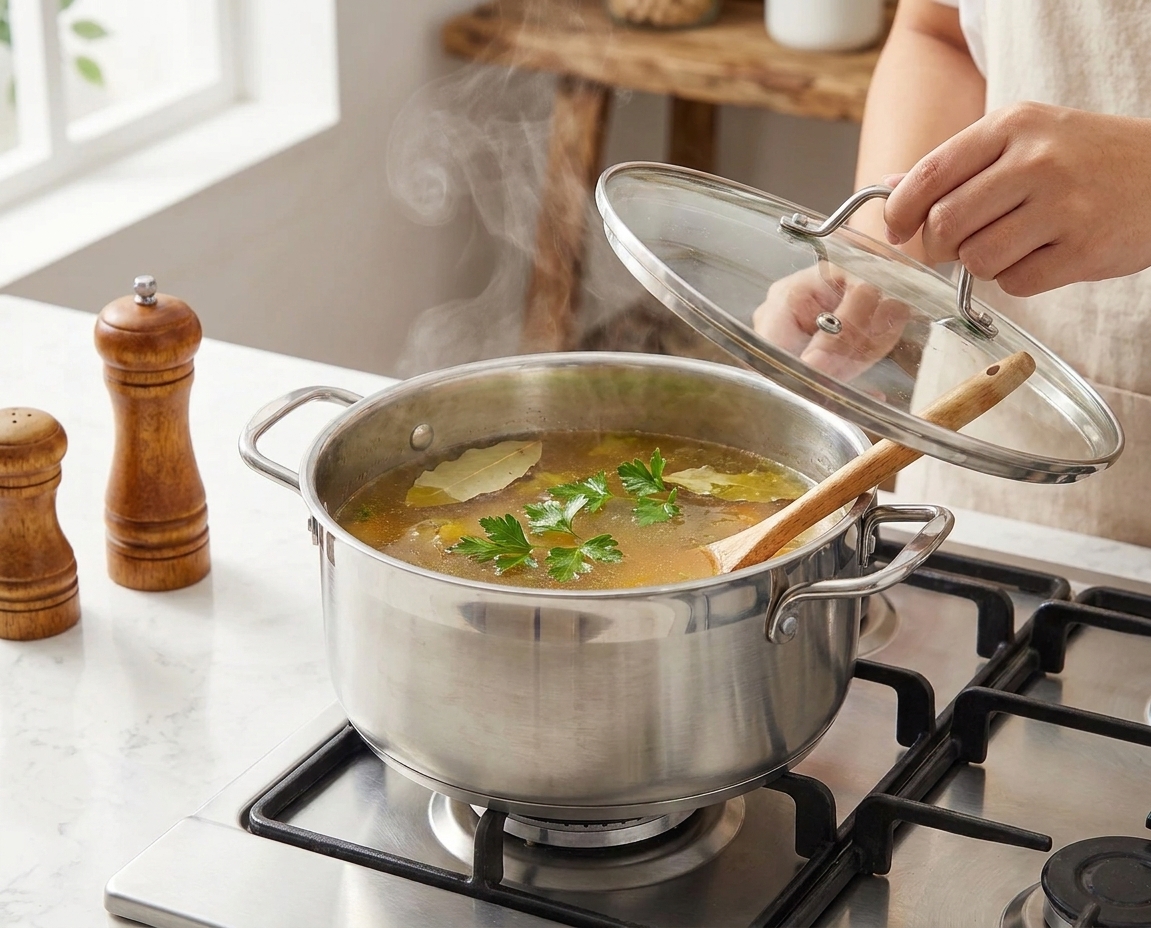
A large stainless steel pot of vegetable stock simmering on a home stove with carrots, onions, celery, garlic, bay leaves, and parsley visible near the surface in warm kitchen lighting

Vegetable stock is one of those quiet kitchen flexes that makes everything taste like you tried harder than you did. It turns rice into pilaf energy, soups into something you want to eat straight from the pot, and pan sauces into that glossy, restaurant-y situation we all pretend is effortless.

This version is what I make when I want clean vegetable flavor without the muddy bitterness that can happen when stock boils too hard or gets loaded up with the wrong scraps. It is simple, flexible, and forgiving. You can go full “I bought vegetables on purpose” or do the more realistic option and use a stash of freezer scraps.

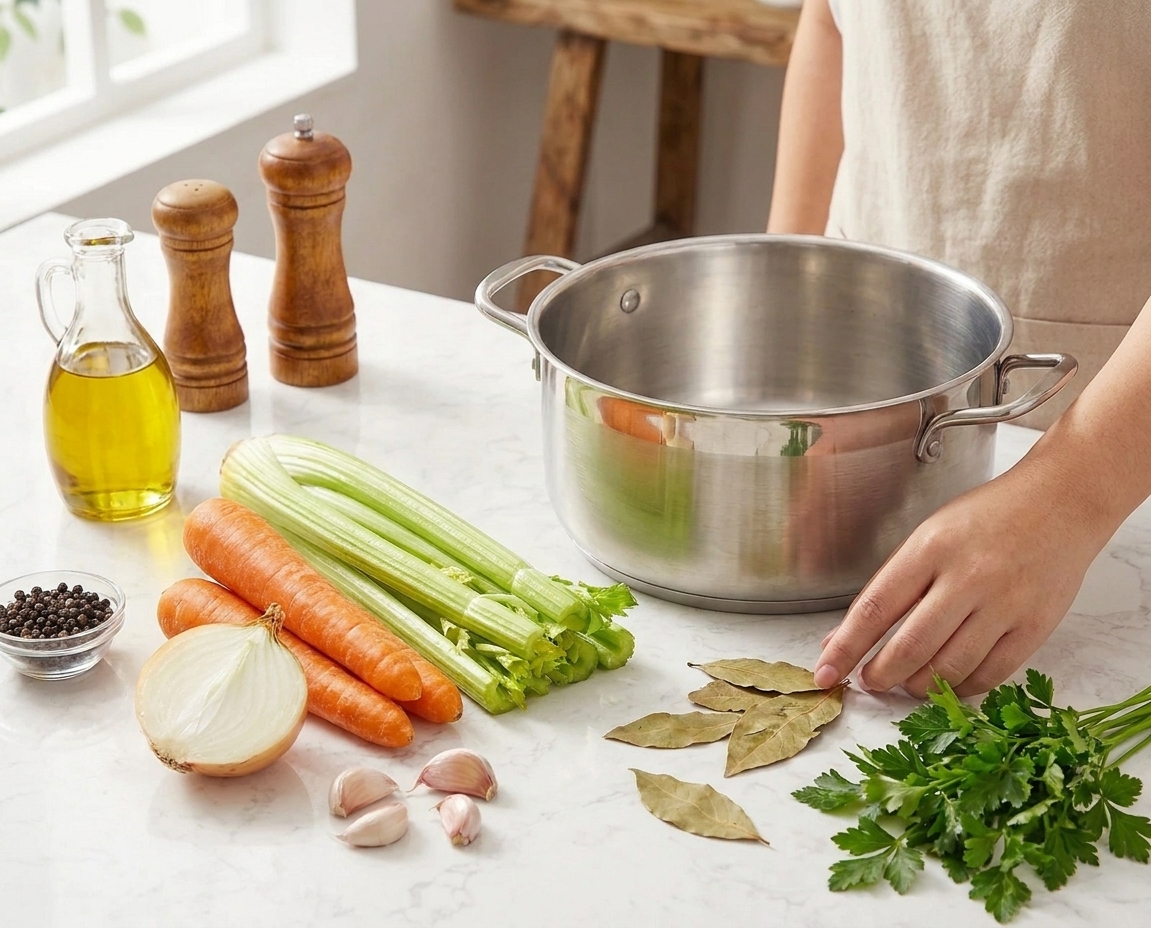
Carrots, celery, onion, garlic, parsley, bay leaves, peppercorns, and olive oil arranged on a light kitchen counter next to a large soup pot

Why It Works

  • Bright, not bitter: Gentle simmering and smart scrap choices keep the flavor fresh and sweet.
  • Flexible ingredients: Built around onion, carrot, and celery, then you can riff with herbs and aromatics.
  • Freezer friendly: Makes a big batch so future-you can win weeknights with zero extra effort.
  • More flavor than water: A proper stock gives soups and grains body and savory depth without needing meat.

Pairs Well With

Storage Tips

How to Store Vegetable Stock

Refrigerator: Cool stock quickly, then store in airtight containers for up to 3 to 5 days.

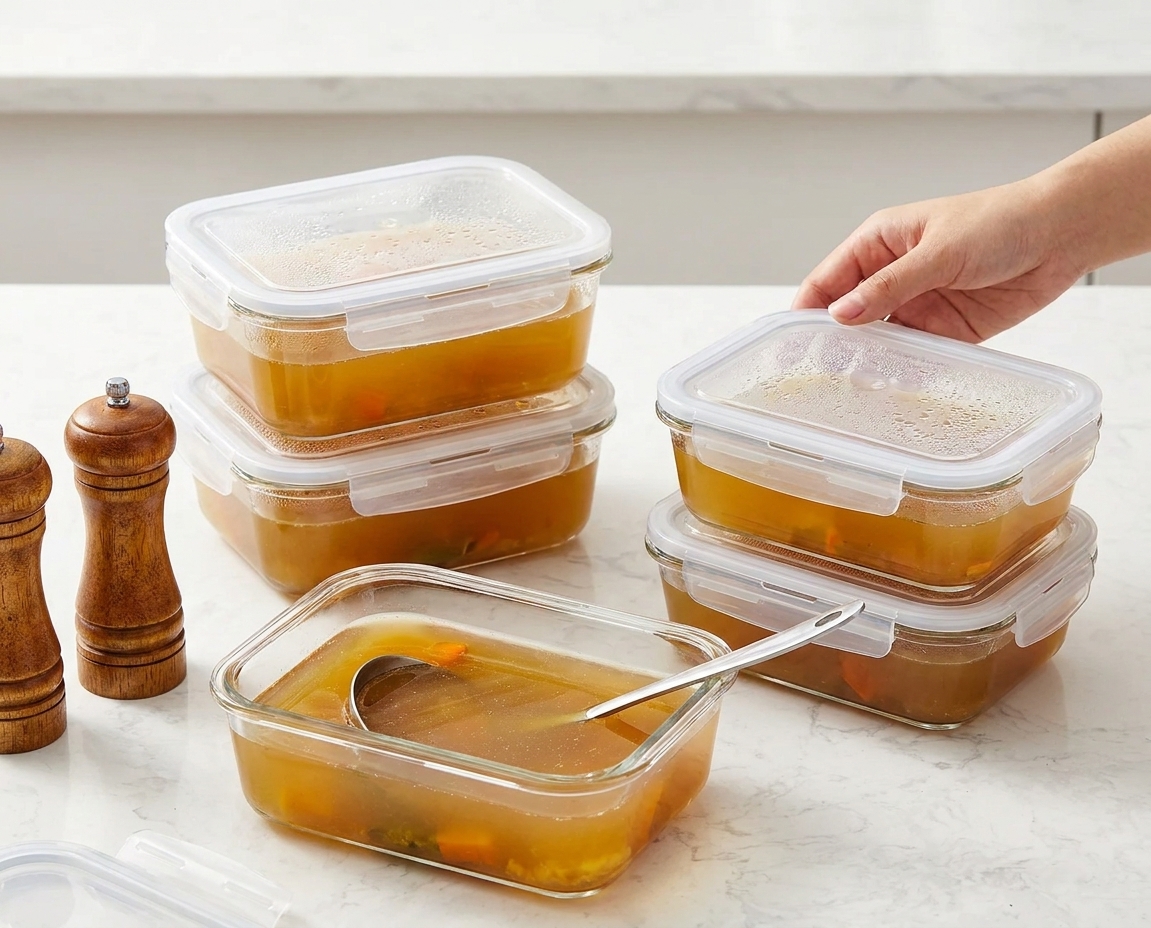
Freezer: Freeze for up to 4 to 6 months. I like freezing in a mix of sizes: 2-cup containers for soups and 1-cup containers for sauces. Ice cube trays are great when you only need a splash.

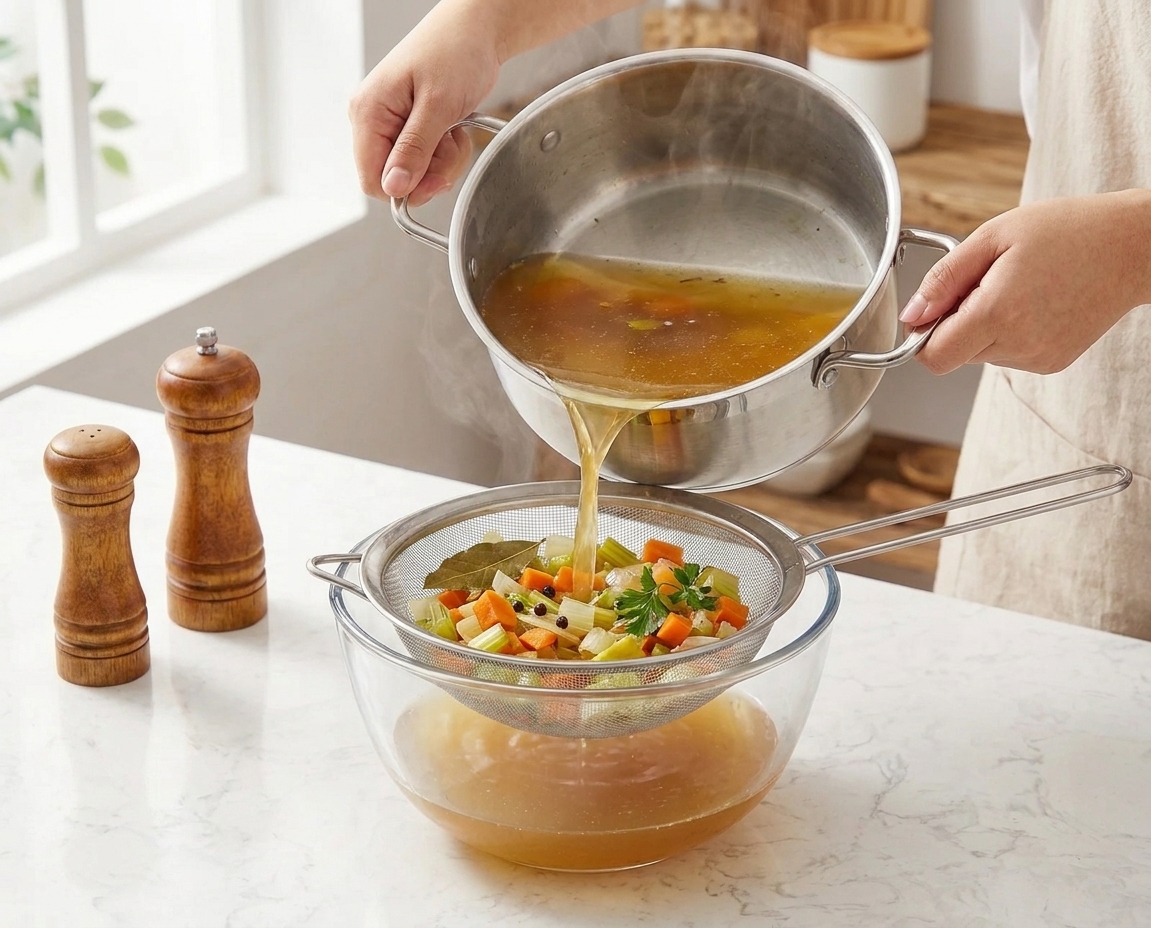
Cooling tip: For food safety and better flavor, strain the stock, then set the pot in a sink of ice water and stir to bring the temp down fast. Once it is no longer hot, refrigerate promptly.

Heads up: Vegetable stock will not gel like bone broth because there is no collagen. If yours feels a little thicker when cold, that is usually just concentration (less water) or natural vegetable solids. It loosens as it warms, and it is totally normal.

Glass meal prep containers filled with golden vegetable stock on a kitchen counter, some with lids on and one open showing clear broth

Common Questions

What vegetables are best for stock?

The classics are onion, carrot, and celery. They give you sweetness, aroma, and a savory backbone. From there, add garlic, parsley stems, thyme, bay, and a few peppercorns.

What should I avoid adding?

Avoid scraps that turn stock bitter or funky: cruciferous vegetables (broccoli, cauliflower, Brussels sprouts, cabbage), too many greens (kale, collards), and starchy peels (lots of potato skins). Also skip anything already dressed or sauced.

Can I make it from frozen vegetable scraps?

Yes. That is one of the best ways to do it. Keep a freezer bag of clean scraps like onion ends, carrot peels, celery leaves, mushroom stems, and herb stems. When the bag is full, stock day happens.

Why did my stock taste bitter?

Usually it is one of three things: boiling too hard, too many bitter veggies (like broccoli or lots of dark leafy greens), or overcooking. Vegetable stock does not need hours. A gentle simmer for 45 to 60 minutes is the sweet spot.

If it is already bitter: dilute it with a bit of water, or use it in something hearty (bean soup, chili, braised greens) where other flavors can carry it. If it is only slightly bitter, blending it into a pureed soup can help smooth the edges.

Should I salt vegetable stock?

I recommend not salting it, especially if you will reduce it later for sauces. Salt at the dish level instead. If you want it as a sip-worthy broth, add salt when reheating a portion.

Can I pressure cook it?

Yep. In an electric pressure cooker, cook on High Pressure for 20 minutes, then let it naturally release for 15 minutes before venting. Timing can flex a bit depending on your machine and how bold you want the flavor. For a lighter stock, try 15 minutes. For a deeper one, go 25.

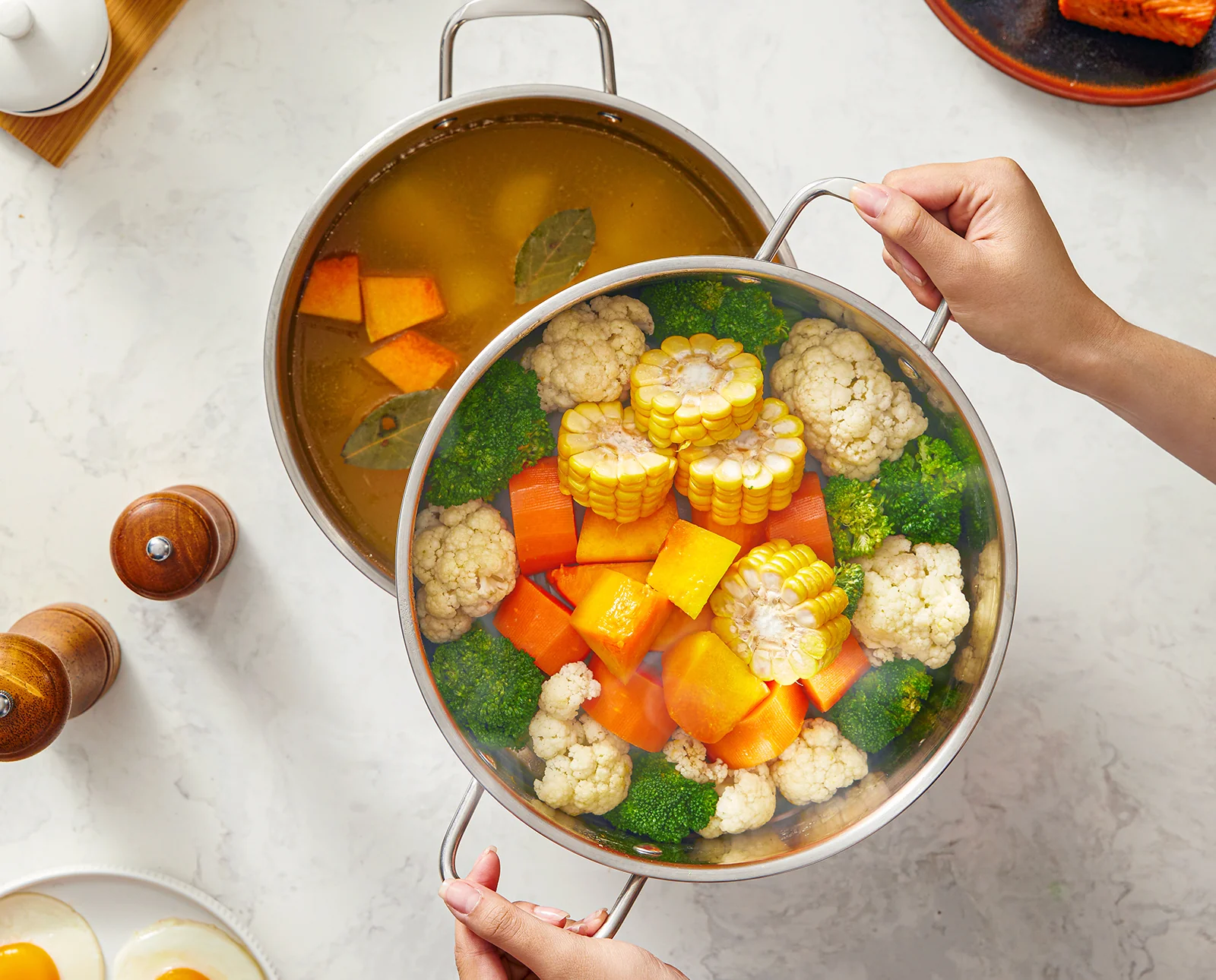
I used to think vegetable stock was either (1) a fancy chef thing or (2) a beige carton you buy when you forget. Then I started saving scraps like a mildly unhinged kitchen raccoon and realized homemade stock is basically free flavor. It is also a small act of future kindness. A couple cups in the freezer means your weeknight soup can taste like you planned your life.